The Simple Late-Winter Checklist For Your Georgia Backyard
Late winter has a way of making a Georgia backyard feel unfinished, even when nothing is actually wrong. It’s that in-between stage where small issues start to stand out, but spring still feels just out of reach.
This is the moment when a quick check matters more than big projects. Soil, plants, and hardscape all show quiet signs of what they’ll need once growth speeds up.
Taking care of a few overlooked tasks now can prevent rushed fixes later, when everything starts happening at once.
A late-winter checklist isn’t about doing more work. It’s about knowing what deserves attention before spring momentum takes over.
Handling these basics now helps your backyard transition smoothly, so when warmer days arrive, you’re maintaining progress instead of scrambling to catch up.
1. Check Drainage After Winter Rains
Winter storms across Georgia often reveal hidden drainage problems that went unnoticed during drier months.
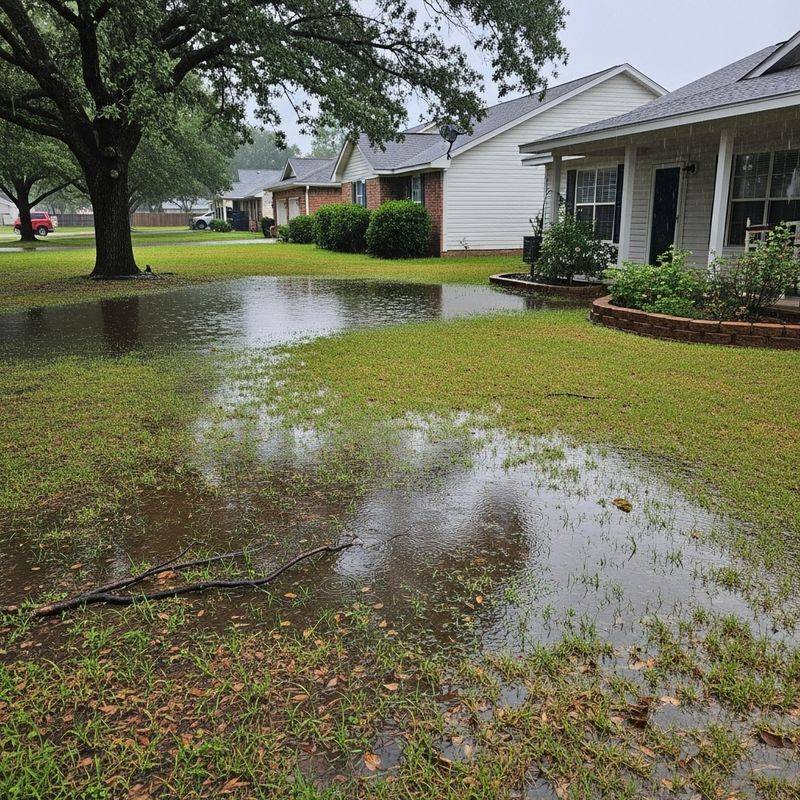
Standing water near your foundation, soggy spots that stay wet for days, or erosion channels cutting through your lawn all signal issues that need attention before spring rains make them worse. Walk your entire property after a good rain and mark problem areas with flags or stakes so you remember exactly where water collects.
Foundation drainage deserves special attention because water pooling against your house can seep into crawl spaces or basements, creating expensive damage over time.
Look for downspouts that dump water too close to the building or gutters that overflow during heavy rain. Simple fixes like extending downspouts with flexible piping or adding splash blocks can redirect water away from your home effectively.
Low spots in your yard might need French drains or regrading to move water toward better drainage areas. Some homeowners in Georgia find that creating shallow swales or rain gardens solves persistent wet spots while adding attractive landscape features.
If you notice water running toward your house instead of away from it, consider hiring a landscaping professional to evaluate the grade and suggest corrections. Addressing drainage now prevents mud pits, erosion damage, and stressed plants when spring growth begins in earnest.
2. Finish Pruning On Trees And Shrubs
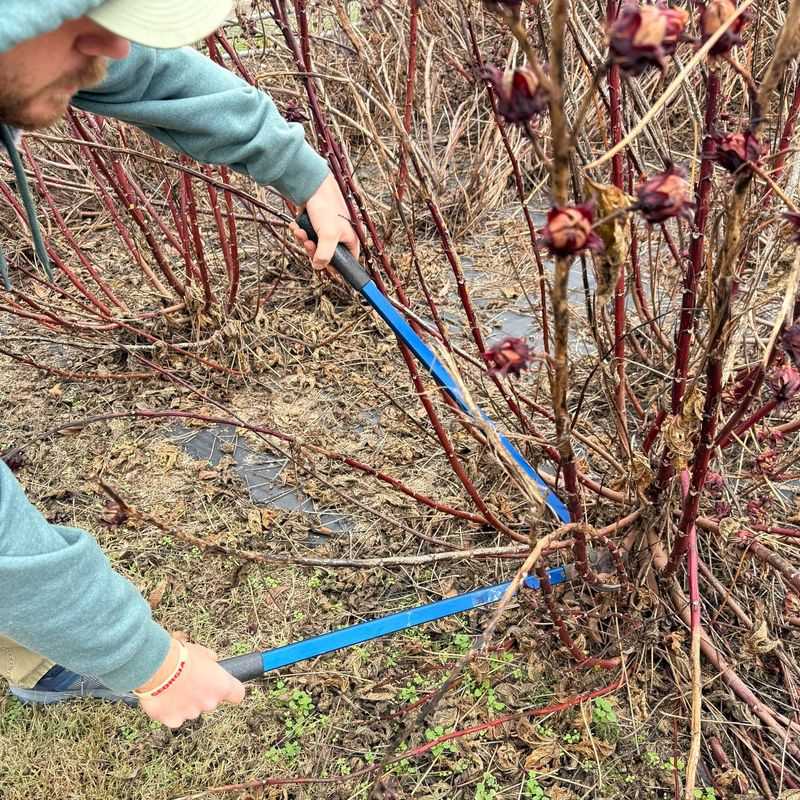
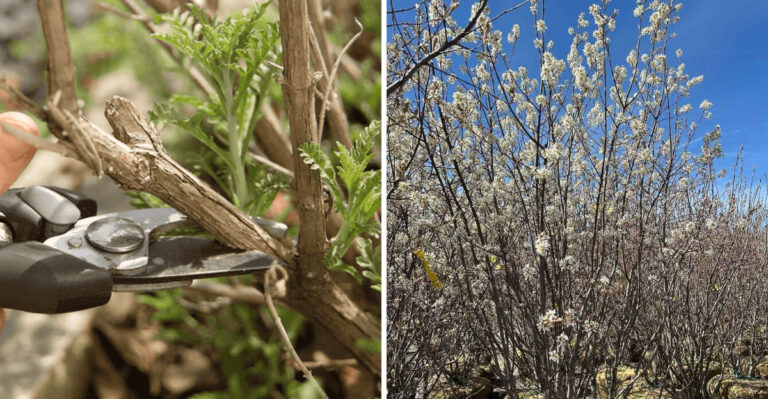
Dormant season pruning gives your trees and shrubs their best chance to heal and respond with vigorous spring growth. Late winter represents the final weeks for this important task before buds begin swelling and sap starts flowing through branches again.
Most deciduous trees and shrubs in Georgia benefit from pruning while they rest, allowing you to see their structure clearly without leaves blocking your view.
Crossing branches rub against each other during windy weather, creating wounds that invite insects and disease into your plants.
Thinning crowded growth improves air circulation through the canopy, reducing fungal problems that plague Georgia’s humid summers.
Certain plants require special timing, so check before you cut. Spring-flowering shrubs like azaleas and forsythia should wait until after they bloom since they set flower buds on old wood.
Summer bloomers like crape myrtles handle late-winter pruning beautifully, responding with abundant flowers on new growth. Fruit trees need strategic pruning to balance vegetative growth with fruit production, so research your specific varieties or consult local extension resources.
Sharp, clean tools make smooth cuts that heal faster than ragged tears, so take time to sharpen your pruners and sanitize blades between plants.
3. Clean Up Beds Without Stripping Protection
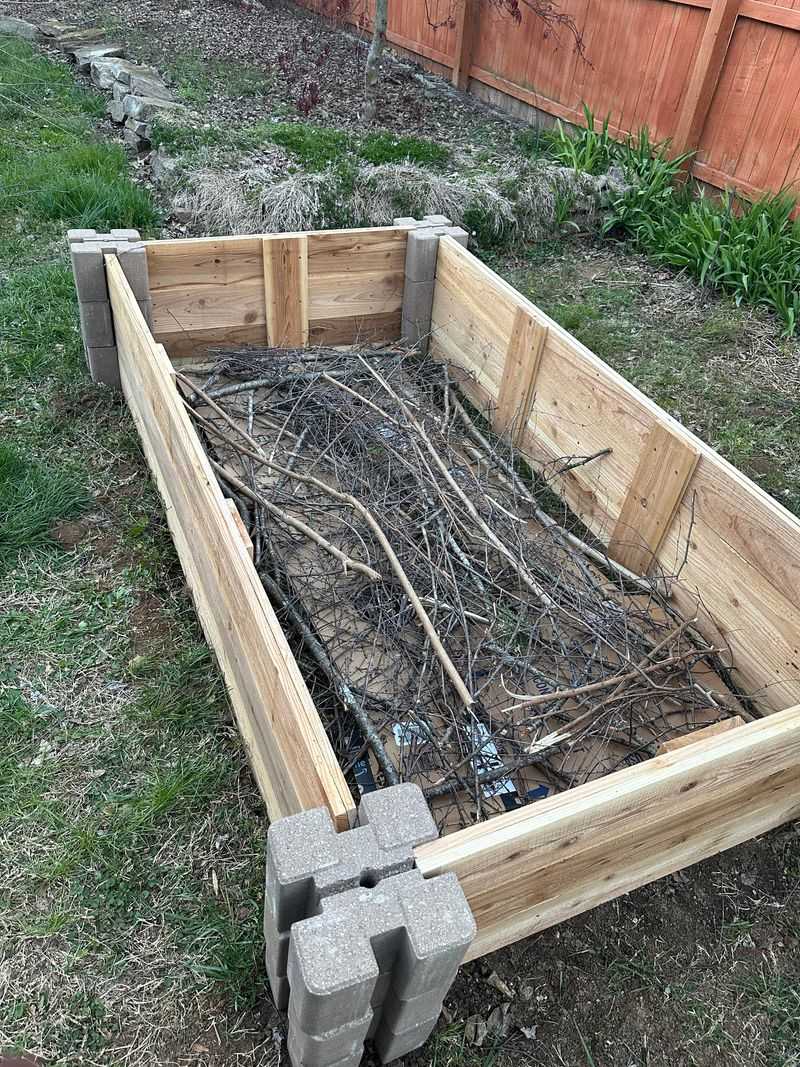
Garden beds accumulate fallen leaves, broken branches, and other debris throughout winter that needs removal before spring planting begins.
However, stripping beds completely bare exposes soil to erosion and temperature swings that stress plant roots and beneficial organisms living beneath the surface. The key involves removing excessive buildup while leaving enough organic material to continue protecting the soil.
Rake away thick leaf piles that smother emerging perennials or create hiding spots for slugs and other pests.
Matted leaves trap moisture against plant crowns, encouraging rot in species that prefer drier conditions during dormancy. Pull back mulch from around the base of shrubs and perennials so you can inspect for damage, disease, or early growth that needs attention.
Leave a thin layer of decomposing organic matter in place rather than scraping down to bare dirt. This protective blanket moderates soil temperature, retains moisture, and feeds earthworms and microbes that improve soil structure.
In Georgia, where late frosts can still surprise gardeners through March, maintaining some insulation helps protect tender roots from sudden temperature drops.
Add the debris you remove to your compost pile instead of bagging it for the curb, turning yard waste into valuable soil amendment for later use. Gentle cleanup now prepares beds for planting while preserving the soil ecosystem that supports healthy plant growth throughout the coming season.
4. Test Soil And Plan Amendments
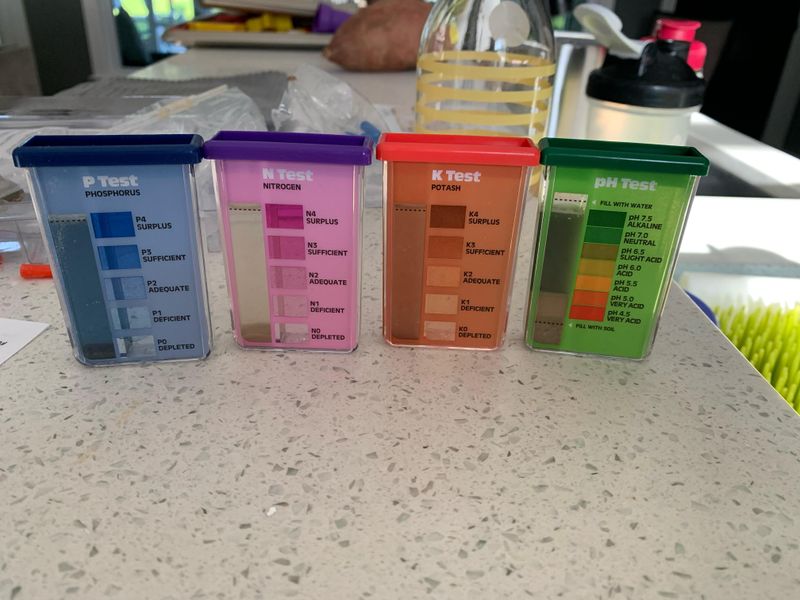
Knowing what your soil contains makes the difference between struggling plants and thriving gardens throughout the growing season. Late winter offers ideal timing for soil testing because you can add amendments now and let them integrate before planting begins.
Georgia soils vary widely depending on your location, with red clay dominating many areas while sandy soils appear in coastal regions and river valleys.
Collect samples from different areas of your yard since soil composition often varies across your property. Vegetable beds, ornamental borders, and lawn areas might all need different treatments based on their specific conditions and the plants you want to grow there.
Your local extension office provides inexpensive testing that reveals pH levels, nutrient content, and recommendations for improving your particular soil type.
Clay-heavy Georgia soils often need organic matter to improve drainage and make nutrients more available to plant roots. Compost, aged manure, or leaf mold worked into beds now will have time to settle and begin breaking down before spring planting.
Sandy soils benefit from the same amendments but for opposite reasons, as organic matter helps retain moisture and nutrients that otherwise wash away quickly. Lime adjusts pH for plants that prefer sweeter soil, while sulfur lowers pH for acid-loving species like blueberries and azaleas.
Spreading amendments now and turning them into the top few inches of soil gives microorganisms time to process additions and create better growing conditions.
5. Prepare Vegetable Beds For Early Planting
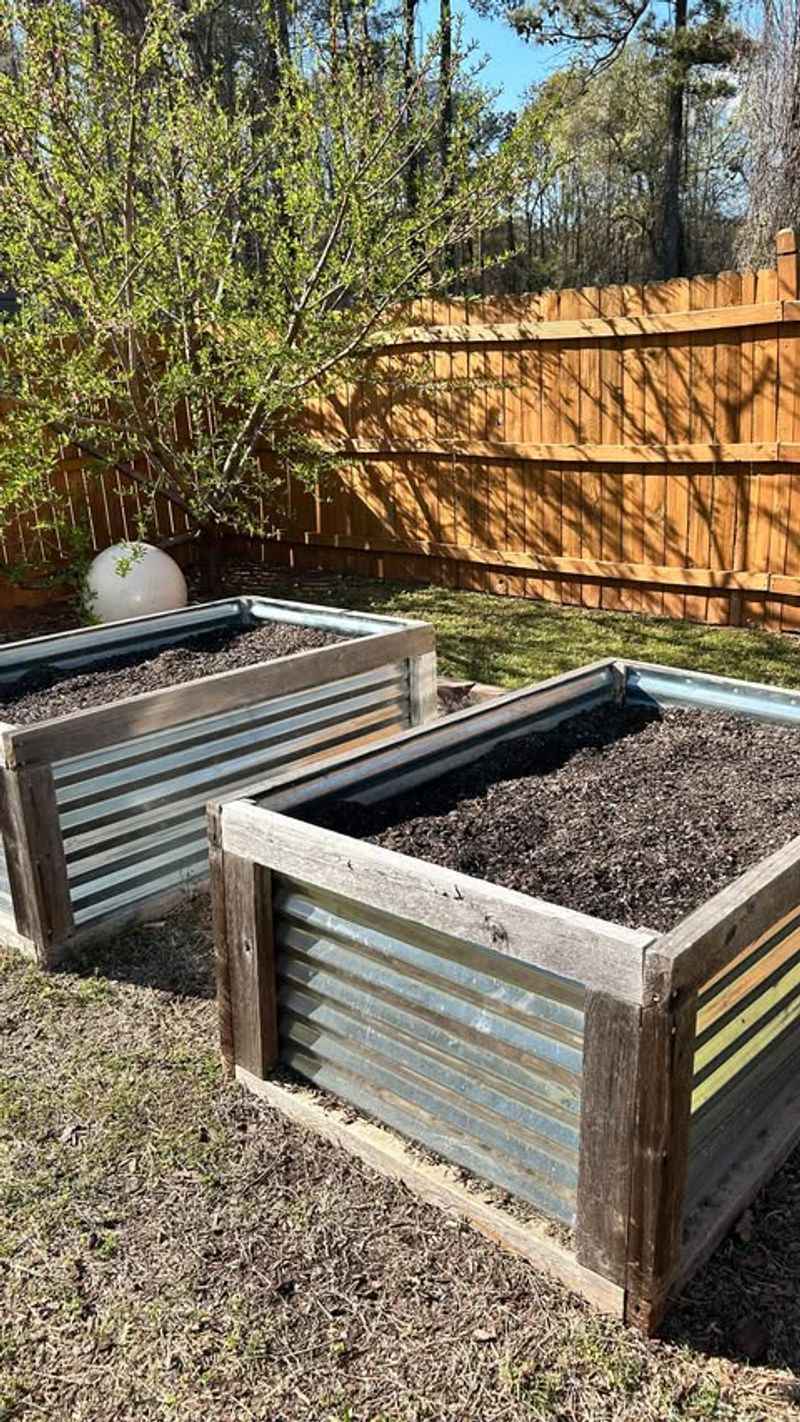
Georgia’s moderate climate allows earlier vegetable planting than many regions, but beds need proper preparation to support those first spring crops.
Cool-season vegetables like lettuce, peas, broccoli, and cabbage can go in the ground as early as late February or early March in many parts of the state. Getting beds ready now means you can plant as soon as conditions allow rather than scrambling to prepare soil when perfect planting weather arrives.
Turn or till beds to break up compacted soil and incorporate any amendments you added after testing. Loose, fluffy soil allows young roots to penetrate easily and access the water and nutrients they need for strong growth.
Remove any weeds that sprouted during winter warm spells, pulling them before they set seed and create problems throughout the growing season.
Consider adding a layer of compost across the bed surface, working it into the top few inches where vegetable roots will feed most heavily.
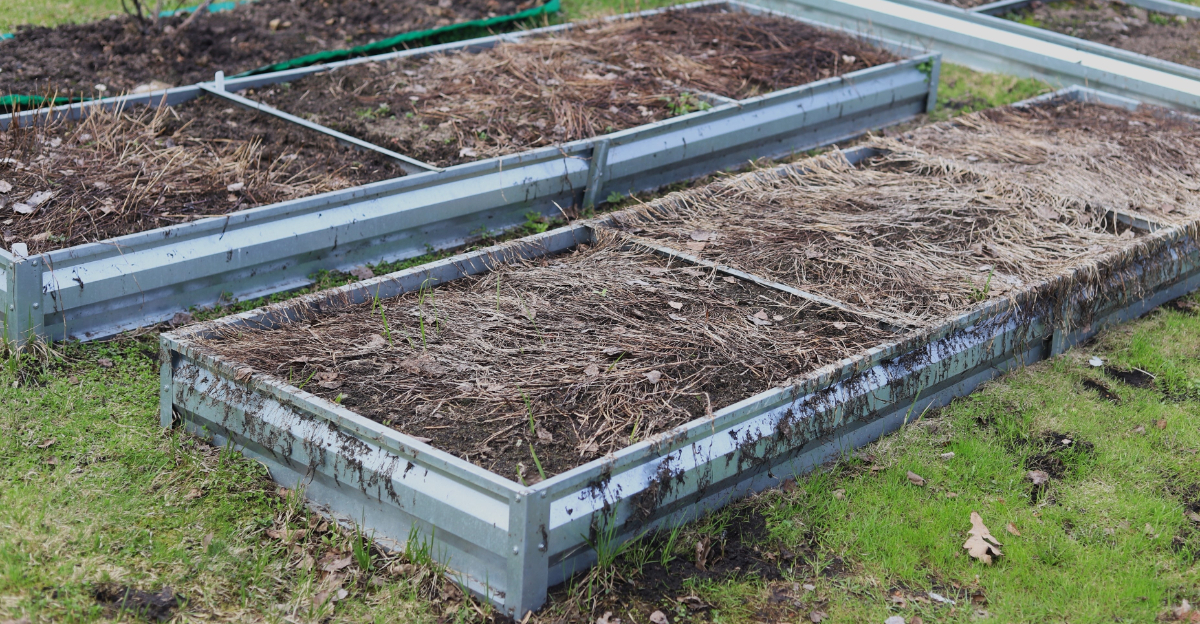
Compost improves soil structure, adds beneficial microorganisms, and provides slow-release nutrients that support steady plant growth. Shape beds with slightly raised centers or create permanent raised beds that drain better than flat ground, especially important if your Georgia property has heavy clay soil.
Cover prepared beds with row cover fabric or plastic mulch to warm the soil and suppress weeds until planting day arrives. Taking these steps now means you can tuck transplants or seeds into perfect conditions when the calendar says go.
6. Inspect Lawns For Thin Or Damaged Areas
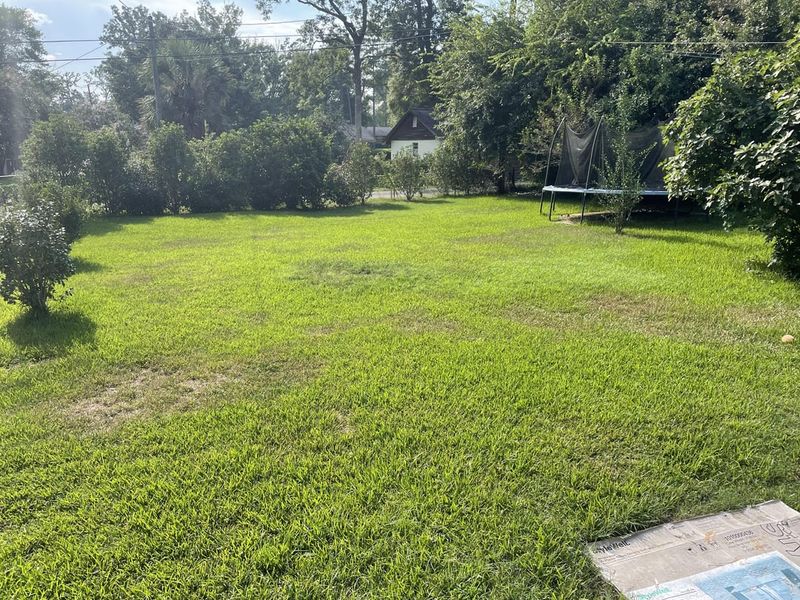
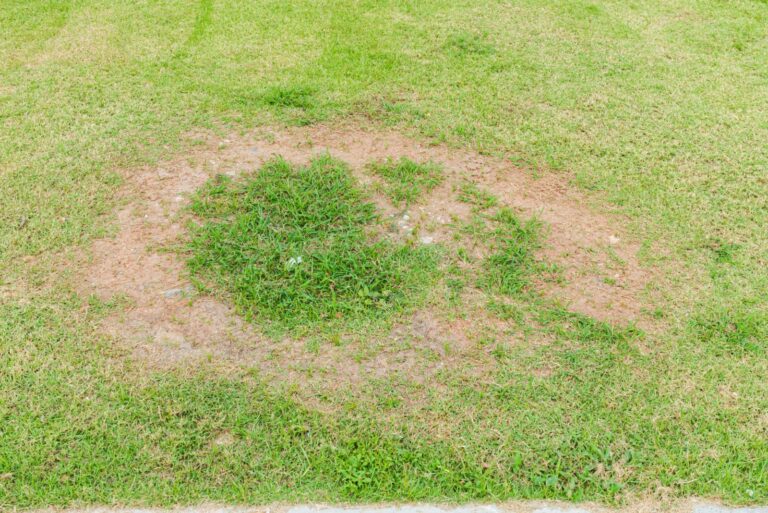
Late winter reveals lawn problems that summer’s lush growth often hides from view. Brown patches, thin areas, or spots where weeds dominate instead of grass all become obvious when warm-season turf like Bermuda and Zoysia lies dormant across Georgia yards.
Walking your entire lawn now lets you identify issues and plan repairs before the spring green-up begins.
Traffic patterns often create compacted strips where grass struggles to grow thick and healthy. Paths to the mailbox, areas where kids play, or routes pets take repeatedly all develop thin turf over time.
These spots might need aeration to loosen compacted soil and allow air, water, and nutrients to reach grass roots more effectively.
Mark problem areas with flags so you remember their locations when you’re ready to address them.
Drainage issues show up as areas that stay soggy long after rain stops, often supporting moss or mud instead of healthy grass. These spots might need regrading or the addition of organic matter to improve soil structure.
Inspect for grub damage by pulling on brown patches to see if the turf lifts easily like a loose carpet, indicating root damage from these lawn pests.
Plan to overseed thin areas with appropriate grass varieties for your Georgia location, choosing cultivars that match your existing lawn and suit your sun exposure. Addressing weak spots now through aeration, overseeding, or targeted repairs creates a thicker, healthier lawn that resists weeds and handles summer stress better.
7. Refresh Mulch Where It Has Broken Down
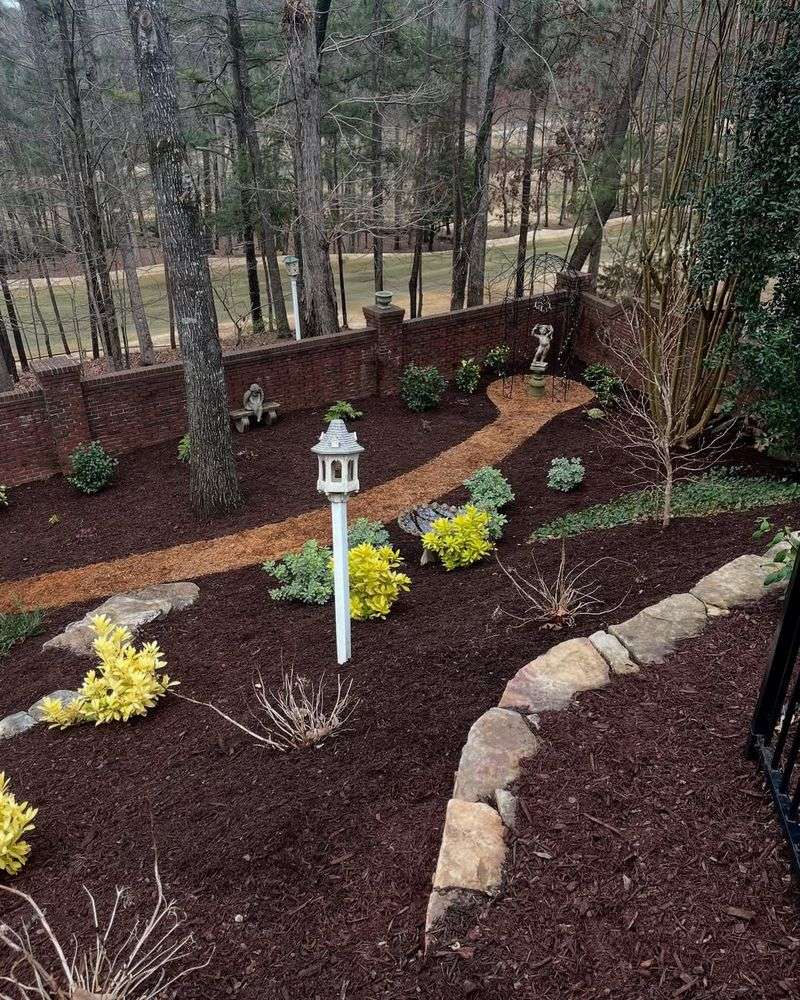
Mulch breaks down gradually throughout the year, decomposing into soil and leaving beds with thinner coverage that no longer provides adequate protection. Late winter presents an excellent opportunity to refresh mulch layers before spring weeds germinate and new growth emerges from perennials.
Walking through your Georgia landscape now lets you spot areas where mulch has thinned to less than two inches or washed away completely.
Proper mulch depth matters more than many homeowners realize. Too little mulch fails to suppress weeds or retain moisture effectively, while excessive mulch piled against plant stems encourages rot and provides habitat for pests.
Aim for two to three inches of mulch across beds, keeping it pulled back a few inches from tree trunks and plant crowns to prevent moisture-related problems.
Choose mulch appropriate for your landscape style and plant needs. Pine straw works beautifully in Georgia and breaks down slowly while adding slight acidity that benefits plants like azaleas and camellias.
Hardwood mulch offers a more formal appearance and lasts longer than pine products.
Avoid using mulch from unknown sources that might contain weed seeds or diseased plant material that introduces problems to your beds.
Refresh mulch before spring growth begins so you’re not disturbing emerging shoots or spreading material over new foliage.
Fresh mulch gives beds a tidy, cared-for appearance while moderating soil temperature, retaining moisture, and suppressing weeds throughout the coming growing season.
8. Service Tools And Irrigation Before Spring
Nothing frustrates a gardener more than reaching for tools when planting season arrives only to find them rusty, dull, or broken from last year’s use.
Late winter provides perfect timing to service equipment while your schedule remains relatively open and you’re not desperate to get plants in the ground immediately.
Spending an afternoon on tool maintenance now prevents delays and aggravation when busy spring weekends arrive.
Clean pruners, loppers, and saws thoroughly, removing dried sap and plant debris that accumulated during last season’s work.
Sharpen cutting edges with a file or sharpening stone so they make clean cuts rather than crushing plant tissue. Oil moving parts and tighten loose bolts or screws that developed play from repeated use.
Check wooden handles for splinters or cracks that could cause blisters or break during heavy work.
Irrigation systems across Georgia often suffer damage during occasional winter freezes or develop leaks and clogs that went unnoticed during cooler months when watering demands stayed low.
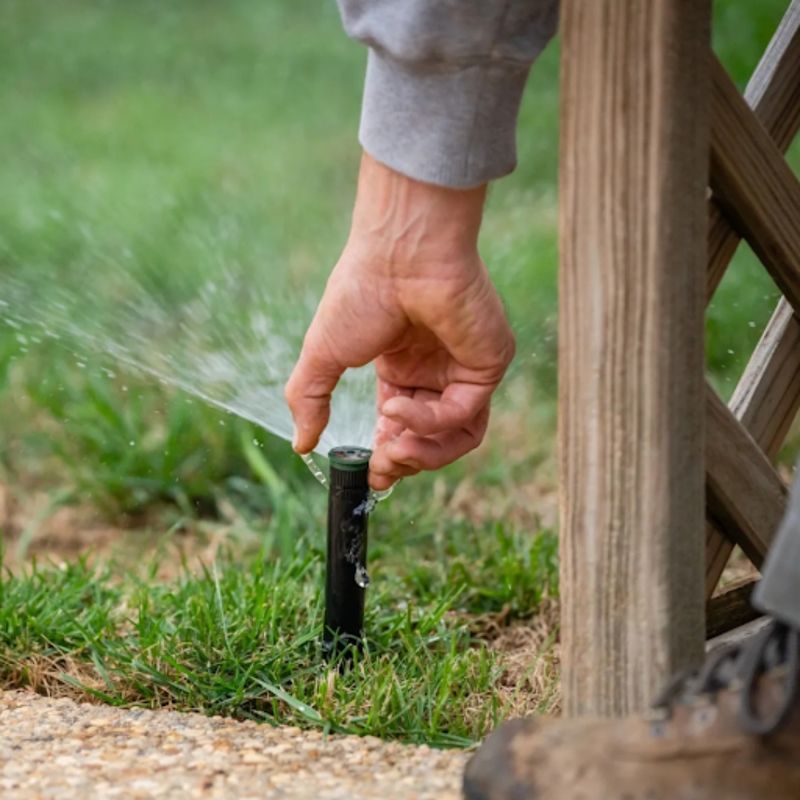
Turn on your system and walk the entire layout, checking each sprinkler head for proper operation and coverage. Look for geysers indicating broken pipes, heads that don’t pop up fully, or zones that fail to activate when called.
Replace worn parts now while garden centers stock full inventories rather than waiting until everyone needs the same components during the first hot spell. Service your lawn mower by changing oil, replacing the spark plug, and sharpening or replacing the blade so it’s ready when grass begins growing.
Taking care of these tasks now means your tools and equipment perform reliably throughout Georgia’s long growing season.