The Simple March Steps That Set Your Arizona Garden Up For A Better Season
March is when an Arizona garden quietly shifts into a new season. Days grow warmer, sunlight lasts longer, and plants begin pushing out fresh growth after the slower winter months.
What happens now can shape how the garden performs through the intense heat that arrives later. A few simple tasks done at the right time can make plants stronger, soil healthier, and the entire yard easier to manage in the months ahead.
Small steps like clearing winter debris, checking irrigation, refreshing mulch, and giving certain plants early care can make a noticeable difference once temperatures begin climbing.
These early efforts do not take much time, but they help prevent bigger problems when summer heat settles in.
Taking advantage of March’s mild weather gives plants a better start and helps an Arizona garden stay healthier, fuller, and far more resilient as the growing season moves forward.
1. Check Irrigation Systems Before Temperatures Rise
A broken drip line discovered in June is a nightmare. Finding it in March?
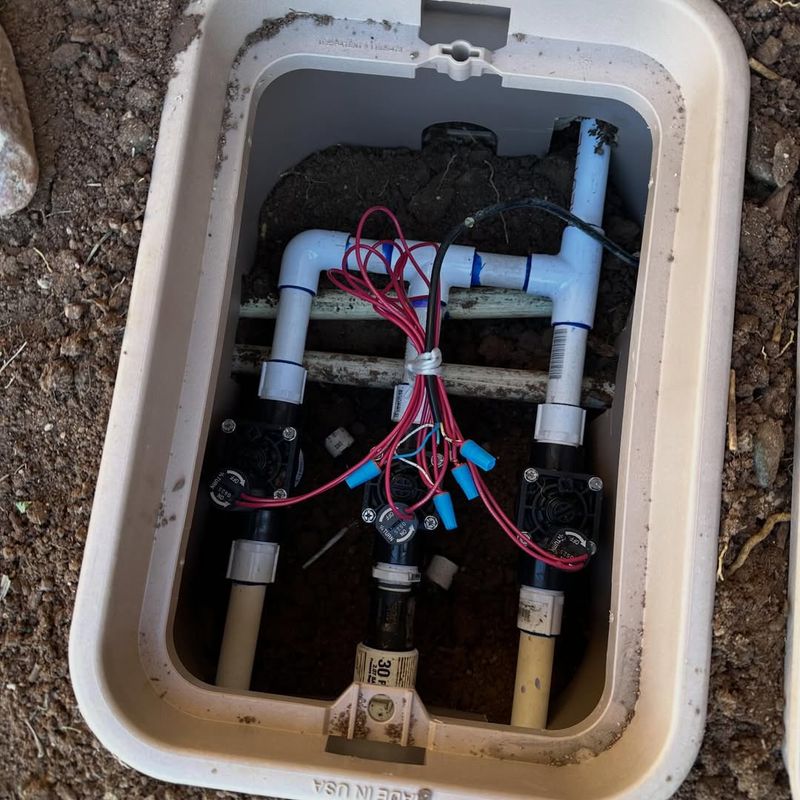
That is just a Tuesday morning fix. Before Arizona heat gets serious, walk every inch of your irrigation system and look for cracked tubing, clogged emitters, or heads that are spraying sideways instead of where they should be going.
Turn the system on manually and watch each zone run. You are looking for dry spots, pooling water, or emitters that are not flowing at all.
Clogged emitters are one of the most common problems in desert gardens because mineral buildup from hard water blocks the tiny openings over time.
Flush your lines, replace any damaged emitters, and check your timer settings. March is the perfect time to adjust your watering schedule because plants are coming out of their slower winter phase and starting to grow more actively again.
Watering needs will shift over the next few weeks.
If you have not already set up a pressure regulator for your drip system, March is a great time to add one. High water pressure is a silent problem that blows out emitters and wastes water.
In Arizona, where water conservation matters so much, a small fix like this makes a real difference over a full growing season.
A well-running irrigation system means your plants get consistent moisture without you having to babysit the garden every day when temperatures start climbing fast.
Take a few minutes to look at where water is landing around each plant. Small adjustments now help roots grow deeper and stronger before the real heat of summer arrives.
2. Refresh Garden Soil With Compost
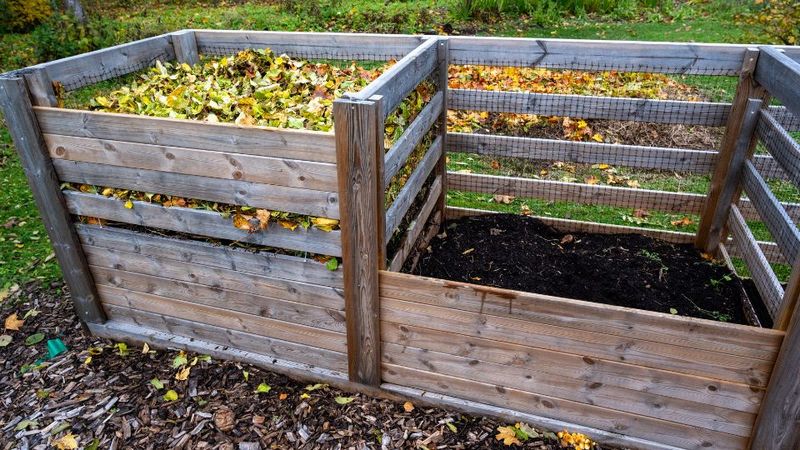
Arizona soil has a reputation, and it is not a good one. Most of the state deals with heavy clay, caliche layers, or sandy ground that drains so fast it barely holds nutrients long enough for roots to grab them.
Compost is the single best thing you can add to fix all of that.
Work a two to three inch layer of compost into your planting beds before you put anything in the ground. You do not need fancy equipment.
A garden fork and a little elbow grease will do the job. Breaking up compacted soil at the same time helps roots spread more easily as plants establish themselves through spring.
Bagged compost from the garden center works fine, but if you have a backyard compost bin, this is a great time to harvest what has been breaking down all winter.
Homemade compost tends to be richer and more varied in nutrients than most store-bought options.
Mix it into the top six to eight inches of soil rather than just leaving it on the surface.
Refreshed soil also holds moisture better, which is a huge advantage once Arizona summer heat arrives. You will notice plants look healthier and grow faster when the soil beneath them actually supports root development.
Gardeners across the Valley of the Sun and Tucson area have seen dramatic improvement in plant performance just from making this one consistent March habit part of their routine every single year.
That early boost gives plants a stronger start before the intense heat of late spring and summer arrives. Healthier soil now often means fewer problems with stress, watering, and nutrients later in the season.
3. Apply Mulch To Keep Soil Moisture Stable
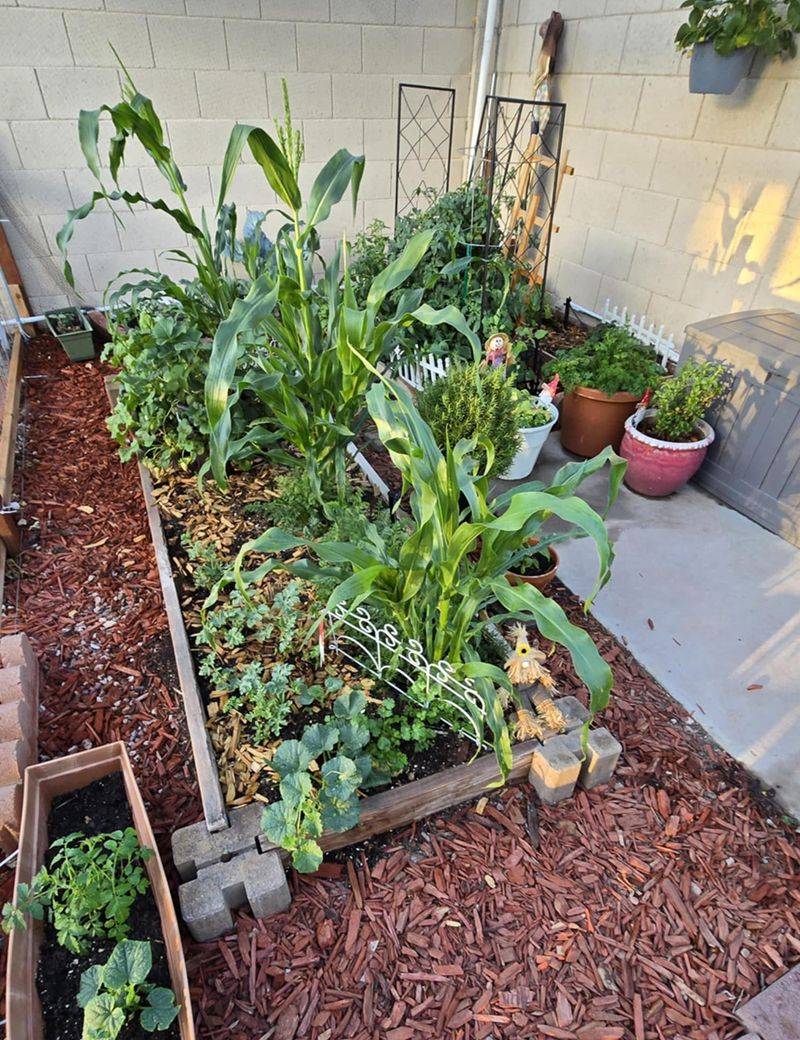
Bare soil in an Arizona garden is basically an open invitation for moisture to vanish. The sun hits exposed ground and water evaporates so fast you can almost watch it disappear.
A solid layer of mulch changes everything about how your soil behaves once the heat starts building through spring and into summer.
Spread two to four inches of organic mulch around your plants, keeping it pulled back a couple of inches from the base of each stem or trunk. Wood chips, shredded bark, and straw all work well.
Avoid piling mulch directly against plant stems because that traps moisture in the wrong place and can lead to rot over time.
Beyond holding soil moisture, mulch also moderates soil temperature. In Arizona, soil can get extremely hot in direct sun, and hot soil stresses root systems in ways you cannot always see above ground.
Mulch acts like a buffer, keeping roots cooler and more comfortable even when air temperatures are climbing into the nineties.
Organic mulches break down slowly over time and actually feed the soil as they decompose, which is a bonus for nutrient levels. Refresh your mulch layer each spring because it does thin out over the course of a year.
For gardeners across Maricopa County and southern Arizona, this one step consistently reduces how often you need to water and keeps plants looking stronger throughout the entire growing season without a lot of extra work involved.
It also helps suppress weeds by blocking the light many seeds need to sprout. Fewer weeds means less competition for water, which is especially important in Arizona’s dry climate.
4. Plant Heat Loving Vegetables In Early March
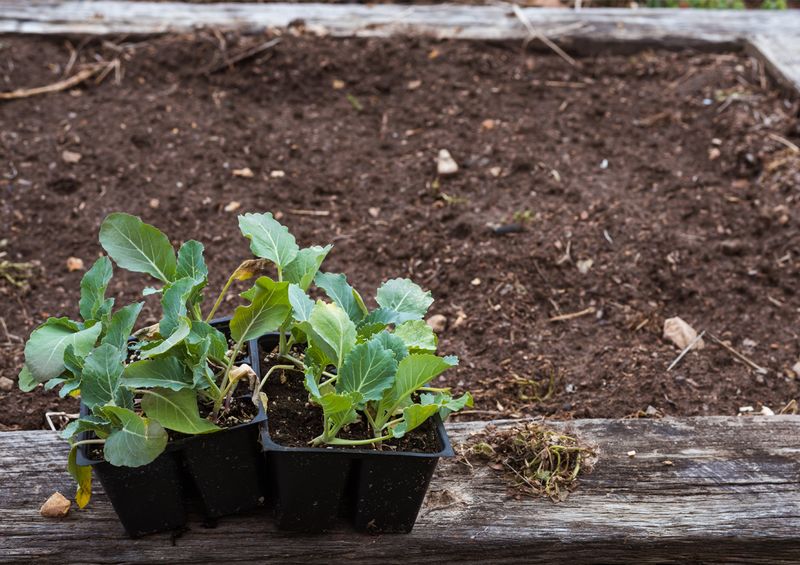
Early March is basically the green light for warm-season vegetables in Arizona. You have enough warmth for seeds and transplants to get going, but temperatures have not yet crossed into that brutal range that makes new plants struggle.
Timing matters more here than almost anywhere else in the country.
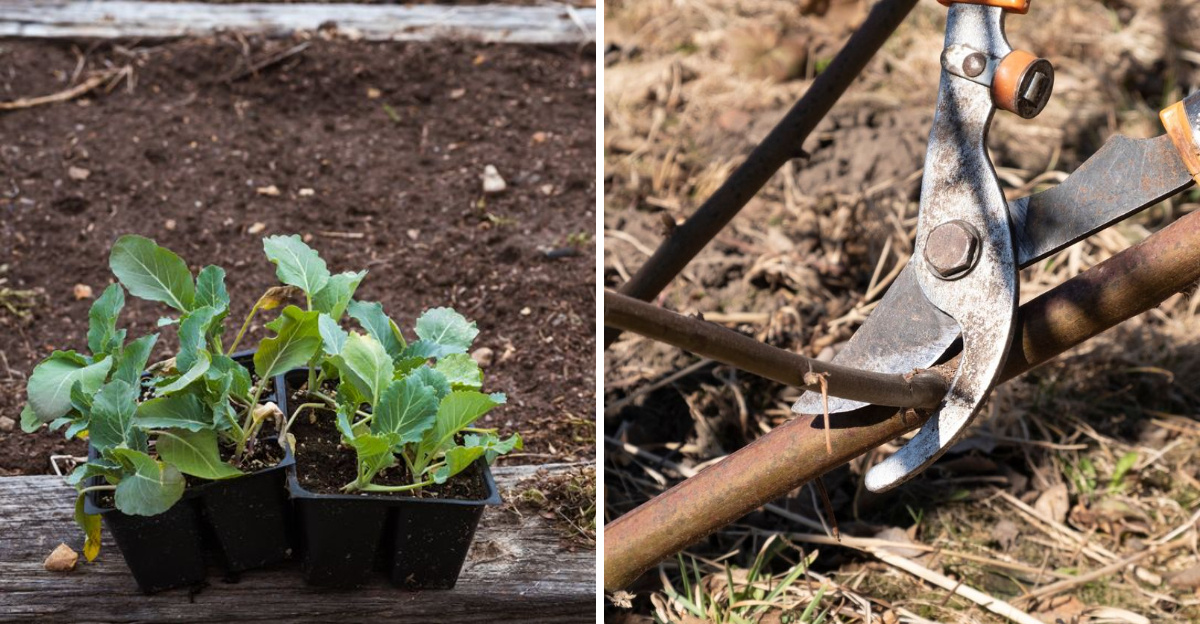
Tomatoes, peppers, squash, cucumbers, melons, and beans all belong in the ground during early to mid-March across most of Arizona.
If you are in a higher elevation area like Prescott or Flagstaff, you might push that timing back a few weeks, but low desert gardeners in the Phoenix and Tucson regions should not wait.
Choose transplants over seeds when you can for tomatoes and peppers. They give you a head start, and in Arizona that head start matters because your growing window before intense summer heat is shorter than people expect.
A transplant that goes in during the first week of March has a real shot at producing well before conditions get too tough.
Water transplants in well and give them afternoon shade for the first few days if temperatures are already climbing. A simple shade cloth or even a bedsheet draped over a frame works perfectly.
Arizona gardeners who nail the March planting window often harvest more produce than those who wait until April, when the race against summer heat becomes much harder to win.
Getting plants established while nights are still mild is the real key to a productive warm-season vegetable garden.
Keep the soil consistently moist while seedlings and transplants establish their roots. Once plants start putting on steady new growth, you can gradually shift to deeper, less frequent watering.
5. Prune Winter Damaged Branches From Shrubs
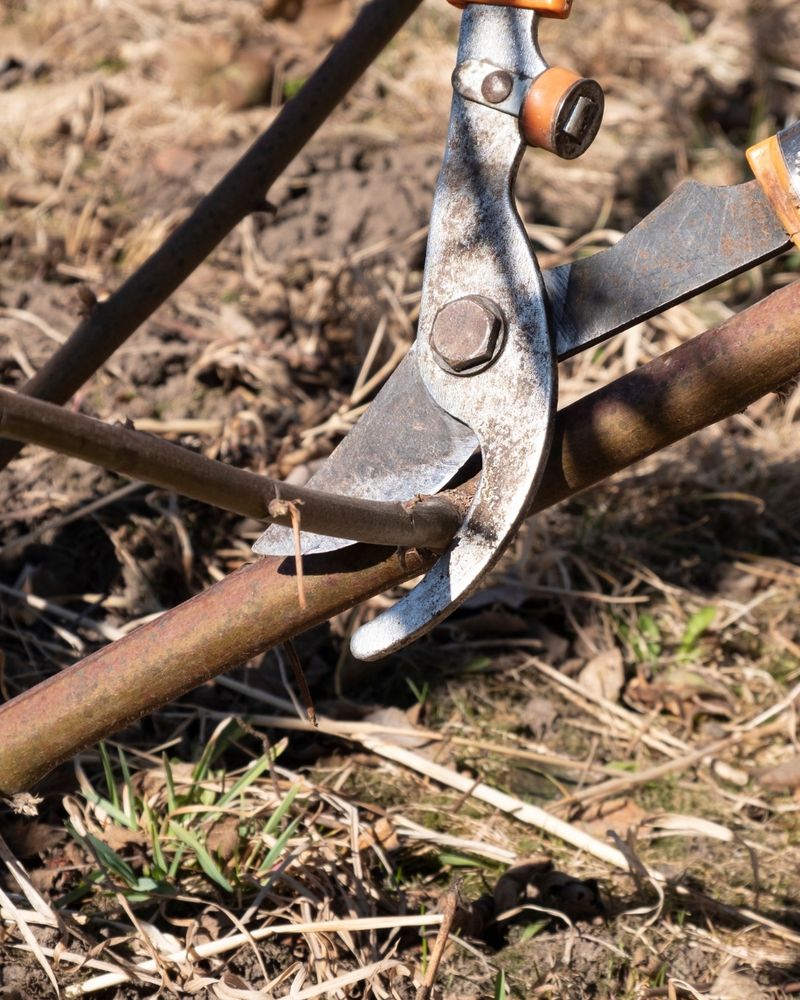
Winter in Arizona is mild compared to most places, but frost damage still happens, especially in areas north of Phoenix or at higher elevations. By March, you can clearly see which branches took a hit.
Brown, brittle stems that snap easily and leaves that never recovered are the obvious signs to look for before new growth kicks in.
Scratch the bark lightly with your fingernail on a suspicious branch. If you see green underneath, it is still alive and just needs time.
If it is dry and brown all the way through, cut it back to the nearest healthy growth point. You do not need to guess.
The scratch test tells you exactly where to make your cut.
Use clean, sharp pruners for small branches and loppers for anything thicker than your thumb. Dull tools crush plant tissue instead of cutting cleanly, and rough cuts are slower to heal.
Wipe your blades with rubbing alcohol between plants if you are working through multiple shrubs, especially if any of them showed signs of fungal damage over winter.
Removing frost-damaged wood before spring growth begins actually encourages shrubs to push out new, healthy stems faster. Leaving damaged branches in place can slow the whole plant down as it tries to manage both old damage and new growth at the same time.
Across Arizona landscapes, a quick pruning session in March sets up shrubs for a much stronger and fuller appearance heading into the warmer months ahead.
6. Remove Winter Weeds Before They Spread
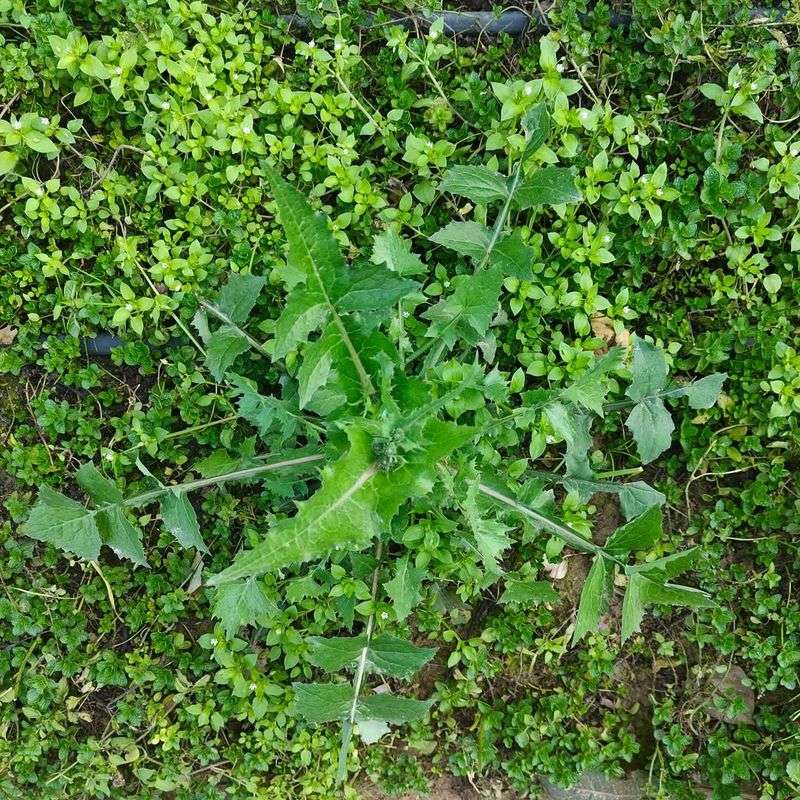
Winter weeds in Arizona are sneaky. They sprout during the cooler months, stay relatively small, and then absolutely explode with seeds the moment spring temperatures arrive.
If you wait too long to deal with them, one patch of weeds becomes thousands of new plants by summer. March is the month to get ahead of that problem.
Common winter weeds across Arizona include London rocket, common sow thistle, and a handful of grassy types that blend in with mulch or gravel. Pull them out by hand or use a hoe to cut them off just below the soil surface.
Getting the root out is ideal, but even cutting them at the base before they set seed makes a big difference in reducing future weed pressure.
Do not let pulled weeds sit on top of your garden beds. If they have already started forming seed heads, bag them and put them in the trash rather than adding them to a compost pile.
Seeds can survive the composting process and come right back to haunt you in future seasons.
After clearing weeds, refresh your mulch layer to help prevent new ones from germinating. Weed seeds need light to sprout, and a thick mulch layer blocks that light effectively.
Gardeners in the Tucson and Phoenix metro areas who take care of winter weeds in early March spend far less time dealing with weed problems during the busy spring and summer growing season. Prevention in March is always easier than management in May.
Stay consistent with quick checks every week through early spring. Catching new weeds while they’re small keeps them from gaining a foothold and spreading across the garden again.
7. Start Warm Season Seeds Indoors
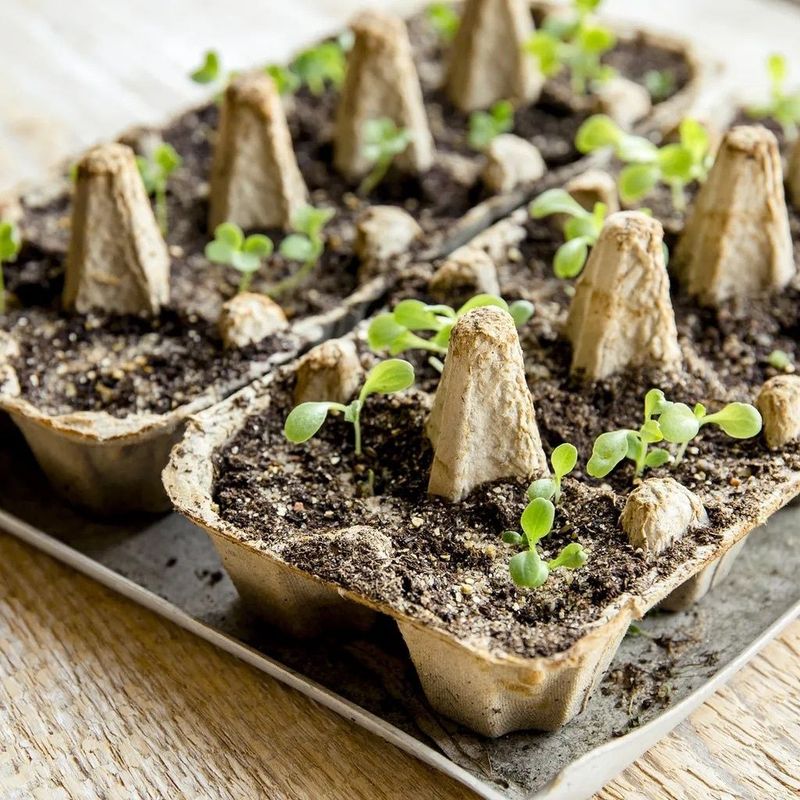
Not every warm-season plant needs to go directly into the ground in March.
Some crops actually benefit from getting a head start indoors, where you control the conditions and give seedlings a strong foundation before they ever face Arizona outdoor conditions.
Starting seeds inside in early March puts you weeks ahead of the game.
Peppers especially love this approach because they are slow to germinate and take longer than most vegetables to reach a size worth transplanting. Start pepper seeds indoors four to six weeks before your planned outdoor planting date.
Basil, eggplant, and some specialty tomato varieties also respond well to indoor starts rather than direct sowing.
You do not need a fancy setup to get results. A sunny south-facing window works for many seedlings, though a basic grow light keeps things more consistent if your windows do not get strong direct light.
Use a quality seed-starting mix rather than regular potting soil because it drains better and does not compact around tiny roots the way heavier mixes can.
Keep the mix moist but not soggy, and make sure your containers have drainage holes. Overwatering is the most common reason indoor seedlings fail before they ever get a chance outside.
Once your seedlings have two sets of true leaves, start hardening them off by setting them outside in a shaded spot for a few hours each day.
Arizona outdoor conditions, even in March, can be intense for plants that have only known the calm indoors, so a gradual transition makes all the difference.