The Simple Methods Georgia Parents Use To Teach Kids Planting
Georgia parents are turning planting into a sweet little bonding moment, and kids love how simple tricks make them feel confident while getting their hands muddy.
It all feels easy and light as families gather around tiny pots, sprinkle seeds, and laugh through the small mess that somehow makes everything even more fun.
These shared moments turn into memories fast, and parents enjoy watching kids discover something calming and exciting at the same time.
1. Start With Fast-Growing Seeds
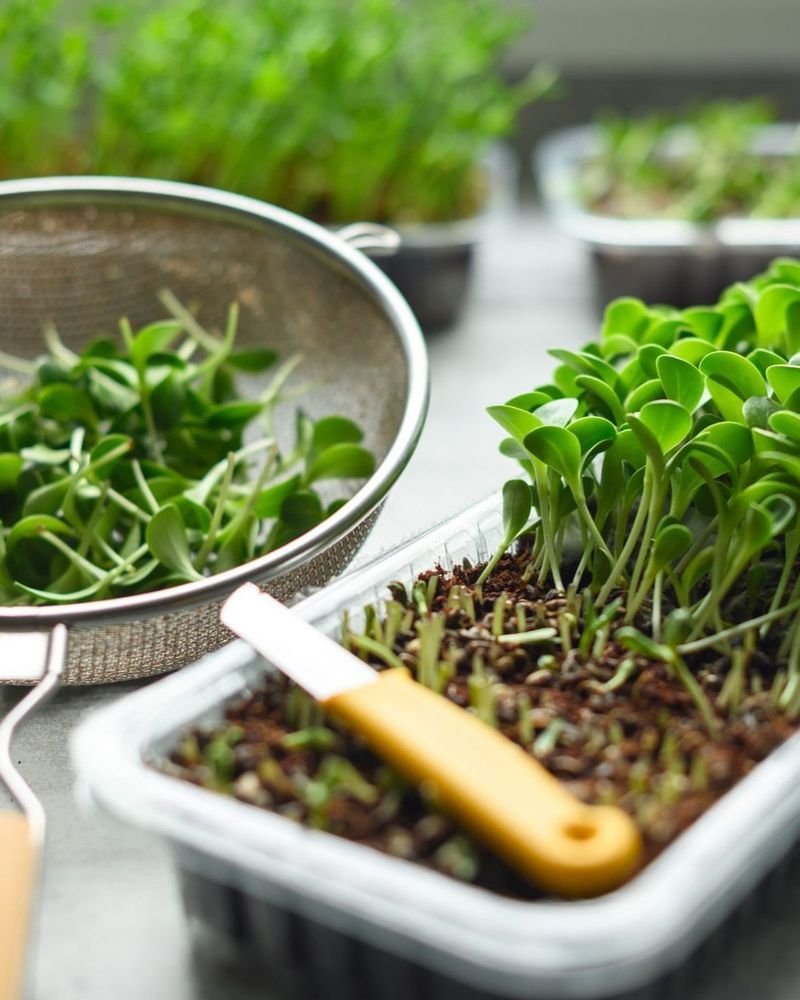
Radishes and beans sprout quickly, giving children immediate results that keep their excitement alive throughout the entire growing season in Georgia.
Quick success builds confidence in young gardeners who might otherwise lose interest if they have to wait too long for visible progress.
Parents across Atlanta and Savannah often choose varieties that germinate within just three to seven days for maximum engagement with kids.
Watching seeds transform into seedlings feels magical to children, especially when they can observe changes happening almost every single morning before school.
Fast-growing vegetables also teach patience in manageable increments, making the waiting period feel less overwhelming for younger children with shorter attention spans.
Georgia’s warm climate provides perfect conditions for rapid germination, especially during spring and early summer months when temperatures stay consistently mild.
Many families create friendly competitions to see whose radish grows tallest, adding an element of fun that keeps children checking their plants daily.
The sense of accomplishment from harvesting homegrown vegetables within weeks motivates kids to try more challenging plants as their skills develop naturally.
2. Create Personal Garden Spaces
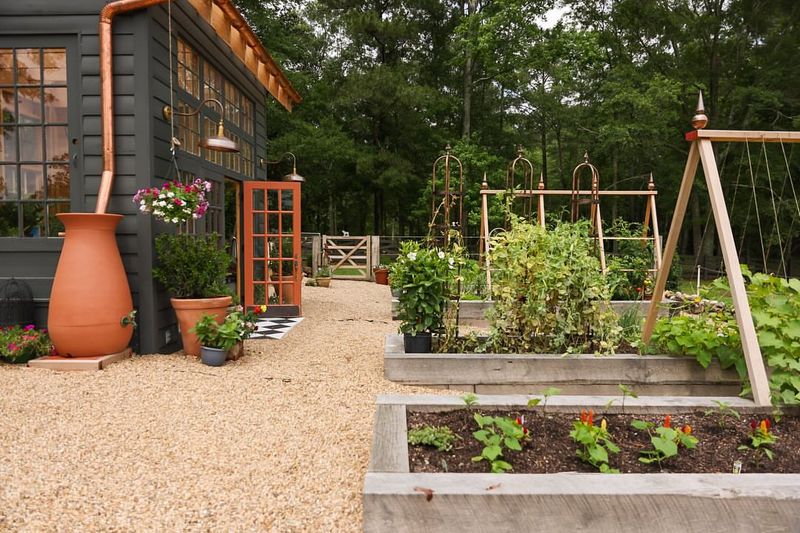
Giving each child their own small plot empowers them with ownership and responsibility, transforming gardening from a chore into a personal project.
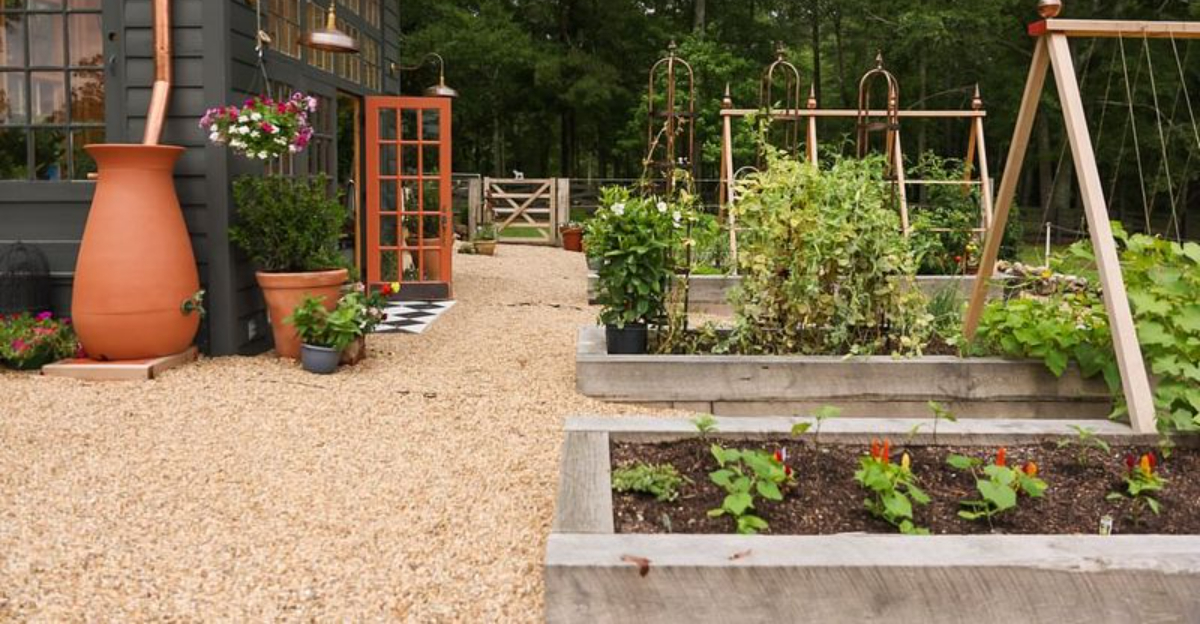
Even a two-foot square section provides enough room for kids to make decisions about what to plant and how to arrange everything.
Families in Macon and Columbus often use raised beds or designated corners where children can experiment without worrying about messing up larger gardens.
Personal spaces allow kids to learn from mistakes in low-pressure environments, building problem-solving skills that extend far beyond gardening activities and lessons.
Decorating their plots with painted rocks or small signs makes the space feel special and encourages regular visits to check on progress.
Georgia parents notice that children take greater pride in their harvests when they’ve managed every aspect from seed selection to watering schedules.
Some families host mini garden tours where kids show off their plots to neighbors, building communication skills and reinforcing their sense of achievement.
Having dedicated space also teaches boundaries and respect for others’ work, important social lessons that naturally emerge through shared gardening experiences together.
3. Use Transparent Containers for Root Observation
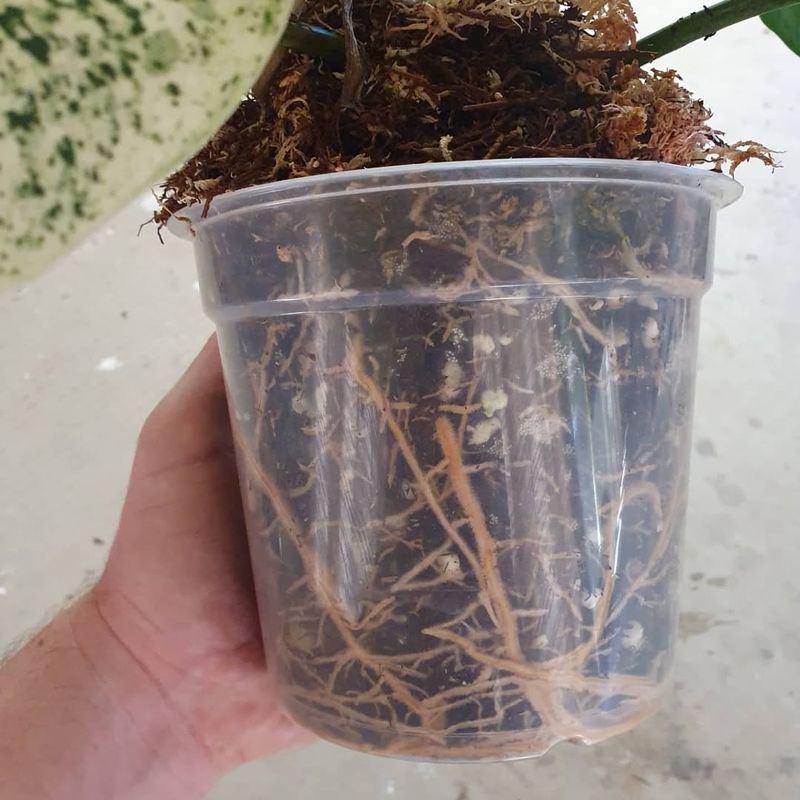
Clear plastic bottles or glass jars let children watch root systems develop underground, revealing the hidden half of plant growth most people never see.
This visual learning approach fascinates kids who become curious about how plants absorb water and nutrients from soil through their expanding root networks.
Parents throughout Georgia often cut large soda bottles in half and fill them with soil, pressing seeds against the transparent sides for observation.
Watching roots spread and thicken over days provides concrete evidence of growth even when above-ground progress seems slow or barely noticeable to children.
Science lessons about plant biology become hands-on experiences rather than abstract concepts when kids can actually see what textbooks only describe with diagrams.
Many families in Augusta and Athens use this method alongside traditional planting, comparing growth rates and discussing why different plants develop varied roots.
The technique works especially well with bean plants, whose large seeds and vigorous roots create dramatic changes that children can easily track daily.
Transparent containers transform invisible processes into visible wonders, making botany accessible and exciting for young minds hungry to understand nature’s hidden mechanisms completely.
4. Incorporate Garden Journaling
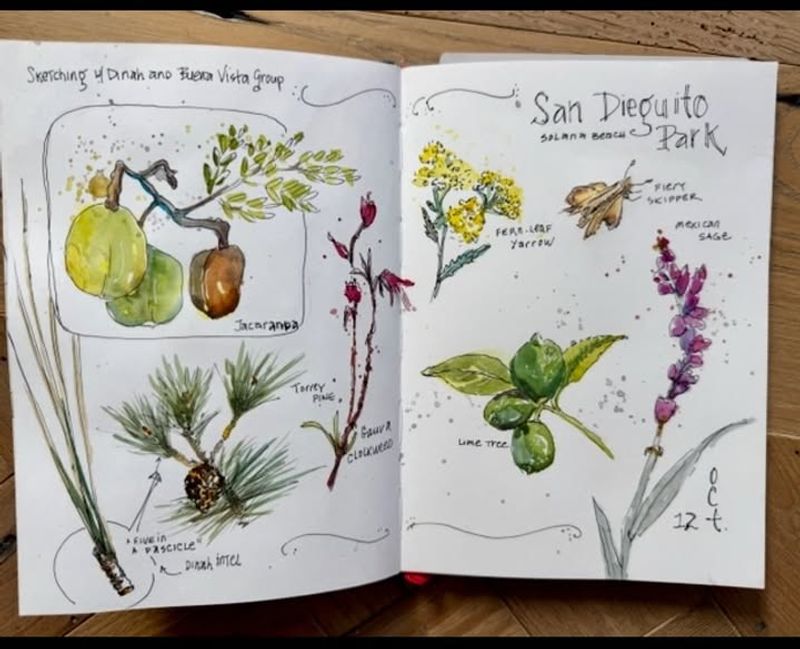
Keeping written records helps children track progress while developing literacy skills and scientific observation habits that benefit their overall academic performance significantly over time.
Simple notebooks where kids draw plants, note watering dates, and describe changes combine art, writing, and science into one engaging interdisciplinary activity for families.
Georgia parents often provide colorful journals that children decorate themselves, making the recording process feel creative rather than like tedious homework assignments or chores.
Regular journaling teaches children to notice small details they might otherwise overlook, sharpening observational skills useful in countless areas beyond gardening alone and forever.
Comparing early sketches to later drawings shows growth in both plants and artistic abilities, giving kids dual reasons to feel proud of improvement.
Families in Roswell and Alpharetta sometimes share journal entries at dinner, creating conversation opportunities about challenges faced and solutions discovered through trial and error.
Writing about garden experiences also helps children process disappointments like wilted plants, turning setbacks into learning opportunities rather than discouraging failures that crush enthusiasm.
Years later, these journals become treasured keepsakes that remind grown children of sunny afternoons spent learning alongside parents in Georgia’s beautiful outdoor spaces.
5. Practice Companion Planting Together
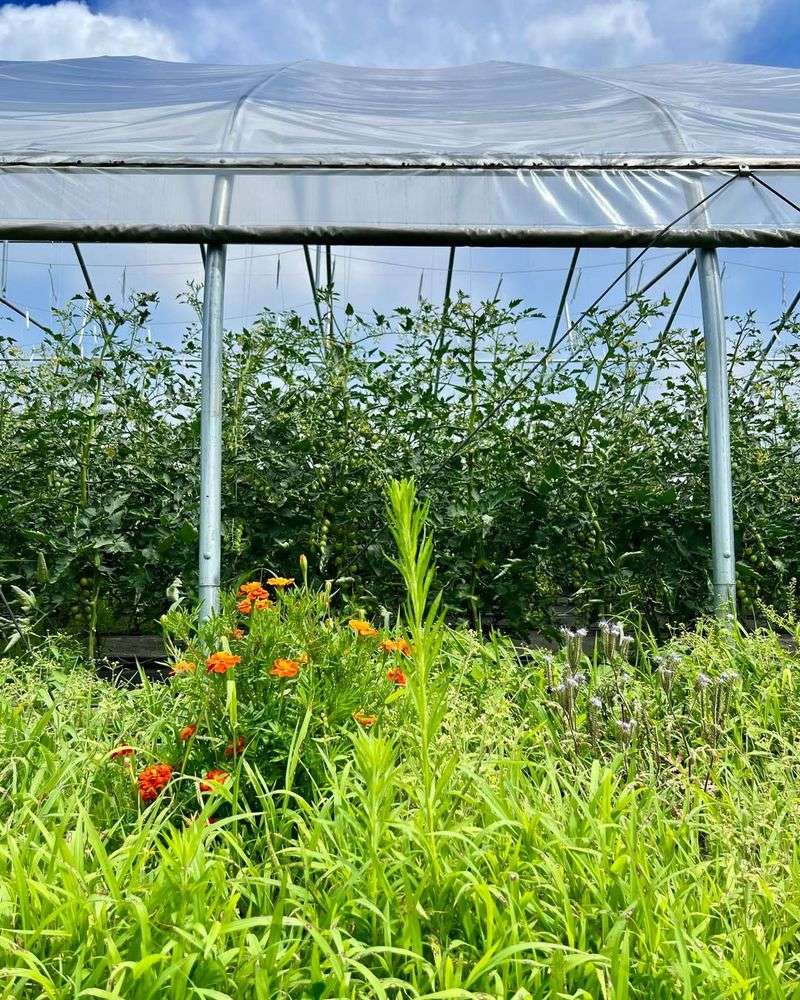
Teaching kids which plants grow well together introduces ecological concepts while improving garden productivity through natural partnerships that benefit all involved species simultaneously and beautifully.
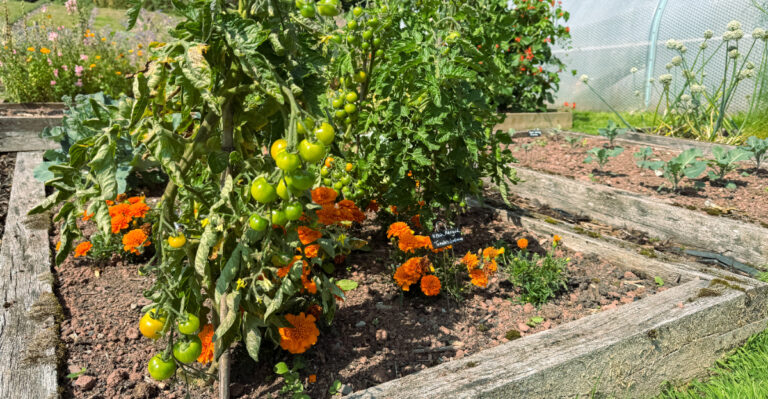
Explaining how marigolds protect tomatoes from pests or how beans add nitrogen to soil fascinates children interested in how nature’s systems work cooperatively.
Parents across Georgia demonstrate these relationships by planting combinations and observing results, turning gardens into living laboratories where biology lessons unfold naturally every week.
Children learn that cooperation benefits everyone, a social lesson reinforced through plant examples that show mutual support leading to healthier growth for all.
Companion planting also reduces the need for chemical interventions, teaching environmental stewardship and sustainable practices from an early age through practical experience daily.
Families in Warner Robins and Valdosta often create charts showing which plants are friends, helping kids remember combinations while practicing organization and planning skills.
Watching companion plants thrive together while isolated plants struggle provides clear evidence of relationship benefits, making abstract concepts concrete and understandable for children.
This method encourages kids to think systematically about how their actions affect entire ecosystems, developing critical thinking abilities that extend far beyond gardening.
6. Build Compost Bins as Family Projects
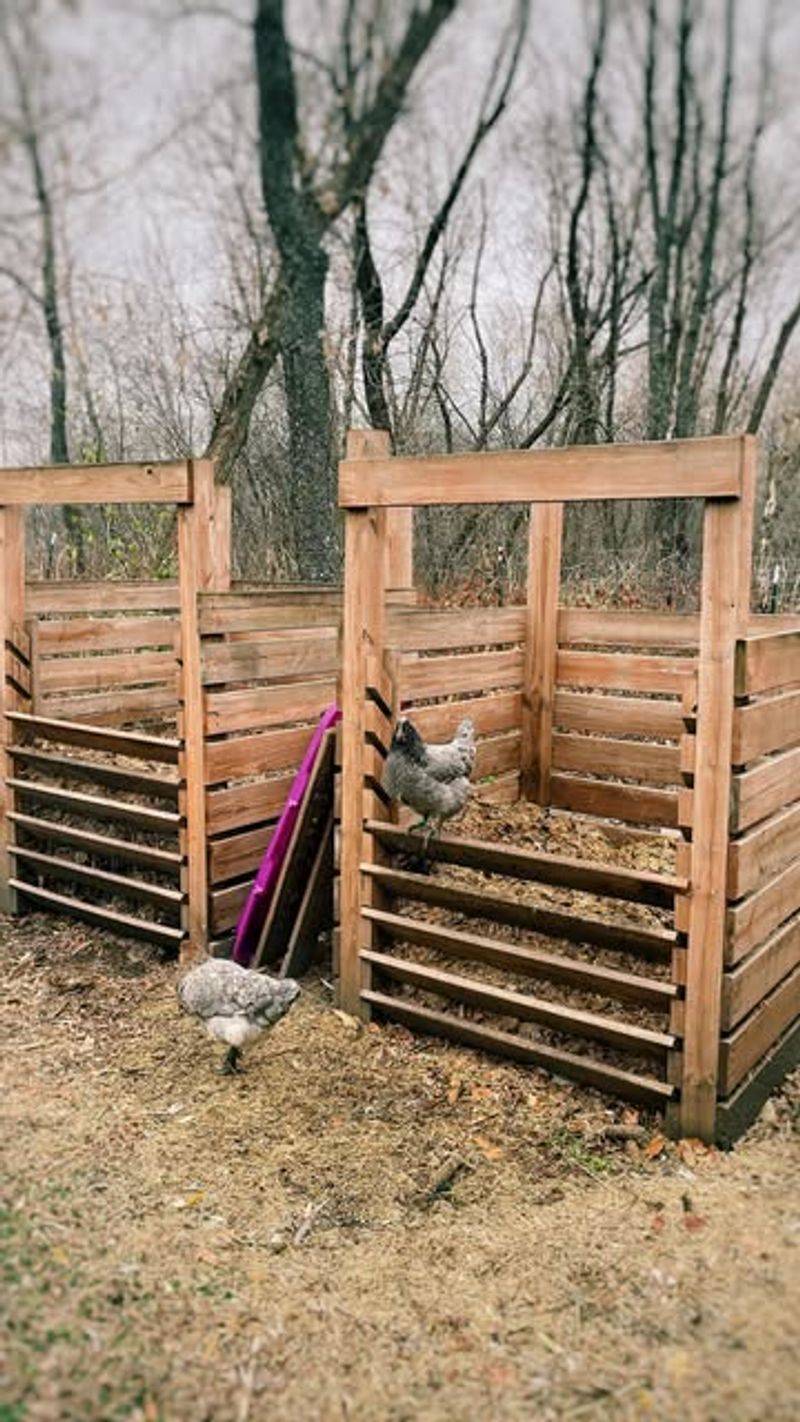
Creating compost together teaches children about decomposition cycles and waste reduction while providing rich soil amendments for gardens throughout the entire growing season ahead.
Kids love adding kitchen scraps to bins and watching materials transform over weeks, making recycling tangible rather than abstract environmental concept they hear about.
Georgia families often build simple three-bin systems or use tumbling composters that children can rotate themselves, giving them active roles in the process daily.
Learning what can and cannot be composted develops critical thinking as kids categorize materials and understand why certain items break down differently than others.
The slightly gross factor of decomposition actually appeals to many children, making composting more engaging than traditional gardening tasks that might seem boring initially.
Parents in Decatur and Marietta report that kids who compost become more conscious about food waste, often reminding adults to save scraps instead of trashing them.
Using finished compost in gardens closes the loop, showing children how waste becomes resources in circular systems that benefit plants and reduce landfill contributions.
This hands-on environmental education creates lasting habits and values, shaping children into responsible stewards of Georgia’s natural resources for decades to come ahead.
7. Schedule Regular Garden Time
Consistency helps children develop routines and understand that successful gardening requires ongoing commitment rather than occasional bursts of effort when they remember it.
Setting specific times each week for garden work creates predictability that children appreciate, reducing resistance and making participation feel like normal family activities.
Many Georgia parents choose early mornings or late afternoons when temperatures are cooler, making outdoor time more comfortable during hot summer months across the state.
Regular schedules also ensure plants receive consistent care, leading to better results that keep children motivated and proud of their gardening accomplishments over time.
Families in Sandy Springs and Peachtree City often combine garden time with other rituals like Saturday morning pancakes, linking gardening to positive associations.
Children who garden on schedules learn time management and responsibility, understanding that living things depend on them for survival and cannot be neglected.
Predictable routines also make it easier to notice changes in plants, since regular observation helps kids spot problems early before they become serious issues.
Over seasons, scheduled garden time becomes treasured family tradition that children look forward to, creating memories and skills that last their entire lifetimes.
8. Grow Plants from Kitchen Scraps
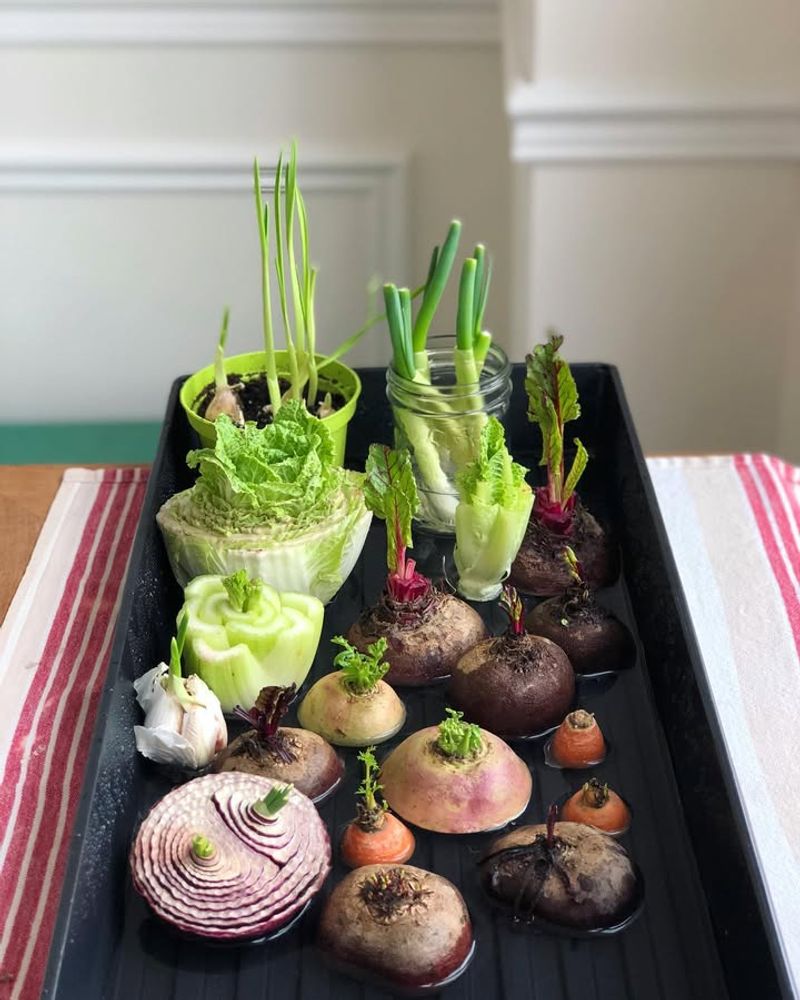
Regrowing vegetables from parts usually discarded amazes children while demonstrating that new life can emerge from what seems like waste or garbage to them.
Green onions, celery bottoms, and lettuce hearts placed in water sprout quickly, providing almost instant gratification that hooks kids on the growing process early.
Georgia parents use this method as an introduction to gardening since it requires minimal space and investment, making it accessible for apartment dwellers too.
Watching roots emerge from vegetable scraps feels like magic to young children, sparking curiosity about plant biology and growth processes they want to explore.
This approach also reinforces lessons about resourcefulness and creativity, showing kids that valuable things often hide in places most people overlook or discard thoughtlessly.
Families in Columbus and Albany often start kitchen scrap gardens on sunny windowsills before transitioning successful plants to outdoor gardens when weather permits it.
The method connects food consumption to food production in children’s minds, helping them understand the full cycle from seed to table and back again.
Success with scrap gardening often motivates kids to try more ambitious projects, building confidence through small victories that demonstrate their capability and green thumbs.
9. Explore Native Georgia Plants
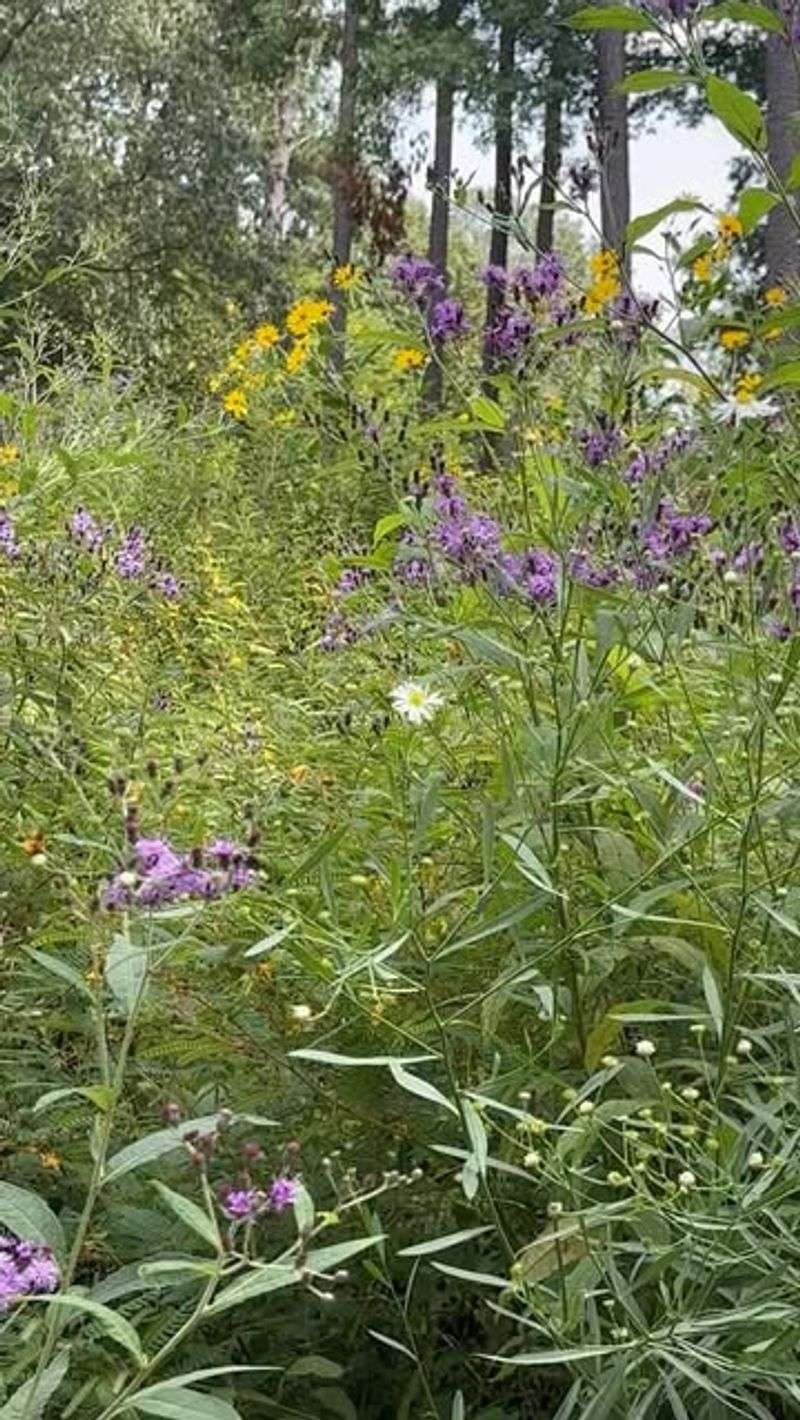
Introducing children to indigenous species teaches them about local ecosystems while ensuring plants are well-adapted to Georgia’s climate and soil conditions for success.
Native plants often require less maintenance than exotic varieties, making them ideal for beginner gardeners who are still learning basic care techniques and routines.
Parents throughout the state explain how native plants support local wildlife, connecting gardening to broader environmental conservation efforts that protect Georgia’s natural heritage beautifully.
Children enjoy learning that their gardens provide food and shelter for butterflies, bees, and birds, adding purpose beyond just growing pretty flowers.
Native plant gardens also become outdoor classrooms where kids observe pollinators at work, witnessing ecology lessons unfold naturally right in their own backyards daily.
Families in Gainesville and Rome often visit native plant nurseries together, letting children choose species while learning about each plant’s role in local ecosystems.
Growing natives instills regional pride as kids discover the beauty and diversity of Georgia’s natural flora, deepening their connection to their home state.
This approach creates environmentally conscious citizens who understand that gardening choices impact entire communities of living organisms beyond just the plants they intentionally cultivate.
10. Celebrate Harvest with Cooking Projects
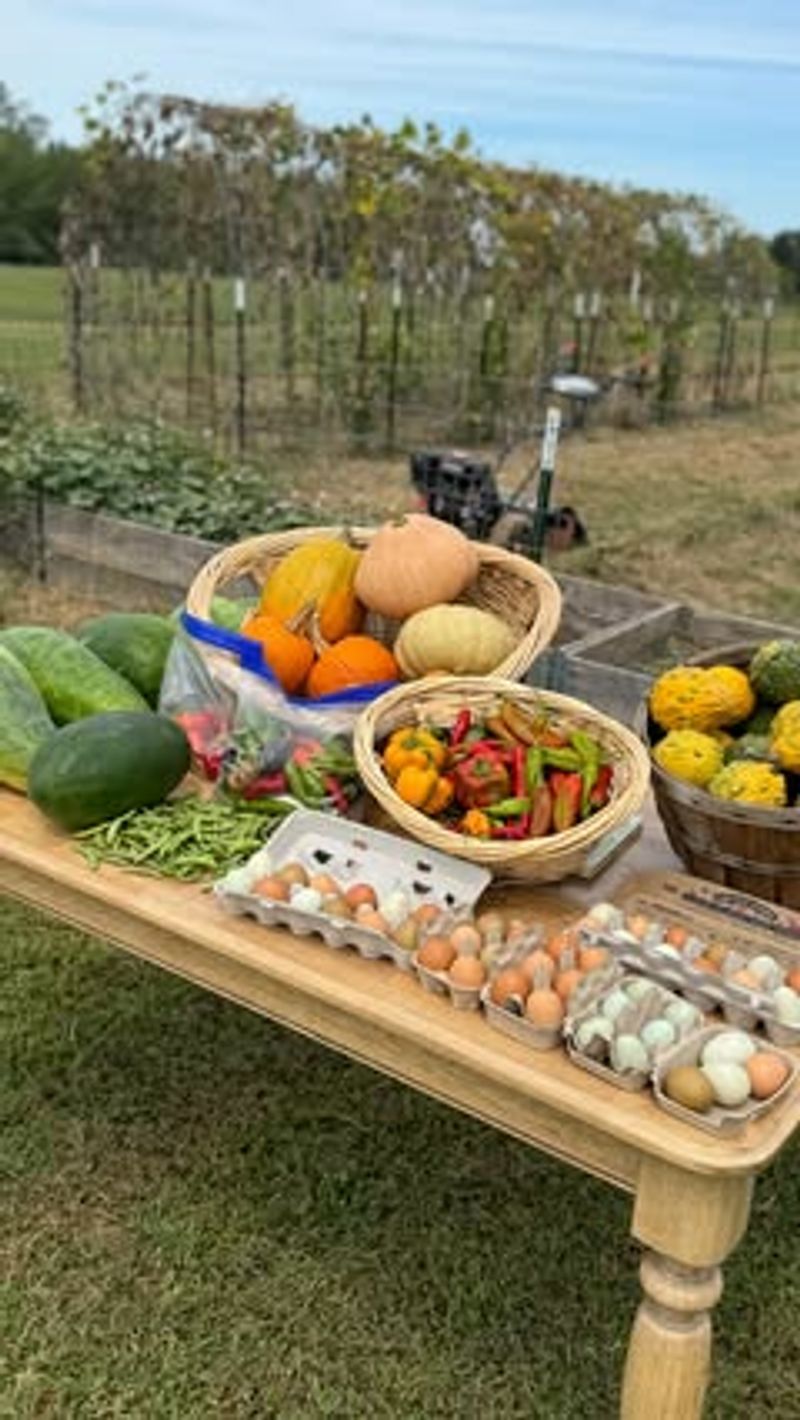
Turning homegrown produce into meals completes the garden-to-table cycle, showing children the practical purpose behind all their hard work and patience throughout seasons.
Cooking together creates opportunities to discuss nutrition and food origins, helping kids appreciate fresh ingredients in ways grocery store shopping never quite accomplishes fully.
Georgia families often prepare simple recipes like tomato sauce or cucumber salad, letting children taste the difference between homegrown and store-bought produce immediately.
The pride children feel when serving dishes made from vegetables they grew themselves boosts confidence and encourages continued interest in both gardening and cooking.
Harvest celebrations also provide natural opportunities to share abundance with neighbors and friends, teaching generosity and community connection through garden gifts and meals.
Parents in Smyrna and Duluth report that picky eaters often try vegetables they grew themselves, even if they previously refused those same foods entirely.
Cooking projects reinforce math skills through measuring ingredients and following recipes, sneaking education into fun activities that children genuinely enjoy doing with family members.
These shared experiences create lasting memories associated with healthy eating, potentially influencing dietary choices and food relationships for children’s entire lives ahead positively.