The Simple Signs Showing A Coyote Passed Through Your Tennessee Yard
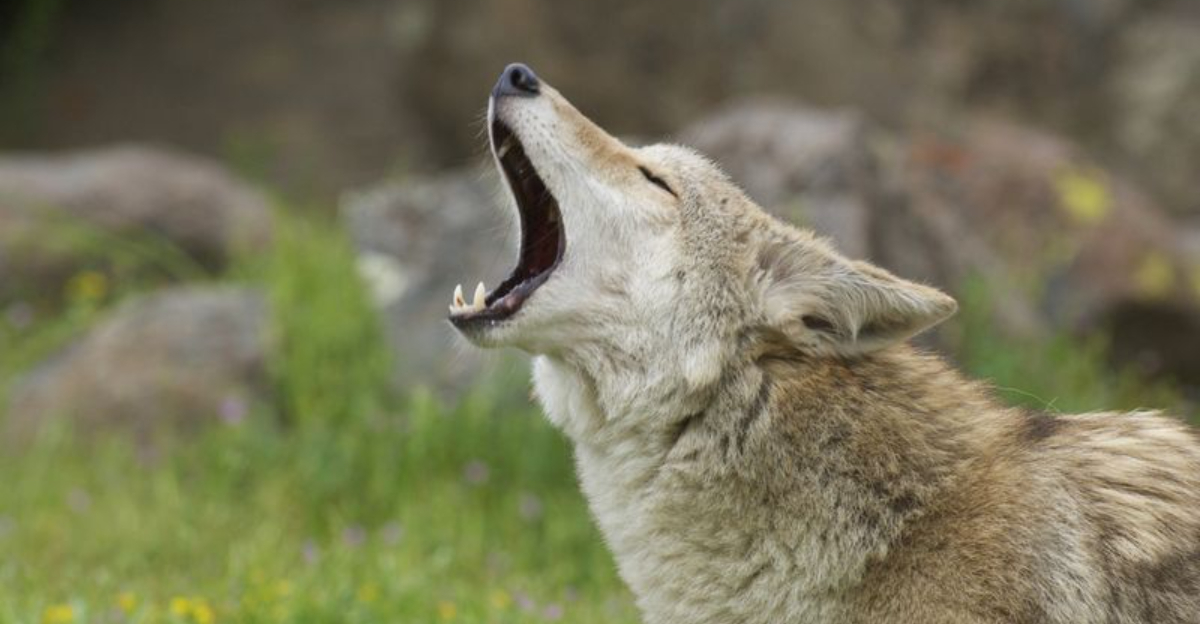
Coyotes have a knack for moving through Tennessee yards without so much as a whisper.
Most of the time, they slip in after dark and are long gone by morning.
Even so, they rarely leave empty handed or completely unnoticed.
The clues they leave behind can be easy to miss unless you know what you are looking for.
A quiet path through tall grass, a trail of paw prints in soft soil, or a trash can lid left out of place can all tell part of the story.
Coyotes are cautious, but they still follow habits, and habits leave marks.
Birds going silent at dawn or pets acting on edge can also hint that something passed through overnight.
Spotting these signs early helps you stay one step ahead.
It allows you to adjust routines, protect pets, and avoid surprises down the road.
Like connecting the dots in a puzzle, each small detail adds up to a clearer picture.
Learning these simple signs does not mean trouble is around the corner.
It means you are paying attention.
In Tennessee, understanding what moves through your yard is part of living close to nature, and awareness makes all the difference.
1. Distinctive Paw Prints In Soft Ground
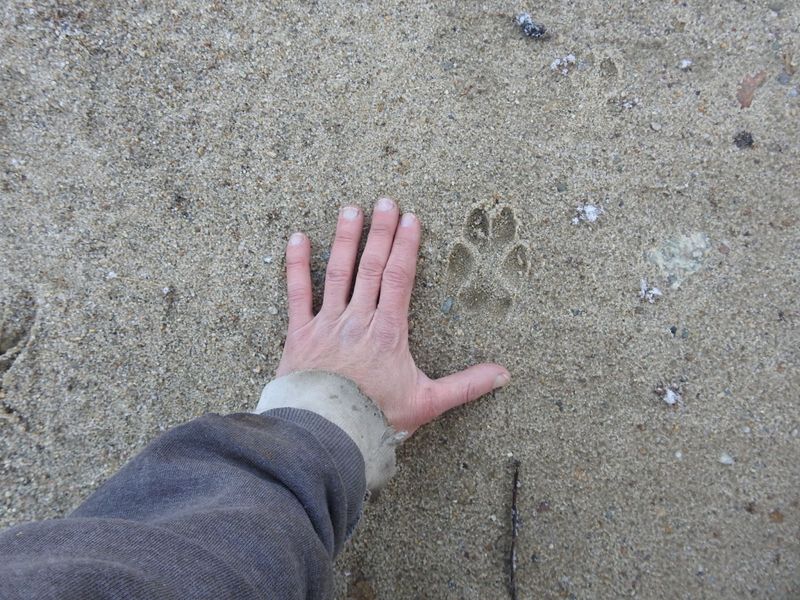
Muddy patches, garden beds, and areas around sprinklers often reveal the clearest evidence of coyote visits.
Their tracks look similar to dog prints but have some key differences that make identification easier once you know what to spot.
Coyote prints typically measure about two and a half inches long and appear more oval than round, with the two front toe pads sitting noticeably ahead of the two rear pads.
The claw marks show up clearly in soft soil because coyotes cannot retract their claws like cats can.
Another telltale feature involves the negative space between the toe pads and heel pad, which forms an X shape when you draw imaginary lines between them.
Dog tracks usually look rounder and more clustered together, while coyote prints maintain that distinctive oval shape with more spacing between the pads.
Tennessee’s clay-rich soil holds these impressions particularly well after rain showers.
Check near water sources, along fence lines, and in flower beds where the ground stays softer.
Coyotes often follow the same paths repeatedly, so you might notice a trail of prints leading across your property.
Fresh tracks appear sharp and well-defined, while older ones look weathered with rounded edges.
Morning hours provide the best time for track detection since coyotes are most active during dawn and dusk.
If you spot prints, measure them and take photos to compare with online guides, helping you distinguish between coyote, dog, and fox tracks with greater confidence for future reference.
2. Scat Left Along Walking Paths
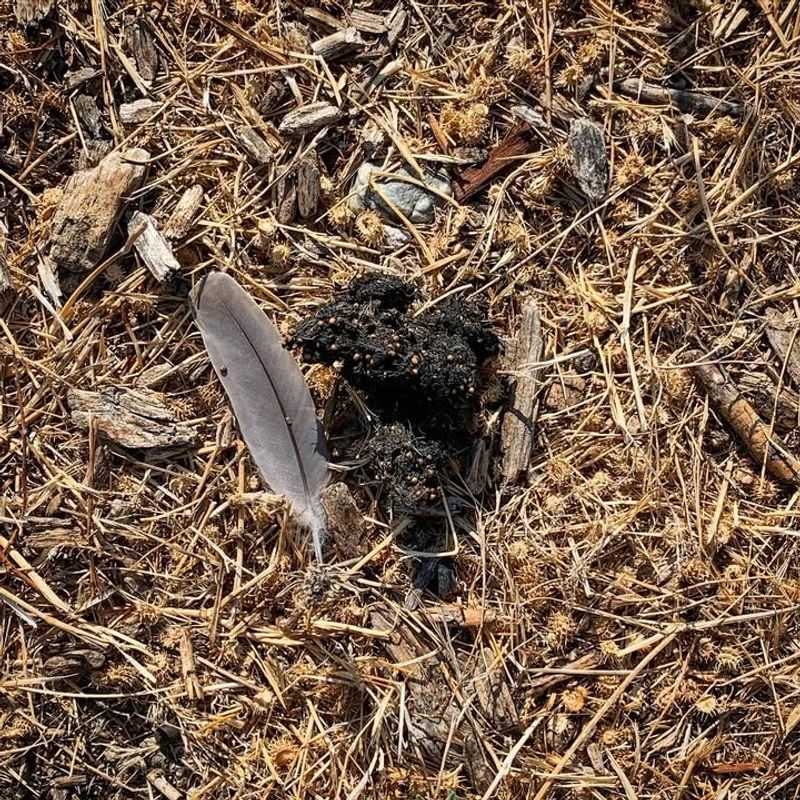
Finding droppings around your Tennessee property might not be the most pleasant discovery, but it provides solid proof of coyote presence.
Coyote scat looks quite different from what domestic dogs leave behind, mainly because of what these wild animals eat.
Their droppings typically appear dark brown or black, twisted into rope-like shapes about three to four inches long with tapered ends that come to points.
The contents tell an interesting story about their diet.
You’ll often spot fur, small bone fragments, seeds, and berry skins mixed throughout the scat.
During summer months in Tennessee, coyotes feast on blackberries and persimmons, which shows up as dark seeds in their droppings.
Winter scat tends to contain more fur and bone pieces from small mammals they’ve caught.
Coyotes deliberately place their scat in visible locations as territorial markers.
Look for droppings on trails, near fence posts, on top of rocks, or at path intersections where they want other coyotes to notice.
This behavior differs from dogs, who typically leave waste randomly without strategic placement.
Fresh scat appears moist and dark, while older droppings turn gray and crumbly as they dry out in the Tennessee sun.
The twisted, rope-like appearance with pointed ends remains the most reliable identifying feature.
If you discover scat regularly in the same spots, a coyote has likely claimed your yard as part of its territory and passes through on a routine schedule, checking its boundaries and hunting for food sources.
3. Missing Or Disturbed Pet Food Bowls
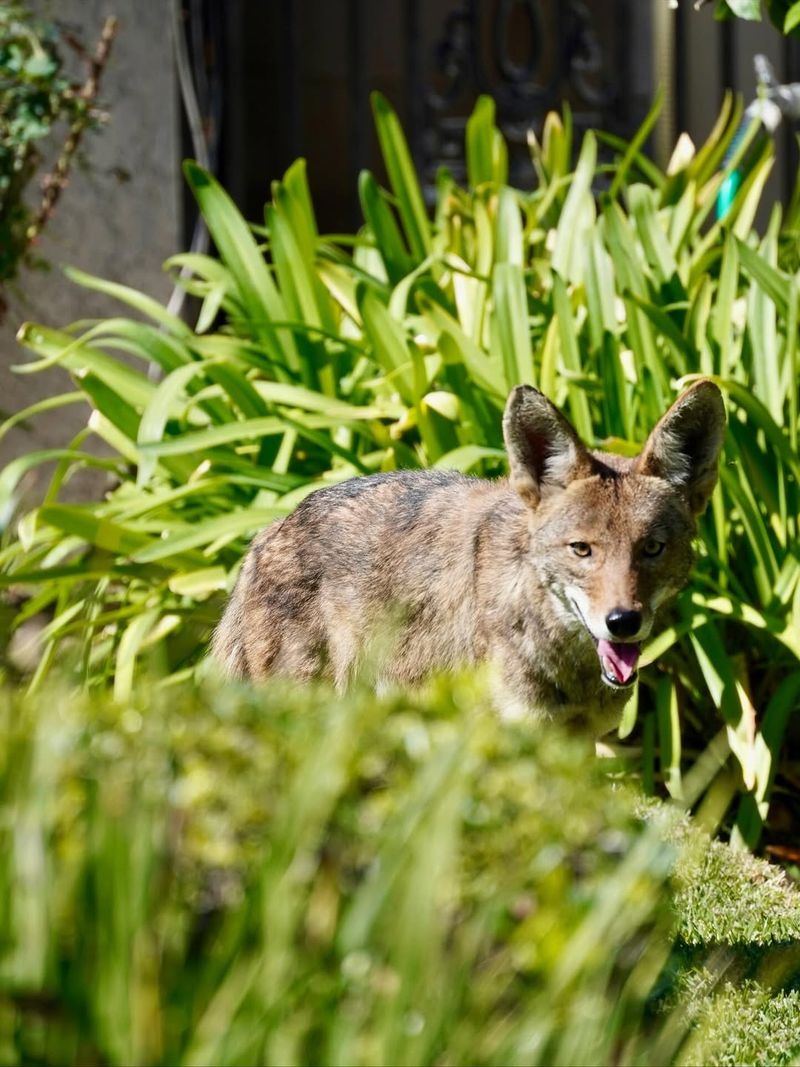
Leaving pet food outside overnight in Tennessee practically sends an invitation to every hungry coyote in the neighborhood.
These resourceful animals possess an incredible sense of smell that leads them straight to easy meals.
If you notice your pet’s food dish emptied mysteriously or knocked over by morning, a coyote probably enjoyed a free dinner courtesy of your porch.
Coyotes don’t have table manners, so they leave obvious signs of their nighttime raids.
Bowls get tipped over, dragged across patios, or even carried away entirely if they’re lightweight plastic.
You might find the bowl several feet from where you left it, completely licked clean without a single kibble remaining.
Sometimes they scatter food around the area while eating, leaving a messy trail that domestic pets rarely create.
Water dishes also attract coyotes, especially during Tennessee’s hot, dry summer months.
They need to drink regularly and appreciate finding fresh water sources in residential areas.
If both food and water disappear together, that strongly suggests a coyote rather than a raccoon or opossum, though those animals also enjoy pet food.
The timing of these raids matters too.
Coyotes typically visit between dusk and dawn when households have gone to bed.
Setting up a motion-activated camera near pet feeding areas can confirm your suspicions and show exactly what’s happening.
Once coyotes discover a reliable food source, they’ll return night after night, so bringing pet dishes inside after your animals finish eating removes this major attractant from your Tennessee property.
4. Unusual Nighttime Howling And Yipping
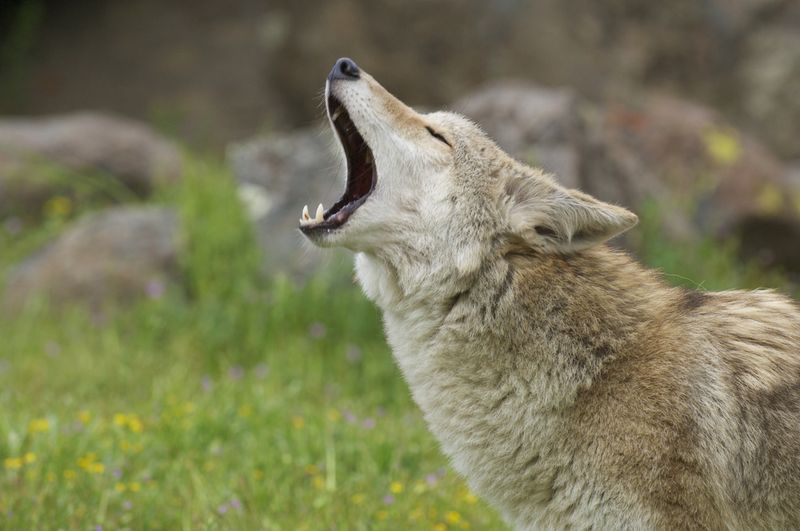
Nothing announces coyote presence quite like their distinctive vocalizations echoing through Tennessee neighborhoods after dark.
Their sounds differ dramatically from dog barking, creating an eerie chorus that starts with long, mournful howls and breaks into high-pitched yips and yaps.
First-time listeners often describe the noise as unsettling, almost like laughter mixed with crying, carrying across surprising distances on quiet nights.
Coyotes communicate through these vocalizations for several important reasons.
They’re calling to family members, establishing territory boundaries, celebrating a successful hunt, or warning other coyotes to stay away from their area.
A single coyote can create enough varied sounds that people often think they’re hearing an entire pack, when really just one or two animals are making all that racket.
Tennessee residents most commonly hear coyote vocalizations during breeding season from January through March, and again in fall when young coyotes disperse to find their own territories.
Dawn and dusk serve as prime time for these concerts, though coyotes sometimes sound off during the middle of the night too.
If you hear these calls coming from your yard or very nearby, coyotes have definitely been traveling through your property.
The sounds might seem closer than they actually are because coyote calls carry so well through the air.
However, regular howling sessions originating from your immediate area indicate established coyote activity.
Recording these vocalizations on your phone and comparing them to online examples can confirm you’re hearing coyotes rather than dogs, foxes, or other wildlife making noise around your Tennessee home.
5. Damaged Garbage Cans And Scattered Trash

Waking up to find your garbage strewn across the driveway ranks among the most frustrating signs of coyote activity.
These opportunistic feeders view trash cans as all-you-can-eat buffets, especially in Tennessee suburbs where natural food sources have become scarce.
Coyotes possess surprising strength and intelligence when it comes to accessing garbage, often figuring out how to tip cans, pry off loose lids, or tear through plastic bags.
The mess they create looks different from raccoon damage in several ways.
Coyotes tend to drag larger items away from the original pile, scattering trash across wider areas as they search for meat scraps and other protein sources.
They’re particularly interested in food waste, greasy pizza boxes, meat packaging, and anything with a strong smell.
Raccoons usually make more localized messes and show greater interest in a wider variety of items.
If you notice garbage disturbances happening regularly on specific nights, you’ve probably got a coyote on a routine patrol schedule.
They’re creatures of habit who return to reliable food sources repeatedly.
The damage often occurs in the early morning hours, just before sunrise, when coyotes are finishing their nightly rounds before heading back to resting areas.
Securing your trash becomes essential once coyotes discover this food source.
Use heavy cans with locking lids, store garbage in garages until collection day, or invest in animal-proof containers.
Cleaning up food residue from can exteriors also helps since even small amounts of smell attract coyotes from considerable distances across Tennessee neighborhoods looking for their next easy meal.
6. Small Prey Animals Acting Nervous Or Disappearing
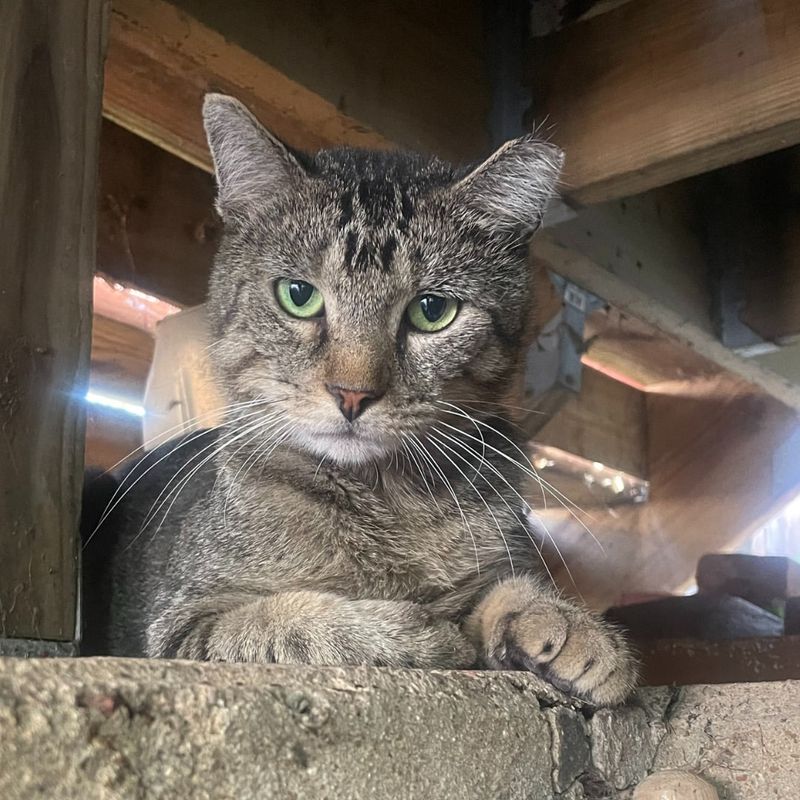
Sudden changes in your yard’s small animal population often signal that a predator has moved into the area.
Coyotes are skilled hunters who target rabbits, squirrels, groundhogs, and outdoor cats throughout Tennessee.
If you’ve been enjoying watching bunnies munch grass in your yard every evening and they suddenly vanish, a coyote has likely been hunting there.
The same goes for the regular squirrel activity around your bird feeders or groundhogs living under your shed.
Outdoor pet rabbits, chickens, and small dogs face serious danger when coyotes establish territory nearby.
These predators can jump six-foot fences, dig under barriers, and even learn to open simple latches on coops and hutches.
Finding disturbed enclosures, scattered feathers, or tufts of fur without locating your pet unfortunately indicates a coyote attack.
They typically hunt during twilight hours when small animals are most active and visibility is reduced.
Even animals that survive close encounters with coyotes change their behavior noticeably.
Squirrels might stop visiting your yard entirely, birds could abandon feeders they used daily, and neighborhood cats may refuse to go outside.
Wild rabbits become hypervigilant, freezing more often and fleeing at the slightest sound rather than calmly grazing like before.
Tennessee homeowners should take these population shifts seriously as early warning signs.
Bringing small pets indoors at night, reinforcing chicken coop security, and supervising outdoor time for vulnerable animals becomes crucial.
The absence of prey animals you used to see regularly means something scared them away, and coyotes rank as the most likely culprit throughout most of Tennessee’s residential areas.
7. Disturbed Mulch And Dug-Up Garden Spots
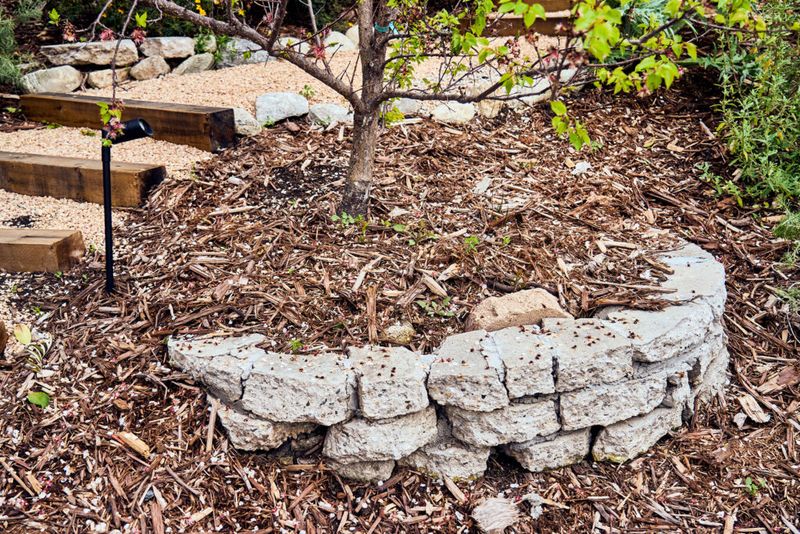
Discovering random holes and scattered mulch throughout your Tennessee garden might make you think you’ve got a digging dog problem, but coyotes also excavate yards for several reasons.
They dig up gardens searching for grubs, mice, voles, and other small creatures living beneath the surface.
Their excellent hearing allows them to detect rodents moving underground, and they’ll tear up landscaping to reach these meals without hesitation.
Coyote digging typically creates shallow, cone-shaped holes about four to six inches deep and wide.
They use their front paws to excavate quickly, throwing mulch and soil backward in their enthusiasm.
Unlike dogs who dig for fun or to bury toys, coyotes dig with purpose and usually abandon the hole once they’ve caught their prey or determined nothing’s there.
You might find several holes scattered across your property from a single night’s hunting session.
Garden beds with rich soil and heavy mulch attract rodents seeking shelter and food, which in turn attracts hunting coyotes.
Areas near compost piles, bird feeders, and vegetable gardens see the most digging activity because these spots harbor the highest concentrations of small prey animals.
Tennessee’s mild climate means rodents stay active most of the year, giving coyotes reason to hunt yards during all seasons.
Fresh digging shows loose, dark soil and recently disturbed mulch, while older holes have settled edges and may have collected leaves.
If you notice new holes appearing regularly in similar areas, a coyote has identified your yard as a productive hunting ground and will likely continue returning until the food source disappears or becomes too difficult to access safely.