The Simple Step That Makes Oregon Dahlias Bloom Longer
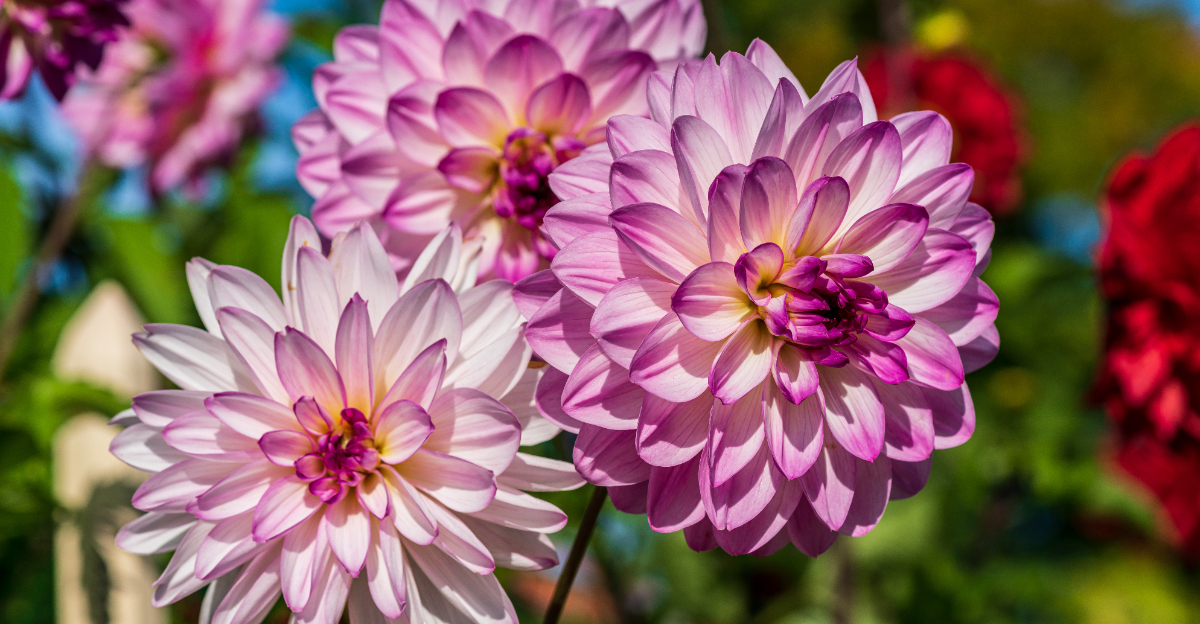
Dahlias already know how to steal the spotlight in Oregon gardens. Their bold colors, layered petals, and nonstop summer energy make them a favorite for anyone who loves a dramatic flower bed.
But many gardeners notice the same thing every season. The first round of blooms looks amazing, then the plant seems to slow down sooner than expected.
In reality, dahlias are capable of producing flowers for much longer. Oregon’s mild growing season gives them plenty of time to keep going, but they sometimes need a little encouragement to stay in bloom mode.
That is where one simple habit comes in: deadheading. Removing spent flowers signals to the plant that it should keep producing new buds instead of focusing on seed production.
It takes only a few moments in the garden, yet it can make a big difference in how long your dahlias keep putting on their colorful show.
1. Why Dahlias Stop Blooming
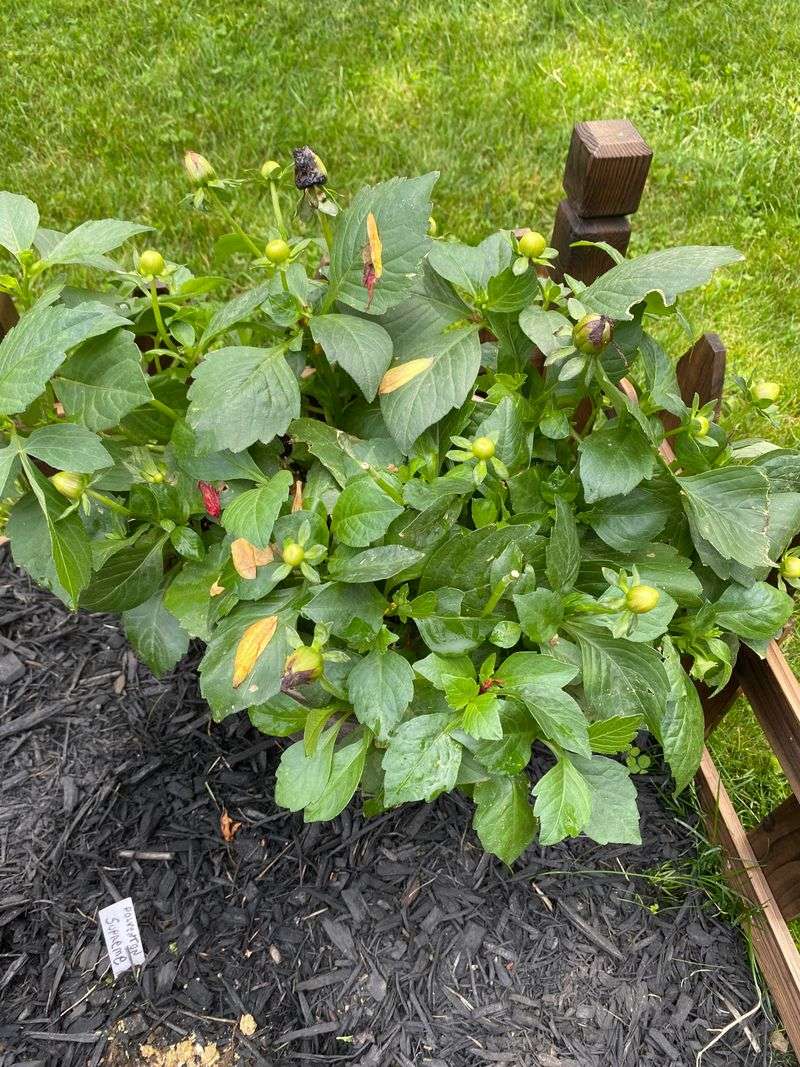
Most Oregon gardeners notice the same thing around midsummer. Their dahlias start strong, bursting with color and energy, and then slowly the flowers thin out.
Fewer buds appear. The plant looks tired. What is happening?
Dahlias are programmed by nature to reproduce. Once a flower is pollinated, the plant shifts its energy toward making seeds.
It stops focusing on new blooms because, from the plant’s point of view, its job is done. The flower fades, a seed pod forms, and bud production slows to a crawl.
This is completely natural, but it does not have to be your reality. You can interrupt that cycle.
By removing spent flowers before they turn into seed pods, you trick the plant into thinking it has not yet completed its mission. It keeps trying to bloom.
Oregon’s long growing season gives dahlias plenty of time to keep producing if you help them along. Understanding why dahlias stop blooming is the first step toward fixing the problem.
Once you see the connection between old flowers and slowed growth, the solution becomes obvious. You are not fighting the plant.
You are working with its natural instincts to get more out of every single stem.
2. The Power Of Deadheading
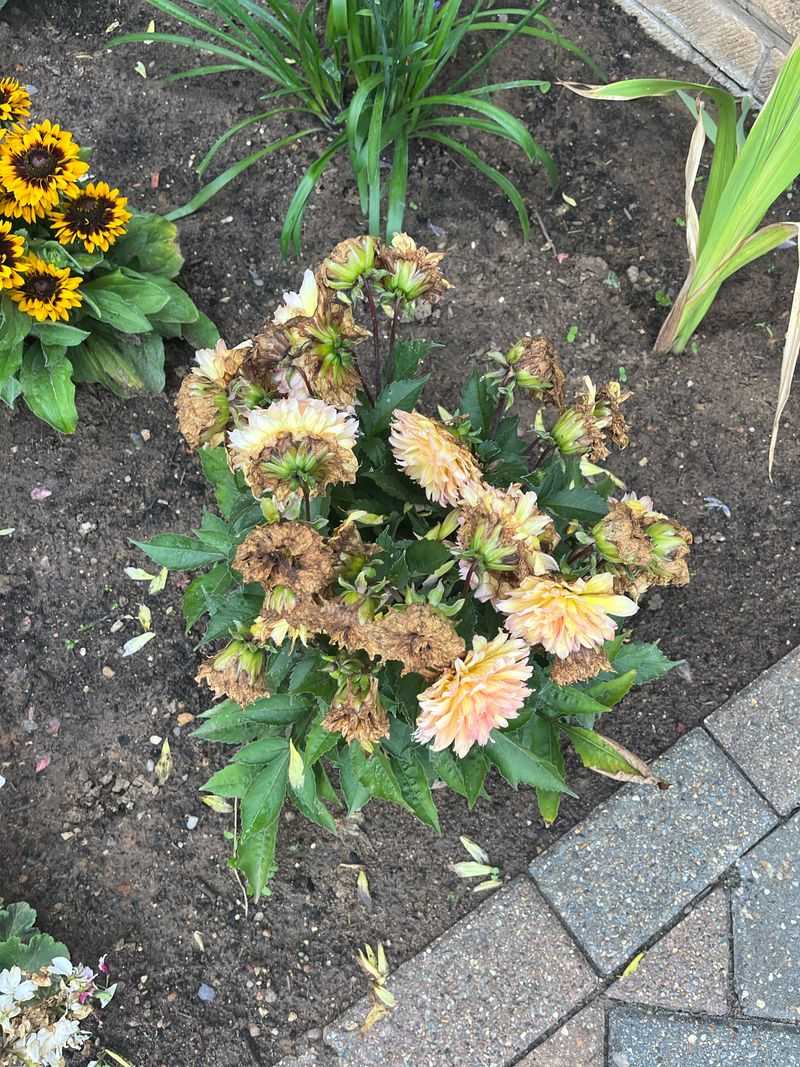
Deadheading sounds complicated, but it is one of the simplest gardening habits you can build. All it means is removing flowers that have already bloomed and are starting to fade.
When you do this regularly, something wonderful happens.
The plant redirects its energy. Instead of pouring resources into a dying flower or a developing seed, it channels that energy into new growth. New buds form. New stems push upward.
And before long, your dahlia plant is blooming again with fresh, vibrant flowers that look just as good as the first ones.
In Oregon, where the growing season stretches from late spring well into fall, this matters a lot. Gardeners in places like Corvallis and Salem can enjoy dahlias from July all the way through October if they stay on top of deadheading.
Without it, the blooming window shrinks significantly. With it, you essentially reset the plant’s clock every time you remove a spent flower.
It is free, it is fast, and it works every single time. No fertilizer or special treatment required.
Just consistent, thoughtful removal of old blooms to keep the cycle of new flowers going strong all season long.
3. Cut Here, Not There
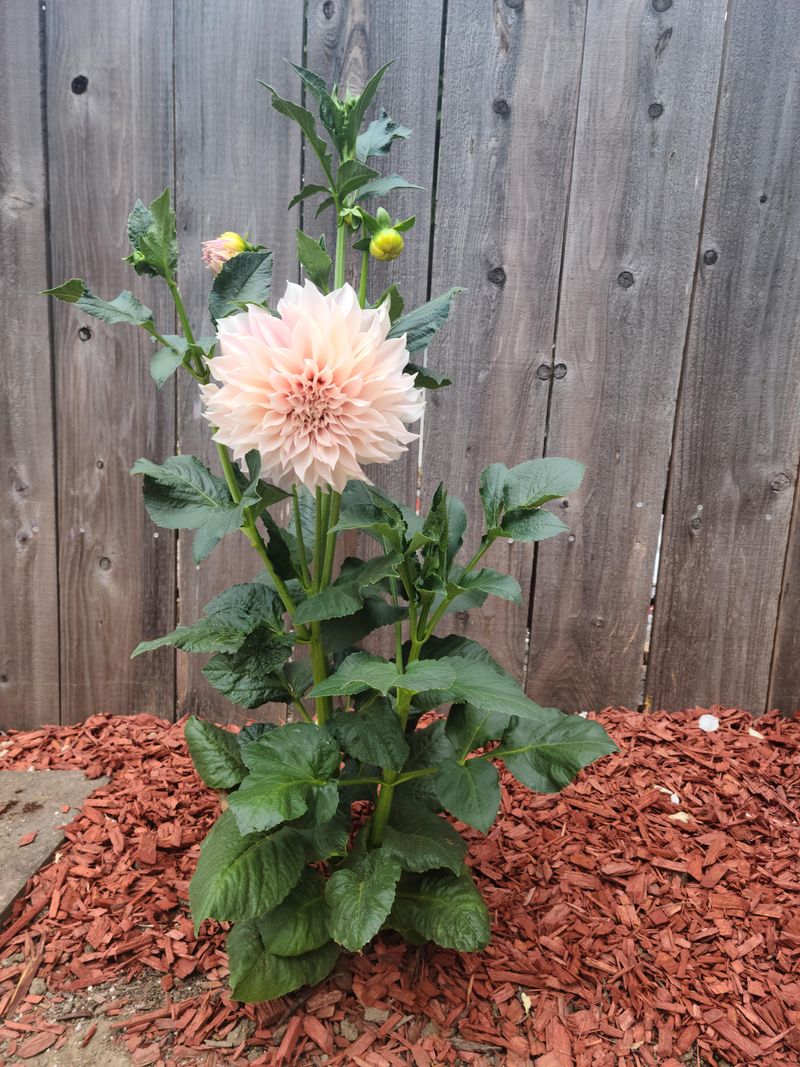
Knowing that you should cut is one thing. Knowing exactly where to cut is what separates a good deadheader from a great one.
Many gardeners make the mistake of just snipping off the flower head, leaving a bare stub of stem behind. That approach does not help the plant as much as you might think.
The right technique is to follow the stem down to the nearest set of healthy leaves or a side shoot, then make your cut just above that point. This encourages the plant to branch from that spot and produce new growth.
When you cut too high, the plant has nowhere to send its energy productively. The stub just sits there and does nothing useful.
In Oregon gardens, where dahlias can grow tall and bushy, this technique also helps keep the plant looking tidy and full. A plant that is cut correctly tends to fill out more evenly, with blooms spread across the whole bush rather than just the top.
Use sharp, clean pruning shears every time. Dull blades crush the stem instead of cutting it cleanly, which can slow healing and invite problems.
A clean cut heals faster and lets the plant get back to blooming sooner.
4. Don’t Just Remove The Petals
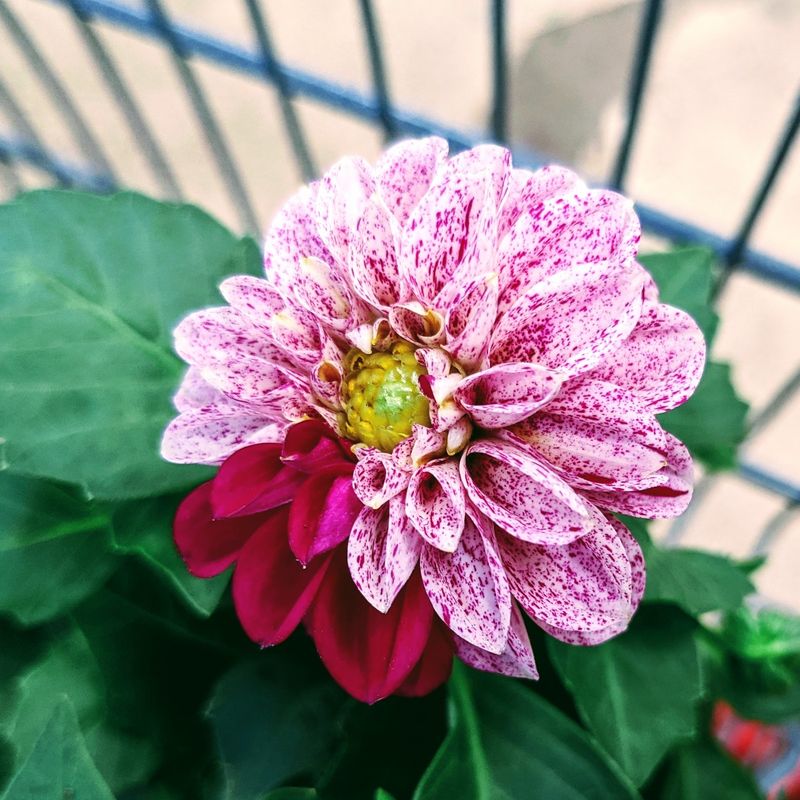
Here is a mistake that trips up a lot of first-time dahlia growers. They pull off the faded petals and think the job is done.
It feels like deadheading, but it is actually missing the most important part.
The petals are just the visible surface of the flower. Underneath them is the base of the bloom, which contains the developing seed structure.
If you leave that behind, the plant still senses that reproduction is underway. It still shifts energy toward seed development.
You have removed the pretty part, but the signal to the plant has not changed at all.
To truly deadhead a dahlia, you need to remove the entire flower head along with its stem, cutting back to a healthy set of leaves or a branching point. This is what completely interrupts the seed-making process.
Oregon gardeners who learn this distinction often see a noticeable improvement in bloom production almost immediately. It seems like a small detail, but it makes a big difference.
Think of it like this: the plant is listening to what is happening at its core, not just at its surface. Give it the full signal to start over, and it will respond by pushing out new buds with real enthusiasm.
5. How Often To Deadhead
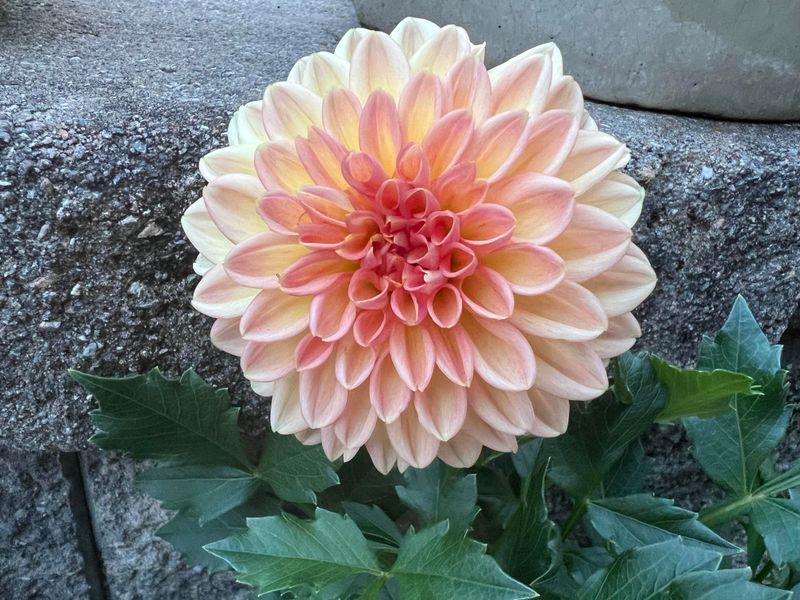
Consistency is everything when it comes to deadheading. Doing it once or twice during the season will help a little, but doing it regularly is what keeps the blooms coming week after week.
So how often should you actually do it?
Most experienced Oregon dahlia growers deadhead every three to five days during peak blooming season. Dahlias can move quickly from fresh bloom to faded flower, especially during warm summer stretches.
If you wait too long between sessions, some flowers will already be forming seed structures before you get to them, and you lose the benefit of early removal.
A good habit is to walk through your dahlia patch every few days with a pair of shears and a bucket. Check each plant carefully.
Remove any bloom that is starting to droop, lose color, or feel soft at the center. Do not wait until the flower looks completely gone.
The earlier you catch it, the faster the plant responds with new growth. In the Willamette Valley and other parts of Oregon where dahlias grow vigorously, a regular deadheading routine can double the number of blooms you get in a season.
It takes maybe ten or fifteen minutes and the payoff is absolutely worth it every single time.
6. The Seed-Setting Mistake
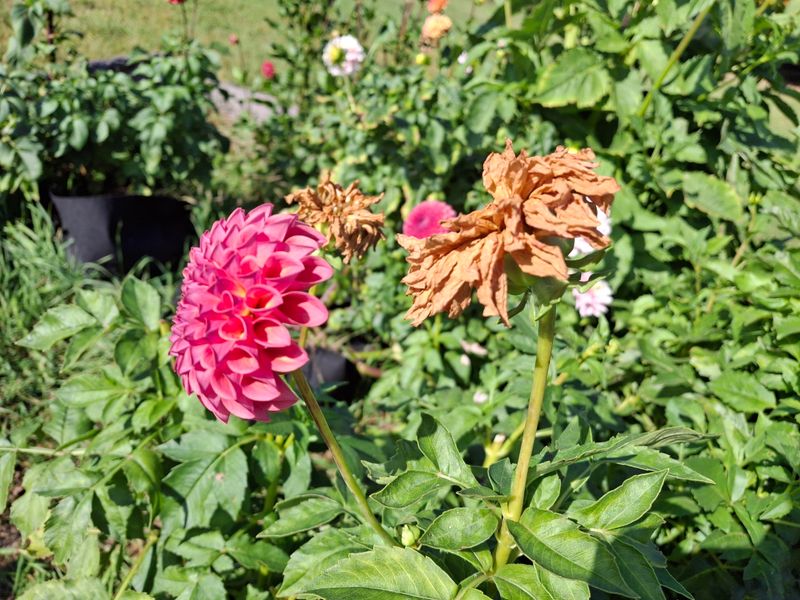
One of the most common problems Oregon dahlia growers run into is letting seed pods form without realizing what is happening. It is easy to do.
The flower fades, you get busy, and by the time you check again, a small green pod has formed where the bloom used to be.
At that point, the plant has already made its decision. It is in seed-production mode.
Removing the pod now will help, but you have lost some time and some potential blooms. The plant spent energy on that seed structure instead of on new flowers.
Over the course of a season, these small losses add up to a noticeably shorter blooming period.
The fix is staying ahead of the process. Learn what a dahlia flower looks like in its very early stages of fading.
The petals start to curl inward slightly, the color dulls, and the center may feel firmer than a fresh bloom. That is your window.
Cut it then, before the seed-setting process gets going. Oregon’s growing season is generous, but it is not unlimited.
Every week that your dahlia spends making seeds is a week it is not making flowers. Stay sharp, stay consistent, and catch those fading blooms before they turn into something that slows your whole garden down.
7. More Cutting, More Flowers
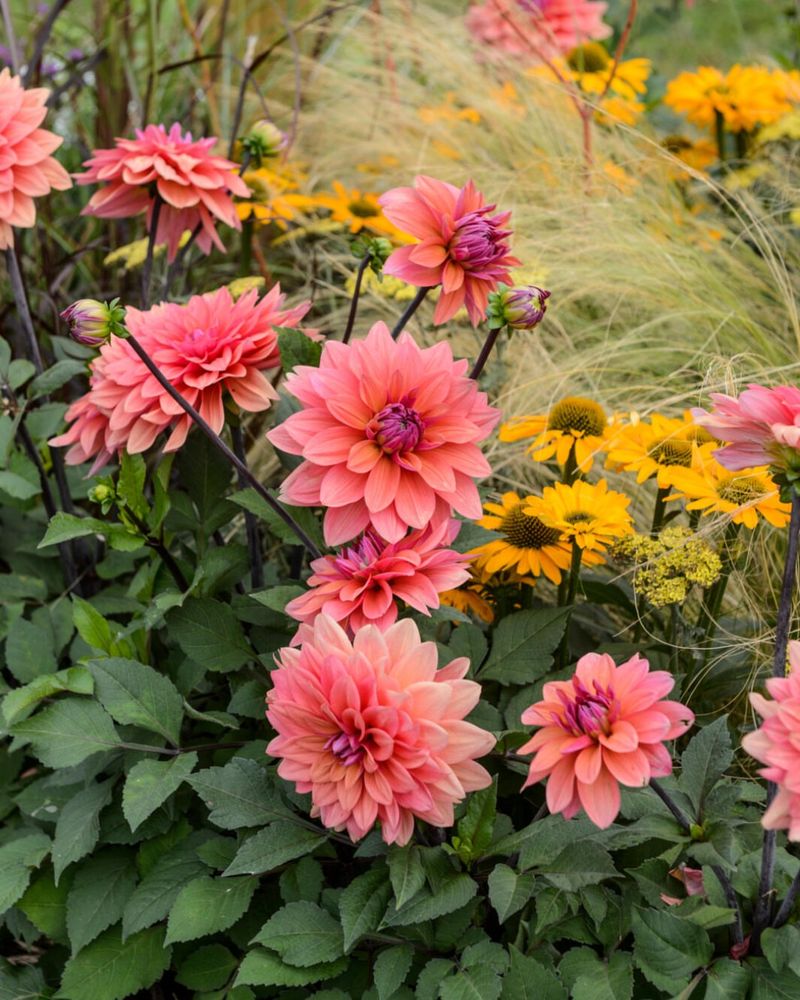
It might feel strange at first to cut a flower off a plant you worked so hard to grow. But here is the truth that every experienced dahlia gardener in Oregon knows: cutting more leads to more flowers, not fewer.
Each time you remove a spent bloom, you are giving the plant permission to start over. It is like clearing a to-do list.
The old task is gone, and the plant immediately starts working on the next one. New buds form faster.
Side shoots branch out. The whole plant becomes more productive and more lush over time.
Oregon gardeners who commit to regular deadheading often describe their late-season dahlia plants as looking better than their early-season ones. The plants are fuller, the stems are stronger, and the flowers keep coming even as the nights grow cooler in September and October.
That kind of extended bloom is what makes dahlias such a beloved flower up and down the Oregon coast and across the inland valleys. You do not need expensive products or complicated techniques.
You just need your shears, a few minutes every few days, and the confidence to cut. The more you cut the right way, the more your dahlias will reward you with waves of beautiful, long-lasting color.