The Simple Tips To Prevent Your Houseplant From Turning Yellow In New York Homes
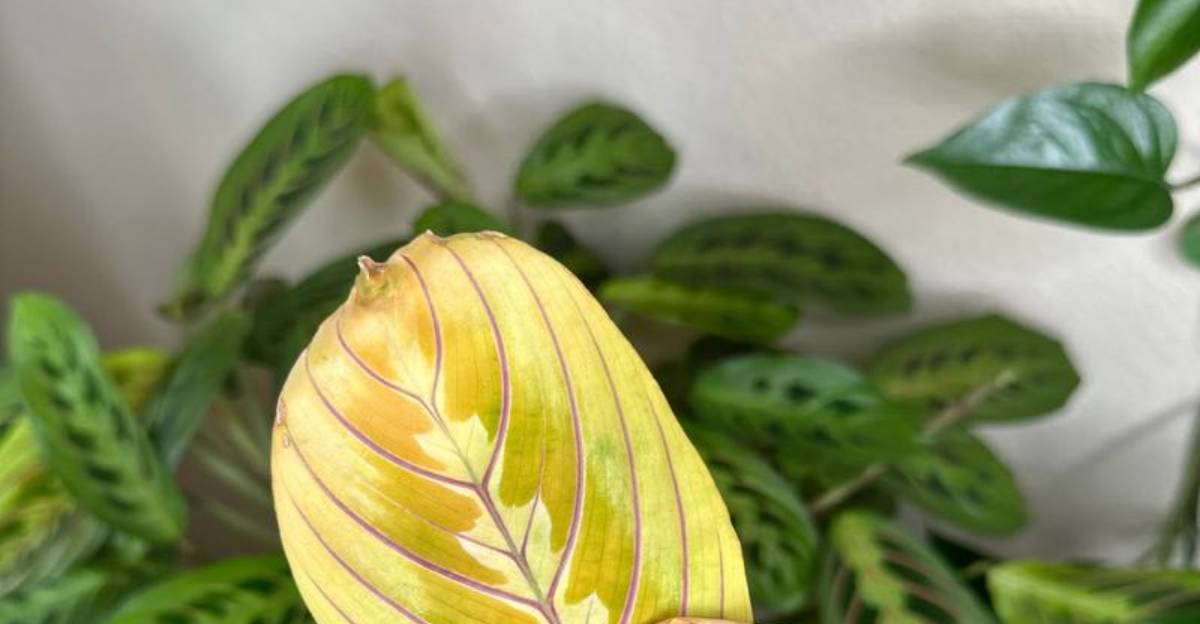
Watching your houseplant slowly turn yellow can be frustrating, especially when you’re doing your best to keep it alive. New York homes come with unique challenges, from dry winter air to limited sunlight and temperature changes.
Yellow leaves are your plant’s way of asking for help. The good news is that most of the time, the problem is easy to fix.
Small changes can bring big green results. With the right care habits, you can bring your plants back to life and keep them healthy all year long.
Your plants don’t have to struggle indoors. Whether you live in a sunny apartment or a cozy brownstone, simple adjustments can make a big difference.
A few smart tips can turn yellow leaves into lush green beauty. Let’s explore the easiest ways to prevent yellowing in New York homes.
1. Check Your Watering Schedule And Soil Moisture
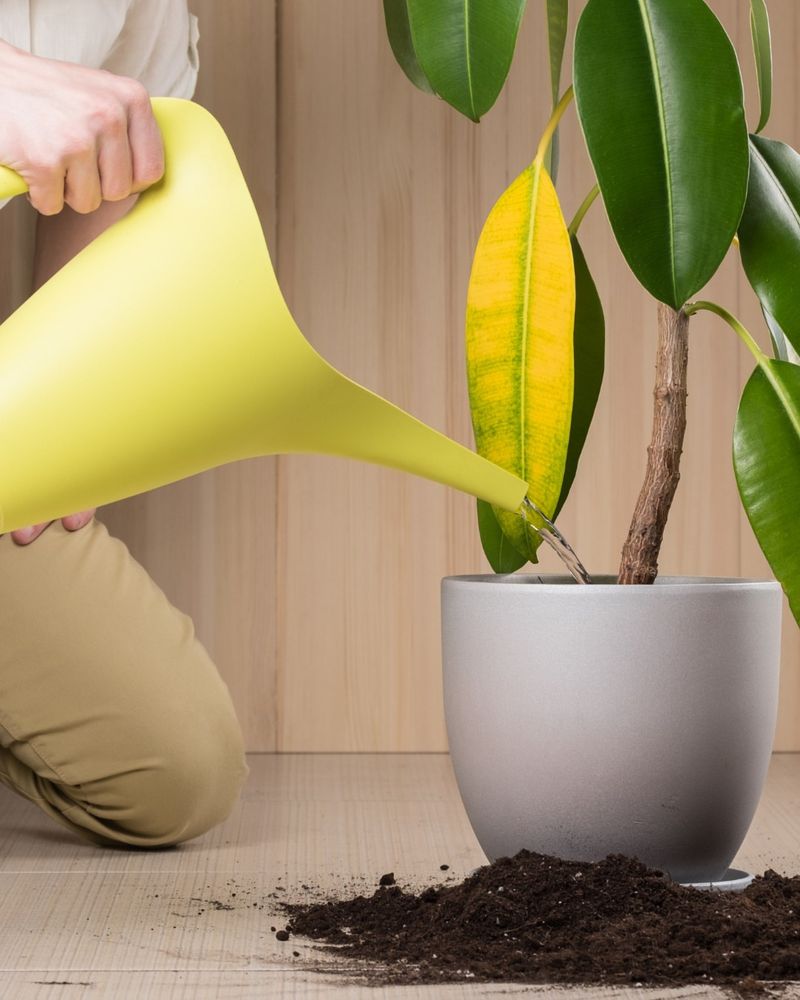
Overwatering ranks as the number one reason houseplants develop yellow leaves, and it’s surprisingly easy to do in New York apartments where drainage and air circulation might be limited. Many plant parents water on a strict schedule without checking if their plants actually need it.
The soil surface might look dry, but underneath, the roots could be sitting in soggy conditions that prevent them from absorbing oxygen. This leads to root stress and those telltale yellow leaves that start from the bottom of the plant and work their way up.
Before you water, stick your finger about two inches into the soil. If it feels damp, wait a few more days.
Different plants have different needs, so research your specific varieties. Succulents and cacti prefer dry conditions between waterings, while ferns and peace lilies enjoy consistently moist (not wet) soil.
The type of pot you use matters too. Containers without drainage holes trap excess water, creating a swampy environment that roots hate.
If you love a decorative pot without holes, use it as a cover for a plastic nursery pot with proper drainage. After watering, let the plant drain completely before returning it to the decorative container.
New York’s tap water contains chlorine and minerals that can build up in soil over time. Consider letting water sit out overnight before using it, or switch to filtered water for sensitive plants.
Adjust your watering frequency with the seasons, since plants need less water during winter when growth slows and heating systems dry out the air faster.
2. Ensure Proper Light Exposure For Your Plant Species
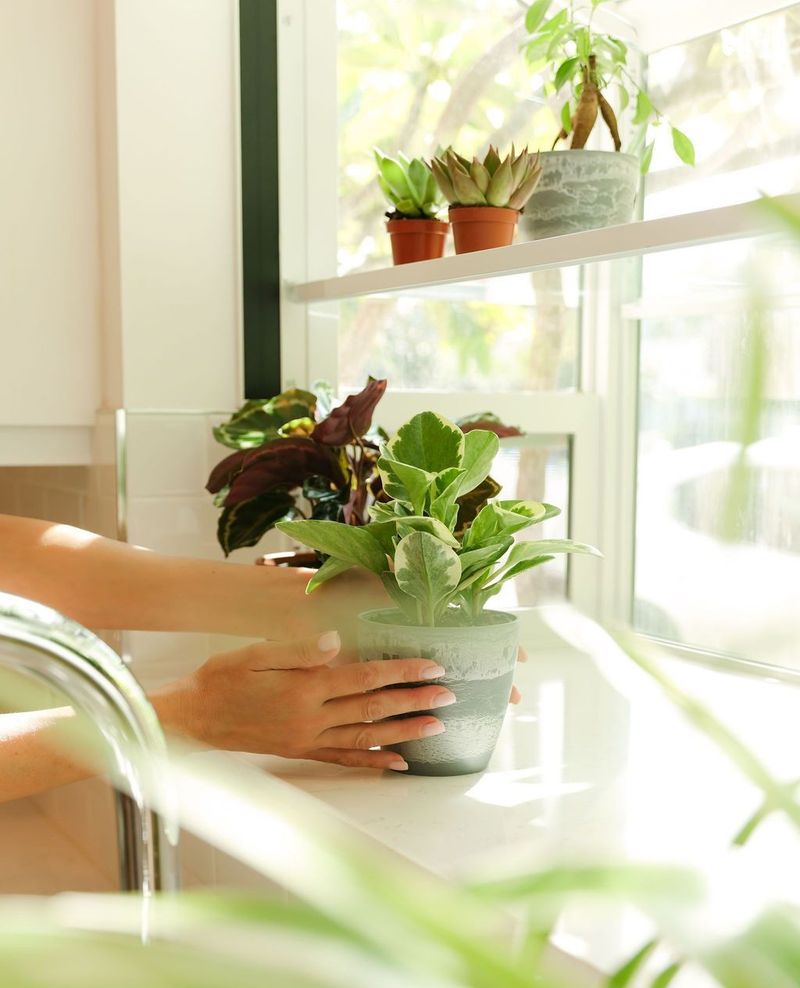
Light deficiency causes yellowing just as quickly as watering problems, and this is especially tricky in New York homes where natural light can be scarce. North-facing windows provide the least light, while south-facing ones offer the brightest conditions.
Many apartments have limited window access or face brick walls and neighboring buildings that block sunlight. Without adequate light, plants can’t photosynthesize properly, leading to pale, yellow leaves that eventually drop off.
Each plant species has specific light requirements. Snake plants and pothos tolerate low light conditions, making them perfect for dim corners or interior rooms.
Fiddle leaf figs, succulents, and most flowering plants need bright, indirect light to maintain their green color and healthy growth.
Pay attention to how light moves through your space throughout the day. A spot that seems bright at noon might be dim by mid-afternoon.
Rotate your plants weekly so all sides receive equal light exposure, preventing lopsided growth and uneven yellowing. If one side constantly faces away from the window, those leaves will fade first.
Consider investing in grow lights if your New York apartment lacks sufficient natural light. LED grow lights are energy-efficient and come in attractive designs that blend with your decor.
Place them about 6-12 inches above your plants and run them for 12-14 hours daily to supplement natural light. This simple addition can transform a dark apartment into a thriving indoor garden, keeping leaves green and vibrant even during the short winter days.
3. Maintain Appropriate Humidity Levels Around Your Plants
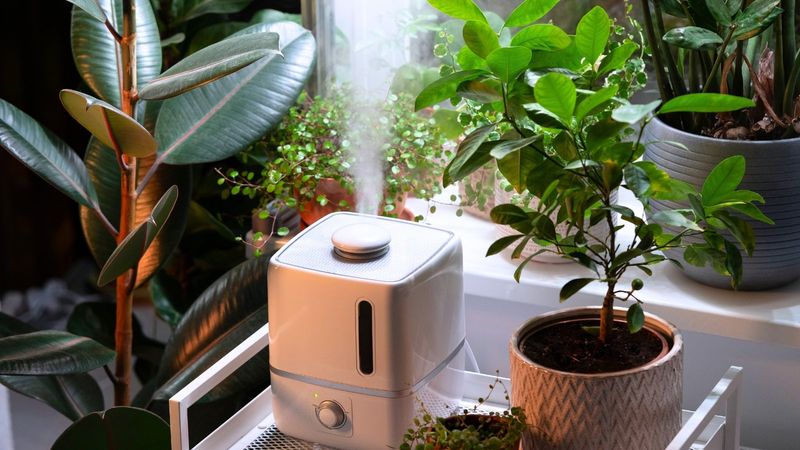
New York apartments, particularly during winter months, become incredibly dry when radiators blast heat nonstop. Humidity levels can drop below 20%, which is far too low for most tropical houseplants that prefer 40-60% humidity.
Dry air causes leaf tips to brown and entire leaves to turn yellow as the plant struggles to retain moisture. You might notice this problem worsening between November and March when heating systems run constantly.
Grouping plants together creates a microclimate where they benefit from each other’s transpiration. As plants release moisture through their leaves, nearby plants absorb it, raising the local humidity.
This simple trick costs nothing and works surprisingly well in smaller spaces like apartments.
Pebble trays offer another easy solution. Fill a shallow tray with pebbles or small stones, add water until it reaches just below the top of the pebbles, then place your plant pot on top.
As water evaporates, it increases humidity around the plant without waterlogging the roots. Refill the tray as the water level drops.
For plant enthusiasts with multiple humidity-loving plants, a small humidifier makes a worthwhile investment. Place it near your plant collection and run it during the driest months.
Many New York plant parents keep humidifiers running in their plant corners from October through April.
Misting provides temporary relief but isn’t as effective as these other methods since the moisture evaporates quickly. Focus on long-term humidity solutions rather than quick fixes for the best results.
4. Feed Your Plants With The Right Nutrients
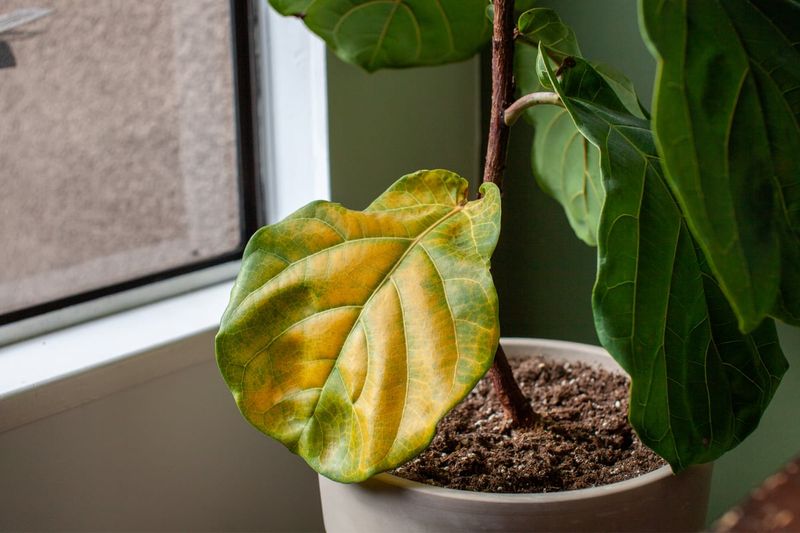
Just like people need vitamins, plants require nutrients to maintain healthy, green foliage. Yellowing leaves, especially when they affect the whole plant rather than just the bottom or top, often signal nutrient deficiencies.
Nitrogen deficiency causes older leaves to turn yellow first, while iron deficiency affects newer growth. Container plants depend entirely on you for nutrition since they can’t extend roots into fresh soil like outdoor plants can.
Most houseplants benefit from regular feeding during their growing season, typically spring through early fall. Use a balanced, water-soluble fertilizer diluted to half the recommended strength to avoid burning roots.
Feed every two to four weeks during active growth, then reduce or stop fertilizing in winter when most plants rest.
Over-fertilizing causes as many problems as under-fertilizing. Salt buildup from excess fertilizer creates a crusty white layer on soil and pot rims, and it can actually block nutrient absorption, leading to yellowing despite your best efforts.
If you notice this buildup in your New York apartment plants, flush the soil by running water through it for several minutes, allowing it to drain completely.
Different plants have different appetites. Heavy feeders like tomatoes and flowering plants need more frequent fertilizing, while succulents and cacti need very little.
Always research your specific plant’s needs. Organic options like compost tea or worm castings provide gentle, slow-release nutrition that’s harder to overdo.
Whatever you choose, consistency matters more than the specific product, so find a routine that works for your schedule and stick with it.
5. Protect Plants From Temperature Stress And Drafts
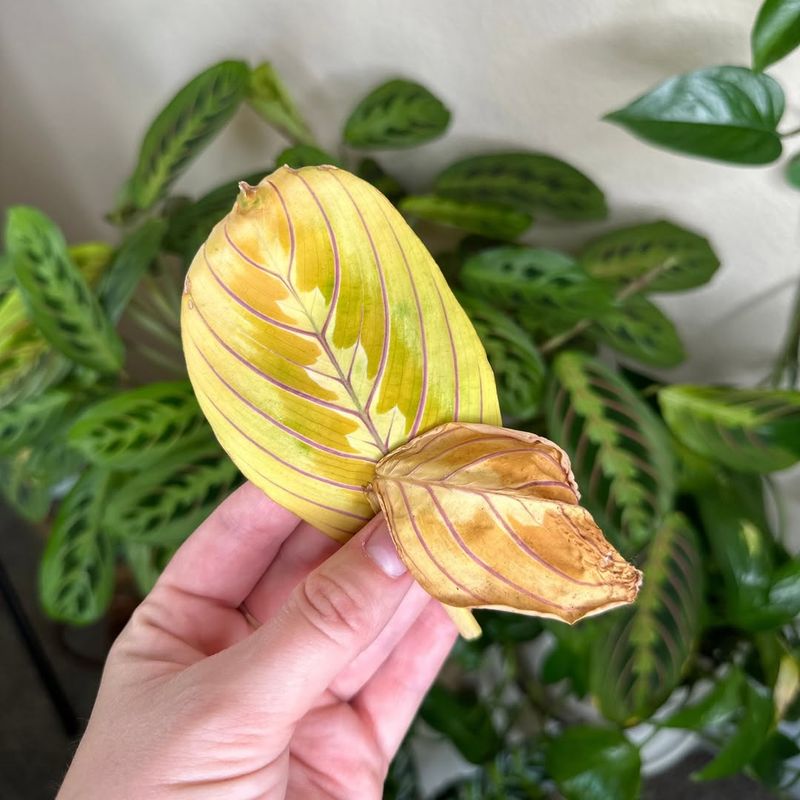
Temperature fluctuations stress houseplants quickly, and New York homes offer plenty of opportunities for this problem. Drafty windows, air conditioning vents, and radiators create hot and cold zones that confuse plants adapted to stable tropical climates.
When temperatures swing wildly, plants respond by dropping leaves or turning them yellow as a protective measure. You might not notice these temperature variations yourself, but your sensitive plants certainly will.
Most common houseplants prefer temperatures between 65-75°F during the day and slightly cooler at night. Avoid placing plants directly against cold windows in winter, as the glass can drop to near-freezing temperatures overnight.
Similarly, don’t position plants right next to radiators or heating vents where hot, dry air blasts them constantly.
Air conditioning in summer creates another challenge. Cold drafts from AC units can shock tropical plants, causing sudden yellowing and leaf drop.
Keep plants at least three feet away from air conditioning vents, and avoid placing them in the direct path of cold air streams.
Old New York buildings are notorious for drafty windows and uneven heating. Use your hand to feel for cold drafts around your plant locations, especially near windows and doors.
A simple draft stopper or window insulation kit can protect both your plants and your heating bill. Move plants away from exterior walls during the coldest months if possible.
Creating a stable temperature environment helps plants focus energy on growth rather than stress response, keeping those leaves beautifully green throughout the year.
6. Choose The Right Potting Mix And Repot When Needed
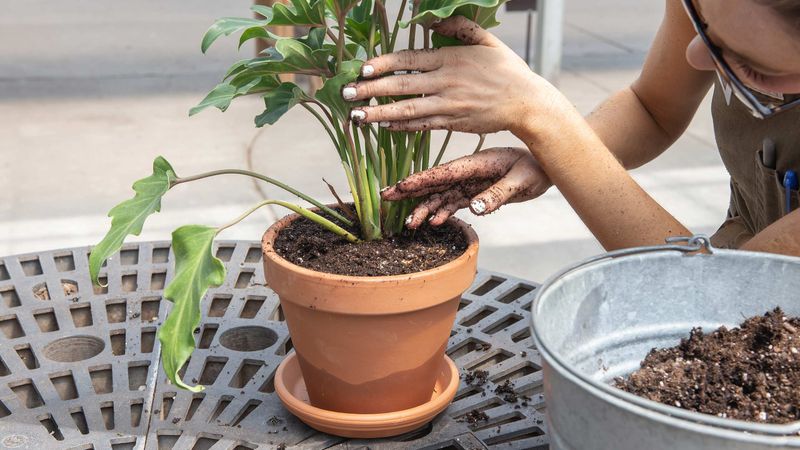
Soil quality dramatically affects plant health, yet many people overlook this fundamental aspect of plant care. That potting mix you used two years ago has probably broken down, compacted, and lost its ability to drain properly or hold nutrients.
Compacted soil prevents oxygen from reaching roots and causes water to pool, creating the perfect conditions for yellowing leaves and unhappy plants.
Different plants need different soil types. Cacti and succulents require fast-draining, sandy mixes, while ferns prefer moisture-retentive blends with peat or coco coir.
Using regular garden soil in containers is a common mistake since it compacts too much and doesn’t provide the drainage that container plants need. Always use soil specifically formulated for container plants.
Watch for signs that your plant needs repotting. Roots growing through drainage holes, water running straight through without absorbing, or plants that dry out much faster than they used to all indicate it’s time for a larger home.
Most houseplants benefit from repotting every 1-2 years, even if they don’t need a bigger pot, just to refresh the soil.
When repotting, choose a container only one or two inches larger than the current one. Too much extra soil stays wet and can cause root problems.
Gently loosen the root ball and remove as much old soil as possible before placing the plant in fresh mix.
New York plant shops and garden centers carry quality potting mixes, or you can order specialized blends online for specific plant types. This simple refresh often solves mysterious yellowing problems within a few weeks.
7. Inspect Regularly For Pests And Diseases
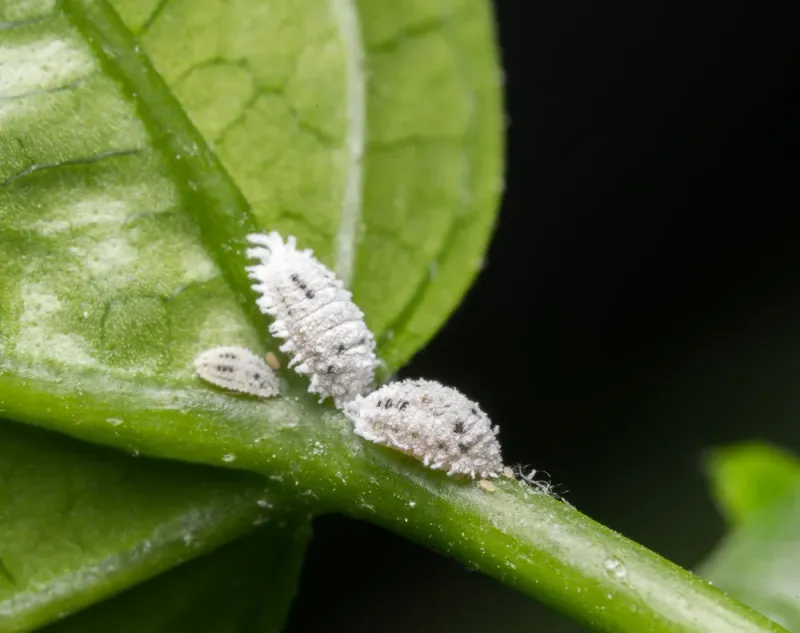
Tiny pests can cause big problems, and yellowing leaves often signal an unwanted infestation. Spider mites, aphids, mealybugs, and scale insects all feed on plant sap, weakening your houseplants and causing leaves to yellow, curl, or develop spots.
These pests are surprisingly common in New York apartments, hitching rides on new plants from stores or entering through open windows during warmer months. Early detection makes treatment much easier and more effective.
Get in the habit of inspecting your plants weekly. Look under leaves, along stems, and in leaf joints where pests like to hide.
Spider mites create fine webbing, mealybugs look like tiny cotton balls, and scale appears as small brown bumps. Aphids cluster on new growth and leave behind sticky residue called honeydew.
If you spot pests, isolate the affected plant immediately to prevent spread to your other houseplants. For minor infestations, wiping leaves with a damp cloth or spraying with a mixture of water and a few drops of dish soap often solves the problem.
Neem oil works well for stubborn pests and is safe for indoor use. Apply it in the evening when temperatures are cooler, and make sure to coat all plant surfaces, especially leaf undersides where pests hide.
Prevention beats treatment every time. Quarantine new plants for two weeks before adding them to your collection, giving you time to spot any pest problems.
Keep your plants healthy through proper care since stressed plants attract pests more readily. Good air circulation helps too, so don’t crowd plants too closely together.
Regular inspection and quick action keep your New York houseplants pest-free and beautifully green.