The Simple Trick Minnesota Homeowners Use To Keep Young Trees Safe In Winter Winds
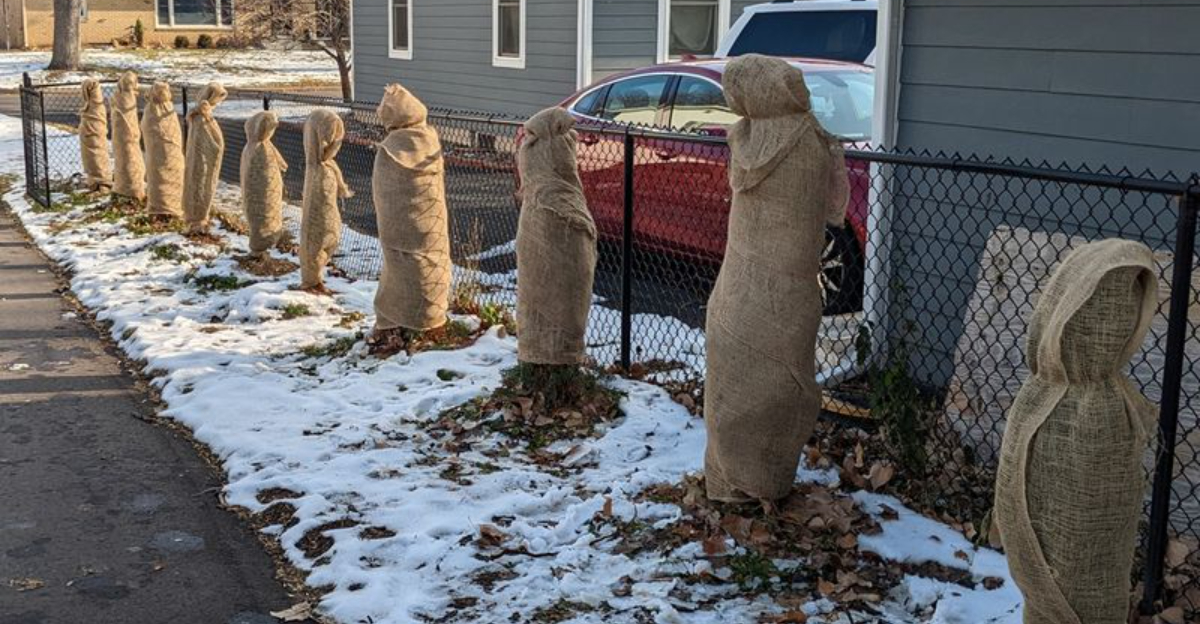
Winter winds in Minnesota can be rough on young trees, but many homeowners rely on one simple habit to prevent damage before it starts.
This small step helps reduce stress on trunks and roots when strong gusts and heavy snow hit at the same time.
Used at the right moment, it keeps young trees steady through winter and ready to grow once spring returns.
Homeowners often notice fewer broken branches and less leaning by the time snow melts, which makes early spring care far easier.
That bit of winter attention can mean stronger structure, healthier growth, and fewer problems later in the growing season.
1. Wrapping Young Trees With Breathable Tree Guards Before Winter Winds Hit
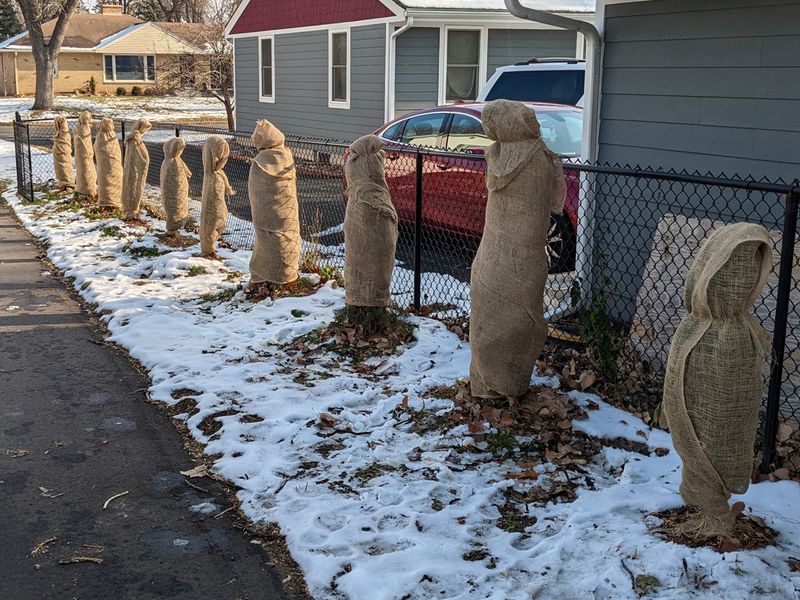
Breathable tree guards offer the perfect shield against harsh gusts that sweep across Minnesota yards every winter without trapping harmful moisture inside.
Installing these protective wraps before temperatures plummet gives bark time to adjust while creating a buffer zone that deflects damaging wind pressure effectively.
Most garden centers stock affordable options made from paper or fabric that allow air circulation while blocking the worst effects of exposure.
Wrapping should start at ground level and spiral upward to cover the entire trunk up to the lowest branches for maximum protection.
Secure the material with twine or tape that won’t constrict growth but holds firmly against strong gusts throughout the coldest months ahead.
Young trees wrapped properly can withstand wind speeds that would otherwise cause cracking or splitting in vulnerable bark layers during Minnesota’s brutal winter season.
Remember to leave no gaps where wind can sneak through and cause localized damage to exposed sections of the trunk surface.
This simple step takes less than fifteen minutes per tree but provides months of reliable defense against the elements outside your home.
Gardeners often notice healthier bark and fewer winter injuries when this protection becomes part of their regular cold-season routine.
2. Why Winter Winds Cause More Damage Than Cold Alone In Minnesota
Cold temperatures alone rarely harm healthy young trees, but fierce winds create stress that leads to serious structural problems across Minnesota landscapes each season.
Wind strips away moisture from bark surfaces much faster than still air, leaving tissues dry and vulnerable to cracking under freezing conditions.
Constant movement from gusts also causes mechanical stress on trunks and branches that haven’t fully hardened yet in newly planted specimens.
Ice crystals form more readily on wind-exposed surfaces, creating tiny wounds that expand as temperatures fluctuate throughout typical Midwestern winter weather patterns.
Young bark lacks the thick protective layers found on mature trees, making saplings especially susceptible to wind-related injuries during their first seasons.
Homeowners across the state often notice more damage on the windward side of unprotected trees after particularly blustery winters pass by.
Branches can rub against each other when wind rocks the trunk repeatedly, wearing away bark and creating entry points for future disease problems.
Understanding this distinction helps gardeners prioritize wind protection over simple cold tolerance when planning their winter tree care strategies for success.
3. How Wind Desiccation Dries Out Young Tree Bark And Buds
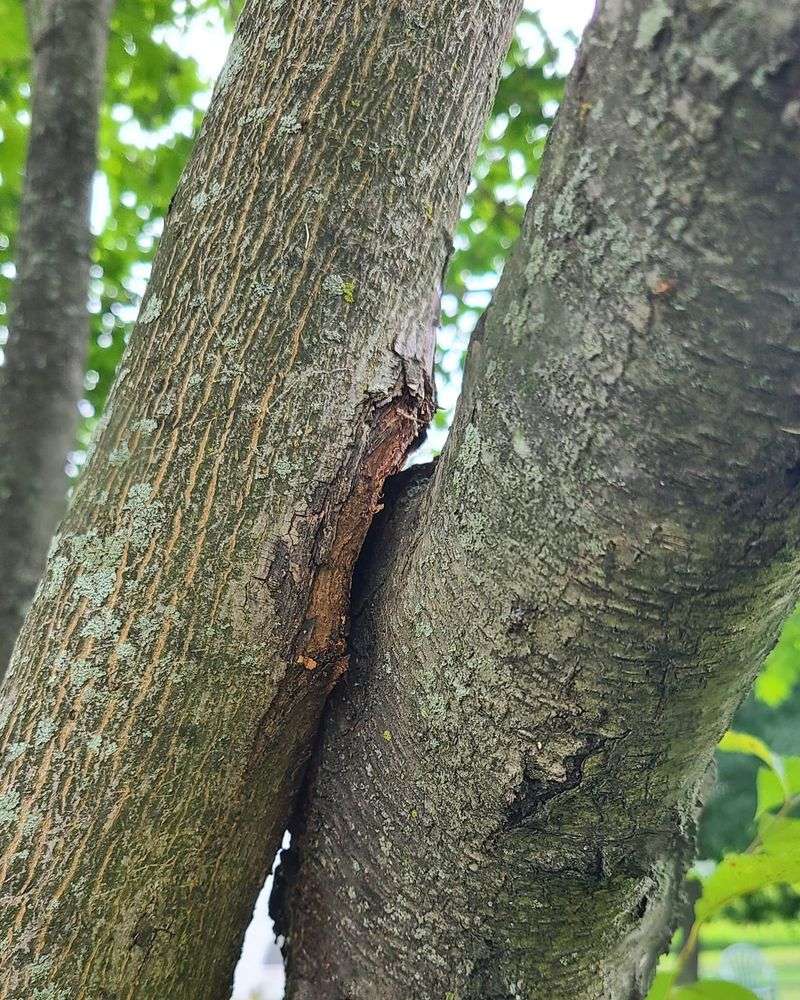
Wind desiccation occurs when moving air pulls moisture from bark and buds faster than roots can replace it during frozen ground conditions.
Minnesota winters create perfect conditions for this problem because soil freezes solid while winds continue blowing relentlessly across exposed tree surfaces for months.
Young bark contains living cells that need consistent hydration to survive, but wind strips away protective moisture layers in just hours of exposure.
Buds suffer even more dramatically because their smaller size means they lose water proportionally faster when gusts hit them directly without any protection.
Dried-out buds often fail to open properly in spring, leaving gaps in the canopy where healthy growth should have emerged naturally.
Bark that loses too much moisture becomes brittle and cracks easily, creating wounds that take years to heal completely on young specimens.
Homeowners can spot early signs of desiccation by looking for dull, grayish bark instead of the healthy shine seen on protected trees.
Wrapping trunks blocks wind contact and dramatically reduces moisture loss throughout the season, keeping bark supple and buds viable until warmer temperatures arrive.
This protection helps young trees enter spring with intact tissues and a much better chance of resuming normal, healthy growth.
4. Which Young Trees Need Wind Protection The Most
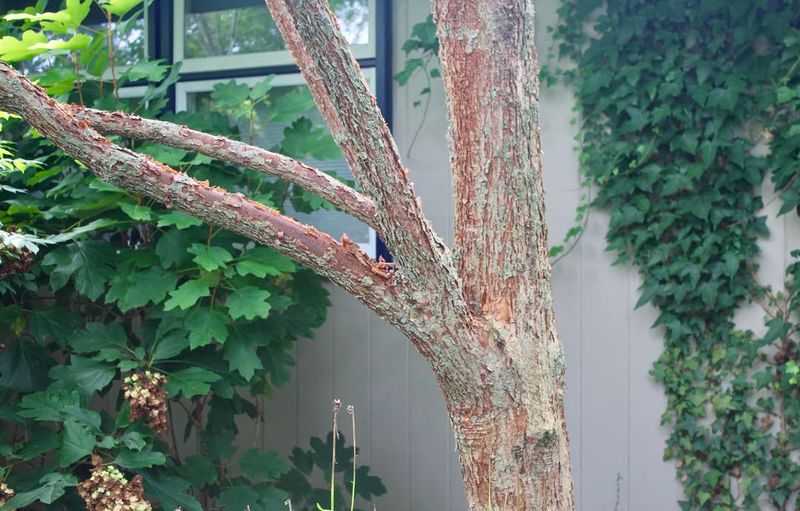
Thin-barked species like maples and fruit trees require the most protection because their bark stays vulnerable to wind damage for several years.
Newly planted specimens of any species benefit from wrapping during their first two winters in Minnesota soil before their root systems establish fully.
Trees transplanted from warmer climates need extra attention because they haven’t adapted to the intense wind conditions common across the northern prairie region.
Evergreens generally handle wind better than deciduous trees, but young pines and spruces still appreciate protection until their needles thicken and harden properly.
Oak saplings develop thick bark faster than many other species, yet they still suffer from wind desiccation during their vulnerable early years.
Fruit trees planted for home orchards deserve special care because wind damage to buds directly reduces the following season’s harvest potential significantly.
Ornamental varieties with smooth bark like birch and aspen remain susceptible to wind problems longer than rough-barked species throughout their development.
Homeowners should prioritize wrapping any tree under three inches in trunk diameter regardless of species for the best long-term results in harsh conditions.
5. When To Install Tree Wraps For Best Winter Protection
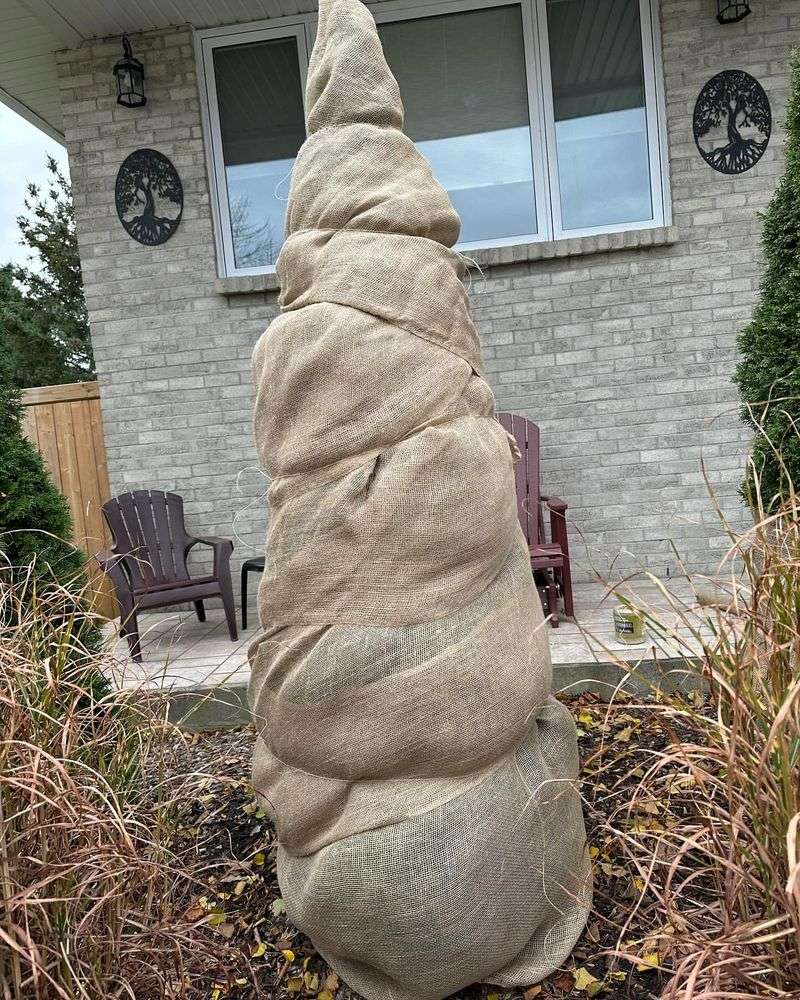
Late fall provides the ideal window for installing tree wraps in Minnesota, typically between mid-October and early November before harsh weather arrives.
Waiting until after leaves drop makes the job easier because you can see the trunk clearly and work without branches blocking access.
Installing wraps too early in autumn can trap heat and encourage pest activity that damages bark before cold weather naturally controls insect populations.
Temperatures should remain consistently below fifty degrees Fahrenheit before you begin wrapping to avoid creating warm, moist conditions under the material that promote problems.
Many experienced gardeners across the state time their wrapping projects to coincide with the first hard frost that signals winter’s true beginning.
Wraps applied too late, after multiple freeze-thaw cycles have already started, provide less benefit because some damage may have already occurred to bark.
Checking weather forecasts helps homeowners choose a calm, dry day for installation when materials will adhere properly without fighting against wind or moisture.
Proper timing ensures maximum protection throughout the entire winter season without creating unintended problems from premature or delayed installation in your Minnesota landscape.
Taking a few minutes to plan installation dates carefully often makes the difference between effective protection and avoidable winter damage.
6. Common Wrapping Mistakes That Make Wind Damage Worse
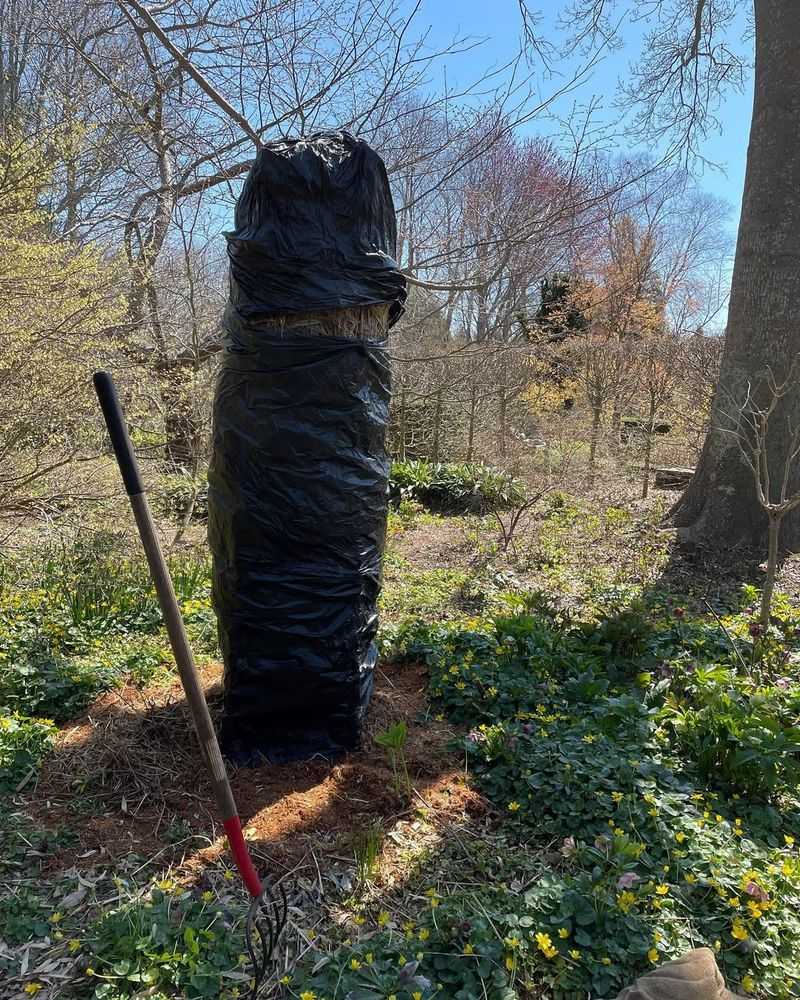
Wrapping too tightly restricts trunk growth and can actually girdle young trees, causing more harm than leaving them completely unprotected during winter.
Many Minnesota homeowners make the mistake of using plastic materials that trap moisture against bark, creating ideal conditions for rot and fungal infections.
Leaving gaps in the wrap allows wind to penetrate and cause localized damage that defeats the entire purpose of installing protection.
Starting the wrap too high on the trunk leaves the most vulnerable lower sections exposed to wind, ice, and temperature fluctuations near ground level.
Using materials that aren’t breathable turns the wrap into a greenhouse that encourages premature bud break during warm spells followed by freeze damage.
Failing to remove wraps promptly in spring traps heat and moisture that invite pests and disease as temperatures rise across the state.
Reusing old, deteriorated wrapping materials provides inadequate protection because worn fabric or paper loses its wind-blocking effectiveness over time.
Securing wraps with wire or non-stretchy tape can cut into expanding bark as the tree grows even slightly during mild winter periods in Minnesota.
7. How Long Tree Guards Should Stay On In Early Spring
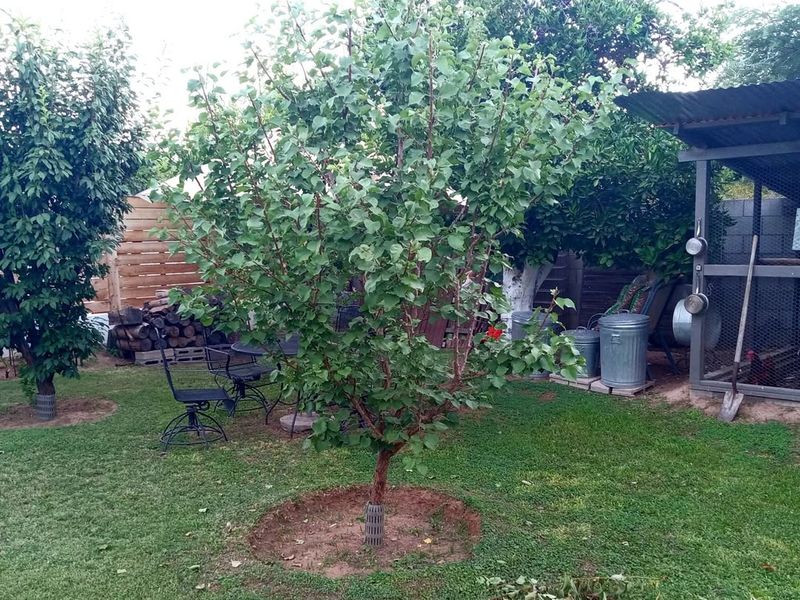
Tree guards should come off in early spring once temperatures consistently stay above freezing both day and night across Minnesota landscapes.
Most experts recommend removal between late March and mid-April, depending on how quickly winter releases its grip on your specific region that year.
Leaving wraps on too long into spring creates warm, moist conditions that attract insects and encourage fungal growth on vulnerable young bark.
Check the weather forecast for a stretch of mild days without predicted hard freezes before unwrapping to avoid exposing trees to surprise cold snaps.
Remove wraps on a cloudy day if possible, because sudden exposure to bright spring sun can shock bark that’s been covered for months.
Unwrap carefully to avoid tearing bark that may have grown slightly attached to the material during the winter season in your Minnesota yard.
Inspect the trunk thoroughly after removal for any signs of damage, disease, or pest activity that developed under the protective covering.
Storing used wraps properly allows you to reuse them next season if they’re still in good condition, saving money while maintaining protection standards.