The Simple Water Method That Multiplies Spider Plants In Georgia
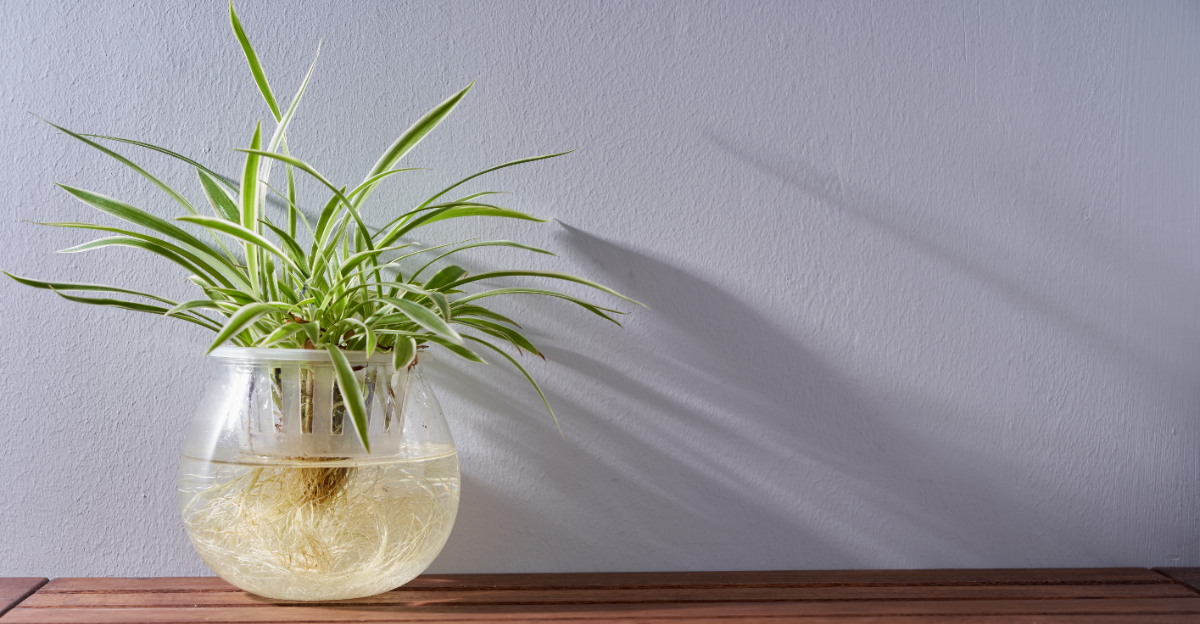
Spider plants have a habit of making babies, but not every setup lets that happen fast. In Georgia homes, the difference shows up in how quickly new roots appear and how strong those offsets become.
Water plays a bigger role than most people expect. A simple setup keeps moisture steady, lets roots form in clear view, and avoids the stress that soil can cause early on.
Georgia’s warmth helps this process move along, especially during brighter months. Gardeners often see faster results and stronger starts once the method feels right.
This approach does not rely on products or guesswork. It relies on timing and consistency.
Once the routine clicks, one healthy spider plant can turn into several sturdy starts that feel ready for pots, shelves, or sharing.
1. Healthy Offshoots Root Faster In Clean Water
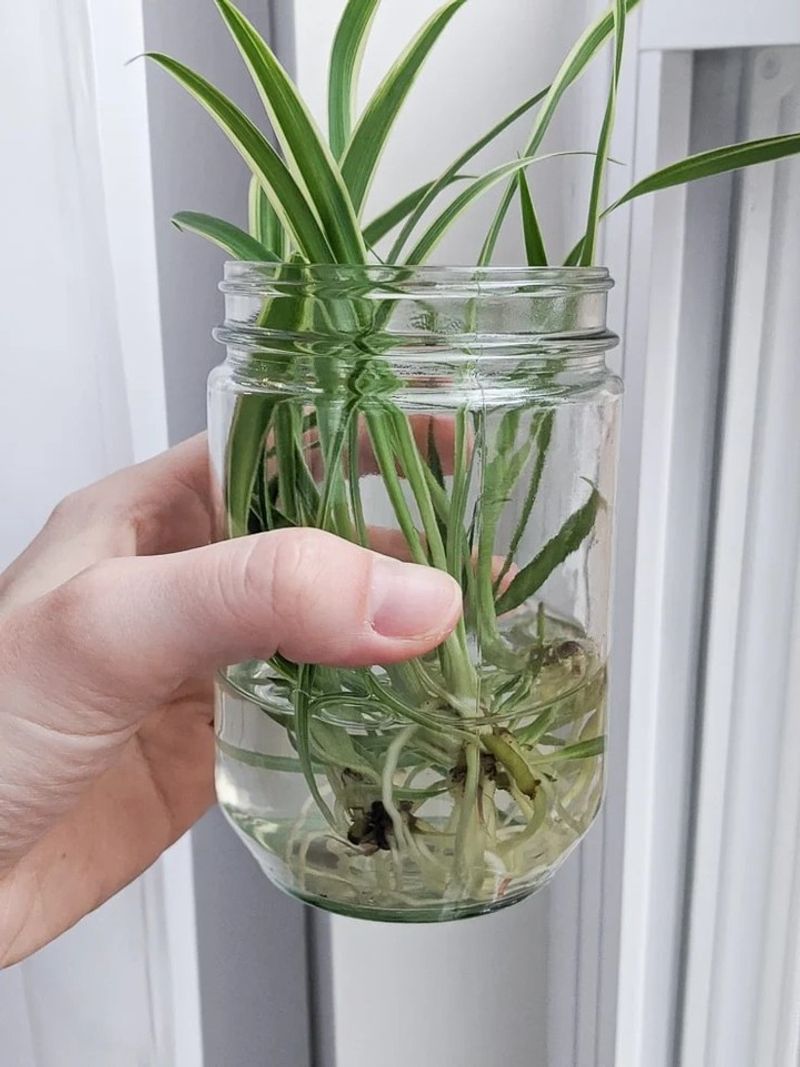
Selecting the right offshoot makes all the difference when propagating spider plants in Georgia homes. Look for plantlets that have already developed small aerial roots or root nubs at their base, as these will establish themselves much faster than those without any root development.
The offshoot should have at least five or six leaves and appear vibrant green without any brown tips or yellowing.
Clean water is absolutely essential for successful rooting. Georgia tap water works fine for most areas, but if your water is heavily chlorinated or treated, let it sit out overnight before using it.
This allows chlorine to evaporate and brings the water to room temperature, which spider plant cuttings prefer.
Change the water every three to five days to prevent bacterial growth that could damage developing roots. Cloudy or murky water is a sign that bacteria are multiplying, which can slow root development or cause the cutting to fail entirely.
Fresh water keeps oxygen levels high and provides the clean environment these cuttings need.
The container you choose matters too. A clear glass jar or vase works best because it allows you to monitor root growth without disturbing the cutting.
Make sure the container is clean before adding your offshoot and fresh water.
Position the cutting so only the bottom portion sits in water, keeping the leaves completely dry. Wet leaves can encourage fungal problems, especially in Georgia’s humid climate.
Within two to four weeks, you should see white roots emerging and growing longer each day.
2. Bright Indirect Light Speeds Early Root Growth
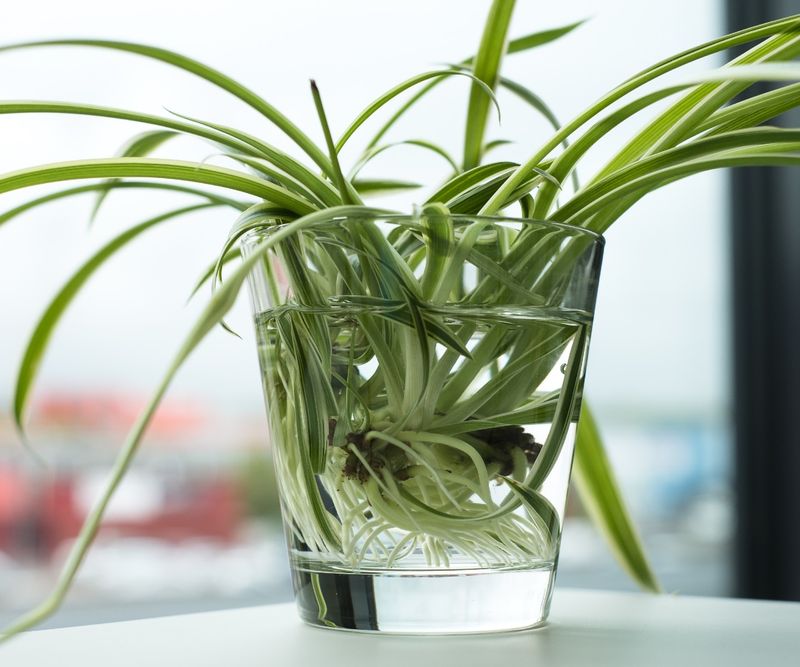
Light plays a huge role in how quickly your spider plant cuttings develop roots. Many Georgia gardeners make the mistake of placing their water-propagating cuttings in dim corners or away from windows, which significantly slows the rooting process.
Spider plants naturally grow in bright conditions in their native habitat, and their cuttings respond best to similar lighting.
A spot near an east-facing window works beautifully in Georgia homes. Morning sunlight is gentle and provides excellent energy for root development without being too intense.
North-facing windows also work well, offering consistent indirect light throughout the day.
Avoid placing cuttings in direct sunlight, especially during Georgia’s intense summer months. Direct sun can heat the water too much and may scorch the leaves, causing stress that diverts energy away from root production.
South and west windows typically receive the harshest afternoon sun, so these locations require sheer curtains or placing the cutting a few feet back from the window.
If you notice your cutting’s leaves turning pale or yellowish, it’s getting too much light. Conversely, if no roots appear after three weeks and the plant looks dark green but isn’t growing, insufficient light is likely the problem.
During Georgia’s shorter winter days, you might need to move your cuttings closer to windows or supplement with a grow light. Consistent bright indirect light encourages cuttings to produce robust root systems within two to three weeks, setting them up for successful transition to soil later.
3. Warm Indoor Temperatures Keep Cuttings Active
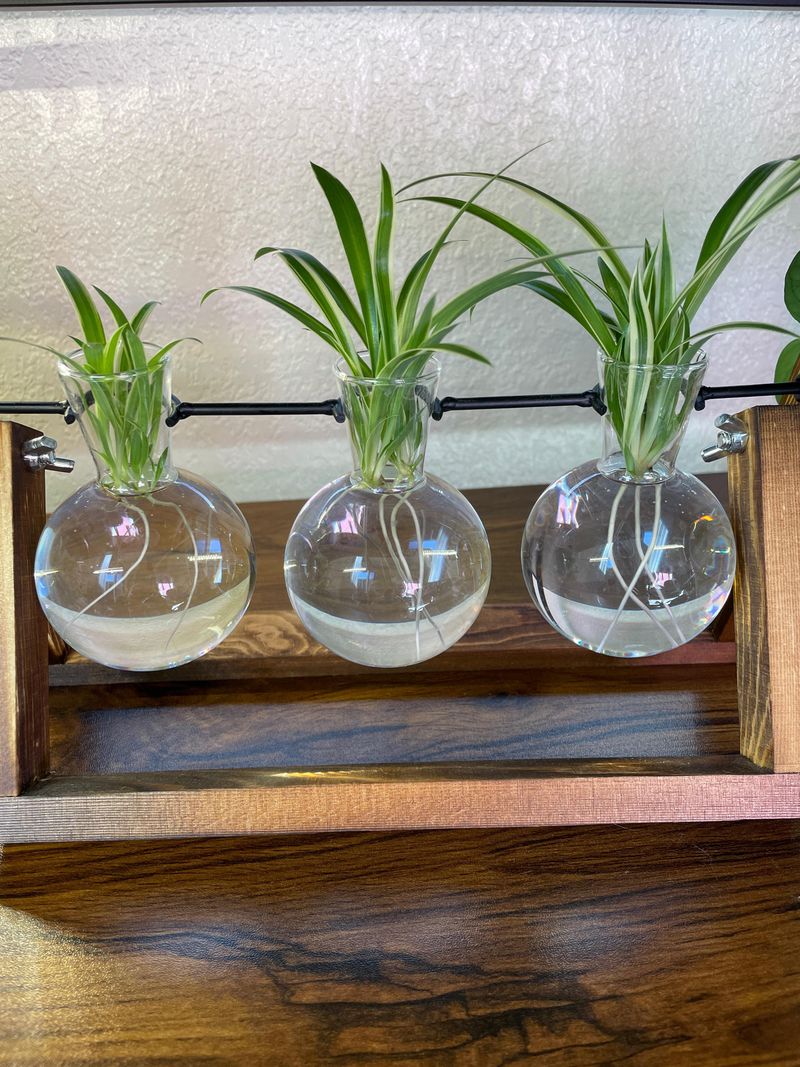
Temperature directly impacts how actively spider plant cuttings produce roots. These tropical plants thrive in warmth, and maintaining consistent temperatures between 65 and 75 degrees Fahrenheit creates ideal conditions for water propagation.
Most Georgia homes naturally stay within this range during spring and fall, making these seasons perfect for propagating spider plants.
Summer heat can actually work in your favor, as long as you keep cuttings away from hot windows and air conditioning vents. Spider plants can handle temperatures up to 80 degrees without problems, and the warmth encourages faster root development.
Just ensure the water doesn’t get too warm, which can happen if the container sits in direct sunlight.
Winter presents more challenges for Georgia gardeners, especially in northern areas where indoor temperatures might drop below 60 degrees at night. Cold temperatures cause spider plant cuttings to enter a semi-dormant state, drastically slowing or stopping root growth altogether.
If your home runs cool during winter, place cuttings in warmer rooms or on top of the refrigerator, where rising heat creates a slightly warmer microclimate.
Avoid placing cuttings near heating vents, fireplaces, or radiators, as these create temperature fluctuations that stress the cutting. Sudden temperature changes can shock the developing roots and cause them to stop growing.
Consistency matters more than hitting a perfect temperature.
Check your propagation spot with a simple thermometer if you’re having trouble getting roots to develop. Maintaining that sweet spot of warmth helps Georgia gardeners achieve successful propagation year-round, with roots typically appearing within two to four weeks.
4. Shallow Water Levels Prevent Rot While Rooting
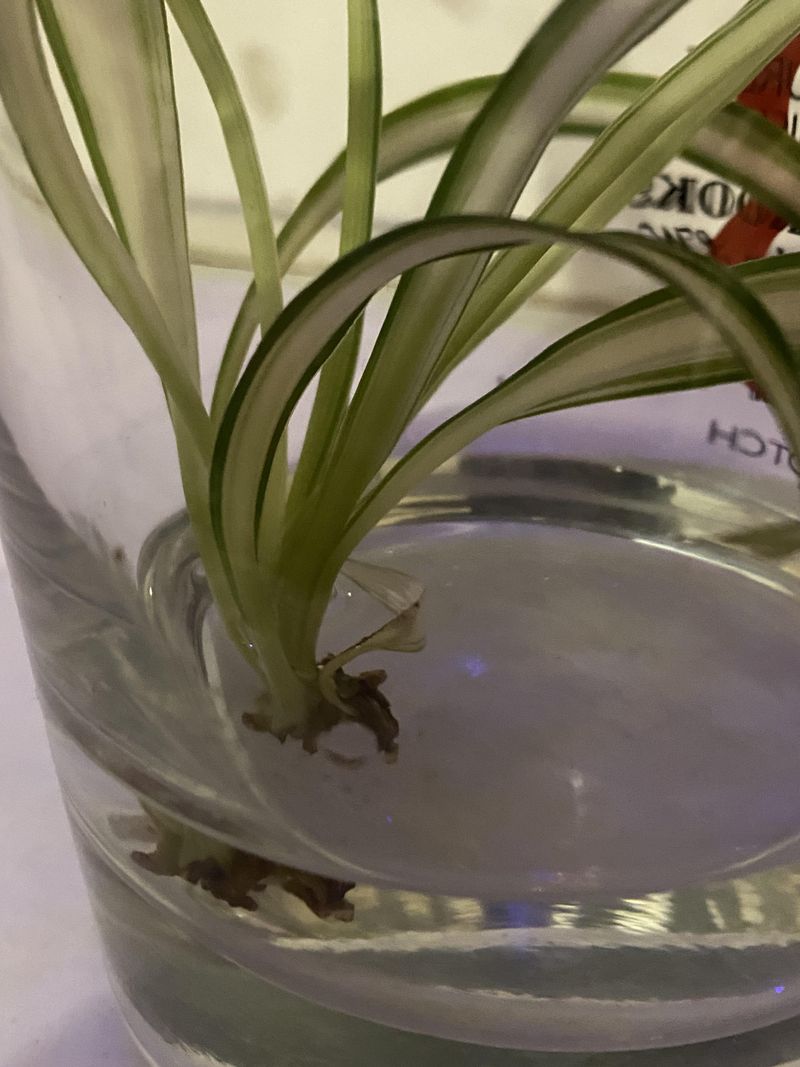
Water depth is one of the most overlooked factors in successful spider plant propagation. Many Georgia gardeners fill their containers too full, submerging too much of the plantlet and creating conditions that encourage rot rather than healthy root growth.
The goal is to keep just the base of the cutting in water while leaving the crown and leaves completely dry.
Fill your container so that only the bottom half-inch to one inch of the plantlet sits below the water line. This provides enough moisture for root development while keeping the growing point of the plant above water.
Spider plant offshoots naturally produce roots from their base, and these roots will grow down into the water as they develop.
If you submerge too much of the cutting, the stem tissue that isn’t designed to be underwater can begin to soften and rot. This is especially problematic in Georgia’s humid climate, where fungal and bacterial growth can happen quickly.
Signs of rot include a slimy texture, darkening of the submerged stem, and a foul odor coming from the water.
As roots grow longer, you can gradually add more water to keep them submerged, but always maintain that principle of keeping the crown dry. Some gardeners use narrow-necked vases that naturally support the cutting at the right height, making it easier to maintain proper water levels.
Check your water level every few days, as evaporation can lower it significantly, especially in heated or air-conditioned Georgia homes. Topping off with fresh water when levels drop keeps those developing roots consistently moist and happy.
5. Fresh Water Changes Support Strong White Roots
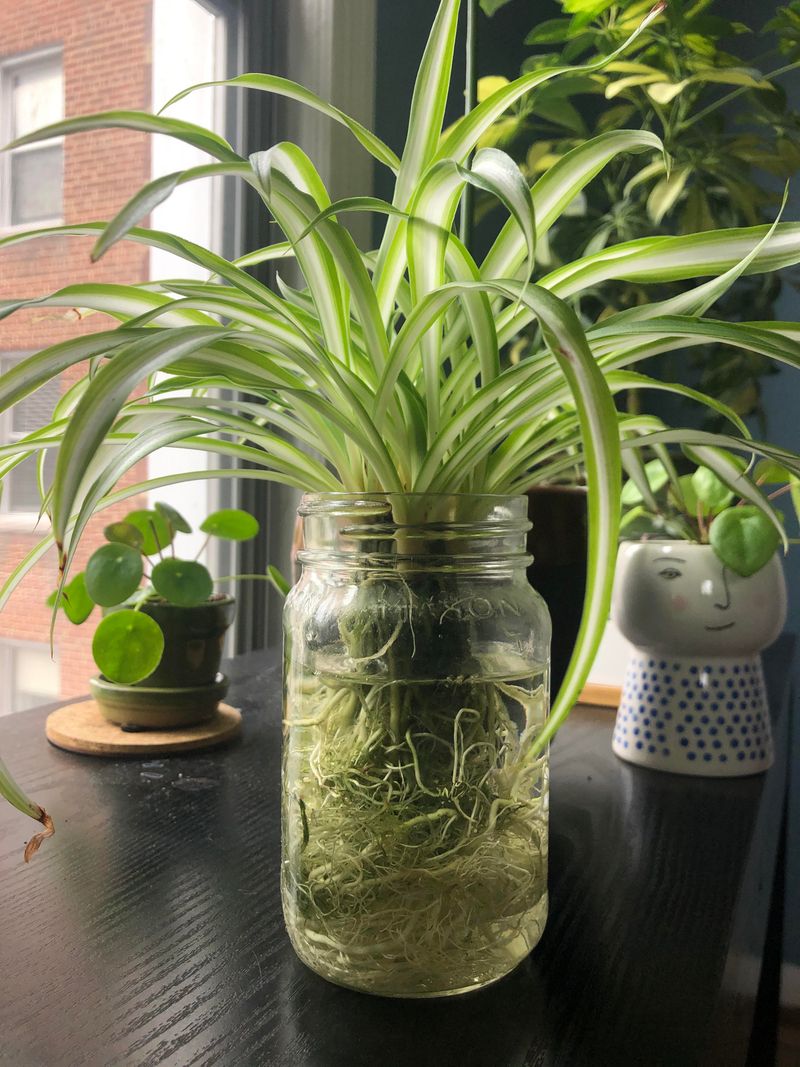
Regular water changes are absolutely critical for developing strong, healthy root systems on your spider plant cuttings. Stagnant water quickly becomes a breeding ground for bacteria and algae, both of which can damage or slow root development.
Georgia’s warm climate accelerates this process, making frequent water changes even more important than in cooler regions.
Plan to change the water completely every three to five days. During hot Georgia summers, you might need to change it every two to three days if you notice the water becoming cloudy or developing an odor.
Fresh water delivers oxygen to the developing roots and removes waste products that accumulate as the cutting grows.
When changing water, gently rinse the roots under lukewarm tap water to remove any slimy film that may have developed. This film is bacterial growth that can inhibit healthy root development.
Handle the roots carefully, as they’re delicate during early growth stages.
Clean the container thoroughly each time you change the water. A quick scrub with dish soap removes algae buildup on the glass, which competes with your cutting for nutrients and can make the water cloudy.
Rinse the container completely to remove all soap residue before refilling.
Healthy spider plant roots should appear bright white or very pale cream. If you notice brown or black roots, increase your water change frequency immediately.
Those discolored roots indicate bacterial problems that need addressing.
With consistent fresh water changes, your Georgia spider plant cuttings will develop robust root systems ready for potting within three to six weeks.
6. Early Root Length Signals When To Pot Up
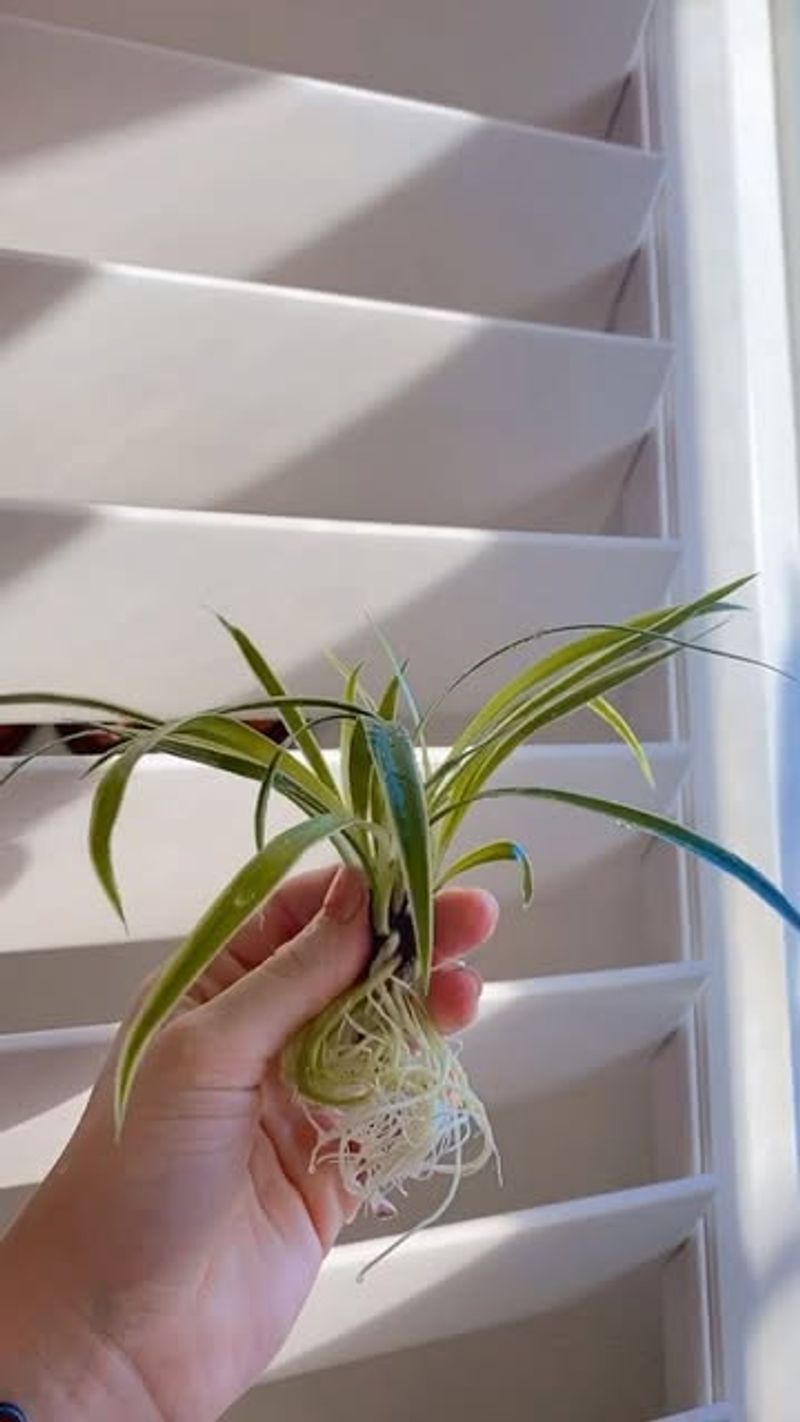
Knowing exactly when to move your water-propagated spider plant into soil can feel tricky for Georgia gardeners. Transplant too early, and the roots won’t be established enough to handle the transition.
Wait too long, and the roots become so adapted to water that they struggle in soil. The sweet spot comes when roots reach two to three inches in length.
At this stage, your cutting has developed enough root mass to absorb water and nutrients from soil effectively. The roots should appear healthy, white, and branching, with multiple roots emerging from the base rather than just one or two.
Count on having at least five to eight separate roots before considering the cutting ready for soil.
Root thickness matters too. Very thin, thread-like roots need more time to develop, while roots that are slightly thicker with visible root hairs are ready for planting.
Those tiny root hairs are what actually absorb water and nutrients from soil, so their presence indicates a mature enough root system.
Some Georgia gardeners prefer to wait until roots reach four to five inches, which works fine as long as you’re diligent about water changes. Longer roots aren’t necessarily better, though.
Extremely long roots grown in water can become brittle and may break during planting, setting back your new plant’s establishment.
Check root development weekly once you start seeing initial root growth. The transition from water to soil is easiest when roots are in that two-to-three-inch range, giving your new spider plant the best chance of thriving in Georgia’s climate.
Most cuttings reach this stage within four to six weeks of starting water propagation.
7. Gentle Transition To Soil Prevents Setbacks
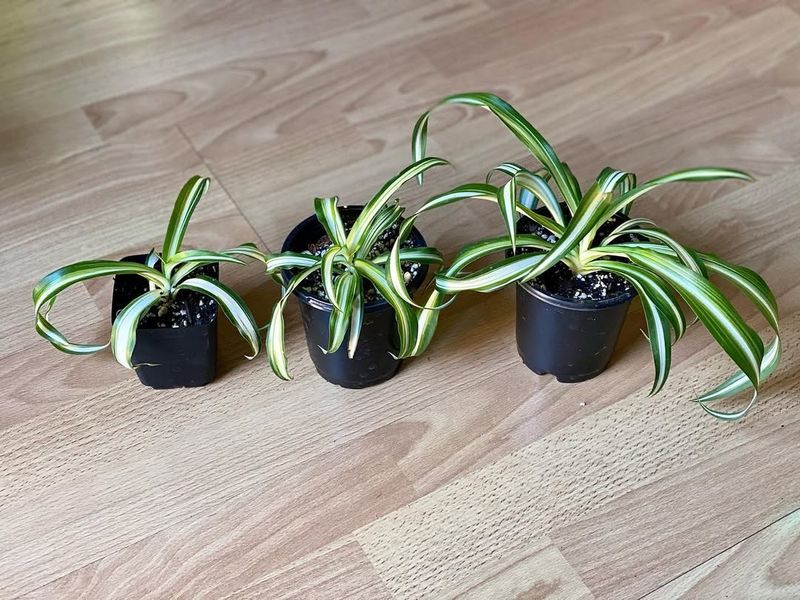
Moving your spider plant from water to soil requires a gentle approach to avoid shocking the cutting. Roots that developed in water have adapted to constant moisture and easy nutrient access, so they need time to adjust to the different environment that soil provides.
Georgia gardeners who rush this process often see their newly potted plants struggle or lose leaves.
Start by choosing a well-draining potting mix specifically designed for houseplants. Spider plants prefer soil that holds some moisture but doesn’t stay soggy.
Mix in a bit of perlite if your soil seems too dense, which is especially helpful in Georgia’s humidity where soil can stay wet longer than expected.
Select a pot with drainage holes and fill it about halfway with moistened potting mix. Create a small well in the center and gently position your cutting so the roots spread naturally downward.
Fill around the roots with more soil, being careful not to pack it too tightly. The crown of the plant should sit at soil level, not buried beneath it.
Water the newly potted plant thoroughly until water drains from the bottom, then place it in a spot with bright indirect light. For the first week, keep the soil consistently moist but not waterlogged.
This helps water-grown roots adjust to extracting moisture from soil rather than sitting directly in it.
Expect your spider plant to look a bit droopy for a few days after transplanting. This is normal as the roots adapt.
Within two weeks, you should see new growth emerging from the center, signaling successful establishment in its new Georgia home.