The Simple Way To Build A Rock Garden In Arizona
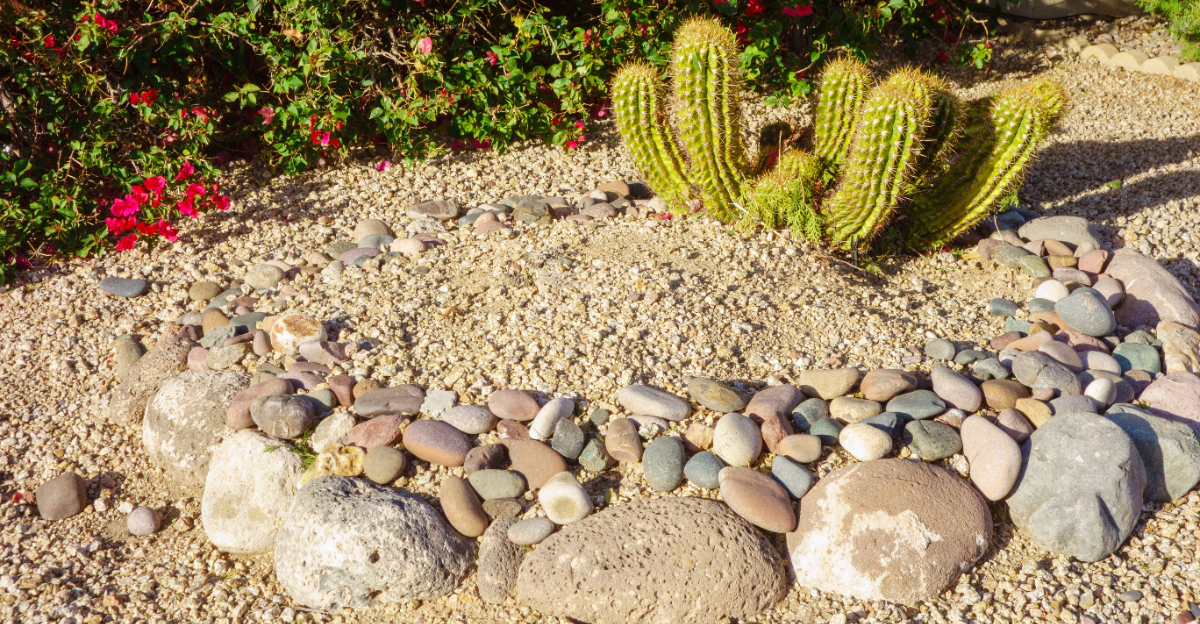
Rock gardens make sense in Arizona long before they look decorative. They solve problems first, then turn into something that actually looks intentional.
Heat, dry soil, and fast drainage shape how a yard behaves here. A well-built rock garden works alongside those conditions instead of fighting them.
It helps control moisture loss, reduces bare soil, and creates stable planting areas that stay put through extreme weather. Gardeners often notice fewer messes, fewer repairs, and a cleaner look once the layout feels right.
Building a rock garden does not require heavy equipment or complex planning. It comes down to smart placement, the right materials, and a clear purpose from the start.
Once in place, the garden stays steady, practical, and visually strong through Arizona’s toughest seasons.
1. Start With Proper Drainage Before Adding Anything Else
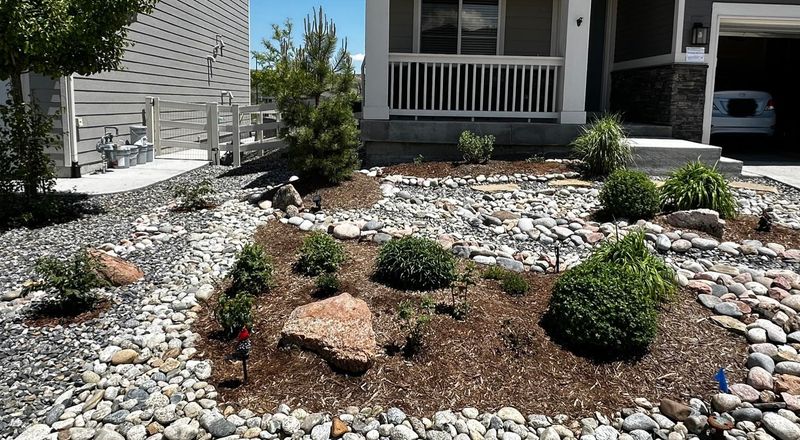
Getting water to flow away from your house and out of your garden area is the absolute first step. Arizona might be dry most of the year, but monsoon season brings sudden, heavy rains that can flood poorly planned gardens in minutes.
Before you place a single rock or plant, you need to make sure water has somewhere to go.
Walk around your yard during a rainstorm and watch where puddles form. These low spots will cause problems later if you don’t fix them now.
You might need to add soil to raise certain areas or dig shallow channels to guide water toward the street or a drainage area.
Many Arizona homeowners skip this step because they think the desert doesn’t get enough rain to matter. That’s a mistake that leads to soggy soil, struggling plants, and rocks that sink into mud.
Even in Phoenix or Tucson, where rain is rare, those few storms each year can wash out months of work.
Consider installing a French drain if your yard has serious drainage issues. This is basically a gravel-filled trench that catches water and moves it away from problem areas.
It’s not complicated to build, and it prevents the kind of flooding that ruins rock gardens. Proper drainage protects your investment and keeps everything stable through Arizona’s unpredictable weather patterns throughout the year.
2. Choose Rock Sizes That Match The Scale Of Your Yard
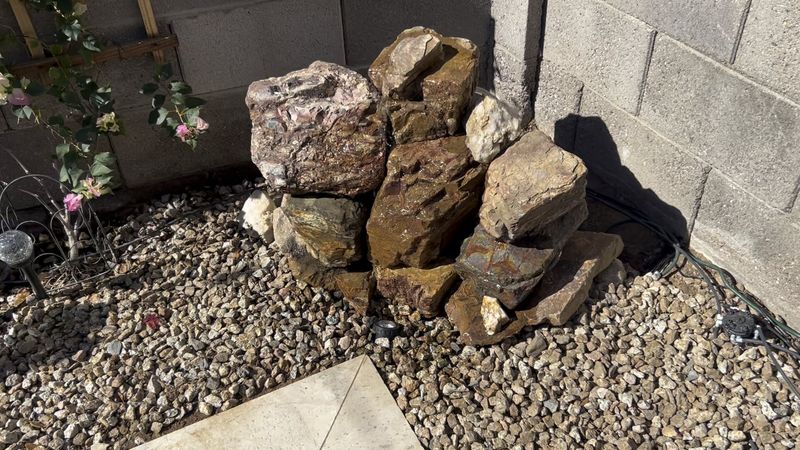
Walking into a rock supply yard for the first time can be overwhelming because there are dozens of rock types and sizes available. The trick is matching your rock choices to the size of your space so everything looks balanced and natural.
A small front yard packed with massive boulders looks crowded and awkward, while a large backyard filled with tiny pebbles looks empty and unfinished.
For most Arizona residential yards, a mix of sizes works best. Use larger rocks as focal points or borders, medium rocks to fill main areas, and smaller gravel to fill gaps and create pathways.
This layered approach mimics how rocks appear naturally in the desert landscape around Arizona.
Think about the view from inside your house too. Rocks that look perfect from the street might seem too small or too large when you’re looking out your kitchen window.
Walk around your property and imagine how different rock sizes would appear from various angles before making final decisions.
Local rock is usually your best choice in Arizona because it matches the natural surroundings and costs less than imported stone. Flagstone, decomposed granite, and river rock are popular options that suit desert gardens perfectly.
Visit a few landscape supply stores and look at display gardens to see how different rock combinations work together in real settings.
3. Use Gravel Bases To Handle Heavy Summer Rains
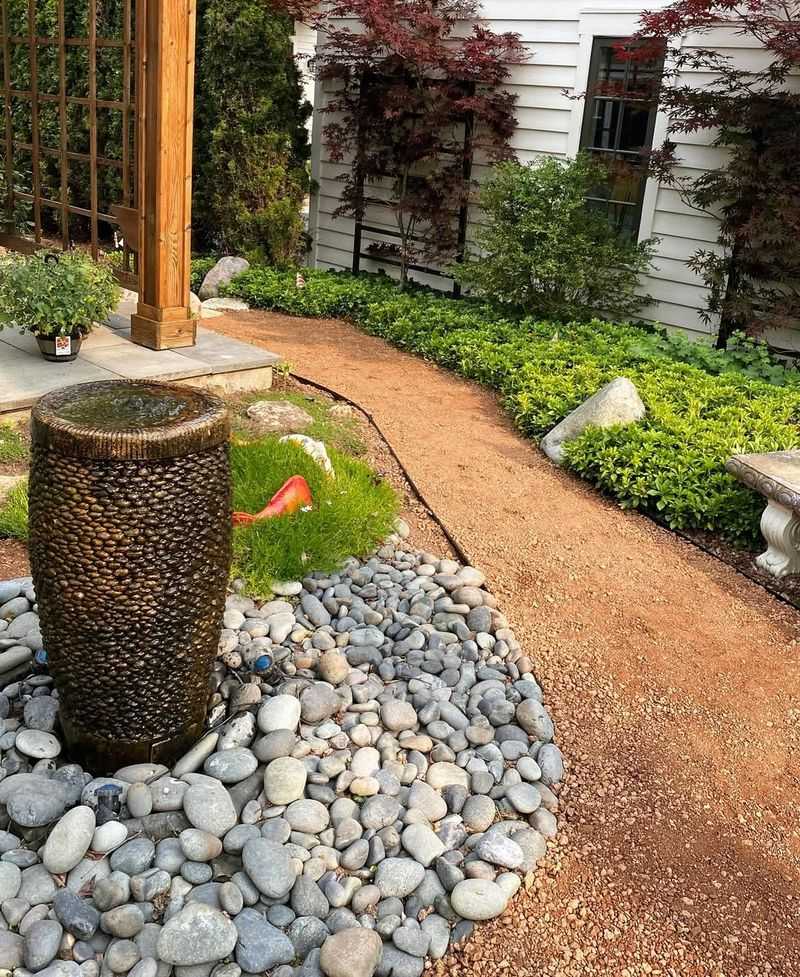
Placing decorative rocks directly on dirt is tempting because it seems faster, but it creates problems when Arizona’s summer monsoons arrive. Rain hits hard and fast during monsoon season, and without a proper gravel base, water pools under your rocks instead of draining away.
That standing water attracts bugs, creates mud, and eventually causes your carefully arranged rocks to shift and settle unevenly.
A three to four inch layer of crushed gravel under your decorative rocks solves this problem completely. The gravel creates space for water to flow through and away, preventing the soggy conditions that ruin rock gardens.
This base layer also stops weeds from pushing up through your rocks as aggressively.
Decomposed granite works particularly well as a base material in Arizona because it packs down firmly while still allowing drainage. It’s affordable, available at most landscape suppliers across the state, and blends naturally with desert surroundings.
Spread it evenly, wet it down, and compact it with a tamper before adding your top layer of rocks.
Some people worry that adding a gravel base makes the project more expensive and time-consuming. That’s true initially, but it saves money and frustration later because your garden stays stable and attractive for years.
Arizona’s weather is too extreme to skip this step if you want results that last. This extra preparation also makes maintenance easier, since debris and blown-in soil are less likely to settle between the rocks.
Over time, a solid base helps your rock garden hold its shape through repeated heat, rain, and wind without constant fixing.
4. Limit Soil Depth To Prevent Excess Moisture Retention
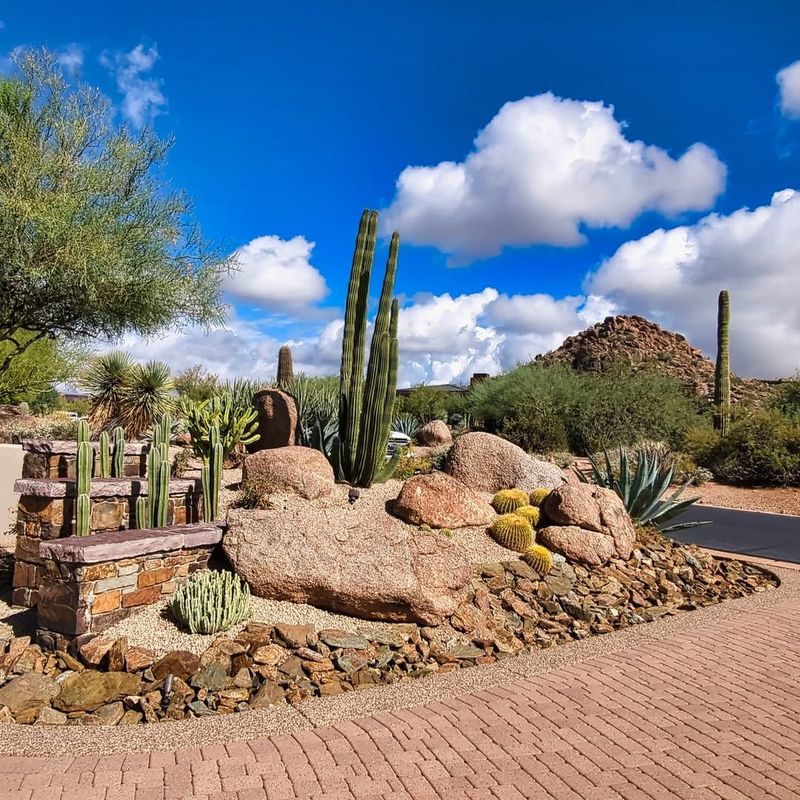
Most plants in Arizona rock gardens don’t need deep soil, and giving them too much actually causes problems. Deep soil holds moisture longer than shallow soil, which sounds good until you realize that desert plants evolved to handle dry conditions.
When their roots sit in damp soil for extended periods, they develop rot and other issues that weaken or damage them.
For most desert-adapted plants, six to eight inches of soil is plenty. Succulents and cacti need even less, sometimes thriving in just four inches of well-draining soil mix.
This shallow approach matches how plants grow naturally in Arizona’s rocky desert terrain, where soil accumulates in pockets between rocks rather than forming deep beds.
When creating planting pockets in your rock garden, resist the urge to dig deep holes and fill them with rich potting soil. Instead, excavate shallow areas and use a mix that’s mostly sand and gravel with just enough organic matter to provide nutrients.
This lean mixture drains quickly after rain and doesn’t stay soggy.
Pay attention to how your plants respond after the first monsoon season. If they look yellowed or droopy despite getting water, they might be sitting in soil that’s too deep and staying too wet.
Arizona’s intense sun can disguise moisture problems because the surface dries quickly while deeper soil stays damp underneath.
5. Select Plants That Naturally Thrive In Rocky Conditions
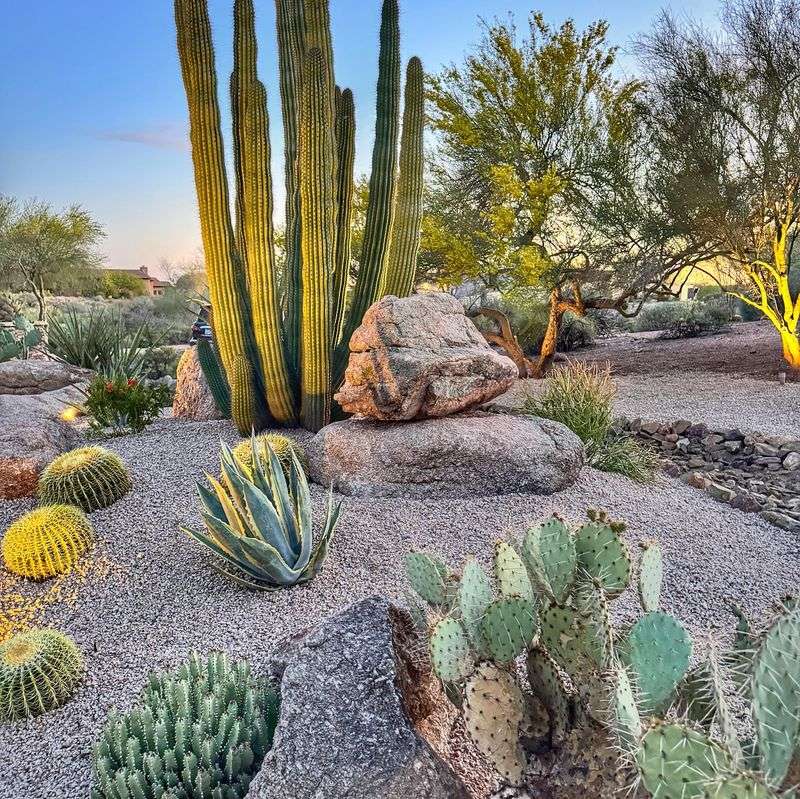
Choosing the right plants makes the difference between a rock garden that thrives and one that constantly struggles. Arizona offers dozens of native and adapted plants that actually prefer growing among rocks with minimal water.
These plants have evolved to handle intense heat, rocky soil, and long dry periods, so they look healthy and vibrant without constant attention.
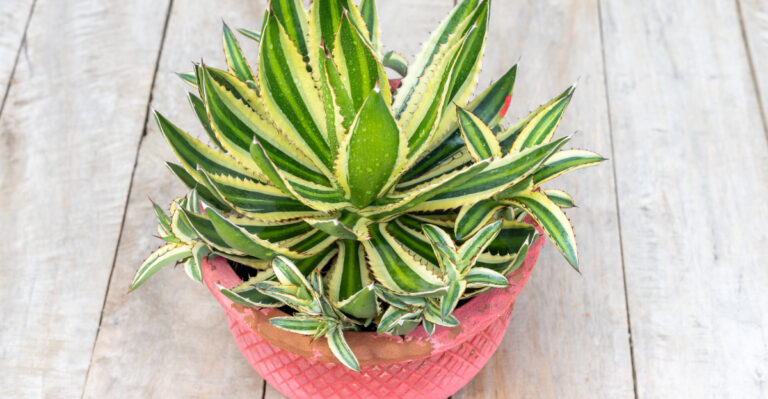
Agave varieties are perfect for Arizona rock gardens because they create dramatic focal points and need almost no maintenance once established. Their thick leaves store water, and they grow slowly, so you won’t spend weekends trimming and pruning.
Prickly pear cactus adds height and interesting shapes while producing beautiful flowers in spring.
For groundcover between rocks, consider desert marigold or trailing lantana. These low-growing plants spread gradually, filling spaces with color without requiring frequent watering.
They handle Arizona’s summer heat remarkably well and bounce back quickly after occasional cold snaps in winter.
Avoid plants that need regular watering or rich soil, even if they look appealing at the nursery. Roses, hydrangeas, and traditional garden flowers struggle in rock gardens because the conditions are too harsh and dry.
Stick with plants labeled as drought-tolerant or desert-adapted, and ask staff at local nurseries in Phoenix or Tucson for recommendations specific to your area. They know which plants perform best in Arizona’s unique climate and rocky garden conditions.
6. Space Plants For Airflow And Future Growth
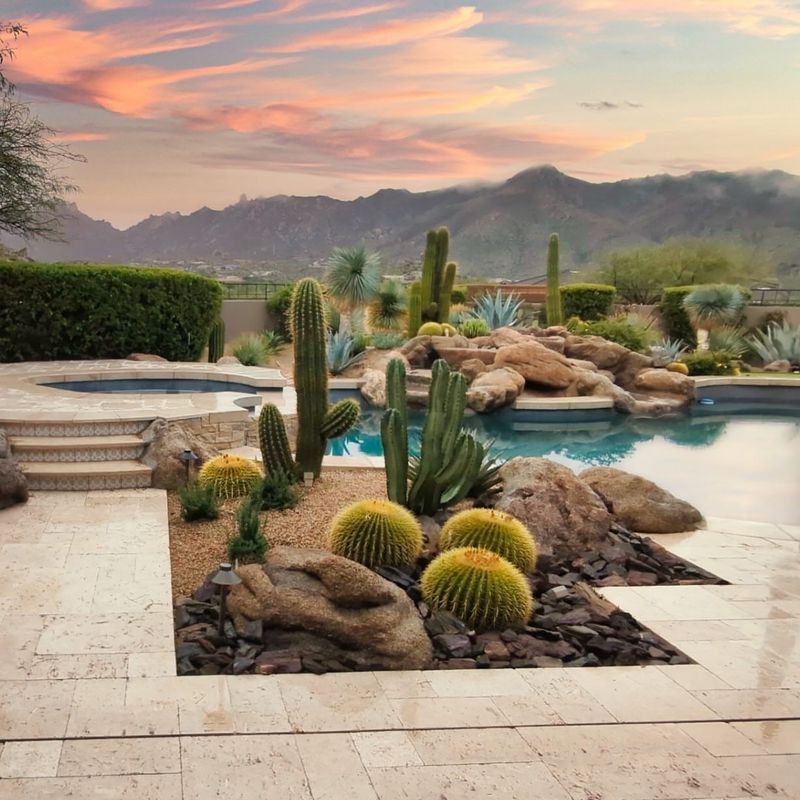
New plants always look small and sparse when you first put them in the ground, which tempts people to crowd them together for immediate fullness. That’s a mistake in Arizona rock gardens because desert plants need excellent airflow to stay healthy in extreme heat.
Plants packed too closely trap hot air between them, creating conditions that stress them and encourage pest problems.
Most desert plants also grow larger than you expect, even though they grow slowly. That tiny agave you planted might reach three feet across in a few years, and that small prickly pear can eventually spread four feet wide.
If you space plants based on their current size, they’ll be fighting for space before long.
A good rule is spacing plants at least as far apart as their mature width. Check plant tags or look up mature sizes online before deciding where to place each one.
It feels weird leaving so much empty space at first, but rocks fill those gaps beautifully while plants gradually grow to their full size.
In Arizona’s tight summer heat, you don’t want to be squeezing between crowded plants trying to reach problem areas. Give everything room to breathe, and your rock garden will look better and stay healthier throughout the year.
7. Anchor Larger Rocks To Keep Them From Shifting
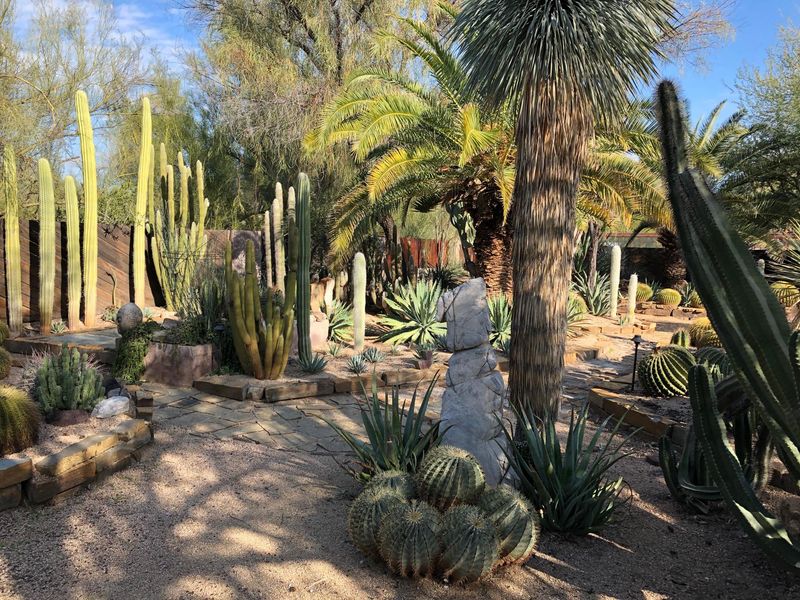
Big rocks look stable, but Arizona’s occasional strong winds and heavy monsoon rains can shift even hefty boulders if they’re just sitting on the surface. Rocks that move create gaps where weeds grow, and they can damage plants or create tripping hazards if they roll into pathways.
Taking time to anchor large rocks properly prevents these problems and keeps your garden looking intentional rather than random.
For rocks over fifty pounds, dig a shallow depression and bury the bottom third of the rock. This creates a stable base that resists movement during storms.
The rock looks natural because part of it sits below ground level, just like boulders in Arizona’s natural desert landscape.
Really large accent boulders might need additional stability. Some landscapers pour a small concrete pad underneath or use metal stakes driven into the ground beside the rock.
These techniques work well for rocks positioned on slopes or in areas where water flows during rain.
Smaller decorative rocks don’t need anchoring individually, but they should rest on that gravel base layer mentioned earlier. The base prevents them from sinking into soft soil and keeps them stable as a group.
Check your rock placement after the first monsoon season and reposition any rocks that shifted. Once everything settles in, your Arizona rock garden should stay put for years without constant adjustments or rearranging.
Taking this extra step early helps your rock garden look settled instead of freshly placed. It also reduces the need for ongoing fixes after storms, which is especially valuable in Arizona’s unpredictable weather.
8. Finish With Minimal Maintenance In Mind
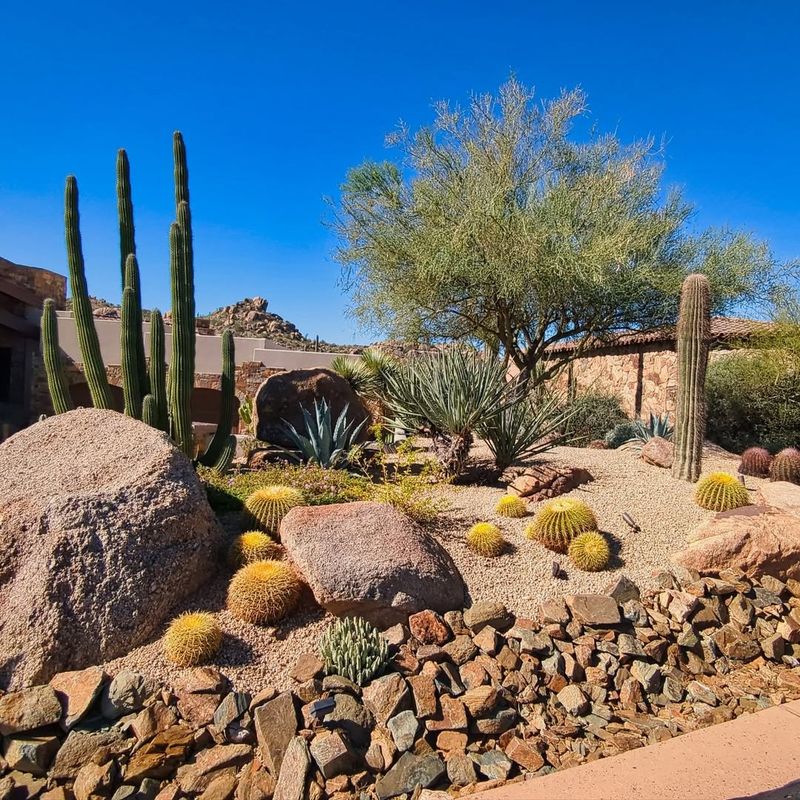
The whole point of a rock garden in Arizona is reducing yard work, so your final design choices should support that goal. Every element you add should either require no maintenance or very little attention throughout the year.
This means avoiding features that need constant cleaning, trimming, or adjusting as seasons change.
Weed barrier fabric under your rocks helps tremendously by blocking most weeds before they start. It’s not foolproof because wind-blown seeds can still sprout in dust that accumulates on top, but it reduces weeding by at least seventy percent.
Choose commercial-grade fabric rather than cheap plastic sheeting, which breaks down quickly under Arizona’s intense sun.
Keep pathways simple by using the same gravel or decomposed granite throughout rather than mixing multiple materials that require different care. Uniform surfaces are easier to rake smooth when needed and look cleaner overall.
Avoid edging materials that require trimming or painting to stay attractive.
Plan for occasional refreshing rather than constant maintenance. Most Arizona rock gardens need a light top dressing of fresh gravel every few years and some weed removal a few times annually.
That’s manageable for most homeowners and far less work than mowing, watering, and fertilizing traditional lawns. The goal is creating outdoor space you enjoy rather than another weekend chore, and a well-designed rock garden delivers exactly that across Arizona’s desert climate.