The Simple Way Wisconsin Residents Keep Birds Fed In Harsh Winter Weather
Winter in Wisconsin tests grit, nerve, and neighborly care. Snow piles high, cold bites hard, and backyard birds face a long odds fight.
Many residents hold an ace in the hole that turns bleak days bright.
With a simple habit, they tip the scales, come hell or high water.
This approach cuts against the grain of fancy gear and big budgets, yet it works like a charm.
From lake towns to dairy farms, people step up at the drop of a hat, even when roads lie on thin ice.
The payoff feels like a piece of cake: color, song, and life at the window.
No smoke and mirrors, no fuss, just a by-the-book tactic that meets nature halfway.
When push comes to shove, this quiet choice proves gold, a small act with big heart that keeps wings strong through the toughest stretch of the season ahead now.
High-Energy Suet Cakes Provide Essential Fat
Suet cakes pack a powerful punch when temperatures drop below freezing.
Birds burn through calories quickly just trying to stay warm, and suet offers concentrated energy in a form they can easily digest.
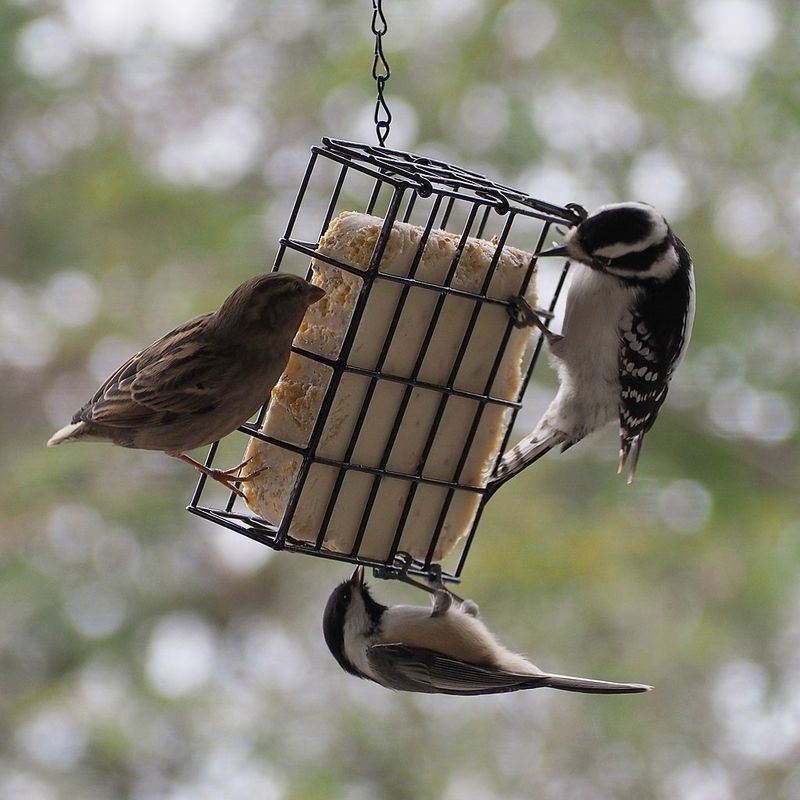
Made from rendered animal fat mixed with seeds, nuts, and sometimes dried fruit, these blocks hang conveniently in wire cages that protect them from larger animals.
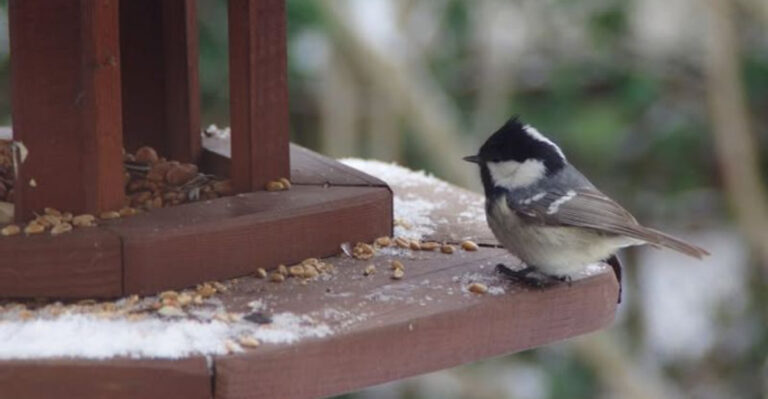
Woodpeckers, nuthatches, and chickadees especially love suet because it mimics the insects they would normally eat.
Wisconsin residents often place multiple suet feeders around their yards to accommodate different species.
The fat content helps birds build the insulation they need to survive overnight when temperatures can drop dangerously low.
Some people even make homemade suet by melting beef fat and mixing in birdseed, peanut butter, and cornmeal.
This budget-friendly option works just as well as store-bought varieties.
During extreme cold snaps, suet becomes even more critical because other food sources freeze solid or get buried under snow.
Refilling suet feeders regularly ensures birds always have access to this life-saving resource throughout the long Wisconsin winter months.
Black Oil Sunflower Seeds Attract Multiple Species
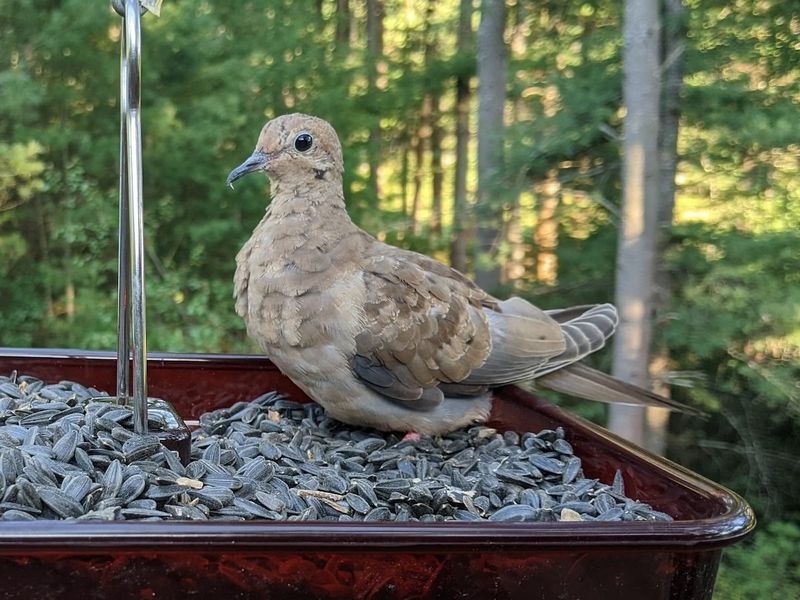
Cardinals flash brilliant red against white snow as they crack open sunflower seeds with their powerful beaks.
Black oil sunflower seeds have thinner shells than striped varieties, making them easier for smaller birds to open.
The high oil content provides excellent nutrition and energy, which birds desperately need during Wisconsin’s freezing months.
Nearly every backyard bird species enjoys these seeds, from tiny chickadees to larger blue jays.
Wisconsin residents prefer tube feeders or hopper-style feeders that protect seeds from snow and ice accumulation.
These seeds remain fresh longer than mixed birdseed blends because they contain less filler material that birds ignore anyway.
The shells that fall beneath feeders decompose naturally and actually enrich the soil for spring gardens.
Many Wisconsin families buy sunflower seeds in bulk during fall to save money throughout winter.
Storing them in metal containers with tight lids keeps squirrels and mice from raiding the supply.
Refilling feeders every few days ensures seeds stay dry and fresh rather than moldy or frozen into clumps.
This simple approach creates a reliable feeding station that birds visit repeatedly throughout harsh weather.
Heated Bird Baths Offer Crucial Water Access
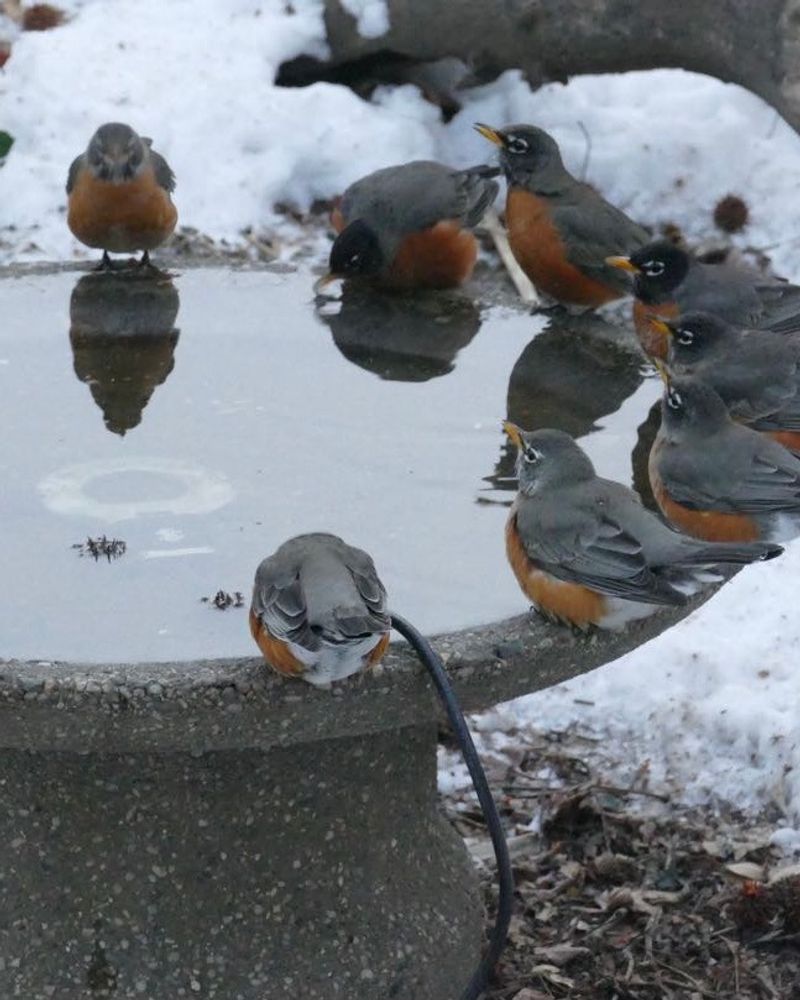
Water becomes surprisingly hard to find when everything freezes solid for weeks at a time.
Birds need water year-round, not just for drinking but also for keeping their feathers clean and functional.
Dirty feathers lose their insulating properties, making birds more vulnerable to cold.
Heated bird baths use low-wattage electric elements to keep water liquid even when temperatures plunge far below zero.
Wisconsin residents place these baths in visible locations where they can monitor water levels and cleanliness.
Some models sit on pedestals while others mount on deck railings or hang from poles.
Birds flock to heated baths throughout winter, often lining up for their turn to drink and briefly bathe.
Robins, starlings, and even owls appreciate this resource during the coldest months.
Changing the water every few days prevents bacteria buildup and keeps the bath appealing to birds.
Many Wisconsin bird enthusiasts consider heated baths just as important as feeders because dehydration poses serious risks.
The small investment in electricity pays off when you watch grateful birds splashing around on subzero mornings, their survival made possible by this simple addition to your yard.
Platform Feeders Accommodate Ground-Feeding Birds
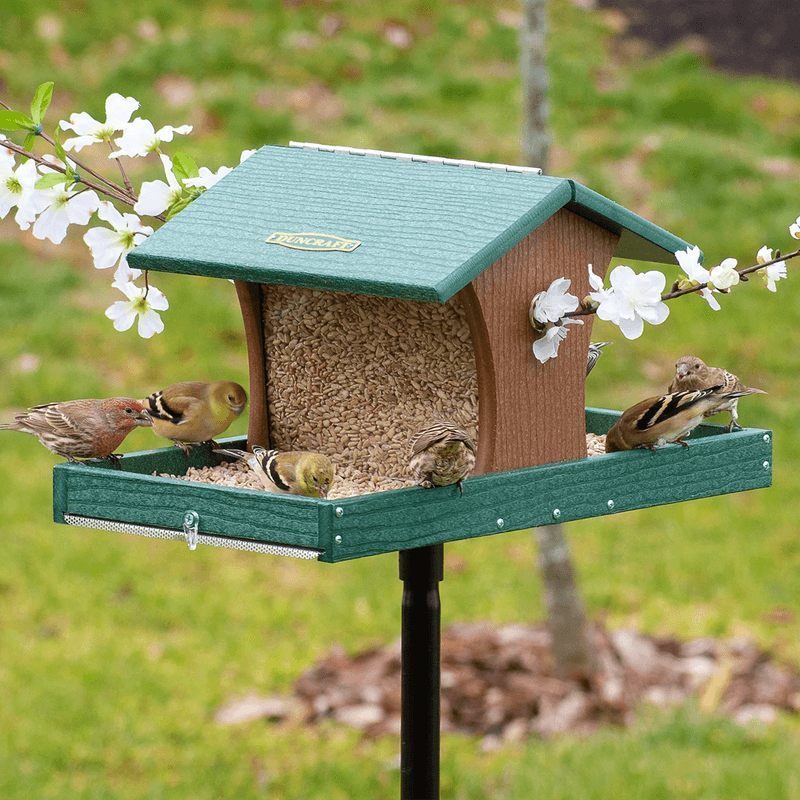
Not every bird feels comfortable clinging to hanging feeders while strong winter winds blow.
Mourning doves, juncos, and sparrows prefer eating from flat surfaces that feel more natural to them.
Platform feeders sit low to the ground or mount on posts, offering stable feeding areas that accommodate multiple birds at once.
Wisconsin residents build simple platforms using scrap wood with drainage holes drilled in the bottom.
This design prevents water from pooling and seeds from getting soggy after snowfall.
Some people add low edges to keep seeds from blowing away during gusty winter storms.
Spreading cracked corn, millet, and sunflower seeds across these platforms creates a buffet that ground-feeding species find irresistible.
Positioning platforms near shrubs or evergreens gives birds quick escape routes if predators approach.
Cleaning platforms weekly with a brush prevents mold and disease from spreading among visiting birds.
During heavy snowfall, Wisconsin residents shovel areas around platform feeders to make access easier.
This thoughtful approach ensures that ground-feeding birds get their fair share of food without competing with more aggressive species that dominate hanging feeders throughout the challenging winter season.
Nyjer Seed Feeders Sustain Finches Through Cold Months
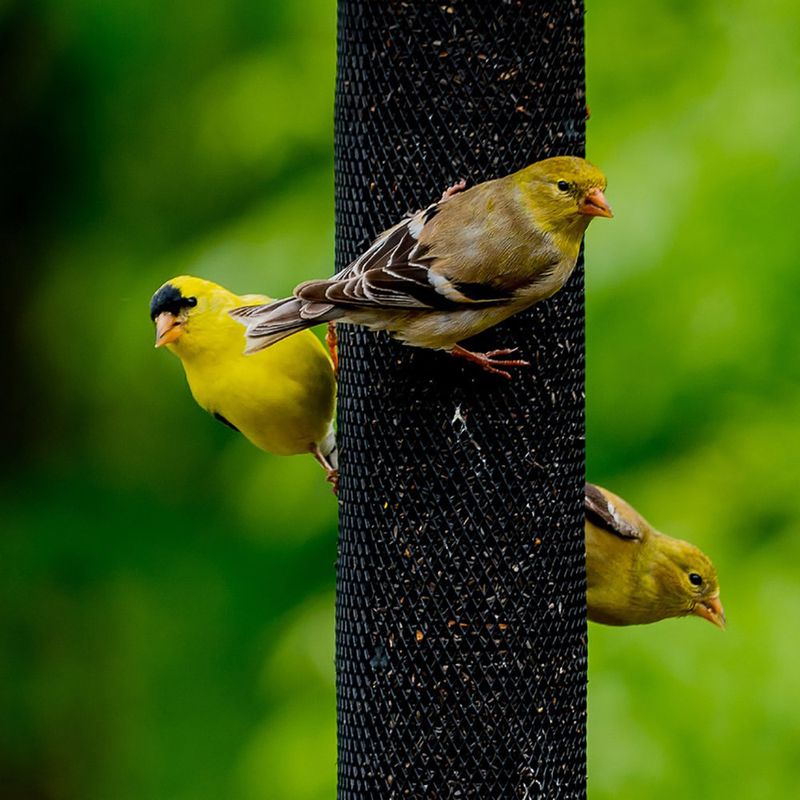
Tiny black seeds called nyjer or thistle attract some of winter’s most delightful visitors.
Goldfinches trade their bright summer yellow for olive-brown winter feathers, but they remain active and hungry throughout Wisconsin’s coldest months.
Pine siskins, redpolls, and other small finches also depend heavily on nyjer seeds for winter survival.
These seeds contain high oil content that provides concentrated energy in a small package perfect for tiny beaks.
Wisconsin residents use specialized tube feeders with tiny holes that dispense seeds one at a time.
This design reduces waste because finches extract seeds carefully rather than scattering them everywhere.
Mesh sock feeders also work well and cost less, though they need replacement more frequently.
Nyjer seeds spoil if they get wet, so keeping feeders under roof overhangs or using weather guards helps maintain freshness.
Watching small flocks of finches cling to feeders, chattering softly while they eat, brings joy to even the dreariest winter days.
Some Wisconsin bird lovers dedicate multiple feeders exclusively to nyjer seeds because finches visit so reliably.
This specialized approach ensures these delicate birds have consistent nutrition throughout winter’s harshest stretches.
Peanuts In The Shell Entertain Jays And Woodpeckers
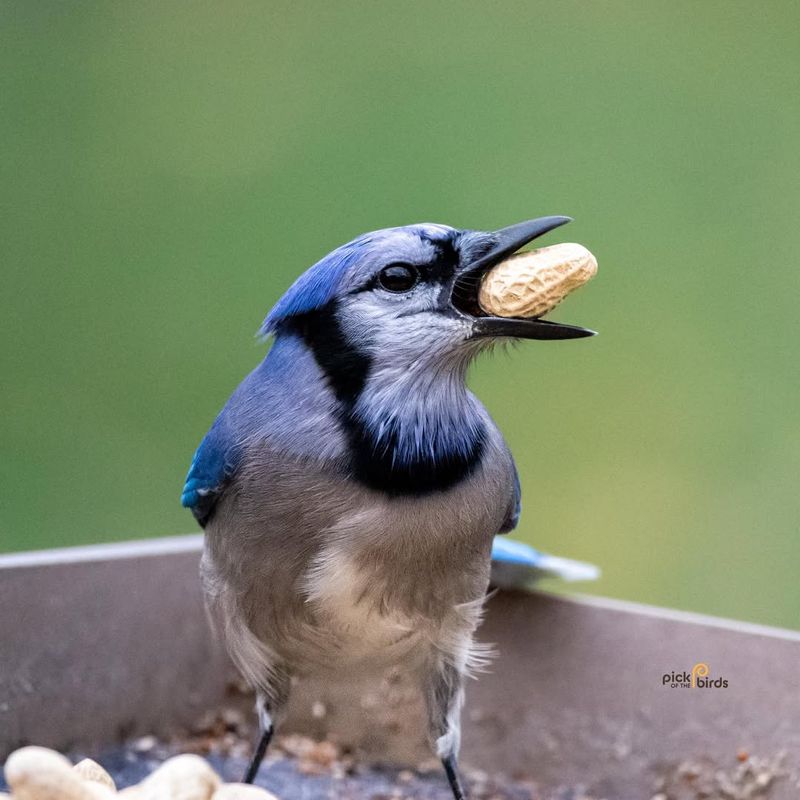
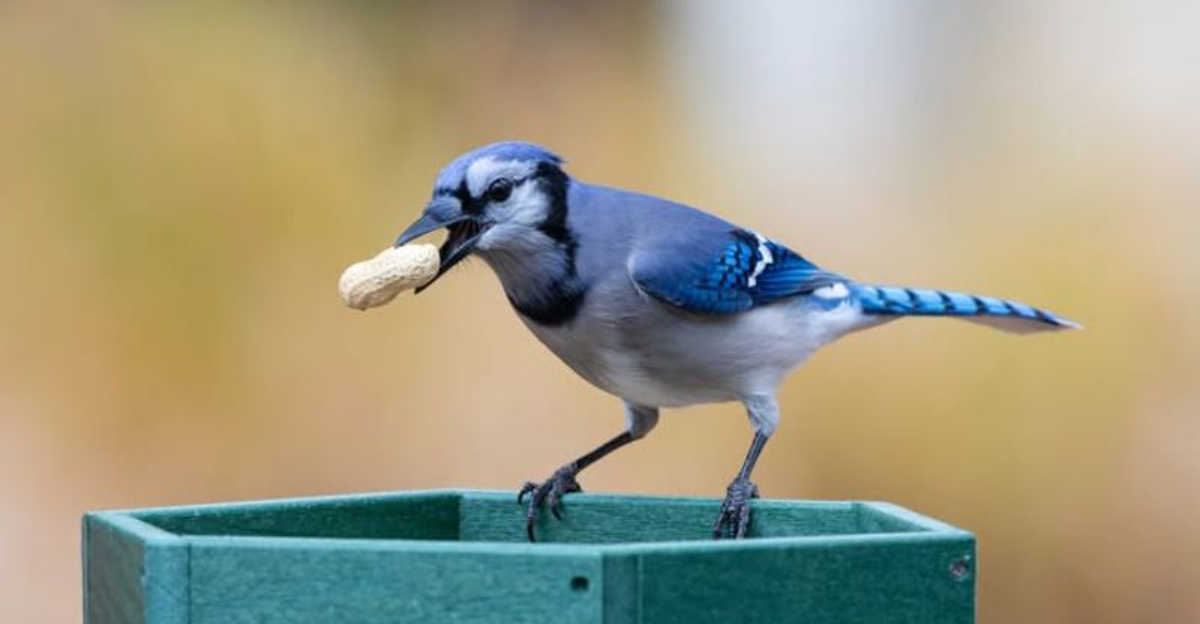
Blue jays announce their arrival with loud calls that echo across frozen landscapes.
These intelligent birds adore peanuts in the shell, which provide protein, fat, and entertainment all at once.
Woodpeckers also appreciate whole peanuts, using their strong beaks to crack shells and extract the nutritious nuts inside.
Wisconsin residents offer peanuts in wire mesh feeders that allow birds to grip the shells while they work.
Some people scatter peanuts on platform feeders or even directly on deck railings where jays quickly learn to find them.
Peanuts supply more protein than most seeds, helping birds maintain muscle mass during months when insect prey disappears completely.
Watching a blue jay carefully select a peanut, fly to a nearby branch, and methodically crack it open provides endless fascination.
These birds often cache extra peanuts in tree bark or snow, creating hidden food supplies for later.
Raw, unsalted peanuts work best because salt harms birds and roasting reduces nutritional value.
Wisconsin winters feel less harsh when colorful jays and striking woodpeckers visit regularly, their presence proof that thoughtful feeding makes a meaningful difference in wild bird populations.
Sheltered Feeding Stations Block Wind And Snow
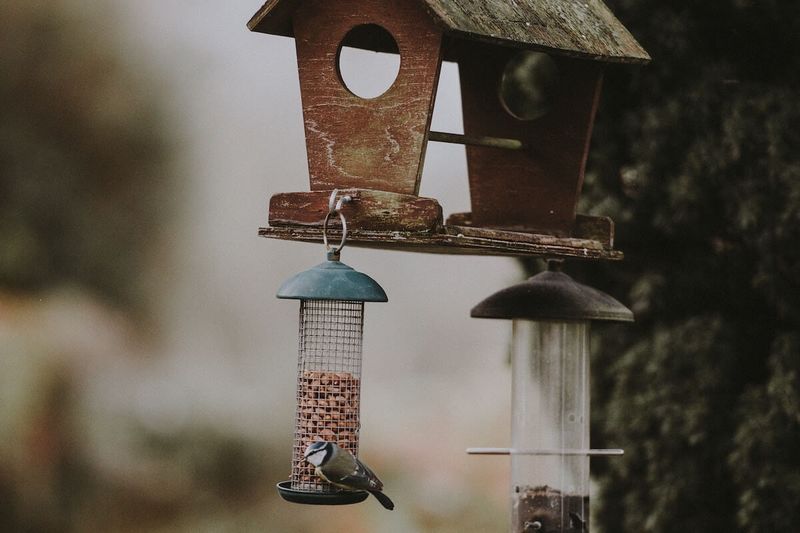
Brutal winds whip across Wisconsin farmlands and suburban yards, making feeding difficult for birds.
Building or buying covered feeding stations creates protected spaces where birds can eat comfortably even during blizzards.
Simple roof structures keep snow and ice from accumulating on feeders and seed supplies.
Wisconsin residents construct these shelters using basic lumber, creating overhangs that block precipitation while allowing easy bird access from all sides.
Some people repurpose old gazebos or build elaborate feeding houses with multiple levels and feeder types.
Others simply mount a plywood roof above existing feeders using posts or hanging systems.
Wind protection matters tremendously because birds struggle to perch and feed when strong gusts buffet them constantly.
Positioning shelters with openings facing away from prevailing northwest winds improves effectiveness significantly.
Evergreen shrubs or hedges planted nearby provide additional windbreaks and escape cover.
Birds quickly learn where these protected feeding zones exist and visit them preferentially during storms.
Maintenance becomes easier too, since feeders under shelter stay cleaner and seeds remain dry longer.
This infrastructure investment pays dividends throughout multiple winters, creating reliable safe havens that support healthy bird populations through Wisconsin’s most challenging weather conditions.
Consistent Refilling Schedules Build Bird Trust
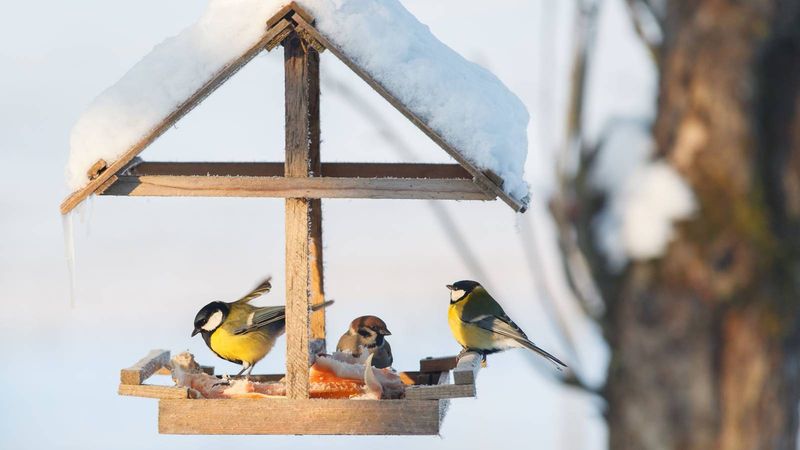
Birds remember reliable food sources and visit them repeatedly throughout winter.
Establishing consistent refilling schedules trains birds to depend on your feeders as part of their survival strategy.
Wisconsin residents who fill feeders at the same time each day notice birds arriving just before their regular schedule.
This reliability becomes especially critical during severe weather when natural food sources vanish under deep snow or ice.
Morning refills work best because birds need immediate energy after burning calories overnight to stay warm.
Checking feeders daily also allows you to spot problems like moldy seeds, damaged equipment, or predator activity.
Some Wisconsin families make bird feeding part of their morning routine, combining it with coffee or breakfast.
Children enjoy helping with this responsibility, learning important lessons about caring for wildlife and following through on commitments.
Even during vacations, arranging for neighbors to maintain feeding schedules prevents birds from abandoning your yard.
Birds that trust your feeding station will bring others, gradually building diverse populations that enliven your winter landscape.
This simple consistency transforms casual bird feeding into genuine wildlife support that helps entire communities of birds survive Wisconsin’s harshest season successfully.