The Simple Way You Can Attract Pollinators Using Arizona Native Flowers
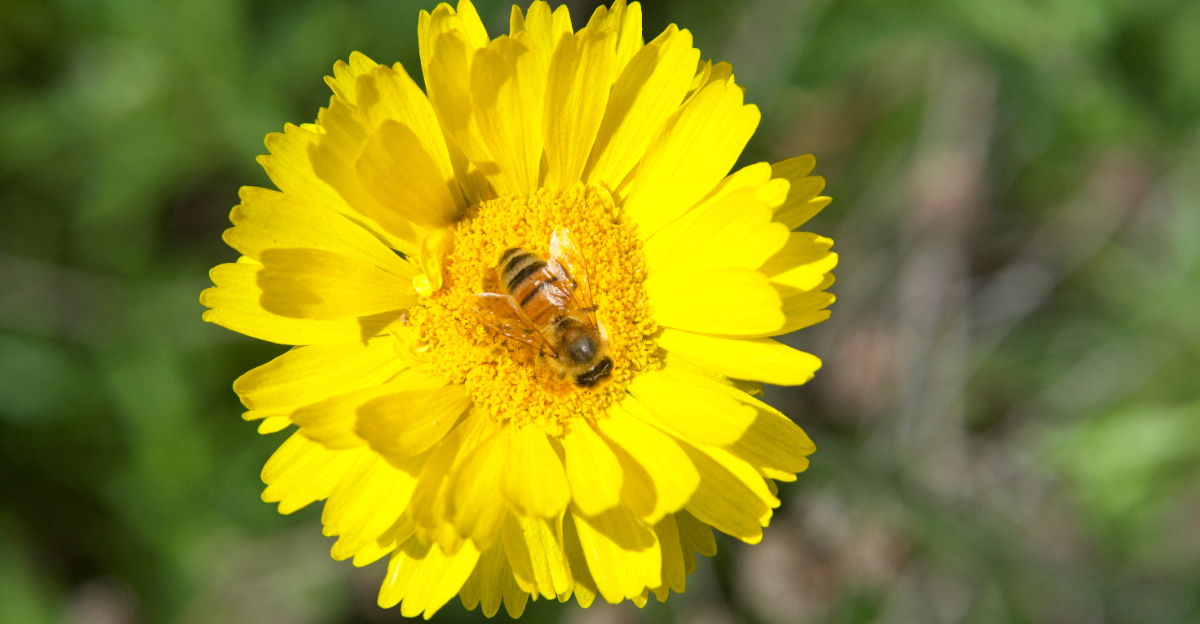
Attracting pollinators in an Arizona yard sounds harder than it really is. What if the simplest solution is also the one that works best in desert conditions?
Arizona native flowers already know how to handle heat, intense sun, and dry soil, and they bloom in sync with the bees, butterflies, and hummingbirds that live here.
Instead of forcing plants to adapt, native flowers support pollinators naturally and consistently, without extra watering or constant adjustments.
When the right native flowers are in place, pollinators don’t just pass through. They return daily, follow familiar feeding routes, and turn even small yards into active, living parts of the desert landscape.
1. Choose Native Flowers Pollinators Already Recognize
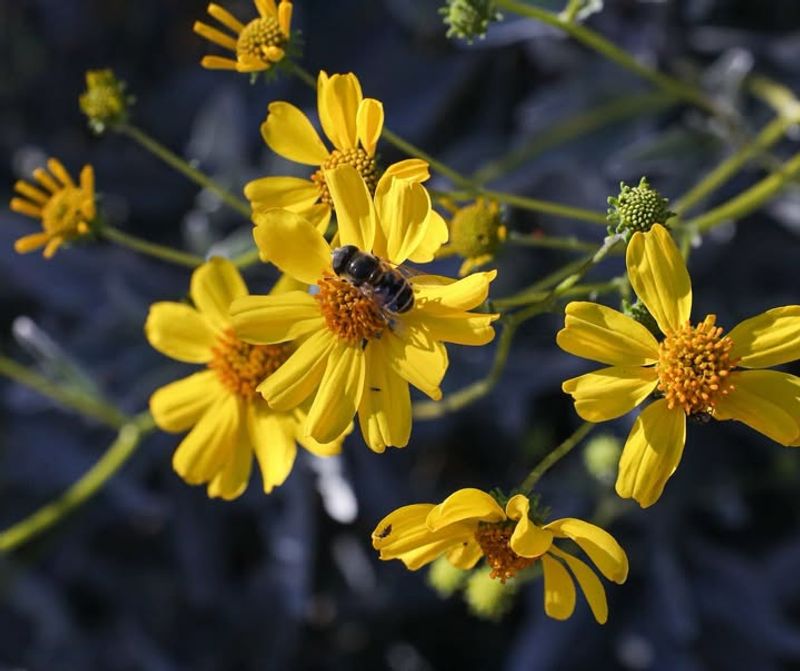
Pollinators in Arizona have spent generations learning which flowers provide the best nectar and pollen. Native species like penstemon, brittlebush, and desert marigold send out signals that local bees and butterflies instantly recognize.
These insects have developed feeding behaviors perfectly matched to the shape, color, and bloom patterns of Arizona wildflowers.
When you plant natives, you eliminate the learning curve that pollinators face with unfamiliar species. A carpenter bee knows exactly how to access the tubular flowers of desert honeysuckle.
A painted lady butterfly recognizes the bright yellow blooms of brittlebush from far away. This recognition means more visits to your garden and better pollination results.
Non-native ornamentals might look pretty, but they often confuse Arizona pollinators. The flower shapes might be wrong for local bee tongues.
The bloom times might not match when insects are actively foraging. Some hybrid flowers have been bred for appearance rather than nectar production, leaving pollinators with empty calories or nothing at all.
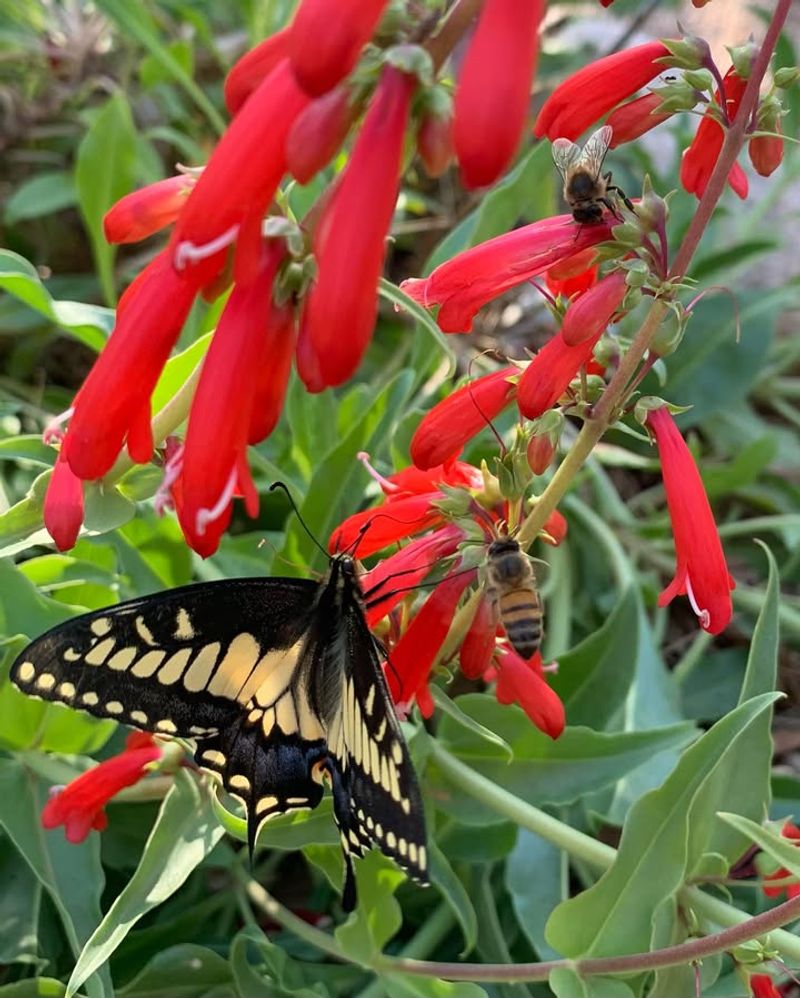
Start with a mix of native flowers that bloom in different colors. Blue and purple penstemons attract bees.
Red chuparosa flowers draw hummingbirds. Yellow brittlebush brings in butterflies and native bees.
By selecting plants that Arizona pollinators already know and trust, you create an instant attraction that benefits your entire garden ecosystem while supporting the insects that keep desert plants reproducing successfully year after year.
2. Stagger Bloom Times To Provide Ongoing Food
Arizona pollinators need food from early spring through late fall, not just during one brief flowering season. Planning your garden to provide continuous blooms keeps beneficial insects coming back throughout the year.
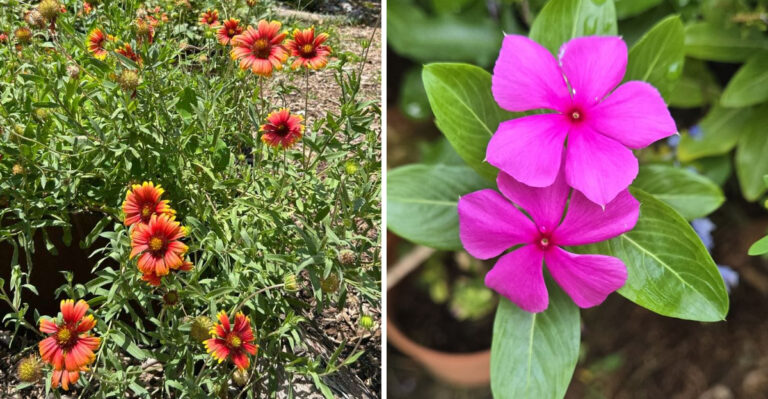
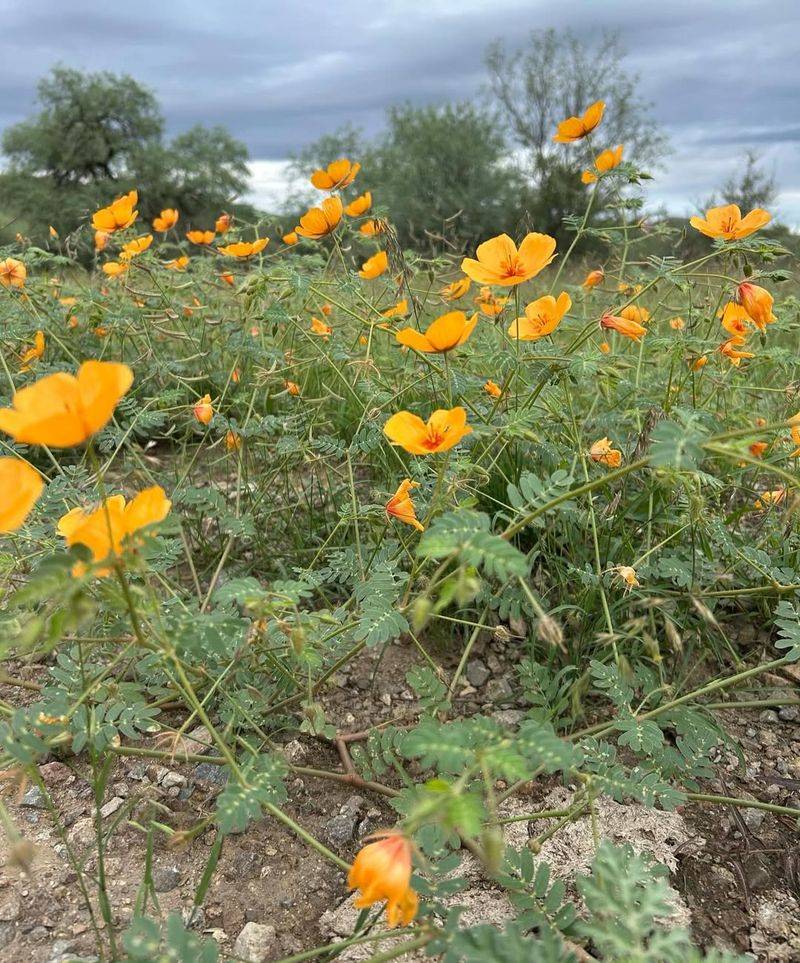
Spring bloomers like desert lupine and poppies get the season started. Summer flowers such as desert marigold and fairy duster take over when temperatures rise.
Fall bloomers like desert zinnia extend the feeding season into cooler months.
Without staggered blooms, pollinators face feast-or-famine conditions. A garden that explodes with flowers in March but goes dormant by May leaves bees and butterflies scrambling for food during the hottest months.
Queen butterflies migrating through Arizona in September need nectar sources. Native bees raising summer broods require consistent pollen supplies.
Research bloom calendars specific to Arizona native plants before purchasing. Many nurseries provide seasonal guides showing when each species flowers.
Aim for at least three different bloom periods in your garden. Early bloomers might include penstemon and globemallow.
Midseason options include sacred datura and desert milkweed. Late bloomers such as autumn sage and chocolate flower round out the year.
This approach transforms your garden into a reliable pollinator restaurant rather than a seasonal popup. Hummingbirds establish feeding routes that include your yard.
Native bee populations build stronger colonies. Butterflies use your garden as a refueling station during migration.
The continuous food supply you provide becomes essential to pollinator survival across Arizona’s challenging desert climate and extended growing season.
3. Plant In Groups To Make Flowers Easy To Find
Pollinators spot large patches of color much more easily than scattered individual plants. Grouping the same species together creates visual targets that attract insects from greater distances.
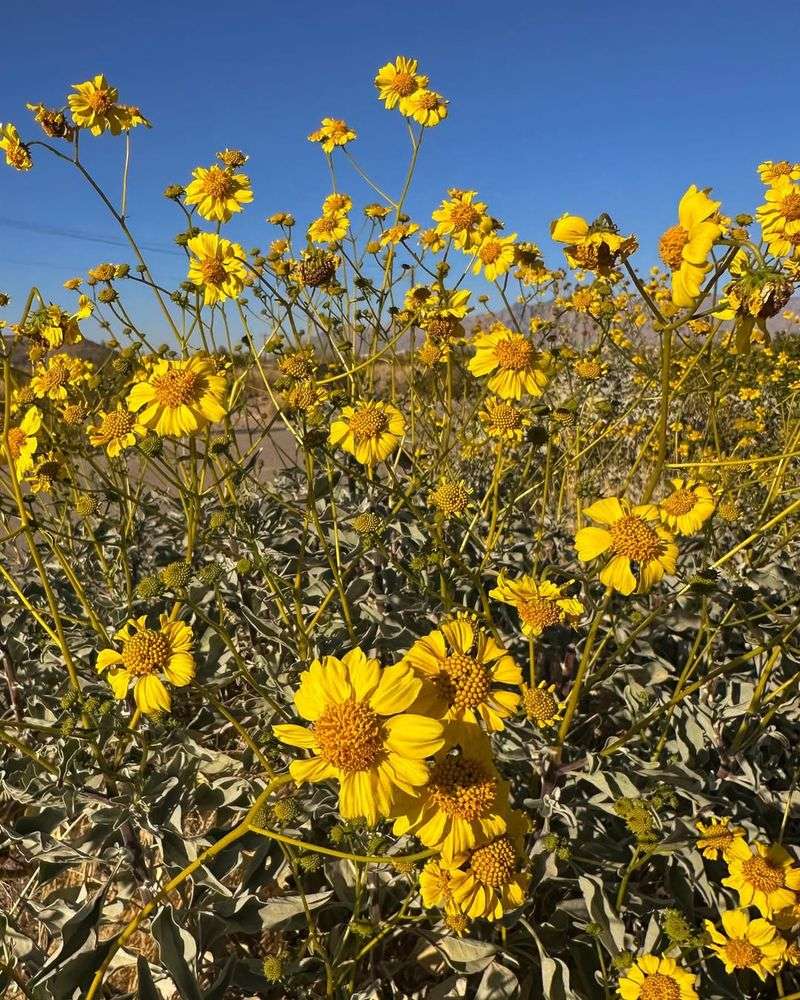
A single brittlebush plant might get overlooked. A cluster of seven brittlebush plants creates a golden beacon visible across your entire yard and beyond.
This clustering strategy also improves pollination efficiency. Bees work methodically through groups of similar flowers, moving from bloom to bloom within the same patch.
This behavior increases the chances of successful pollination compared to forcing insects to search randomly across your garden.
Butterflies prefer to feed in areas where multiple nectar sources grow close together, conserving energy for other activities like reproduction and migration.
Plan clusters of at least five to seven plants of the same species. Space them naturally within each group rather than in rigid rows.
Mix different species in separate clusters throughout your garden. You might create a drift of purple penstemon near your patio, a grouping of yellow desert marigolds along a walkway, and a cluster of red fairy dusters near your fence line.
This approach mimics how native flowers grow in Arizona’s natural landscapes. Wildflowers often appear in concentrated patches where conditions suit them best.
Pollinators have evolved to seek out these natural groupings.
By replicating this pattern in your garden, you work with pollinator instincts rather than against them, creating an efficient feeding environment that benefits both insects and plants across your entire Arizona property.
4. Match Flowers To Sun And Heat Conditions
Arizona’s intense sunshine and extreme heat challenge many plants, but native flowers have adapted to specific light and temperature conditions.
Placing each species in its preferred environment ensures healthy blooms that produce abundant nectar and pollen.
Desert marigold and brittlebush thrive in full blazing sun. Columbine and coral bells prefer filtered shade under mesquite trees.
Getting these placements right means stronger plants and more pollinator visits.
Full-sun natives have developed strategies to handle Arizona’s harsh conditions. Thick leaves, reflective surfaces, and deep root systems help them survive and bloom through summer heat.
These tough plants produce the most flowers when given maximum sunlight. Trying to grow them in shade results in weak, sparse blooms that offer little to pollinators.
Shade-preferring natives evolved under tree canopies or on north-facing slopes. They wilt and struggle in direct afternoon sun, especially during Arizona summers.
When stressed by too much heat, these plants reduce flower production and nectar output. Pollinators pass them by in favor of healthier specimens.
Observe your yard’s sun patterns throughout the day. Note which areas receive morning sun but afternoon shade.
Identify spots that stay hot all day versus areas cooled by building shadows. Match each native flower to its ideal microclimate.
Desert zinnia loves hot western exposures. Penstemon appreciates morning sun with afternoon relief.
Fairy duster handles full sun but also tolerates partial shade. Proper placement creates a thriving pollinator garden across your entire Arizona landscape regardless of varying conditions.
5. Limit Water Once Plants Are Established
Overwatering Arizona native flowers actually reduces their appeal to pollinators. These plants evolved to thrive on limited moisture, developing concentrated nectar and robust growth patterns under dry conditions.
When you water natives as frequently as non-adapted plants, you dilute nectar quality and encourage weak, leggy growth that produces fewer flowers. Pollinators prefer the rich nectar of properly stressed native plants.
During the first growing season, new plantings need regular water to establish deep root systems. Water deeply but infrequently, encouraging roots to grow downward seeking moisture.
Once established after six to twelve months, most Arizona natives require only occasional supplemental water during extreme drought. Many species survive entirely on natural rainfall once their roots reach deep soil moisture.
Reduced watering also prevents root rot and fungal diseases common in Arizona’s alkaline soils. Healthy plants produce more blooms over longer periods.
Desert marigold flowers continuously when kept slightly dry. Penstemon develops stronger stems and more flower spikes under water stress.
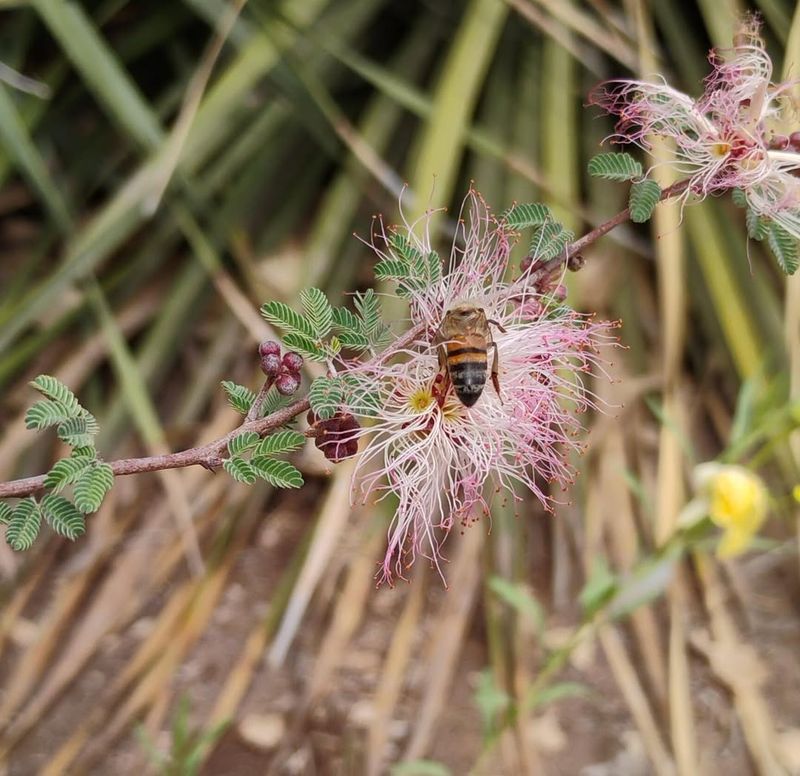
Fairy duster blooms prolifically with minimal irrigation.
Install drip irrigation rather than overhead sprinklers for any supplemental watering. Deep soak monthly during hot months, then reduce to every six weeks in cooler seasons.
Let soil dry completely between waterings. Monitor plants for signs of stress, but remember that slight wilting during afternoon heat is normal for desert-adapted species.
This water-wise approach creates tougher plants with better nectar production, attracting more pollinators while conserving precious water resources across Arizona’s arid landscape and supporting sustainable gardening practices.
6. Avoid Chemicals That Disrupt Pollinator Activity
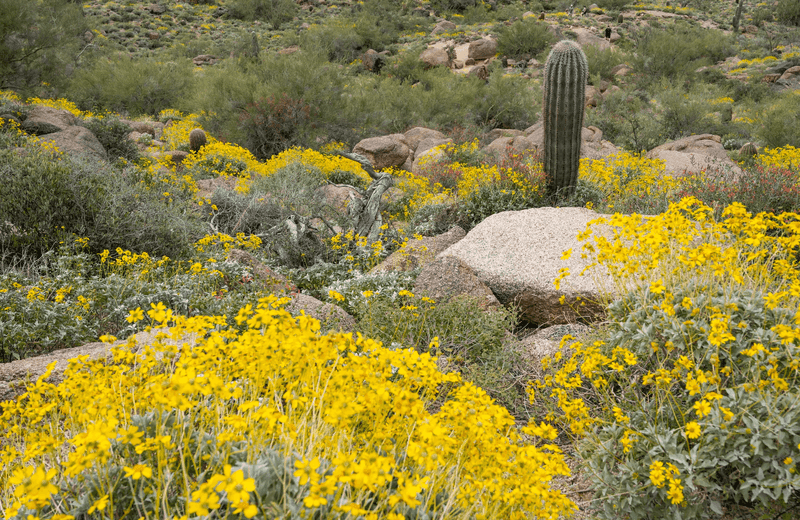
Pesticides, herbicides, and synthetic fertilizers harm the very pollinators you want to attract. Even products labeled as safe can disrupt insect navigation, reproduction, and feeding behaviors.
Neonicotinoid pesticides persist in plant tissues, contaminating nectar and pollen that bees carry back to their colonies. Herbicide drift damages native flowers.
Chemical fertilizers create unnaturally rapid growth that produces watery nectar with reduced sugar content.
Arizona native plants evolved without chemical inputs and rarely need them. These tough species developed natural pest resistance over thousands of years.
Occasional leaf damage from caterpillars or beetles is normal and usually minor. Many of these leaf-eaters transform into pollinating butterflies and beetles.
Accepting some cosmetic damage means supporting the complete life cycles of beneficial insects.
When problems do arise, choose targeted organic solutions. Hand-pick large pests like hornworms.
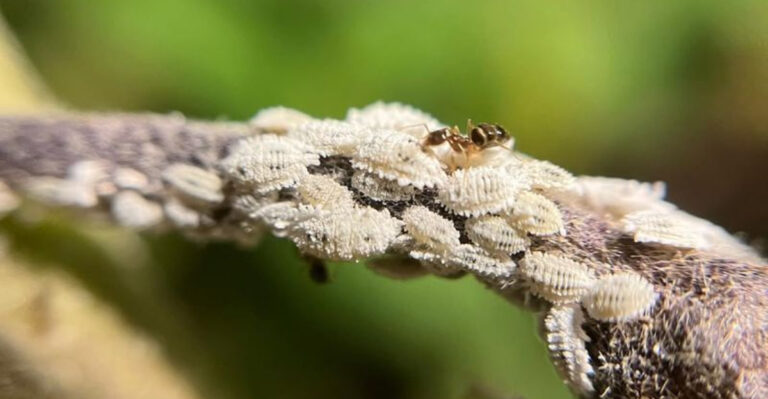
Spray aphid clusters with plain water. Introduce beneficial insects like ladybugs and lacewings that eat problem bugs without harming pollinators.
Mulch around plants to suppress weeds rather than using herbicides. Top-dress with compost instead of synthetic fertilizers.
Creating a chemical-free zone protects pollinators across all life stages. Butterfly caterpillars feeding on leaves are safe from pesticide exposure.
Ground-nesting native bees avoid contaminated soil. Hummingbirds drinking nectar get pure nutrition without toxic residues.
Your Arizona garden becomes a true sanctuary where pollinators can feed, reproduce, and thrive without the dangers present in chemically treated landscapes.
This natural approach supports healthier ecosystems while producing beautiful, resilient native flower displays throughout the growing season.
7. Leave Some Natural Areas Undisturbed
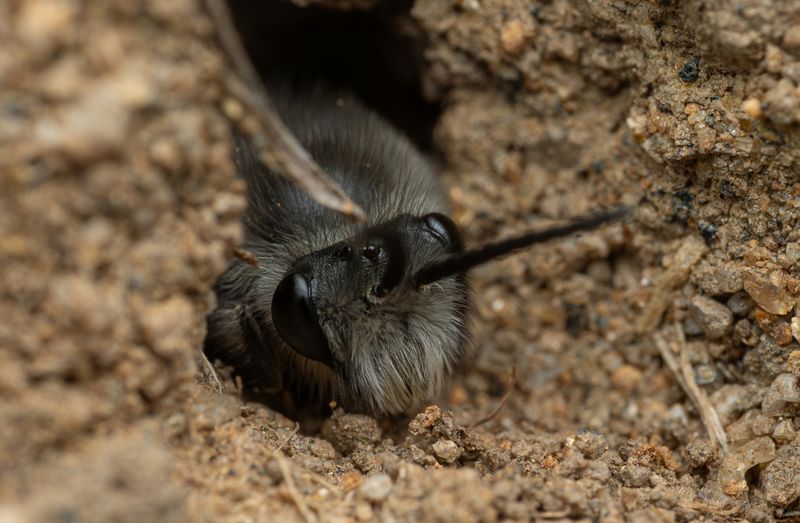
Pollinators need more than flowers. Many native bees nest in bare ground or hollow plant stems.
Beneficial beetles shelter under leaf litter. Creating a perfectly manicured garden eliminates these essential habitat features.
Leaving some areas wild provides nesting sites, shelter, and overwintering spots that support complete pollinator life cycles.
Designate a corner of your Arizona yard as a natural zone. Let native grasses grow tall and go to seed.
Allow fallen leaves to accumulate under shrubs. Maintain patches of bare, undisturbed soil where ground-nesting bees can excavate tunnels.
These messy areas might not look magazine-perfect, but they provide critical resources pollinators cannot find in tidy landscapes.
Many Arizona native bees nest underground, digging tunnels in compacted soil. They prefer areas with sparse vegetation and southern exposure that warms quickly in spring.
Avoid mulching these spots or planting groundcovers that prevent nest access. Leave the soil surface bare and undisturbed.
You might notice small holes appearing in spring as female bees excavate nests and provision them with pollen for their offspring.
This habitat-focused approach transforms your garden from a simple feeding station into a complete pollinator ecosystem. Bees raise their young near reliable food sources.
Butterflies complete their entire life cycles in your yard. Beneficial insects maintain year-round populations that naturally control pests.
By embracing some wildness alongside your cultivated native flowers, you create a truly sustainable Arizona pollinator garden that supports insects through every season and life stage.