The Simple Way You Can Grow Fuchsia Indoors In Georgia Homes
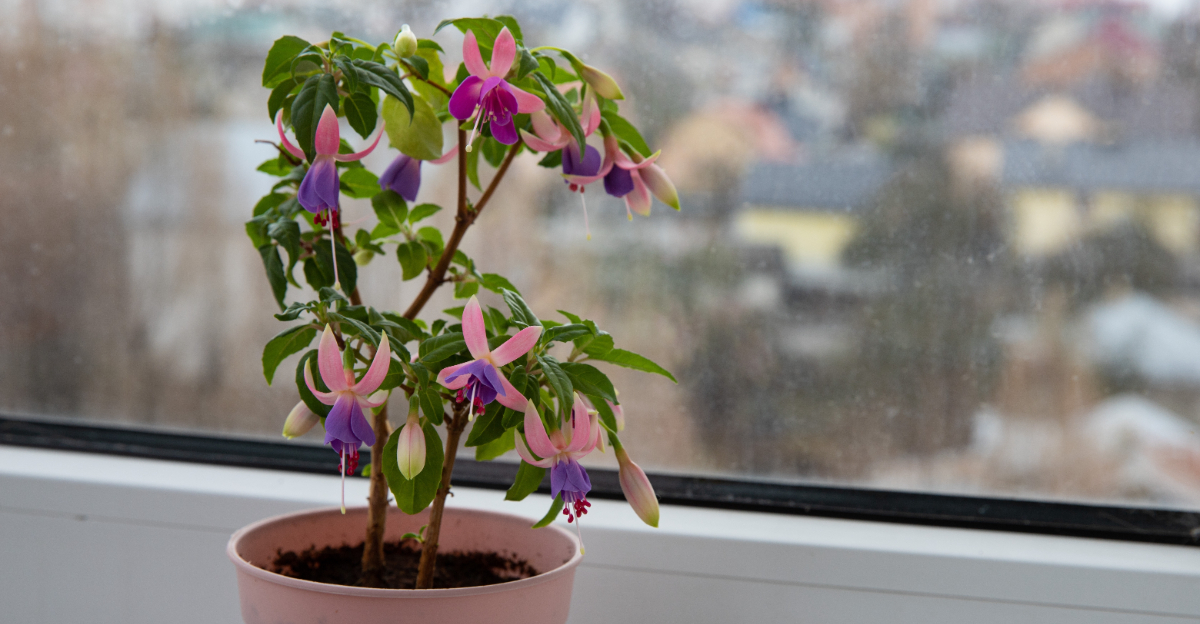
That fuchsia on the windowsill can look full and healthy yet still refuse to bloom the way it should indoors in a Georgia home.
Growing fuchsia inside works best when indoor conditions line up with what the plant naturally expects, especially during cooler months.
Georgia homes often feel comfortable, but light levels shift, air dries out, and temperatures stay steadier than outdoors, which quietly affects how fuchsia grows and flowers.
When the setup is right, fuchsia adapts well to indoor life and keeps its graceful shape without becoming leggy or stressed. This is not a plant that needs constant correction or complicated care.
It responds to consistency, smart placement, and a routine that supports steady growth instead of pushing it too hard. Once those basics are in place, fuchsia becomes a reliable indoor bloomer that actually feels easy to manage.
1. Bright Indirect Light Keeps Indoor Fuchsia Blooming
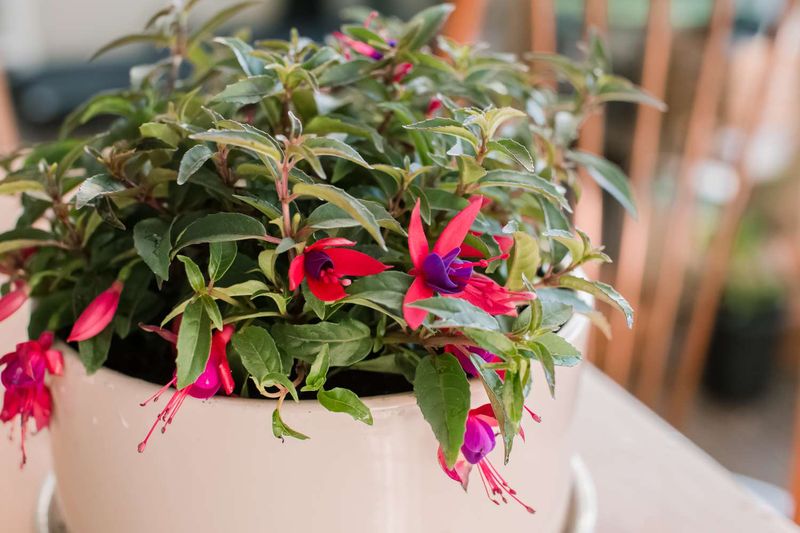
Windows facing east or north work perfectly for fuchsias in Georgia homes. These plants crave brightness but direct afternoon sun streaming through windows can scorch their delicate leaves quickly.
Position your plant where it receives plenty of ambient light without harsh rays hitting the foliage directly.
Sheer curtains become your best friend when growing fuchsias indoors. They filter intense sunlight while still allowing enough brightness to fuel flower production.
During Georgia’s bright summer months, this protection proves especially valuable as the sun’s intensity increases dramatically.
Watch your plant’s leaves for clues about light levels. Pale or yellowing foliage often signals too little light, while brown crispy edges indicate excessive exposure.
Adjust placement gradually, moving your fuchsia a few feet at a time until you find that sweet spot.
Rotating your plant weekly ensures even growth on all sides. Fuchsias naturally lean toward their light source, so turning them prevents lopsided development.
This simple habit creates fuller, more symmetrical plants that look stunning from every angle.
Artificial lighting can supplement natural light during Georgia’s shorter winter days. LED grow lights positioned about 12 inches above your fuchsia extend daylight hours effectively.
Run them for 12-14 hours daily to maintain vigorous blooming when outdoor light diminishes.
South-facing windows require extra caution in Georgia homes. If that’s your only option, place your fuchsia several feet back from the glass or use heavier filtering.
Morning light works wonderfully, but afternoon intensity through southern exposures often proves too strong for these shade-loving beauties.
2. Cooler Indoor Temperatures Prevent Stress And Leaf Drop
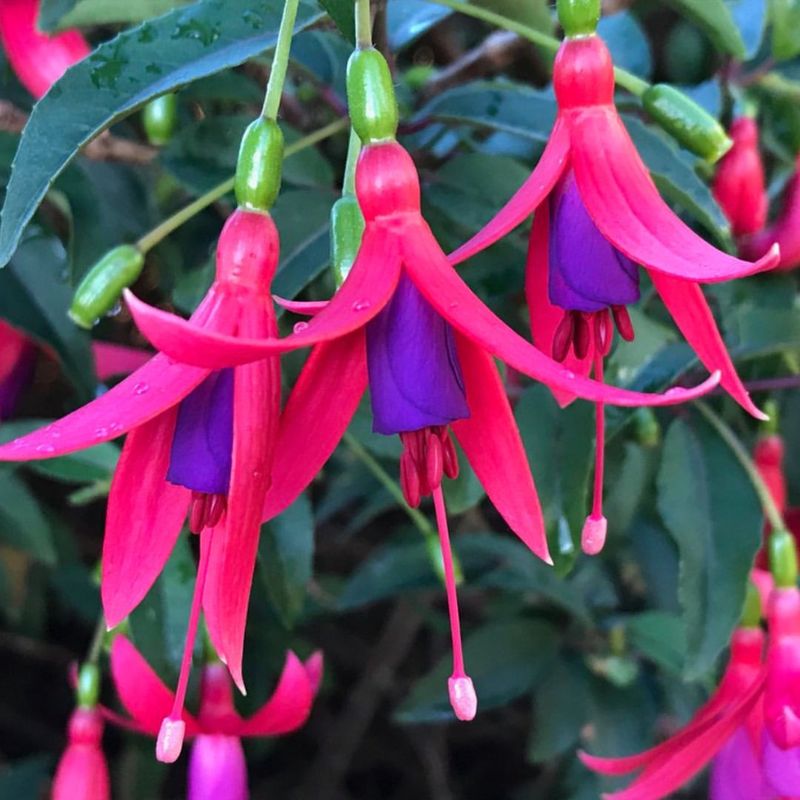
Fuchsias prefer temperatures between 60-70 degrees Fahrenheit, cooler than most Georgia residents keep their homes. This temperature preference challenges indoor growers, but strategic placement solves the problem beautifully.
Basements, enclosed porches, or rooms with separate climate controls often provide ideal conditions.
Avoid placing your fuchsia near heating vents or radiators during winter months. Warm air blasting directly onto the plant creates rapid moisture loss and temperature spikes.
These sudden changes stress the plant, triggering leaf drop and bud failure that ruins your display.
Georgia’s air conditioning during summer actually benefits indoor fuchsias tremendously. While you might feel chilly at 68 degrees, your plant thrives in this environment.
Cooler rooms slow water loss through leaves, reducing the plant’s overall stress level significantly.
Nighttime temperature drops benefit fuchsias considerably. These plants evolved in mountainous regions where nights turn cool naturally.
Try lowering your thermostat by 5-10 degrees after sunset or moving plants to cooler spaces overnight.
Monitor temperature fluctuations near windows carefully in Georgia homes. Glass surfaces can create hot spots during sunny days or cold drafts during winter nights.
A simple thermometer placed at plant level reveals these microclimates that aren’t obvious from across the room.
Consistent temperatures matter more than hitting exact numbers. Wild swings between warm and cool confuse the plant’s internal rhythms.
Stability allows your fuchsia to focus energy on flowering rather than constantly adjusting to environmental changes throughout your Georgia home.
3. Even Moisture Matters More Than Frequent Watering
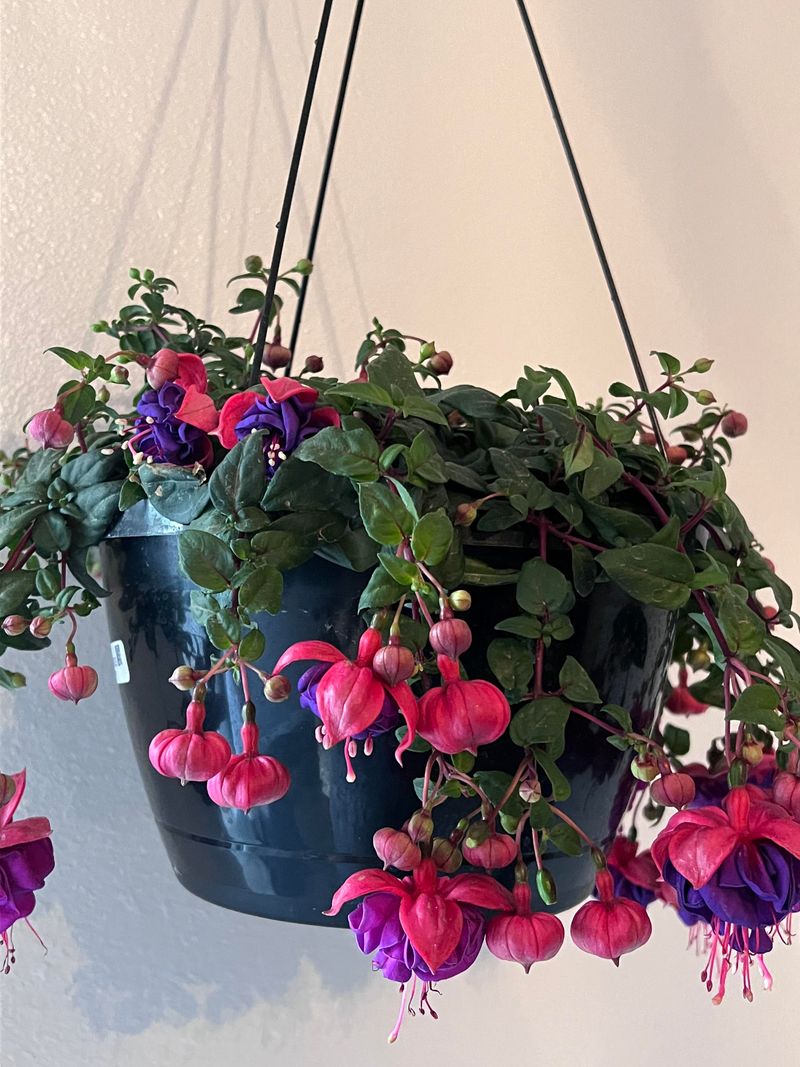
Sticking your finger two inches into the soil tells you everything about watering needs. When the top layer feels dry but moisture remains below, your fuchsia is ready for water.
This simple touch test beats any complicated schedule or guesswork every single time.
Fuchsias hate both bone-dry soil and waterlogged roots equally. Finding that middle ground where soil stays consistently moist but never soggy creates the perfect root environment.
Georgia’s indoor humidity levels affect how quickly soil dries, making finger-testing more reliable than calendar-based watering.
Water thoroughly until liquid drains from pot holes, then wait until the top inch dries before watering again. This cycle allows roots to absorb moisture while preventing root rot.
Shallow, frequent watering encourages weak surface roots instead of deep, healthy growth.
Room temperature water prevents shock to sensitive root systems. Cold water straight from Georgia taps can stress plants, especially during winter months.
Fill your watering can and let it sit overnight to reach room temperature naturally.
Self-watering pots work wonderfully for maintaining even moisture levels with fuchsias. These containers feature reservoirs that release water gradually as soil dries.
They’re particularly helpful for busy Georgia homeowners who can’t check plants daily.
Drainage holes are absolutely non-negotiable for fuchsia containers. Without proper drainage, excess water accumulates at the bottom, creating anaerobic conditions that harm roots.
If you love a decorative pot without holes, use it as a cachepot around a properly draining inner container instead.
4. High Humidity Helps Flowers Last Longer Indoors
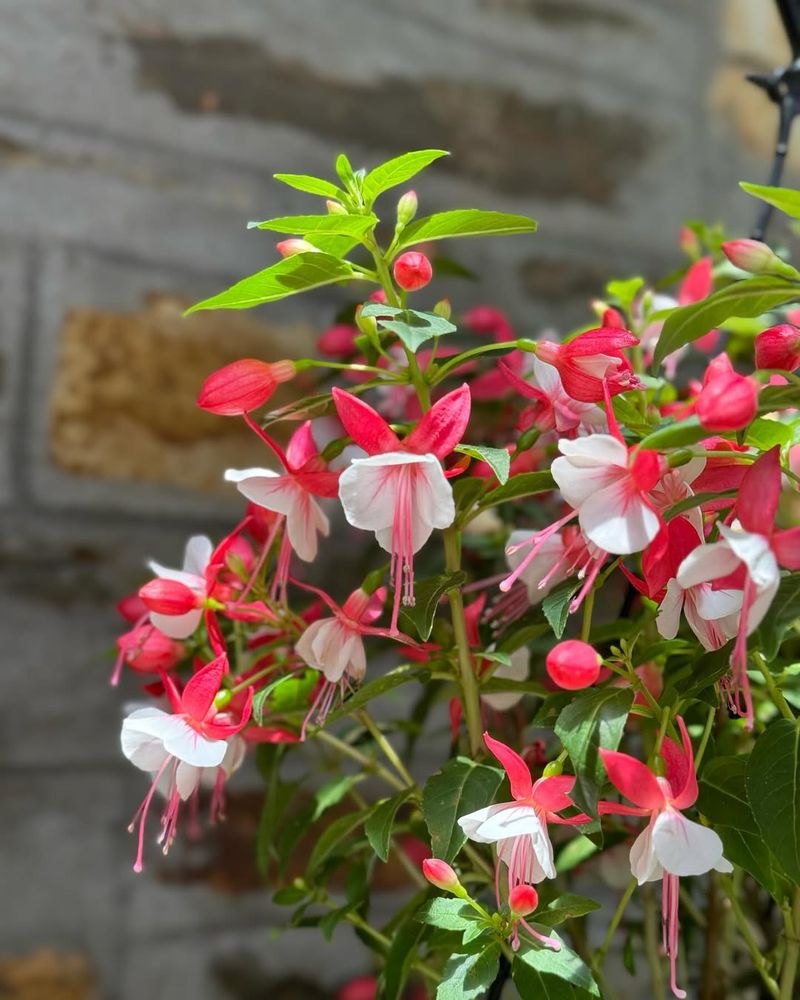
Georgia’s air conditioning removes moisture from indoor air, creating desert-like conditions that fuchsias despise. These plants evolved in humid environments where moisture surrounds them constantly.
Boosting humidity around your indoor fuchsia extends bloom life and prevents brown leaf edges dramatically.
Pebble trays offer the simplest humidity solution for Georgia homes. Fill a shallow tray with stones, add water until it reaches just below the stone tops, then set your fuchsia pot on the pebbles.
As water evaporates, it creates a humid microclimate around the plant without waterlogging roots.
Grouping multiple plants together naturally increases local humidity through collective transpiration. Your fuchsia benefits from moisture released by neighboring houseplants.
This strategy works especially well in Georgia homes where central air constantly battles indoor humidity levels.
Small humidifiers placed near your fuchsia provide targeted moisture without affecting entire rooms. Cool-mist models work best, avoiding temperature increases that counteract other care efforts.
Run them during daylight hours when plants actively transpire and absorb moisture most efficiently.
Daily misting seems helpful but actually provides minimal lasting benefit for fuchsias. Water droplets evaporate quickly in air-conditioned Georgia homes, offering only momentary humidity increases.
Worse, water sitting on leaves overnight can encourage fungal problems that damage foliage.
Bathrooms with windows make excellent fuchsia locations in Georgia homes. Shower steam naturally boosts humidity while the room typically stays cooler than other spaces.
Just ensure adequate light reaches your plant in this location for continued blooming success.
5. Light Feeding Supports Continuous Bloom Without Burn
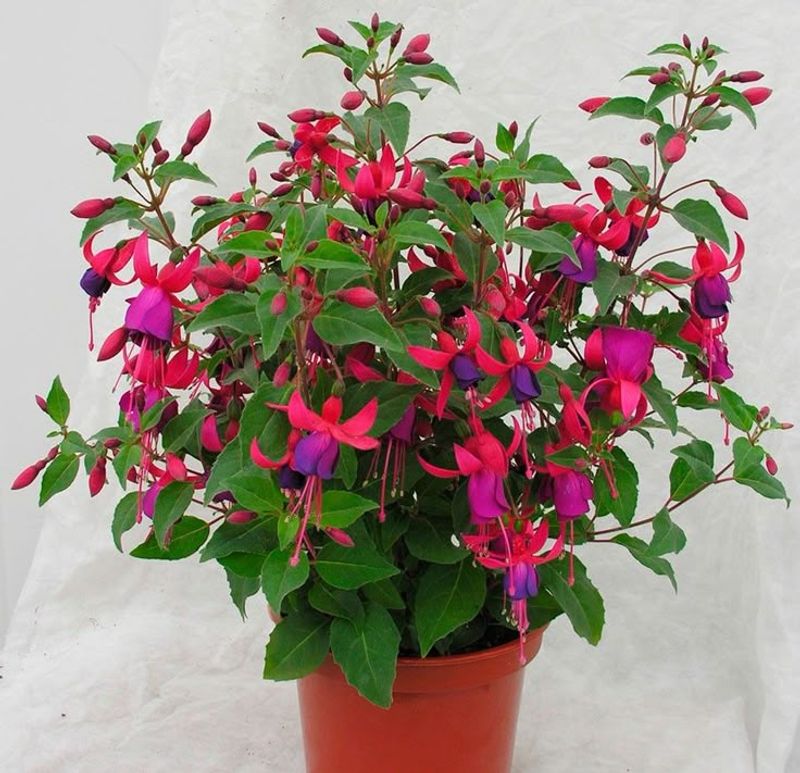
Fuchsias bloom continuously when properly fed, but heavy fertilization causes more harm than good. These plants need regular, diluted nutrients rather than occasional strong doses.
Think of feeding like providing small, frequent meals instead of one huge feast that overwhelms the system.
Liquid fertilizers diluted to quarter-strength work perfectly for fuchsias in Georgia homes. Apply this weak solution every time you water during active growth periods.
This approach delivers steady nutrition without salt buildup that damages sensitive roots over time.
Balanced formulas with equal nitrogen, phosphorus, and potassium numbers suit fuchsias beautifully. Look for ratios like 10-10-10 or 20-20-20 on fertilizer labels.
These balanced blends support both foliage growth and flower production without pushing one at the expense of the other.
Reduce feeding frequency during Georgia’s winter months when growth naturally slows. Cut back to monthly applications or stop fertilizing completely if your plant enters dormancy.
Pushing growth during rest periods weakens plants and reduces their vigor when spring arrives.
Organic options like fish emulsion or compost tea provide gentle nutrition for fuchsias. These natural fertilizers release nutrients slowly, reducing the risk of burning roots.
They also improve soil structure over time, creating better growing conditions in container environments.
Flush pots with plain water monthly to prevent fertilizer salt accumulation in Georgia’s indoor conditions. Run water through the soil until it drains freely from the bottom, carrying away built-up salts.
This simple practice prevents brown leaf tips and maintains healthy root function throughout the growing season.
6. Good Air Circulation Reduces Pest Problems Inside
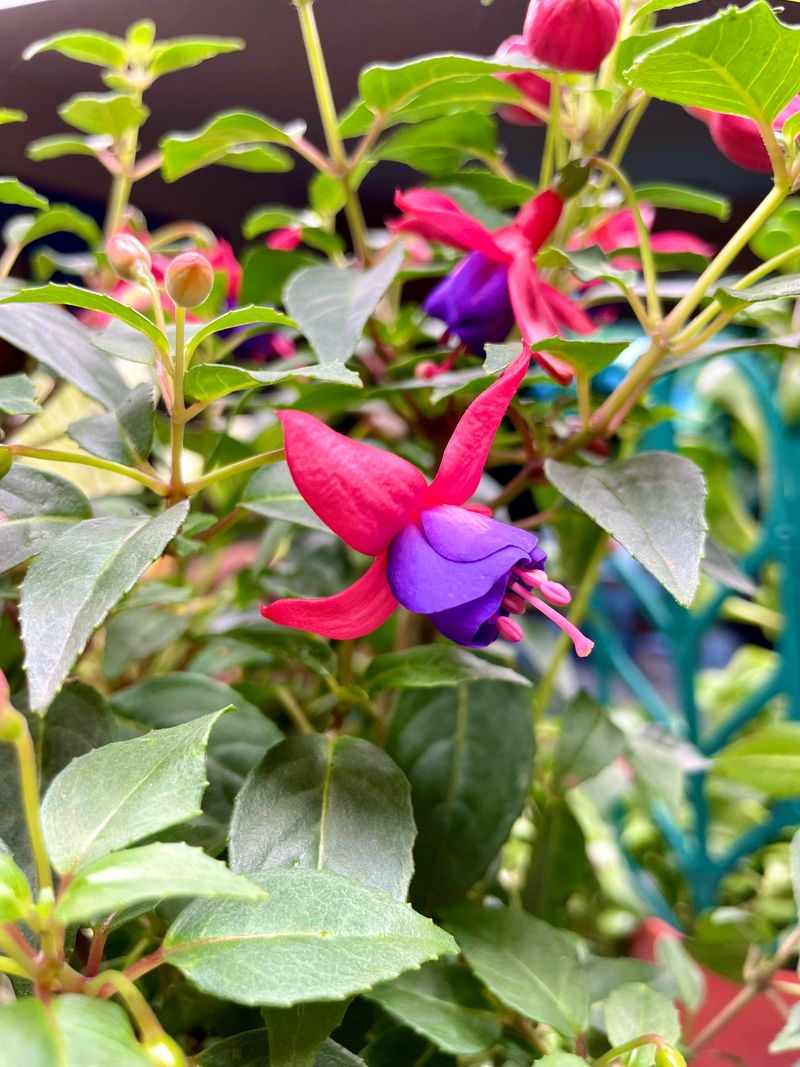
Stagnant air invites pest infestations and fungal diseases that plague indoor fuchsias in Georgia homes. Moving air strengthens plant tissues while creating conditions that common pests find inhospitable.
A small fan running on low speed transforms your growing environment completely.
Position fans to create gentle air movement rather than direct blasts hitting your fuchsia. Constant strong wind stresses plants just as much as still air encourages problems.
Oscillating fans work perfectly, sweeping air across the room without focusing force on any single spot.
Spider mites thrive in warm, still conditions typical of Georgia homes during winter. These tiny pests multiply rapidly, covering leaves with fine webbing and causing stippled damage.
Good air circulation disrupts their ideal environment, making colonization much more difficult.
Opening windows when outdoor temperatures permit refreshes indoor air beautifully for fuchsias. Georgia’s mild spring and fall weather offers perfect opportunities for natural ventilation.
Fresh air exchange removes stale indoor air while providing plants with natural atmospheric conditions they evolved to handle.
Ceiling fans help tremendously in Georgia homes with fuchsias. Running them on low speed, even in winter, keeps air moving throughout the room without creating uncomfortable drafts.
This gentle circulation benefits both plants and people, improving overall indoor air quality significantly.
7. Seasonal Pruning Keeps Plants Compact And Healthy
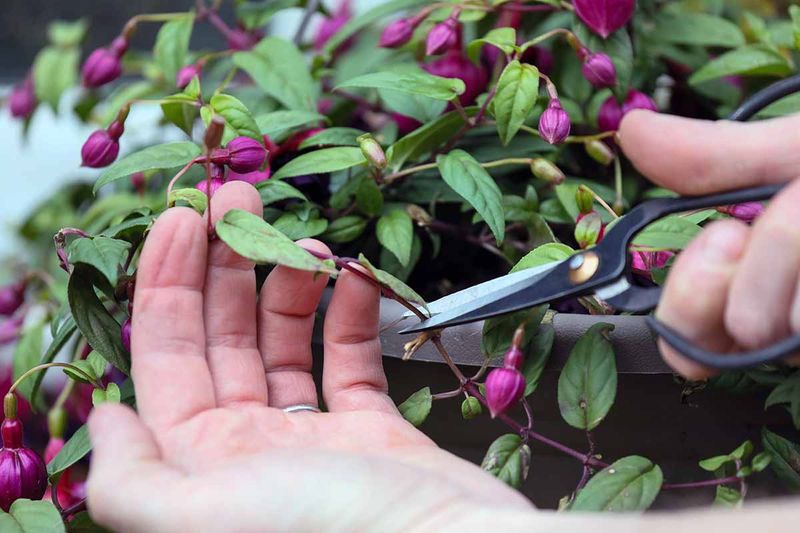
Pinching back growing tips encourages bushier growth and more flowering branches on your fuchsia. Remove the top quarter-inch of new growth with your fingernails or sharp scissors.
This simple action triggers the plant to produce multiple side shoots from nodes below the pinch point.
Late winter offers the ideal pruning window for indoor fuchsias in Georgia homes. Cut back leggy growth by one-third to one-half before spring growth begins.
This timing allows plants to recover and produce fresh growth that blooms heavily as days lengthen naturally.
Remove any stems that cross or rub against each other during pruning sessions. This crowding creates wounds where diseases enter easily.
Opening up the plant’s center also improves air circulation, reducing problems with fungal issues and pest infestations dramatically.
Deadheading spent flowers extends the blooming period significantly for indoor fuchsias. Remove faded blooms before they form seed pods, which signals the plant to stop producing new flowers.
Regular deadheading keeps your Georgia fuchsia in continuous bloom mode instead of switching to seed production.
Clean, sharp tools prevent damage and disease transmission when pruning fuchsias. Wipe blades with rubbing alcohol between cuts, especially when removing potentially diseased material.
Dull tools crush stems rather than cutting cleanly, creating larger wounds that heal slowly.
Save healthy pruned stems for propagation if you want more fuchsia plants. Cuttings root easily in water or moist potting mix, giving you free plants to expand your indoor garden.
Georgia gardeners can create entire collections from a single mother plant through regular pruning and rooting efforts.