The Small Insect Found In New Hampshire Snow (And Why It’s Important)
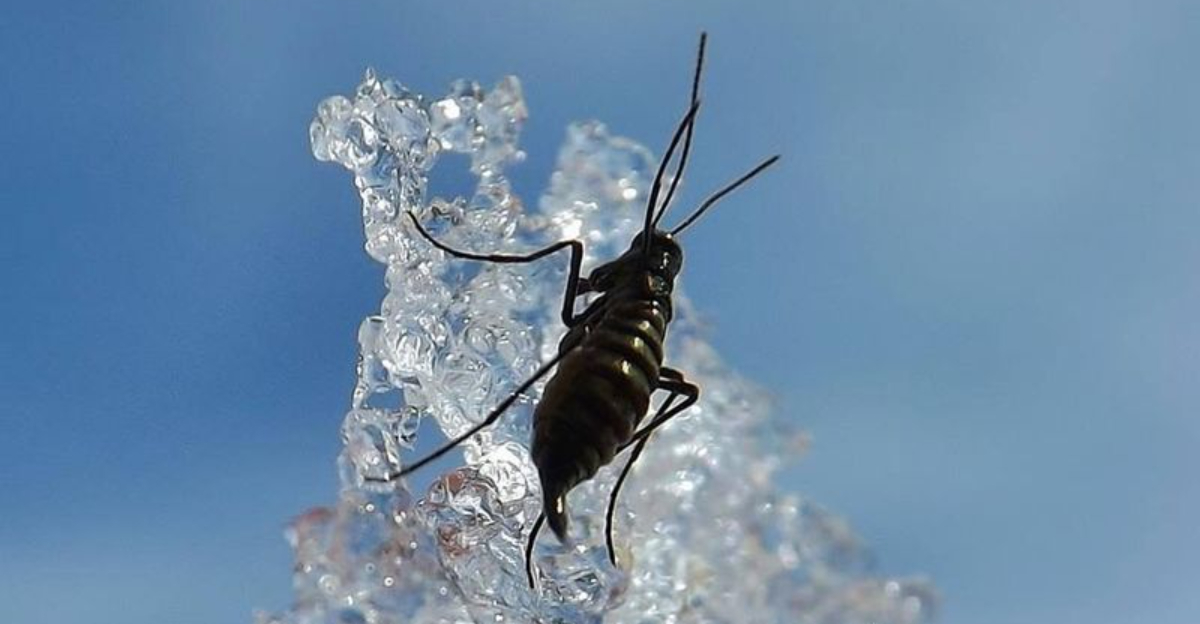
Tiny insects hopping across fresh New Hampshire snow instantly catch attention because nothing about winter suggests bugs should be moving at all.
The sight feels strange enough to make people stop mid-step and look closer.
These small dark specks often appear during mild winter days when temperatures hover just above freezing. Their timing makes them seem mysterious and slightly unsettling.
Despite the nickname, these insects are not fleas and have nothing to do with biting.
They are snow fleas, a type of springtail uniquely adapted to cold conditions.
Snow fleas survive winter by producing natural antifreeze proteins that protect their bodies from freezing. This allows them to stay active when most insects disappear.
They gather on snow surfaces because it helps regulate temperature and moisture. The white background simply makes them easier to notice.
Snow fleas play an important role by breaking down decaying plant material hidden under snow.
That quiet work supports soil health long before spring arrives.
Seeing snow fleas in New Hampshire is usually brief and harmless. Their presence fades as temperatures drop again or snow melts away.
1. Antifreeze Proteins Keep Them Active in Freezing Temperatures
Most insects disappear when cold weather arrives, but snow fleas possess something truly special in their biology.
Special proteins in their bodies work like natural antifreeze, preventing ice crystals from forming inside their cells. This remarkable adaptation allows them to remain active even when New Hampshire temperatures plunge well below freezing.
Their bodies produce these protective proteins throughout winter, creating a biological shield against the cold.
Without this defense, the water inside their cells would freeze and expand, causing serious damage. Scientists have studied these proteins extensively because they represent one of nature’s most elegant solutions to extreme cold.
When you spot these creatures hopping across snow in your backyard, you’re witnessing evolution at work.
The antifreeze proteins don’t just keep them alive; they allow normal movement and feeding. New Hampshire winters would eliminate these tiny organisms without this incredible adaptation, yet they thrive where others cannot survive.
This adaptation allows snow fleas to function normally instead of entering complete dormancy like many other insects.
Their internal chemistry stays balanced even when surrounding conditions would be lethal to most small organisms.
Researchers view these proteins as a key reason snow fleas remain visible on snow surfaces during winter.
The trait highlights how specialized evolution can support life in extreme environments.
2. They Emerge to Feed on Organic Matter Exposed by Melting
Sunny winter days create perfect conditions for snow flea activity across New Hampshire’s forests. Sunlight warms the snow surface just enough to expose bits of organic material that have been buried.
Algae, fungi, pollen, and decaying plant matter become accessible when the top layer softens slightly.
Snow fleas aren’t picky eaters, and winter offers a surprisingly diverse menu. They consume microscopic organisms and decomposing vegetation that most people never notice.
Their feeding happens on a scale invisible to the naked eye, yet it plays a crucial role in breaking down organic material.
Timing matters tremendously for these tiny creatures.
They must emerge when conditions allow feeding but before the cold becomes too intense.
New Hampshire’s fluctuating winter temperatures create windows of opportunity throughout the season.
Their appearance signals that nature’s recycling system continues working even beneath the snow, processing last autumn’s fallen leaves into nutrients that will feed spring’s new growth.
Winter feeding allows snow fleas to maintain their energy reserves during months when most food sources remain locked beneath ice and snow.
Their steady activity prevents organic material from sitting untouched until spring, which helps keep decomposition moving even during cold periods.
Even short warming windows provide enough access to exposed material for snow fleas to feed efficiently before temperatures drop again.
This behavior ensures nutrient cycling continues despite harsh seasonal conditions that slow most biological processes.
3. Warm Spells Trigger Mass Migrations Across Snow Surfaces
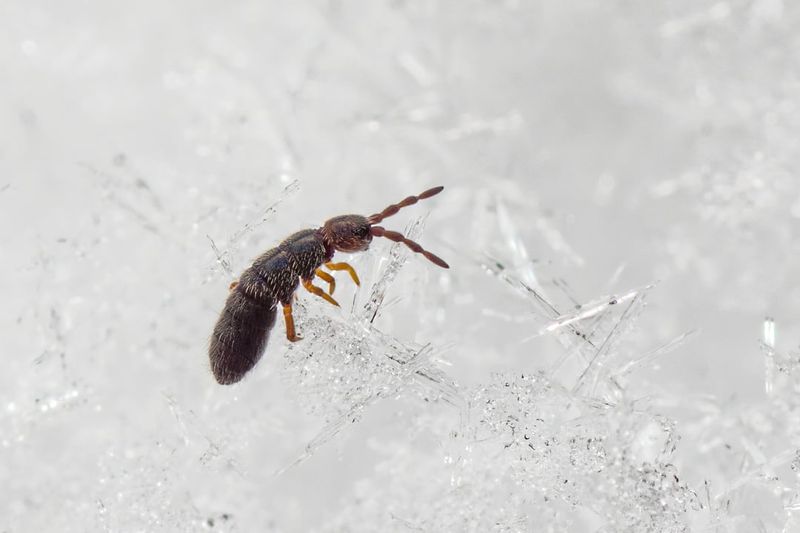
Sudden temperature increases send snow fleas into action throughout New Hampshire’s winter landscape. A jump from ten degrees to thirty-five degrees Fahrenheit might not feel warm to humans, but for these creatures, it’s practically tropical.
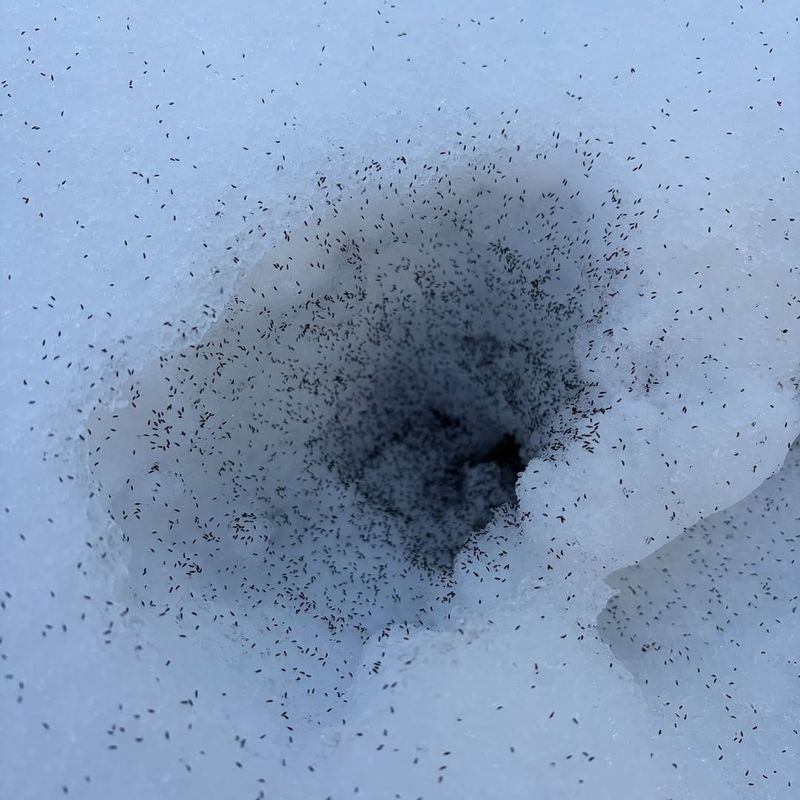
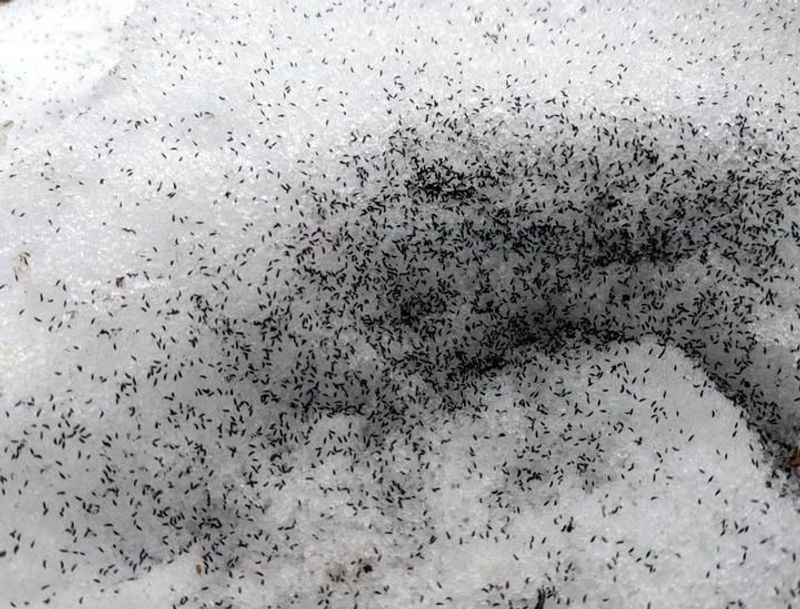
Thousands can appear seemingly out of nowhere, creating dark patches that look like pepper scattered across white snow.
These mass movements aren’t random wandering. Snow fleas travel purposefully, seeking better feeding areas or more suitable microhabitats.
They communicate through chemical signals, and successful individuals can attract others to productive locations.
The collective movement creates fascinating patterns that change throughout the day.
New Hampshire residents often notice these gatherings near tree bases or around exposed rocks.
These spots warm faster than surrounding areas, creating thermal refuges.
The migrations demonstrate how sensitive these organisms are to temperature changes. Even small variations in warmth can trigger significant behavioral shifts, showing their finely tuned connection to environmental conditions.
These sudden movements allow snow fleas to take full advantage of brief periods when surface conditions become favorable.
Traveling in large numbers increases the likelihood of locating productive feeding zones scattered across the snowpack.
The migrations often shift throughout the day as sunlight and temperature patterns change across different areas.
Such responsiveness highlights how closely their behavior is tied to even minor environmental fluctuations.
4. Their Spring-Like Jumping Mechanism Helps Them Escape Danger
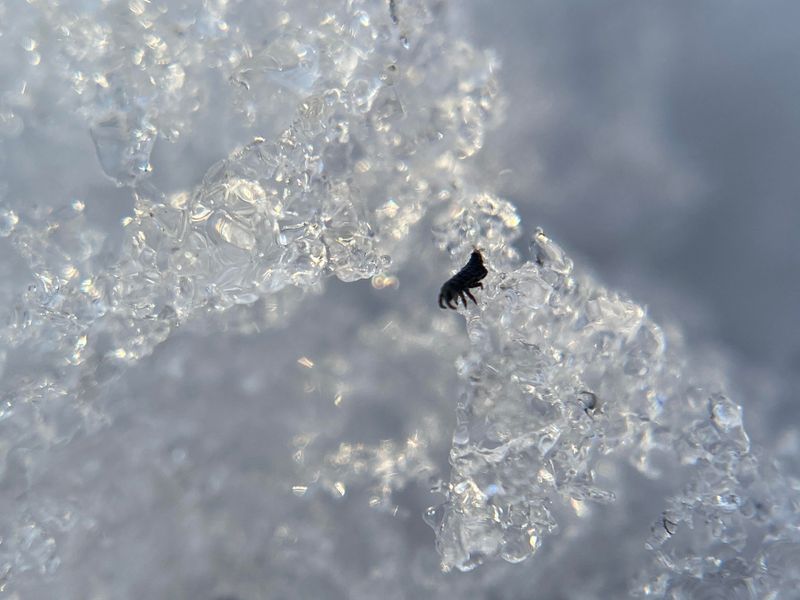
Snow fleas earned their common name through an impressive physical feature. A specialized appendage called a furcula folds beneath their bodies like a loaded spring.
When threatened, they release this structure with explosive force, launching themselves up to several inches away.
For an organism measuring less than three millimeters, that’s equivalent to a human jumping over a skyscraper.
This escape mechanism proves essential for survival in New Hampshire’s winter environment. Predators like mites and small spiders hunt actively even in cold weather.
The jumping ability provides a last-second defense that often saves their lives. The movement happens so quickly that predators frequently miss their target entirely.
Watching snow fleas hop across the surface resembles observing tiny acrobats performing.
Each jump can propel them in unpredictable directions, making them difficult to track.
This randomness increases their survival chances significantly.
The furcula represents millions of years of evolutionary refinement, creating one of nature’s most efficient escape systems in an incredibly small package.
Jumping provides an instant escape response that does not require sustained movement or prolonged energy use.
This ability becomes especially valuable on slick snow surfaces where traction is limited and predators remain active.
Predators struggle to predict the direction or distance of each leap, reducing successful captures.
The mechanism gives snow fleas a consistent survival advantage during encounters in exposed winter environments.
5. Snow Cover Provides Insulation That Makes Activity Possible
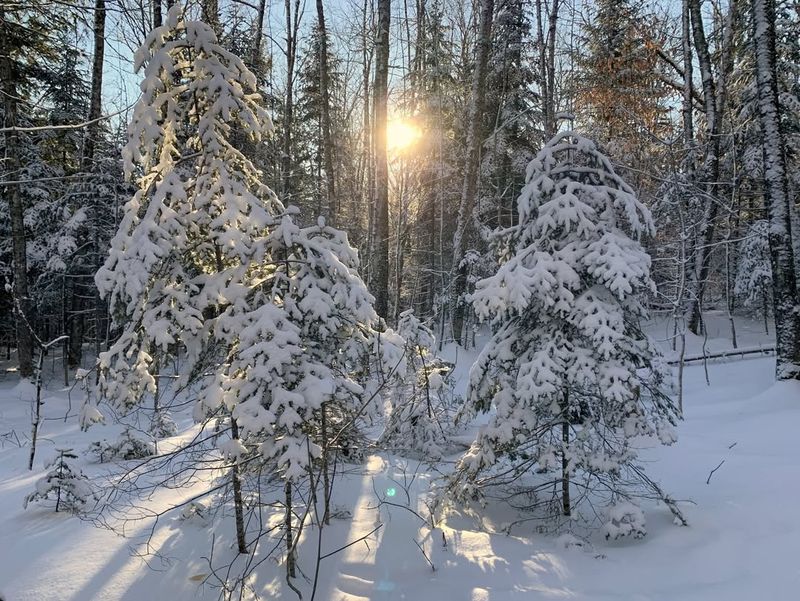
Beneath the snow lies a hidden world where temperatures remain surprisingly stable. Scientists call this space the subnivean zone, and it serves as crucial habitat throughout New Hampshire winters.
Snow acts like a blanket, trapping heat from the earth and creating conditions far less harsh than the air above.
Snow fleas spend most of their time in this protected layer, where temperatures hover around freezing regardless of conditions above.
The insulation effect becomes more pronounced as snow depth increases. Six inches of snow can create a temperature difference of twenty degrees or more between the surface and the ground.
This thermal buffer allows continuous activity beneath the white covering.
Snow fleas feed, reproduce, and carry out normal life functions while blizzards rage overhead.
When surface conditions improve, they venture upward to exploit resources.
New Hampshire’s reliable snow cover makes the state ideal habitat for these organisms.
Without adequate snow insulation, winter temperatures would prove too extreme even for their antifreeze proteins, limiting their range and abundance significantly.
The insulated layer beneath the snow creates a stable microenvironment that allows snow fleas to survive and remain active during winter instead of shutting down completely.
Temperatures within this protected zone stay far more predictable than the air above the snowpack, even when sudden cold snaps sweep through the region.
Snow depth plays a critical role in determining how long snow fleas can remain active below ground without being exposed to extreme surface conditions.
This hidden habitat supports not only snow fleas but also entire winter food webs that continue functioning long after surface life appears frozen.
6. They Play Essential Roles in Winter Decomposition Processes
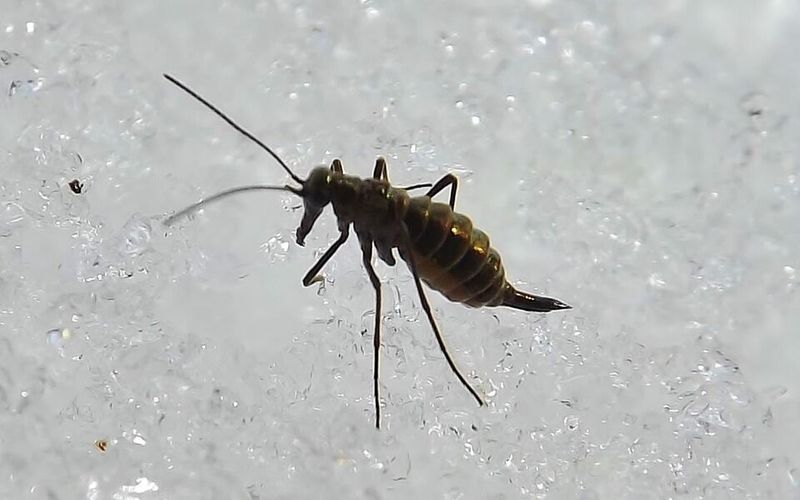
Nature’s cleanup crew doesn’t take winter vacations. Snow fleas continue breaking down organic matter when most decomposers have shut down completely.
Their feeding activity processes dead plant material, accelerating its transformation into simpler compounds.
This work happens slowly during cold months but never stops entirely.
Bacteria and fungi do most decomposition work, but snow fleas help these microorganisms tremendously. By chewing organic matter into smaller pieces, they increase surface area available for microbial colonization.
They also spread bacteria and fungal spores through their digestive systems and across the landscape. This partnership between insects and microbes drives nutrient cycling even in New Hampshire’s coldest months.
Without winter decomposition, spring would face an overwhelming backlog of dead material. Snow fleas help prevent this bottleneck by maintaining steady processing throughout the year.
Their contributions might seem minor individually, but collectively they process tons of organic matter.
This work releases nutrients back into soil gradually, ensuring they’re available when plants begin growing again in spring.
By feeding continuously through winter, snow fleas accelerate decomposition processes that would otherwise slow to a near halt during prolonged cold months.
This steady breakdown prevents excessive accumulation of dead plant material that could overwhelm soil systems once spring arrives.
Microorganisms benefit directly from the mechanical fragmentation snow fleas provide, which increases surface area and speeds microbial colonization.
Together, these interactions keep soil ecosystems functioning even when most visible biological activity seems dormant.
7. Population Explosions Occur When Conditions Align Perfectly
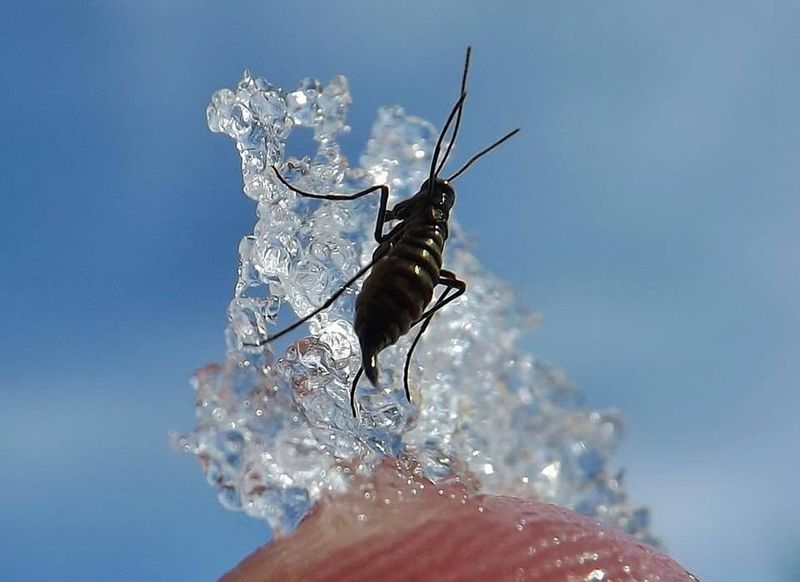
Some winters bring spectacular snow flea displays across New Hampshire’s landscape.
When moisture, temperature, and food availability hit the sweet spot, populations can explode exponentially.
A single square foot of snow might host thousands of individuals, creating carpets of movement visible from several feet away.
These population booms don’t happen randomly. They result from successful reproduction during previous seasons combined with ideal winter conditions.
Snow fleas can reproduce relatively quickly for arthropods, with multiple generations possible in a single year.
When survival rates remain high through autumn, winter populations benefit dramatically.
New Hampshire forests with rich organic layers tend to support the largest gatherings.
Dead leaves, fallen branches, and other plant material provide abundant food resources. The boom-and-bust cycle of snow flea populations influences many other organisms.
Spiders, mites, and small beetles that prey on them also experience population fluctuations.
These ripple effects demonstrate how even tiny creatures can impact entire ecosystems through their numbers and activities.
When temperature, moisture levels, and food availability align favorably, snow flea survival rates can compound rapidly and lead to dramatic population increases.
Abundant organic material beneath the snow plays a central role in supporting dense winter populations capable of sustaining mass surface activity.
These population surges often appear suddenly after long periods of quiet movement hidden below the snowpack.
Such spikes ripple outward through the ecosystem, influencing predators, microbes, and nutrient cycling processes at multiple levels.
8. Their Presence Indicates Healthy Forest Ecosystem Functioning
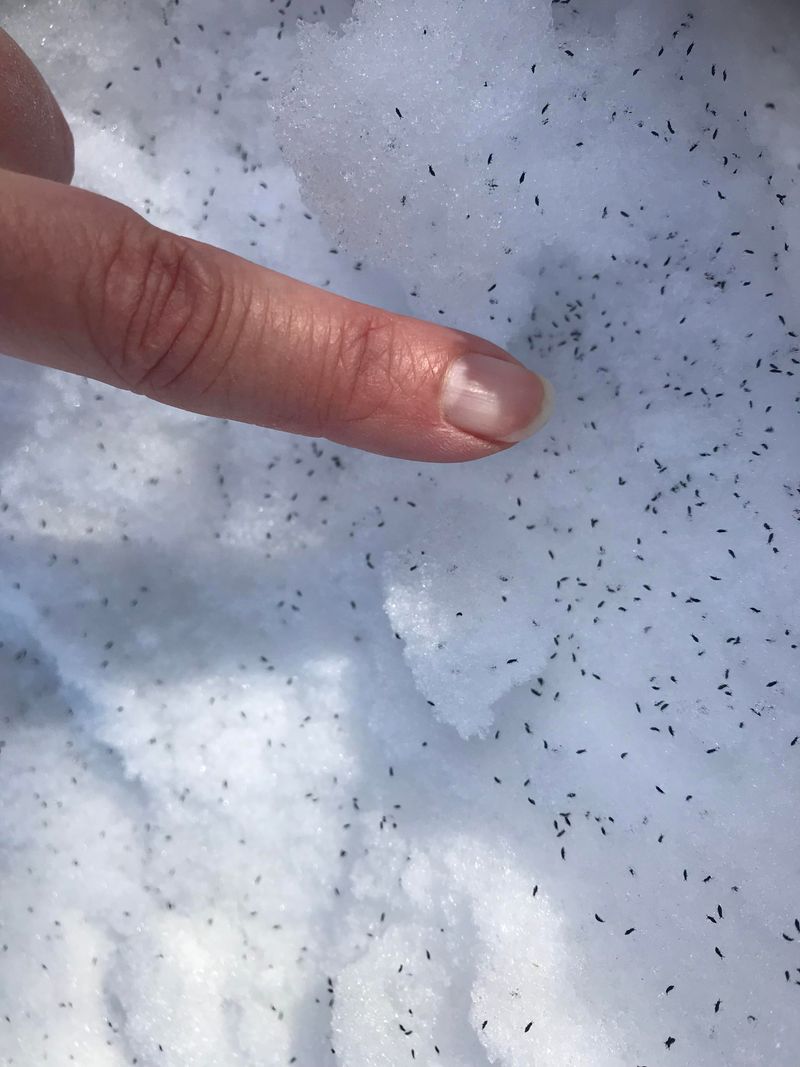
Spotting snow fleas in your yard delivers good news about environmental health. These creatures thrive only where organic matter remains abundant and chemical contamination stays minimal.
Their presence signals that natural processes continue functioning properly. Forests and yards with diverse plant communities support the largest populations.
Pesticides and heavy pollution quickly eliminate snow flea populations. They’re sensitive to environmental changes, making them useful indicator species.
Scientists sometimes survey springtail communities to assess ecosystem health. Declining numbers can signal problems before they become obvious through other means.
New Hampshire’s forests benefit from having robust snow flea populations. Their decomposition work, food web contributions, and soil health impacts all support biodiversity.
Areas with healthy springtail communities typically host greater species diversity overall.
Next time you notice these tiny jumpers on your winter walk, take a moment to appreciate what they represent.
Their presence confirms that the land beneath your feet remains vibrant and productive, maintaining the complex relationships that define healthy ecosystems.
Snow fleas depend on intact organic layers, undisturbed soil structure, and stable moisture conditions to survive and reproduce successfully.
Their absence can point to disruptions in decomposition processes or broader soil health issues that are not immediately visible.
Healthy snow flea populations reflect balanced relationships among plants, microbes, fungi, and small invertebrates working together.
Ecologists often interpret their presence as a reliable indicator of strong ecosystem stability and functional nutrient cycling.
9. Climate Patterns Determine Their Seasonal Appearance Timing
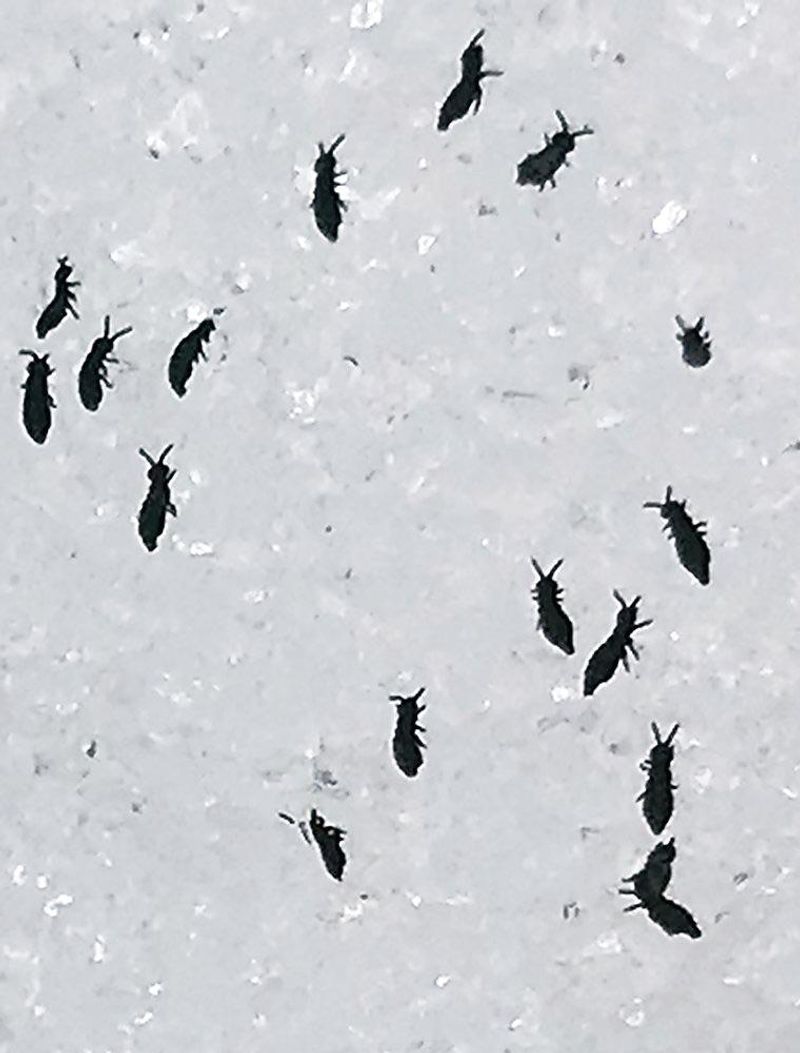
Snow flea activity follows predictable patterns tied to New Hampshire’s climate cycles. Early winter sightings typically occur during warm spells in December or January.
Mid-winter appearances happen less frequently when deep cold dominates.
Late winter brings the most dramatic displays as temperatures begin their gradual climb toward spring.
Changing climate patterns have started shifting these traditional timelines.
Warmer winters mean more frequent appearance opportunities throughout the season. Some researchers have documented snow fleas emerging during months when they previously remained hidden.
These shifts reflect broader environmental changes affecting countless species.
February and March traditionally bring peak snow flea activity across the state.
Stronger sunlight and fluctuating temperatures create ideal conditions for surface movement.
New Hampshire residents often notice them first during these transitional months.
Understanding these patterns helps us recognize how climate influences even the smallest creatures.
Snow fleas serve as tiny thermometers, their appearances marking specific temperature and weather conditions with remarkable consistency across years and locations.
Temperature fluctuations determine when snow fleas can safely emerge onto snow surfaces without risking lethal exposure.
Even relatively small shifts in weather patterns can noticeably alter when and how often surface appearances occur.
Long-term warming trends may gradually extend their active windows throughout winter by increasing the frequency of suitable conditions.
Tracking these appearance patterns helps scientists better understand how climate change affects cold-adapted species at the smallest scales.