The Small Insect Massachusetts Gardeners Spot In Snow — And Why It Matters
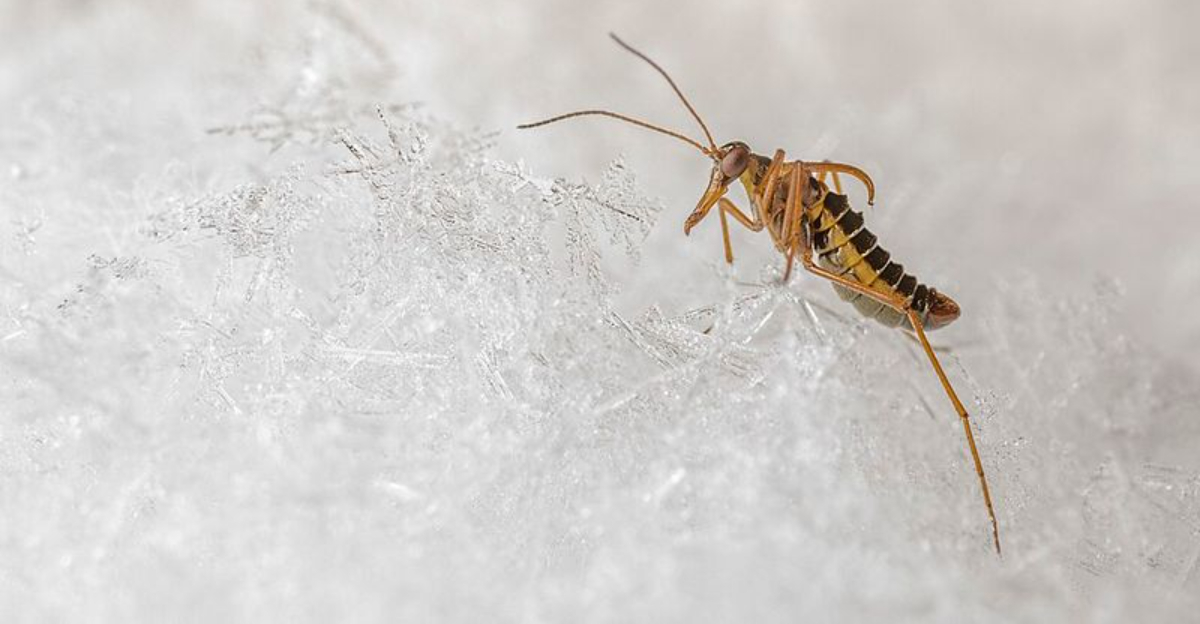
Seeing tiny insects crawling across fresh snow in Massachusetts feels surprising at first, and snow scorpionflies are one of those rare winter sightings that stop gardeners in their tracks.
They show up on cold days when almost everything else seems asleep, quietly moving across snowbanks as if winter rules do not apply to them.
Noticing snow scorpionflies matters because their presence says more about local conditions, soil health, and winter ecosystems than most people realize.
1. What Makes Snow Scorpionflies Unique Winter Insects
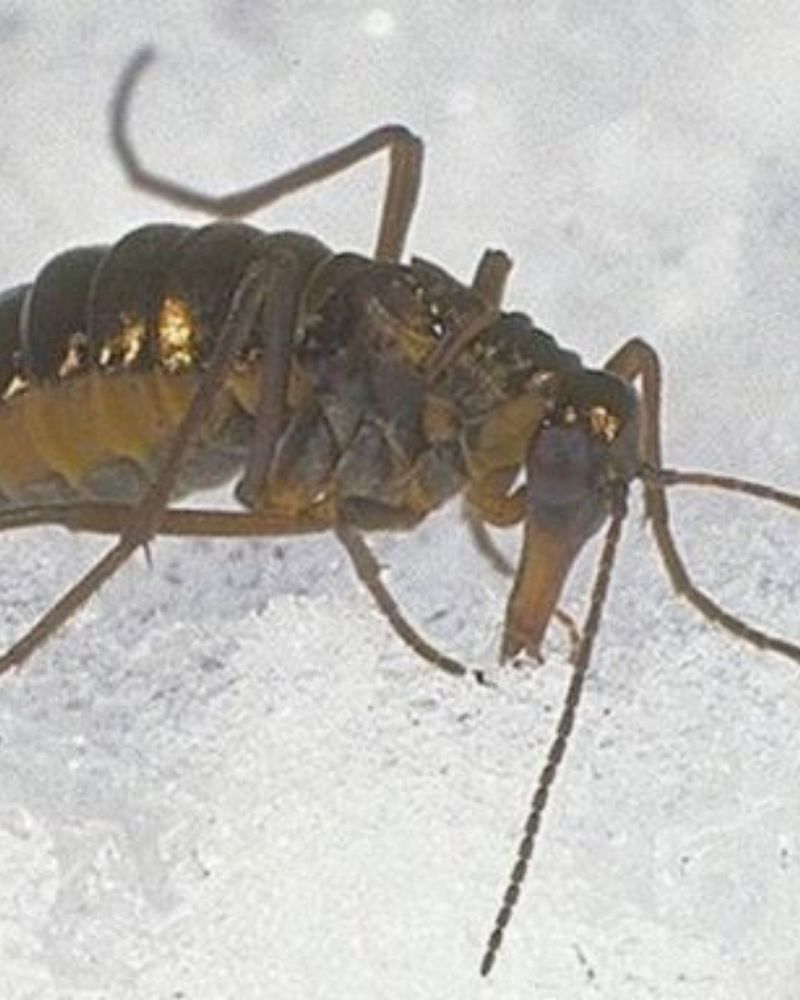
Snow scorpionflies belong to a rare group of insects that remain active throughout winter months when most other bugs hide away or hibernate underground.
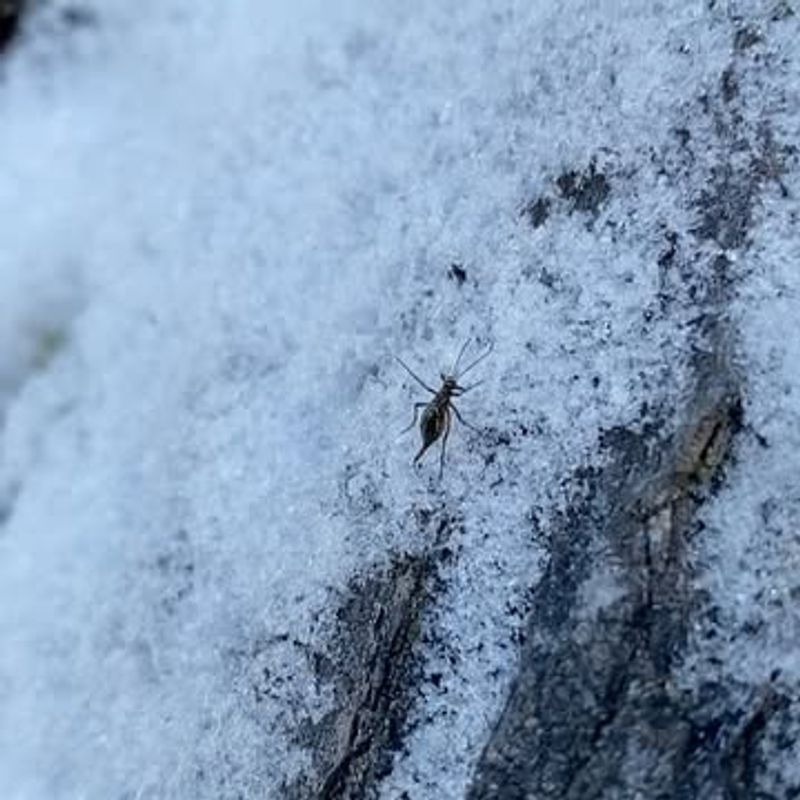
Massachusetts residents spot these creatures hopping across fresh snow, looking like tiny dark specks moving against pure white backgrounds in their yards.
Unlike their name suggests, snow scorpionflies cannot sting or harm humans, plants, or pets found anywhere across the state during cold seasons.
Adult insects measure about five millimeters long, roughly the size of a small ant, making them easy to overlook unless you look closely.
Their bodies appear jet black or dark brown, which helps them absorb sunlight and stay warm even when temperatures hover around freezing points.
Long legs help them jump quickly across snow surfaces, giving them a distinctive bouncing movement that catches attention from observant gardeners statewide.
Scientists classify these insects in the order Mecoptera, which includes only about 600 species worldwide, making them relatively uncommon compared to beetles or flies.
Massachusetts gardeners who notice these creatures are witnessing a remarkable example of adaptation that allows life to flourish in harsh winter conditions.
2. Where Snow Scorpionflies Live During Different Seasons
During warmer months, snow scorpionflies spend their time hidden beneath layers of decaying leaves, moss, and organic matter covering forest floors throughout Massachusetts.
Larvae develop slowly in this moist environment, feeding on decomposing plant material and tiny organisms that break down dead vegetation across the state.
Garden beds with thick mulch layers provide similar habitat conditions, allowing these insects to complete their lifecycle right in residential yards and landscapes.
Adults emerge from their developmental stages in late fall, just as temperatures begin dropping and other insects start disappearing from outdoor environments statewide.
Cold weather triggers their activity period, which seems backward compared to typical insect behavior patterns observed by gardeners in Massachusetts and neighboring regions.
They prefer shaded areas with consistent snow cover, where they can move freely without exposure to harsh wind or direct sunlight for extended periods.
Wooded edges, garden borders, and areas beneath evergreen trees become prime spots for observing these insects during winter months across the state.
Understanding their habitat preferences helps gardeners create spaces that support diverse wildlife, including these fascinating cold-weather specialists found in Massachusetts ecosystems year-round.
3. How Snow Scorpionflies Survive Freezing Temperatures
Snow scorpionflies produce special proteins in their bodies that work like natural antifreeze, preventing ice crystals from forming inside their cells during freezing weather.
This biochemical adaptation allows them to remain active even when temperatures drop well below the point that would normally freeze and damage insect tissues.
Massachusetts winters regularly bring harsh conditions, yet these tiny creatures continue moving, feeding, and reproducing throughout the coldest months without any apparent difficulty.
Scientists have studied these proteins extensively, hoping to understand mechanisms that could help preserve organs for transplant or protect crops from frost damage statewide.
Their dark coloration also plays a crucial role, absorbing whatever weak sunlight filters through winter clouds and converting it into body heat effectively.
On sunny winter days, you might spot them more frequently as they take advantage of slightly warmer microclimates near rocks, tree trunks, or buildings.
Snow actually provides insulation, creating a stable environment beneath its surface where temperatures remain more constant than in exposed air above ground level.
Gardeners in Massachusetts who maintain natural areas with undisturbed snow cover inadvertently provide perfect conditions for these remarkable insects to thrive during winter months.
4. What Snow Scorpionflies Eat In Winter Gardens
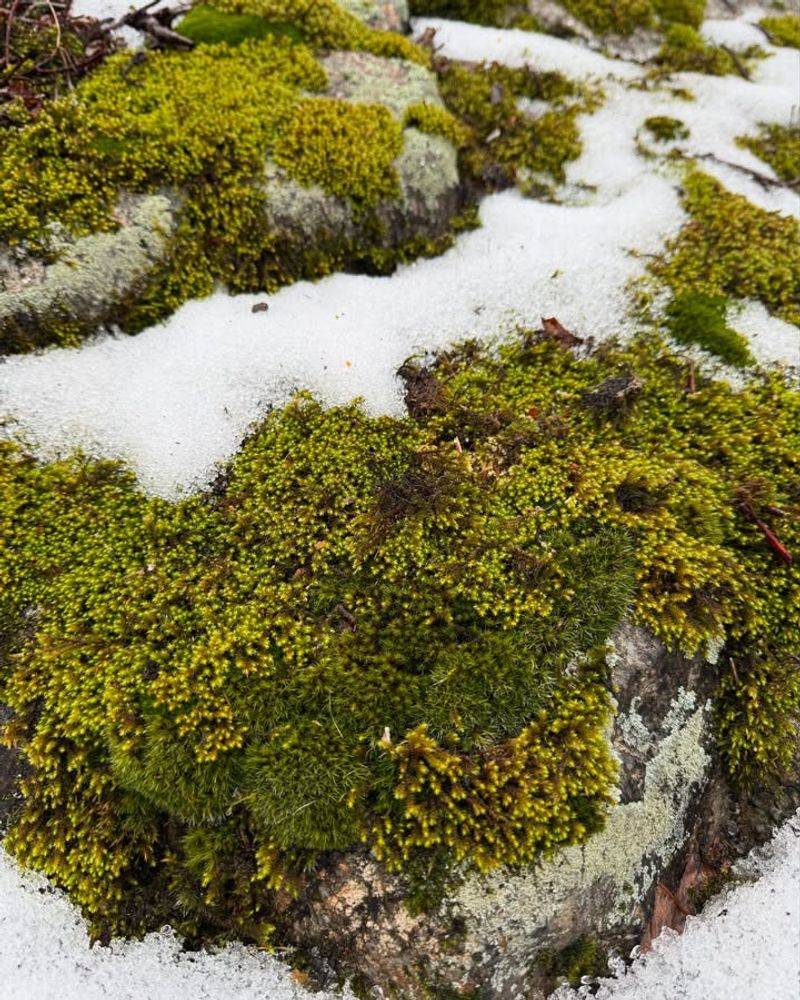
These insects feed primarily on microscopic algae, moss, and fungi that continue growing on tree bark, rocks, and other surfaces throughout winter in Massachusetts.
Garden structures, fence posts, and stone walls often host these food sources, creating feeding stations where snow scorpionflies gather during their active cold-weather period.
Unlike many insects that require fresh plant material or prey on other bugs, snow scorpionflies have adapted to utilize whatever resources remain available statewide.
They also consume dead insects and other organic debris they encounter while moving across snow surfaces, acting as tiny cleanup crews in winter landscapes.
Their feeding habits benefit gardens by helping break down organic matter, contributing to nutrient cycling even when most decomposition processes slow down considerably.
Massachusetts gardeners who observe these insects closely might notice them congregating near areas where moisture collects and supports microbial growth throughout cold months.
Maintaining diverse plantings with varied bark textures and allowing some natural debris to remain provides better habitat and food sources for these beneficial insects.
Understanding their diet helps explain why protecting small organisms matters for overall garden health and ecosystem function across all seasons in the state.
5. Why Snow Scorpionflies Matter For Garden Ecosystems
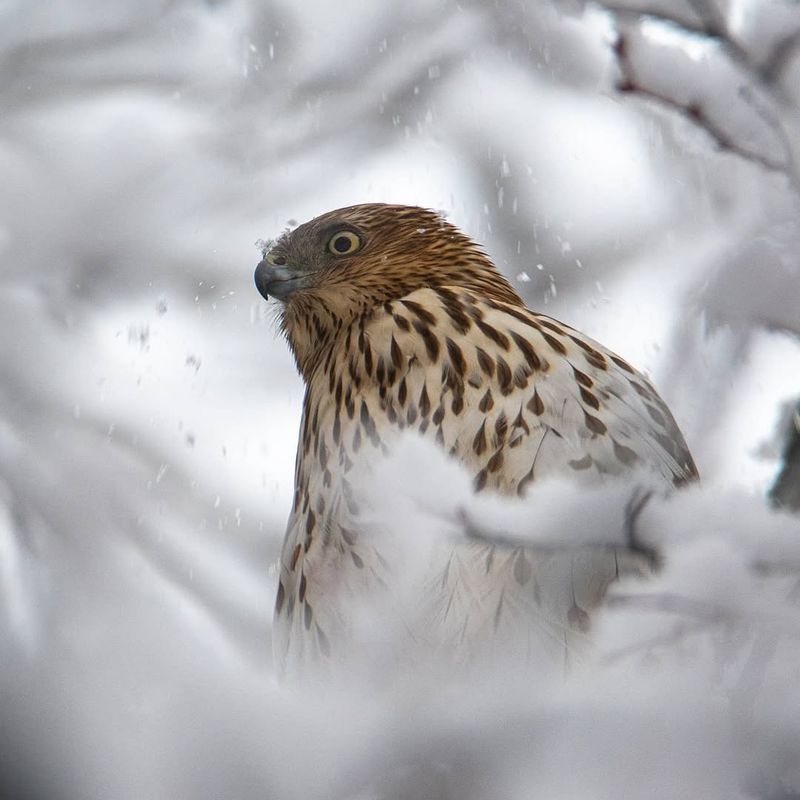
Snow scorpionflies serve as important food sources for birds, spiders, and small mammals that remain active during winter months throughout Massachusetts and surrounding areas.
Chickadees, nuthatches, and other year-round resident birds rely on these insects to supplement their diets when seeds and berries become scarce in gardens.
By supporting populations of winter-active insects, gardeners help maintain food chains that keep larger wildlife healthy and present in their yards throughout the state.
These insects also indicate good environmental health, as they require clean habitats with minimal pesticide contamination to survive and reproduce successfully across seasons.
Gardens that host snow scorpionflies typically have rich soil biology, diverse plant communities, and balanced ecosystems that support many other beneficial organisms year-round.
Massachusetts gardeners who spot these creatures can feel confident that their land management practices are supporting biodiversity and ecological resilience in their local environment.
Protecting small, seemingly insignificant species creates ripple effects that benefit entire food webs and contribute to healthier, more sustainable landscapes across the region.
Recognizing the value of winter insects encourages gardeners to adopt practices that support wildlife during all seasons, not just spring and summer growing periods.
6. How To Observe Snow Scorpionflies In Your Yard
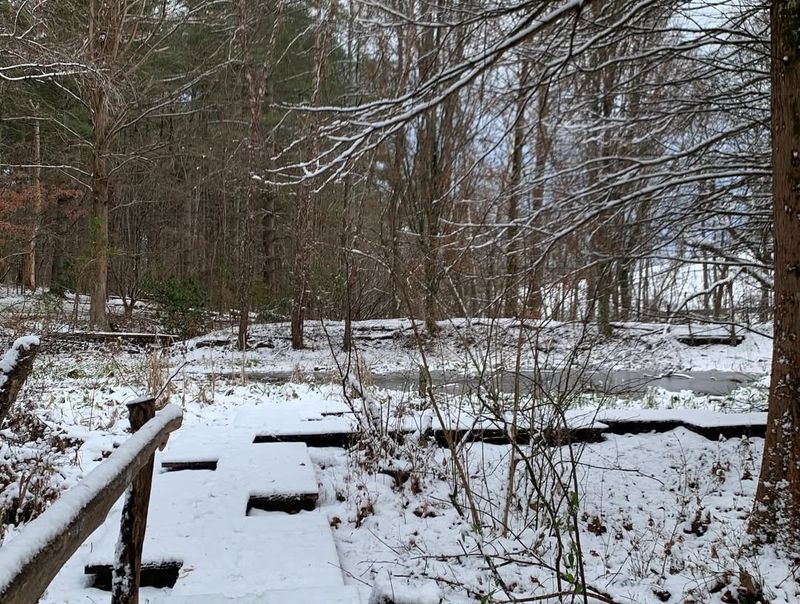
Look for snow scorpionflies on sunny winter days when temperatures rise slightly above freezing and fresh snow covers the ground in Massachusetts yards.
They appear as tiny black or dark brown specks that move with distinctive hopping motions, making them easier to spot against bright white backgrounds.
Check areas near tree trunks, garden borders, and spots where leaf litter meets snow cover, as these locations attract higher concentrations of these insects.
Early morning or late afternoon often provides the best viewing opportunities when low-angle sunlight creates shadows that make small creatures more visible to observers.
Bring a magnifying glass or use your smartphone camera to zoom in and see details of their body structure and movement patterns up close.
Avoid disturbing them excessively, as they play important roles in winter ecosystems and deserve respectful observation from gardeners throughout the state.
Taking photos helps with identification and creates records of wildlife diversity present in your yard during different seasons across Massachusetts and beyond.
Children especially enjoy searching for these tiny creatures, making winter nature observation an engaging educational activity for families interested in local wildlife and ecology.
7. Common Misconceptions About Snow Scorpionflies
Many Massachusetts gardeners initially worry that snow scorpionflies might sting or bite, but these insects lack any structures capable of harming humans or pets.
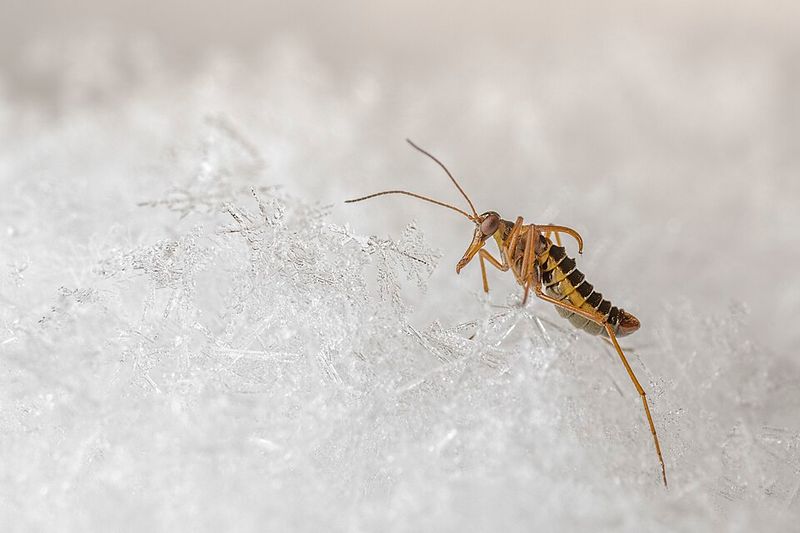
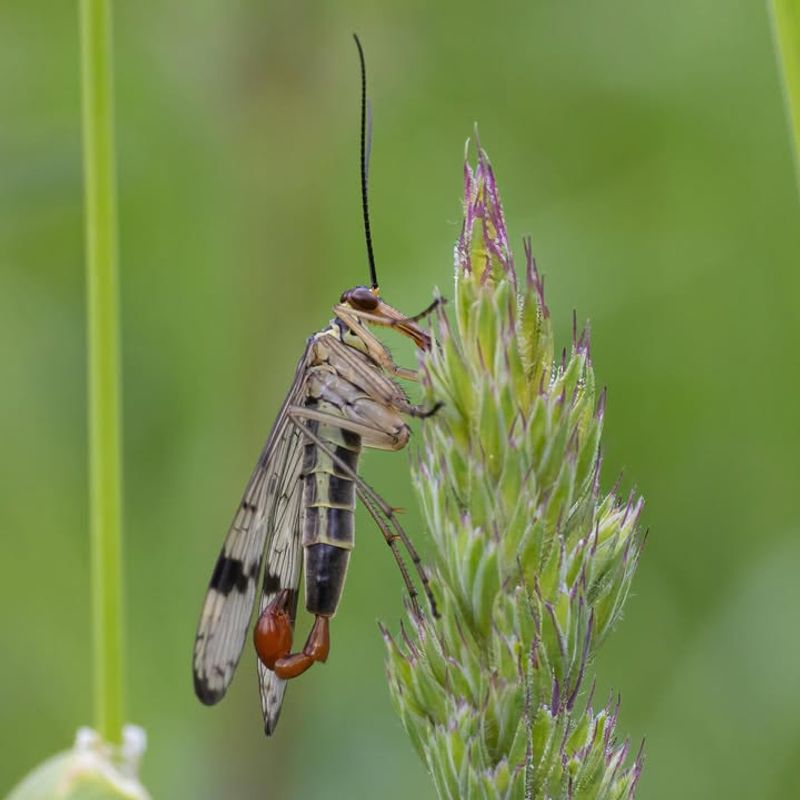
Their common name comes from male specimens having upward-curved abdomens that vaguely resemble scorpion tails, though they serve completely different purposes in reproduction.
Some people mistake them for fleas or other pests that might infest homes, but snow scorpionflies live exclusively outdoors and never establish indoor populations.
They do not damage plants, eat garden vegetables, or cause any problems for cultivated landscapes maintained by gardeners anywhere in the state.
Another misconception involves their supposed rarity, when in reality they are quite common but simply overlooked due to their small size and winter activity.
Massachusetts residents who learn to recognize these insects often start noticing them regularly throughout cold months in their own yards and natural areas.
Understanding the truth about snow scorpionflies helps reduce unnecessary fears and encourages appreciation for the remarkable adaptations these creatures possess for winter survival.
Education about beneficial insects promotes better stewardship of garden spaces and supports conservation of diverse wildlife communities across all seasons in the region.
8. Protecting Snow Scorpionflies Through Garden Management
Leave fallen leaves and plant debris in garden beds during autumn, as this material provides essential habitat for developing snow scorpionfly larvae in Massachusetts.
Avoid excessive tidying that removes all organic matter, since these layers support numerous beneficial organisms that contribute to healthy soil and balanced ecosystems.
Minimize or eliminate pesticide use, particularly in fall and winter, to protect insects that remain active during cold months throughout the state.
Maintain areas of your yard in a more natural condition, with native plants and varied vegetation that supports diverse wildlife communities year-round.
Allow snow to accumulate naturally rather than clearing every surface, as undisturbed snow cover creates microhabitats that shelter many small creatures during winter.
Plant a variety of trees and shrubs with different bark textures, providing diverse surfaces where algae and moss can grow to feed insects.
Massachusetts gardeners who adopt these practices create landscapes that support greater biodiversity and demonstrate environmental responsibility through thoughtful management decisions throughout all seasons.
Small changes in how you care for outdoor spaces can make significant differences for wildlife populations, including fascinating winter specialists like snow scorpionflies.