The Small Insect Showing Up In Michigan Snow — And Why It’s Important
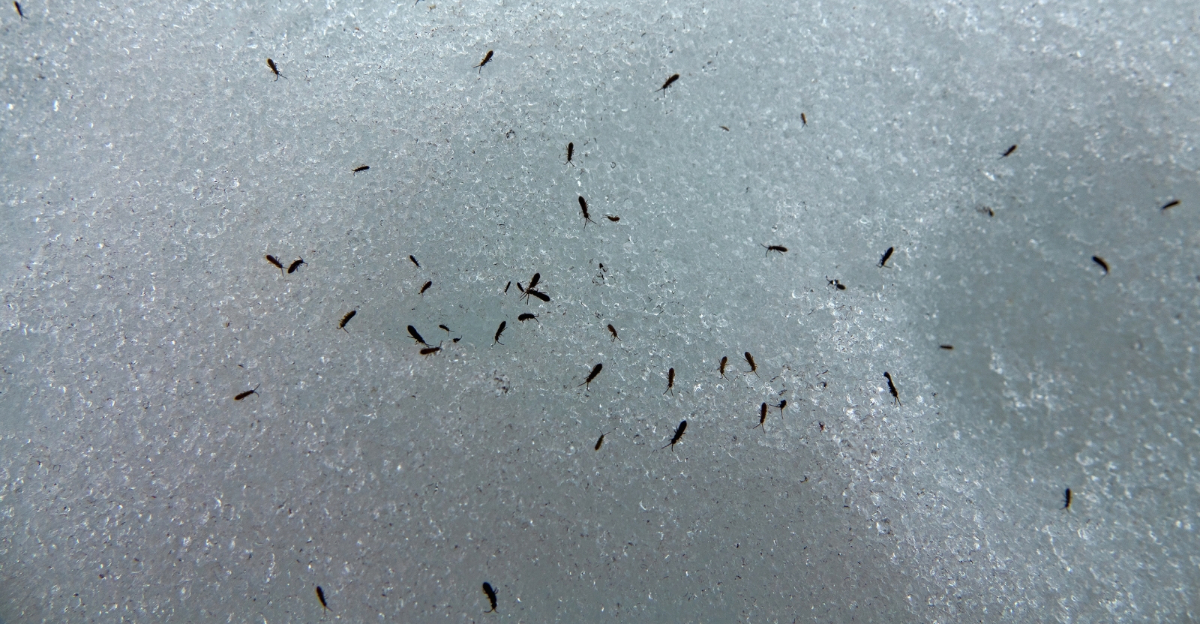
Tiny insects hopping across Michigan snow feel almost unreal at first, especially when winter appears frozen, silent, and completely lifeless.
Seeing dark specks suddenly moving against bright white snow instantly grabs attention because it goes against everything expected in the middle of winter.
The contrast between cold, icy ground and active insects makes the moment feel strange and hard to explain.
These small insects tend to appear during mild winter stretches when temperatures hover just around freezing, which only adds to the confusion.
They seem to show up out of nowhere, scattered across snowbanks, sidewalks, and shaded yard areas.
At first glance, the sight feels unsettling simply because insects and snow rarely belong in the same scene.
Many people assume something is wrong when bugs appear during winter conditions.
What’s often overlooked is that these insects are active for a reason tied to what’s happening beneath the snow.
They play a quiet role in breaking down organic material that would otherwise remain untouched until spring.
What looks odd or alarming at first is actually a natural and important part of how Michigan’s winter landscape stays healthy.
1. The Black Specks On Michigan Snow Are Snow Fleas
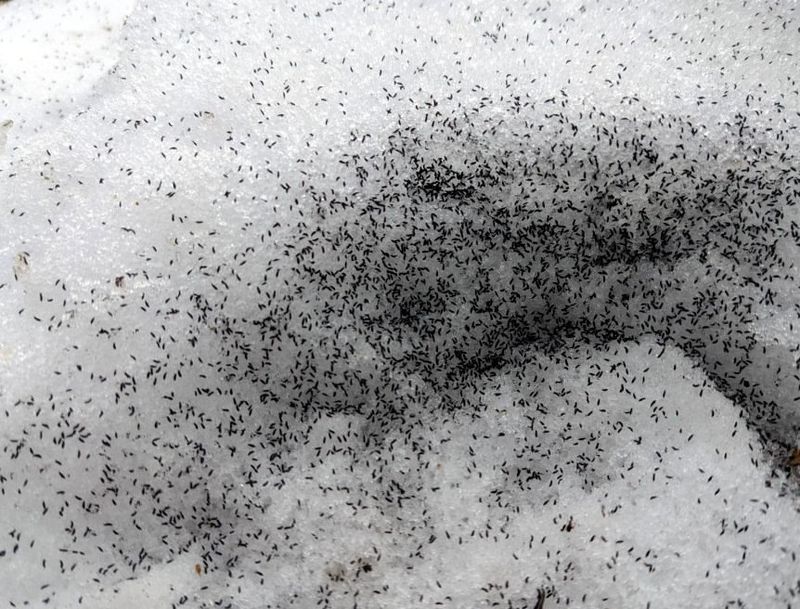
Spotting tiny dark dots scattered across fresh snow might seem strange at first glance. What looks like pepper sprinkled on a white canvas turns out to be living creatures moving about.
Snow fleas aren’t actually fleas at all, despite their common name.
Scientists call them springtails, and they belong to a group of insects known as Collembola. Michigan residents often notice them during late winter when temperatures climb slightly above freezing.
These miniature organisms measure less than one-sixteenth of an inch long.
Their dark coloring stands out dramatically against bright snow. Most people spot them near tree bases or melting patches.
Snow fleas have been around for millions of years.
They existed long before true fleas evolved. Their nickname comes from their incredible jumping ability.
When threatened, they can launch themselves several inches into the air.
This movement resembles how actual fleas hop around. Michigan’s forests and parks provide perfect habitats for these creatures.
They thrive in moist environments with plenty of decaying organic matter.
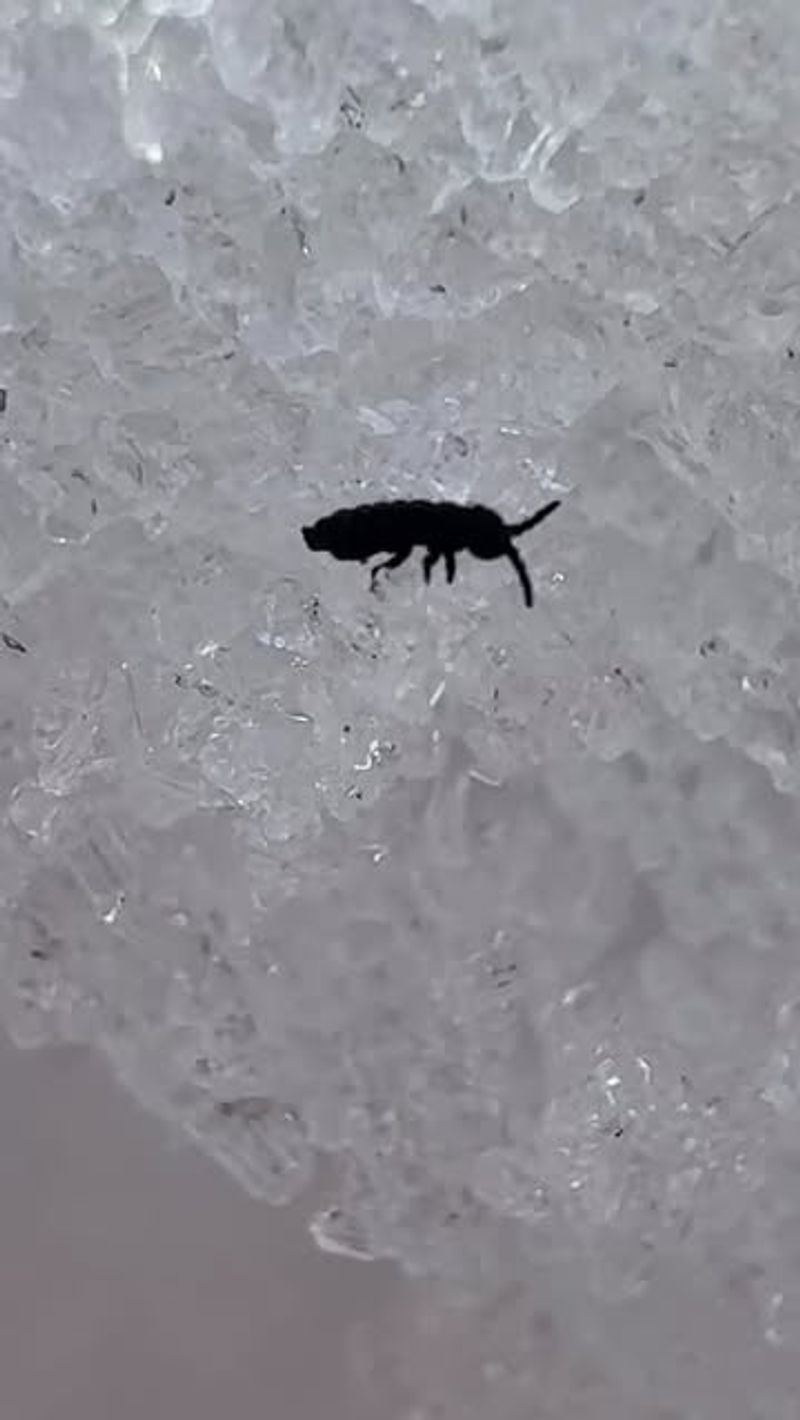
Observing them closely reveals six legs and segmented bodies. Their antennae help them sense their surroundings.
Snow fleas lack wings, so jumping serves as their primary escape method.
Finding them on snow doesn’t mean they live there year-round. They emerge from leaf litter and soil when conditions align.
Michigan’s unique climate creates ideal windows for snow flea activity.
Snow fleas play a quiet but important role in breaking down organic material and recycling nutrients back into the soil.
Their sudden appearance on snow is simply a brief glimpse into a hidden world that usually stays tucked beneath leaves and forest debris.
2. Why These Tiny Insects Appear When It’s Freezing
Warmer winter days trigger snow flea activity across Michigan landscapes. Temperature fluctuations create perfect conditions for these hardy insects to venture out.
Unlike most creatures that hide during cold months, springtails embrace the chill.
Their bodies contain special proteins that work like natural antifreeze. These compounds prevent ice crystals from forming inside their cells.
Michigan winters provide exactly the right temperature range for their emergence.
When thermometers hover between 32 and 45 degrees Fahrenheit, snow fleas become active. Sunlight warming the snow surface creates temporary mild zones.
Snow acts as insulation, protecting them from extreme temperature swings.
The insects emerge to search for food and mates. Decaying plant material becomes more accessible when snow starts melting.
Michigan’s forests offer abundant food sources during these brief warm spells.
Snow fleas take advantage of reduced predator activity in winter. Birds and other insect-eaters are less active during cold months.
This timing gives springtails a survival advantage.
Their dark coloring absorbs heat from sunlight, warming their tiny bodies. This adaptation allows them to remain mobile when temperatures would immobilize other insects.
Michigan’s variable winter weather creates repeated opportunities for activity.
Cloudy days might keep them hidden while sunny afternoons bring them out. Their appearance often coincides with early spring thaws.
Residents walking through wooded areas notice them most frequently during February and March.
3. How Snow Fleas Stay Active In Winter Conditions
Survival mechanisms in these remarkable insects fascinate scientists studying Michigan wildlife. Proteins in their bodies prevent freezing even when temperatures drop well below zero.
This biological antifreeze allows cellular functions to continue in harsh conditions.
Snow fleas produce glycerol and other compounds that lower their freezing point. Their metabolism slows but never completely stops during winter.
Michigan’s snowpack provides stable temperatures compared to exposed air.
Beneath the snow, conditions remain surprisingly moderate. Layers of snow trap heat rising from the ground.
This creates a microclimate where springtails can survive comfortably.
Their small size helps them navigate tiny spaces between snow crystals. Snow fleas breathe through their skin rather than using lungs.
This adaptation works well in moist, cold environments.
Oxygen dissolves easily in the thin film of water surrounding their bodies. Michigan’s humidity levels during winter support this breathing method.
Their exoskeleton prevents water loss while allowing gas exchange.
Springtails can tolerate being frozen solid temporarily. When temperatures warm slightly, they thaw and resume normal activities.
This freeze-tolerance gives them incredible resilience.
Their furcula, a forked appendage under their abdomen, remains functional even in cold. This spring-loaded structure launches them away from danger.
Michigan residents might notice them hopping erratically across snow surfaces.
Energy conservation becomes crucial during winter months. Snow fleas move slowly until temperatures rise enough for more vigorous activity.
Their dark pigmentation absorbs every available bit of solar warmth.
This dark coloring helps raise their body temperature just enough to stay active during brief sunny periods.
Together, these adaptations allow snow fleas to survive winters that would be fatal to most insects.
4. What Causes Snow Fleas To Gather In Visible Clusters
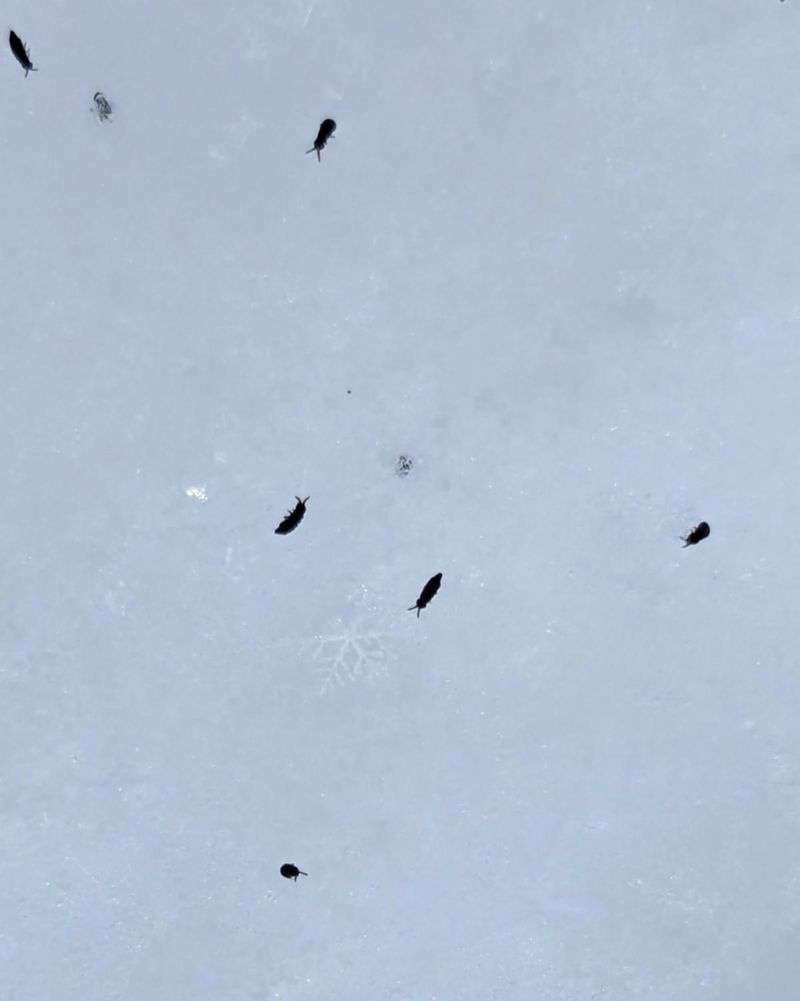
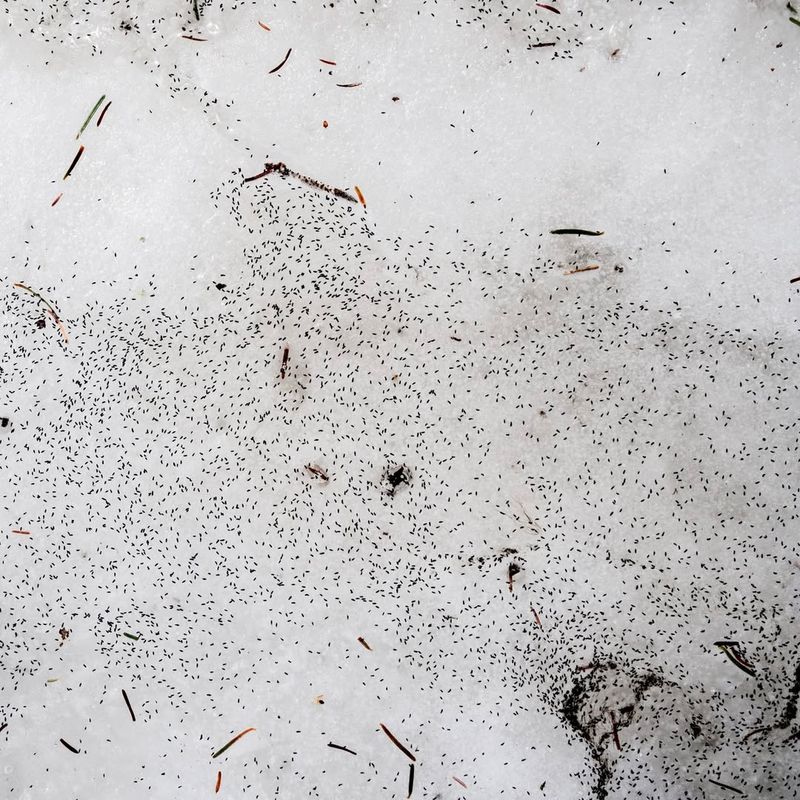
Large congregations of springtails create dramatic displays on Michigan snow. Thousands of individuals might appear in a single patch, forming what looks like moving shadows.
Food availability drives much of this clustering behavior.
Areas with abundant decaying organic matter attract more snow fleas. Tree bark crevices and decomposing leaves provide rich feeding grounds.
Michigan’s mixed forests create numerous hot spots for springtail activity.
Mating behaviors also bring these insects together in large numbers. Springtails release chemical signals that attract others of their species.
These pheromones create gathering points visible to human observers.
Melting snow exposes concentrated food sources in specific locations. Snow fleas converge on these patches to feed and reproduce.
Their populations can reach astounding densities in favorable spots.
A single square foot might contain hundreds or even thousands of individuals. Michigan’s variable terrain creates microhabitats that concentrate springtail populations.
South-facing slopes warm faster, drawing more snow fleas to surface.
Wind patterns can also push springtails into visible accumulations. Their lightweight bodies drift easily across snow surfaces.
Natural barriers like fallen logs create collection points.
Moisture levels influence where clusters form most prominently. Areas with snowmelt provide the dampness springtails need.
Michigan’s freeze-thaw cycles create ideal conditions repeatedly throughout winter.
Social behavior might play a role, though scientists continue studying this aspect. Being in groups could offer protection or improve mating success.
Clusters often appear near the same locations year after year.
5. Where Snow Fleas Spend The Rest Of The Year
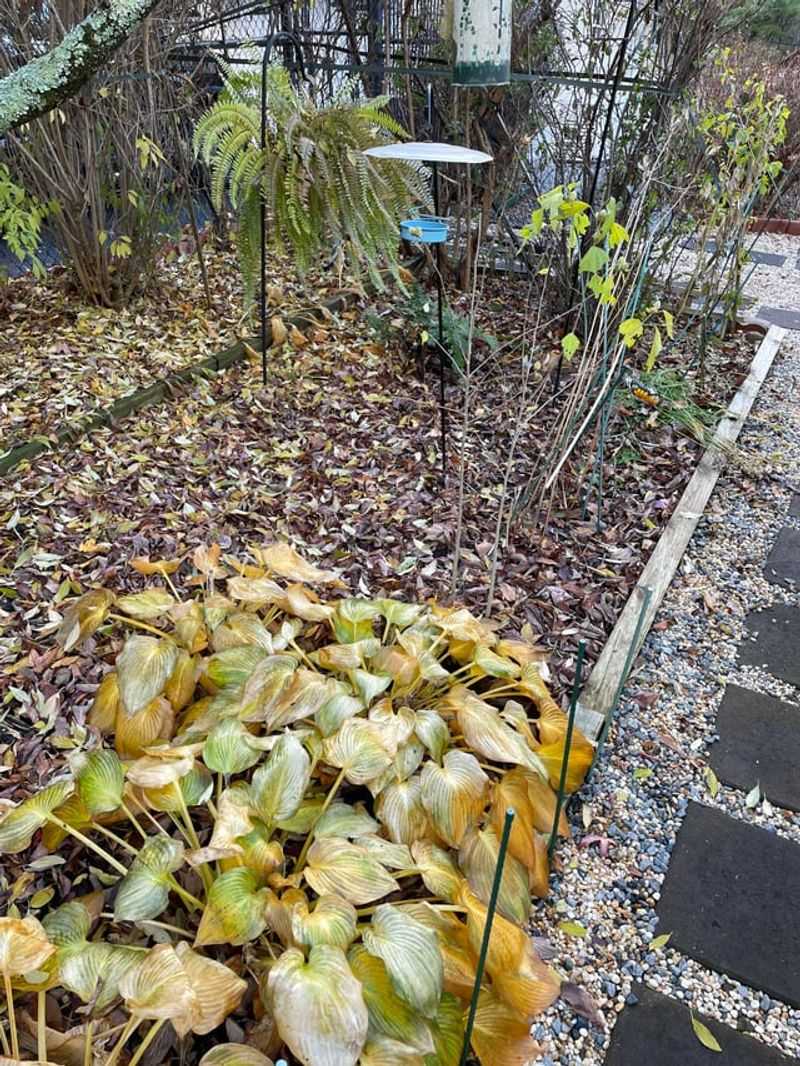
Leaf litter and soil layers serve as primary homes for springtails throughout Michigan. During warmer months, they remain hidden beneath the forest floor.
Rich organic matter provides both shelter and abundant food sources.
Decomposing leaves create perfect microhabitats for thriving populations. Springtails feed on fungi, bacteria, and decaying plant material.
Michigan’s forests produce thick layers of leaf litter each autumn.
These accumulations support massive springtail communities year-round. Moisture retention in soil keeps their skin hydrated.
Snow fleas cannot survive in dry environments.
They need constant dampness to breathe and move properly. Michigan’s relatively humid climate suits their requirements perfectly.
Rotting logs provide especially favorable conditions.
The soft, moist wood interior hosts diverse fungal growth. Springtails tunnel through this material, feeding as they go.
Tree bark crevices offer another common habitat.
Spaces between bark and wood trap moisture and organic debris. Michigan’s native trees, from maples to oaks, all support springtail populations.
Garden mulch and compost piles also attract these insects.
Homeowners with rich garden soil likely have springtails present. They contribute to decomposition processes that enrich the earth.
Their presence indicates healthy, biologically active soil.
During summer, springtails remain active but out of sight. They avoid direct sunlight and dry surfaces.
Michigan’s seasonal changes drive them deeper into protective layers when conditions become harsh.
Winter snow actually brings them closer to the surface. The insulating blanket allows them to venture upward safely.
6. Whether Snow Fleas Pose Any Risk To Homes Or Pets
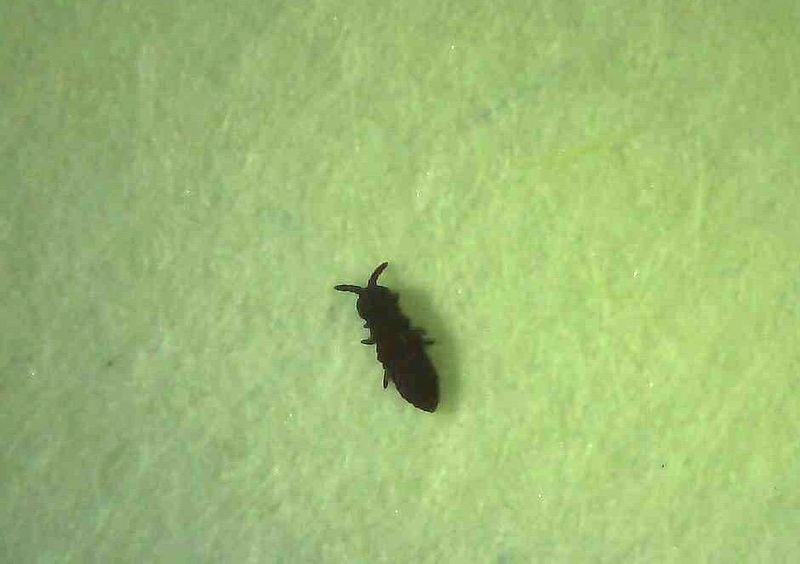
Homeowners across Michigan need not worry about snow flea invasions. These tiny springtails cannot bite, sting, or transmit diseases.
Their mouthparts are designed only for consuming microscopic fungi and bacteria.
Pets can safely sniff or even accidentally ingest snow fleas without harm. Dogs exploring snowy yards might encounter clusters of springtails.
No toxic compounds exist in their bodies.
They pose absolutely no threat to animals or people. Michigan veterinarians never see problems related to snow flea contact.
Unlike true fleas, springtails don’t feed on blood.
They have no interest in living creatures as food sources. Homes occasionally see a few springtails indoors during winter.
They might enter through cracks or be carried in on firewood.
Indoor environments prove too dry for their survival. Any springtails that wander inside typically perish quickly.
Michigan homes with basements might notice them in damp corners.
High moisture areas like laundry rooms can temporarily support small numbers. They cause no damage to structures or belongings.
Springtails don’t chew wood, fabric, or any building materials.
Their presence actually indicates excessive moisture that might need addressing. Fixing humidity problems naturally eliminates any indoor springtails.
Michigan residents can simply sweep them up or vacuum them away.
No pesticides or special treatments are necessary. Gardens and yards benefit from having healthy springtail populations.
They accelerate decomposition and improve soil quality.
Encouraging their outdoor presence creates better growing conditions for plants. Snow fleas represent helpful allies rather than pests requiring control.
7. Why Snow Fleas Play An Important Role Outdoors
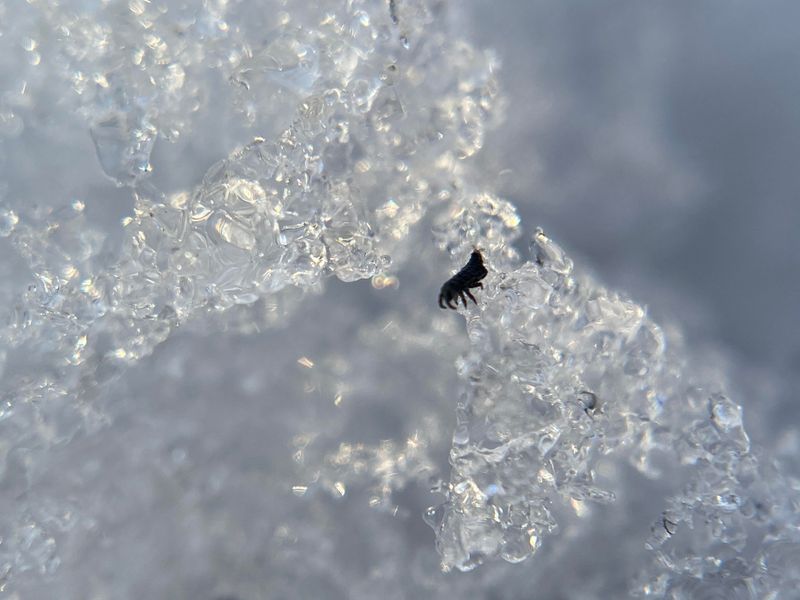
Decomposition processes in Michigan ecosystems depend heavily on springtail activity. These tiny creatures break down organic matter that would otherwise accumulate.
Fallen leaves, dead plants, and decaying wood all provide their primary food.
By consuming fungi and bacteria growing on this material, they accelerate breakdown. Their digestive systems process organic compounds and return nutrients to soil.
Michigan’s forests would function very differently without springtail contributions.
Nutrient cycling speeds up significantly thanks to their constant feeding. Plants access essential minerals more quickly when springtails are abundant.
Healthy soil teems with millions of these helpful organisms.
A single handful of forest floor material might contain hundreds of springtails. Their populations reach incredible densities in productive ecosystems.
Michigan’s biodiversity depends on these foundational species.
Springtails serve as food for numerous other creatures. Spiders, beetles, and small amphibians all prey on them.
This makes them crucial links in food webs.
Energy from decomposing plants flows through springtails to higher organisms. Michigan’s salamanders and shrews rely on springtails as winter food sources.
Their availability during cold months supports predator survival.
Soil aeration improves as springtails tunnel through organic layers. Their movements create tiny channels that allow air and water penetration.
Root systems benefit from this improved soil structure.
Michigan gardeners unknowingly depend on springtail activities for productive gardens. Forest regeneration relies on the nutrient-rich soil they help create.
Young trees grow stronger in soils with active springtail populations.
Ecosystem health can be measured partly by springtail abundance and diversity.
8. When Michigan Residents Are Most Likely To Notice Them
Late winter days bring the highest chances of spotting snow flea activity across Michigan. February and March offer ideal temperature conditions for surface appearances.
Sunny afternoons following cold nights create perfect emergence windows.
Snow surfaces warming in sunlight attract springtails from beneath. Early morning hours usually prove too cold for significant activity.
Mid-afternoon temperatures peak, bringing maximum snow flea visibility.
Michigan’s forests become prime viewing locations during this time. Trails through wooded areas often reveal multiple clusters.
Tree bases collect both springtails and the organic matter they feed on.
Melting snow patches near fallen logs frequently host large congregations. Residents walking dogs or hiking will likely encounter them.
Children playing in snow might point out the mysterious moving specks.
South-facing slopes warm faster and show earlier springtail activity. Michigan’s varied topography creates different emergence patterns across regions.
Northern parts of the state might see snow fleas slightly later than southern areas.
Temperature variations affect timing more than calendar dates. A warm spell in January could bring them out temporarily.
Prolonged cold periods keep them hidden until conditions improve.
Observant people might notice them during winter thaws throughout the season. Their presence serves as an indicator of rising temperatures.
Michigan’s transition toward spring becomes visible through snow flea appearances.
By April, snow cover diminishes and springtails return to leaf litter. Their brief surface season provides a unique wildlife watching opportunity.
Bringing children outside to observe them creates memorable nature experiences.