The Small-Space Meadow Look Oregon Homeowners Keep Choosing
Oregon homeowners keep choosing the small-space meadow look because the blend of grasses and soft blooms brings a relaxed feeling to even the tiniest outdoor corners.
Many gardeners enjoy how this style adds gentle texture and movement while staying easy to manage and surprisingly forgiving.
Plenty of people fall for this look once they see how a few airy plants can completely shift the mood of a small yard in the nicest way.
1. Native Grasses Form the Foundation
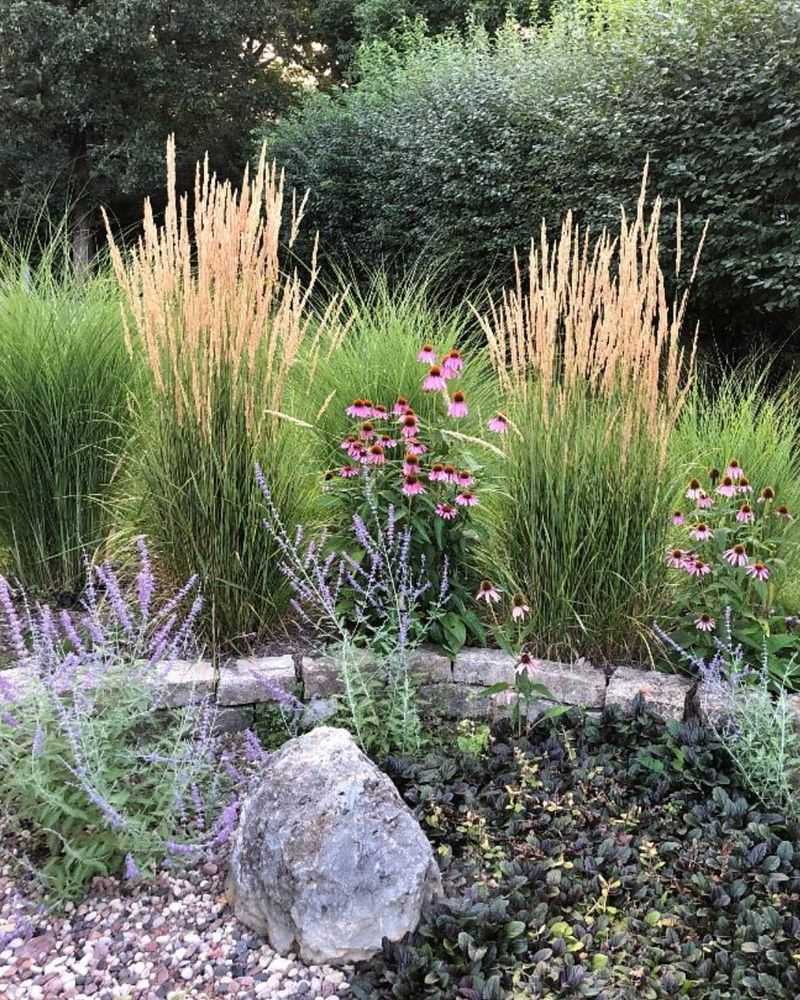
Choosing the right native grasses gives your small Oregon meadow its signature flowing texture without requiring constant trimming or heavy watering schedules.
Oregon fescue works beautifully in compact spaces because it stays relatively short while creating soft waves that catch sunlight throughout the day.
Blue wildrye adds stunning silvery tones to your mini meadow and thrives in Pacific Northwest conditions without spreading aggressively into other areas.
Tufted hairgrass offers delicate seed heads that shimmer during summer months and provides shelter for beneficial insects throughout colder winter periods.
These grasses need minimal fertilizer once established and actually prefer the lean soil conditions common in many Oregon residential properties today.
Planting them in small clusters rather than perfect rows creates a more authentic meadow appearance that feels wild yet intentional simultaneously.
Most native grasses develop deep root systems that prevent erosion on slopes while reducing your need for frequent irrigation during dry spells.
Leaving seed heads intact through fall and winter provides food for birds and adds architectural interest when frost coats each blade beautifully.
2. Wildflower Combinations Create Year-Round Color
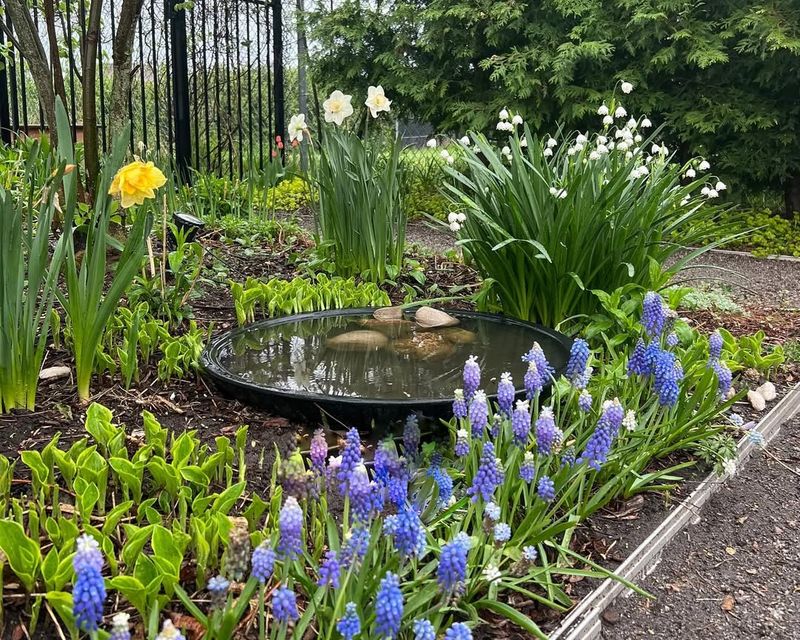
Strategic wildflower selection ensures your compact Oregon meadow displays vibrant blooms from early spring through late fall without overwhelming limited square footage.
Camas lilies emerge first with gorgeous blue spikes that celebrate spring while nodding to traditional Northwest landscapes used by indigenous communities.
Oregon sunshine brings cheerful yellow daisy-like flowers that bloom for months and tolerate the dry conditions common in smaller urban yards.
Lupines add dramatic vertical interest with their towering flower spikes while fixing nitrogen in soil, naturally enriching your garden without chemical additions.
California poppies self-seed generously, filling gaps with orange and yellow blooms that close at night and reopen with morning sunshine predictably.
Mixing flower heights creates depth perception that makes tiny spaces feel larger, with taller plants positioned toward the back or center.
Staggering bloom times means something new catches your eye every few weeks, maintaining visual interest throughout the entire growing season consistently.
Most wildflowers require no deadheading and actually look more authentic when allowed to develop seed heads that support local bird populations.
3. Smart Layout Maximizes Visual Impact
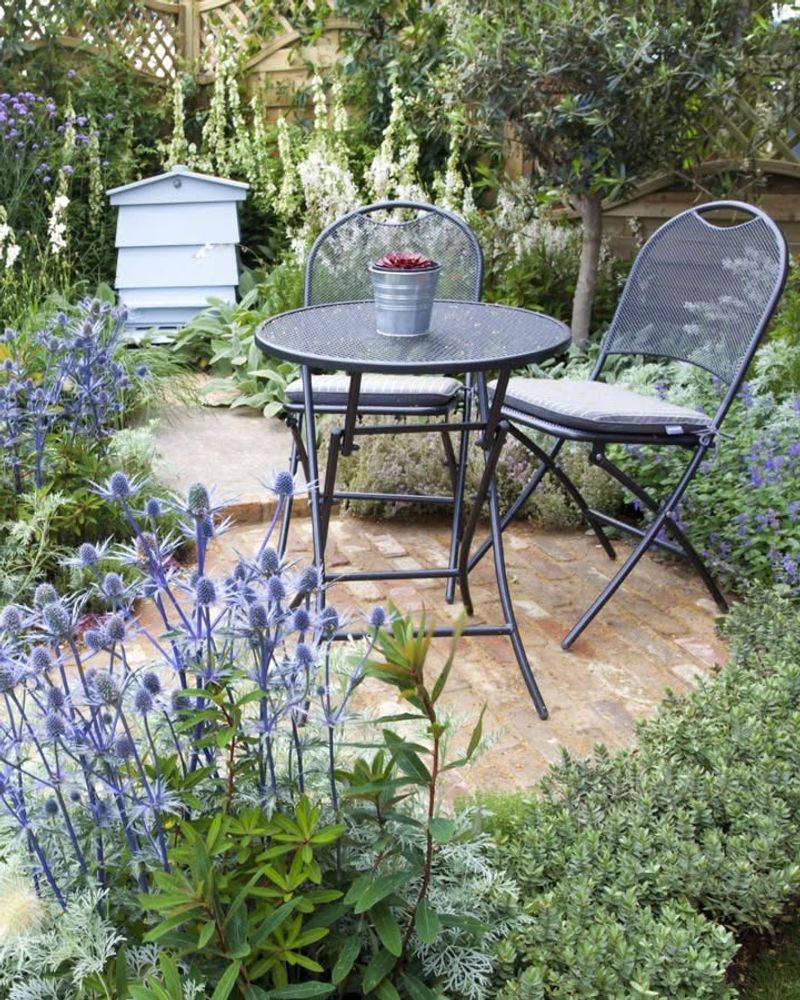
Thoughtful placement makes even the smallest Oregon yard feel like an expansive meadow by using design tricks that guide the eye naturally.
Creating gentle curves instead of straight lines adds visual interest and makes the space feel larger by preventing viewers from seeing boundaries immediately.
Positioning taller plants strategically blocks sightlines to fences or walls, creating mystery and making visitors wonder what lies beyond visible areas.
Repeating specific plants in odd-numbered groups throughout the space establishes rhythm and unity that feels intentional rather than random or chaotic.
Leaving some open ground between plant clusters mimics natural meadow patterns where vegetation grows in drifts with bare spots interspersed organically.
Incorporating a simple path using stepping stones or mulch invites people to move through the garden rather than just viewing it externally.
Layering plants by height from front to back creates depth, with shorter specimens near viewing areas and taller ones farther away.
Oregon homeowners find that asymmetrical arrangements feel more natural than formal symmetry, which can look stiff and overly controlled in meadow settings.
4. Minimal Maintenance Fits Busy Lifestyles
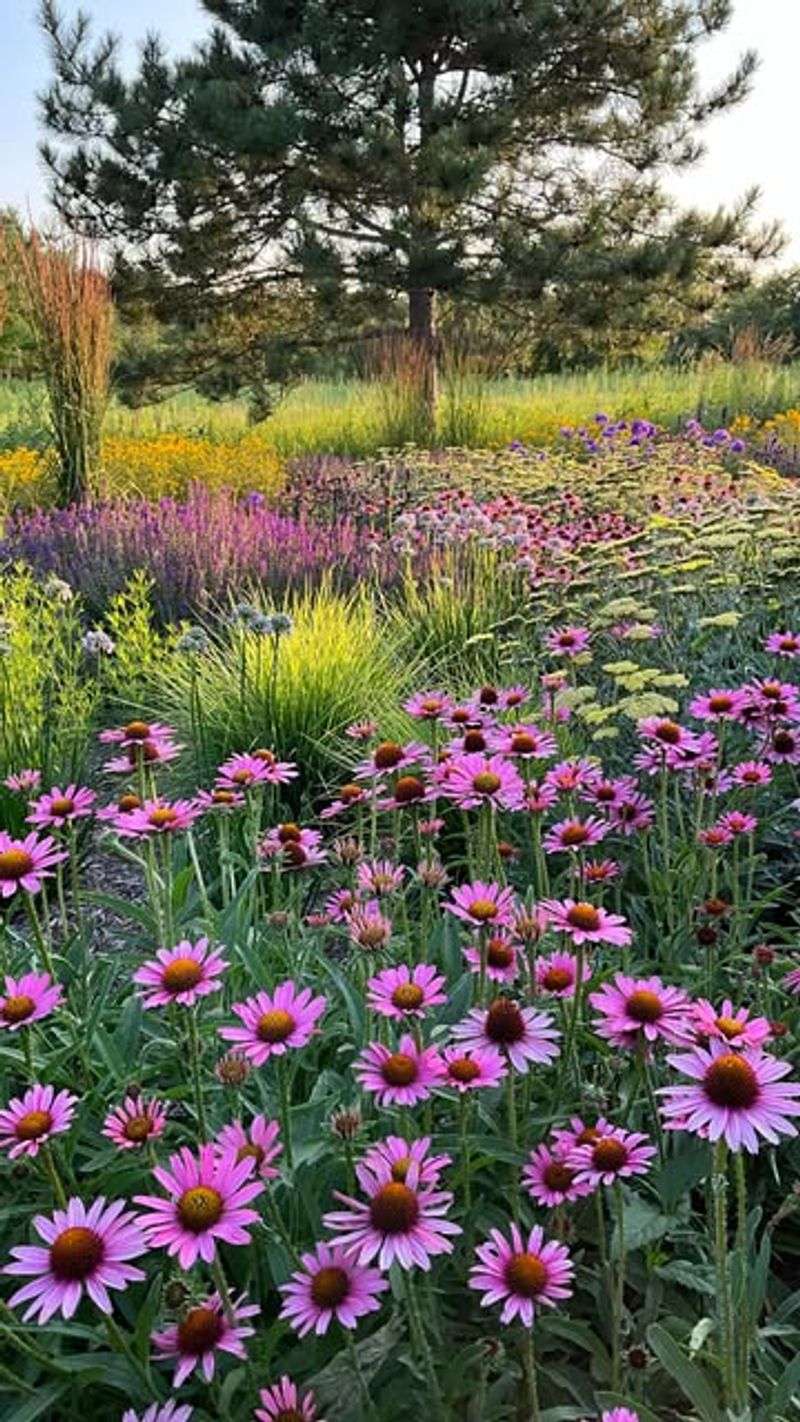
Busy Oregon residents appreciate meadow gardens because they require far less time and effort than traditional lawns or formal flower bed arrangements.
After establishment, most meadow plants thrive on natural rainfall alone, eliminating the need for complex irrigation systems or daily watering routines.
Annual mowing happens just once yearly in late winter, cutting everything down to about six inches before new spring growth begins emerging.
This single cutting removes dead material, prevents woody buildup, and encourages fresh growth without requiring weekly lawn mowing sessions throughout summer.
Weeding becomes minimal once meadow plants fill in densely, shading out most unwanted species and creating a self-sustaining plant community.
Oregon’s mild climate allows many meadow plants to remain semi-evergreen, providing winter interest without additional cleanup or seasonal planting changes.
Fertilizing is unnecessary and actually discouraged since rich soil promotes aggressive growth that disrupts the balanced ecosystem you are cultivating intentionally.
Pest problems rarely occur because diverse plantings support beneficial insects that naturally control harmful species without chemical intervention or constant monitoring.
5. Pollinator Support Happens Automatically
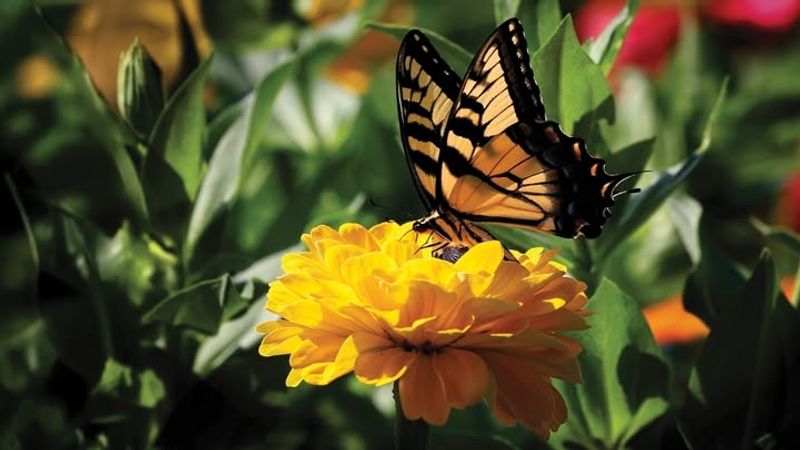
Creating a mini meadow in your Oregon yard instantly provides essential habitat for struggling pollinator populations that need support desperately nowadays.
Native bees find nesting sites in bare ground patches between plants and gather pollen from flowers adapted specifically to their needs.
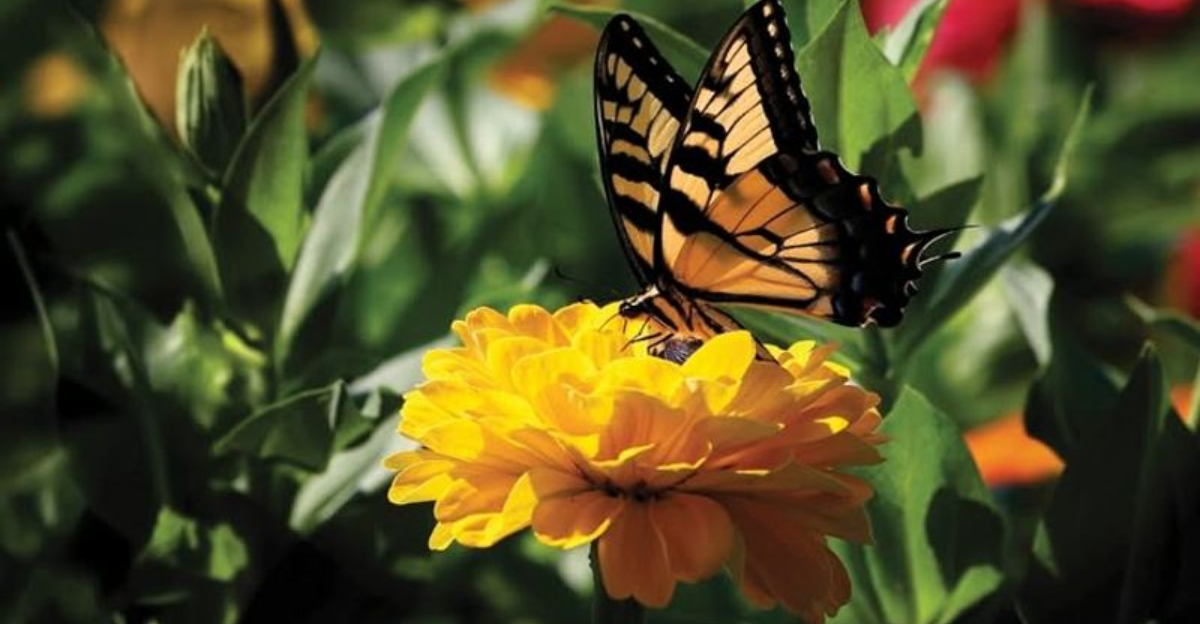
Butterflies use meadow plants for both nectar sources and larval host plants, completing their entire life cycle within your compact garden space.
Hummingbirds visit tubular flowers like penstemon and columbine, adding delightful movement and sound to your outdoor space throughout warmer months.
Leaving stems standing through winter provides crucial shelter for overwintering beneficial insects that emerge when spring temperatures rise again gradually.
Oregon meadows support specialized native bees that only visit specific wildflowers, making your plant choices directly impact local biodiversity levels significantly.
Avoiding pesticides becomes easier in meadow gardens since diverse plantings naturally balance pest and predator populations without chemical intervention or spraying.
Watching pollinator activity increases as your meadow matures provides endless entertainment and connects you directly to the natural cycles happening daily.
6. Water Conservation Benefits Are Significant
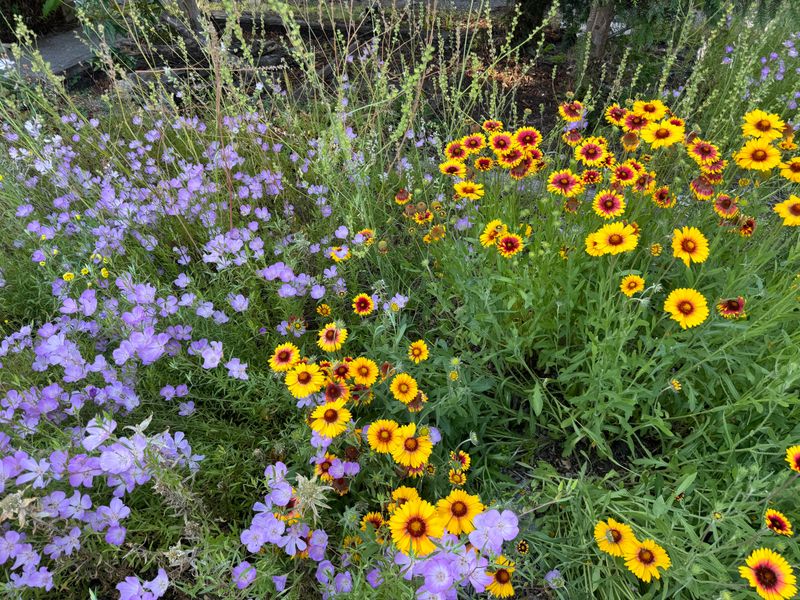
Oregon homeowners reduce water consumption dramatically by replacing thirsty lawns with drought-adapted meadow plants suited to regional rainfall patterns naturally.
Native species evolved to survive on precipitation alone, developing deep roots that access moisture unavailable to shallow-rooted grass varieties typically used.
Summer dormancy in some meadow plants is natural and attractive, with golden grasses and seed heads providing beauty without supplemental watering.
Mulching between plants retains soil moisture, reduces evaporation, and suppresses weeds, further decreasing the time spent maintaining your outdoor space regularly.
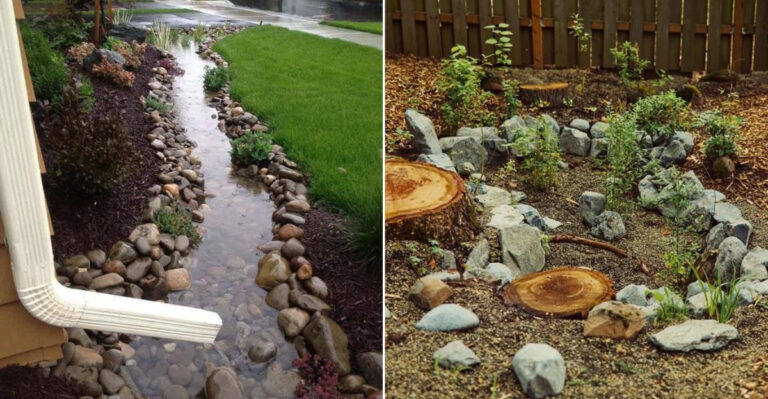
Rain gardens can integrate into meadow designs, capturing runoff from roofs and driveways while supporting plants that tolerate occasional flooding periods.
Reduced irrigation means lower utility bills and less guilt during Oregon’s increasingly common summer drought restrictions that limit outdoor water usage.
Choosing plants adapted to your specific microclimate ensures success without constant intervention, whether your yard is sunny, shady, wet, or dry.
Water-wise gardening aligns with Oregon’s environmental values while creating resilient landscapes that remain beautiful despite changing climate conditions affecting the region.
7. Seasonal Transformations Provide Constant Interest
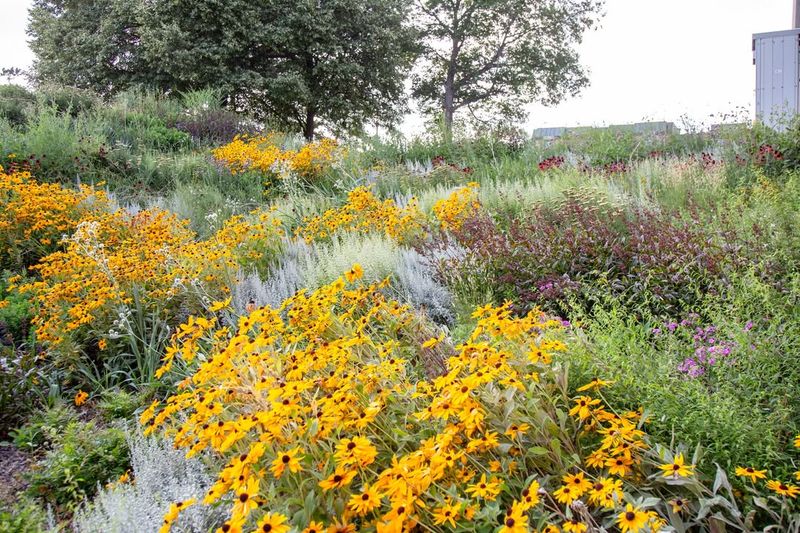
Meadow gardens in Oregon change dramatically throughout the year, offering visual rewards during every season rather than looking good only briefly.
Spring brings fresh green growth and early wildflower blooms that signal winter’s end with cheerful colors and renewed energy throughout the space.
Summer showcases peak flowering periods when grasses develop seed heads and the garden reaches its fullest, most lush appearance under warm sunshine.
Autumn transforms the meadow with golden tones as grasses cure naturally and late-blooming flowers like asters provide final bursts of color.
Winter reveals the architectural beauty of dried stems and seed heads, especially when dusted with frost or snow during Oregon’s occasional cold snaps.
Birds visit frequently during colder months to harvest seeds from standing plants, adding movement and life when little else happens outdoors.
Evergreen foliage from certain plants provides structure and green color even during the dormant season, preventing the space from looking completely barren.
Oregon’s mild winters mean meadows never look completely dead, maintaining some color and texture that traditional perennial gardens often lack entirely then.
8. Small-Space Adaptations Work Surprisingly Well
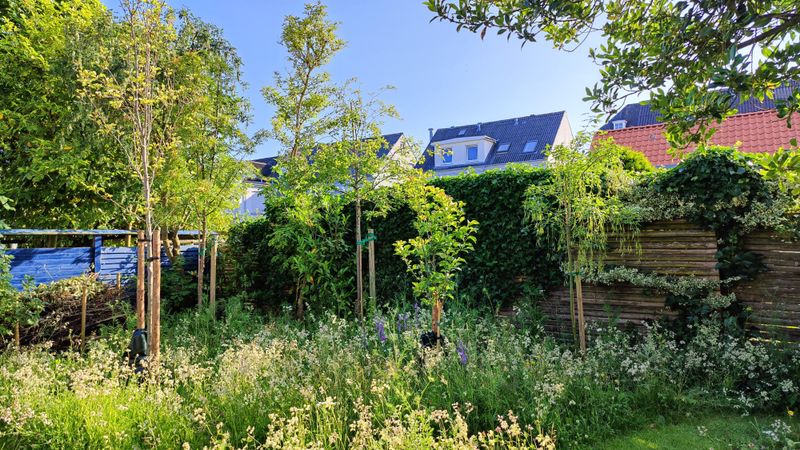
Even the tiniest Oregon yards can successfully incorporate meadow aesthetics by selecting compact plant varieties and adjusting design expectations appropriately here.
Miniature versions of popular meadow plants exist, offering the same visual effect without overwhelming limited square footage available in urban properties.
Container meadows work beautifully on balconies or patios, combining grasses and wildflowers in large pots that create portable mini ecosystems successfully.
Focusing on a single viewing angle allows you to concentrate plantings where they make the most impact rather than spreading resources thinly.
Vertical elements like tall flower spikes draw the eye upward, creating the illusion of more space than actually exists in ground measurements.
Eliminating lawn entirely in small yards makes sense economically and aesthetically, dedicating every inch to beautiful, functional meadow plantings instead of grass.
Oregon homeowners with limited space often create meadow strips along driveways or property lines, transforming underutilized areas into vibrant habitat corridors.
Companion planting with edibles sneaks vegetables or herbs into meadow designs, making small spaces serve multiple purposes simultaneously without looking overly utilitarian.
9. Soil Preparation Sets Up Long-Term Success
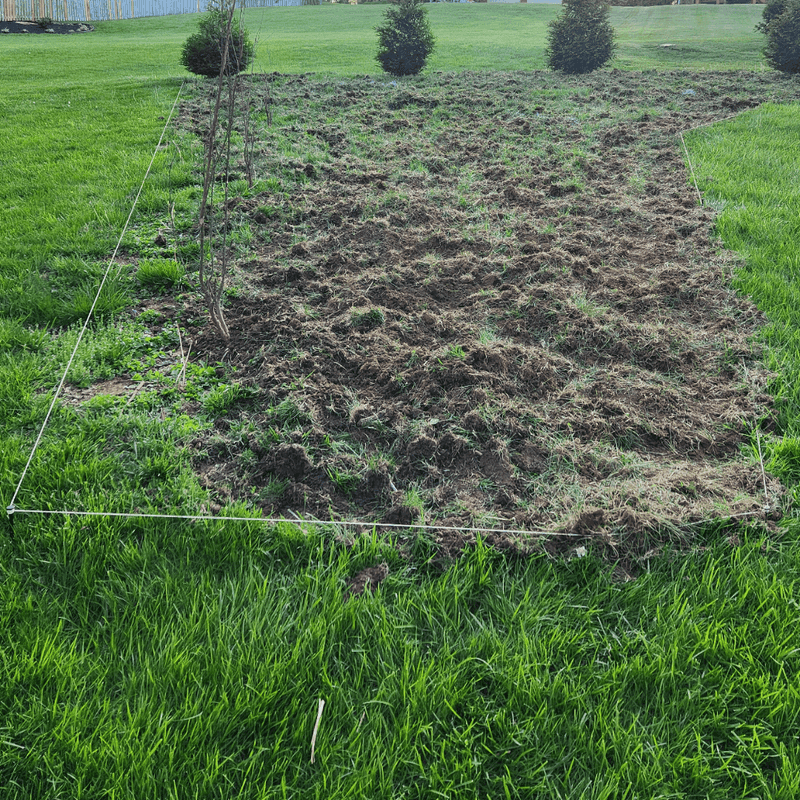
Proper soil preparation before planting makes the difference between struggling plants and thriving meadows that establish quickly in Oregon’s varied soil conditions.
Removing existing lawn completely prevents grass from competing with new meadow plants, either by smothering with cardboard or stripping sod physically.
Testing soil reveals pH levels and nutrient content, helping you select plants naturally suited to existing conditions rather than fighting your site.
Amending heavy clay with compost improves drainage for plants that dislike wet feet during Oregon’s rainy winter months when waterlogging occurs.
Adding sand to clay soil rarely helps and can actually create concrete-like conditions, so organic matter works better for improving structure.
Loosening compacted soil allows roots to penetrate deeply, establishing the strong foundation plants need to survive without supplemental watering later on.
Removing perennial weeds before planting saves enormous frustration, as established weeds compete aggressively with young meadow plants during critical establishment periods.
Oregon’s acidic soils suit most native plants perfectly, so major amendments usually prove unnecessary once you choose regionally appropriate species for planting.
10. Community Inspiration and Resources Abound
Oregon boasts numerous resources and community groups dedicated to helping homeowners create successful meadow gardens regardless of experience levels or space.
Native plant societies offer workshops, plant sales, and garden tours where you can see successful small-space meadows and ask questions directly.
Local nurseries increasingly stock native plants suitable for meadow gardens, making appropriate species easier to find than ever before in this region.
Online forums and social media groups connect Oregon meadow gardeners, allowing members to share photos, troubleshoot problems, and exchange plant divisions freely.
Municipal programs sometimes offer rebates for removing lawns and installing water-wise landscapes, making meadow conversions more affordable for interested homeowners here.
Extension services provide research-based information specific to Oregon growing conditions, helping you make informed decisions about plant selection and maintenance timing.
Garden tours during spring and summer showcase inspiring examples of small-space meadows, demonstrating what’s possible in yards similar to your own.
Connecting with other Oregon meadow enthusiasts builds community while providing ongoing support and encouragement throughout your gardening journey in this beautiful state.