The Smart Way Georgia Gardeners Start Tomatoes In February
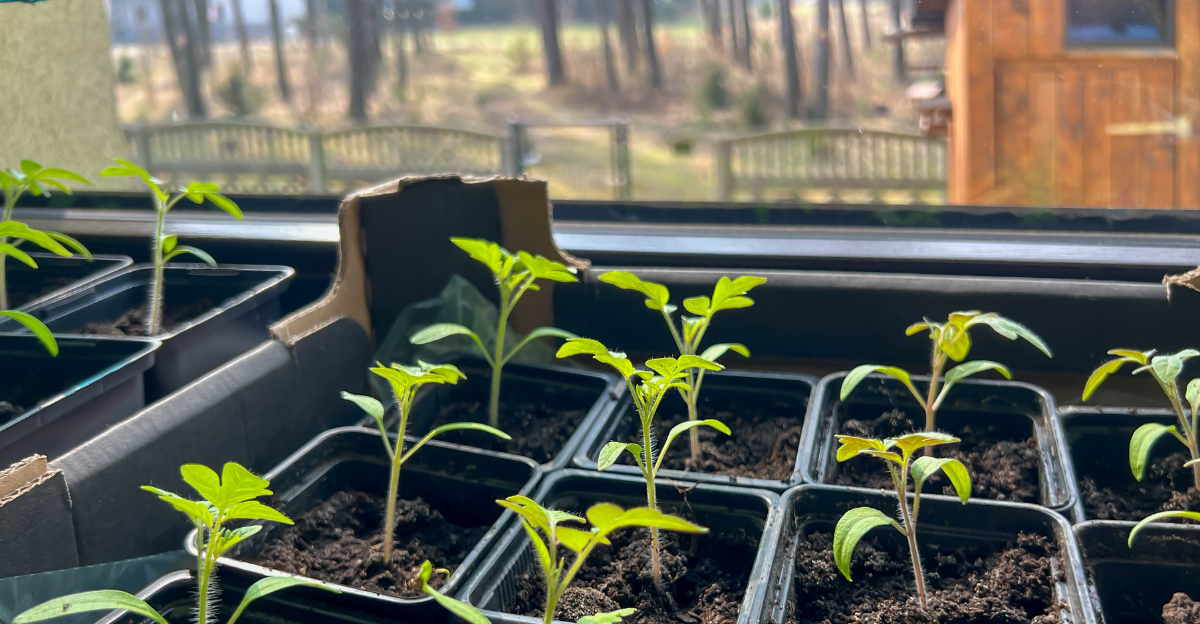
February in Georgia might feel too early for most plants, but it’s actually the perfect time to get tomatoes off to a strong start.
If you’ve ever struggled with seedlings that lag behind or produce late, knowing exactly how to begin in February can make all the difference.
Starting smart now gives your plants a head start before the spring heat and humidity arrive.
Preparing soil, choosing the right containers, and timing indoor or protected starts ensures seedlings grow sturdy and healthy. A little planning now prevents common problems like weak stems, slow germination, or transplant shock later in the season.
By beginning tomatoes the right way this February, your garden can reach peak production sooner and deliver fuller, stronger plants. Careful preparation sets you up for a thriving, productive tomato season in Georgia.
1. Start Seeds Indoors Before Georgia’s Last Frost Date
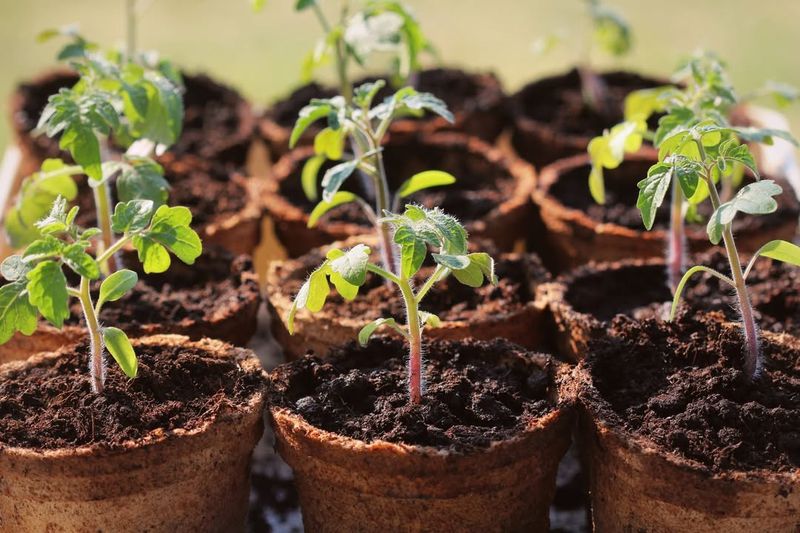
Timing makes all the difference when growing tomatoes in Georgia. Your last frost date typically falls between mid-March in southern Georgia and early April in northern parts of the state.
Starting seeds six to eight weeks before that date gives seedlings enough time to develop strong root systems and sturdy stems.
February planting means your tomatoes will be ready to transplant when soil conditions improve in spring. Indoor seed starting protects vulnerable seedlings from unpredictable Georgia weather patterns.
Cold snaps can still hit through March, so keeping plants inside eliminates that risk entirely.
Use clean seed starting trays or small pots filled with sterile seed starting mix. Plant seeds about a quarter inch deep and keep the soil consistently moist but not waterlogged.
Room temperature between 70 and 80 degrees Fahrenheit works perfectly for germination.
Label each variety clearly since tomato seedlings look similar in early stages. Keep detailed records of planting dates to track progress and plan your transplanting schedule.
Georgia gardeners who start early often harvest ripe tomatoes by late May or early June, weeks ahead of those who wait.
Window placement matters during February since natural light remains limited. South-facing windows provide the most sunlight, though supplemental lighting often becomes necessary.
Check seeds daily for signs of germination, which typically occurs within five to ten days under proper conditions.
2. Use Grow Lights To Prevent Leggy Early Growth
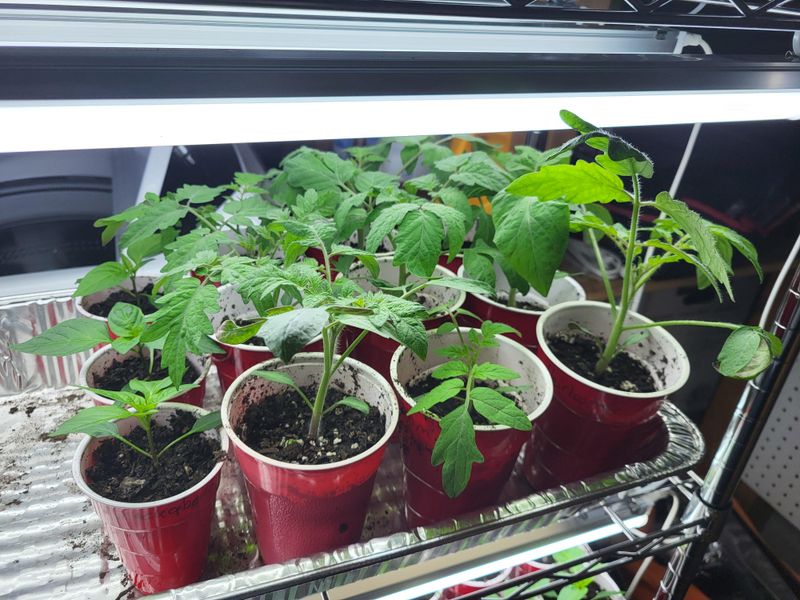
Weak, stretched seedlings spell trouble before plants even reach the garden. February days in Georgia remain short, leaving seedlings starved for adequate light even in bright windows.
Insufficient light causes stems to elongate rapidly as plants desperately reach toward any available light source.
Quality grow lights solve this problem completely. LED shop lights work wonderfully and cost less than specialized growing equipment.
Position lights two to three inches above seedling tops, adjusting height as plants grow taller.
Tomato seedlings need fourteen to sixteen hours of bright light daily for compact, healthy development. Set lights on an automatic timer to maintain consistency without constant monitoring.
Strong light produces thick stems, deep green leaves, and robust root development that translates to better garden performance later.
Fluorescent bulbs remain another affordable option, though LED lights use less electricity and generate less heat. Either choice outperforms natural window light during Georgia’s winter months.
Watch for signs your lighting setup works well: seedlings should have short distances between leaf sets and stocky, sturdy stems.
Distance between lights and plants requires regular adjustment. Keep lights close enough for intensity but far enough to prevent heat damage.
Seedlings growing toward one side indicate inadequate light coverage or improper positioning. Rotate trays daily if using directional lighting to ensure even growth across all plants.
3. Choose Heat-Tolerant Varieties Suited For Georgia Summers
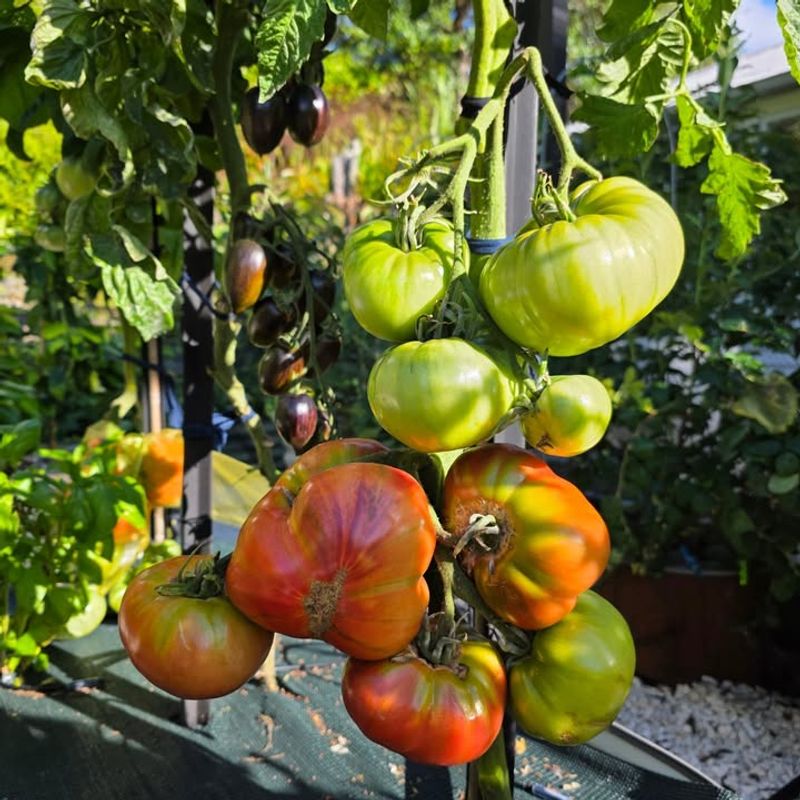
Not all tomatoes handle Georgia’s brutal summer heat equally well. Temperatures regularly soar into the 90s by June, and some varieties simply shut down fruit production when thermometers climb that high.
Smart variety selection in February sets you up for success months later.
Heat-tolerant types like Phoenix, Heatwave II, and Surefire continue setting fruit even during scorching Georgia summers. These varieties were specifically bred for southern growing conditions.
Cherokee Purple and Arkansas Traveler represent excellent heirloom choices that tolerate heat while delivering outstanding flavor.
Celebrity and Better Boy remain reliable hybrid options that perform consistently across Georgia’s diverse microclimates. Both resist common diseases and produce abundantly even when temperatures spike.
Smaller determinate varieties like Roma and Rutgers work well for gardeners wanting concentrated harvests.
Cherry tomatoes such as Sun Gold and Sweet 100 often outperform larger varieties during extreme heat. Their smaller fruits require less energy to develop and ripen.
Grape tomatoes like Juliet show remarkable heat tolerance and disease resistance.
Read seed packet information carefully before purchasing. Look for terms like heat-tolerant, southern-adapted, or suitable for hot climates.
Ordering seeds in February gives you access to wider selections than waiting until spring when popular varieties sell out. Many Georgia gardeners plant multiple varieties to spread risk and extend harvest periods throughout the growing season.
4. Keep Soil Warm For Faster, Stronger Germination
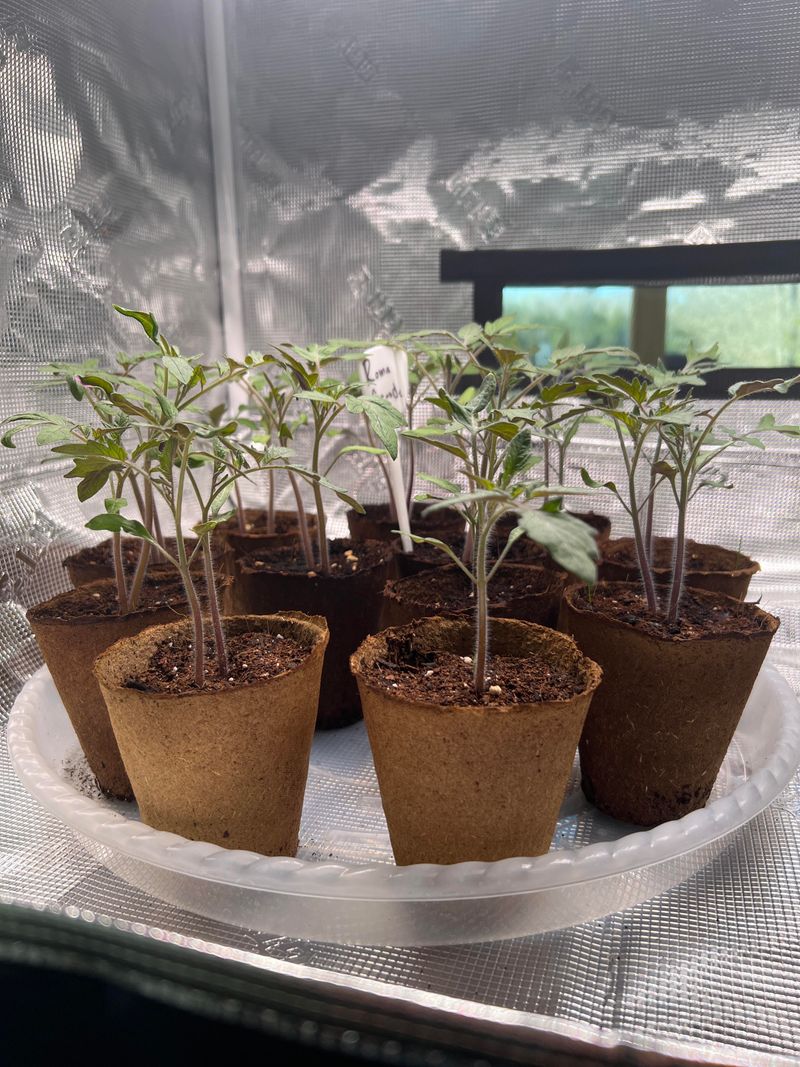
Cold soil dramatically slows tomato seed germination or prevents it entirely. Seeds sitting in cool conditions may rot before sprouting.
Bottom heat transforms germination rates and speeds up the entire process significantly.
Seedling heat mats provide consistent warmth directly where seeds need it most. These inexpensive devices maintain soil temperature between 75 and 85 degrees Fahrenheit, the ideal range for tomato germination.
Seeds planted with bottom heat typically sprout three to five days faster than those without supplemental warmth.
February temperatures inside Georgia homes often hover in the mid-60s, too cool for optimal germination. Placing seed trays on top of refrigerators or water heaters provides some warmth, though heat mats offer more reliable temperature control.
Once seedlings emerge, you can remove the heat mat since developing plants tolerate cooler conditions.
Invest in a heat mat with a thermostat for precise temperature management. Without temperature control, mats may overheat soil and damage seeds.
Check soil temperature with a simple thermometer to verify conditions remain within the ideal range.
Stronger germination means healthier seedlings from the start. Plants that emerge quickly and vigorously develop better root systems and more robust growth overall.
This early advantage carries through transplanting and into garden performance. Georgia gardeners using heat mats consistently report higher germination rates and more uniform seedling development compared to those relying on ambient room temperature alone.
5. Avoid Overwatering During Cool Indoor Conditions
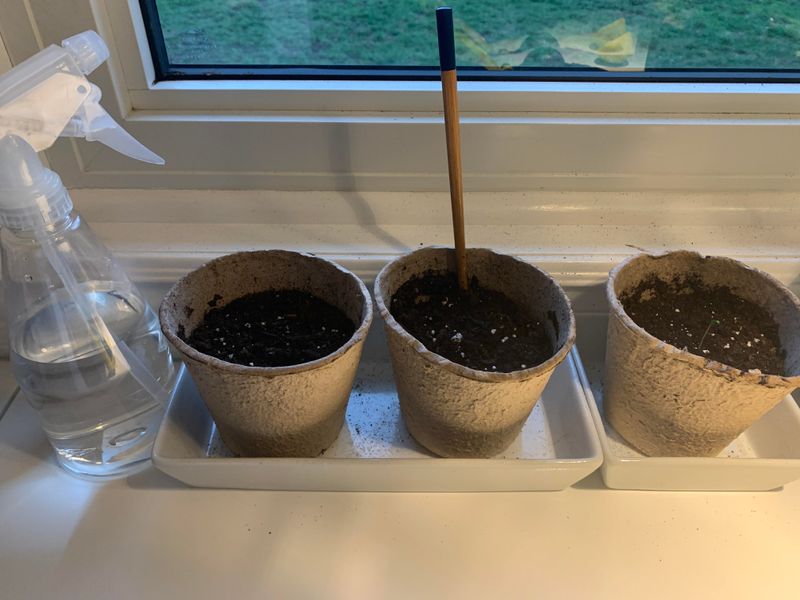
Excess moisture creates more problems than drought for indoor tomato seedlings. February’s cool indoor temperatures mean soil dries slowly, and overenthusiastic watering leads to fungal diseases and root rot.
Soggy conditions suffocate developing roots and invite damping-off disease that can wipe out entire trays of seedlings overnight.
Water only when the soil surface feels dry to the touch. Stick your finger into the growing medium to check moisture levels below the surface.
Bottom watering works exceptionally well for seedlings since it encourages roots to grow downward while keeping foliage dry.
Set seed trays in shallow pans of water and let soil absorb moisture from below for fifteen to twenty minutes. Pour off excess water after this period to prevent waterlogging.
This method delivers hydration where plants need it without wetting leaves and stems.
Georgia’s indoor humidity levels during winter remain relatively low, but that doesn’t mean seedlings need constant watering. Good drainage becomes essential, so ensure containers have adequate drainage holes.
Never let trays sit in standing water for extended periods.
Morning watering allows excess surface moisture to evaporate during daylight hours. Evening watering leaves plants sitting in dampness overnight when temperatures drop and air circulation decreases.
Watch for yellowing leaves or wilting despite moist soil, both signs of overwatering damage. Proper watering practices prevent most seedling problems and produce plants with strong, healthy root systems ready for eventual transplanting into Georgia gardens.
6. Begin Hardening Off Before Transplanting Outdoors
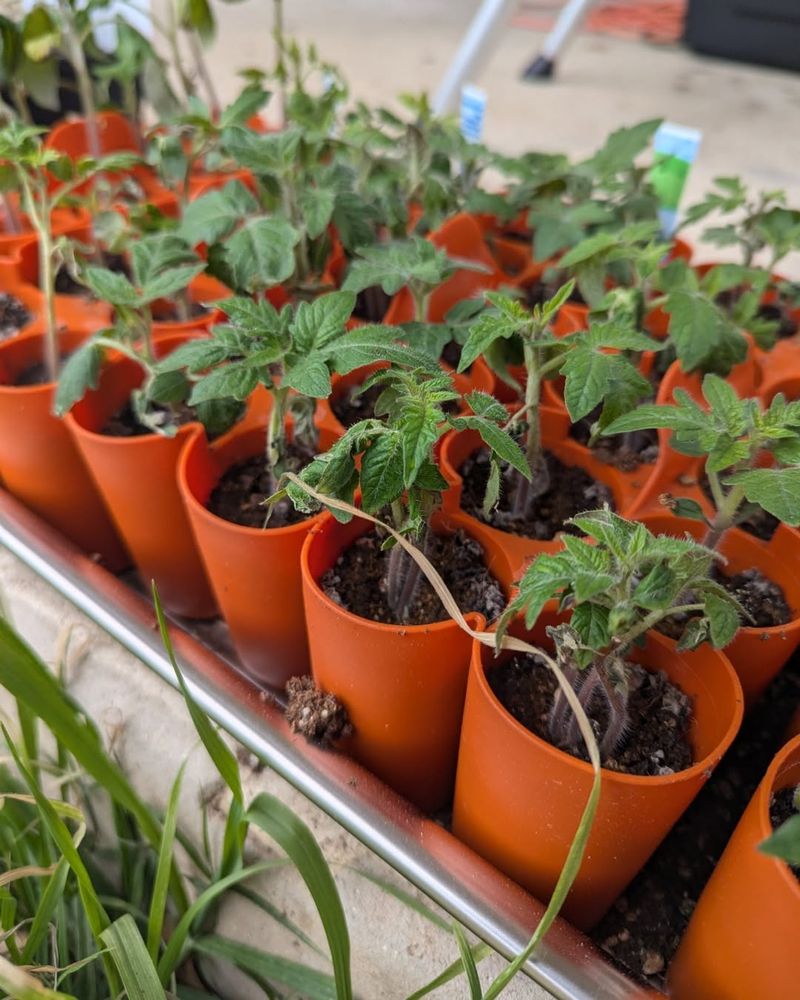
Transplant shock hits unprepared seedlings hard when they move directly from cozy indoor conditions to Georgia’s variable spring weather.
Plants grown entirely indoors lack the toughness needed to handle wind, direct sunlight, and temperature fluctuations outdoors.
Hardening off gradually acclimates seedlings to outdoor conditions without stressing them excessively.
Start the hardening process seven to ten days before your planned transplant date. Begin by moving seedlings outdoors to a protected, shaded location for just one or two hours.
Bring plants back inside before temperatures drop in the evening.
Increase outdoor exposure time by an hour or two each day. Gradually introduce plants to more direct sunlight over the course of the week.
Watch for signs of stress like wilting or leaf discoloration, and slow down the process if needed.
Georgia’s spring weather can shift rapidly, so monitor forecasts closely during hardening off. Bring plants inside if temperatures threaten to drop below 50 degrees Fahrenheit or if severe weather approaches.
Wind exposure should increase gradually since it can damage tender stems and leaves.
By the end of the hardening period, seedlings should spend full days and eventually nights outdoors if temperatures remain mild. This gradual transition strengthens cell walls, deepens leaf color, and prepares plants for permanent outdoor life.
Properly hardened seedlings transplant with minimal shock and begin growing vigorously almost immediately after planting in Georgia gardens.
7. Wait Until Soil Temperatures Rise Before Planting In The Garden
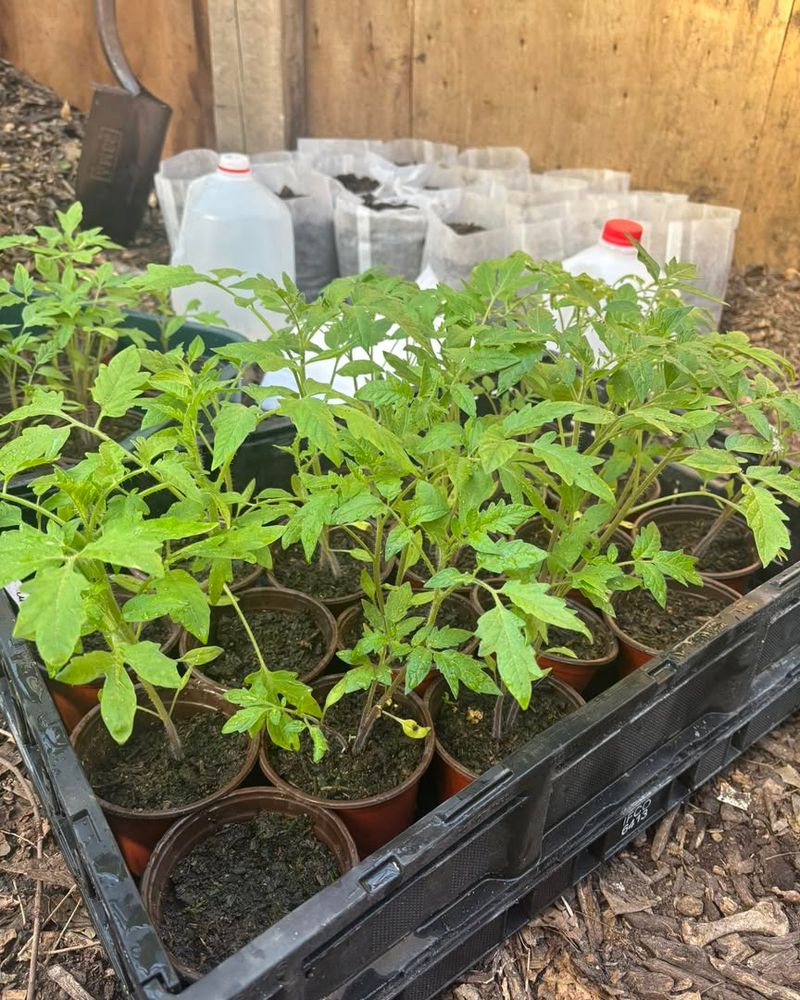
Eager gardeners often transplant too early and pay the price with stunted, struggling plants. Cold soil stops root development completely, leaving transplants sitting dormant and vulnerable to diseases.
Tomatoes absolutely require warm soil to thrive, regardless of air temperature.
Soil temperature matters far more than calendar dates for successful transplanting in Georgia. Wait until soil consistently reaches 60 degrees Fahrenheit at a depth of four inches.
Use an inexpensive soil thermometer to measure temperature accurately rather than guessing based on weather conditions.
Southern Georgia typically reaches appropriate soil temperatures by mid-March, while northern regions may need to wait until early to mid-April. Coastal areas warm earlier than mountain regions.
Patience during this waiting period pays enormous dividends in plant performance.
Cold soil also increases susceptibility to soilborne diseases. Tomato roots growing in warm conditions develop quickly and establish strong systems that support vigorous top growth.
Plants set into cold ground languish for weeks, often getting overtaken by those transplanted later into warmer soil.
Check soil temperature at different locations across your garden since sunny, raised beds warm faster than shaded or low-lying areas.
Black plastic mulch placed over beds two weeks before transplanting helps raise soil temperature several degrees.
Georgia gardeners who wait for proper soil warmth consistently grow healthier, more productive tomato plants than those who rush the planting process based solely on frost dates.