The Smart Way To Grow Avocado Trees In Containers In Arizona
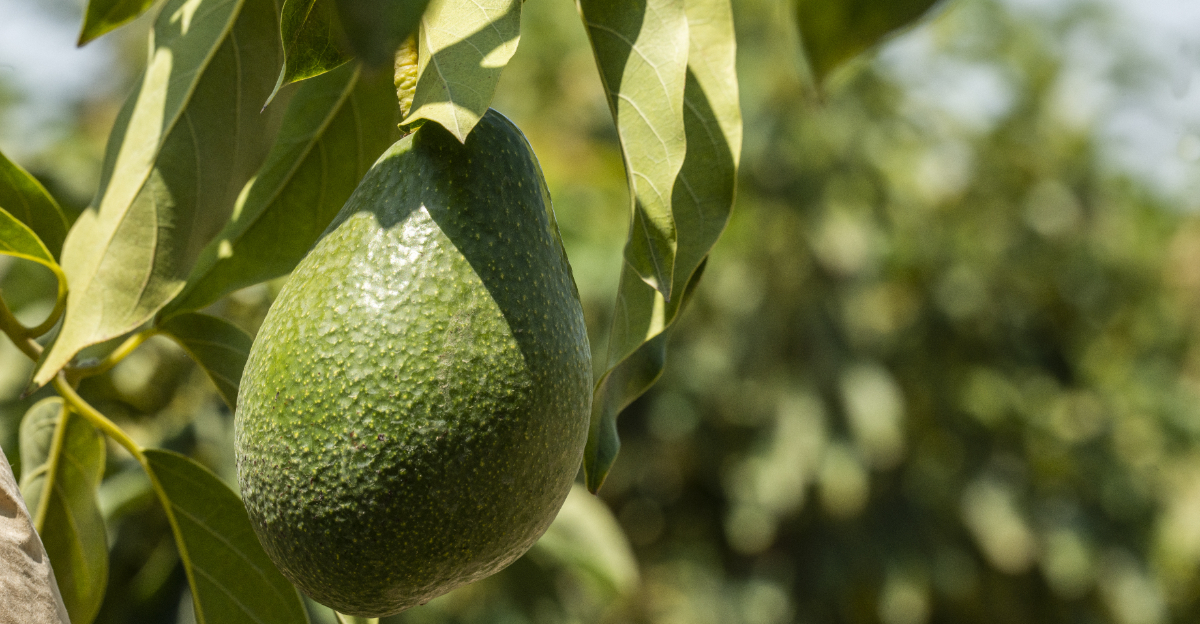
Avocado trees in Arizona containers can look promising at first, then struggle once roots hit the limits of the pot and heat starts to build around them.
Leaves stay green for a while, growth continues, and everything seems on track, yet long term progress often falls short of expectations.
Container growing changes how the tree develops, especially when space, moisture, and temperature all shift faster than they would in the ground. Small details become more important here, even if they do not seem like a big deal at the start.
Some setups lead to steady growth and healthier trees, while others create slow development that never fully improves over time.
The right approach can make container growing far more reliable and help the tree stay balanced under Arizona conditions.
Choose A Fast Draining Soil Mix To Prevent Root Problems
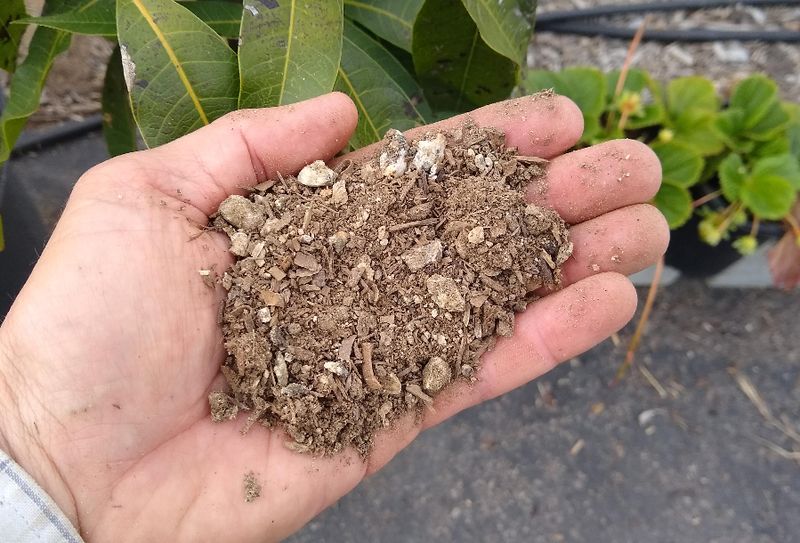
Standard potting soil straight from the bag is usually too dense for avocados in containers. It holds moisture longer than these trees prefer, especially in Arizona where drainage needs to happen quickly between waterings.
Mixing your own blend gives you far more control over what the roots are sitting in.
A solid starting point is combining one part potting soil, one part coarse sand, and one part perlite or pumice. That ratio creates a mix that drains fast, stays loose around the roots, and still holds just enough moisture to keep the tree hydrated without waterlogging.
Pumice is especially useful in Arizona because it handles the heat well and does not break down as quickly as some other amendments.
Root rot is one of the more common problems container avocado growers run into, and it almost always comes from soil that stays wet too long. Catching it early is difficult because the damage happens underground before any visible symptoms show up on the leaves.
Refreshing the top layer of soil each season and checking drainage performance after each watering session can help you catch problems before they escalate.
Use A Large Container To Support Root Growth
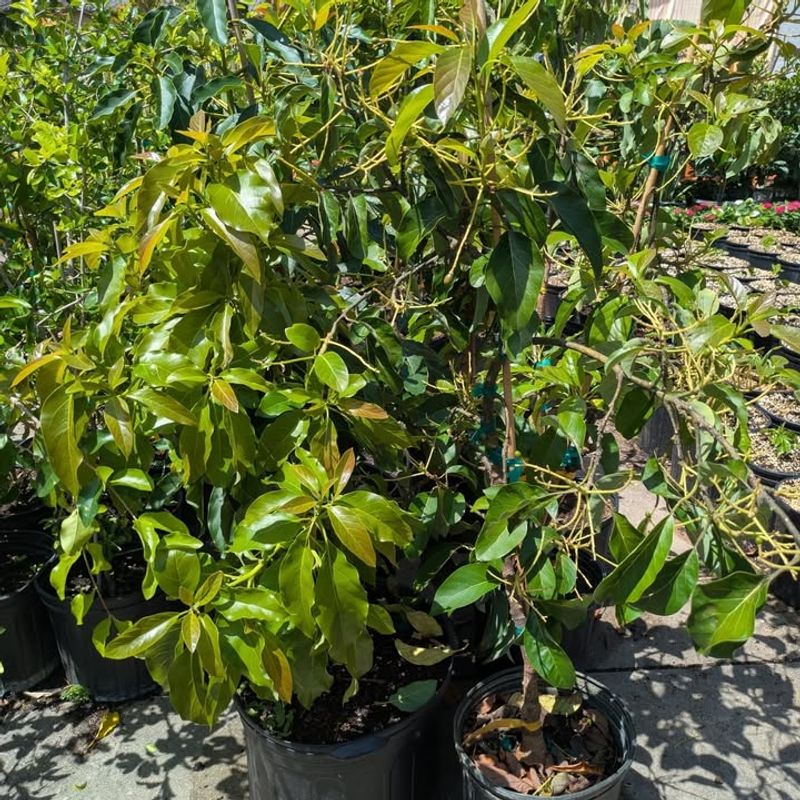
Size matters more than most people realize when it comes to container avocados. A pot that is too small will restrict the roots, slow the tree’s growth, and make it harder to manage watering properly.
Starting with at least a 15 to 20-gallon container gives the root system room to spread without hitting the walls too quickly.
Terracotta and ceramic pots work well in Arizona because they breathe, which helps prevent moisture from sitting too long around the roots.
Plastic containers are lighter and easier to move, which is a real advantage when you need to shift the tree during extreme heat or cold nights.
Either way, drainage holes at the bottom are non-negotiable.
Avocado roots do not handle standing water well, so the pot needs to drain freely every single time you water. Raising the container slightly off the ground using pot feet or bricks helps water escape faster and keeps the drainage holes from getting clogged with debris.
Repotting every two to three years into a slightly larger container keeps growth steady without shocking the tree.
Your Arizona Garden Changes Every Week. Your Plan Should Too.
Gardening in Arizona changes quickly throughout the season. Every Friday you’ll receive a simple weekly plan showing exactly what to plant, prune, fertilize, harvest, and protect so you never miss the right timing.
Protect The Tree From Intense Afternoon Sun
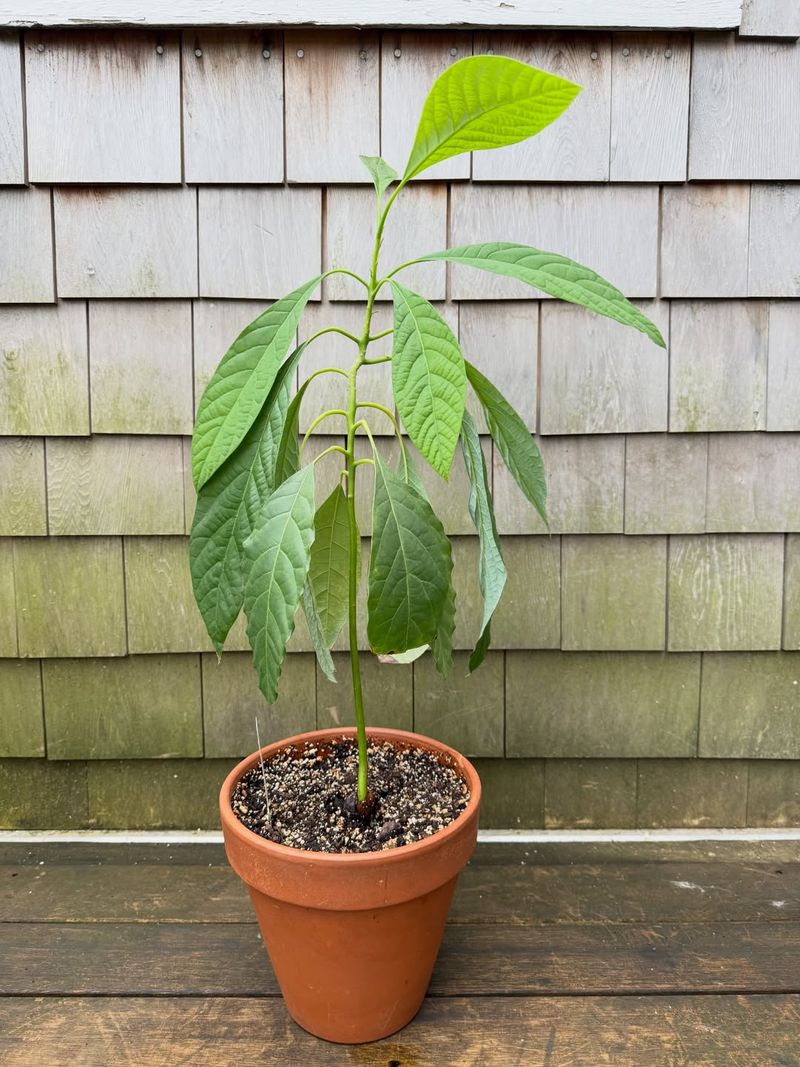
Arizona’s afternoon sun is no joke, especially from late May through September when temperatures regularly push past 105 degrees Fahrenheit in many parts of the state.
Avocado trees enjoy full sun, but that does not mean they can handle six hours of direct blasting heat without any relief.
Leaf scorch is a real issue when young trees sit in unfiltered afternoon exposure during peak summer.
Positioning the container where it catches morning sun but gets some natural shade after about 1 or 2 p.m. is a practical solution many Arizona growers use. A south or east-facing wall can work well in cooler months, but in summer that same spot can become too intense.
Being willing to shift the pot around as the seasons change is one of the actual advantages of container growing.
Shade cloth rated at 30 to 40 percent light reduction can help during the hottest weeks without cutting out too much of the sunlight the tree still needs to grow properly.
Draping it over a simple frame near the container is enough to take the edge off afternoon heat without creating a fully shaded environment.
Avoid covering the tree completely or trapping heat underneath the cloth.
Watching the leaves is the easiest way to gauge whether the tree is getting too much direct sun. Browning at the tips or edges, especially on the side facing west, usually signals that afternoon exposure needs to be reduced before more serious damage sets in.
Water Deeply But Allow The Soil To Dry Slightly Between
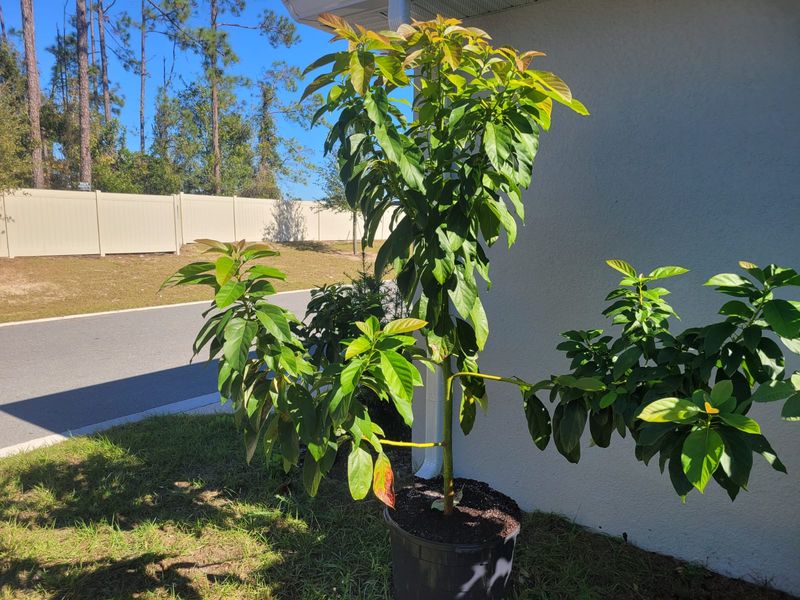
Watering an avocado tree in a container is more of a rhythm than a schedule. In Arizona, that rhythm shifts with the seasons, the temperature, and even how much wind has been blowing.
Checking the soil before reaching for the hose is a habit worth building from day one.
The general approach is to water deeply until it runs freely out of the drainage holes, then wait until the top inch or two of soil feels dry before watering again.
Shallow, frequent watering encourages surface roots and does not push moisture deep enough to support the tree through Arizona’s intense dry stretches.
Thorough watering reaches the full root zone and helps the tree handle heat better between sessions.
During summer in Phoenix or Tucson, you might find yourself watering every two to three days depending on the size of the container and how hot the ambient temperature is. In winter, that same tree might only need watering once a week or even less.
Adjusting based on actual conditions rather than following a fixed calendar keeps the roots from sitting in moisture when evaporation rates drop.
Yellow leaves that appear without any other obvious cause often point to overwatering rather than underwatering.
Move Containers To Sheltered Areas During Cold Nights
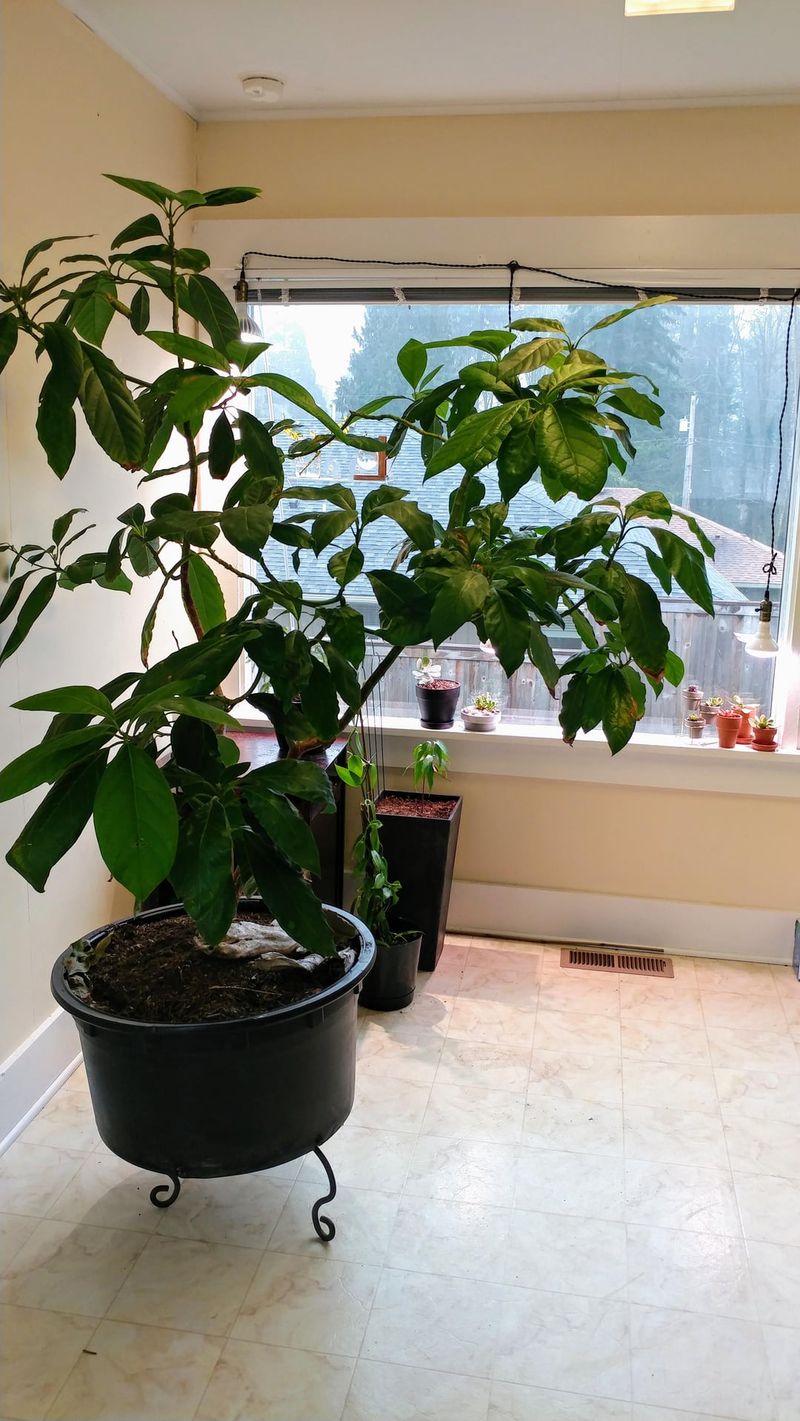
Cold nights in Arizona catch a lot of new gardeners off guard. While much of the state is known for heat, winter temperatures in areas like Tucson, Flagstaff, and even the Phoenix valley can drop below freezing, sometimes without much warning.
Avocado trees in containers are far more vulnerable to cold than in-ground trees because the roots have no soil insulation surrounding them.
Mexican-race varieties like Mexicola and Zutano handle cooler temperatures better than most, but even they can suffer when temps drop into the mid-20s Fahrenheit for extended periods.
Moving the container into a garage, covered patio, or even indoors near a window on nights when frost is expected gives the tree a reasonable buffer without much effort.
Monitoring the forecast from November through February in Arizona is worth doing consistently.
A single hard freeze can set a young container tree back significantly, especially if it was not protected during the coldest part of the night, which usually hits between 3 and 6 a.m.
Having the container close enough to the house to move quickly makes a real difference when the temperature drops faster than expected.
Feed Regularly With A Balanced Fertilizer
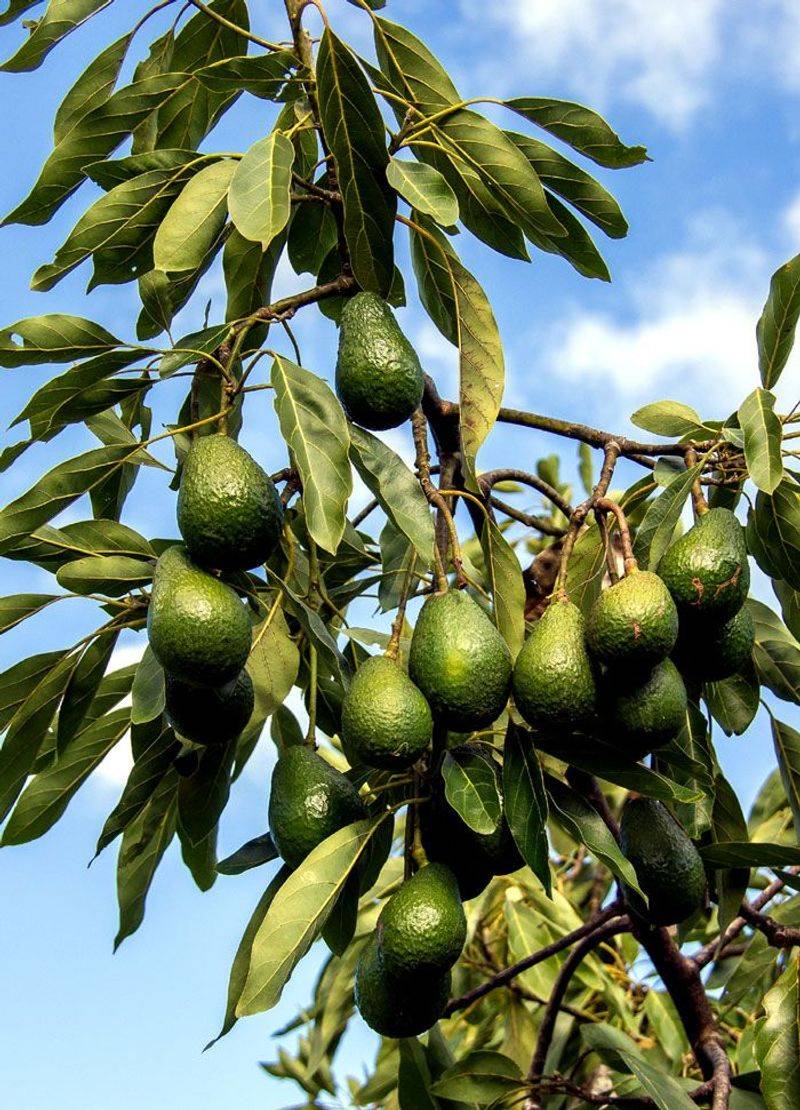
Container trees use up nutrients faster than in-ground trees because regular watering gradually flushes minerals out through the drainage holes.
Without consistent feeding, an avocado tree in a pot will start to look pale, grow slowly, and struggle to produce fruit even under otherwise good conditions. Fertilizing is not optional for long-term container success in Arizona.
A balanced fertilizer with roughly equal parts nitrogen, phosphorus, and potassium works well during the growing season, which in Arizona typically runs from early spring through early fall.
Applying every four to six weeks during that window keeps the tree supplied without overloading the roots with salts.
Slow-release granular formulas are convenient because they work gradually rather than hitting the roots all at once.
Avocado trees are sensitive to salt buildup in the soil, which can happen when fertilizer accumulates faster than it is being absorbed or flushed out.
Flushing the container thoroughly with plain water every month or so helps rinse out excess salts before they reach levels that interfere with root function.
Signs of salt stress include brown leaf tips and an overall dull appearance even when the tree is being watered regularly.
Prune Lightly To Maintain Size And Shape
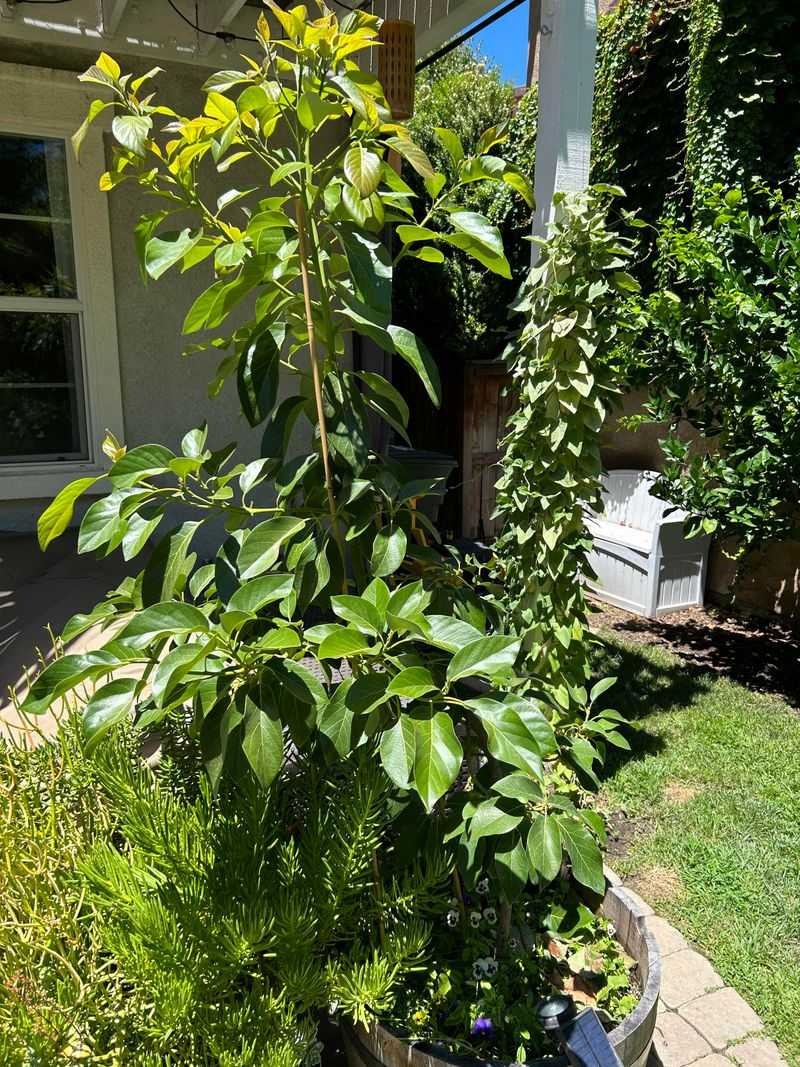
Left completely unpruned, avocado trees will push toward their natural size regardless of being in a container.
In Arizona, where space on a patio or in a courtyard is often limited, keeping the tree at a manageable height is both practical and necessary for long-term container success.
Light pruning done at the right time makes a noticeable difference in how the tree looks and how easy it is to care for.
Early spring, just before new growth begins, is generally the best window for pruning container avocados in Arizona.
Cutting back during this period allows the tree to direct energy into fresh growth without the stress of pruning during peak summer heat or cold winter nights.
Removing branches that cross through the center of the canopy improves airflow and reduces the chance of fungal issues developing in the more humid monsoon months.
Pruning does not need to be aggressive to be effective. Taking off no more than a quarter of the canopy at one time keeps the tree from going into heavy stress while still reshaping its structure.
Pinching back the tips of new growth during the growing season encourages the tree to branch out rather than grow straight up, which helps keep the overall height in check without major cuts.