The Spring Gardening Jobs California Homeowners Shouldn’t Ignore
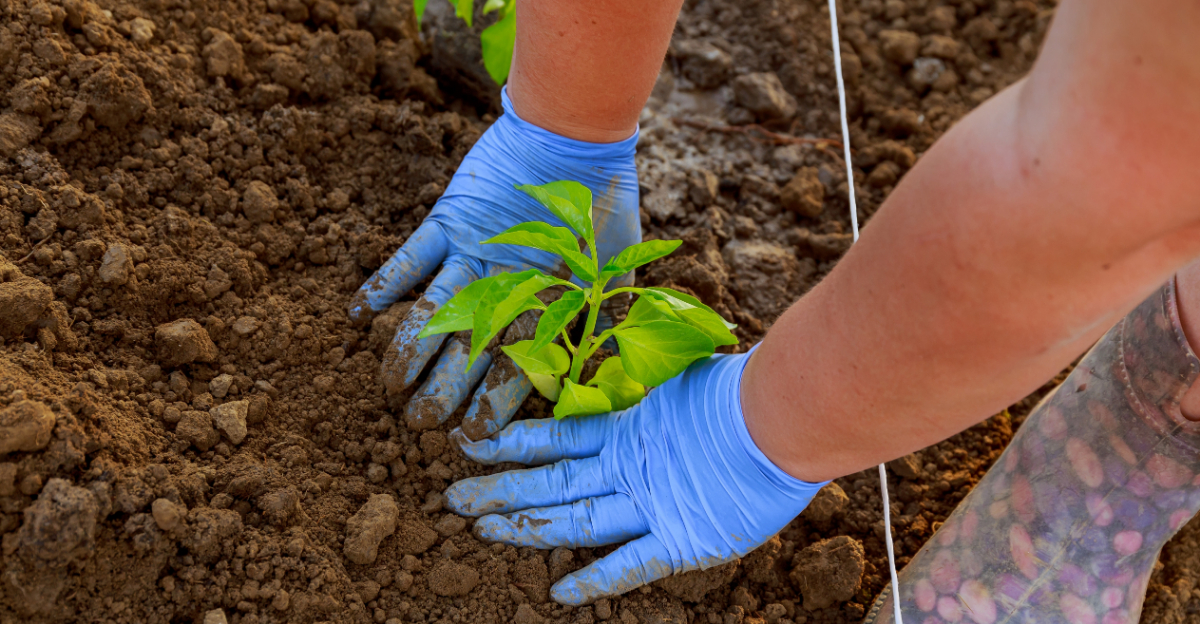
Spring has a way of speeding things up in California yards. Plants begin pushing new growth, weeds appear almost overnight, and outdoor spaces start calling for attention after months of lighter maintenance.
Many homeowners notice that small tasks begin to pile up quickly.
This is the time when a few key jobs can make the rest of the season feel much easier. California’s climate varies from coast to inland areas, but early spring work tends to follow a similar rhythm across most regions.
Taking care of certain tasks now helps plants stay strong as temperatures continue to rise.
Some of these jobs may already be on your list, while others tend to get overlooked until they start causing problems later on.
1. Check And Repair Irrigation Systems
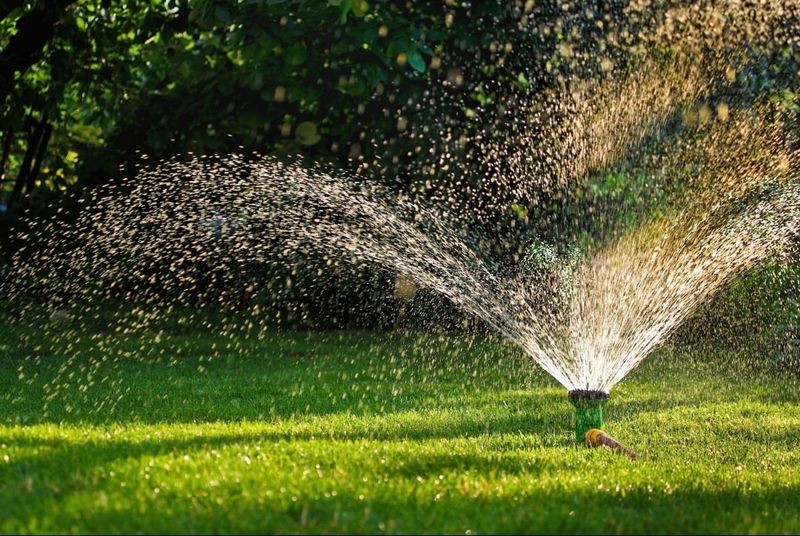
Water is everything in California, and your irrigation system is the backbone of a healthy garden. Before temperatures really start climbing, take the time to walk your yard and inspect every sprinkler head, drip line, and timer.
Even a small leak or clogged emitter can waste a noticeable amount of water over time.
Turn your system on zone by zone and watch carefully for uneven coverage, broken heads, or dry patches that aren’t getting enough water. Replace any damaged components right away.
It’s also smart to flush out drip lines that may have collected mineral deposits or debris over the winter months.
California’s strict water conservation rules make efficiency a real priority. Upgrading to a smart controller that adjusts watering schedules based on local weather data is a worthwhile investment for many homeowners.
These devices can help reduce outdoor water use, though savings vary depending on system setup and usage. Checking your system early in spring means you won’t be scrambling when the dry summer heat arrives and your plants need reliable hydration most.
2. Apply Fresh Mulch To Garden Beds
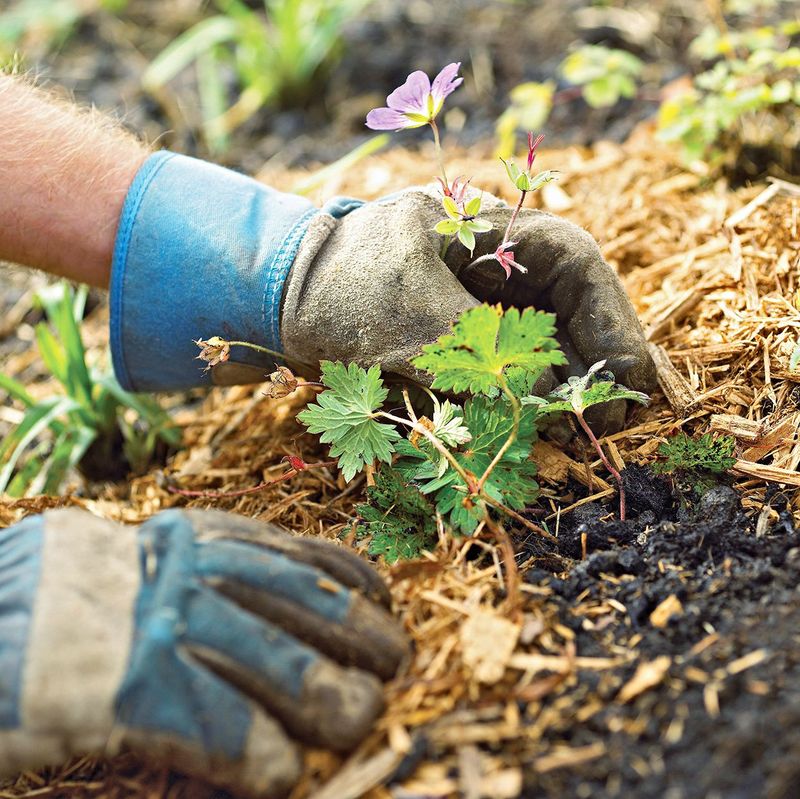
Few spring tasks deliver as much payoff as laying down a fresh coat of mulch. A two to three inch layer spread across your garden beds works like a blanket, holding in soil moisture and keeping roots cool as the California sun gets stronger through April and May.
Mulch also does a fantastic job of slowing down weed growth, which means less time pulling and more time enjoying your garden. Organic options like shredded bark, wood chips, or straw break down gradually and improve soil structure over time.
Pull old, compacted mulch aside before adding a fresh layer so air and water can still reach the soil properly.
Keep mulch a few inches away from the base of plant stems and tree trunks to prevent rot and discourage pests from nesting close to the plant. In regions like Southern California where summer drought stress is common, mulching can help plants maintain more consistent moisture and reduce stress during hot periods.
It’s one of the most cost-effective and beginner-friendly garden tasks you can tackle this spring.
3. Prune Damaged Or Weak Growth
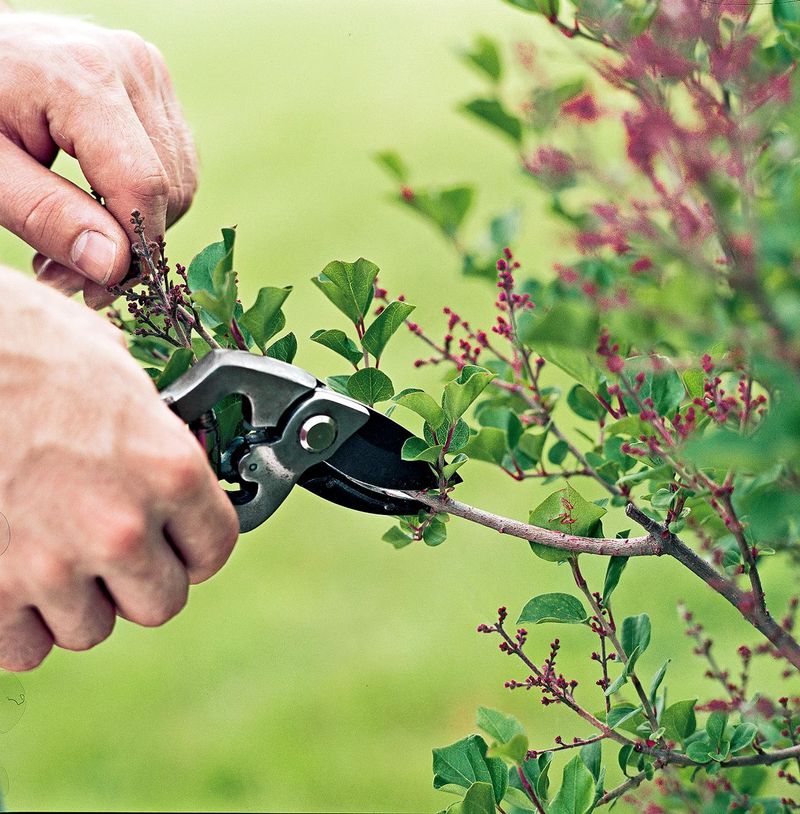
After winter, even mild California winters, many plants hold onto branches that are cracked, discolored, or simply not growing well anymore. Removing that weak or damaged growth early in spring sends energy toward the healthy parts of the plant, encouraging stronger stems, fuller foliage, and more flowers or fruit.
Start by looking for branches that cross and rub against each other, stems that look hollow or feel soft, and any growth that appears to be heading in the wrong direction. Use clean, sharp pruning tools to make smooth cuts just above a healthy bud or branch junction.
Dull tools tear plant tissue and create openings for disease.
Roses, fruit trees, ornamental shrubs, and perennial grasses all benefit from a good spring pruning session. In Northern California, where some plants experience more cold stress than Southern regions, checking for frost damage is especially important.
Don’t rush to remove growth that looks questionable though. Wait a few weeks and watch for new buds before cutting something that might just be a slow starter.
A little patience here can save you from accidentally removing healthy, recovering growth.
4. Feed Citrus Trees With Appropriate Fertilizer
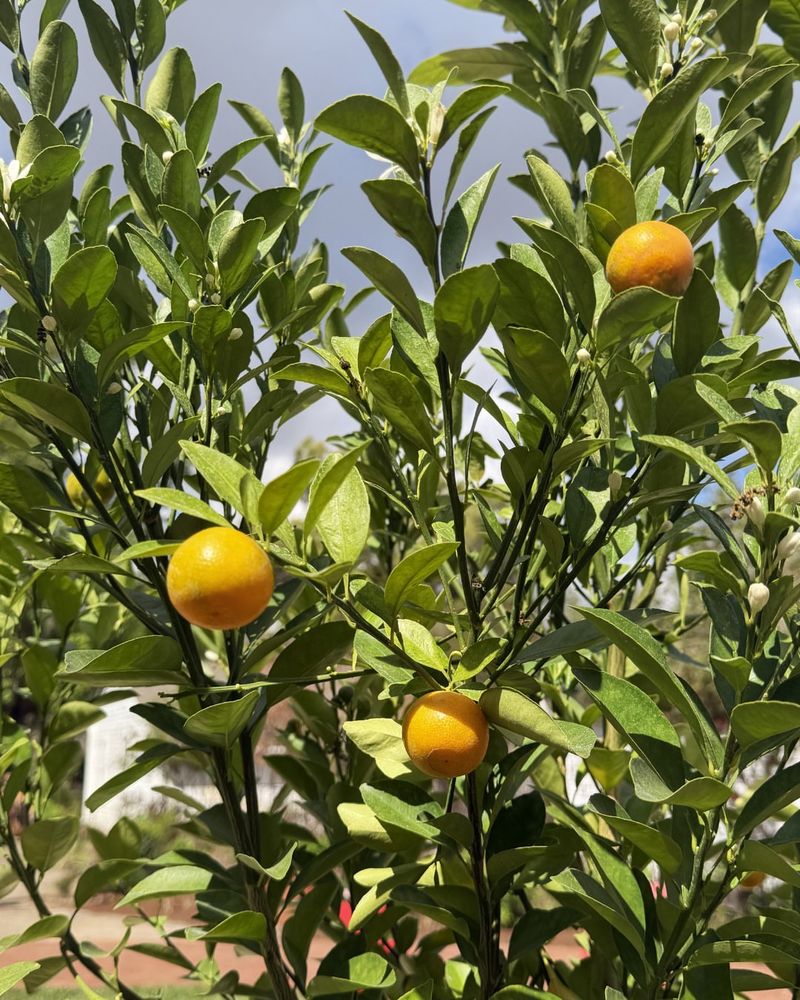
Citrus trees are practically a symbol of California gardening, and spring is exactly when they need a nutritional boost. After the slower winter period, these trees are waking up and pushing out new growth.
Giving them the right fertilizer at the right time fuels strong leaf development and sets the stage for a generous fruit harvest later in the year.
Look for a fertilizer specifically formulated for citrus trees, as these blends contain the right balance of nitrogen, phosphorus, potassium, and micronutrients like zinc and iron that citrus craves. Follow the label instructions carefully and apply evenly under the tree’s canopy, avoiding direct contact with the trunk.
Water well after feeding so nutrients can move into the root zone.
Most California citrus trees benefit from three feedings per year, with the first one happening in late winter or early spring. If your tree’s leaves look pale yellow instead of a healthy deep green, that’s often a sign of a nitrogen or micronutrient deficiency.
Addressing it with an appropriate fertilizer can help improve plant health over time. Healthy, well-cared-for citrus trees in California can remain productive for many years with proper seasonal care.
5. Control Early Season Weeds
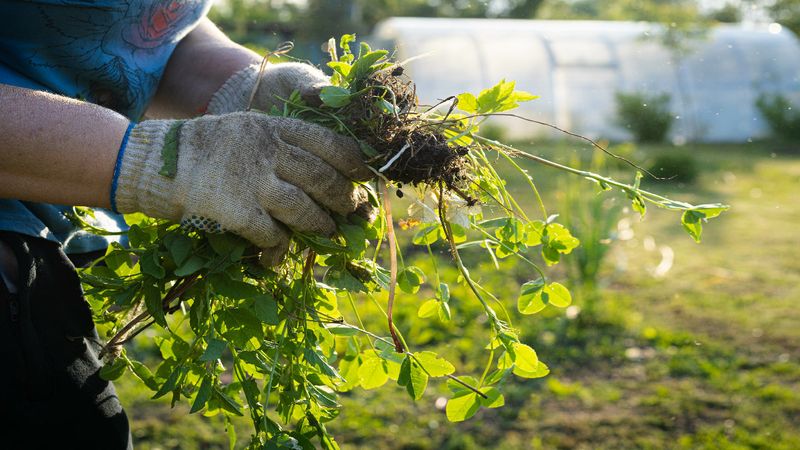
Spring gives weeds the perfect chance to spread, and they take full advantage of it. Warm soil, longer days, and spring rain create perfect conditions for weeds to sprout fast and spread even faster.
Getting on top of them early, before they go to seed, is one of the smartest moves any California gardener can make.
Hand-pulling is highly effective when the soil is moist, because roots come out cleanly rather than snapping off and regrowing. Focus first on areas near your vegetable beds, around fruit trees, and along pathways where weeds tend to cluster.
A sharp hoe can help you work larger areas quickly by slicing weeds off just below the soil surface.
Applying a pre-emergent weed control product in early spring can also stop new weed seeds from germinating. Corn gluten meal is a popular organic option that works well in California gardens.
Combining it with a fresh layer of mulch can help reduce weed growth throughout the season. Staying consistent with early weed control now means far less frustration when summer arrives and weeds try to compete aggressively with your garden plants.
6. Amend Soil With Compost
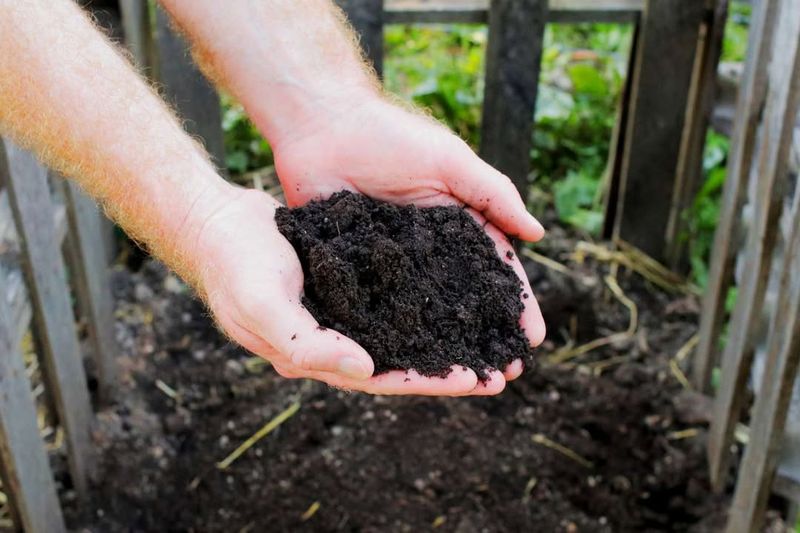
Healthy soil is the foundation of every great garden, and compost is one of the most effective things you can add to improve it. Worked into the top six to eight inches of your garden beds before planting, compost improves drainage in clay-heavy soils, helps sandy soils hold moisture better, and feeds the billions of microorganisms that make nutrients available to plant roots.
California soils vary widely depending on where you live. Coastal areas often have sandy, nutrient-poor soils, while inland regions can have dense clay that gets rock hard in summer.
Adding two to four inches of finished compost and turning it in thoroughly addresses both problems effectively. You can make your own compost from kitchen scraps and yard waste, or purchase it in bags or bulk from a local garden center.
Spring is the ideal time to amend because you’re preparing beds right before the main planting season. The soil is workable, not too wet or too dry, and your plants will immediately benefit from the improved structure and nutrition.
Even established beds that already have plants can be top-dressed with a thin layer of compost to refresh nutrients throughout the growing season ahead.
7. Plant Warm Season Vegetables At The Right Time
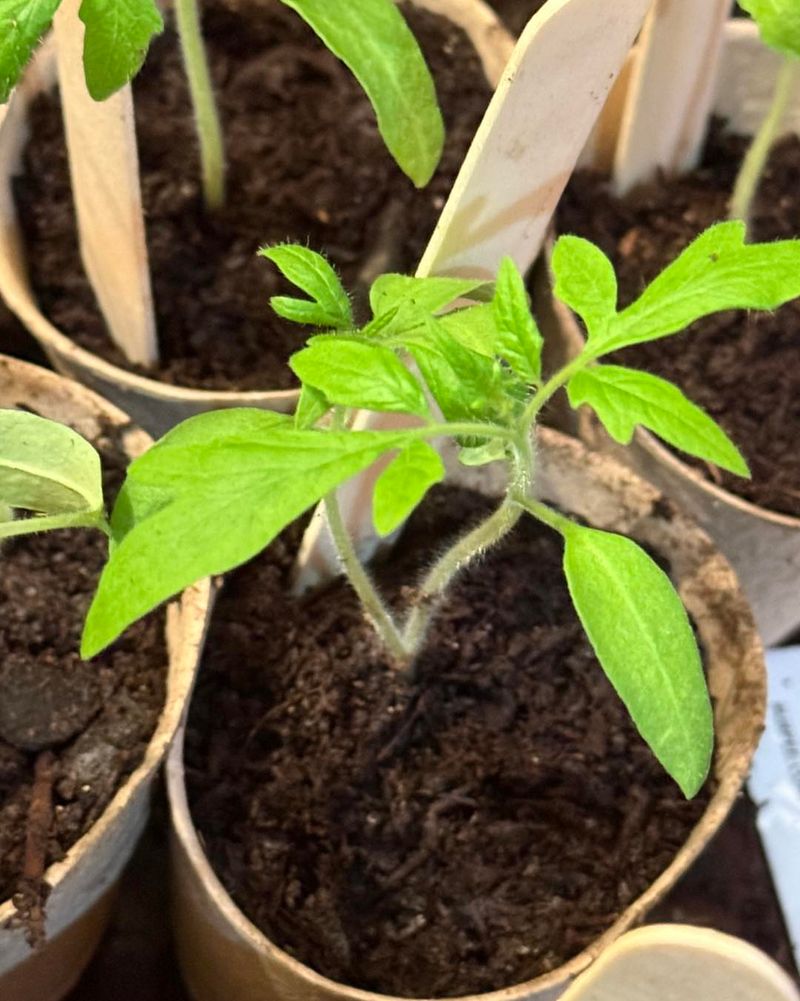
When it comes to warm season vegetables in California, timing is everything. Planting too early, before the soil has warmed up and frost risk has passed, can set back seedlings significantly.
Most California gardeners in inland valleys can safely start planting tomatoes, peppers, squash, and cucumbers after the last frost date, which typically falls between February and April depending on your region.
Coastal areas of California tend to stay cooler longer, so gardeners there often wait until May to transplant heat-loving crops. Checking your specific USDA hardiness zone and local frost dates gives you the clearest picture of when to plant.
Starting seeds indoors four to six weeks before your outdoor planting date gives transplants a healthy head start.
Raised beds and containers warm up faster than in-ground soil, making them great options for getting warm season crops going a little earlier. Beans, cucumbers, and melons actually do best when direct-seeded into warm soil rather than transplanted.
California’s long, sunny growing season can allow for multiple plantings of warm season vegetables in some regions, making careful spring timing especially valuable.
8. Monitor For Pests And Diseases
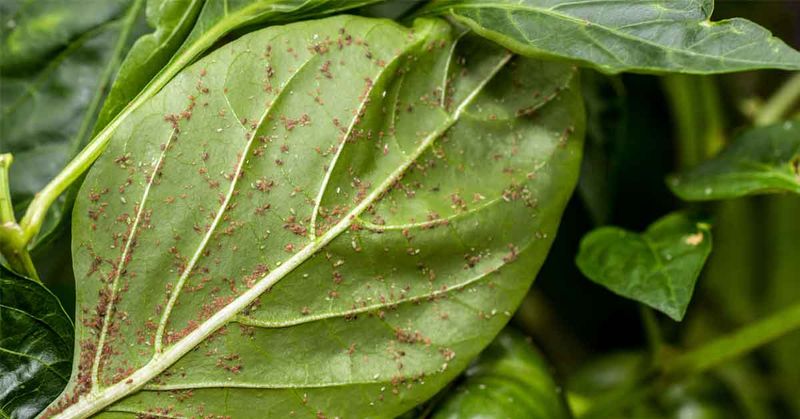
Spring brings new growth, but it also brings the return of garden pests and the conditions that encourage plant diseases. Aphids, whiteflies, scale insects, and spider mites are among the most common troublemakers in California gardens, and they tend to show up just as plants are putting out their most tender new growth.
Getting into the habit of checking your plants regularly in spring can help you catch issues early. Flip leaves over to look for eggs or clusters of insects on the undersides, where many pests prefer to hide.
Discolored spots, powdery coatings, or wilting that doesn’t improve with watering are all signs that something is wrong and needs attention.
Catching problems early means you can often handle them with simple, low-impact solutions. A strong spray of water from a hose can dislodge aphids.
Neem oil and insecticidal soap are effective organic options for many common pests. Removing infected leaves promptly helps stop fungal diseases from spreading.
In California’s diverse climate zones, conditions can change quickly, so staying observant and proactive is the most reliable way to keep your garden thriving through spring and into summer.
9. Divide Overgrown Perennials
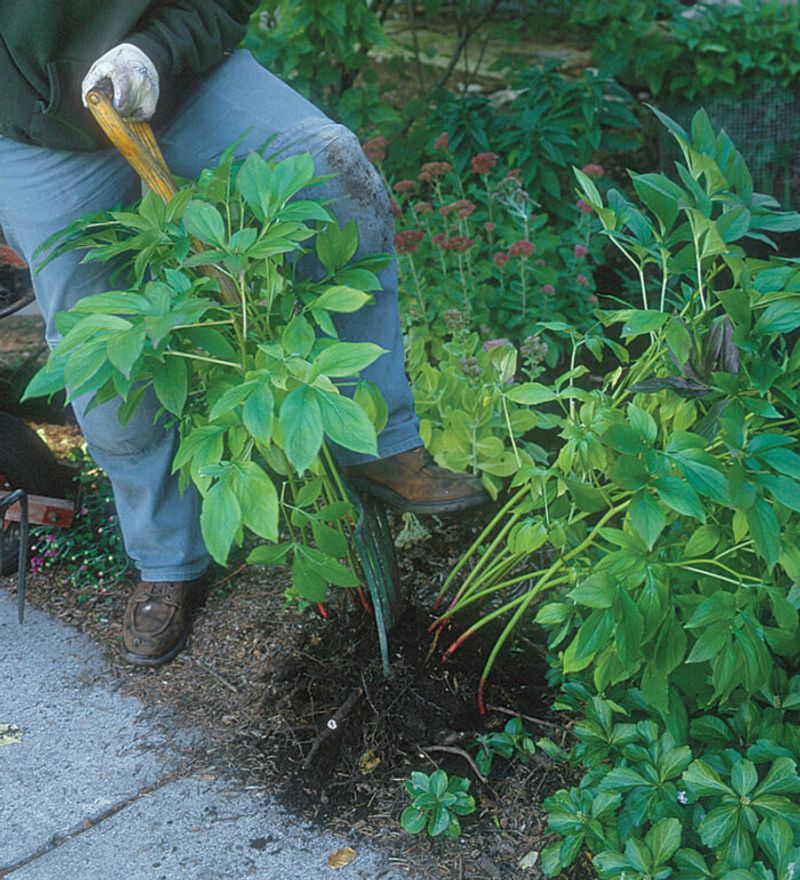
Perennials are some of the most rewarding plants in any California garden because they come back year after year. Over time though, many clumping perennials grow so large that they start to crowd themselves out, producing fewer flowers and weaker growth from the center of the clump.
Dividing them in spring can help improve plant vigor and manage overcrowding.
Plants like agapanthus, daylilies, ornamental grasses, and yarrow are classic candidates for spring division. Use a sharp spade or garden fork to lift the entire clump out of the ground, then separate it into smaller sections, each with a healthy set of roots and shoots.
Replant the divisions at the same depth they were growing before, water them in well, and watch them take off.
Dividing perennials not only rejuvenates the original plant but also gives you free plants to fill in other spots in your yard or share with neighbors. Spring is the best time for this task because the cooler temperatures and more frequent rain in California help divisions establish before summer heat arrives.
Many divided perennials establish well and may produce healthier growth compared to overcrowded plants.
10. Refresh Container Soil And Replant
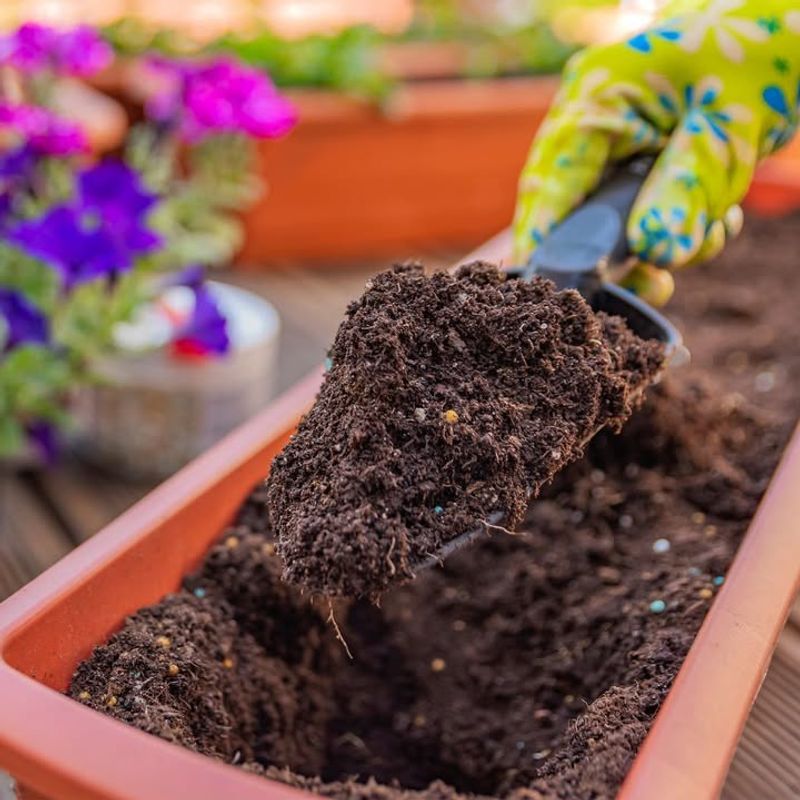
Container gardens are a beloved feature of California patios, balconies, and entryways, but potting soil doesn’t last forever. After a full year of watering, growing, and breaking down, the soil in your containers becomes compacted, depleted of nutrients, and often develops salt buildup from fertilizers and hard water.
Spring is an ideal time to refresh containers and prepare them for new plantings.
Empty out old potting mix and inspect your containers for cracks, drainage issues, or pest activity hiding at the bottom. Rinse them out with a mild bleach solution to reduce disease carryover, then let them dry before refilling.
Use a high-quality, well-draining potting mix formulated for containers rather than regular garden soil, which compacts too quickly in pots.
Once refreshed, containers are ready for a new round of planting. Spring is a great time to fill them with colorful annuals, herbs, or even compact vegetable varieties suited to California’s climate.
Strawberries, cherry tomatoes, basil, and marigolds all thrive in containers with good soil and regular watering. Adding a slow-release fertilizer to the fresh mix gives plants a steady nutritional foundation right from the start, reducing the need for frequent liquid feeding throughout the season.