The Strange Frostweed Phenomenon Returning To Tennessee Trails This Winter
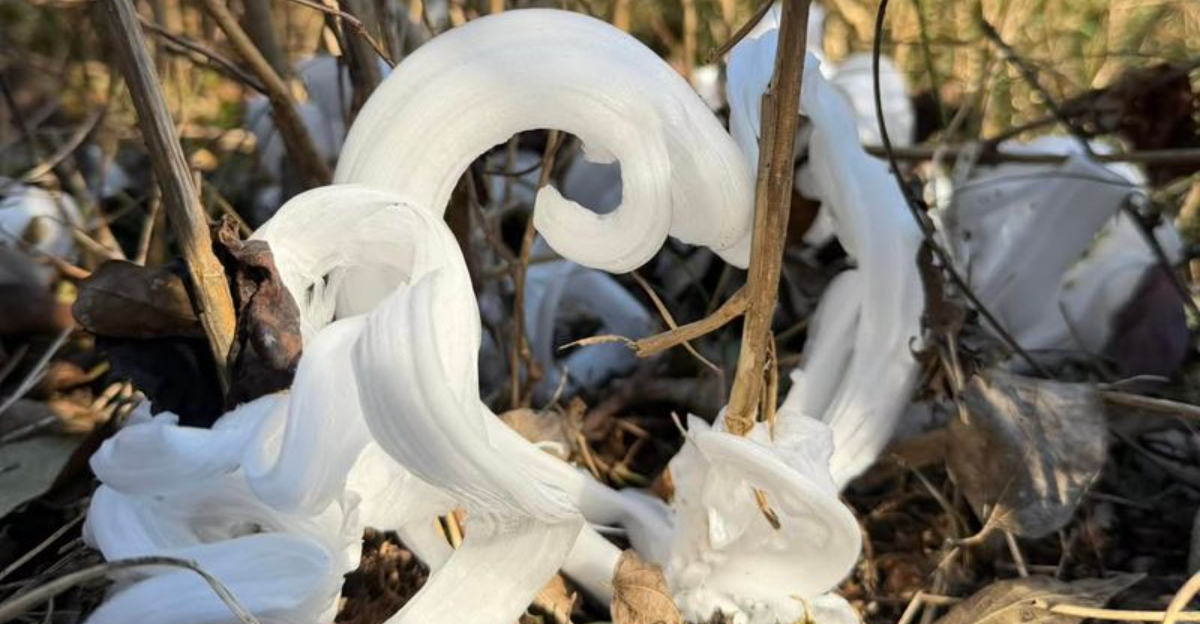
Tennessee hikers are once again stumbling upon something that looks almost magical: delicate ribbons of ice curling from plant stems on cold mornings.
Known as frostweed, this rare phenomenon appears only under very specific conditions—and never lasts long.
When temperatures drop just right, moisture inside the plant freezes and expands, pushing ice outward into intricate shapes.
It’s a fleeting display that turns ordinary trails into something extraordinary.
Frostweed doesn’t happen every winter, which makes its return especially exciting.
For those lucky enough to catch it, it’s a reminder that nature still has surprises waiting—if you’re out early enough to see them.
It Happens On Specific Plants Like Frostweed (Verbesina Virginica)
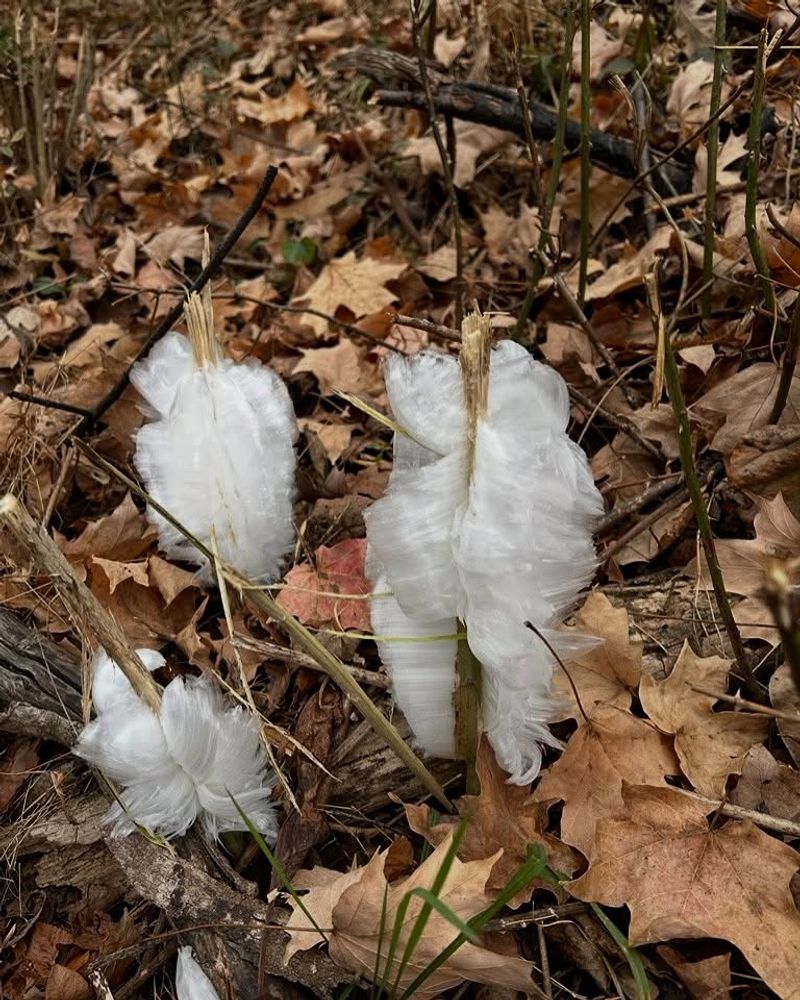
Not every plant can produce these remarkable ice sculptures — only certain species have the right combination of stem structure and water-conducting tissues to create frost flowers.
Frostweed, scientifically known as Verbesina virginica, is the most common plant responsible for this phenomenon in Tennessee and throughout the southeastern United States.
This tall native perennial grows abundantly in Tennessee woodlands, often reaching heights of four to six feet during the growing season before its stems remain standing through winter.
Also called white crownbeard or iceweed, this plant gets its common name directly from its ability to produce these spectacular ice formations when conditions are just right.
Other plants can occasionally produce similar structures, including dittany and yellow ironweed, but frostweed remains the most reliable and prolific producer.
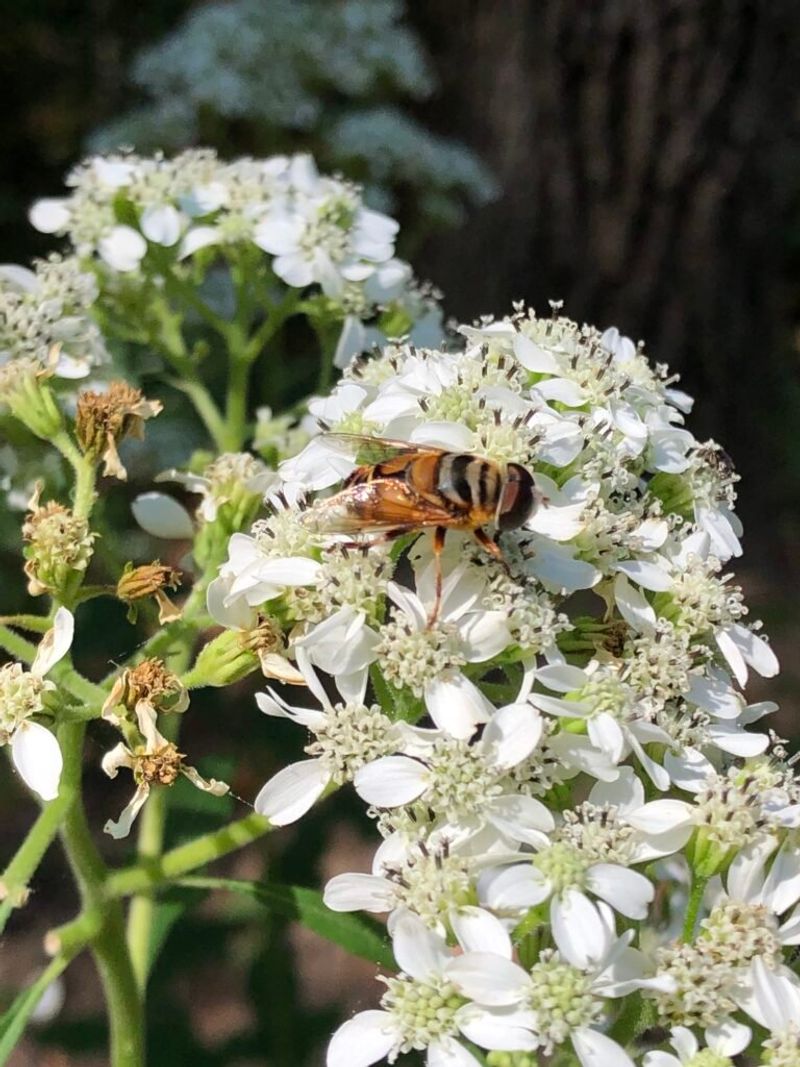
The plant itself has small white flowers in late summer and fall, providing nectar for pollinators before winter arrives and transforms its stems into ice-producing sculptures.
Recognizing frostweed during warmer months can help you locate the best spots to return to when frost flower season begins in late fall and early winter.
The Ice Forms Only Under The Right Temperature Conditions
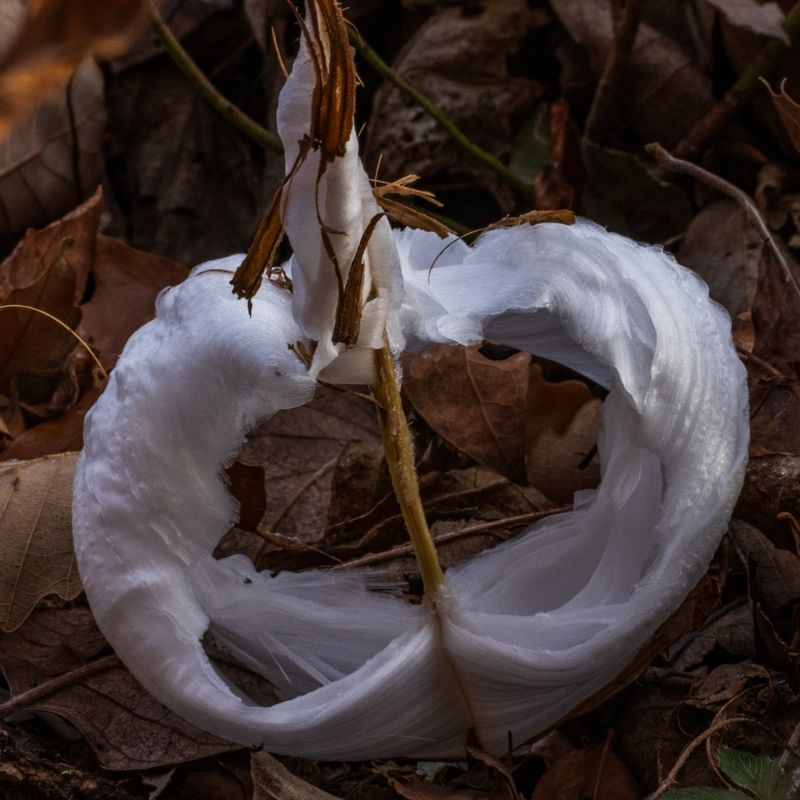
Frost flowers are incredibly picky about when they appear, requiring a very specific set of weather conditions that only occur a handful of times each winter season.
Air temperatures must drop below freezing, typically to around 25 to 28 degrees Fahrenheit, while the ground and plant roots remain relatively warm and moist from recent mild weather.
This temperature contrast is crucial because it creates the pressure difference that pushes water from the still-active roots up through the plant stem and out through cracks in the bark.
Tennessee’s climate is particularly well-suited for frost flowers because the state often experiences sudden cold snaps following mild autumn days, creating the perfect temperature combination.
The first hard freeze of the season typically produces the most spectacular displays because plant stems are still fresh and moisture levels in the soil are optimal.
Once multiple freeze-thaw cycles have occurred, the plant stems become too damaged to produce additional formations, making each frost flower event precious and limited.
Weather forecasters and nature enthusiasts often watch for these specific conditions, planning early morning trail visits when temperatures are predicted to drop overnight following warm, wet days.
Here’s How The Ice Sculptures Are Created
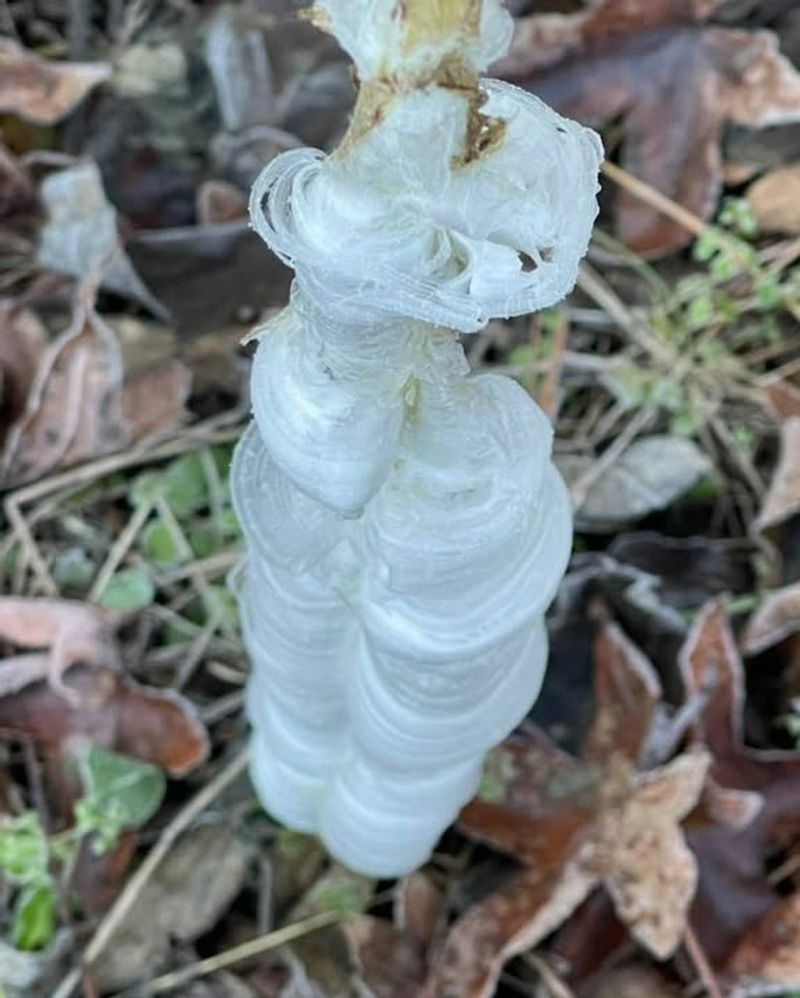
The process behind frost flower formation is a fascinating combination of plant biology, physics, and atmospheric conditions working together in perfect harmony.
Inside the frostweed stem, water continues to be drawn upward from the roots even as freezing temperatures arrive, because the ground remains warm enough to keep root activity going.
As the air temperature plummets, the thin outer bark of the plant stem contracts and develops tiny cracks, creating openings through which water can escape from the inner tissues.
When this moisture-rich sap emerges through the cracks and contacts the freezing air, it instantly freezes into thin sheets of ice that curl away from the stem.
More water continues to push out behind the first layer, creating additional ribbons that stack and fold over each other, building up the characteristic petal-like or ribbon-like appearance.
The continuous flow of water combined with the steady freezing creates layers upon layers of delicate ice, with each new ribbon pushing the previous ones outward and creating increasingly complex formations.
This process typically happens during the overnight hours and stops once the sun rises and temperatures increase, or when the water supply within the stem is exhausted.
It’s Not A Bloom — It’s A Frost Flower Ice Formation
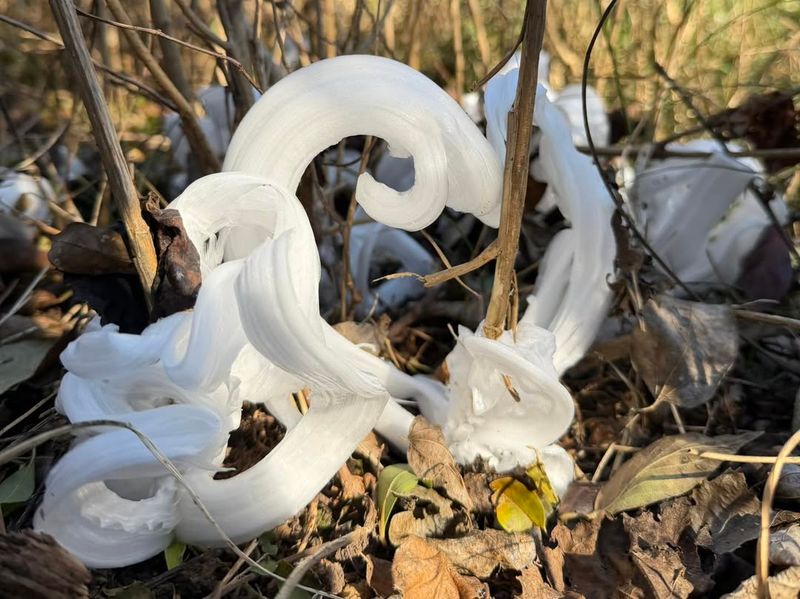
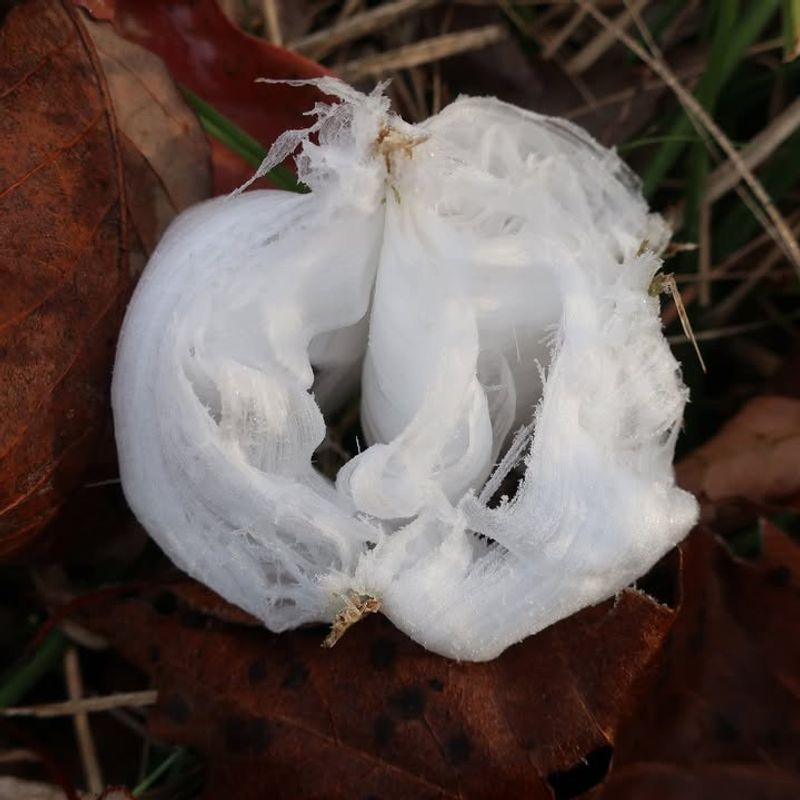
What might look like a delicate white flower blooming in the middle of winter is actually a stunning natural ice sculpture that forms overnight on certain plant stems.
Frost flowers are thin, curling ribbons of ice that emerge from the base of plant stems, creating shapes that resemble petals, ribbons, or even folded lace.
Unlike regular frost that coats surfaces evenly, these formations are three-dimensional structures that can stand several inches tall and spread outward in elegant, ribbon-like patterns.
The phenomenon has fascinated naturalists for generations because of how closely the ice resembles actual flower petals, complete with delicate curves and translucent beauty.
Many first-time observers mistake them for real blooms until they get close enough to see the crystalline structure and feel the cold radiating from the ice.
These formations are completely natural and require no human intervention, making them a pure example of nature’s artistic capabilities.
Photographers especially love capturing frost flowers because of their intricate details and the way morning light filters through the thin ice layers.
Each formation is unique, with no two frost flowers looking exactly alike, much like snowflakes or fingerprints in the natural world.
They’re Delicate And Temporary
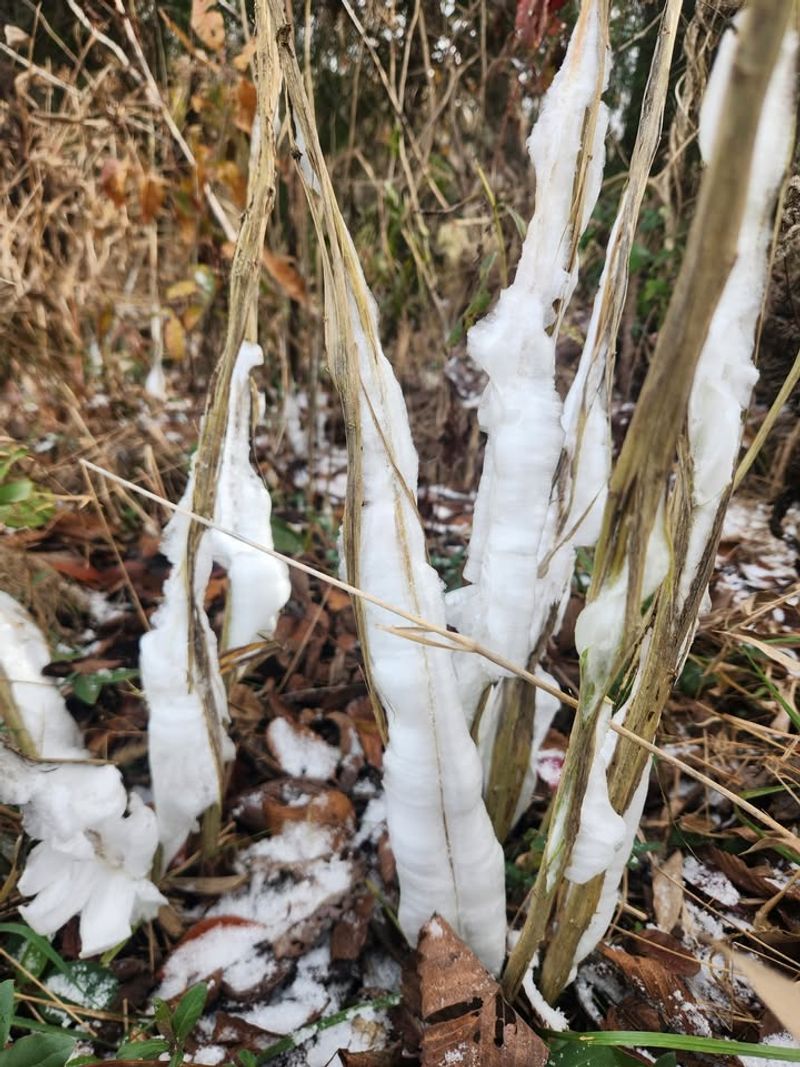
Frost flowers rank among the most ephemeral natural phenomena, existing for only a few precious hours before vanishing completely.
The thin ice structures are incredibly fragile and can shatter with the slightest touch, making them impossible to collect or preserve except through photography.
Once the sun rises and temperatures climb even slightly above freezing, the delicate ice ribbons begin to melt rapidly, often disappearing entirely within an hour or two of sunrise.
Even on days when temperatures remain below freezing, direct sunlight can warm the ice enough to cause melting, especially on formations exposed to southern or eastern light.
Wind can also shorten the lifespan of frost flowers, either by physically breaking the fragile structures or by introducing warmer air that accelerates melting.
This temporary nature adds to the magic and appeal of frost flowers, creating a sense of urgency among those hoping to witness them before they vanish.
Early morning hikers have the best chance of seeing intact formations, typically between dawn and mid-morning before sunlight reaches the woodland floor.
The fleeting existence of these ice sculptures makes each sighting feel special and rare, encouraging people to appreciate the moment while it lasts.
Woodlands With Moist Soil Are Prime Spots

Location matters tremendously when hunting for frost flowers, as these formations only appear where specific habitat conditions support healthy frostweed populations.
Tennessee’s bottomlands, shaded forest trails, and edges of open woodlands provide the ideal combination of moisture, shade, and native plant diversity that frostweed thrives in.
Areas near streams, in ravines, or on north-facing slopes tend to retain more soil moisture through autumn, creating better conditions for frost flower formation.
Shaded locations are particularly productive because they protect the ice formations from early morning sunlight, allowing them to persist longer and grow larger before melting.
Trail edges where woodlands meet clearings often support abundant frostweed growth because these transition zones provide the partial shade and good soil that the plant prefers.
State parks, nature preserves, and hiking trails throughout Tennessee report frost flower sightings, with particularly good spots in Middle and East Tennessee where native plant communities remain intact.
Returning to the same productive locations year after year can be rewarding, as frostweed plants are perennials that return to the same spots season after season.
Local naturalist groups and hiking clubs often share frost flower sighting reports, helping enthusiasts locate the best viewing areas each winter.
Wildlife Benefits Too
While the ice formations themselves are short-lived winter curiosities, the frostweed plants that create them play important ecological roles throughout the year.
During late summer and fall, frostweed produces clusters of small white flowers that bloom when many other native plants have finished flowering for the season.
This late-season nectar source is crucial for pollinators like butterflies and native bees that are preparing for winter or making long migrations south.
Birds benefit from frostweed too, feeding on the small seeds produced after flowering and finding shelter among the tall, sturdy stems.
The plant’s robust structure provides nesting material and protective cover for small mammals and ground-dwelling birds throughout winter months.
As a native species, frostweed supports a web of insects, pollinators, and wildlife that have evolved alongside it for thousands of years in Tennessee ecosystems.
Gardeners interested in supporting local wildlife can consider planting frostweed in appropriate locations, knowing that it serves multiple ecological functions beyond its winter ice-producing abilities.
Conservation of natural areas where frostweed grows ensures that both the frost flower phenomenon and the important ecological services of this native plant continue for future generations to enjoy and study.
People Are Talking Because Sightings Are Increasing
Social media has transformed frost flowers from an obscure natural phenomenon known mainly to botanists into a widely anticipated winter event that draws crowds to Tennessee trails.
Instagram, Facebook, and nature photography groups light up with frost flower photos each winter, with hikers sharing their discoveries and comparing formations from different locations.
The increasing awareness has created a community of frost flower enthusiasts who monitor weather conditions, share sighting reports, and coordinate early morning hikes to catch the formations at their peak.
Nature centers and state parks have begun incorporating frost flower information into their winter programming, offering guided hikes timed to coincide with likely formation periods.
The recent surge in outdoor recreation, accelerated by people seeking safe nature activities, has brought more visitors to Tennessee trails during winter months when frost flowers appear.
Educational posts explaining the science behind frost flowers have gone viral, helping more people understand and appreciate the specific conditions required for these ice sculptures to form.
Local news outlets now regularly feature frost flower stories during cold snaps, encouraging residents to explore nearby trails and witness this natural wonder for themselves.
This growing interest benefits conservation efforts by connecting people with native plants and natural processes, fostering appreciation for Tennessee’s unique winter ecology.