The Stunning Smoke Tree Taking Over Utah Desert Gardens This Season
Utah desert gardens are getting a bold new look, and the smoke tree is leading the charge.
With its soft, cloudlike blooms and dramatic color shifts, this tree turns heads without breaking a sweat.
In a landscape where plants often have to fight tooth and nail just to survive, the smoke tree makes it look easy.
It thrives in tough conditions and still manages to steal the show.
Gardeners across Utah are catching on fast.
The smoke tree handles heat, wind, and dry soil like an old pro, making it a smart pick for desert yards that demand low effort and high reward.
Its airy plumes float above the landscape in summer, while fall brings rich shades that feel like nature’s grand finale.
Few trees can pull double duty like this.
Beyond its good looks, the smoke tree fits right into modern desert design.
It pairs well with native plants, gravel beds, and open spaces, tying everything together without hogging water.
As more homeowners look for plants that work smarter, not harder, the smoke tree has hit its stride.
This season, it is clear why this standout tree is taking root across Utah gardens.
1. Smoke Trees Create A Magical Visual Effect That Resembles Floating Clouds
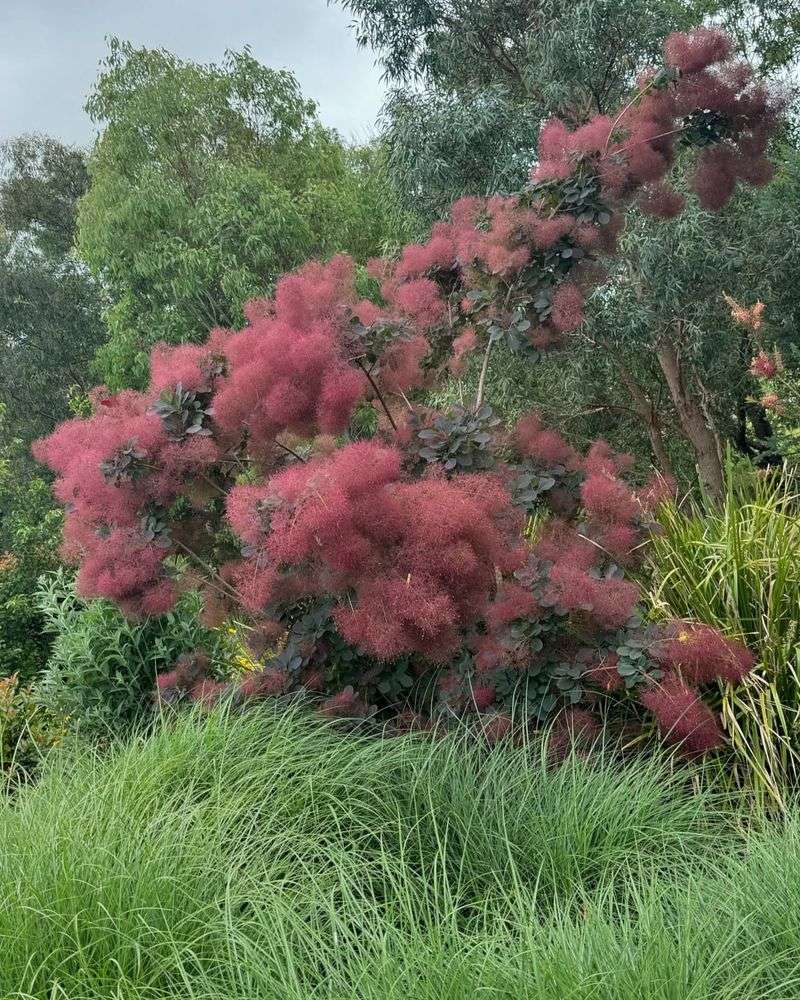
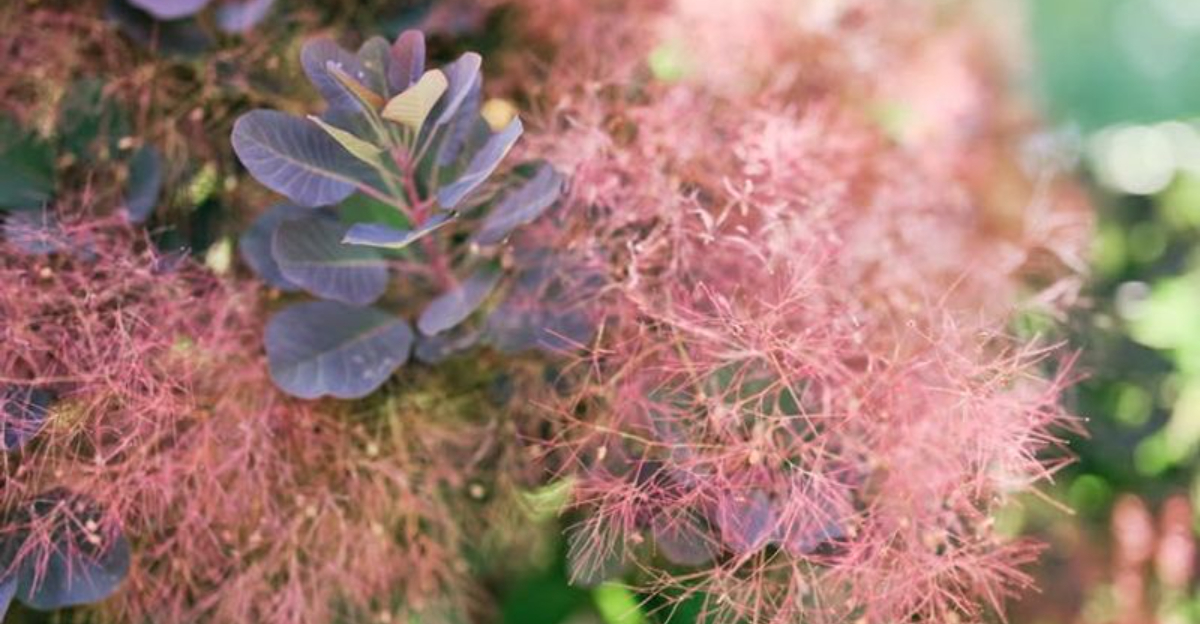
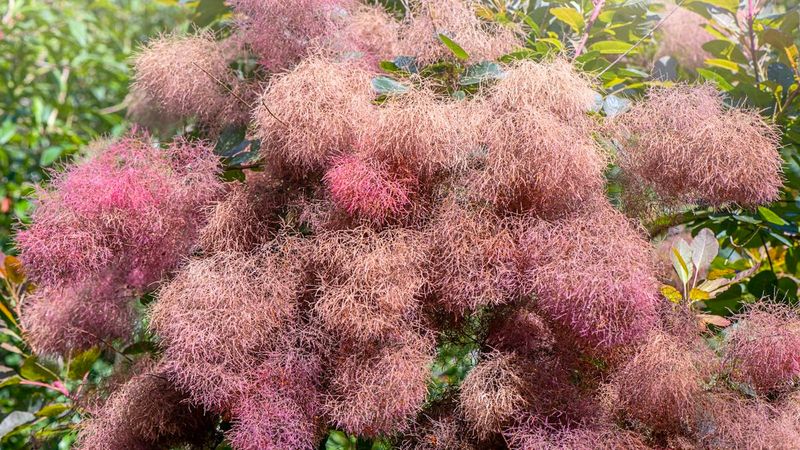
Imagine walking through your garden and seeing what looks like puffs of purple-pink smoke floating above the branches.
That’s exactly what smoke trees deliver, and it’s no wonder they’ve captured the hearts of Utah gardeners everywhere.
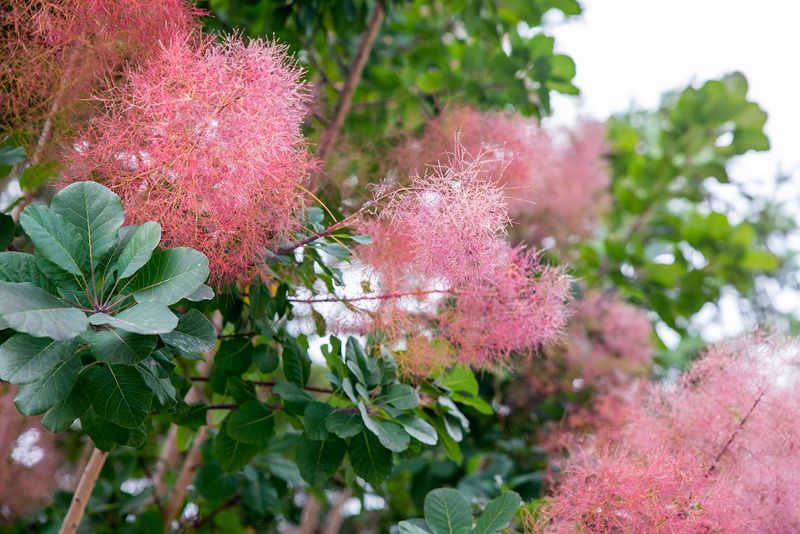
The unique appearance comes from their wispy flower stalks that grow in dense clusters, creating an almost ethereal quality when sunlight filters through them.
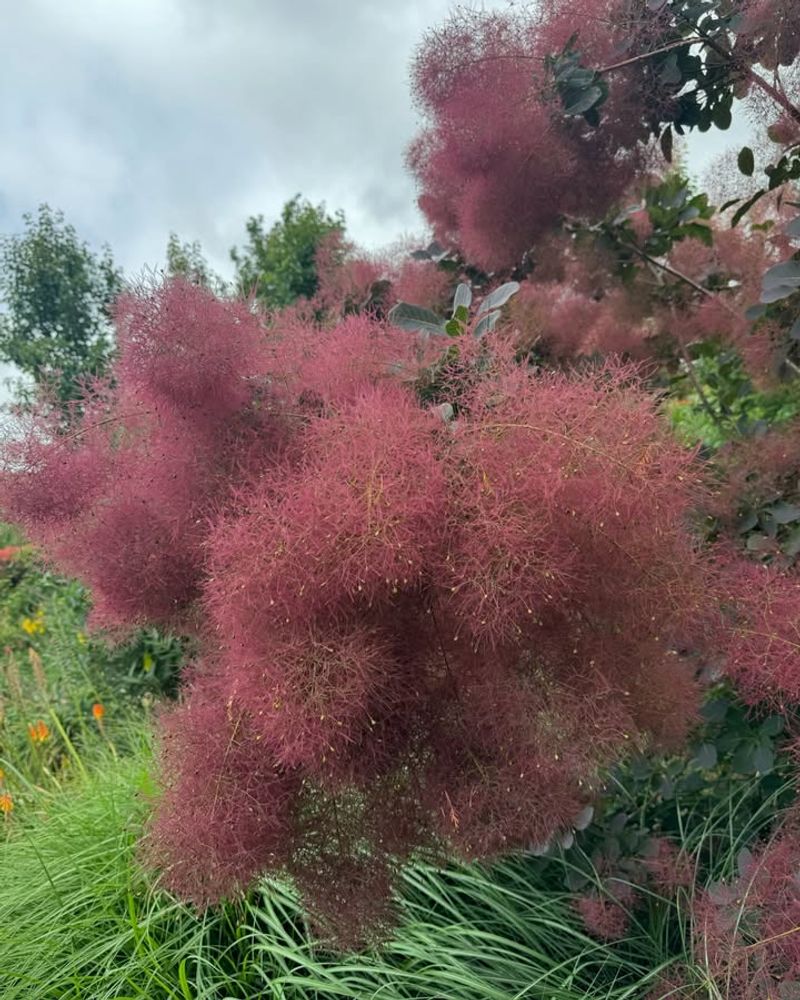
During late spring and early summer, these remarkable plants produce tiny flowers on hair-like stems called pedicels.
After the actual flowers fade away, these thin stems remain and continue growing longer.
They develop fine hairs that catch the light and create that signature smoky appearance that gives the plant its name.
Wind plays a huge role in enhancing this magical effect across Utah’s desert regions.
When breezes blow through the delicate flower clusters, they sway and shimmer in ways that make them look even more like actual smoke or clouds.
Many homeowners in Salt Lake City, St. George, and other Utah communities position their smoke trees where they can be backlit by morning or evening sun.
The color intensity varies depending on the variety you choose.
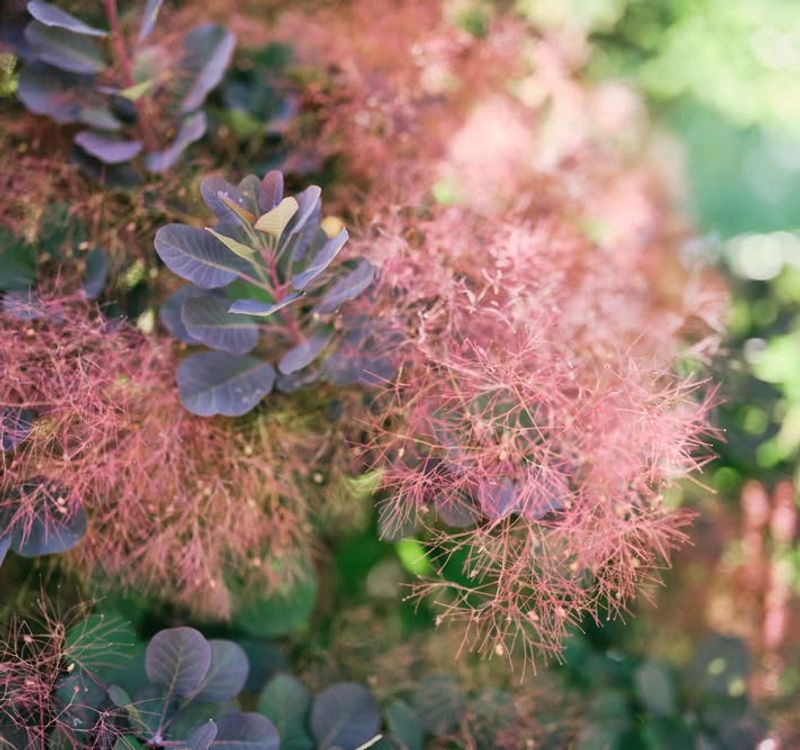
Some produce deep burgundy smoke effects, while others lean toward lighter pink or even yellowish tones.
This versatility means you can select the perfect shade to complement your existing landscape design and create the exact mood you want in your outdoor space.
2. They’re Incredibly Drought-Tolerant Once Established In Utah Soil
Water conservation matters more than ever in Utah, where desert conditions challenge gardeners to make smart choices.
Smoke trees answer that challenge beautifully by requiring very little water once their root systems have developed properly.
After about two growing seasons, these tough plants can survive on natural rainfall alone in most Utah locations.
During the establishment period, you’ll need to water regularly to help roots grow deep and strong.
Plan on watering deeply once or twice weekly for the first year, then gradually reducing frequency during the second season.
By year three, your smoke tree should be completely self-sufficient except during extremely dry stretches.
The secret to their drought tolerance lies in their extensive root systems that spread wide and dig deep.
These roots efficiently capture whatever moisture exists in the soil, even when conditions seem impossibly dry.
Native to similarly arid regions in the Mediterranean and parts of Asia, smoke trees evolved specifically to handle tough environmental conditions.
Utah gardeners from Provo to Cedar City appreciate how smoke trees reduce their outdoor water bills while still providing stunning visual impact.
Unlike thirsty lawns or high-maintenance perennials, these shrubs actually prefer drier conditions once established.
Overwatering can actually harm them by encouraging root rot or reducing their natural hardiness, so less attention truly means better results with these remarkable desert-adapted plants.
3. Multiple Species Offer Different Colors And Sizes For Utah Gardens
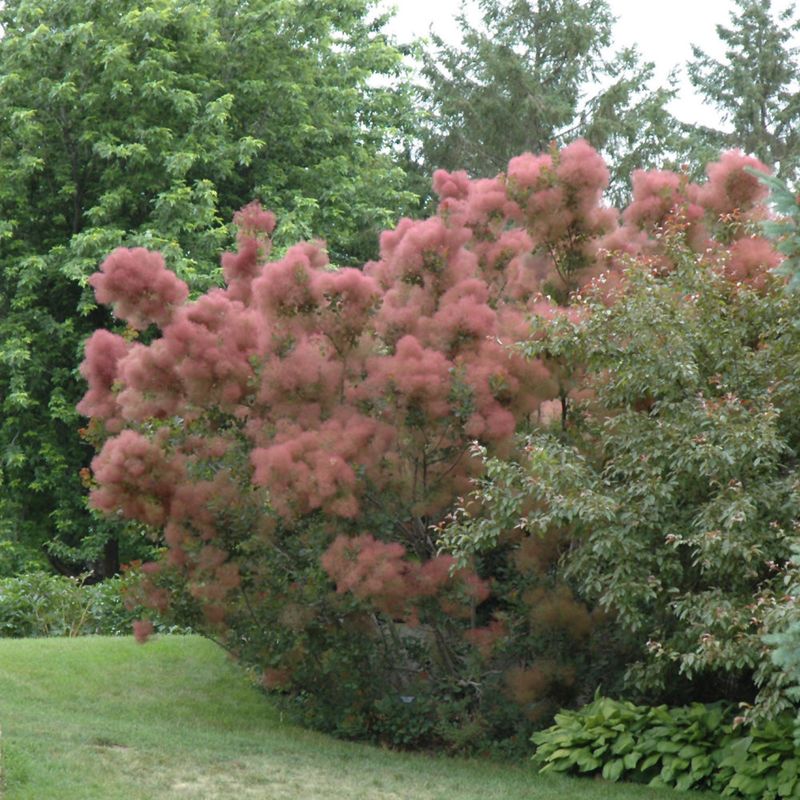
Not all smoke trees are created equal, and understanding the differences helps Utah gardeners choose the perfect fit for their spaces.
Two main types dominate the market: American smoke tree (Cotinus obovatus) and European smoke tree (Cotinus coggygria).
Each brings distinct characteristics that might work better depending on your specific needs and preferences.
American smoke trees grow larger, often reaching 25 to 30 feet tall with a similar spread.
They produce more subdued pinkish-gray smoke effects but compensate with absolutely spectacular fall foliage in shades of orange, red, and purple.
These native North American plants handle cold Utah winters exceptionally well and adapt easily to various soil types found throughout the state.
European varieties tend to stay smaller, typically maxing out around 10 to 15 feet in height.
However, they produce much more dramatic smoke displays in colors ranging from pale pink to deep purple, depending on the cultivar.
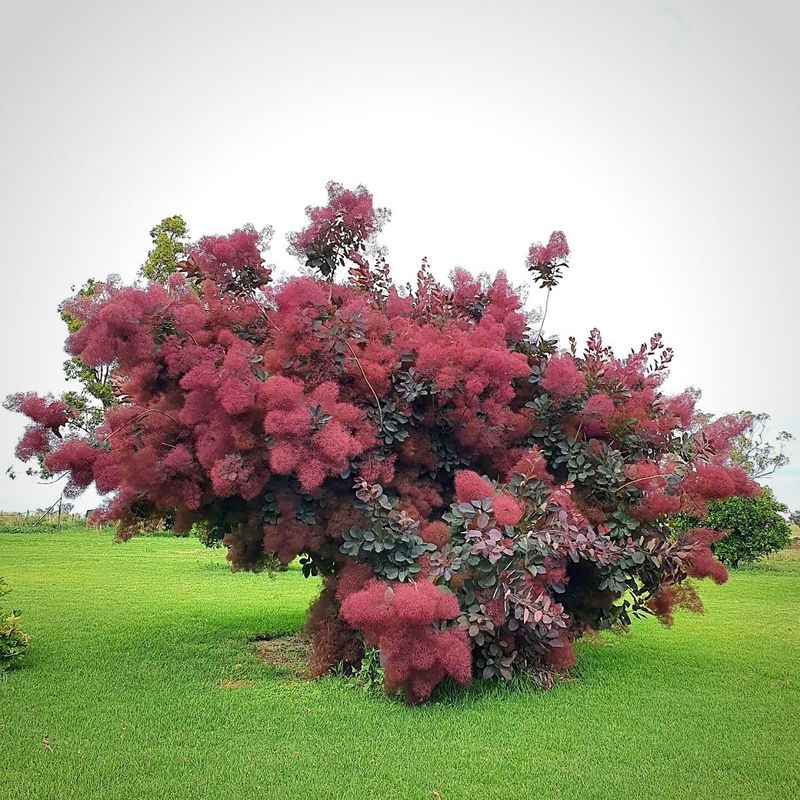
Popular varieties like ‘Royal Purple’ feature dark burgundy leaves that provide year-round color interest even when the smoky blooms aren’t present.
Several cultivars have been specifically bred for compact growth, making them perfect for smaller Utah yards or container gardens.
‘Grace’ offers a nice middle ground with excellent smoke production and manageable size.
‘Golden Spirit’ brings bright chartreuse foliage that creates stunning contrast in desert landscapes throughout Utah communities.
4. Fall Foliage Rivals Spring Blooms For Sheer Beauty In Desert Climates
While most people initially fall in love with the smoky summer blooms, experienced Utah gardeners know the real show often happens in autumn.
Smoke trees transform into absolute showstoppers when temperatures drop and days shorten, painting desert landscapes with some of the most vibrant colors imaginable.
The leaves shift through a spectacular progression of yellows, oranges, reds, and purples that rival any New England maple.
Utah’s climate actually enhances fall color development in smoke trees.
Cool nights combined with sunny days trigger the chemical changes that produce those brilliant pigments.
The state’s generally dry autumn weather also helps colors last longer without being washed away by heavy rains or damaged by early snow.
American smoke tree varieties typically produce the most intense fall displays, with individual leaves often showing multiple colors simultaneously.
One leaf might blend orange at the base, red through the middle, and purple at the tip.
When an entire tree transforms this way, the effect becomes absolutely breathtaking against Utah’s desert backdrop.
The autumn show typically begins in late September and can last well into November depending on weather conditions and your specific location within Utah.
Higher elevation areas like Park City or the Wasatch Mountains see color changes earlier, while southern regions near St. George enjoy extended seasons.
Planning your landscape to include smoke trees guarantees you’ll have something spectacular to look at when summer flowers fade away.
5. Minimal Maintenance Requirements Make Them Perfect For Busy Homeowners
Busy lifestyles and demanding work schedules leave many Utah homeowners with limited time for yard work.
Smoke trees fit perfectly into this reality by requiring almost no maintenance once they’ve settled into their spots.
Unlike fussy roses or high-maintenance perennials, these tough shrubs basically take care of themselves year after year.
Pruning needs are minimal and actually optional in most cases.
Smoke trees develop attractive natural shapes without intervention, growing into rounded or vase-like forms that look intentional and well-designed.
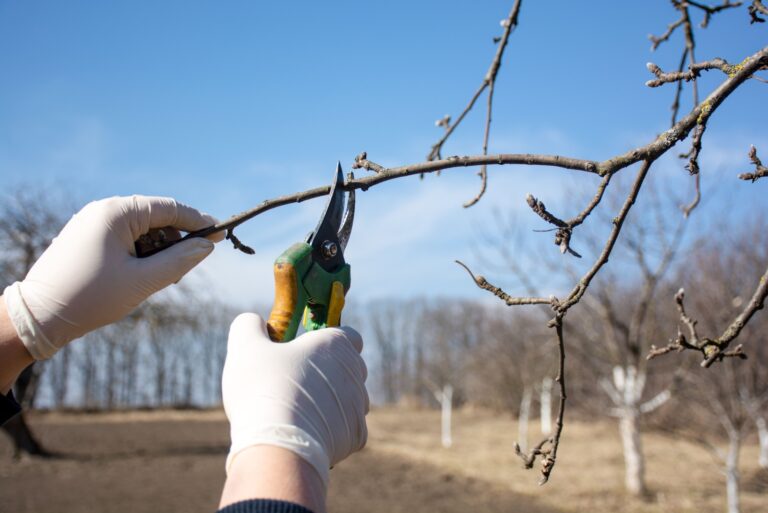
If you prefer a more compact plant or need to control size, light pruning in late winter before new growth emerges works perfectly fine.
Fertilizing is rarely necessary in Utah soils, which tend to be alkaline and mineral-rich.
In fact, smoke trees often perform better in lean soils that don’t encourage excessive lush growth.
If your plant seems sluggish, a light application of balanced fertilizer in early spring provides a gentle boost without creating problems.
Pest and disease issues are remarkably rare with smoke trees throughout Utah.
Their tough nature and slightly toxic leaves discourage most insects, while their preference for dry conditions prevents the fungal problems that plague moisture-loving plants.
Occasional aphids might appear on new growth, but they rarely cause significant damage and often disappear on their own without any treatment necessary for the plant’s health.
6. They Provide Valuable Habitat And Food Sources For Desert Wildlife
Creating beautiful landscapes shouldn’t come at the expense of local wildlife, and smoke trees prove you can have both.
These plants support diverse ecosystems throughout Utah by providing food, shelter, and nesting sites for numerous species.
Pollinators particularly appreciate the abundant nectar produced by the tiny flowers hidden within those smoky plumes.
Bees of various species visit smoke trees enthusiastically during bloom time, collecting both nectar and pollen.
Native bees, honeybees, and bumblebees all frequent these plants, making them valuable additions to pollinator-friendly gardens across Utah.
Butterflies also stop by regularly, adding another layer of movement and color to your landscape.
Birds find smoke trees useful throughout the year for different reasons.
During nesting season, the dense branching structure provides excellent protected spots for building nests and raising young.
The shrubby growth pattern creates safe hiding places from predators while still allowing parent birds easy access for feeding.
Come fall and winter, small birds appreciate the seeds that develop after flowers fade.
While not the most nutritious food source available, these seeds provide supplemental nutrition during lean times.
The branching structure also offers protected perching spots where birds can rest and survey their surroundings.
Utah gardeners who value wildlife alongside aesthetics find smoke trees deliver on both fronts, creating yards that feel alive and connected to the broader desert ecosystem surrounding their homes.
7. Strategic Placement Maximizes Their Impact In Utah Landscape Designs
Owning a smoke tree is one thing, but positioning it correctly takes your Utah landscape from ordinary to extraordinary.
These plants work best as focal points where their unique characteristics can really shine and capture attention.
Think about sight lines from windows, patios, and entry areas when deciding where to plant.
Backlighting creates the most dramatic smoke effect, so consider placing your tree where morning or evening sun will shine through those feathery blooms.
East or west-facing locations work beautifully for this purpose throughout Utah’s desert regions.
The low angle of sunrise or sunset light makes the smoky plumes absolutely glow with an otherworldly quality.
Contrasting backgrounds enhance visual impact significantly.
Dark backgrounds like evergreen hedges, stone walls, or house siding make the lighter smoke plumes pop dramatically.
Conversely, if you’ve chosen a dark-leafed variety like ‘Royal Purple,’ placing it against lighter backgrounds creates stunning contrast that draws the eye from across the yard.
Grouping considerations matter too, especially in larger Utah landscapes.
Single specimens work wonderfully as standalone features, but planting three or five in a loose cluster creates impressive mass plantings.
Odd numbers typically look more natural than even groupings.
Leave adequate spacing between plants based on mature size expectations, generally allowing 10 to 15 feet between centers for most varieties to prevent overcrowding as they grow and fill out over the years.