The Surprising Reason Coyotes Are Targeting Dog Food Bowls In Georgia Neighborhoods
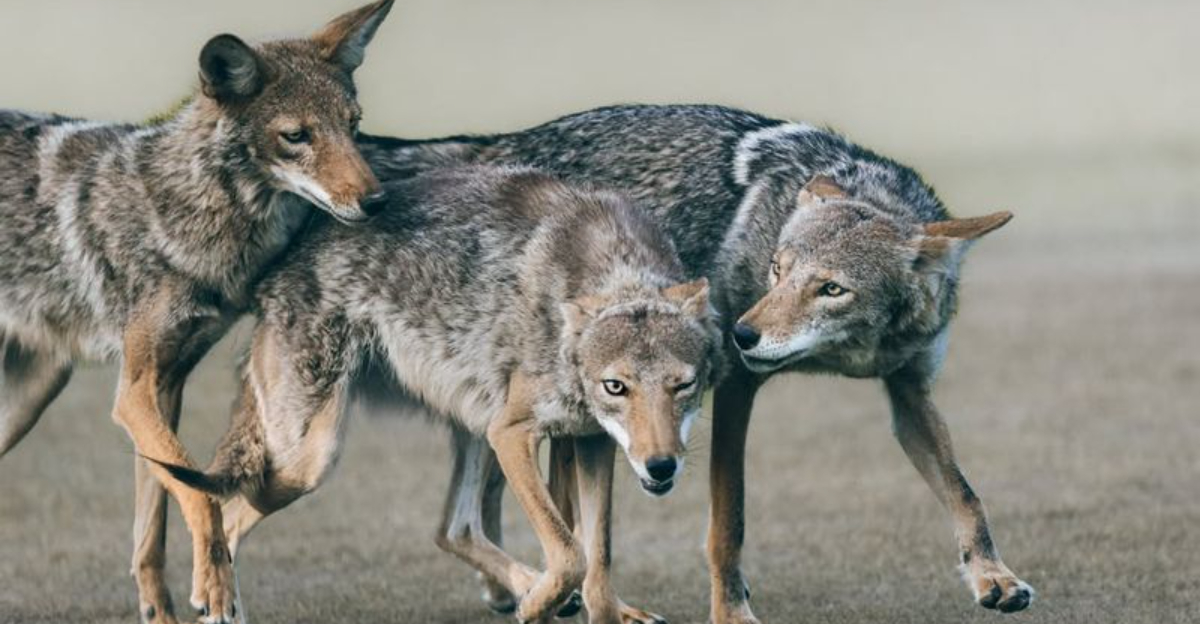
In many Georgia neighborhoods, a new kind of visitor has been showing up where you least expect it—right next to your dog’s food bowl.
Coyotes aren’t just wandering through yards anymore; they’re actively investigating, and sometimes eating, pet food left outdoors.
For many homeowners, this feels surprising—and a little unsettling—but wildlife experts say there’s a clear reason behind the behavior.
As urban and suburban spaces expand into traditional coyote territory, these adaptable predators are learning that easy, calorie-rich meals are just a doorstep away.
Leftover kibble and open bowls act like a dinner bell, drawing curious coyotes closer to homes and increasing the chances of repeated visits.
Understanding why they’re doing this is the first step toward keeping both your pets and local wildlife safe.
Here’s what’s driving this trend—and what Georgia residents should know to respond smartly.
Why Coyotes Are Attracted To Pet Food Smells, Not Pets
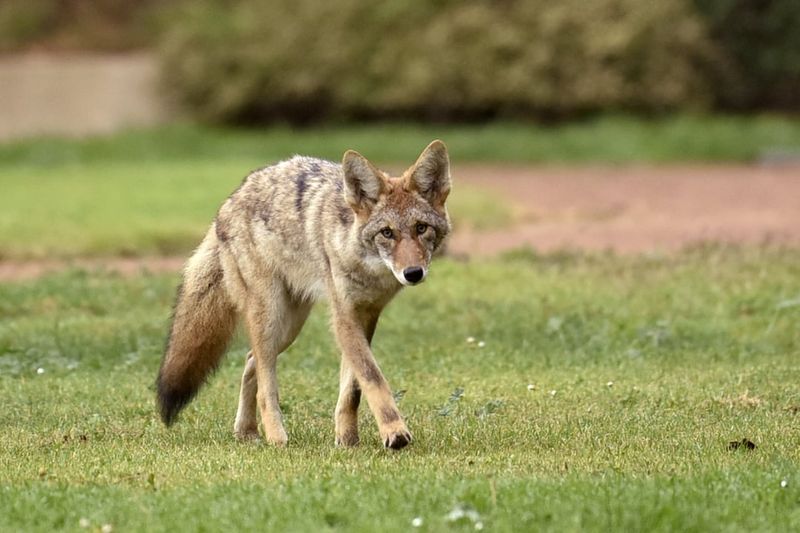
Coyotes possess one of the most powerful noses in the animal kingdom, allowing them to detect food from incredibly long distances away.
Pet food left outside sends strong scent signals that travel through neighborhoods, especially during cooler evening hours when air is still.
Georgia’s climate makes outdoor feeding common, but this habit creates unintentional invitations for wildlife looking for convenient meals without much effort.
Most people assume coyotes come looking for pets, but the reality is that kibble and wet food are far easier targets.
Coyotes prefer avoiding confrontation and will always choose the path of least resistance when searching for their next meal opportunity.
Dog food offers high protein and fat content, making it nutritionally valuable for wild animals struggling to find natural food sources.
Urban expansion has reduced hunting grounds, pushing coyotes to adapt their diets and explore residential areas for alternative food options instead.
Removing food sources eliminates the primary reason coyotes enter yards, making properties far less attractive to these opportunistic nighttime visitors overall.
How Far Coyotes Can Smell A Dog Food Bowl
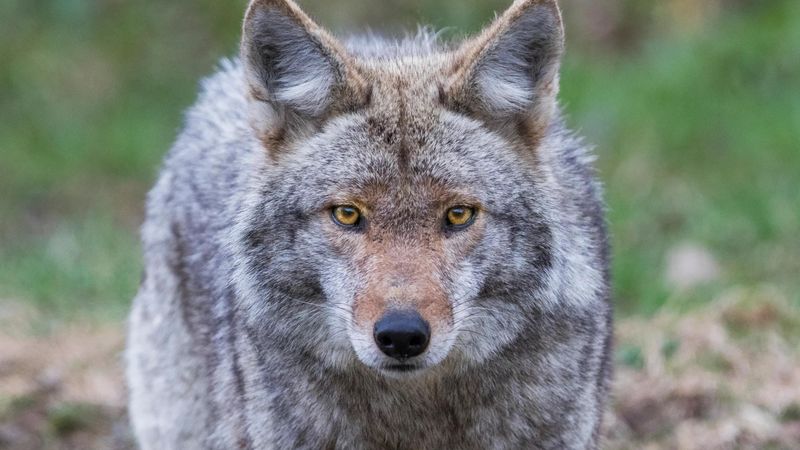
Research shows that coyotes can detect food smells from over a mile away, depending on wind direction and weather conditions present.
Their noses contain millions more scent receptors than humans, making them exceptionally skilled at locating even small amounts of food.
Georgia’s humid climate actually helps carry scents farther through the air, creating wider detection zones that extend well beyond immediate neighborhoods.
An outdoor food bowl becomes a beacon that broadcasts its location to every coyote within range of that powerful olfactory signal.
Even covered patios or screened porches do not fully contain food odors, which seep through openings and attract curious wildlife.
Once a coyote picks up the scent trail, it will follow the smell directly to its source, often returning repeatedly.
Memory plays a significant role too, as coyotes remember productive feeding locations and incorporate them into regular patrol routes each night.
Storing pet food indoors and feeding pets inside eliminates the scent trail entirely, making yards invisible to passing coyotes.
Why Even Empty Bowls Still Draw Wildlife
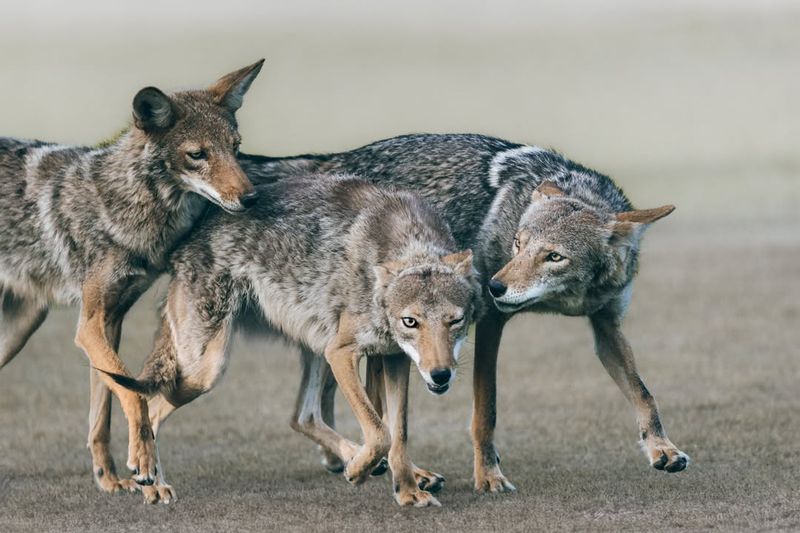
Empty bowls retain food residue and oils that continue releasing detectable odors long after pets finish eating their daily meals.
Kibble dust, meat juices, and gravy remnants cling to bowl surfaces, creating persistent scent markers that remain attractive to wildlife.
Georgia homeowners often leave bowls outside for convenience, not realizing that even thoroughly licked-clean bowls still smell strongly to animals.
Coyotes will investigate empty bowls hoping to find overlooked crumbs or lick remaining flavors from the bowl’s interior surface areas.
This behavior reinforces the location as a potential food source, encouraging repeated visits even when no actual food remains available.
Plastic bowls are particularly problematic because porous materials absorb and hold odors much longer than stainless steel or ceramic options.
Regular washing with soap removes surface residue, but scent molecules can penetrate deep into scratched or worn bowl materials permanently.
Bringing bowls indoors immediately after feeding and washing them thoroughly eliminates lingering scents that continue attracting unwanted nighttime guests.
What Georgia Neighborhoods Are Doing That Encourages Visits
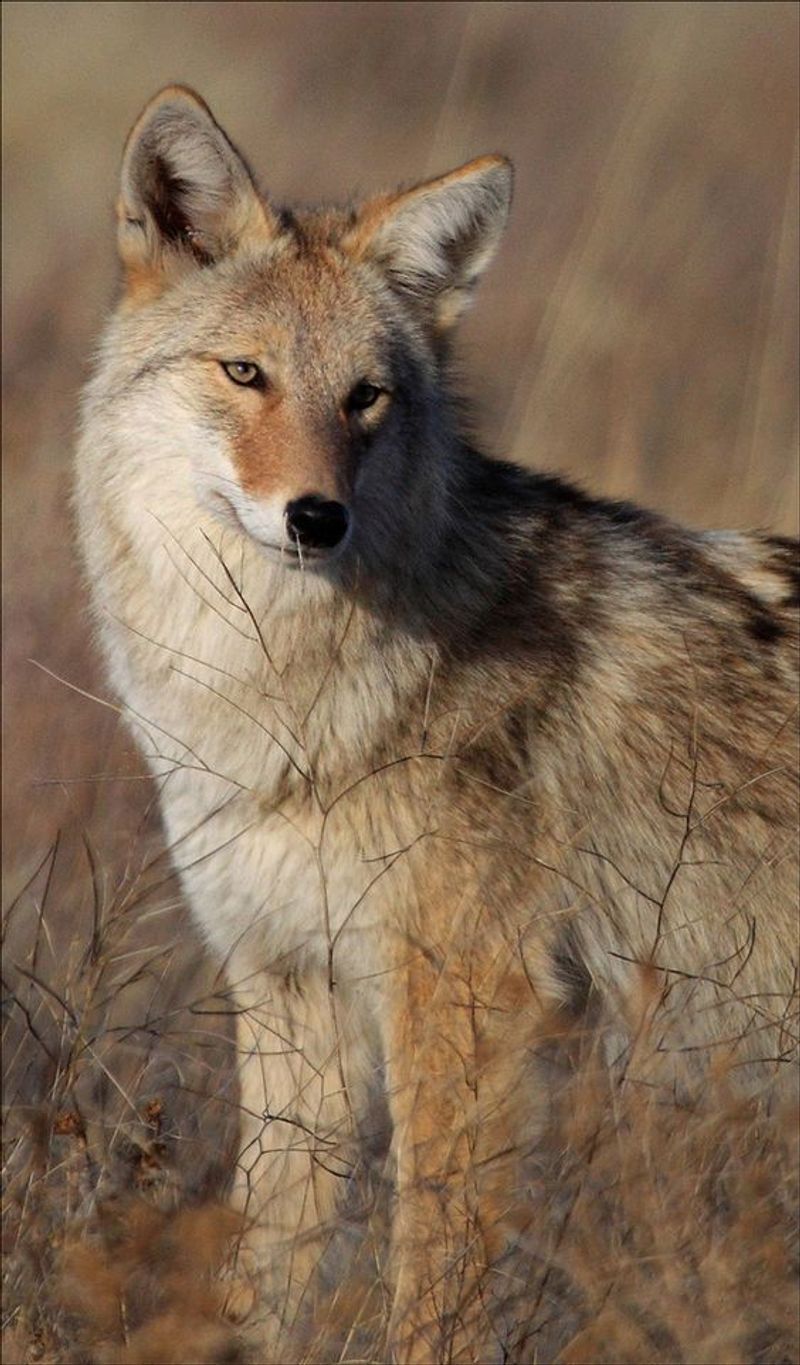
Many Georgia communities unknowingly create perfect conditions for coyote activity through common landscaping and pet care habits practiced daily.
Outdoor pet feeding stations, unsecured garbage cans, fallen fruit from trees, and bird feeders all provide easy food access points.
Neighborhoods near wooded areas or green spaces offer natural travel corridors that coyotes use to move safely between different feeding locations.
Automatic outdoor feeders that dispense food throughout the day create constant food availability, training coyotes to check yards on schedules.
Compost piles containing food scraps also attract wildlife, adding another layer of appeal to residential properties in suburban settings.
Dense shrubs and overgrown vegetation provide hiding spots where coyotes feel safe while scoping out potential food sources nearby.
Outdoor lighting patterns matter too, as some yards remain dark enough for coyotes to approach undetected by sleeping homeowners inside.
Community-wide efforts to eliminate attractants work better than individual actions, as coyotes simply move between houses until finding accessible food.
How Coyotes Learn And Share Food Locations

Coyotes are highly intelligent animals that learn quickly from experience and share information within their family groups through various methods.
When one coyote discovers a reliable food source, others in the pack learn about it through scent marking and observation.
Young coyotes accompany adults on foraging trips, receiving hands-on education about which neighborhoods offer the easiest meals available consistently.
Scent marking near productive feeding sites serves as communication, telling other coyotes that food can be found in specific locations.
Georgia’s growing coyote population means more animals are competing for resources, increasing pressure to find and defend good feeding territories.
Social learning accelerates the spread of successful foraging strategies throughout local coyote populations within just a few generations of animals.
Once a neighborhood becomes known as a food source, multiple coyotes may visit the same yards on rotating schedules.
Breaking this learned behavior requires removing all food sources simultaneously, forcing coyotes to seek sustenance elsewhere beyond residential properties permanently.
Why These Visits Increase After Dark
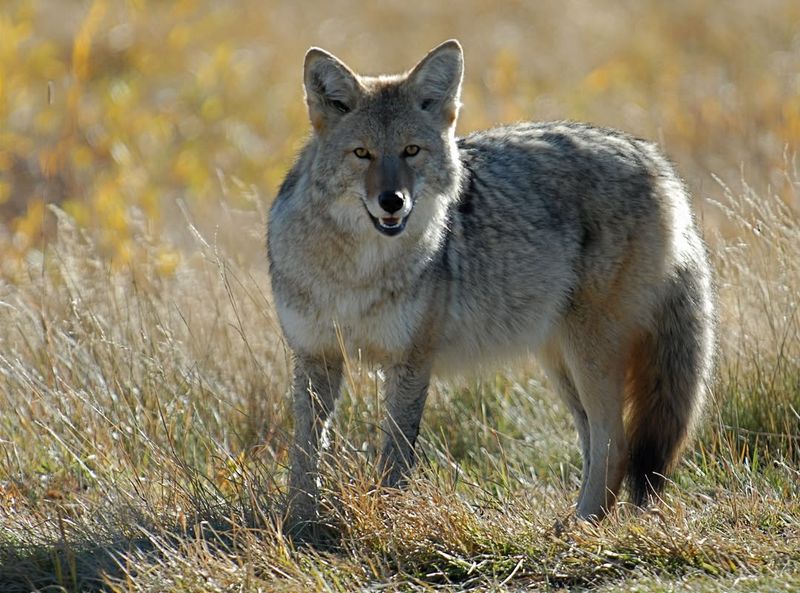
Coyotes are naturally nocturnal animals, meaning their biological clocks program them to be most active during nighttime hours always.
Darkness provides cover from humans and reduces the risk of dangerous encounters, allowing coyotes to explore neighborhoods with confidence.
Georgia neighborhoods quiet down after sunset, with fewer people outside and less vehicle traffic to disturb foraging wildlife moving through.
Many homeowners leave pet food bowls outside overnight, creating perfect timing for coyotes to visit when detection risk is lowest.
Cooler nighttime temperatures also make scent trails stronger and easier to follow compared to hot daytime conditions that disperse odors.
Reduced human activity means coyotes can take their time investigating yards thoroughly without rushing or feeling threatened by sudden movements.
Motion-activated lights may startle individual coyotes initially, but repeated exposure often leads to habituation where they ignore the lights.
Feeding pets during daylight hours and removing bowls before sunset eliminates the overnight temptation that draws coyotes into yards.
When A Curious Coyote Becomes A Real Problem
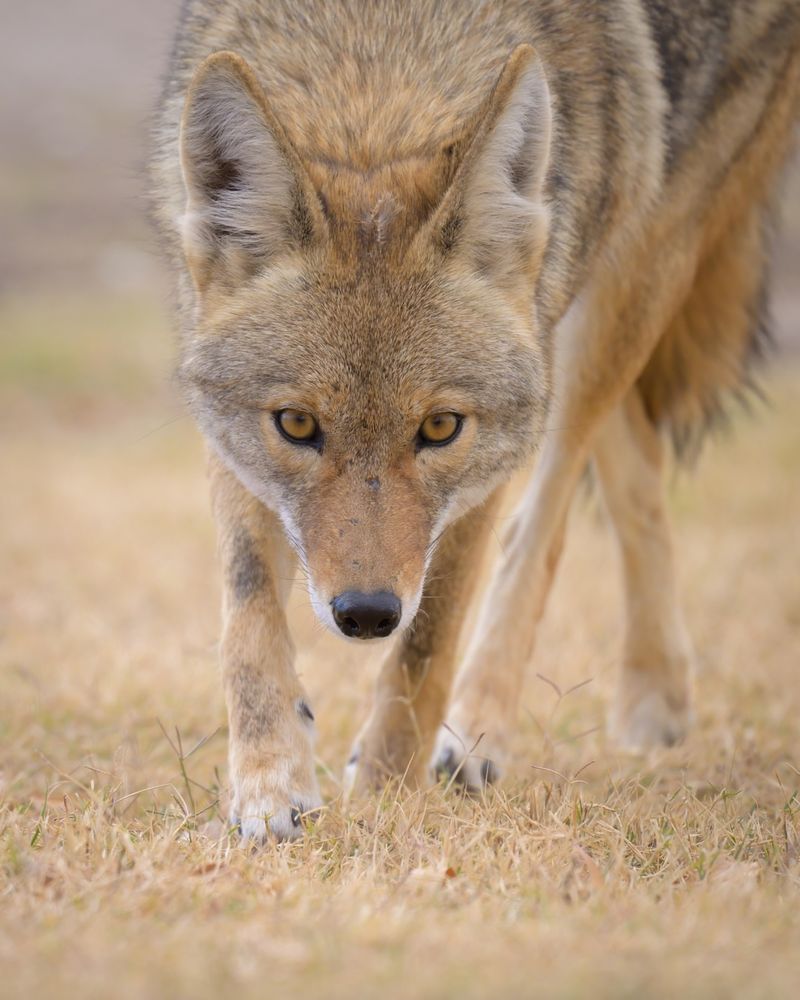
Habituation occurs when coyotes lose their natural fear of humans through repeated positive experiences in residential areas without consequences.
A coyote that consistently finds food in yards begins associating people and houses with rewards rather than threats to avoid.
Bold coyotes may approach homes during daylight hours, show little fear when encountering people, or refuse to leave when confronted.
Georgia wildlife officials report increasing incidents of habituated coyotes that no longer exhibit normal wariness around humans and their properties.
These animals pose greater risks because their behavior becomes unpredictable, and they may defend perceived food sources aggressively when challenged.
Small pets left unattended become vulnerable when coyotes grow comfortable operating in close proximity to human activity without hesitation.
Children playing outside may also encounter bold coyotes that have learned yards are safe places to explore and forage freely.
Preventing habituation requires immediate action at the first sign of coyote presence, removing attractants before animals establish regular visiting patterns.
Simple Changes That Stop Repeat Visits

Preventing coyote visits requires consistent effort but involves straightforward changes that any homeowner can implement starting today without expense.
Feed pets indoors or supervise outdoor meals, removing bowls immediately after pets finish eating to eliminate lingering food and scents.
Secure garbage cans with tight-fitting lids or store them in garages until collection day arrives to prevent easy access.
Remove fallen fruit from yards promptly, as rotting produce attracts coyotes along with other wildlife seeking easy meals in neighborhoods.
Eliminate water sources like pet bowls or decorative fountains that provide hydration for animals traveling through residential areas at night.
Trim overgrown shrubs and vegetation that offer hiding spots where coyotes feel safe while observing homes for feeding opportunities.
Install motion-activated lights and noise devices that startle approaching animals, though these work best combined with removing actual attractants.
Neighborhood cooperation multiplies effectiveness, as coyotes simply move to the next available food source when one yard becomes inaccessible.