The Surprising Reason Wisconsin Gardeners Are Burying Pine Cones In Their Soil
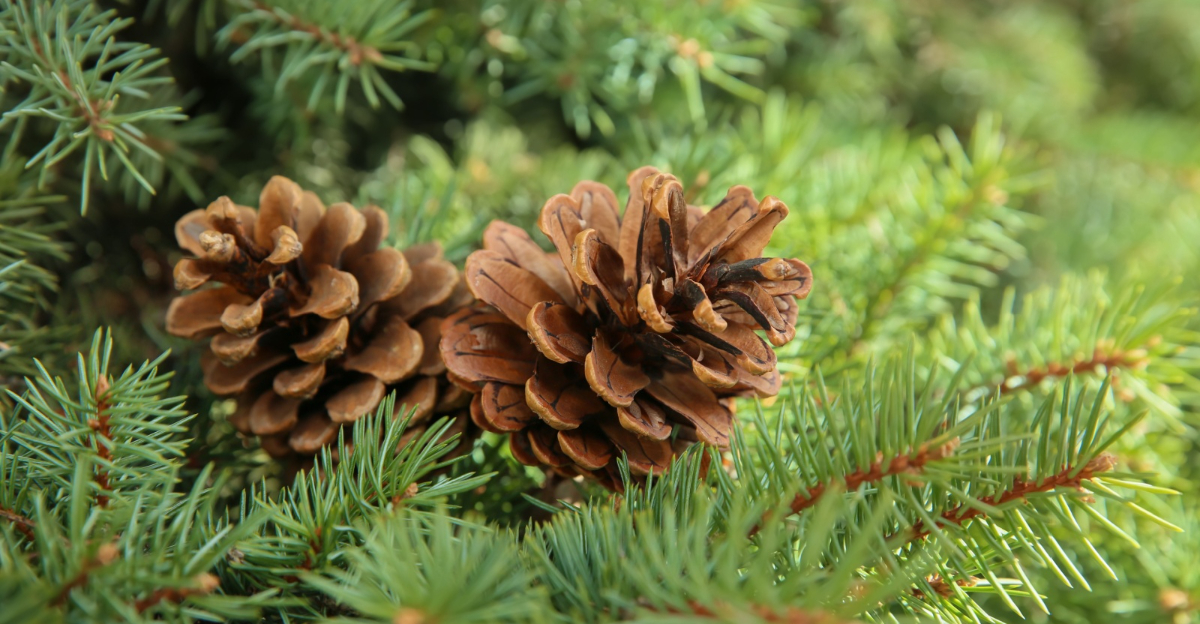
If you have ever spotted a neighbor crouching over their garden beds and burying pine cones like they are hiding treasure, you are not alone in your confusion.
It looks strange.
It might even look a little unhinged.
But here is the thing.
They probably know something you do not yet.
Wisconsin gardeners have been quietly adding pine cones to their soil.
The reasoning is actually pretty solid.
This is not a folk remedy passed down from someone’s eccentric aunt.
There is genuine reasoning behind it. And once you understand what happens to a pine cone once it is underground, the whole idea starts to make a lot of sense.
From Madison vegetable beds to flower gardens up near Green Bay, the practice is catching on fast.
More gardeners are trying it each season.
Some are skeptical at first.
Most end up surprised by what they find come spring.
And after reading this, you might find yourself eyeing that pile of pine cones in your backyard a little differently.
What Is Actually Going On With This Trend, And Why
Forget expensive soil amendments.
Seriously, put the catalog down.
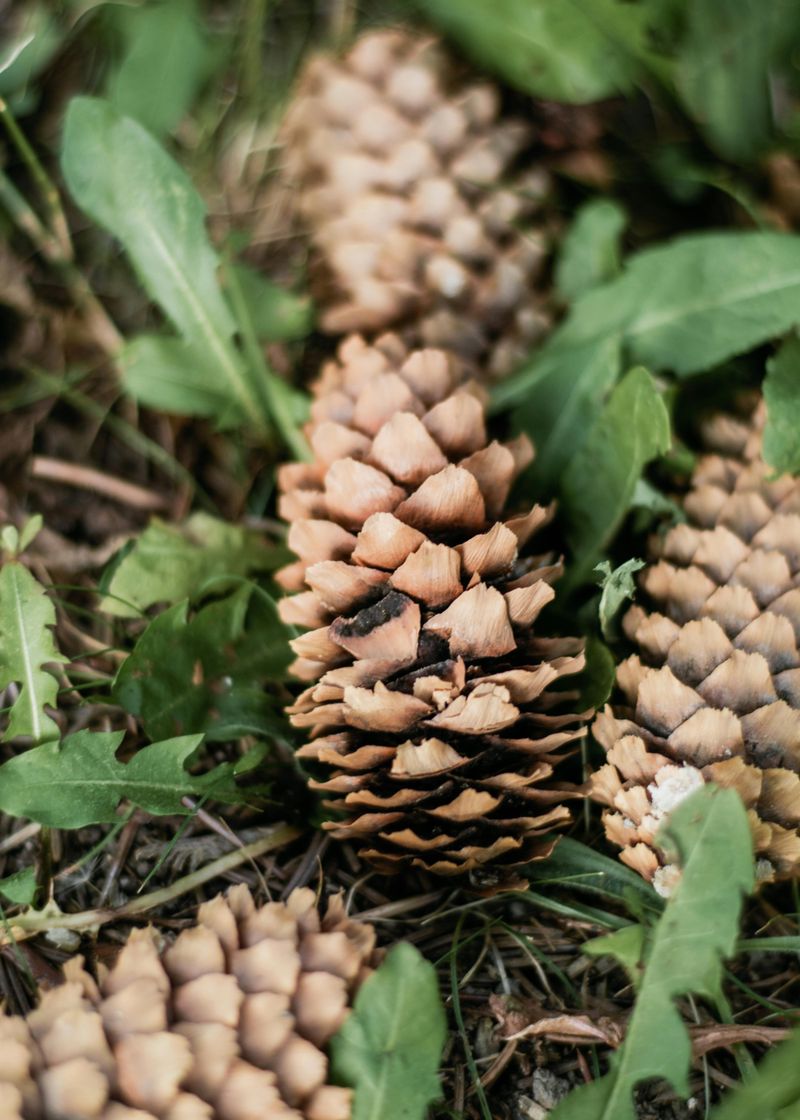
Gardeners across Wisconsin have started collecting fallen pine cones straight from their own yards.
Before planting season begins, they push the cones four to six inches into their garden beds.
It costs nothing.
It takes maybe twenty minutes.
And it is spreading fast through local gardening groups and neighborhood Facebook pages for a reason.
Pine cones act as a slow-release system underground.
As they break down over months, they create small pockets of air and organic material.
Decomposing organic matter can improve pore space over time .
That is not nothing.
Most gardeners bury them whole, placing them about four to six inches deep and spacing them roughly a foot apart.
Some cut them in half first to speed up decomposition.
Others leave them intact and let nature handle the timeline.
Both approaches work.
The real motivation is straightforward.
Free organic matter that does not require a trip to the garden center is hard to argue with.
Wisconsin winters are brutal, and anything that improves soil structure heading into spring is worth a try.
There is one bonus most gardeners did not see coming.
The theory is that as the cones break down, they help the soil retain moisture, which could mean reaching for the hose a little less often.
Nobody advertised that part.
They just started noticing it.
What Pine Cones Actually Do Once They Are In The Ground
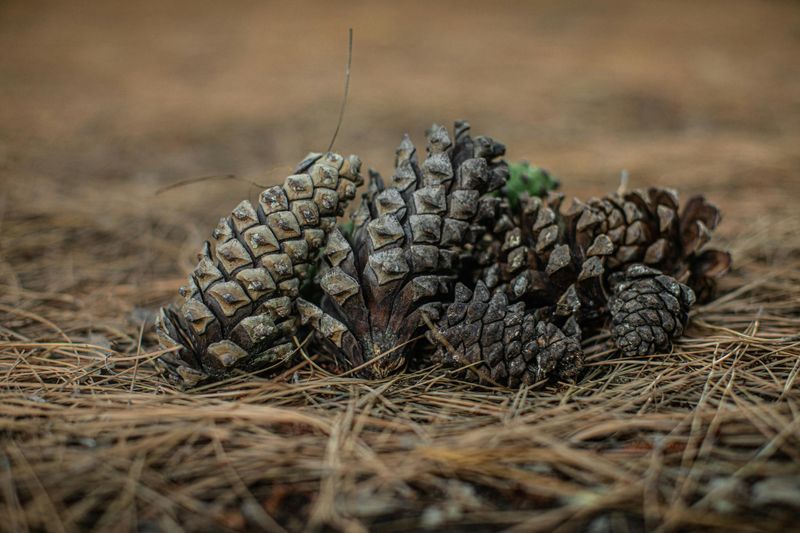
Underground, a pine cone becomes something closer to a tiny ecosystem than a piece of yard debris.
Moisture gets trapped between its scales.
That moisture feeds the microbes and fungi that make healthy soil come alive.
Slowly, the cone begins to soften and break apart.
The process can take anywhere from one to three years depending on soil temperature and moisture levels, but something useful is happening the entire time.
As it decays, the cone releases tannins, carbon, and small amounts of nutrients that surrounding roots can absorb gradually.
Your Wisconsin Garden Changes Every Week. Your Plan Should Too.
Gardening in Wisconsin changes quickly throughout the season. Every Friday you’ll receive a simple weekly plan showing exactly what to plant, prune, fertilize, harvest, and protect so you never miss the right timing.
It also creates what soil scientists call macroporosity.
Little gaps and tunnels that allow water and oxygen to reach roots far more easily than compacted soil ever would.
Wisconsin clay soils tend to respond well to this effect.
Earthworms notice too.
Decomposing organic material draws them in, and buried cones often become a hotspot for worm activity.
More worms mean better aeration and richer castings spreading through the surrounding soil.
It is a slow process.
But the payoff builds steadily beneath the surface, whether you are watching for it or not.
The Soil Benefits Gardeners Are Noticing
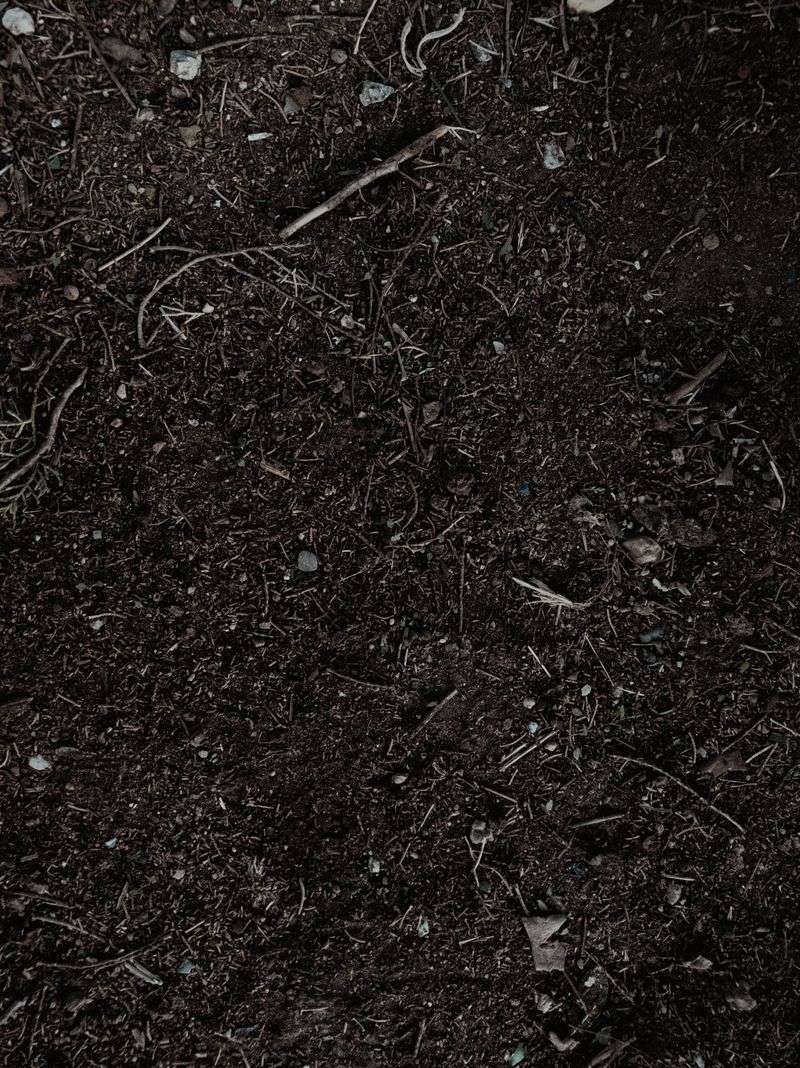
Darker soil.
Fewer dry patches.
Plants that just seem happier.
Those are the three things Wisconsin gardeners keep mentioning, and once you hear it enough times, it stops sounding like coincidence.
Improved drainage comes up most often.
In yards that tend to get waterlogged after a heavy rain, buried cones create natural channels as they decompose.
That gives excess water somewhere to go instead of pooling around roots and causing damage.
The opposite is also true.
Gardeners dealing with sandy, fast-draining soil say the cones help retain moisture longer.
The decomposing organic material holds water close to where roots actually need it.
Same trick, two different problems solved.
A handful of gardeners have reported fewer weeds near buried cones, and there is a theory behind why that might be happening.
The leading theory is that decomposing pine cones may slightly acidify the surrounding soil over time, which many common weeds find inhospitable.
Tomatoes, blueberries, and rhododendrons, on the other hand, thrive in those slightly acidic conditions.
Happy accident for a lot of Wisconsin gardeners.
Then there is temperature.
Decomposing organic matter can help moderate soil temperature slightly, which may take the edge off during those early spring cold snaps.
In a state where a late frost can undo weeks of work, that small buffer is worth more than it sounds.
How To Do It Right In Your Own Garden
Timing matters more than most people realize.
The best time to bury pine cones in Wisconsin is either late fall when the garden beds are cleared, or early spring before the soil wakes back up.
Fall burial is the better option if you can manage it.
A full winter of cold and moisture starts softening the cones before soil temperatures even begin to rise, so they hit the ground running come April and May.
Start by loosening the soil about eight inches deep with a garden fork.
Drop the cones in with the wide end facing down and the tip pointing up.
Space them roughly twelve inches apart in a loose grid and cover with at least four inches of soil to keep them moist and protected through the season.
One small upgrade worth doing.
Mix a little compost into the backfill before you cover them.
The microbes in compost colonize the cone surfaces faster and give the whole decomposition process a helpful head start.
One thing to avoid.
Do not bury cones that have been treated with sprays or chemicals, including the kind sold as fire starters or holiday decorations.
Fresh fallen cones from your own yard are always the better choice.
The good news is Wisconsin has no shortage of raw material.
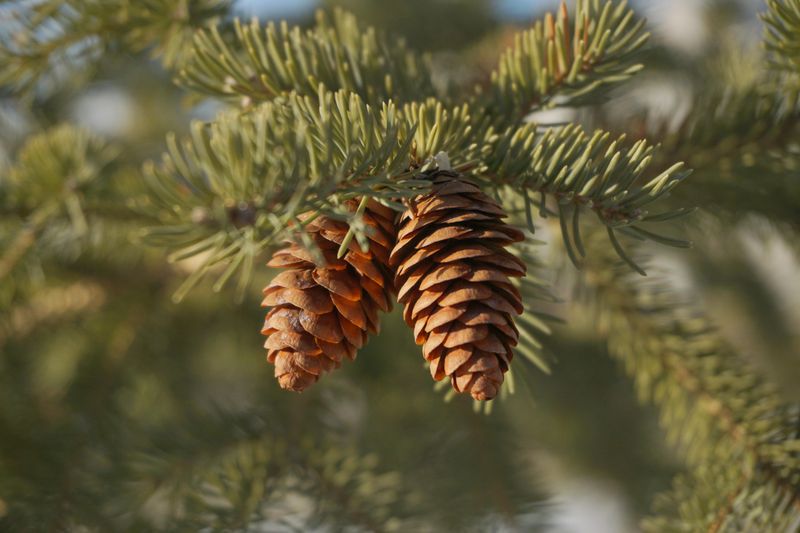
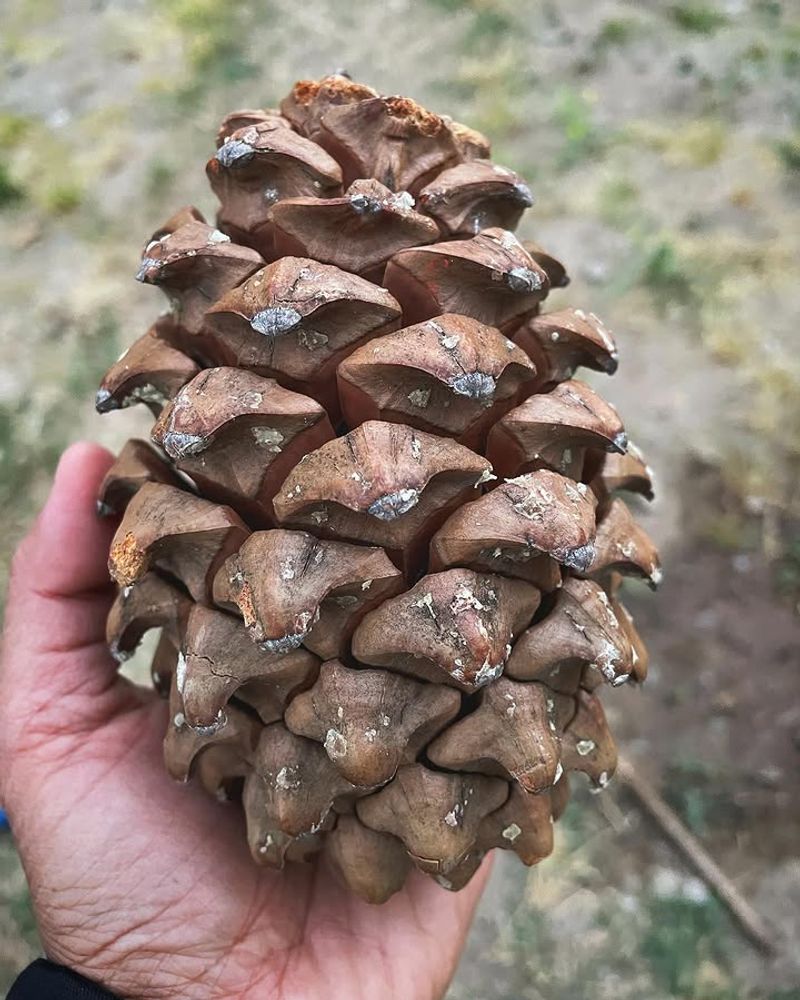
Pine, spruce, and fir cones all work well, and chances are you have been stepping over them for years.
What To Expect, And What Pine Cones Won’t Do
Timing matters more than most people realize.
The best time to bury pine cones in Wisconsin is either late fall when the garden beds are cleared, or early spring before the soil wakes back up.
Fall burial is the better option if you can manage it.
A full winter of cold and moisture starts softening the cones before soil temperatures even begin to rise, so they hit the ground running come April and May.
Start by loosening the soil about eight inches deep with a garden fork.
Drop the cones in with the wide end facing down and the tip pointing up.
Space them roughly twelve inches apart in a loose grid and cover with at least four inches of soil to keep them moist and protected through the season.
One small upgrade worth doing.
Mix a little compost into the backfill before you cover them.
The microbes in compost colonize the cone surfaces faster and give the whole decomposition process a helpful head start.
One thing to avoid.
Do not bury cones that have been treated with sprays or chemicals, including the kind sold as fire starters or holiday decorations.
Fresh fallen cones from your own yard are always the better choice.
The good news is Wisconsin has no shortage of raw material.
Pine, spruce, and fir cones all work well, and chances are you have been stepping over them for years.
Other Ways To Put Pine Cones To Work In Your Yard
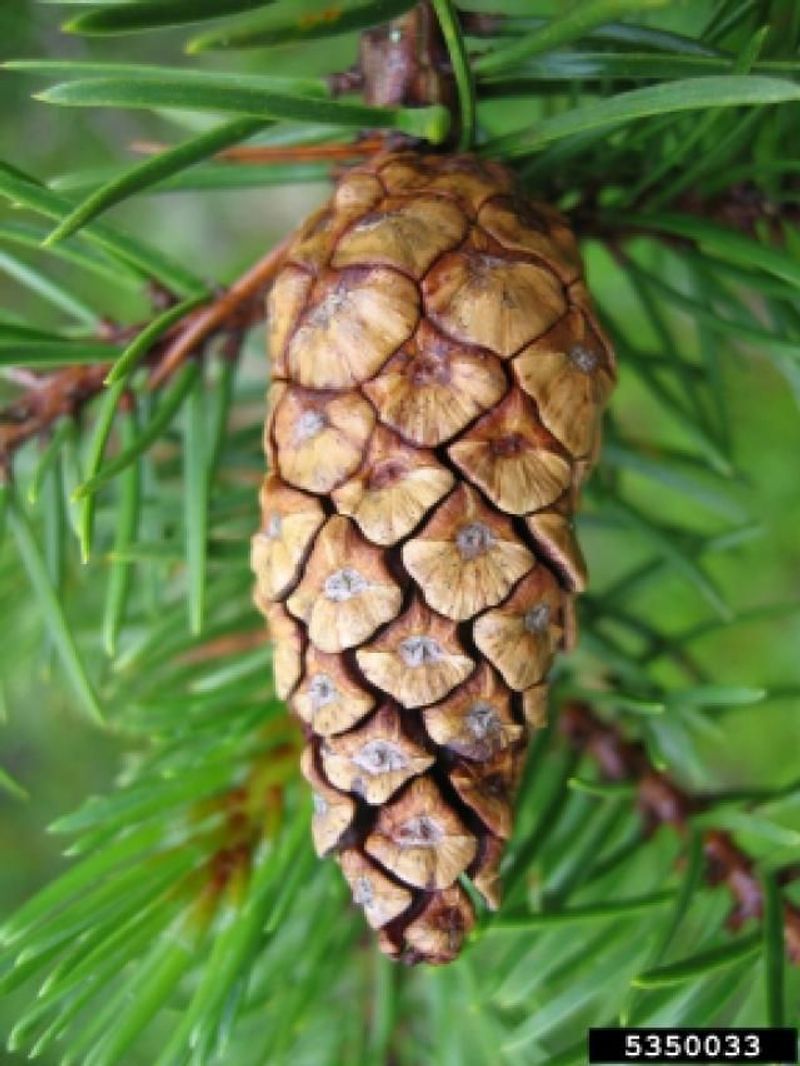
Burying pine cones may have started the conversation, but it is far from the only thing Wisconsin gardeners are doing with them.
Scattered across the top of garden beds as mulch, they slow moisture loss and create a surface that slugs dislike.
That rough, prickly texture is uncomfortable for soft-bodied pests to cross.
It makes them a low-effort line of defense around hostas and lettuce without reaching for any kind of spray.
Lining garden pathways with pine cones is another popular move.
They compress slightly underfoot, drain well after rain, and add a natural woodland look that fits the Wisconsin landscape without trying too hard.
Backyard bird feeders made from pine cones rolled in peanut butter and birdseed are a classic for good reason.
Chickadees, nuthatches, and woodpeckers are all regulars in Wisconsin yards, and a pine cone feeder will have them visiting within days.
Gardeners with fire pits have started saving their driest cones as natural kindling.
They catch flame quickly and burn cleanly, no chemicals, no commercial starters needed.
For composting, pine cones break down slowly on their own.
Crushing or shredding them first speeds things up considerably and makes them far more useful in a compost bin.
One free material sitting right in your own backyard.
Quite a few problems solved.