The Sustainable Landscaping Trick That Turns Yard Waste Into Garden Gold In Arizona
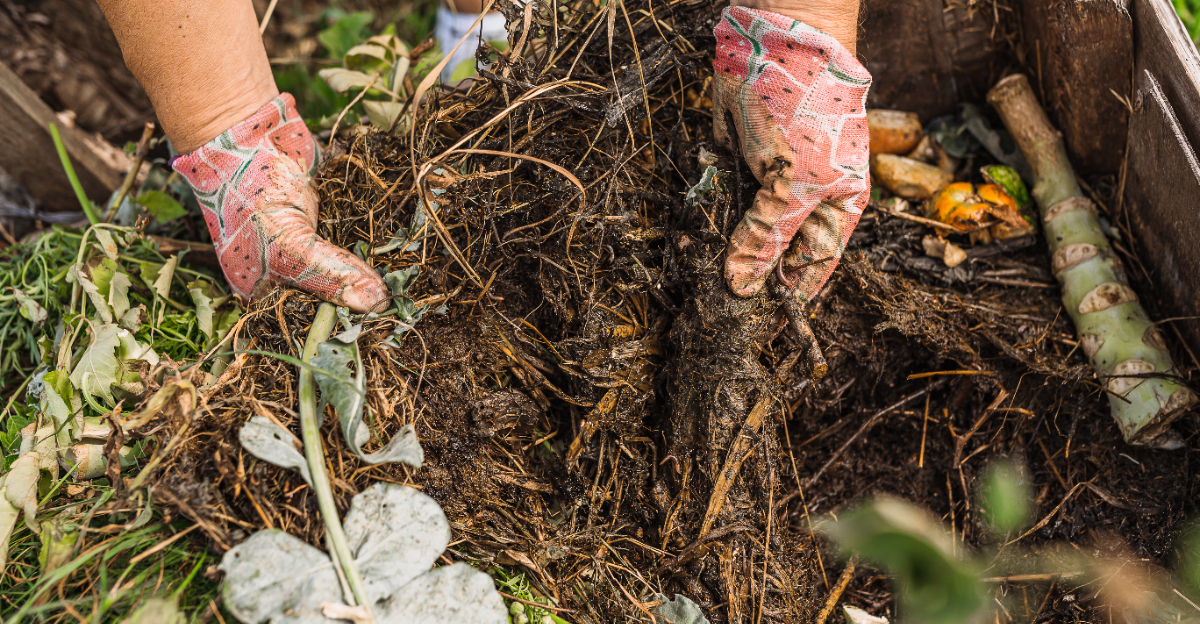
Arizona yards can produce a surprising amount of plant debris throughout the year. Leaves gather under shrubs, trimmed branches stack up after pruning, and garden cleanups often leave behind piles of leftover plant material.
For many people, it all ends up in yard waste bags waiting to be hauled away.
But more Arizona gardeners are starting to look at that pile a little differently. Instead of treating it like something useless, they see it as part of a smarter way to manage a landscape in a dry climate.
What once seemed like simple garden leftovers can actually become a valuable part of maintaining a healthy yard.
This simple landscaping habit has quietly gained attention among gardeners who want to make better use of what their yard already produces while working with Arizona’s unique environment.
1. Composting Transforms Yard Waste Into Valuable Soil
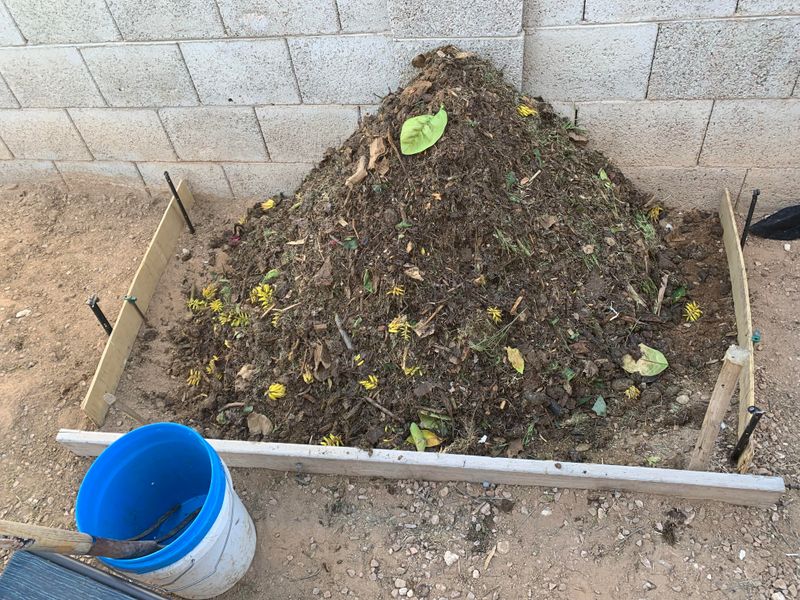
Yard waste has a second life most people never take advantage of. Instead of sending bags of leaves and clippings to the curb, Arizona homeowners can pile that material up and let nature do something remarkable with it.
Over time, those scraps break down into something that looks and smells like dark, earthy soil — and that is exactly what it becomes.
Compost is not some fancy garden store product. It is just organic material that has fully decomposed, and your yard produces the raw ingredients every single week.
Grass clippings, fallen leaves, small branches, spent flowers — all of it qualifies. Even fruit and vegetable scraps from the kitchen can join the pile.
In Arizona, where native soil tends to be sandy, rocky, or packed with caliche, adding compost changes everything. It improves the texture, fills in the gaps between soil particles, and gives roots something to actually grip.
Plants grown in compost-amended soil tend to look stronger and stay greener longer, even through brutal summer heat.
Cities like Phoenix, Mesa, and Chandler have noticed how much organic waste gets thrown away needlessly. That is part of why local composting programs have popped up across the state.
But starting your own pile at home puts you in control and gives your garden a direct, constant supply of the good stuff. There is no better way to feed Arizona soil than with the waste your own yard already creates.
2. Leaves, Trimmings, And Scraps Slowly Break Down Into Rich Organic Matter
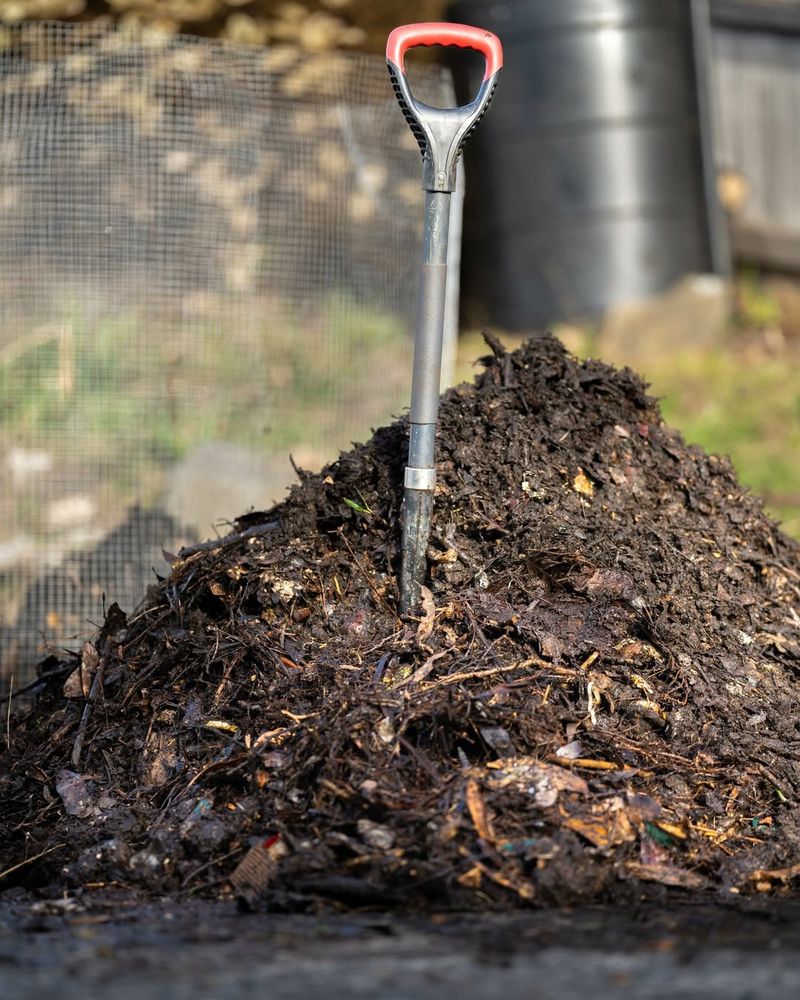
Decomposition sounds complicated, but it is really just nature doing what it has always done. Leaves fall, things rot, soil gets richer — that cycle has been running for millions of years without any help from humans.
When you build a compost pile, you are simply giving that process a dedicated space to happen.
Dry leaves are one of the best things you can add. They break down slowly, which is actually a good thing because they keep the pile loose and allow air to move through.
Grass clippings go in the opposite direction — they decompose fast and generate heat, which speeds everything else up around them.
Kitchen scraps like vegetable peels, coffee grounds, and fruit cores add moisture and nitrogen to the mix. Just avoid adding meat, dairy, or oily foods, since those attract pests and create odors that are not fun to deal with in an Arizona summer.
Yard trimmings from desert shrubs, palm fronds, and flowering plants all work well too. Smaller pieces break down faster than large ones, so running a lawnmower over a pile of leaves before adding them makes a real difference.
Even in Arizona’s dry climate, the right combination of materials will slowly transform into something incredibly useful.
The process takes patience, but watching a pile of garden scraps turn into dark, crumbly organic matter is genuinely satisfying for any home gardener.
3. A Simple Mix Of Greens And Browns Starts The Compost Process
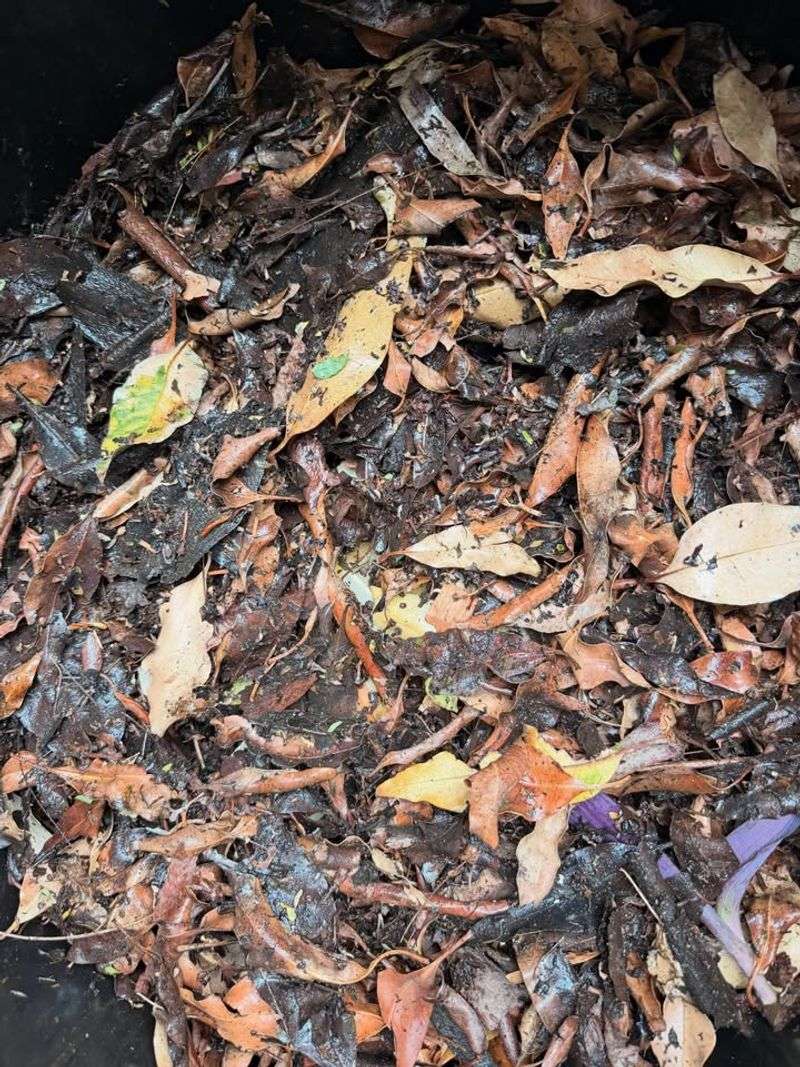
Getting compost started is less about following a strict recipe and more about understanding two basic categories: greens and browns.
Greens are nitrogen-rich materials — think fresh grass clippings, vegetable scraps, and green plant cuttings.
Browns are carbon-rich — dry leaves, cardboard, straw, and woody stems fall into this group.
A good starting ratio is roughly four parts brown to one part green. That balance gives the microorganisms in your pile the right fuel mix to get to work.
Too many greens and the pile gets slimy and starts to smell. Too many browns and it just sits there without doing much.
Arizona yards naturally produce a lot of brown material. Palm fronds, dried desert grasses, and sun-baked leaves are everywhere.
Pairing those with fresh clippings after mowing, or with kitchen scraps, gives the pile exactly what it needs to heat up and start breaking down.
Moisture matters too. A dry Arizona pile will stall out completely.
Aim for the feel of a wrung-out sponge — damp but not dripping. During the hottest months, you may need to water the pile every few days just to keep things moving.
Placing the compost bin in a shaded spot helps retain moisture without constant attention. Once you nail that greens-and-browns balance and keep things slightly moist, the pile basically takes care of itself.
It is a surprisingly forgiving process once you understand the basics.
4. Finished Compost Improves Dry Desert Soil
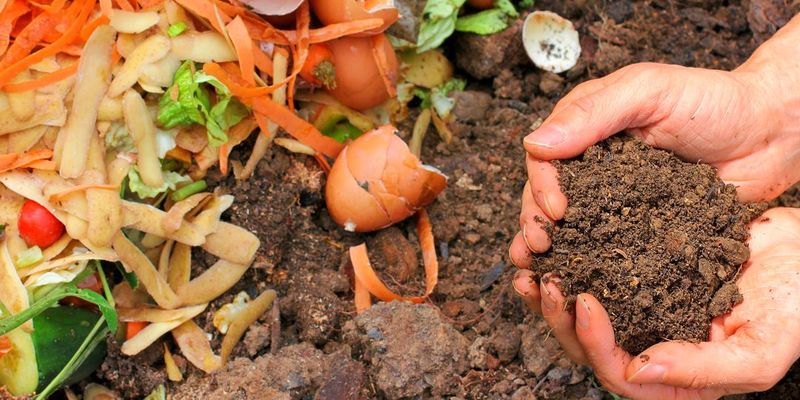
Desert soil in Arizona can be brutally unforgiving. Much of it is sandy and drains too fast, or it is dense with caliche — that rock-hard layer that roots simply cannot push through.
Either way, plants struggle to establish themselves without a little help from better soil conditions.
Finished compost changes that equation in a real and visible way. When you mix it into existing soil, it adds organic matter that improves structure from the ground up.
Sandy soil holds water better. Compacted soil loosens up.
Roots find it easier to spread, and that means plants access more nutrients and moisture without extra work on your part.
Spreading two to three inches of finished compost across a garden bed and working it in about six inches deep is a solid starting point for most Arizona gardens. You do not need huge quantities to see a difference.
Even a modest amount of well-finished compost can shift the way soil behaves over a single growing season.
Vegetable gardens, flower beds, and even native plant landscapes in Arizona all respond well to compost amendments. The nutrients it provides are released slowly, so there is no risk of burning roots the way synthetic fertilizers sometimes do.
Plus, compost introduces beneficial microbes that keep soil biology active and healthy. For anyone gardening in the Phoenix valley, Tucson, or anywhere across the Sonoran Desert region, improved soil is not a luxury — it is the foundation everything else depends on.
5. Organic Matter Helps Soil Hold Moisture In Arizona’s Heat
Water conservation is not optional in Arizona — it is a way of life. Summers push temperatures past 110 degrees in many parts of the state, and even winter months can go weeks without a drop of rain.
In that kind of climate, anything that helps soil hang onto moisture longer is worth its weight in gold.
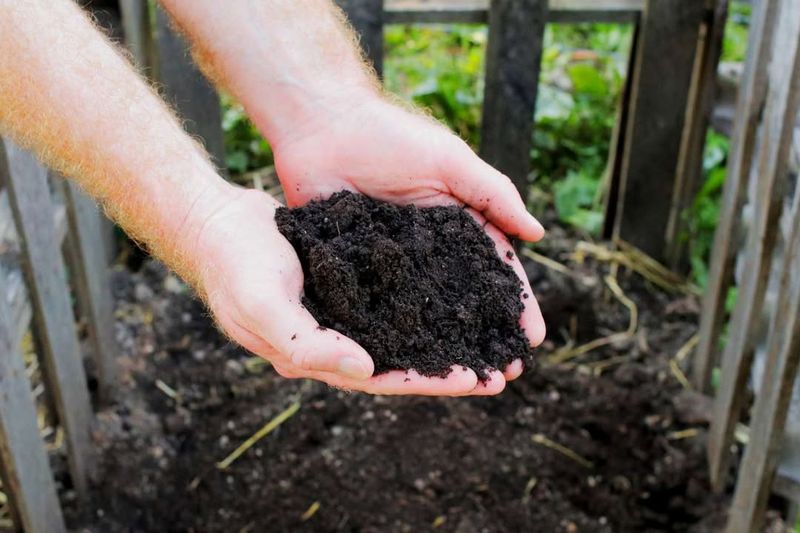
Organic matter acts like a sponge inside the soil. When compost is worked into the ground, it creates tiny pockets that trap and hold water between particles.
Without it, water moves straight through sandy desert soil before roots ever get a chance to absorb it. With it, moisture lingers long enough to actually matter.
Gardeners in Arizona who regularly amend their beds with compost often notice they water less frequently over time.
That is not just convenient — it is a meaningful reduction in water use, which matters a great deal in a state that relies heavily on the Colorado River and limited groundwater supplies.
Mulching over compost-amended soil takes the benefit even further. A layer of wood chips or straw on top slows evaporation dramatically, especially during the punishing stretch from June through September.
Between the compost below and mulch above, soil stays workable even when the air temperature is brutal.
For anyone managing a garden in Arizona, building organic matter into the soil is one of the most practical water-saving strategies available — no expensive equipment required, just consistent composting and a little patience.
6. Turning The Pile Helps Materials Decompose Faster
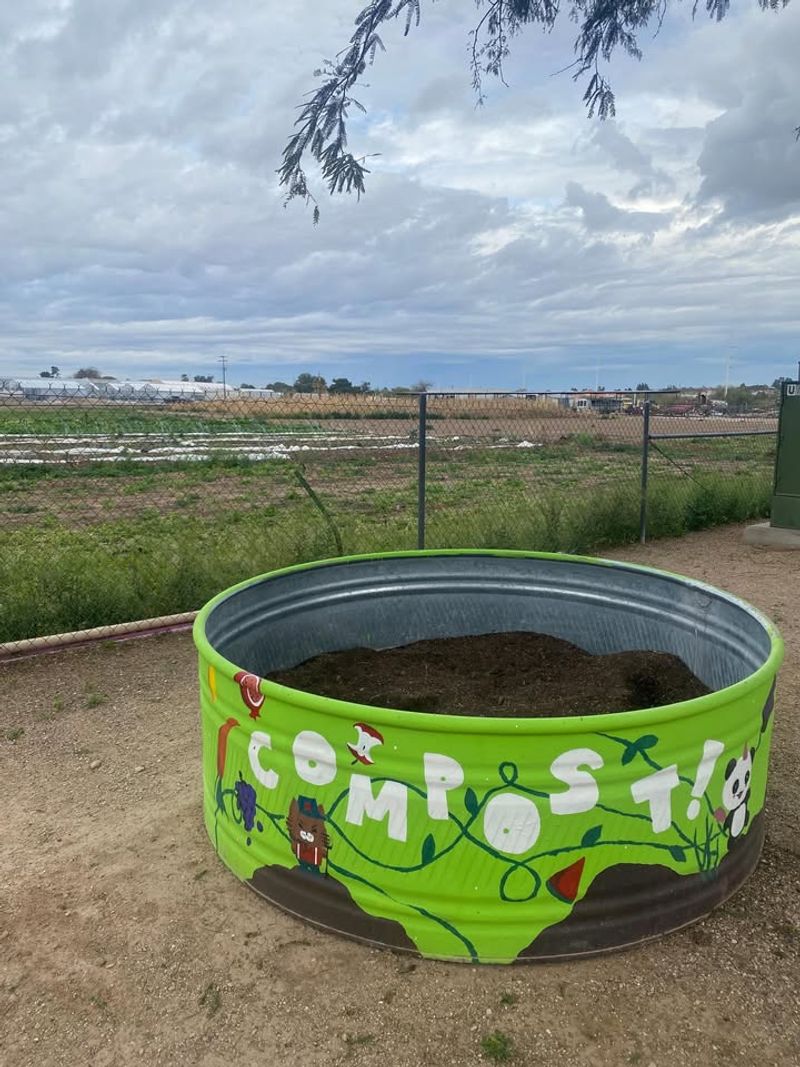
A compost pile left completely alone will still break down eventually, but it moves at a pace that tests most gardeners’ patience.
Turning the pile — physically mixing and flipping the materials — is the single most effective way to speed things up without adding anything new to the bin.
Turning introduces oxygen, and oxygen is what aerobic bacteria need to thrive. Those bacteria are the real workers inside every compost pile.
When they have enough air and moisture, they generate heat, and that heat accelerates decomposition dramatically. A pile that gets turned every week can go from raw materials to finished compost in as little as four to six weeks.
In Arizona, summer heat actually helps. The ambient temperature outside already pushes the pile toward the ideal decomposition range, which is between 130 and 160 degrees Fahrenheit at the core.
Add regular turning to that natural heat advantage, and the breakdown process moves surprisingly fast.
Using a pitchfork or a dedicated compost turning tool makes the job easier. The goal is to move material from the outer edges toward the center, where temperatures are highest.
Outer material tends to decompose more slowly because it does not benefit from the heat building up in the middle. Rotating it inward fixes that unevenness.
Even turning just once every ten days makes a noticeable difference in how quickly a pile matures. For busy Arizona homeowners, that is a small time investment with a big payoff in finished compost ready for the garden.
7. Mature Compost Can Be Added Directly To Garden Beds
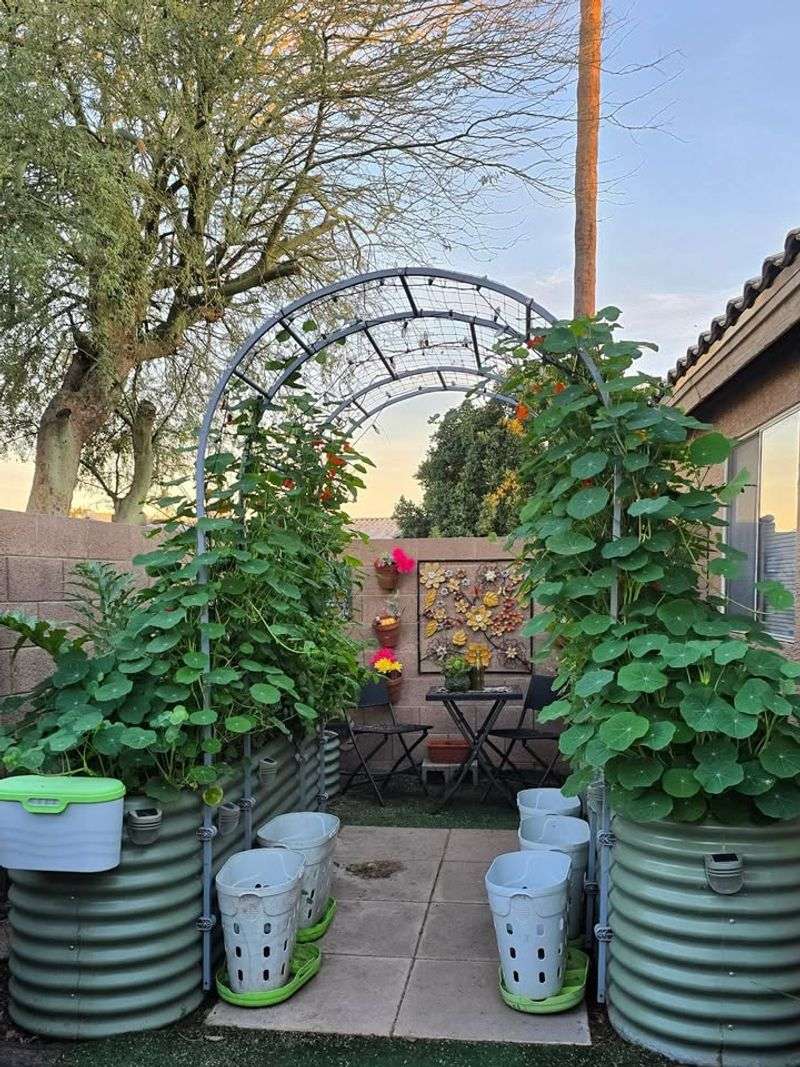
Knowing when compost is actually ready is something a lot of first-timers guess at, but there are clear signs to look for. Finished compost is dark brown, crumbly, and smells like fresh earth after rain — not like rotting scraps.
If you can still identify what went into the pile, it needs more time.
Once it is ready, spreading it directly onto garden beds is straightforward. Work it into the top few inches of soil before planting, or use it as a top dressing around existing plants.
Either approach delivers nutrients and improves soil structure without any complicated application process.
Raised beds in Arizona benefit enormously from regular compost additions. Native soil is often too poor or too alkaline to support vegetables and flowers on its own.
Mixing in a few inches of mature compost each season gradually builds a growing medium that gets better year after year instead of staying stagnant.
Compost can also be turned into a simple liquid fertilizer called compost tea. Soaking a few scoops in water overnight and then using that water on plants delivers a gentle dose of nutrients directly to the root zone.
It is an old technique that works just as well in a Phoenix backyard as anywhere else.
Arizona gardeners who commit to composting consistently find they rely less on store-bought fertilizers and soil amendments over time. The yard itself becomes the source of everything the garden needs, which is about as sustainable as landscaping gets.