The 10 Top Perennials That Return Every Spring In Ohio Gardens
Spring in Ohio arrives with energy, and gardens respond fast. After months of gray, the first shoots and blooms feel like a reward for every cold day endured.
Perennials are the backbone of that comeback, returning each year stronger and more dependable. They deliver color, texture, and structure while keeping maintenance low and results high.
Ohio’s shifting temperatures and surprise frosts call for plants that know how to survive and thrive, and these garden staples do exactly that. Season after season, they reappear on schedule, filling beds and borders with confidence.
For gardeners who value reliability as much as beauty, these plants earn their place in the soil. They bring lasting impact, steady performance, and the kind of spring excitement that never gets old.
Plant once, enjoy for years, and watch your garden come back better every single spring.
1. Black Eyed Susan Explodes With Spring Color
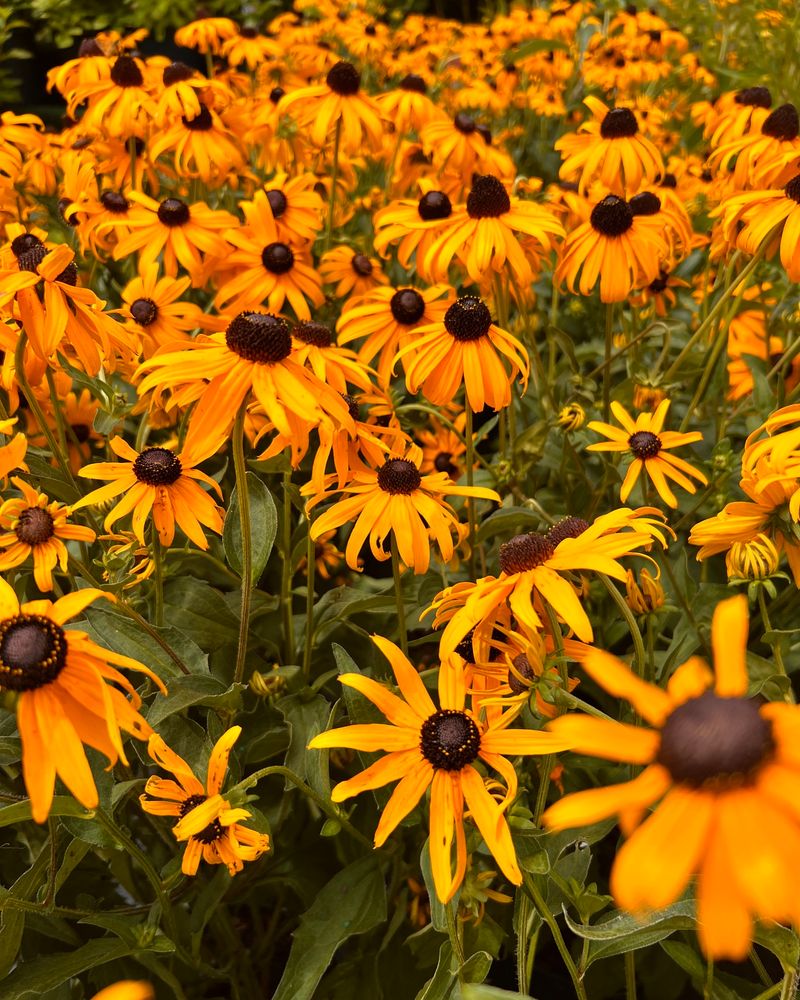
Bright golden petals surrounding dark chocolate centers make Black-Eyed Susans impossible to miss in any Ohio garden. These cheerful natives start blooming in early summer and keep going strong until the first frost arrives.
Gardeners across Ohio love them because they handle heat, drought, and less-than-perfect soil without complaining.
Plant them in full sun and watch them spread into generous clumps that get better every year. They reach about two to three feet tall and work perfectly in the middle or back of flower beds.
Black-Eyed Susans attract butterflies and goldfinches who love eating the seeds in fall and winter.
Once established in Ohio gardens, these perennials practically take care of themselves. They tolerate clay soil common throughout the state and bounce back quickly after summer storms.
Dividing clumps every few years keeps them vigorous and gives you free plants to spread around your yard.
Pair them with purple coneflowers or ornamental grasses for stunning combinations that look professionally designed. Black-Eyed Susans also make excellent cut flowers that last over a week in vases.
Their easygoing nature and long bloom time make them essential for any Ohio gardener wanting maximum impact with minimum effort.
2. Purple Coneflower Refuses To Quit Blooming
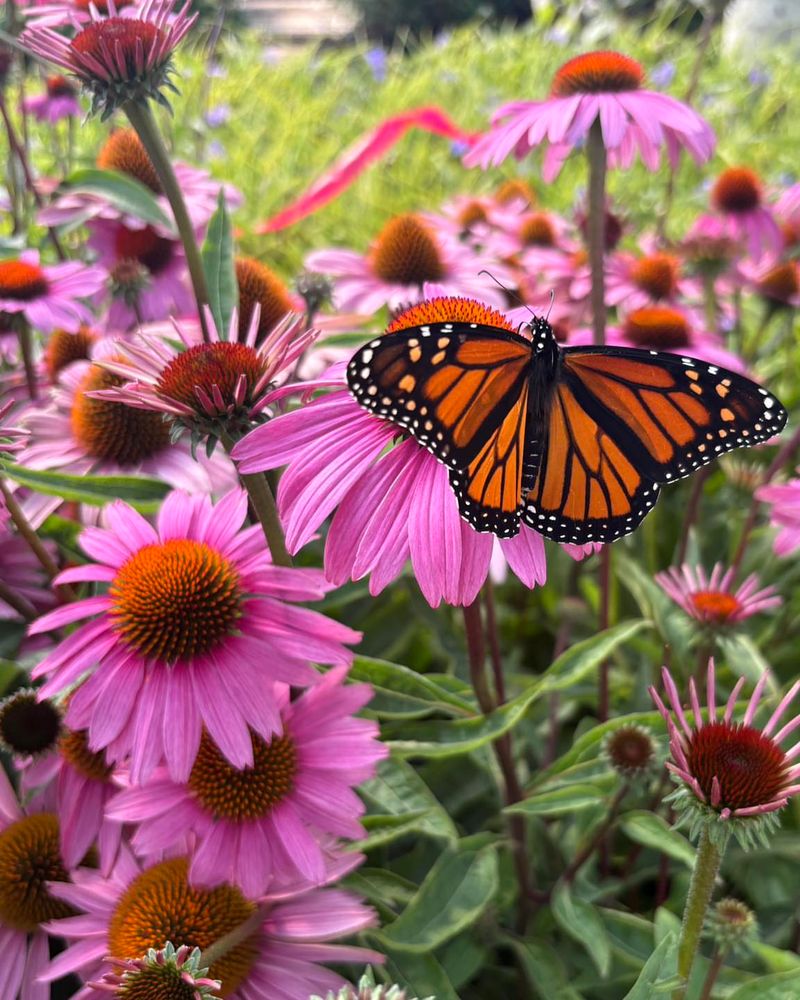
Few perennials work as hard as Purple Coneflower in Ohio gardens. Large daisy-like blooms with drooping purple-pink petals and spiky orange centers appear in early summer and continue for months.
These native plants have become garden superstars because they combine beauty, toughness, and wildlife value in one package.
Standing two to four feet tall, Purple Coneflowers create bold vertical interest in sunny borders. They thrive in full sun and average soil, making them perfect for Ohio’s variable conditions.
Butterflies, bees, and hummingbirds visit the flowers constantly while goldfinches devour the seed heads in fall.
Drought rarely bothers established plants, which is great news during Ohio’s occasional dry spells. The thick taproots reach deep for moisture while the sturdy stems resist wind and heavy rain.
Deadheading spent blooms encourages more flowers, but leaving some seed heads provides winter food for birds.
Purple Coneflowers look stunning planted in groups of three or five for maximum visual punch. They combine beautifully with Black-Eyed Susans, ornamental grasses, and other native perennials.
Ohio gardeners appreciate how these reliable performers improve with age, forming larger clumps that bloom more abundantly each season without demanding extra attention or pampering.
3. Butterfly Weed Pollinators Go Crazy For
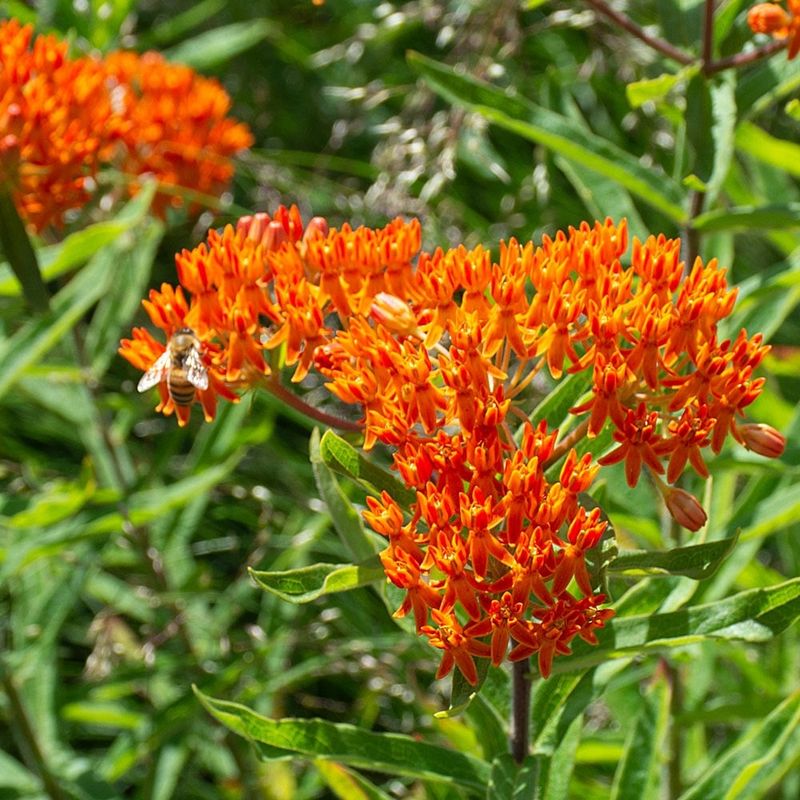
Brilliant orange flower clusters stop people in their tracks when Butterfly Weed blooms in Ohio gardens. This native milkweed relative produces flat-topped clusters of small bright orange flowers that pollinators absolutely cannot resist.
Monarch butterflies, swallowtails, and dozens of native bee species visit these plants constantly from June through August.
Growing one to two feet tall, Butterfly Weed fits perfectly in front borders or rock gardens. It loves full sun and well-drained soil, making it ideal for those challenging hot, dry spots where other plants struggle.
The deep taproot helps it survive Ohio summers without supplemental watering once established.
Unlike common milkweed, Butterfly Weed stays compact and well-behaved in garden beds. The flowers eventually form interesting seed pods that split open to release silky seeds in fall.
Many Ohio gardeners grow extra plants specifically to support monarch butterfly populations that depend on milkweed family plants.
Butterfly Weed takes a year or two to settle in but becomes incredibly long-lived once established. The late-emerging spring foliage means you should mark plant locations to avoid accidental damage.
Combine it with purple coneflowers and black-eyed susans for a pollinator paradise that requires almost no maintenance while delivering spectacular summer color.
4. New England Aster Lights Up Fall Gardens
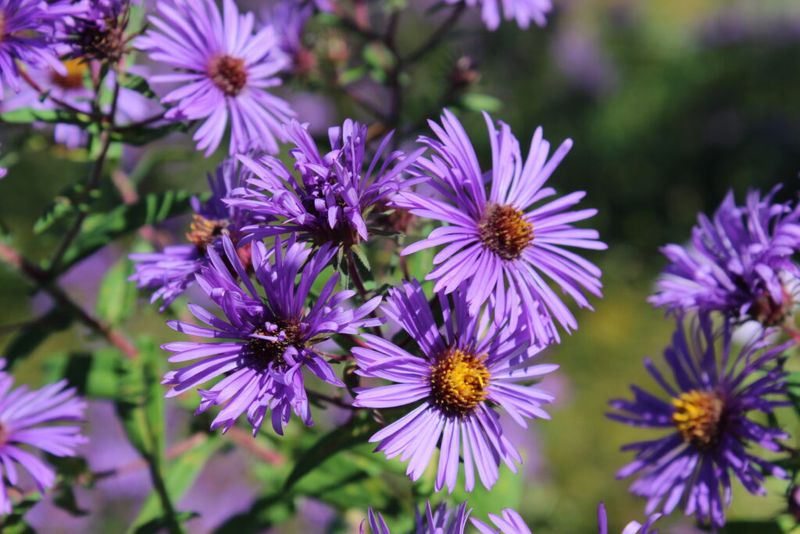
When most perennials finish blooming, New England Aster is just getting started in Ohio gardens. Masses of purple daisy-like flowers with yellow centers cover plants from late August through October, providing crucial late-season nectar for migrating monarch butterflies and other pollinators.
These native perennials deliver spectacular fall color when gardens need it most.
Plants grow three to five feet tall with strong stems that rarely need staking. They prefer full sun and moist soil but adapt well to typical Ohio garden conditions.
The abundant flowers create stunning purple clouds that complement fall foliage colors beautifully.
New England Asters spread slowly into impressive clumps that become garden focal points each autumn. Pinching stems back in early June creates bushier plants with more flowers and better resistance to flopping.
Ohio gardeners appreciate how these tough natives handle humidity, occasional drought, and temperature swings without missing a beat.
Plant them behind shorter perennials since they grow quite tall by season’s end. They look magnificent combined with ornamental grasses, goldenrod, and other late bloomers.
Butterflies, bees, and beneficial insects flock to the flowers while goldfinches eat the seeds after blooming finishes. New England Asters prove that fall gardens can be just as colorful and exciting as spring displays across Ohio.
5. Button Blazing Star Turns Heads And Attracts Bees
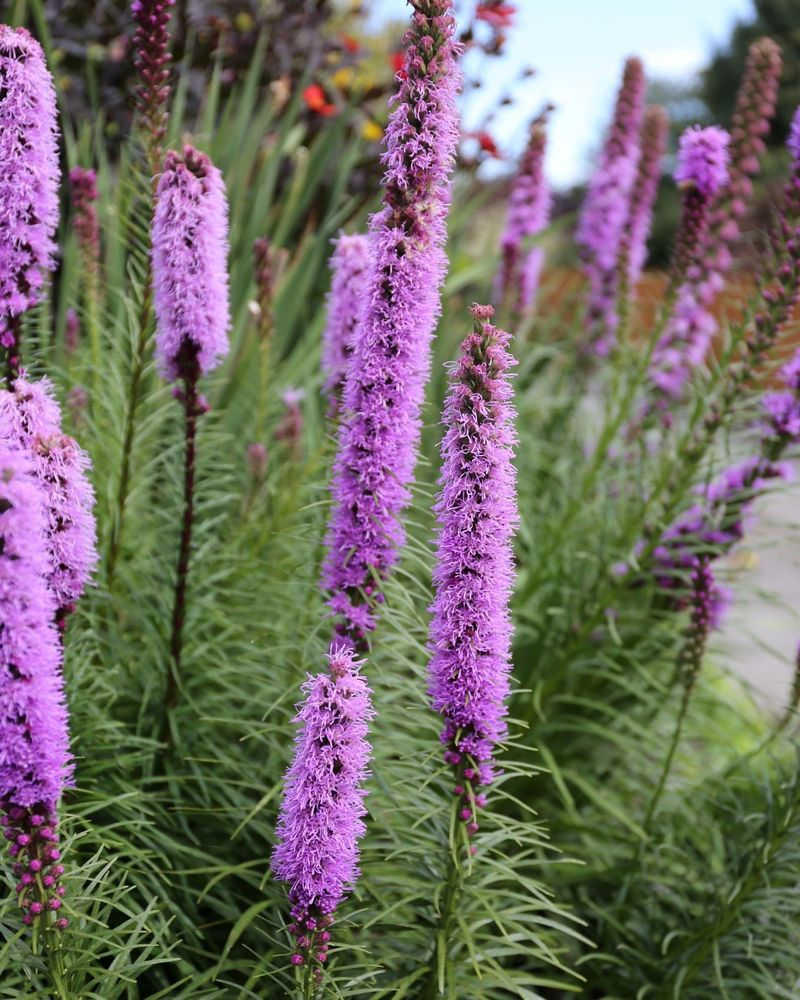
Unusual purple flower spikes shooting straight up like fuzzy bottle brushes make Blazing Star unforgettable in Ohio gardens. These native perennials bloom from top to bottom unlike most flowers, creating a unique effect that catches everyone’s attention.
The fluffy purple flowers appear in mid to late summer when gardens appreciate fresh color.
Growing two to four feet tall, Blazing Star adds strong vertical lines to garden designs. Plants thrive in full sun and well-drained soil, performing beautifully in Ohio’s clay soil once established.
Butterflies and bumblebees work the flowers enthusiastically, often covering entire spikes while gathering nectar.
The grass-like foliage remains tidy at the base while dramatic flower spikes rise above surrounding plants. Blazing Star tolerates heat and drought remarkably well, making it perfect for low-maintenance Ohio gardens.
The flowers also make excellent long-lasting cut flowers that hold up beautifully in arrangements.
Plant several together for maximum visual impact since single specimens can look sparse. They combine wonderfully with Black-Eyed Susans, purple coneflowers, and ornamental grasses in prairie-style plantings.
Ohio gardeners value how Blazing Star returns reliably each spring and requires virtually no care beyond occasional watering during extended dry periods. The flower spikes also dry well for winter arrangements and crafts.
6. Common Milkweed Every Monarch Depends On
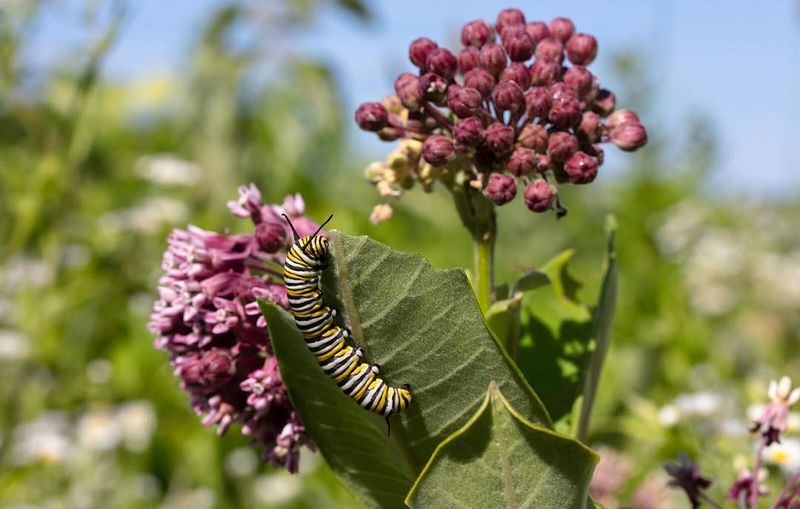
Rounded clusters of fragrant pink-purple flowers make Common Milkweed a summer garden treasure across Ohio. This native perennial serves as the exclusive host plant for monarch butterfly caterpillars, making it essential for supporting declining monarch populations.
The sweet-smelling flowers attract numerous butterflies, bees, and other beneficial insects throughout June and July.
Plants grow three to five feet tall with large oval leaves and thick stems containing milky sap. They prefer full sun and average soil, thriving in the conditions found throughout Ohio gardens.
Common Milkweed spreads slowly through underground rhizomes, eventually forming attractive colonies.
The flowers develop into interesting warty seed pods that split open in fall, releasing seeds attached to silky parachutes. Many Ohio gardeners dedicate specific areas to milkweed patches specifically to help monarch butterflies.
The plants look somewhat coarse but the wildlife value far outweighs any aesthetic concerns.
Give Common Milkweed room to spread in naturalized areas, meadows, or back borders where it can form colonies. It combines well with other native perennials in wildlife gardens designed to support pollinators.
Watching monarch caterpillars munch the leaves and transform into butterflies provides educational opportunities for children and adults alike. Ohio gardeners committed to conservation recognize Common Milkweed as an irreplaceable component of healthy, biodiverse landscapes.
7. Cardinal Flower Stops Garden Traffic
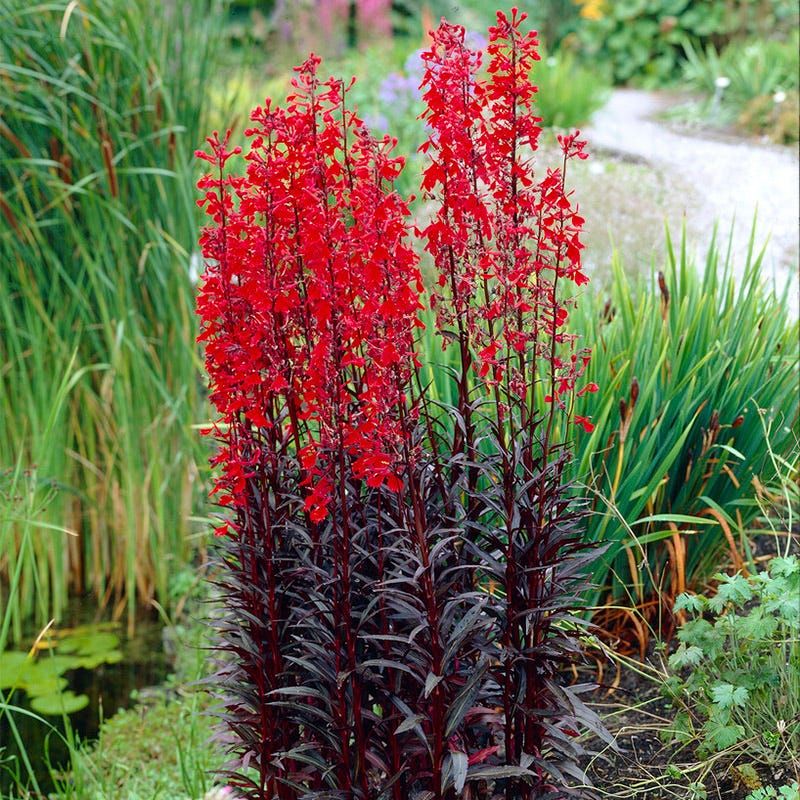
Brilliant scarlet flower spikes make Cardinal Flower the most eye-catching native perennial in Ohio gardens. The intense red blooms appear in late summer on two to four foot tall stems, creating dramatic color when many other perennials fade.
Hummingbirds cannot resist these tubular flowers and will visit repeatedly throughout the day.
Cardinal Flower thrives in moist soil and partial shade, making it perfect for those challenging damp spots near downspouts or along streams. While it prefers consistent moisture, established plants handle typical Ohio garden conditions reasonably well.
The flower spikes last several weeks and attract butterflies in addition to hummingbirds.
Rosettes of dark green foliage remain attractive throughout the growing season. Cardinal Flower often self-seeds, allowing colonies to develop naturally in favorable locations.
Ohio gardeners treasure these native beauties for adding bold color to shaded woodland gardens and rain garden plantings.
Plant Cardinal Flower in groups for spectacular impact that rivals any tropical plant. It combines beautifully with ferns, hostas, and other shade-loving perennials.
The plants are short-lived but reliably produce seedlings to maintain populations. Providing consistent moisture during establishment helps plants thrive for years.
Cardinal Flower proves that native Ohio plants deliver just as much excitement and drama as expensive exotic imports while supporting local wildlife populations.
8. Foamflower Thrives Where Others Fail
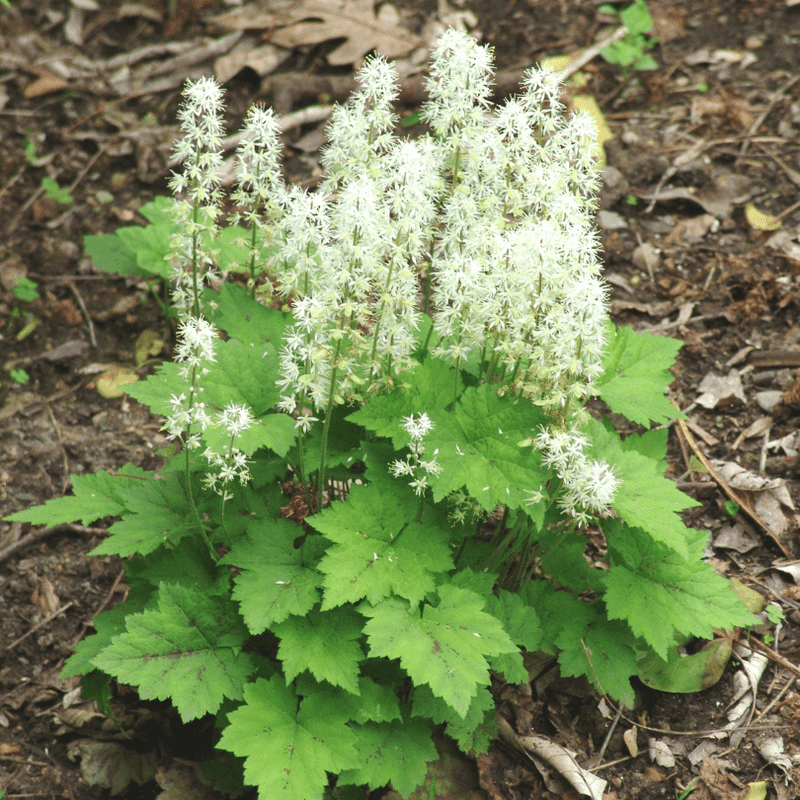
Delicate spikes of white or pink-tinged flowers hover above heart-shaped leaves when Foamflower blooms in Ohio shade gardens. These native woodland perennials excel in challenging shady spots where most flowering plants refuse to grow.
The airy flower spikes appear in spring, adding light and brightness to dark corners.
Growing only six to twelve inches tall, Foamflower makes an excellent groundcover under trees and shrubs. It spreads slowly through runners, eventually forming attractive colonies that suppress weeds naturally.
The foliage often shows burgundy markings that add year-round interest even when plants are not blooming.
Foamflower tolerates dry shade once established, solving one of Ohio gardeners’ most frustrating problems. It pairs beautifully with hostas, ferns, and spring bulbs in layered shade plantings.
The low-growing habit means it never overwhelms neighboring plants or requires cutting back.
Plant Foamflower along shaded paths or under deciduous trees where spring sunlight reaches before leaves emerge. It naturalizes beautifully in woodland settings, creating carpets of white flowers each April and May.
Ohio gardeners appreciate plants that solve problems while looking beautiful, and Foamflower delivers on both counts. The evergreen or semi-evergreen foliage provides winter interest in milder areas, making this native perennial a true four-season performer in challenging locations.
9. Spiderwort Blooms Again And Again
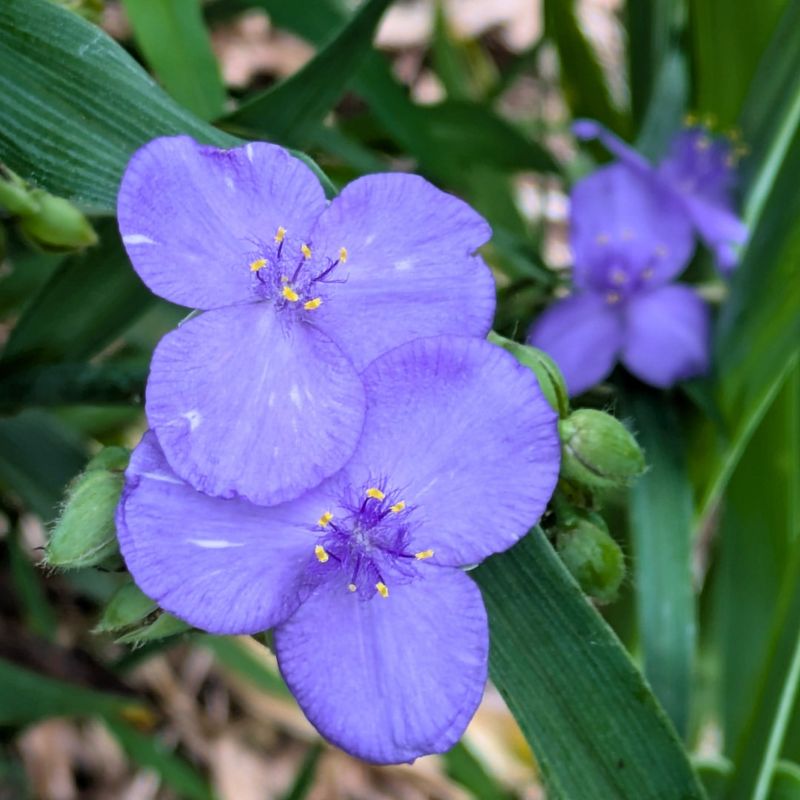
Three-petaled flowers in shades of blue, purple, or white open fresh each morning on Spiderwort plants throughout Ohio gardens. Each individual bloom lasts only one day, but plants produce so many buds that flowering continues for weeks from late spring into summer.
The charming flowers and grass-like foliage create informal cottage garden appeal.
Plants grow one to two feet tall with arching clumps of narrow leaves. Spiderwort adapts to sun or partial shade and tolerates various soil types, making it incredibly versatile for Ohio landscapes.
It spreads slowly into nice-sized clumps and occasionally self-seeds without becoming invasive.
The foliage tends to look tired by midsummer, so cutting plants back by half encourages fresh growth and sometimes a second bloom flush. Spiderwort combines well with daylilies, hostas, and other perennials that hide the aging foliage.
Ohio gardeners value its adaptability and willingness to bloom in less-than-perfect conditions.
Plant Spiderwort in informal borders, cottage gardens, or naturalized areas where its relaxed habit fits perfectly. Morning is the best time to enjoy the flowers since they often close by afternoon on hot days.
The interesting seed pods and grass-like texture provide subtle interest after blooming finishes. Spiderwort proves that reliable, easy-care perennials do not have to be boring or ordinary in Ohio gardens.
10. Jacobs Ladder Brings Instant Spring Charm
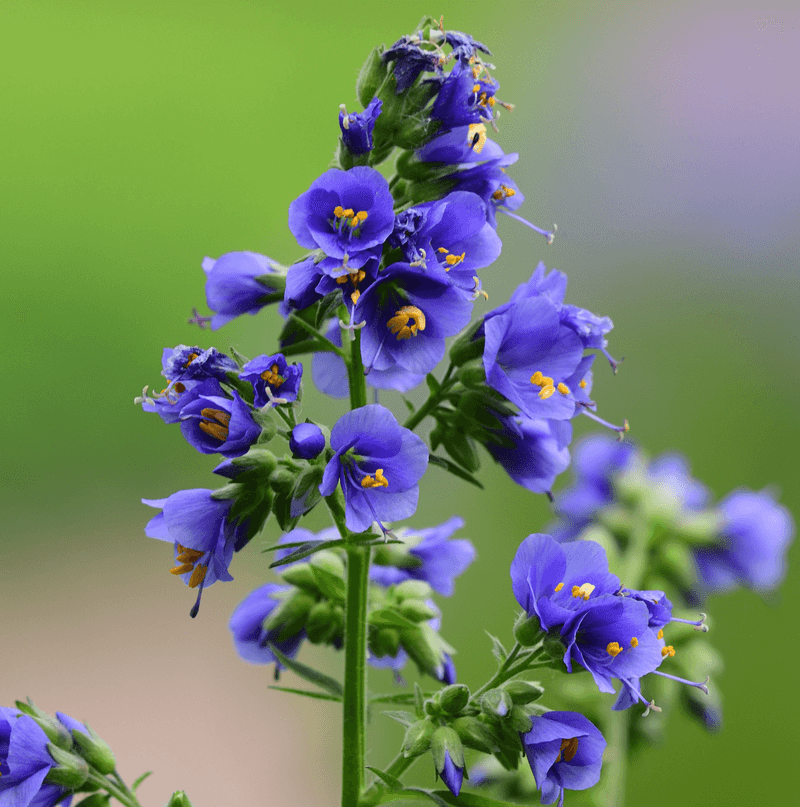
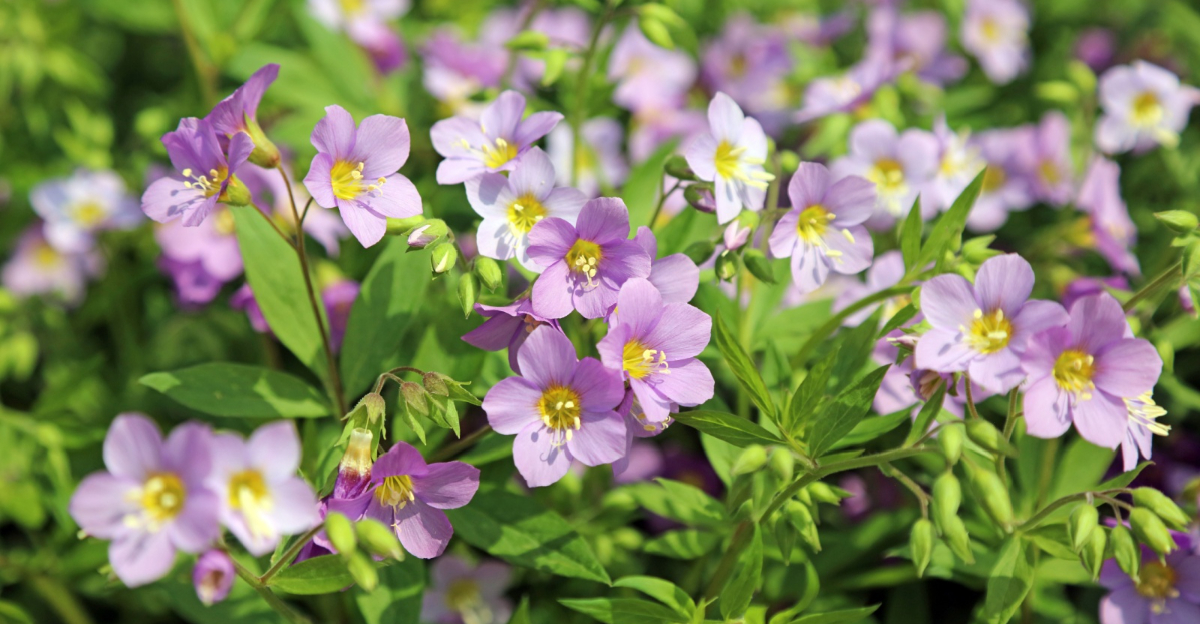
Clusters of sky-blue cup-shaped flowers and distinctive ladder-like foliage give Jacobs Ladder unique appeal in Ohio spring gardens. The charming flowers appear in May and June, adding cool colors when many perennials show yellow or pink blooms.
Compound leaves arranged like ladder rungs remain attractive throughout the growing season even after flowering finishes.
Plants grow twelve to eighteen inches tall, making them perfect for front borders or edging paths. Jacobs Ladder prefers partial shade and moist soil, thriving in woodland garden settings across Ohio.
It rarely needs division and forms slowly expanding clumps that never become aggressive.
The fernlike foliage provides excellent texture contrast with hostas, bleeding hearts, and other shade perennials. Jacobs Ladder tolerates more sun in northern Ohio but appreciates afternoon shade in warmer southern regions.
The plants sometimes produce a light second bloom in fall if conditions remain favorable.
Plant Jacobs Ladder where you can appreciate the intricate foliage and delicate flowers up close. It naturalizes beautifully in woodland settings and cottage garden designs.
Ohio gardeners seeking old-fashioned charm and reliable performance find this perennial delivers both qualities without demanding excessive care or attention.
The combination of interesting foliage and lovely flowers makes Jacobs Ladder a complete package that earns its place in gardens across the Buckeye State.