The Toxic Shrub That Keeps Popping Up Near Yard Fences In Ohio
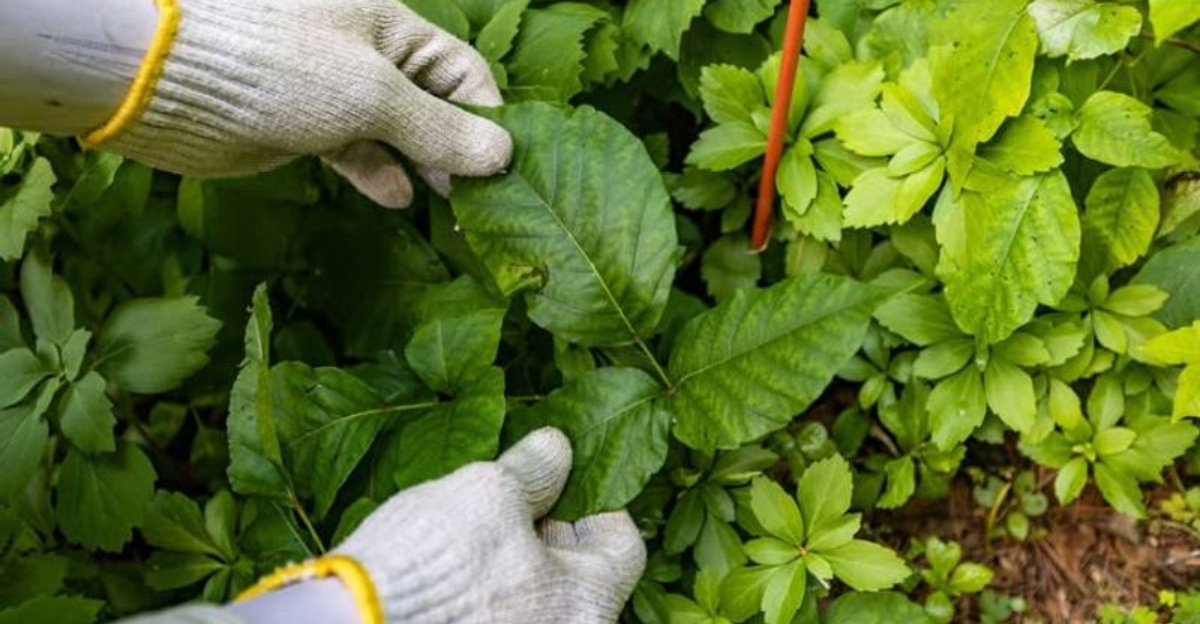
In Ohio, a seemingly harmless shrub can turn a backyard into a hazard zone almost overnight.
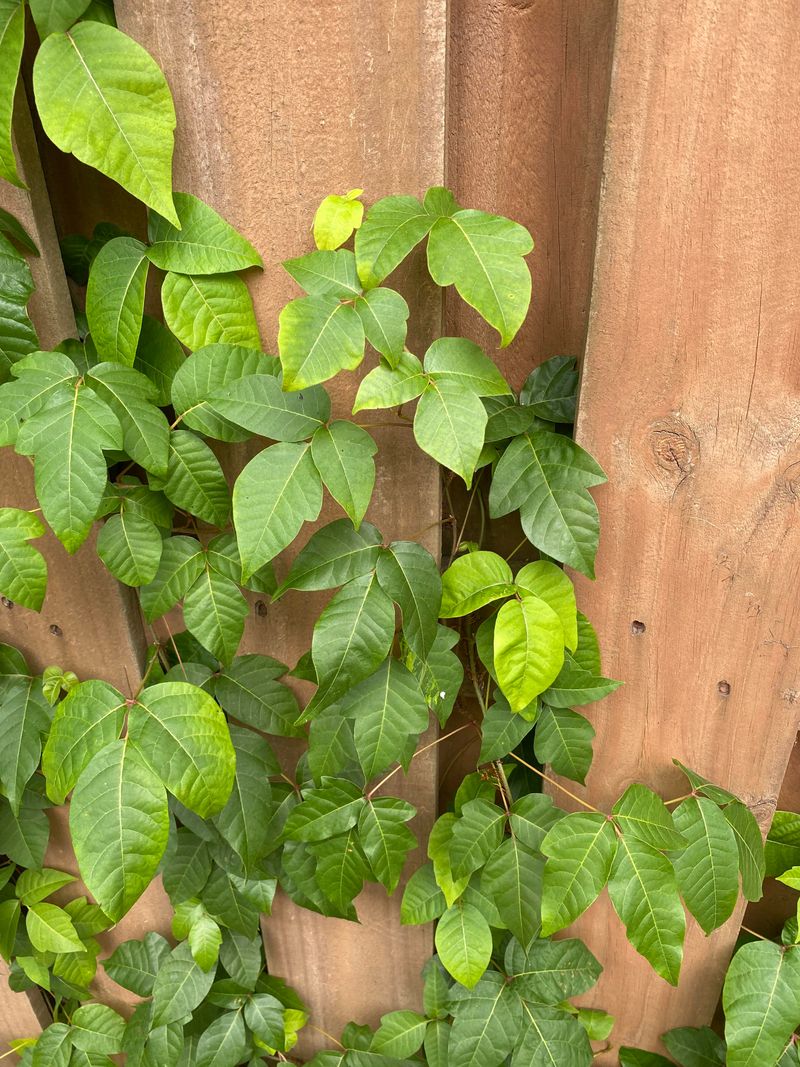
Poison ivy often creeps along fences and property lines, its glossy green leaves hiding a painful secret.
The plant’s signature “leaves of three” contain urushiol, an oil that causes red, itchy rashes that can linger for days. Even old stems and roots remain toxic, making the shrub tricky to manage.
Children and pets playing near fences face an increased risk of contact, which can lead to uncomfortable or dangerous reactions.
Identifying problem areas early, monitoring creeping vines, and taking careful steps to remove or contain the shrub are essential for safe outdoor spaces.
With vigilance and proactive measures, yards can remain both beautiful and secure, protecting plants, people, and pets from the hidden dangers of this common Ohio invader.
Leaves Of Three, Let It Be
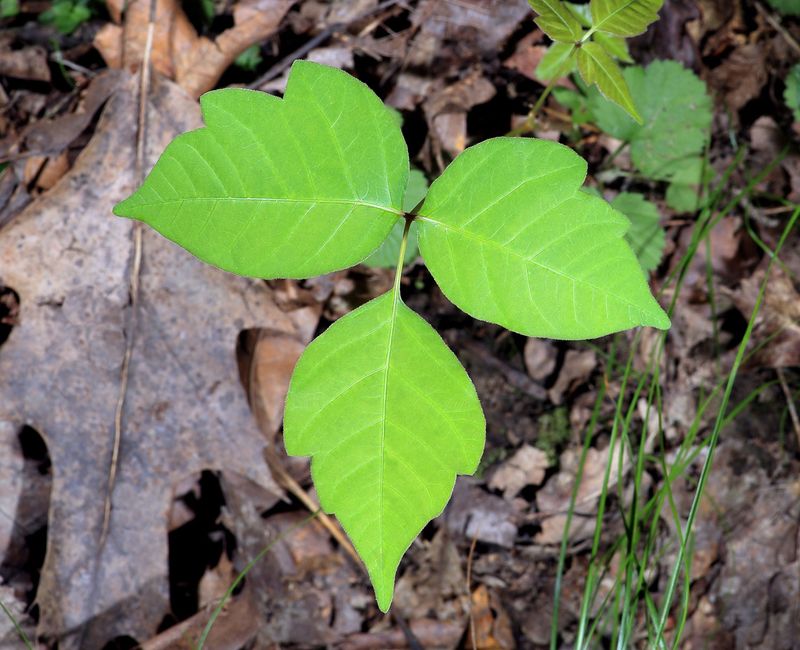
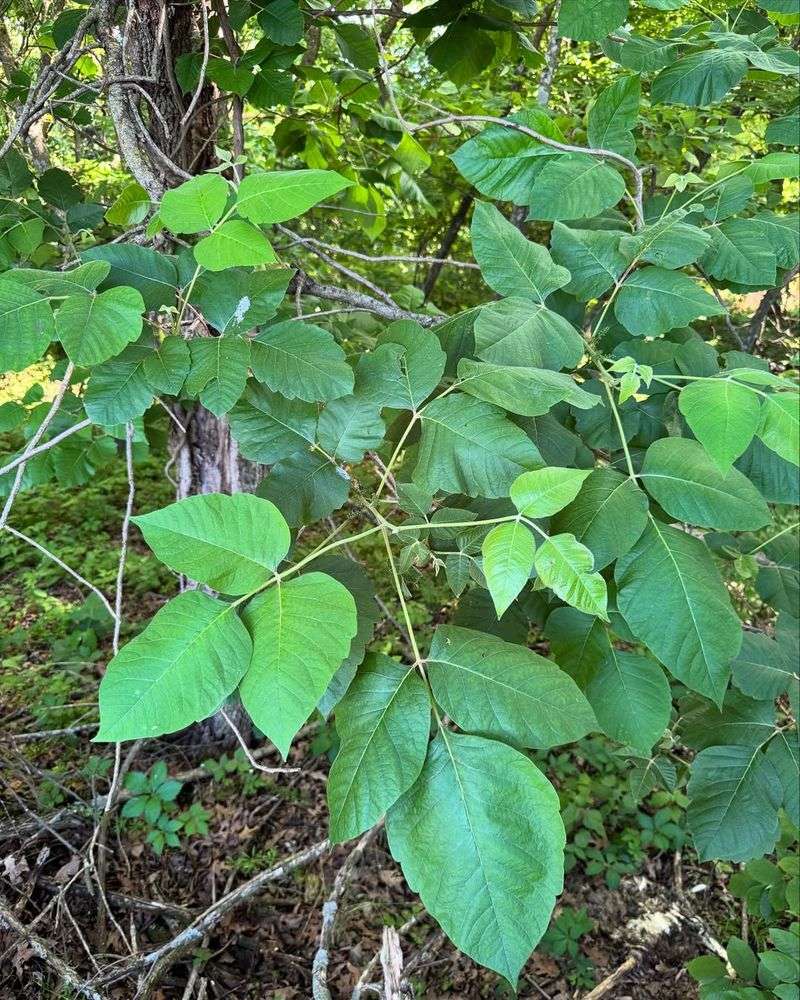
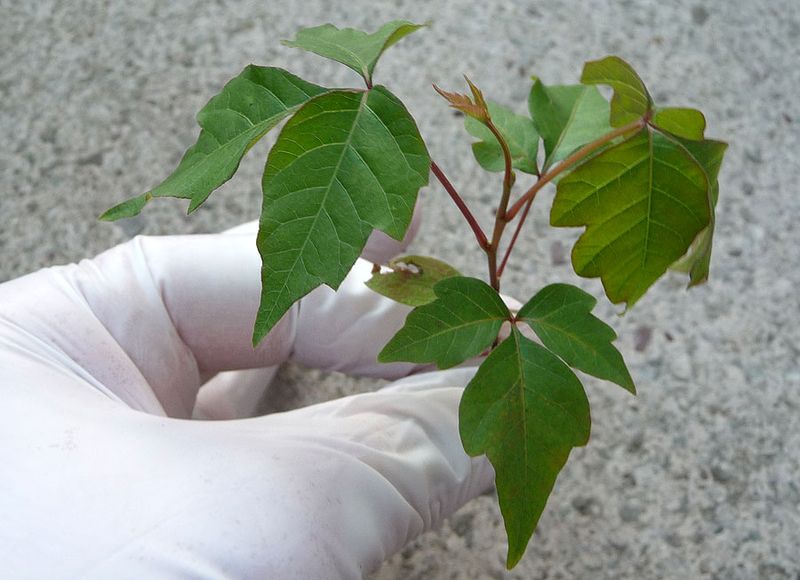
Poison ivy is best recognized by its classic arrangement: three leaflets growing from a single stem.
This trio is where the rhyme “leaves of three, let it be” comes from, and it’s one of the easiest ways to identify this plant.
The middle leaflet typically grows on a longer stalk than the two on either side, giving the leaf group an asymmetrical shape.
Each leaflet has a pointed tip and can vary in size and color depending on the season and growing conditions.
In spring and summer, poison ivy leaves are often green and glossy, sometimes with reddish tones on new growth.
During the fall, they transform into stunning hues of yellow, orange, and red, which can confuse even experienced gardeners.
Despite their beauty, these seasonal changes make poison ivy tricky to spot.
Children especially might mistake the plant for harmless ones, so teaching them to recognize the pattern is important.
Whether growing as a low shrub or climbing vine, poison ivy maintains its three-leaf structure, making it a reliable identifying feature.
It’s especially common along property edges and fence lines where forest meets lawn, so it’s essential for homeowners to be familiar with its appearance.
Urushiol Is The True Irritant Behind The Rash
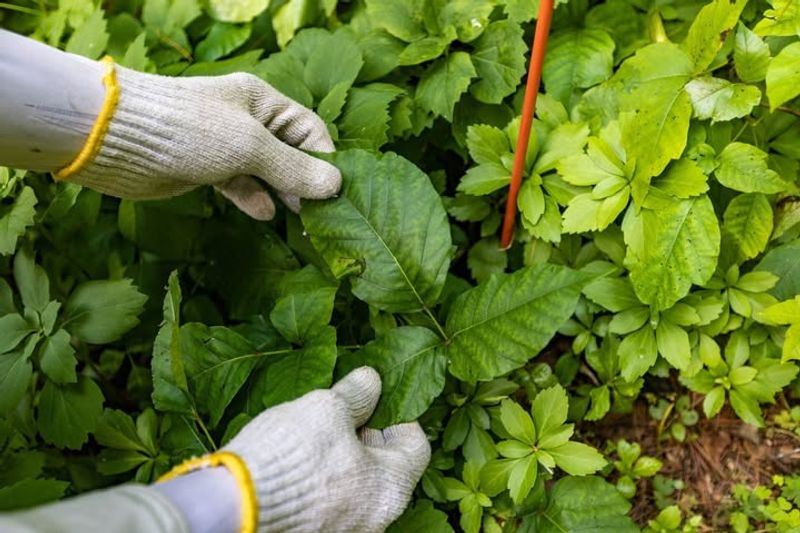
The plant itself is not the main concern, what causes trouble is an oily substance it produces called urushiol.
This colorless, nearly invisible oil covers every part of the poison ivy plant, including leaves, stems, and roots.
Even a tiny amount of urushiol can trigger an allergic reaction in people who are sensitive to it.
Most people, about 85 percent of the population, are allergic to urushiol to some degree.
What’s most concerning is that urushiol binds to the skin within minutes of contact, making it difficult to wash off with water alone.
This oil can remain active for months on clothing, tools, pet fur, and shoes if not cleaned thoroughly.
It doesn’t lose potency over time, meaning you can touch a contaminated item weeks later and still react.
Even if the poison ivy plant is dried or dormant, the urushiol remains effective.
People often assume they are safe handling old vines, but the oil is still present.
Understanding urushiol’s lasting effect helps you take precautions not just in the garden but in any situation where contact might occur.
Always treat anything that touched poison ivy as a potential carrier of this persistent irritant.
Delayed Reactions Can Make Identification Tricky
One reason poison ivy is such a frustrating plant to deal with is that its effects aren’t immediate.
Most people won’t develop a rash until 12 to 72 hours after contact with urushiol, with the average onset around 24 to 48 hours.
This delay makes it difficult to connect symptoms to the source, especially if you’ve spent multiple days working outdoors.
The rash begins with redness and swelling, followed by itchy bumps that may develop into small, fluid-filled blisters.
Scratching these areas can transfer the oil to other parts of the skin if not thoroughly washed.
However, the rash itself is not contagious, and the fluid inside blisters cannot spread it to others.
Different areas of the body may react at different times based on exposure levels and skin sensitivity.
For example, thinner skin such as on the forearms or face may develop symptoms earlier than thicker skin on the hands.
Understanding the timeline of symptoms helps you manage the exposure more effectively and catch it early.
By paying attention to where you’ve been and what you’ve touched, you can reduce the severity of a reaction and limit future exposure.
Rash Development Takes Time
One confusing aspect of poison ivy exposure is that the rash doesn’t appear immediately after contact.
Most people develop symptoms between 12 and 72 hours after touching the plant, with the average being about 24 to 48 hours.
This delay often makes it difficult to remember exactly when and where you encountered the toxic shrub, especially if you’ve been working around your property for several days.
Initial symptoms start with redness and swelling, followed by the appearance of small bumps that eventually turn into fluid-filled blisters.
The affected area becomes intensely itchy, and the rash can spread across your skin if you scratch and transfer the oil from under your fingernails to other body parts.
Contrary to popular belief, the fluid inside poison ivy blisters cannot spread the rash to other people or other areas of your body, the rash only spreads if urushiol oil is still present on your skin or belongings.
However, different areas of your body may react at different rates depending on skin thickness and the amount of oil exposure.
Thinner skin on areas like your face and forearms typically shows symptoms sooner than thicker skin on your palms.
Ohio’s Climate Encourages Growth
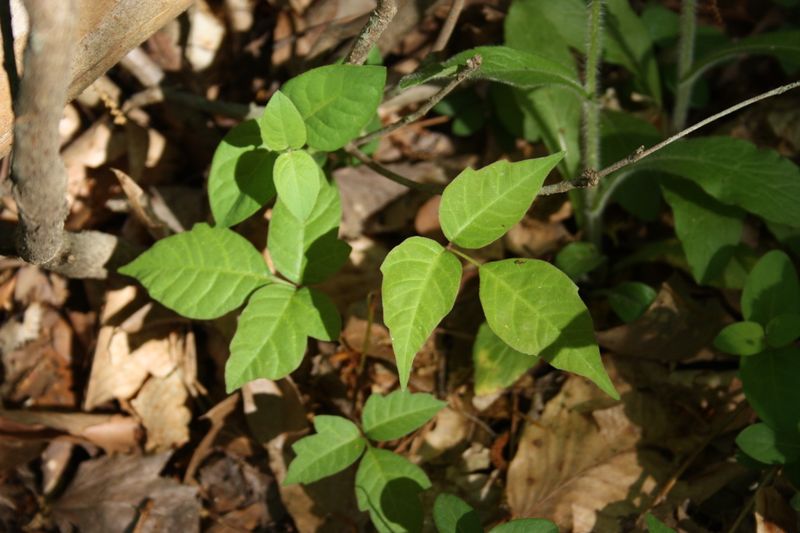
Ohio provides an ideal environment for poison ivy to thrive.
Its warm, humid summers and consistent rainfall create perfect conditions for growth.
Poison ivy prefers temperatures between 60 and 85 degrees Fahrenheit, which align with much of Ohio’s growing season.
The state’s mix of suburban neighborhoods, wooded areas, and agricultural zones offers a wide variety of habitats for this plant.
Fence lines, especially those separating lawns from forested edges, are prime real estate for poison ivy to grow undisturbed.
Recent environmental changes have only made the situation more challenging.
Higher levels of carbon dioxide in the atmosphere have been linked to faster poison ivy growth and increased potency of urushiol.
Longer growing seasons also give the plant more time to spread and establish itself.
Poison ivy is highly adaptable, it can grow in sun or shade, rich soil or poor.
Its resilience means that even with regular yard maintenance, new growth can sneak in and take hold quickly unless monitored.
Use Proper Safety Measures When Removing Plants
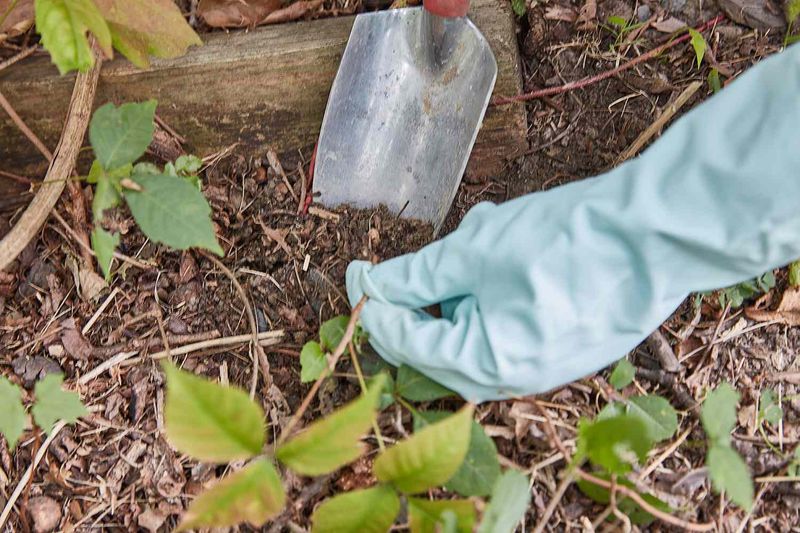
When it’s time to remove poison ivy from your property, protection is essential.
Wearing the right clothing can make all the difference.
Wear long pants, a long-sleeved shirt, closed-toe shoes, and disposable nitrile gloves.
Avoid fabric gloves because they can absorb urushiol and transfer it to your skin.
Safety goggles are also helpful to shield your eyes from accidental contact with leaves.
Never attempt to remove poison ivy by burning it.
Smoke from burning poison ivy can carry urushiol particles and cause serious reactions if inhaled.
Instead, use a shovel to dig up the entire root system and place all plant material into thick plastic bags.
Dispose of these bags with your regular trash, not in your compost bin.
After removal, clean all tools using rubbing alcohol or a specialty wash, and wash your clothes separately in hot water with detergent.
Shower right away, and be sure to scrub under your nails where urushiol can hide and linger.
Taking these steps ensures that the removal process doesn’t result in an unexpected rash days later.
Your Pets May Accidentally Bring It Indoors

Pets can unintentionally become carriers of urushiol oil without showing any signs themselves.
Their fur can trap the oil when they walk or roll through areas with poison ivy, particularly along fences or wooded trails.
Since dogs and cats don’t typically react to urushiol, they don’t show warning signs, making the transfer hard to detect.
You might only discover the problem after petting your animal and developing a rash hours later.
To minimize risk, keep your pets away from known poison ivy zones, especially during peak growing months.
If your pet does wander into an overgrown area, it’s a good idea to bathe them as soon as possible.
Wear rubber gloves and use pet-safe shampoo, focusing on areas like their legs, belly, and tail where contact is most likely.
Until they’ve been cleaned, limit contact and keep them off furniture or bedding.
Routine grooming and vigilance can make a big difference in avoiding unexpected skin reactions.
Your furry companion may not realize the danger, but your extra care will help protect your household from accidental exposure.
Prevention Beats Treatment
Smart Ohio homeowners focus on preventing poison ivy establishment rather than dealing with removal and rashes after the fact.
Regular fence line inspections during early spring help you spot new poison ivy growth when plants are small and easier to remove.
Walk your property boundaries monthly during growing season, learning to identify poison ivy in all its seasonal variations.
Creating a maintained buffer zone along your fence discourages poison ivy from taking hold.
Mow or trim vegetation within two feet of your fence line regularly, eliminating the undisturbed ground where poison ivy seeds germinate.
Applying a thick layer of mulch in this zone suppresses weed growth and makes any new poison ivy shoots easier to spot and remove before they establish deep roots.
Consider planting dense ground covers or installing landscape fabric in problem areas where poison ivy repeatedly appears.
Native plants that spread quickly can outcompete poison ivy for space and resources.
Some homeowners install physical barriers like plastic edging between wooded areas and their lawn to prevent underground rhizomes from spreading.
Remember that preventing one poison ivy plant from establishing itself saves you from potentially hundreds of plants in future years, as each mature plant produces thousands of seeds annually.