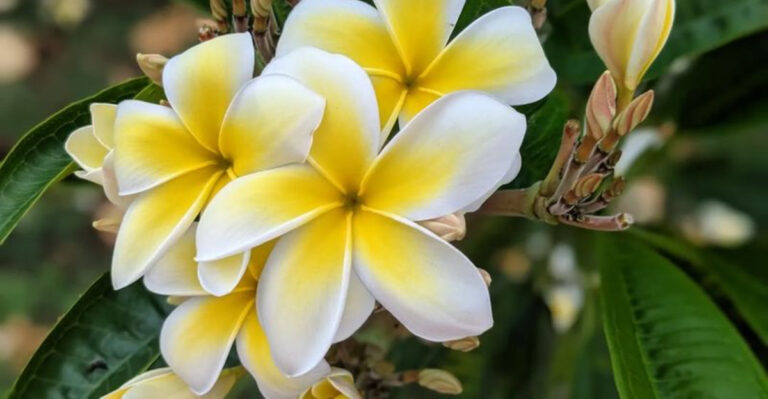
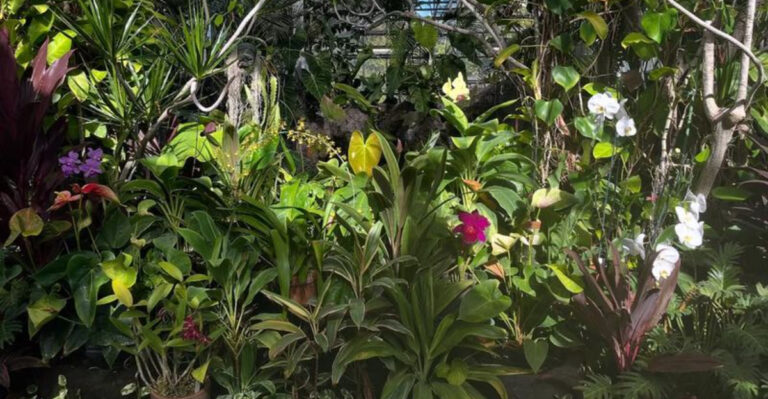
The Tropical Backyard Trend Taking Off In Hawaii
Hawaii backyards step into a bold new chapter as tropical food gardens surge across the islands.
Banana stalks rise like proud sentries, papaya trunks promise sweet reward, and taro patches anchor tradition with quiet strength.
Ulu trees lift broad crowns that cast deep shade while a hint of ancient abundance fills the air.
Homeowners across the state chase a vision that fuses culture, flavor, and self-reliance, a trio that hits the nail on the head for modern island life.
A yard once viewed as simple outdoor space now shifts into a vital pantry with vivid colors and rich stories at every turn.
Neighbors take one look and sense a revival that calls back to old wisdom yet strides toward a fresh future.
This trend carries heart, history, and hope, and each plant sets the stage for a backyard paradise with roots that run far beyond the fence line each day.
1. Ancient Hawaiian Wisdom Guides Modern Gardens
Hawaiian ancestors perfected agricultural techniques over a thousand years ago, and modern gardeners are rediscovering these time-tested methods.
Traditional practices like the ahupuaʻa system divided land from mountain to sea, creating sustainable food production that worked with nature rather than against it.
Taro farmers used intricate irrigation systems that captured mountain streams, creating loʻi (taro patches) that produced abundant harvests while supporting fish and other aquatic life.
Today’s backyard gardeners adapt these principles by companion planting, where different crops support each other’s growth.
Banana plants provide shade for younger papaya seedlings, while taro thrives in wet areas that might otherwise be useless.
Ulu trees grow tall and strong, offering shade and protection from harsh winds for smaller plants below.
This layered approach mimics natural Hawaiian forests and maximizes limited backyard space.
Elders share knowledge at community gatherings, teaching younger generations how to read the land, understand moon phases for planting, and respect the connection between people and ʻāina (land).
These gardens become living classrooms where cultural knowledge passes from one generation to the next.
The wisdom embedded in these practices helps gardens flourish with minimal chemical inputs while honoring the deep relationship Hawaiians have always maintained with their environment.
2. Bananas Provide Year-Round Abundance
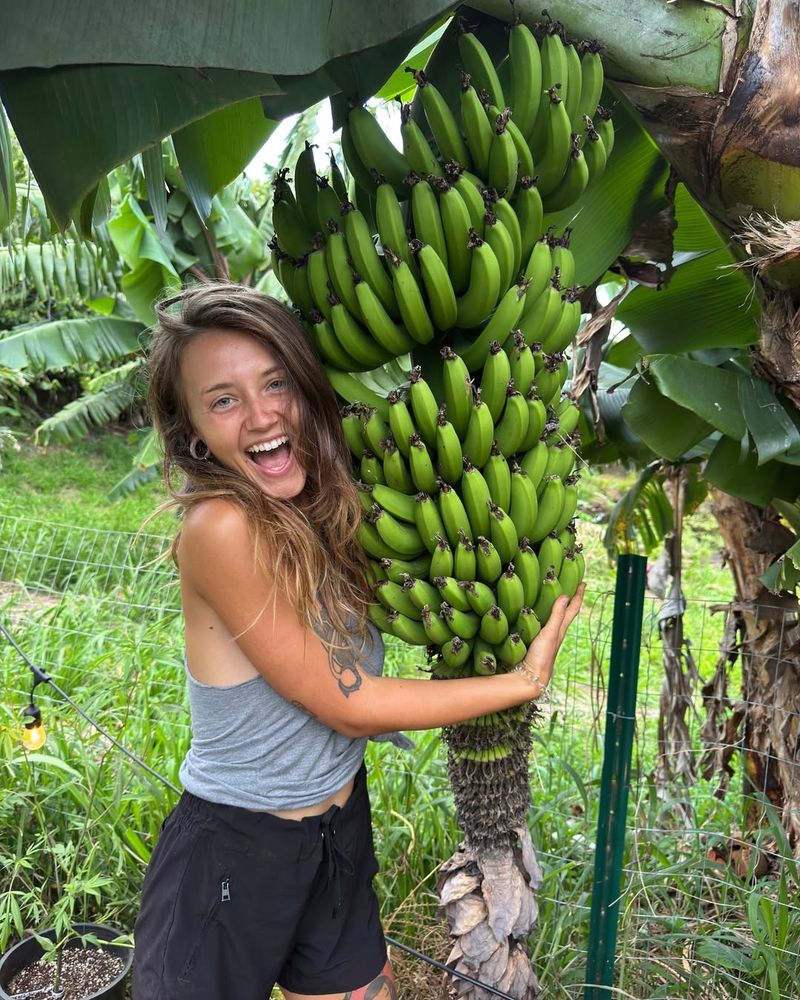
Few plants deliver such reliable rewards as banana trees in Hawaiian backyards.
Once established, a single banana plant produces fruit continuously, with new shoots constantly emerging from the base to replace harvested stalks.
Varieties like Apple Bananas, Williams, and Brazilian thrive in Hawaii’s warm climate, each offering unique flavors from sweet and tangy to creamy and mild.
Gardeners appreciate how quickly bananas grow—some varieties produce fruit within just nine months of planting.
The broad leaves create natural shade and windbreaks, protecting more delicate plants while adding dramatic tropical beauty to any yard.
When leaves fall, they decompose rapidly, enriching the soil with organic matter and nutrients.
Banana plants need regular water and feeding but reward this care with prolific production.
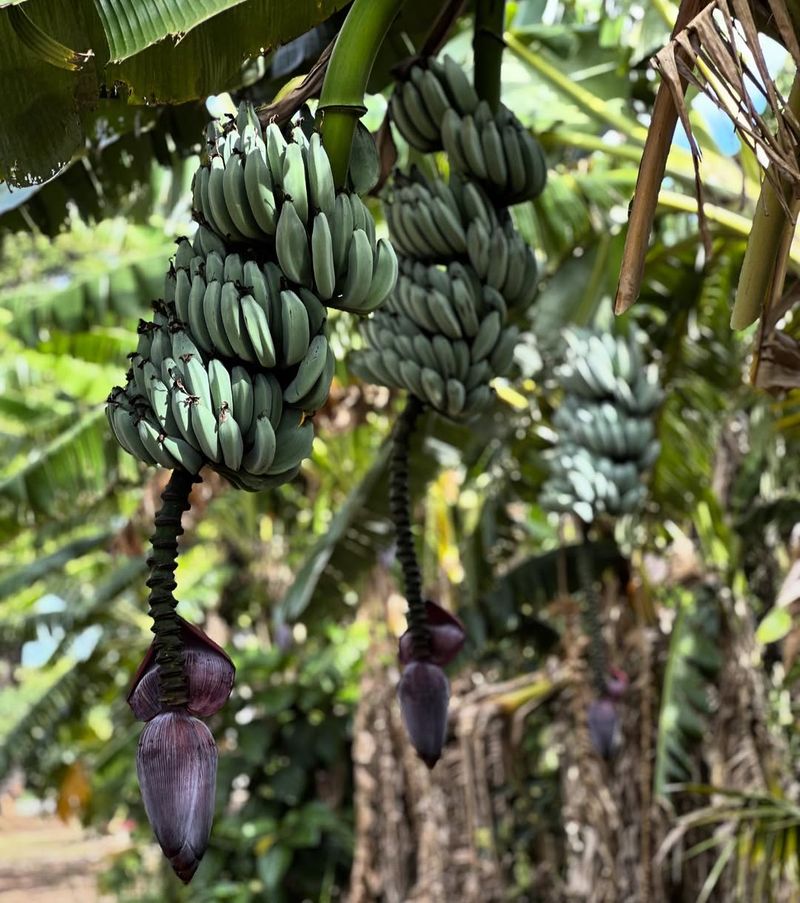
Families discover creative uses for their harvest: fresh fruit for breakfast, banana bread, smoothies, chips, and even the purple flower bud used in Southeast Asian cooking.
Nothing compares to the taste of a banana picked ripe from your own tree versus the green, imported ones from stores.
Kids love watching the massive purple flower develop into recognizable fruit clusters, and the entire process teaches valuable lessons about patience and nature’s generosity when we tend plants with attention and care.
3. Papaya Trees Produce Fruit Faster Than You’d Expect
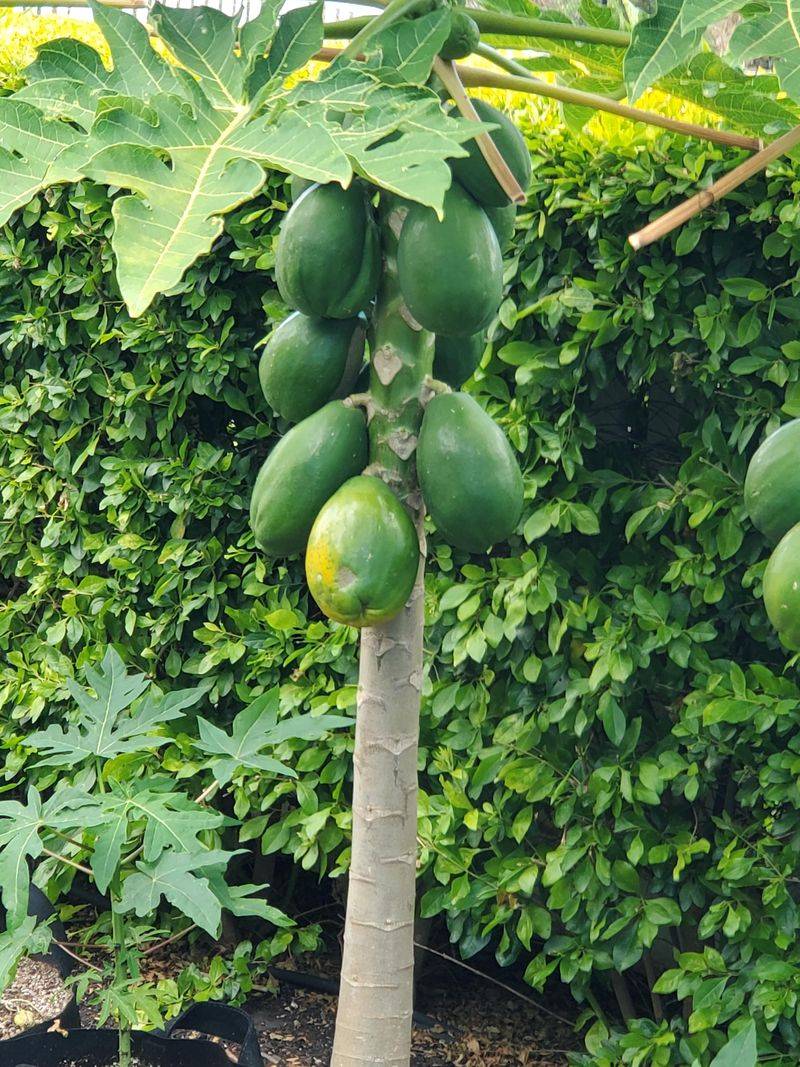
Papaya trees earn their reputation as the speedsters of tropical fruit production.
From seed to first fruit takes only six to nine months, making them ideal for impatient gardeners or families who want quick results.
These slender trees don’t demand much space, fitting comfortably even in smaller yards where every square foot matters.
Rainbow papayas, Kapoho, and Sunrise varieties flourish across Hawaii, producing sweet, orange-fleshed fruits packed with vitamins A and C.
Gardeners learn to identify female, male, and hermaphrodite flowers—only female and hermaphrodite trees produce fruit, so many plant several seedlings to ensure good producers.
The trees grow straight and tall, with fruit clustering near the top in an arrangement that looks almost architectural.
Papayas ripen best on the tree, developing rich sweetness that store-bought versions rarely match.
Fresh papaya becomes a breakfast staple, sliced with lime juice, blended into smoothies, or made into refreshing desserts.
Green papayas work wonderfully in savory dishes like Thai salads or local-style pickles.
Because papaya trees have relatively short productive lifespans of three to five years, smart gardeners plant new trees regularly to maintain continuous harvests.
This cycle keeps gardens dynamic and ensures families always have these nutritious fruits available for healthy eating throughout every season.
4. Taro Connects Families To Cultural Roots
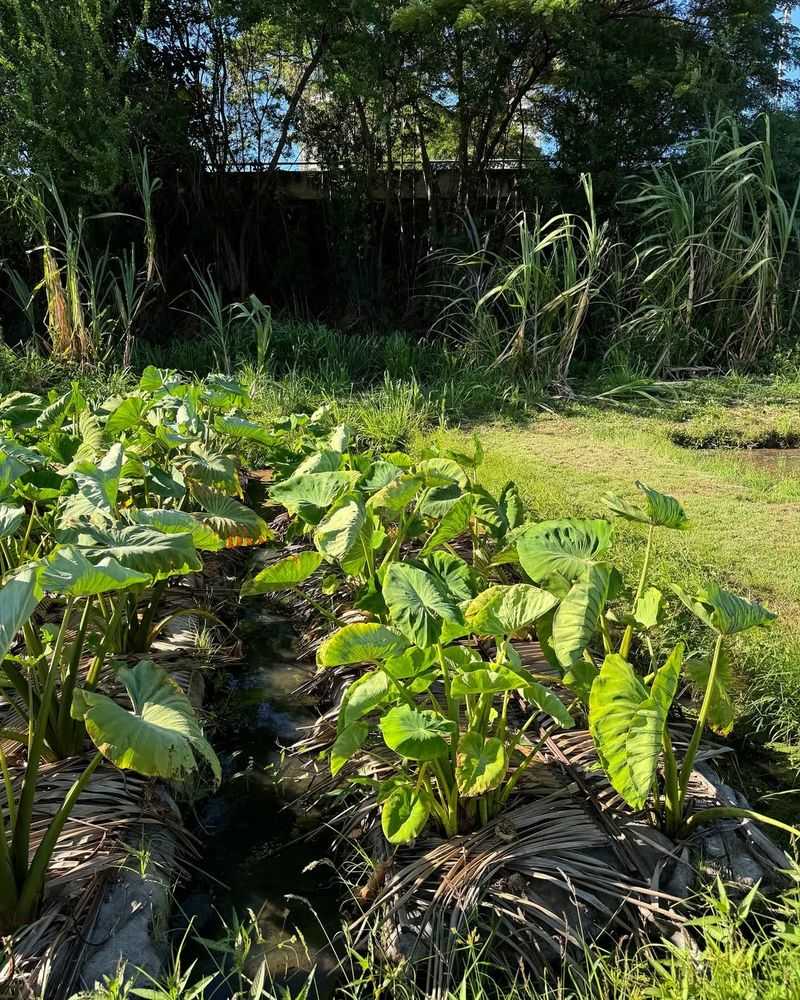
No plant holds deeper cultural significance in Hawaii than kalo, known commonly as taro.
According to Hawaiian creation stories, taro is the elder brother of the Hawaiian people, making it sacred and central to identity.
Growing taro in backyard gardens represents more than food production—it’s an act of cultural preservation and spiritual connection.
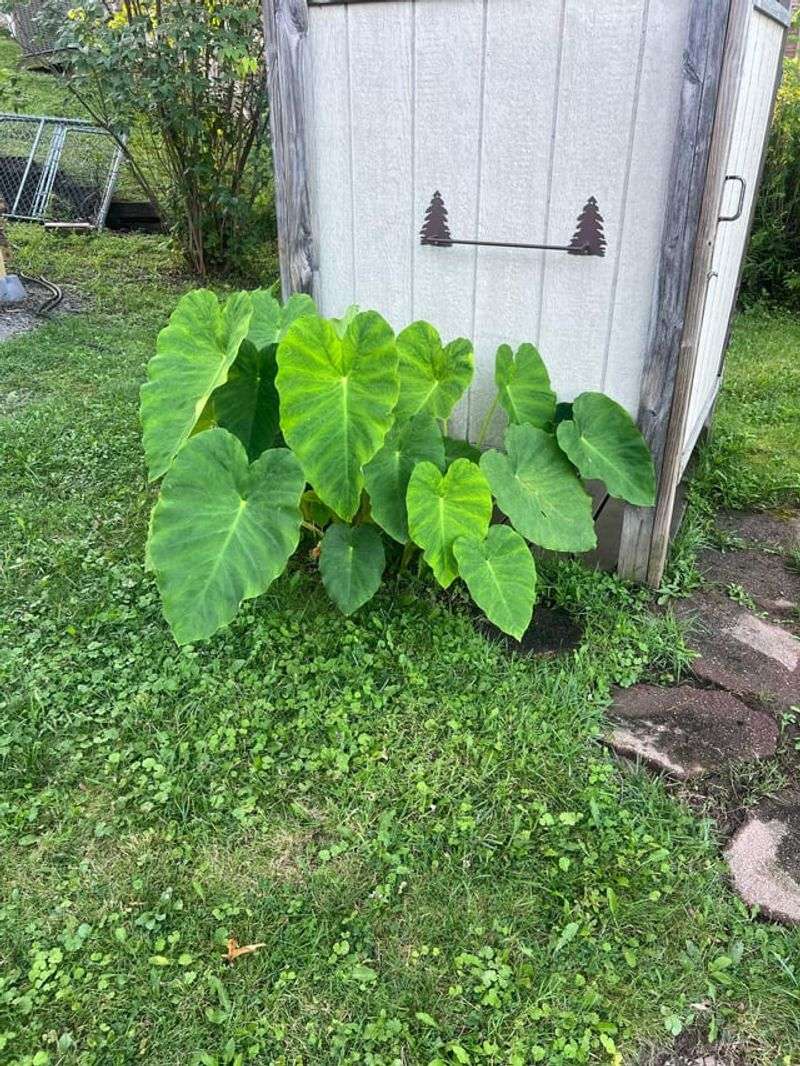
The heart-shaped leaves and starchy corms require consistent moisture, thriving in containers, raised beds with good watering systems, or small backyard loʻi patches.
Dozens of varieties exist, each with distinct characteristics: some grow better in wetlands, others tolerate drier conditions, and colors range from white to pink to purple.
Families harvest mature corms after nine to twelve months, using them to make poi, the traditional staple food created by pounding cooked taro into a smooth, purple paste.
Fresh poi tastes subtly sweet and slightly tangy, completely different from the store-bought versions many people know.
Taro leaves, called lū’au, are cooked into delicious dishes like laulau when wrapped around meat or fish.
Children who help tend taro plants learn Hawaiian language, songs, and stories connected to this important crop.
The experience builds pride in heritage while teaching responsibility and patience.
Backyard taro gardens become gathering places where families share meals, stories, and traditions that strengthen cultural bonds across generations.
5. Ulu Trees Offer Sustainable Superfood
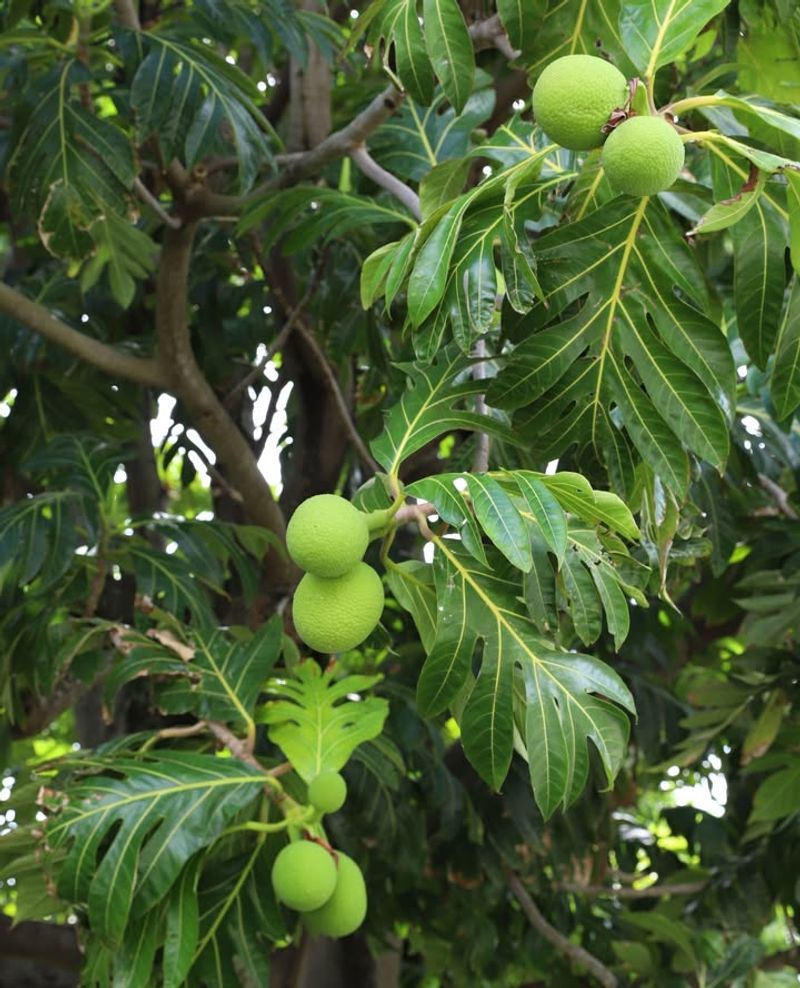
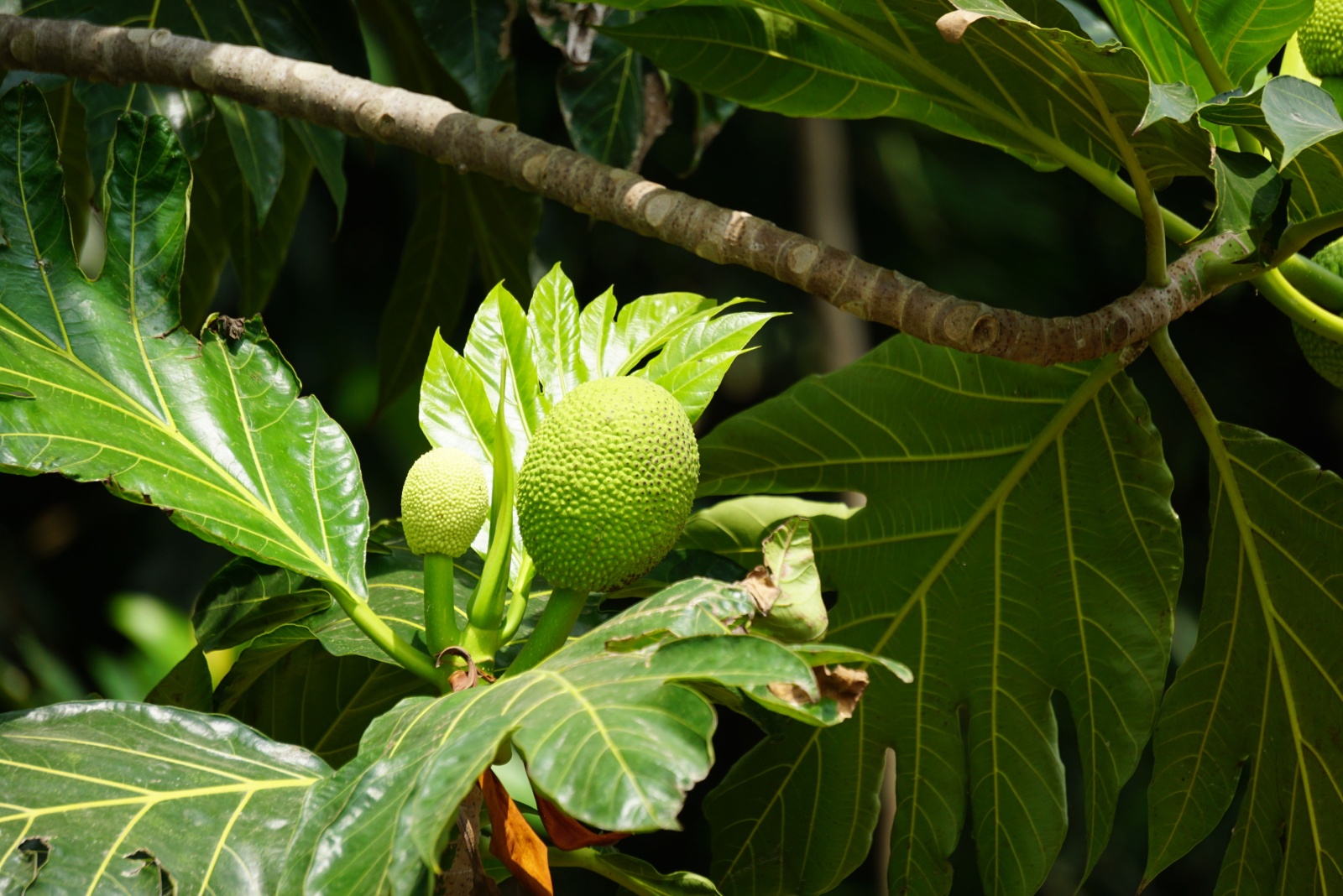
Breadfruit, called ulu in Hawaiian, is experiencing a remarkable renaissance in island gardens.
These majestic trees can grow quite large, but dwarf varieties make them accessible for average-sized yards.
Ulu trees produce enormous quantities of nutritious fruit—a single mature tree can yield 200 pounds or more annually, providing serious food security for families.
The green, round fruits have bumpy skin and starchy, potato-like flesh when cooked.
Breadfruit contains more protein than many tropical fruits and provides complex carbohydrates, fiber, vitamins, and minerals that make it a genuine superfood.
Hawaiians traditionally prepared ulu dozens of ways: roasted, steamed, fried, baked, or fermented into a preserved food that lasted months.
Modern cooks create breadfruit fries, chips, hummus, pancakes, and even desserts from this versatile ingredient.
The trees require minimal maintenance once established, tolerating various soil conditions and needing little fertilizer or pest control.
Organizations across Hawaii promote ulu cultivation as a solution to food insecurity and dependence on imported goods.
Community groups distribute free seedlings and teach preparation techniques to encourage more people to plant these productive trees.
Beyond food production, ulu trees provide shade, beauty, and habitat for birds.
Families discover that growing breadfruit connects them to sustainable living practices while reducing grocery bills and environmental impact from shipping food across oceans.
6. Food Gardens Build Community Connections
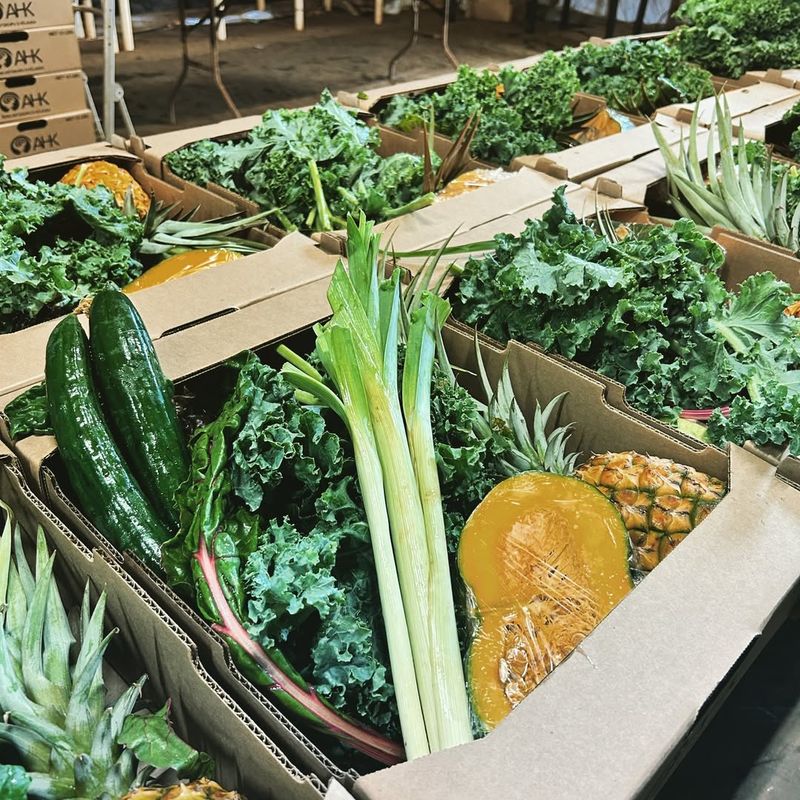
Something magical happens when neighbors notice your thriving tropical food garden.
Conversations start over fences about which banana variety grows best or how to prepare breadfruit.
People share cuttings, seeds, and surplus harvests, creating networks of generosity that strengthen neighborhood bonds.
Community workshops and garden tours bring together experienced growers and curious beginners, fostering knowledge exchange that benefits everyone.
Social media groups dedicated to Hawaiian food gardening connect thousands of people who post photos, ask questions, troubleshoot problems, and celebrate successes together.
Schools incorporate tropical food gardens into curricula, teaching students about nutrition, sustainability, and Hawaiian culture through hands-on experiences.
Kupuna (elders) volunteer their expertise, creating intergenerational relationships that honor traditional knowledge while adapting it for contemporary life.
Farmers markets and fruit swaps provide venues where backyard gardeners trade their abundance, discovering new varieties and making friends.
These connections combat isolation and create support systems that extend beyond gardening into other aspects of life.
When hurricanes or other challenges strike, garden communities rally together, sharing resources and helping each other recover and rebuild.
The simple act of growing food transforms from a solitary hobby into a community movement that strengthens social fabric, preserves culture, and builds resilience in ways that extend far beyond the garden fence.
7. Environmental Benefits Extend Beyond Your Yard
Tropical food gardens deliver environmental advantages that ripple outward from individual properties.
Dense plantings absorb carbon dioxide, helping combat climate change one backyard at a time.
The shade from banana leaves, papaya trees, and ulu canopies reduces temperatures around homes, lowering air conditioning needs and energy consumption.
Root systems prevent soil erosion during heavy rains, protecting watersheds and preventing sediment from reaching coral reefs offshore.
Gardens provide habitat and food sources for native birds, beneficial insects, and pollinators that support broader ecosystem health.
By growing food locally, families reduce dependence on imported produce that requires shipping across thousands of ocean miles, cutting fossil fuel consumption and associated pollution.
Composting garden waste and kitchen scraps creates nutrient-rich soil amendments, diverting organic material from landfills where it would produce methane gas.
Rainwater harvesting systems that support gardens reduce demand on municipal water supplies during dry periods.
Chemical-free growing practices protect groundwater quality and prevent harmful substances from entering natural ecosystems.
When multiplied across thousands of households, these individual actions create measurable positive impacts on island environments.
Children raised around food gardens develop environmental awareness and conservation ethics that influence their choices throughout life.
The tropical backyard trend demonstrates how personal decisions about landscaping can contribute to larger environmental solutions while providing beauty, food, and connection to place.