The Unique Christmas Tree Shapes Capturing The Spotlight In California Homes This Year
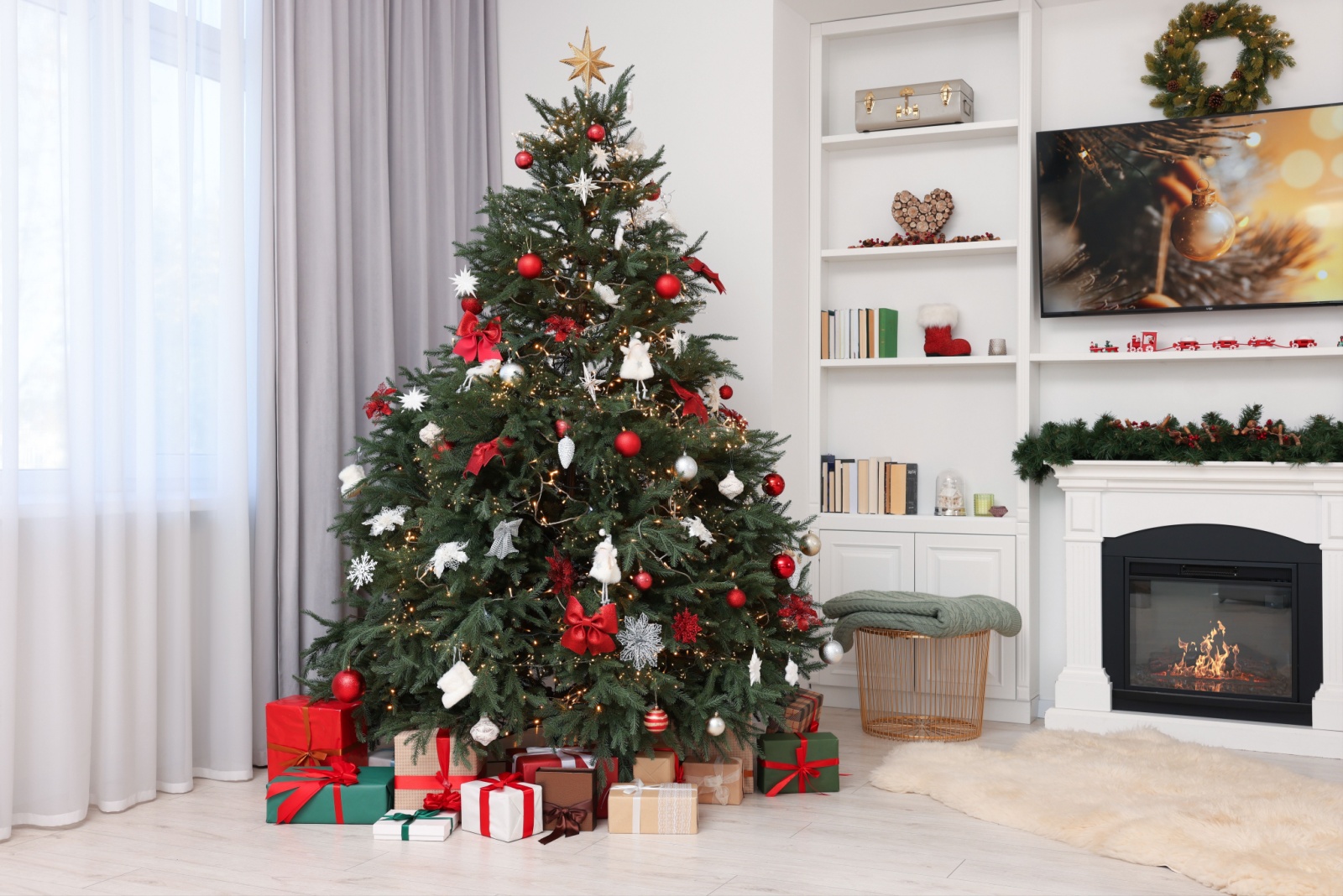
California homeowners are giving holiday décor a creative twist by choosing unique Christmas tree shapes that make a bold statement indoors.
From spirals and multi-tiered designs to trees with wide, artistic canopies, these selections redefine traditional holiday aesthetics.
Shoppers are pairing distinctive tree shapes with modern ornaments, lighting, and room décor to create eye-catching displays that wow guests and elevate seasonal celebrations.
These creative trees offer more than visual appeal—they optimize space, provide symmetry for ornaments, and become conversation starters.
Interior designers and homeowners alike are experimenting with shapes, colors, and styles, ensuring each tree reflects personal taste and festive flair.
In homes across California, the trend is transforming holiday decorating into an art form, turning Christmas trees into focal points that capture attention and embody the season’s spirit in bold, imaginative ways.
1. Slim Pencil Trees For Tight Spaces
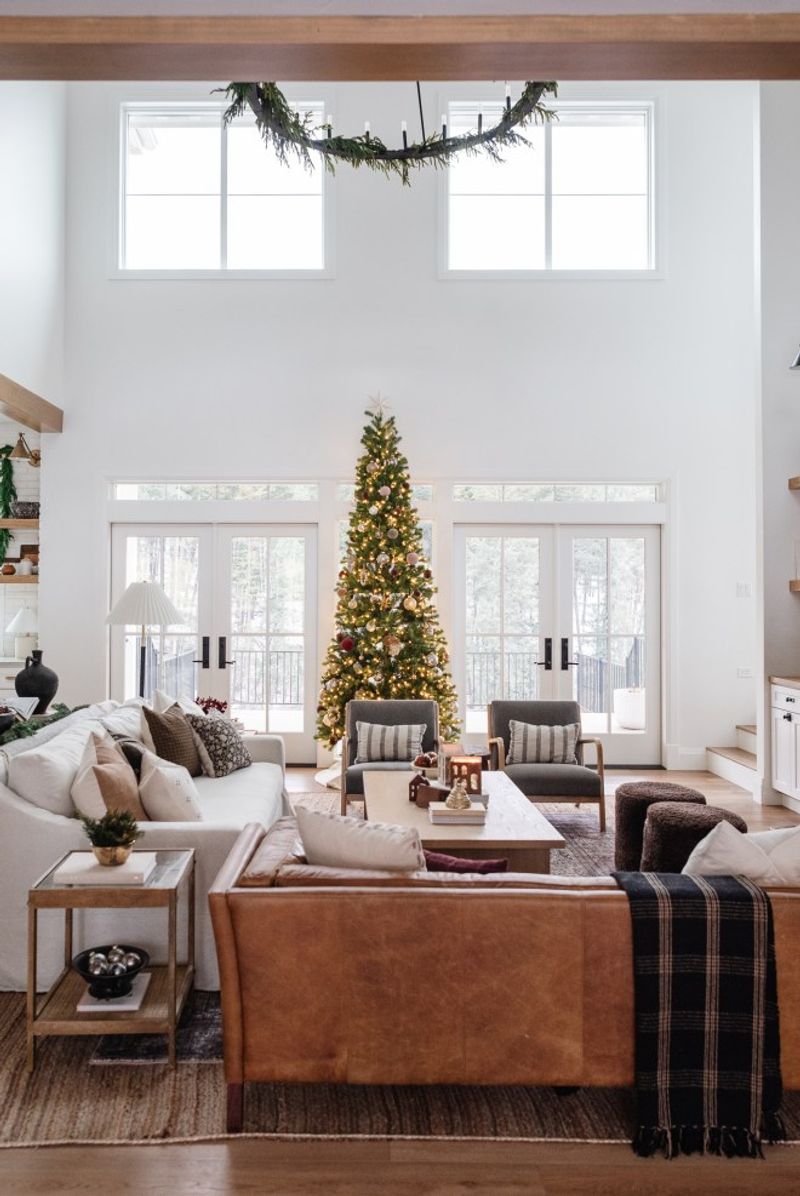
Slim pencil trees offer a smart solution for holiday decorating in small California apartments and compact living rooms.
Their tall, narrow shape takes up almost no floor space while still delivering a festive, vertical presence.
These trees slide easily into corners, by windows, or beside doorways without blocking walkways or furniture.
Because their branches stay close to the central trunk, decorating remains simple — you can reach every limb without stretching or climbing.
Stringing lights or hanging ornaments is a breeze, and you avoid heavy floor clutter that often comes with fuller trees.
When lit and decorated, pencil trees look fuller than their slim frames suggest, casting cozy holiday radiance without overwhelming a room.
For renters or families living in tight spaces, pencil trees turn holiday decorating from a challenge into an elegant, manageable tradition.
2. Upside‑Down Hanging Trees
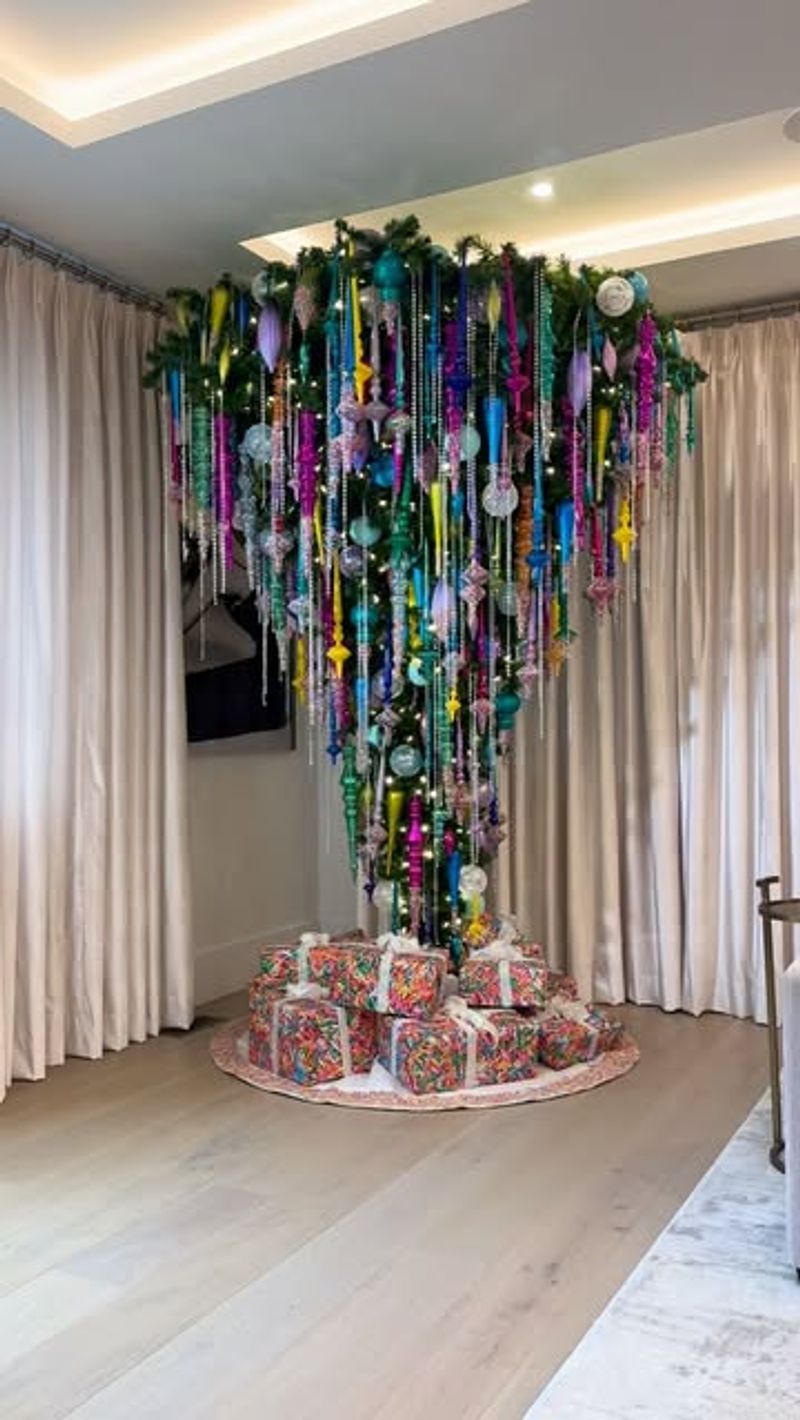
Upside-down hanging trees flip holiday tradition upside down — literally — creating a unique and playful centerpiece for modern homes.
These trees hang from the ceiling, freeing floor space entirely and making rooms feel more open.
Branches cascade downward like a festive chandelier, offering an unconventional but striking visual that draws immediate attention.
Children especially love how magical and whimsical the setup feels, and pets stay safe from falling branches or fallen needles.
Ornaments dangle at eye level and catch light beautifully, often shimmering more than on a regular tree because of the downward layout.
Setting up requires strong ceiling hooks and proper support, but for homes with limited space or high ceilings the result feels both bold and practical.
An upside-down tree becomes not just a decoration but a conversation piece — one that mixes tradition with creative flair while maximizing space.
3. Multi‑Tree Clusters
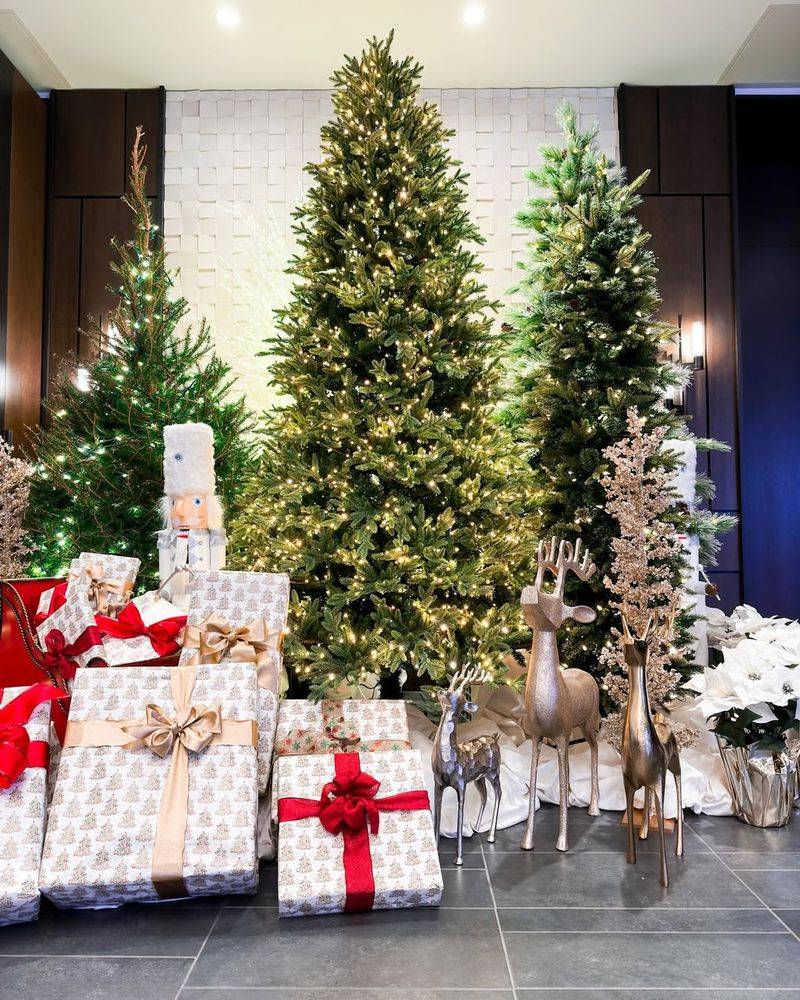
Some families skip the single centerpiece and instead bring multiple smaller trees indoors to create a layered holiday display.
Grouping two or three modest‑sized trees allows each to carry its own decorating theme or color palette.
Kids get to personalize their own mini evergreen, adding stickers, ribbons, or ornaments however they like.
The combination of multiple trees adds visual depth and complexity, resembling a tiny indoor forest rather than a lone Christmas tree.
By placing trees at different heights or corners, you create a dynamic, immersive holiday vibe that fills the room with warmth and character.
The arrangement becomes a living tableau that invites exploration — every angle reveals new decorations and subtle details.
For larger living areas or family gatherings, multi‑tree clusters offer versatility, personalization, and a sense of festive abundance without needing a single oversized tree.
4. Unconventional Material Trees
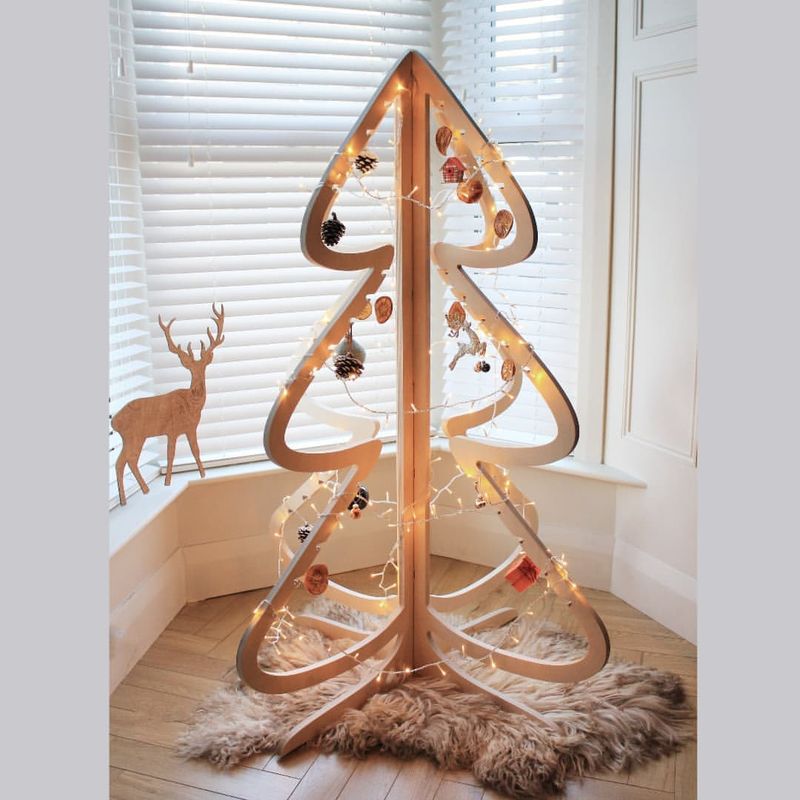
Unconventional material trees appeal to Californians who favor contemporary design and less traditional holiday décor.
Instead of standard green firs, these artistic trees might be crafted from metallic frames, wooden slats, geometric wire outlines, or painted white for a winter‑wonderland look.
Such trees transform holiday décor into modern art — minimalist, bold, and sleek.
On these sculptural trees, ornaments and lights become focal features, since the trees themselves act primarily as structural supports rather than dense foliage.
White or metallic finishes work especially well in interiors with neutral color palettes, complementing modern furniture and minimalist décor.
These design‑forward alternatives often take up less visual weight, making rooms feel open and airy while still festive.
For people who enjoy clean lines, contemporary aesthetics, and understated elegance, unconventional material trees make the holidays feel fresh, creative, and deeply personalized.
5. Tabletop Accent Trees
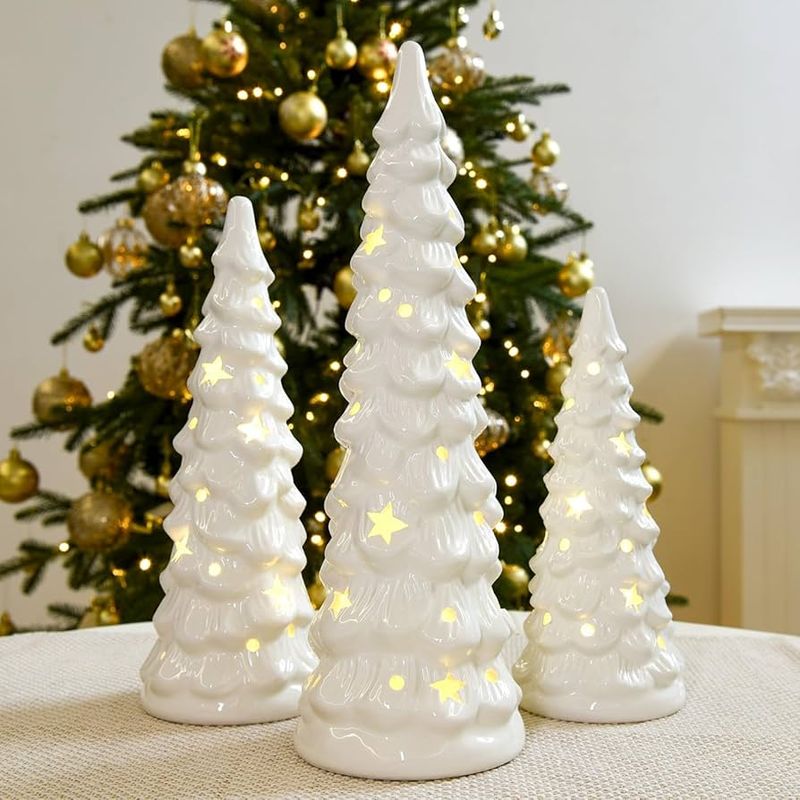
Tabletop accent trees bring holiday charm into compact homes, apartments, or smaller rooms without requiring large-scale décor.
Perched on side tables, shelves, kitchen counters, or mantels, these petite evergreens deliver festive spirit without dominating space.
Many come pre‑lit with tiny LED lights, instantly adding warmth and glow to kitchens, bedrooms, or cozy reading corners.
Decorating them becomes a fun, detail‑oriented activity — using tiny ornaments, ribbons, or handcrafted decorations scaled for their size.
Some households place matching tabletop trees throughout multiple rooms to create a unified holiday theme that flows from one space to another.
Because of their small size and light weight, tabletop trees store easily after the season ends, simplifying cleanup and storage.
They offer budget‑friendly seasonal décor and allow holiday celebration even in homes where a full-sized tree isn’t practical.
6. Minimalist Sparse Branch Trees
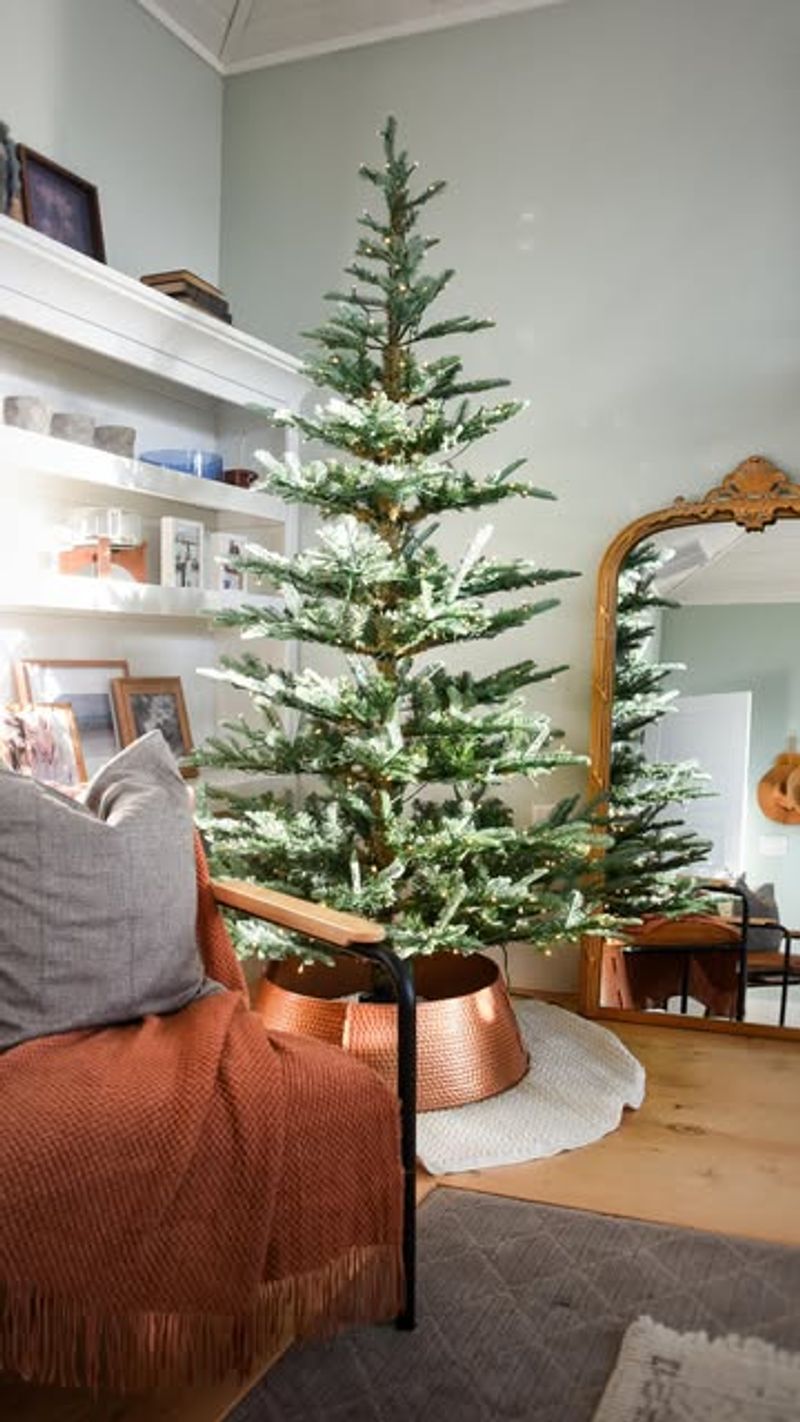
Minimalist sparse‑branch trees appeal to individuals who prefer subtlety, airy design, and understated elegance during the holidays.
With widely spaced branches and open silhouettes, these trees emphasize negative space as part of their style.
Each ornament hung becomes a deliberate feature rather than lost in dense foliage, giving every decoration room to shine.
Their streamlined shape aligns well with Scandinavian‑inspired interiors, modern farmhouses, or minimalist apartments where simplicity matters.
Decorating such trees takes less time and fewer materials, which suits busy households or those aiming to reduce waste.
The result feels calm, intentional, and refined — festive without excess.
For those who value function and form over tradition, sparse‑branch trees offer a quiet, elegant option that blends holiday spirit with modern sensibility.
7. Designer-Shaped Artistic Trees

Designer-shaped artistic trees cater to homeowners who see holiday décor as an extension of personal style and creativity.
These trees come in sculptural forms: spirals curving upward, angular geometric frames, or abstract outlines that hint at evergreen shapes rather than replicate them directly.
Decorating them feels like curating art — ornaments and lights become part of a larger design composition rather than mere adornments on a traditional tree.
They stand out as statement pieces and often become the center of attention at gatherings or holiday parties.
Guests frequently comment on these unique designs, which double as year‑round décor even after the season ends.
For design-conscious individuals, artistically shaped trees merge tradition with individuality, transforming holiday spaces into expressions of identity and taste.
They offer a memorable, Instagram-worthy backdrop for photos, gatherings, and festive celebrations without adhering to traditional evergreen aesthetics.
8. Living Potted Evergreen Plants

Living potted evergreen plants present a sustainable and meaningful alternative to cut trees for California households seeking long-term green solutions.
Rather than tossing a tree after the holidays, potted evergreens keep their roots intact, allowing them to thrive again or even be planted outdoors when climate and space permit.
These trees often remain bushier and more compact than traditional cut firs, making them well suited for indoor spaces or small patios.
Without trimming roots, they stay fresher longer and shed fewer needles, reducing mess and improving air quality indoors.
Many nurseries now offer region‑appropriate species that adapt well to local climates once moved outside.
Caring for a living tree offers families a valuable opportunity to teach children about sustainability, responsibility, and respect for nature.
Over time, these trees may grow into living reminders of past holidays, turning once‑disposable décor into lasting homegrown memories.
9. Light-Colored Flocked Trees
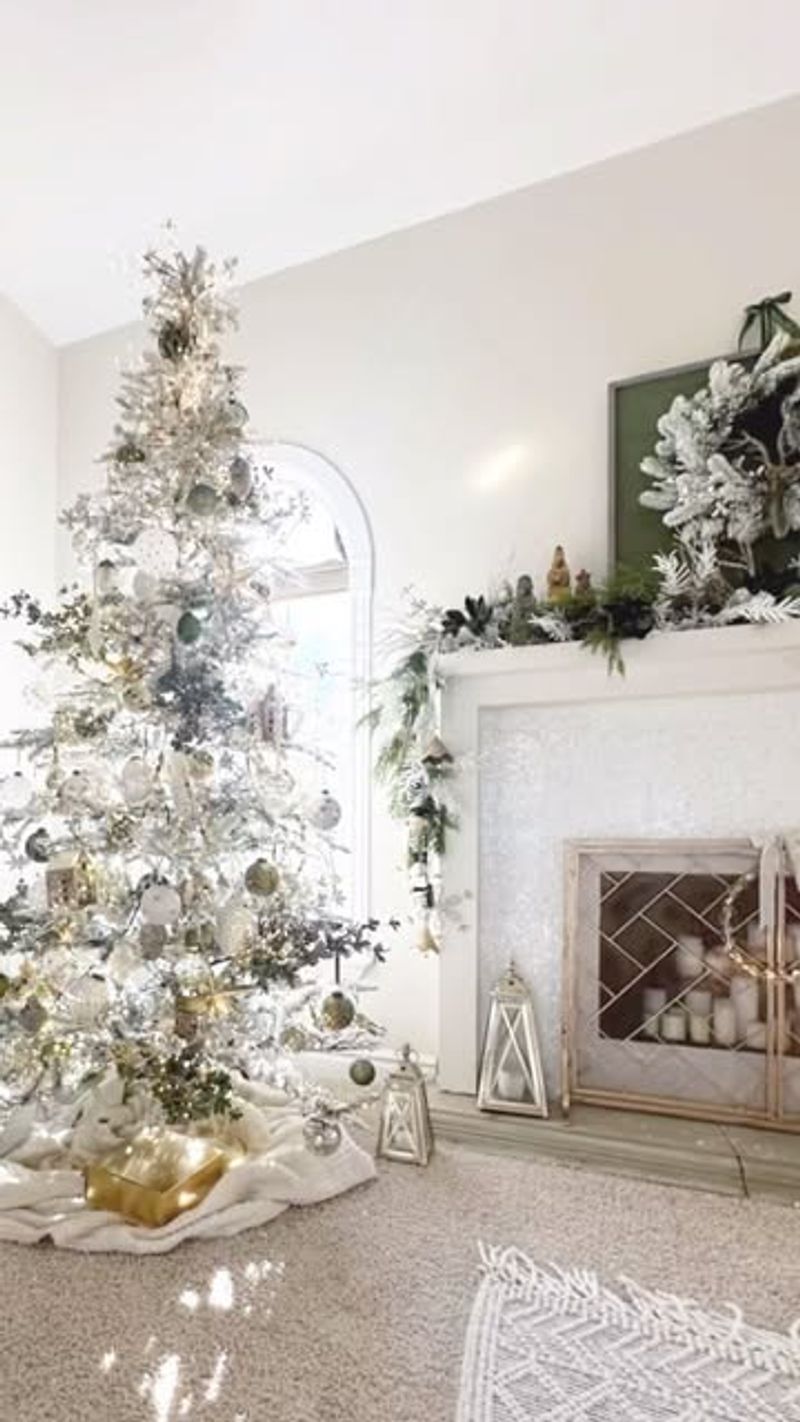
Light-colored flocked trees bring the magic of a snow‑covered forest indoors — ideal for California homes where real snow is rare.
The flocking process coats branches with material that resembles fresh snowfall, transforming a tree into a soft, dreamy winter spectacle.
White or pastel finishes brighten rooms and reflect indoor light beautifully, making small spaces feel larger and more open.
Decorating these trees with silver, gold, or icy‑blue ornaments enhances the frosty theme and creates a sparkling, elegant holiday vibe.
Against mild California winters, flocked trees deliver the cozy feeling of a colder climate without needing actual snow or cold weather outside.
They offer a whimsical escape — a chance to bring the winter wonderland experience indoors regardless of regional weather.
For design-forward families, flocked trees combine tradition, fantasy, and style in one festive decorative choice.
10. Regional Shape Preferences Across California
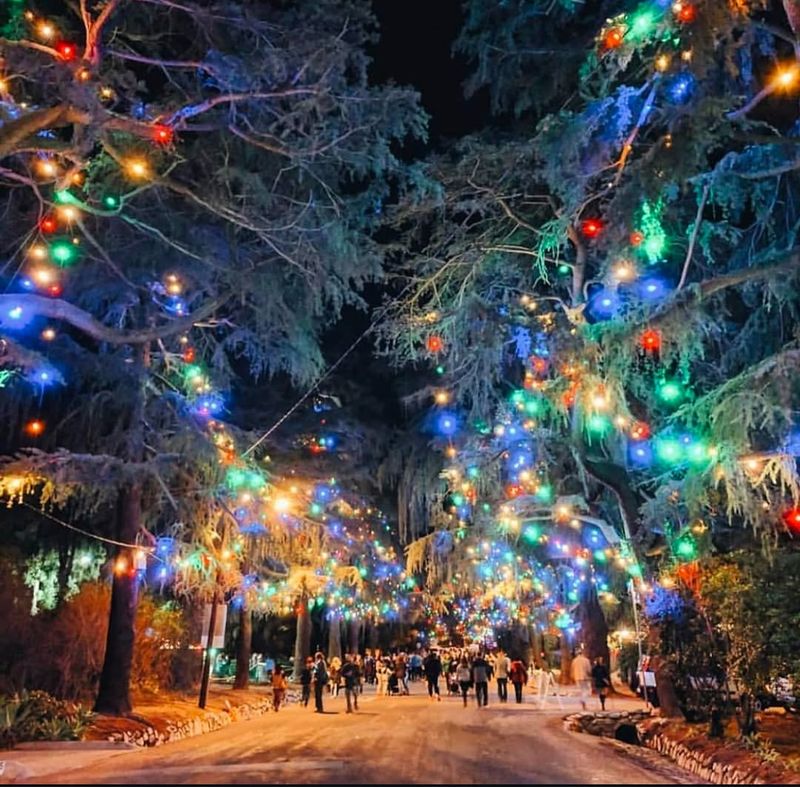
California’s variety of climates and home types shapes how families choose their holiday trees.
Coastal apartment‑dwellers often pick slim pencil trees or hanging upside-down options to maximize limited living space.
Urban renters in beach towns may skip full‑size evergreens entirely in favor of tabletop or sparse‑branch trees that fit their compact floor plans.
In inland areas with larger homes, multi-tree clusters or designer-shaped trees perform beautifully, filling open rooms without overcrowding them.
Warmer Southern California homes may favor living potted evergreens or light-colored flocked trees that align with mild winter weather and indoor spaces.
In mountain or high‑elevation regions, families might combine traditional full trees with modern design elements to celebrate familiar holiday visuals in a new way.
Ultimately, understanding your home layout, climate, and lifestyle helps you choose a tree shape that fits naturally — making holiday decorating feel thoughtful, personal, and perfectly suited to your surroundings.