The Valentine’s Day Flowers That Thrive In Your Georgia Garden
Are you thinking about Valentine’s flowers and wishing they could feel a little more meaningful this year?
In Georgia, February has its own rhythm. The garden is quiet, but it is not asleep.
That makes this season perfect for choosing flowers that feel romantic without being temporary. Valentine’s flowers feel more special when they belong in your garden, not just a vase.
Some blooms naturally match Georgia’s late-winter conditions and ease into the season without stress. A Valentine flower that grows outside always feels more personal.
Instead of feeling rushed or decorative, these choices connect the moment to something living and ongoing.
When flowers fit the timing and the place, the gesture feels thoughtful rather than expected. Georgia gardens have room for Valentine flowers that last.
1. Heart-Season Blooms Make Camellia Feel Like A Living Valentine
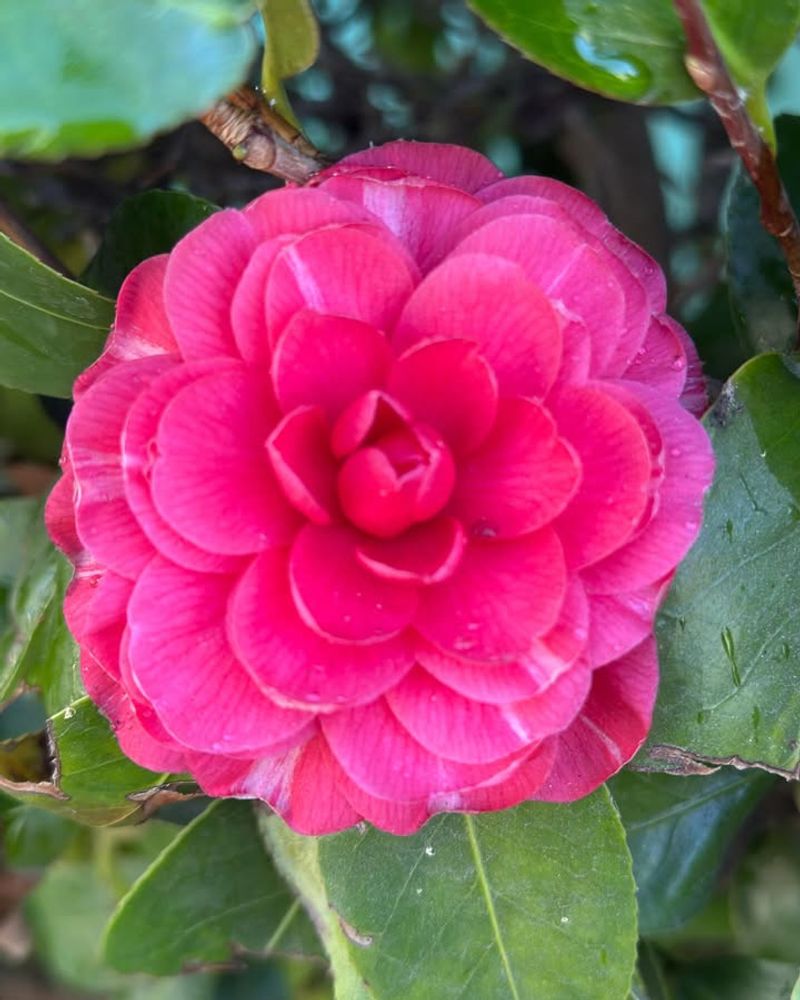
Camellias start opening their spectacular blooms right when Georgia’s winter settles in, making them perfect timing for Valentine’s Day displays.
These evergreen shrubs produce flowers that look almost too perfect to be real, with layer upon layer of silky petals arranged in stunning rosettes.
Your neighbors will wonder how you managed to grow something so elegant during the coldest months.
Georgia’s climate suits camellias beautifully because they need those chilly nights to set their buds properly. Plant them where they’ll get morning sun but afternoon shade, especially important during our occasional warm February days.
The soil should drain well and stay slightly acidic, which matches what most Georgia yards already have naturally.
Watering matters more than you might think, even in winter. Keep the soil moist but never soggy, and add a thick layer of pine straw mulch around the base to protect roots during cold snaps.
Varieties like ‘Debutante’ and ‘Pink Perfection’ bloom reliably in time for Valentine’s Day across most of Georgia.
These shrubs grow slowly but live for decades, becoming more spectacular each year. A single plant can eventually reach eight feet tall and produce hundreds of flowers each season, giving you an endless supply of romantic blooms without replanting every year.
Camellias also hold their blooms well on the plant, so your display stays polished for weeks instead of fading after a few cold nights.
Cut branches last beautifully indoors too, letting you bring that Valentine’s color inside without stressing the shrub outdoors.
2. Hellebore Proves Romance Doesn’t Need Warm Weather
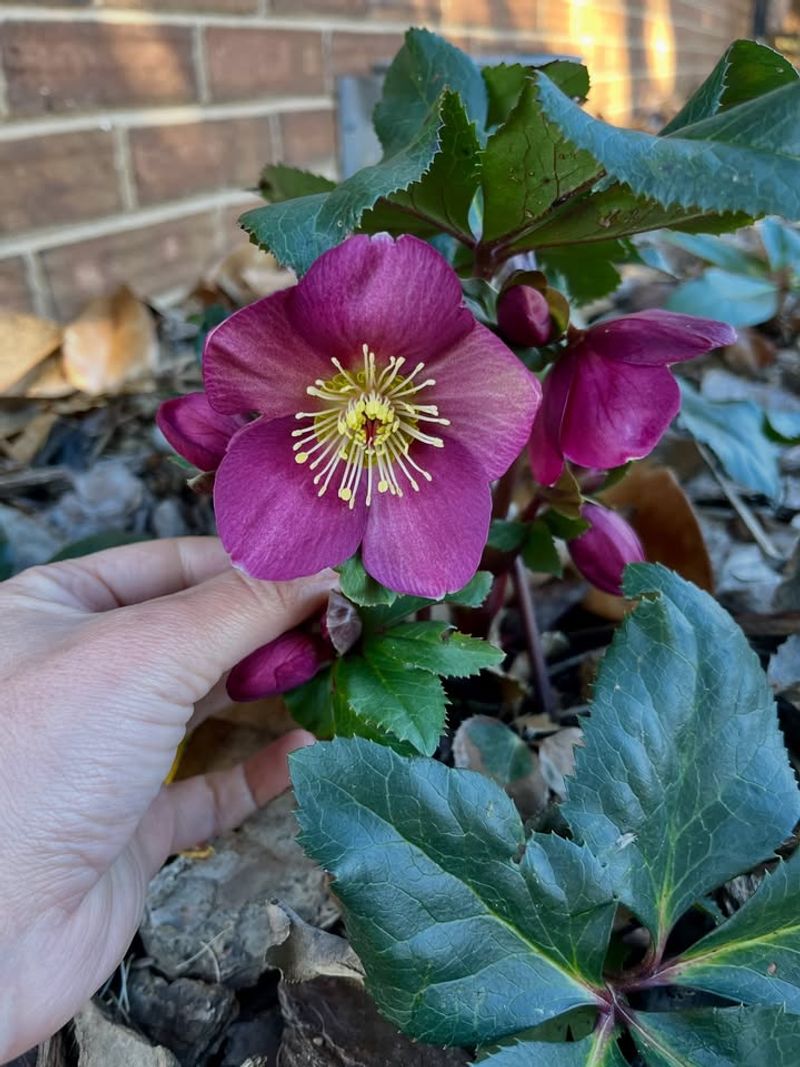
Gardeners call hellebores the Lenten Rose, but many varieties actually bloom much earlier, sometimes starting in January across Georgia.
Their nodding flowers come in the most romantic shades you can imagine, from pure white to deep burgundy, with many showing pretty speckles or double petals.
Each bloom lasts for weeks, not days, which means your Valentine display keeps going strong.
Shade doesn’t bother hellebores one bit, making them perfect for those tricky spots under trees where most flowers refuse to grow. They actually prefer protection from Georgia’s hot afternoon sun and will reward that shade with more abundant blooms.
The thick, evergreen leaves stay handsome year-round, giving structure to your garden even when nothing else looks good.
Planting hellebores requires patience because they take a season or two to settle in before blooming heavily. Once established though, they multiply slowly and need almost no care beyond occasional watering during dry spells.
Deer and rabbits leave them alone, which solves a common Georgia garden problem.
These plants handle our unpredictable February weather without complaining. Hellebores tolerate wide temperature swings and usually keep blooming through Georgia’s typical winter ups and downs.
Their flowers actually get prettier as they age, developing green tones that add even more interest to your Valentine arrangements.
Their blooms face downward, which protects them from rain and frost while keeping the petals unmarked. Even after peak color fades, the flowers remain attractive on the plant, stretching visual interest well past Valentine’s Day.
3. Cold Days Can’t Dull The Cheer Of Pansy
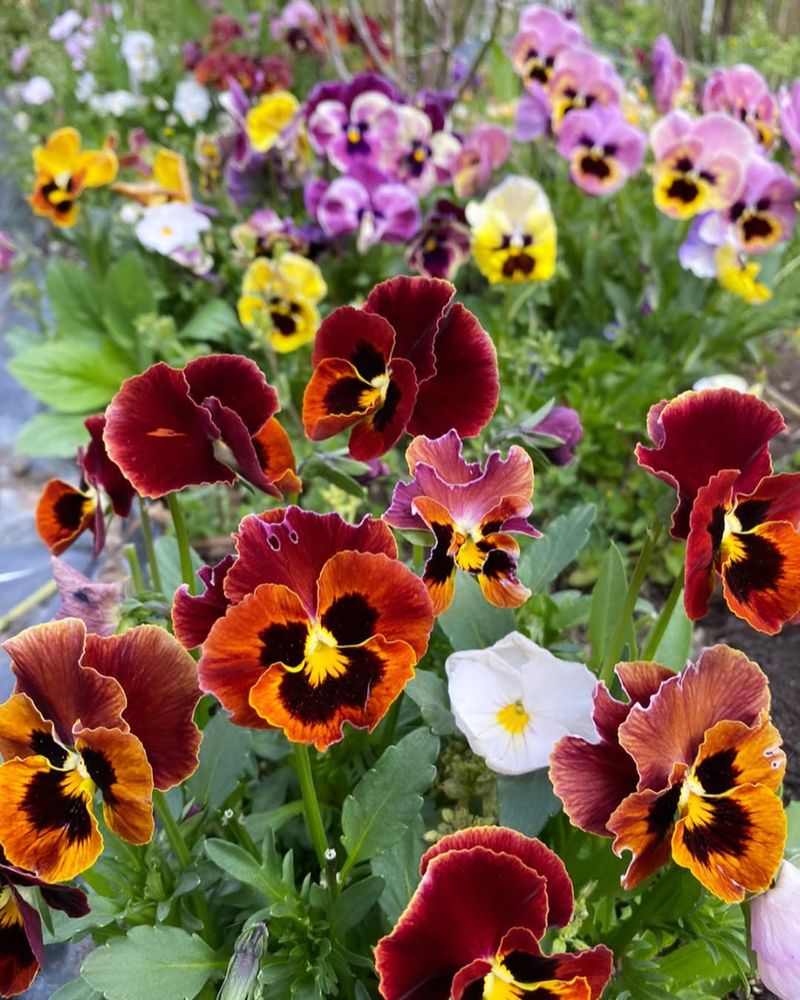
Walk into any Georgia garden center in January and you’ll find flats of pansies already blooming their hearts out.
These cheerful flowers laugh at cold weather and actually bloom better when temperatures stay cool, making them absolutely perfect for Valentine’s Day color.
Their face-like markings come in every shade imaginable, including deep reds and purples that scream romance.
Pansies handle Georgia’s freeze-thaw cycles without missing a beat. Temperatures can drop into the twenties overnight, and established pansies usually recover quickly once daytime temperatures rise.
They’ll keep producing new flowers steadily from fall planting right through spring, giving you months of continuous color.
Container gardening works beautifully with pansies, letting you create portable Valentine displays for your porch, steps, or patio. Mix red and white varieties together for a classic romantic look, or go bold with deep purple and burgundy shades.
Regular deadheading encourages even more blooms, though they’ll flower plenty even if you forget.
Georgia gardeners should plant pansies in fall for the best Valentine’s Day show, but you can still add them in January if you missed the earlier window. They need full sun to partial shade and regular watering, though established plants tolerate brief dry spells.
These flowers cost so little that filling an entire bed won’t break your budget.
Their low, compact growth keeps beds looking neat instead of leggy or overgrown during winter. Color stays concentrated at ground level, creating a strong visual punch right where eyes naturally land near walkways and entrances.
4. Viola Brings Gentle Color That Feels Thoughtful And Sweet
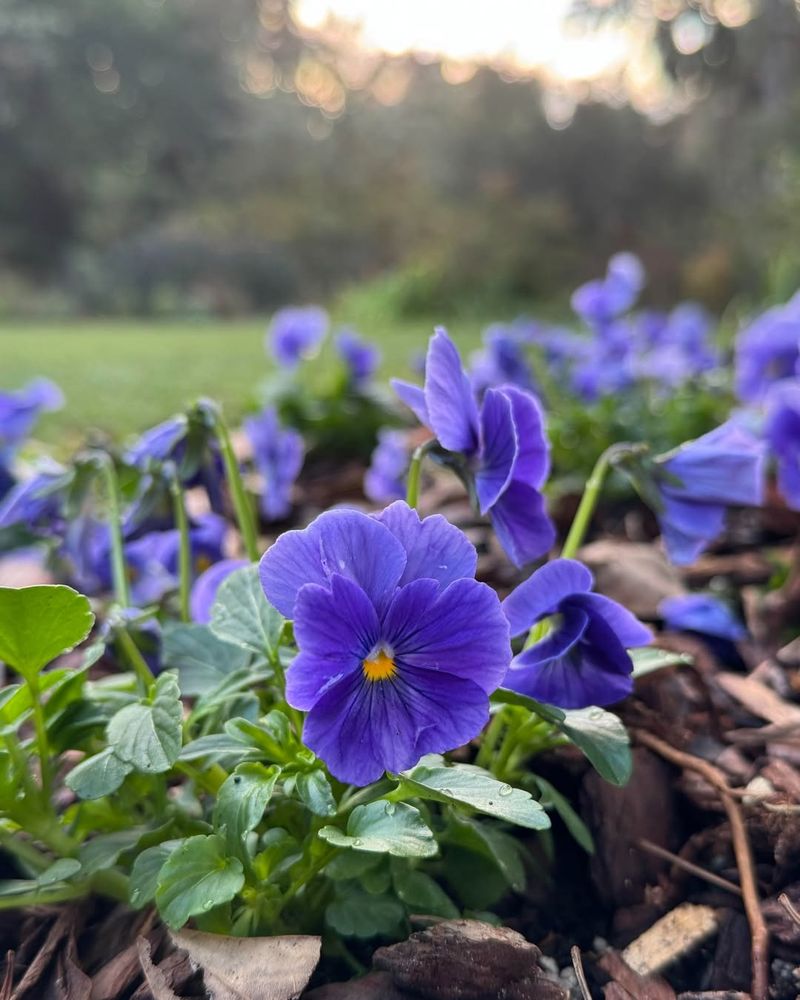
Smaller and more delicate than their pansy cousins, violas offer a softer approach to Valentine’s Day garden color. Their petite flowers bloom in abundance, covering compact plants with gentle shades of lavender, yellow, and white.
Something about their modest size and sweet faces feels more intimate than showier flowers.
Georgia’s winter weather suits violas perfectly because they actually struggle once summer heat arrives. Plant them knowing they’ll give their best performance from fall through late spring, with peak blooming happening right around Valentine’s Day.
They self-seed readily, so you might find volunteer plants popping up in unexpected spots next year.
Edging pathways or bordering beds works wonderfully with violas since they stay low and spread nicely without getting leggy. Their flowers are edible too, adding a romantic touch to salads or desserts if you grow them without pesticides.
The subtle fragrance isn’t strong, but lean in close and you’ll catch a light, sweet scent.
These plants need less water than pansies and tolerate our clay soil better than many annuals. They’ll bloom in partial shade, making them useful for areas that don’t get full Georgia sun all day.
Mixing violas with spring bulbs creates lovely layered displays, with the violas providing color before and after the bulbs finish blooming.
5. Soft Spikes Of Snapdragon Add Height To Valentine Beds
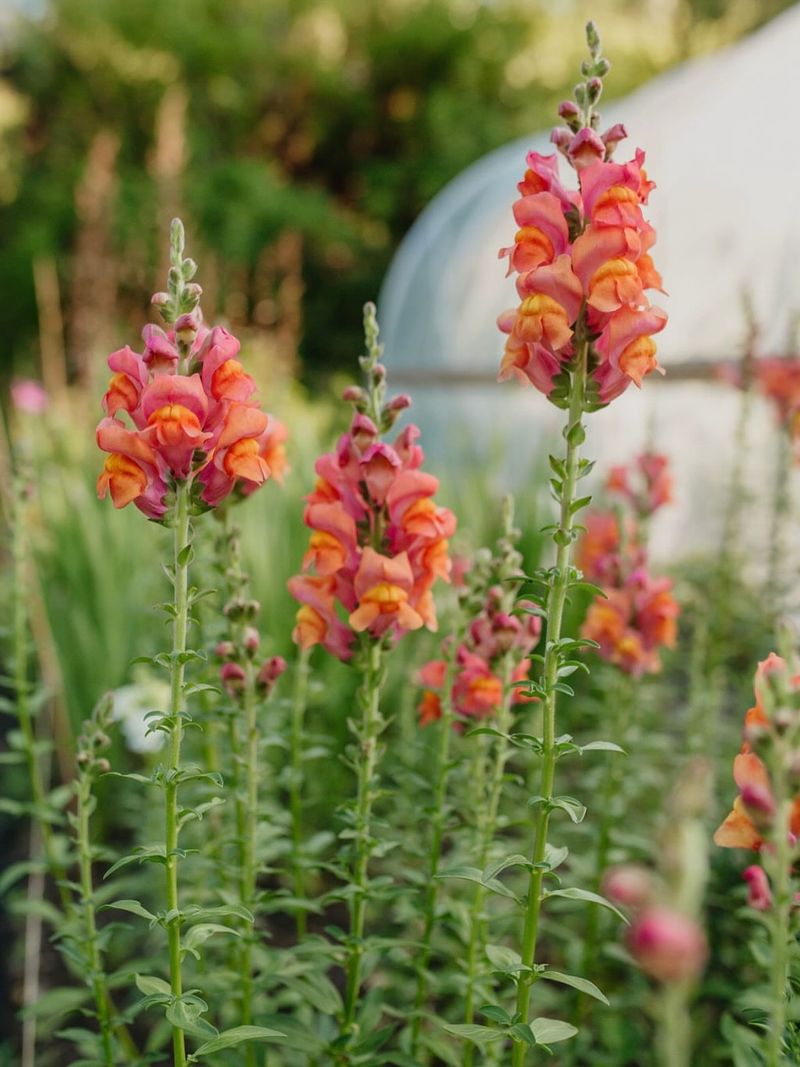
Most people think snapdragons only bloom in spring, but Georgia gardeners can enjoy them much earlier by planting in fall.
Their vertical flower spikes add important height to Valentine’s Day beds, creating visual interest that low-growing pansies and violas can’t provide.
Each stem produces dozens of individual blooms that open gradually from bottom to top, extending the show for weeks.
Children love pinching the dragon-mouth flowers to make them snap open and closed, adding an interactive element to your garden. The classic red and pink varieties fit Valentine’s Day perfectly, though you’ll also find gorgeous burgundy, white, and bicolor options.
Taller varieties can reach two feet or more, while dwarf types stay under a foot.
Cold tolerance varies by variety, but many snapdragons handle Georgia’s typical winter temperatures without protection. A hard freeze might damage open flowers temporarily, but the plants recover quickly and keep producing new blooms.
They prefer full sun and well-drained soil, struggling in heavy clay unless you amend it first.
Cutting snapdragons for indoor bouquets actually encourages the plants to produce more flower spikes. Strip the lower leaves before arranging them in water, and they’ll last over a week in a vase.
Planting successive crops every few weeks means you’ll have fresh cutting material available whenever you want it throughout the season.
6. Subtle Fragrance Gives Sweet Alyssum A Love-Letter Feel
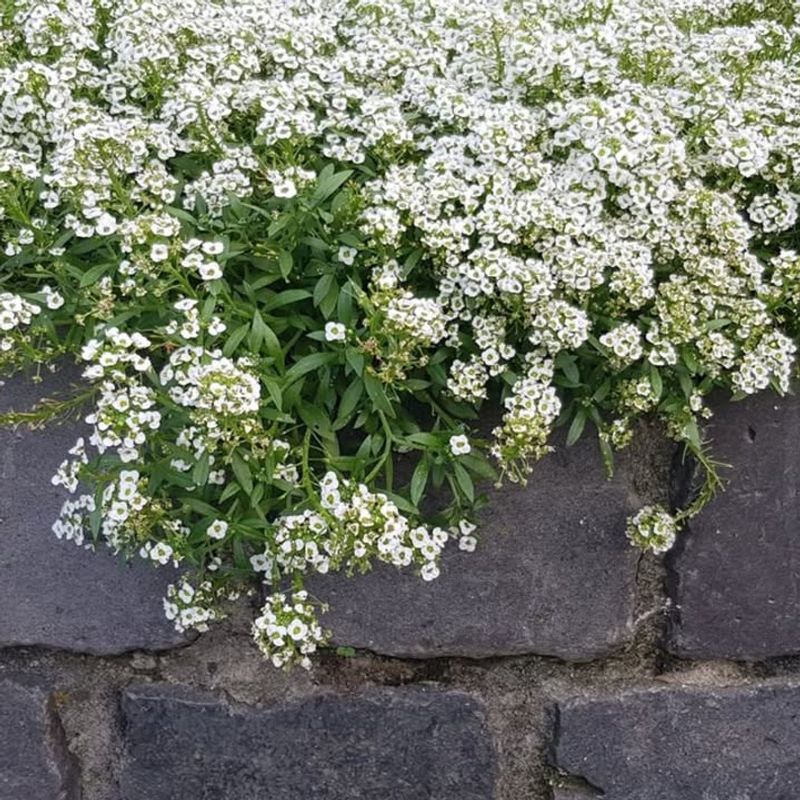
Sweet alyssum might have the smallest individual flowers on this list, but what it lacks in size it makes up for in sheer abundance and heavenly fragrance.
These low-growing annuals form carpets of tiny blooms that smell like honey, especially on warm Georgia afternoons.
Walking past a patch of alyssum in bloom feels like receiving a gentle, fragrant love note from your garden.
Georgia gardeners appreciate how alyssum fills spaces quickly and tolerates our unpredictable winter weather. Light frosts don’t faze it, and the plants often keep blooming straight through until summer heat finally slows them down.
White varieties look especially romantic paired with red tulips or dark purple pansies for Valentine’s Day displays.
These flowers work beautifully cascading from containers or filling gaps between stepping stones. They self-seed enthusiastically in Georgia, so you might only need to plant them once before they start reappearing on their own each year.
The plants stay under six inches tall, making them perfect for front-of-border positions.
Butterflies and beneficial insects adore alyssum, visiting the flowers constantly on sunny days. This makes them valuable companion plants for vegetable gardens, attracting pollinators that help other crops.
They need regular water to bloom their best but tolerate brief dry periods once established. Shearing plants back lightly if they get leggy encourages fresh growth and renewed flowering.
7. Petal Shape And Color Make Dianthus A Natural Romance Pick
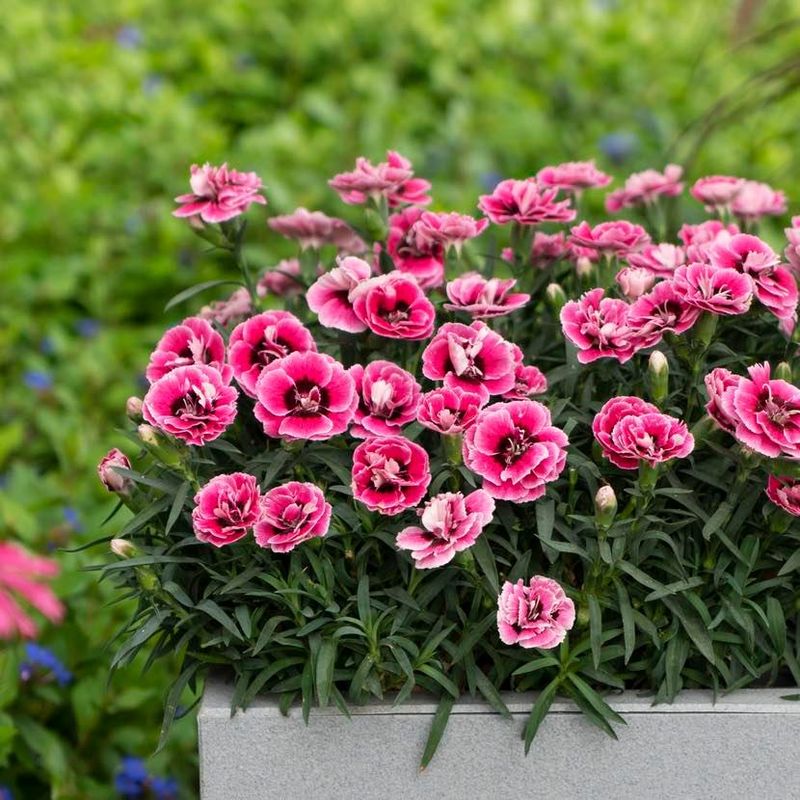
Dianthus earns its common name of pinks honestly, though the flowers actually come in reds, whites, and burgundies too. Their fringed petal edges look like they’ve been cut with pinking shears, giving each bloom a delicate, handcrafted appearance.
Many varieties smell wonderfully spicy, like cloves mixed with cinnamon, adding sensory romance beyond just visual beauty.
Georgia’s cool season suits dianthus perfectly since they bloom best when nights stay chilly. Plant them in fall and they’ll establish strong roots over winter, then explode with flowers right around Valentine’s Day.
Some varieties are perennial in Georgia, coming back year after year, while others are treated as cool-season annuals.
Full sun brings out the best blooming, though they’ll tolerate light afternoon shade in southern Georgia where summers get brutal.
Well-drained soil matters more than fertility, and dianthus actually prefer slightly alkaline conditions, which might require adding lime to Georgia’s naturally acidic soil.
They handle drought better than many annuals once established.
Cutting dianthus for bouquets works wonderfully since the flowers last well in water and their spicy fragrance fills rooms. Deadheading spent blooms keeps plants looking tidy and encourages continued flowering.
Varieties like ‘Firewitch’ and ‘Raspberry Surprise’ offer especially vivid colors, while ‘Arctic Fire’ provides classic white with a red center that screams Valentine romance.
8. Early Blooms Let Primrose Shine When It Matters Most
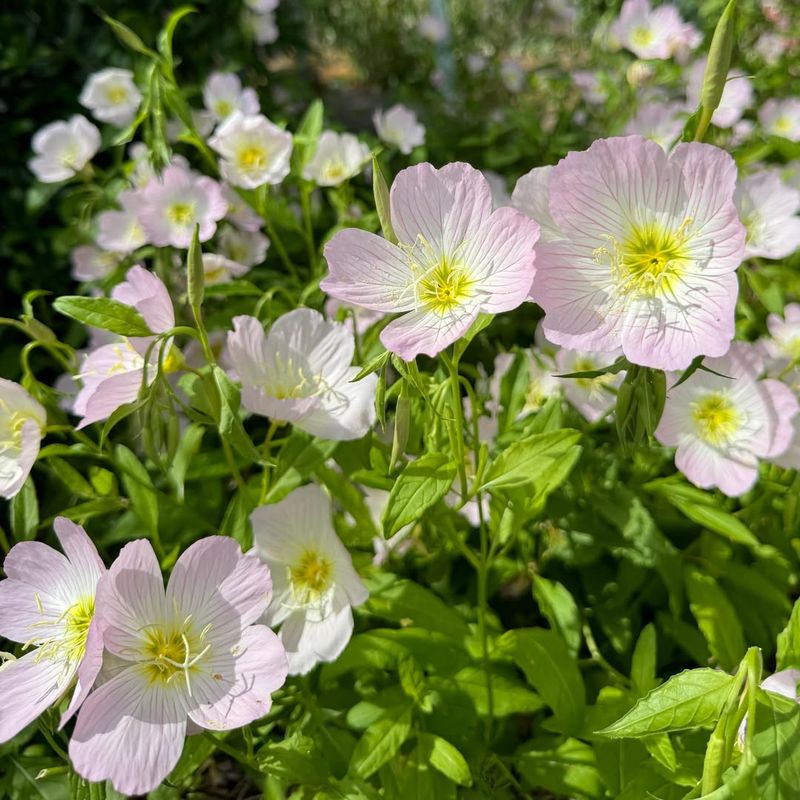
Primroses start blooming incredibly early in Georgia, sometimes even appearing in January when planted in protected spots. Their cheerful clusters of flowers sit right at the top of compact rosettes of leaves, creating little bouquets that need no arranging.
Colors range from soft pastels to vivid jewel tones, with many varieties showing pretty yellow centers regardless of petal color.
Shade suits primroses better than full sun, especially in Georgia where even February can bring surprisingly warm days. Plant them under deciduous trees or on the north side of your house where they’ll get bright light without harsh direct sun.
They need consistent moisture to bloom their best, making them perfect companions for other shade lovers like hellebores and ferns.
Container growing works wonderfully with primroses, letting you bring their cheerful color right up to your front door for Valentine’s Day.
They look especially charming in vintage containers or rustic wooden boxes, their old-fashioned flowers suiting cottage-style presentations. Group several pots together for maximum impact, mixing colors freely.
These plants struggle once Georgia’s heat arrives, so many gardeners treat them as cool-season annuals rather than expecting them to survive summer.
That’s perfectly fine since they’re inexpensive and give such generous blooming during the months when color is most appreciated.
Regular fertilizing with a balanced liquid fertilizer keeps flowers coming steadily throughout their season.