The Vegetables Georgia Gardeners Should Transplant Outdoors In Late March
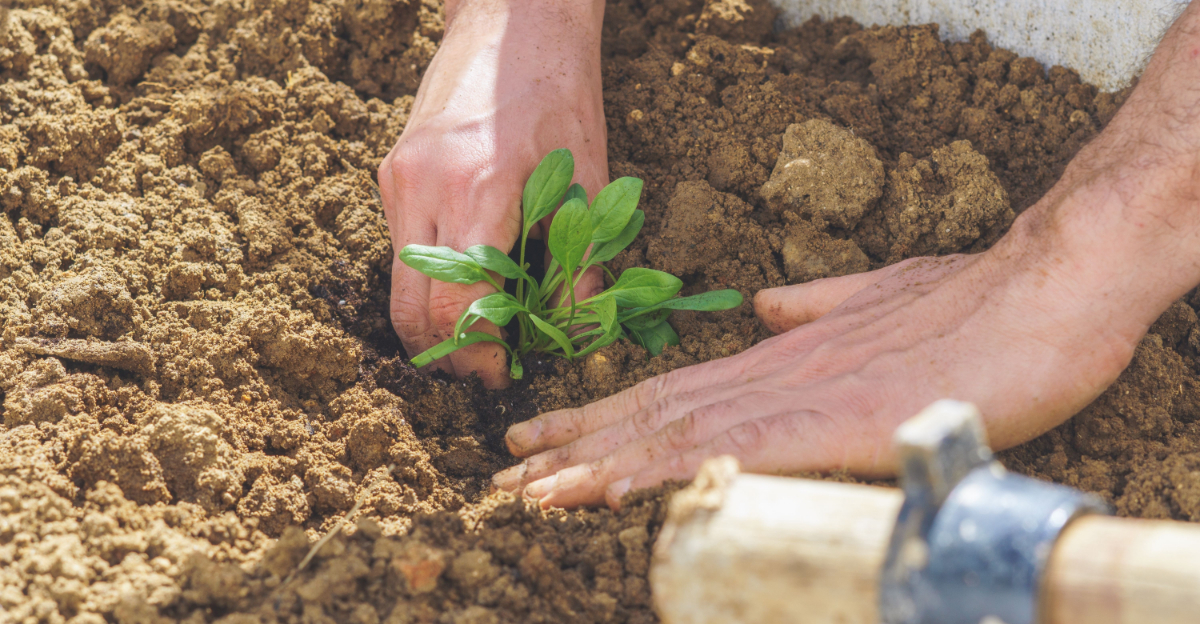
There’s a familiar rhythm that gardeners in Georgia know well, with warm sun on your back, the earth finally workable after winter, and that first hopeful walk through beds that have stood empty for months.
By late March, many areas are waking up, and cool‑season vegetable transplants can handle soil that is no longer soggy or at risk of frost.
Many cool‑season plants do well when moved outdoors at this time, especially once nights stay mild and the soil begins to warm. Timing can vary across the state, but gardeners often find that seedlings started indoors earlier in the season are strong and ready for their first outdoor planting.
Planting at the right moment helps transplants settle quickly and get a head start on spring growth before the warmer months arrive.
The list ahead highlights vegetables commonly transplanted outdoors in late March and suited to Georgia’s diverse growing conditions.
1. Butterhead Lettuce With Tender, Buttery Leaves
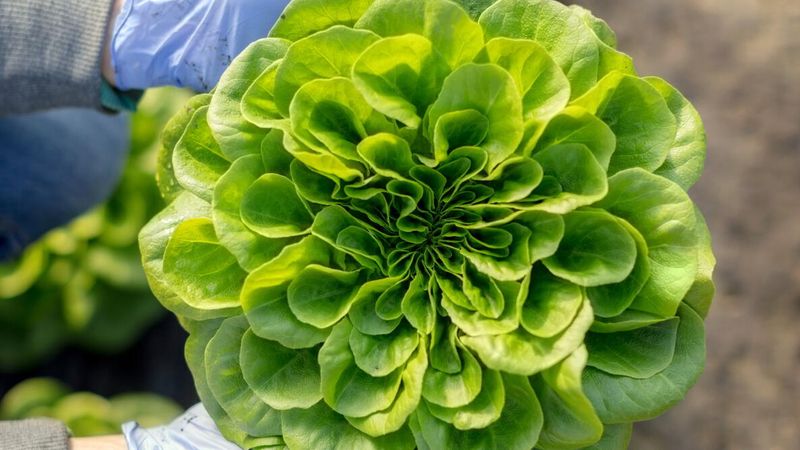
Soft, tender, and absolutely delicious in a salad, butterhead lettuce is one of the best vegetables to transplant in Georgia during late March. Its loose, buttery leaves have a mild flavor that even picky eaters tend to enjoy.
Unlike crisphead varieties, butterhead forms a loose rosette that is forgiving and easy to grow, making it a great choice for beginners.
Georgia’s late March weather is generally suitable for this cool-season crop. Butterhead lettuce prefers temperatures between 45 and 65 degrees Fahrenheit, and the state’s mild spring air fits that range well.
Plant your seedlings about 8 inches apart in a spot that gets full sun or light afternoon shade to prevent early bolting.
Keep the soil consistently moist but never waterlogged, and add a thin layer of mulch to hold in moisture between waterings. Butterhead lettuce grows quickly, and you can expect to start harvesting outer leaves in as little as 45 to 60 days after transplanting.
Feeding with a balanced liquid fertilizer every two weeks gives the plants a healthy boost. Georgia gardeners who plant butterhead lettuce in late March often enjoy a full harvest before summer temperatures arrive.
2. Cabbage With Crunch And Classic Flavor
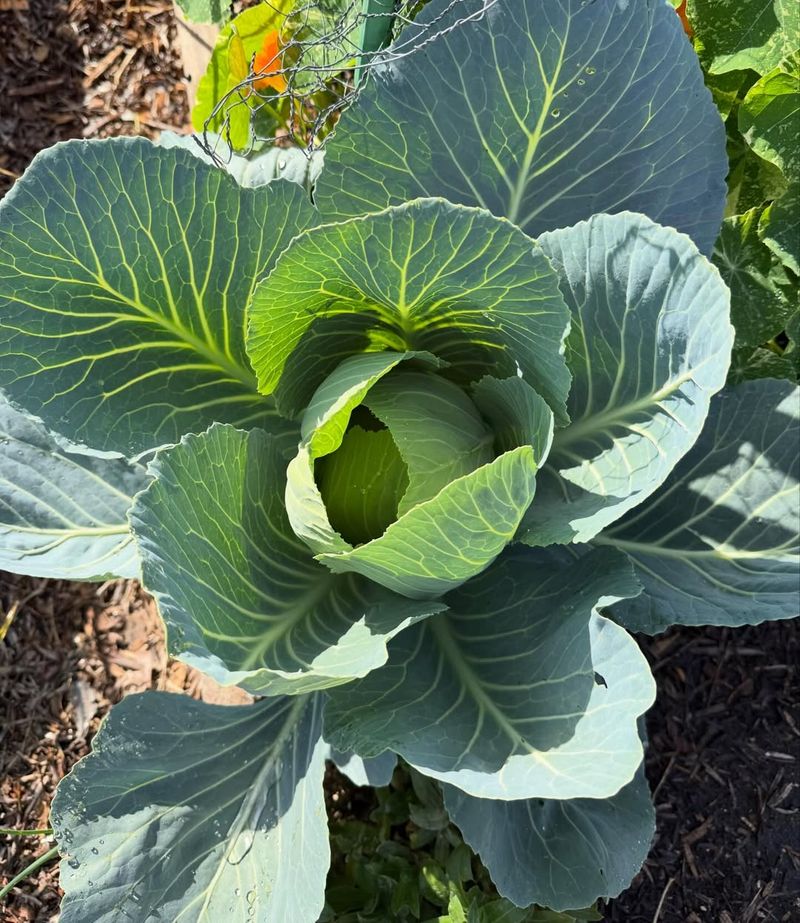
Few vegetables feel as satisfying to grow as a big, firm head of cabbage. Cabbage has been a garden staple for centuries, and Georgia gardeners have long relied on late March as the sweet spot for getting transplants into the ground.
The cool spring air helps cabbage develop tight, flavorful heads that are well suited for home gardens.
When transplanting cabbage in Georgia, choose a sunny spot with well-drained soil that has been amended with compost. Space your transplants about 12 to 18 inches apart in rows, giving each plant enough room to spread out as the head forms.
Cabbage is a heavy feeder, so working a slow-release fertilizer into the soil before planting goes a long way.
Watch for common pests like cabbage loopers and aphids, which can show up as temperatures warm. A row cover placed over young transplants can protect them during the first few weeks while they establish roots.
Water deeply but infrequently to encourage strong root development. Most cabbage varieties are ready to harvest 70 to 120 days after transplanting, so late March planting in Georgia lines up well for a late spring or early summer harvest.
3. Iceberg Lettuce With Crisp, Refreshing Bite
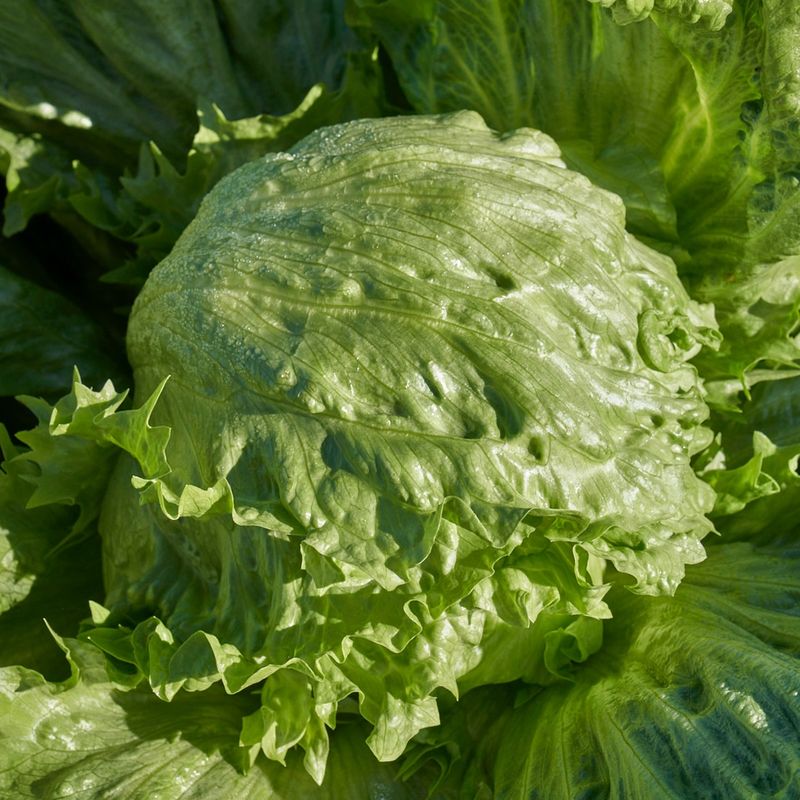
Crispy, cool, and refreshing, iceberg lettuce is a classic that Georgia gardeners can successfully transplant outdoors in late March. With the right timing and care, iceberg lettuce performs well in Georgia’s spring garden.
The key is getting it in the ground while temperatures are still mild, before the heat of summer pushes the plant to bolt.
Iceberg lettuce needs full sun and well-drained soil with a slightly acidic pH between 6.0 and 7.0. When setting out transplants, space them about 12 inches apart to give each head enough room to fill out properly.
Adding compost to the planting hole gives seedlings a nutrient-rich start that supports steady, even growth.
Consistent watering is critical for iceberg lettuce because uneven moisture can cause tip burn on the leaves or lead to premature bolting. Aim to keep the soil evenly moist throughout the growing season.
Mulching around the base of each plant helps retain moisture and keeps the soil temperature stable during warmer afternoons. In Georgia, iceberg lettuce transplanted in late March can be ready to harvest in about 70 to 80 days, making it a rewarding and practical spring crop for home gardeners.
4. Broccoli Packed With Nutritious Florets
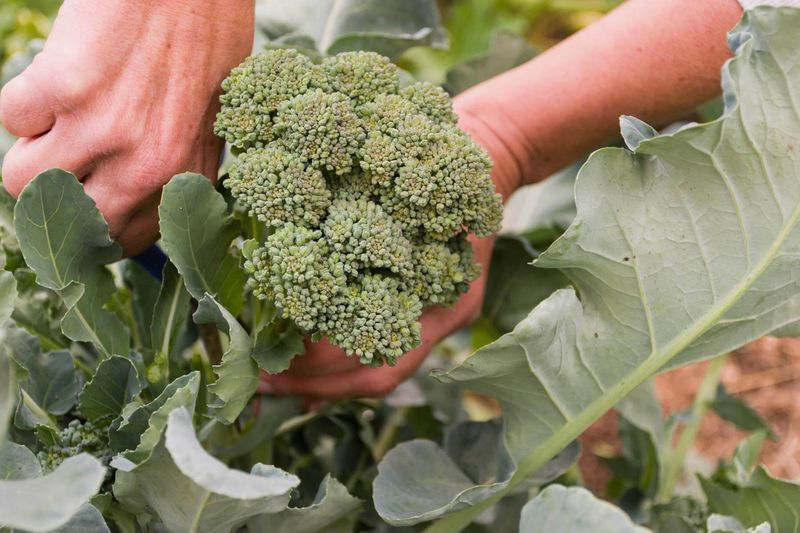
Broccoli is one of the most nutritious vegetables you can grow, and late March is prime transplanting time for Georgia gardeners. Starting broccoli from transplants rather than seeds gives you a head start and helps the plant reach maturity before Georgia’s summer heat sets in.
A well-timed transplant can produce firm, dark green heads ready for harvest.
Choose a planting spot that receives at least six hours of full sun each day. Broccoli prefers rich, slightly acidic soil with a pH between 6.0 and 6.8.
Work in a generous amount of compost before transplanting, and space your plants about 18 inches apart to allow for good air circulation as they grow.
Side-dress your broccoli plants with a nitrogen-rich fertilizer about three weeks after transplanting to encourage strong leaf and head development. Keep an eye out for cabbage worms, which are a common pest in Georgia gardens during spring.
Picking off larvae by hand or using an organic spray like Bacillus thuringiensis can keep infestations under control. Broccoli heads are best harvested before the small flower buds begin to open.
Most varieties grown in Georgia are ready to pick about 55 to 80 days after transplanting outdoors.
5. Onions Adding Bold, Savory Flavor
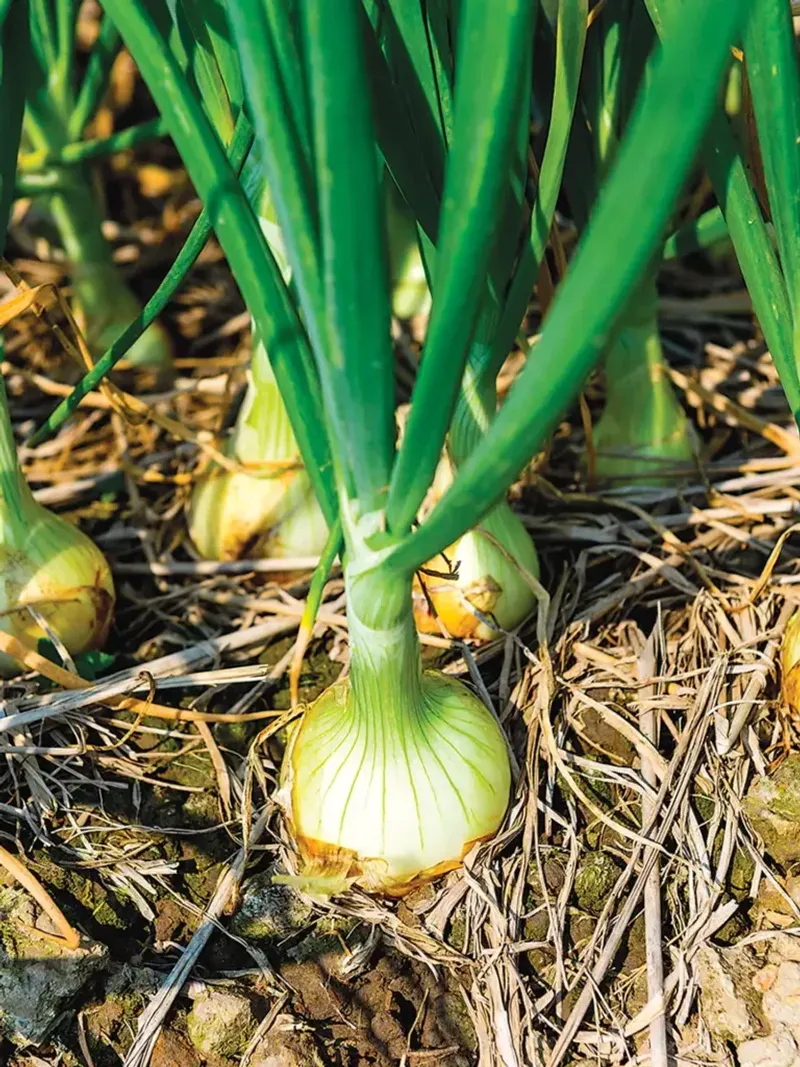
Georgia gardeners have a fantastic opportunity to plant onion transplants in late March, making the most of one of the kitchen’s most versatile vegetables. Whether you prefer sweet Vidalia-style onions, red onions, or white varieties, the mild spring weather in Georgia creates ideal conditions for strong bulb development.
Growing your own onions in Georgia can be particularly satisfying for home gardeners.
Plant onion transplants about 4 to 6 inches apart in rows, with the base of each transplant set about one inch deep. Onions thrive in loose, well-drained soil that has been enriched with compost or aged manure.
They are heavy feeders, so applying a nitrogen-based fertilizer every few weeks during the early growing period supports healthy top growth, which eventually powers bulb formation underground.
Make sure onions receive consistent moisture, especially during the bulbing stage. Avoid overhead watering when possible, as wet foliage can lead to fungal issues.
Stop fertilizing once you notice the necks of the plants beginning to soften, which signals that the bulbs are nearing maturity. Onions transplanted in late March in Georgia are typically ready to harvest by late spring or early summer, giving you a satisfying and flavorful reward for your efforts.
6. Spinach Fueling Salads And Sautés
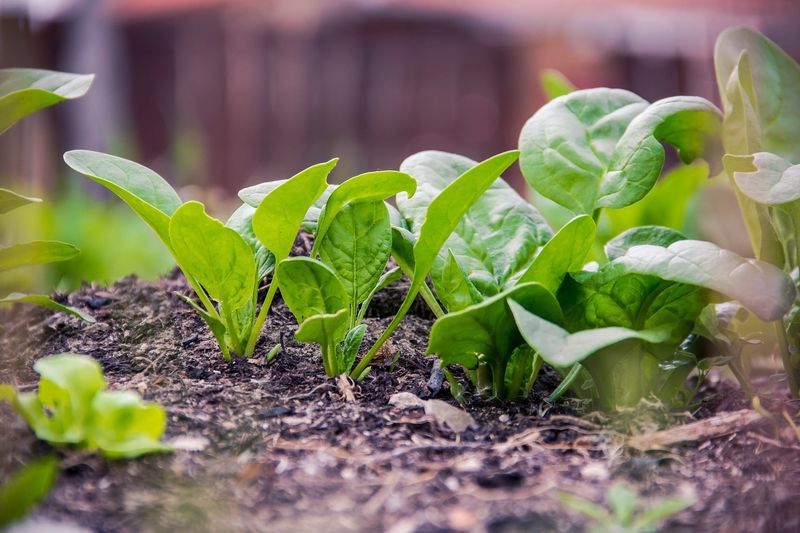
Late March is the perfect time to transplant this powerhouse green outdoors, taking full advantage of the cool spring weather before the summer heat arrives. Rich in iron, vitamins, and minerals, homegrown spinach tastes far fresher than store-bought bags, and it grows surprisingly fast once established in good soil.
Even a small garden bed can produce an impressive amount of leaves.
Spinach grows best in fertile, well-drained soil with a pH around 6.5 to 7.0. When transplanting, space seedlings about 6 inches apart to allow for good airflow and healthy leaf development.
Adding compost to the planting area before setting out your transplants gives the roots a nutrient-rich environment to settle into right away.
Water spinach consistently, keeping the soil evenly moist but not soggy. Mulching around the plants helps conserve moisture and keeps the soil from overheating as temperatures rise through spring.
Spinach is sensitive to heat and will bolt quickly once temperatures climb above 75 degrees Fahrenheit, so getting it in the ground in late March in Georgia is smart timing. You can start harvesting outer leaves as soon as the plant reaches about 6 inches tall, and the more you pick, the more the plant tends to produce throughout the season.
7. Mustard Greens With Peppery Zing
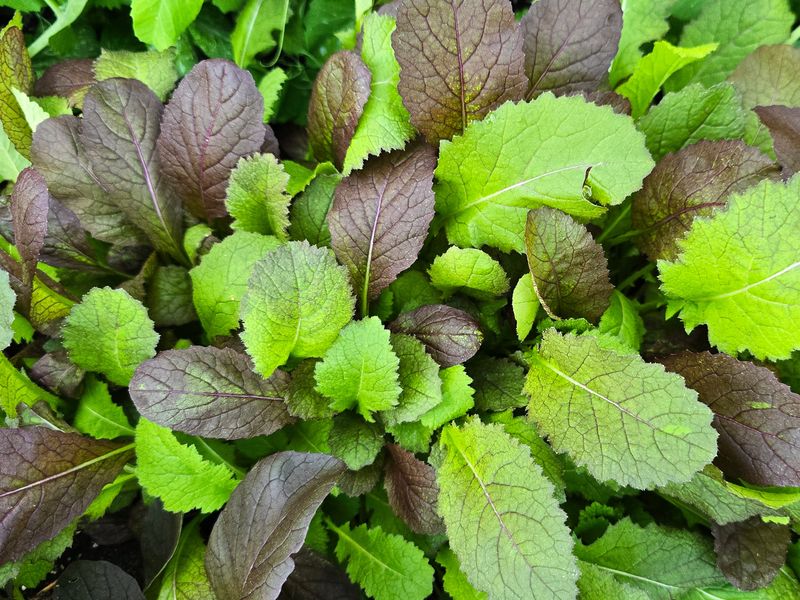
Bold, peppery, and packed with nutrients, mustard greens are a beloved staple in Southern cooking, and Georgia gardeners have been growing them for generations. Late March is an excellent time to transplant mustard green seedlings outdoors, as the cool spring air brings out the best flavor in the leaves.
Plants grown in warmer conditions can develop stronger flavors, so timing is important with this crop.
Mustard greens are not particularly fussy about soil, but they do best in well-drained ground enriched with compost. Space transplants about 6 to 12 inches apart, depending on how large you want the individual plants to grow.
They do well in full sun but can tolerate partial shade, which actually helps slow bolting as temperatures begin to climb later in spring.
One of the great things about mustard greens is how fast they grow. In Georgia’s warm spring soil, you can often start harvesting young leaves just three to four weeks after transplanting.
Harvest outer leaves regularly to keep the plant producing and to prevent it from putting all its energy into flowering too soon. A light feeding of balanced fertilizer after transplanting helps push steady leaf production throughout the season.
Mustard greens pair beautifully with other spring vegetables from your Georgia garden.
8. Turnips Bringing Earthy Flavor
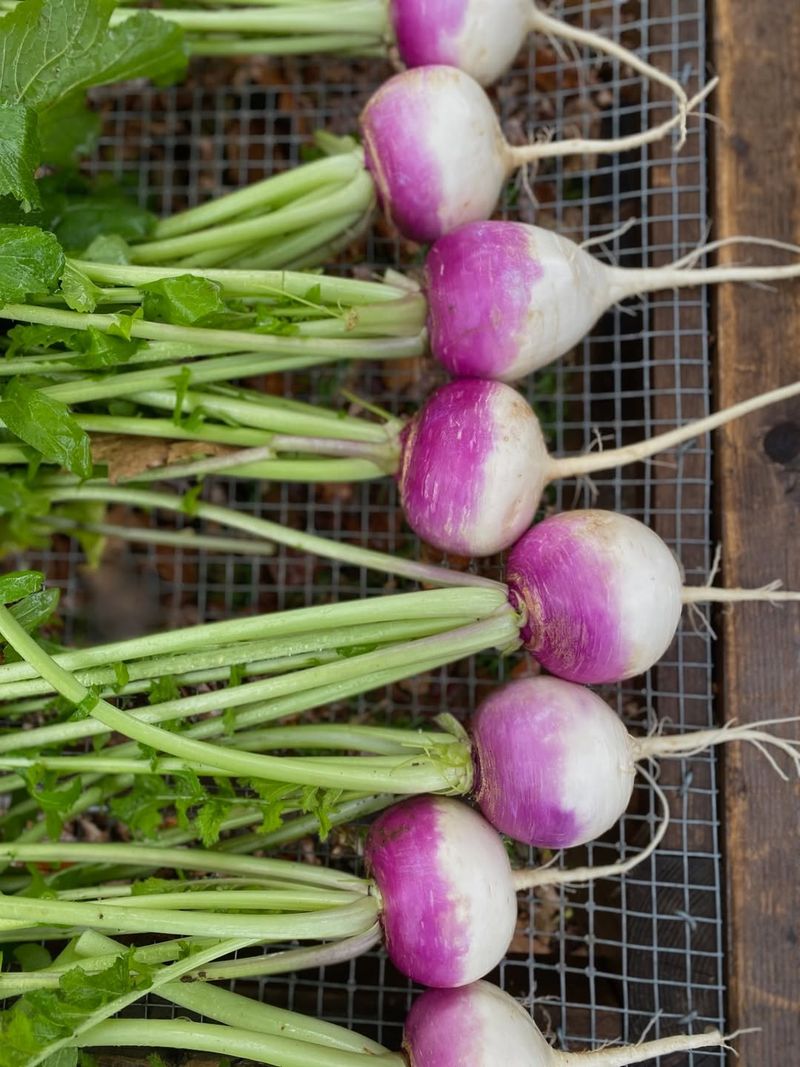
This old-fashioned vegetable deserves a lot more attention in modern gardens. Georgia gardeners who transplant turnip seedlings in late March get to enjoy both the tasty roots and the nutritious greens that grow above ground.
That double harvest makes turnips an especially smart and efficient choice for any spring garden, large or small.
Turnips prefer loose, well-drained soil that has been worked to a good depth, since the roots need room to expand without running into hard clumps. A soil pH between 6.0 and 7.5 works well for this crop.
Space transplants about 4 to 6 inches apart in rows, and make sure the area gets at least six hours of sunlight each day for the best root development.
Keep the soil consistently moist throughout the growing season, as irregular watering can cause the roots to become woody or cracked. Turnips are relatively low-maintenance once established, making them a practical pick for busy Georgia gardeners.
The greens can be harvested as soon as they reach a usable size, while the roots are typically ready in about 40 to 60 days after transplanting. Lightly steamed turnip greens with a splash of vinegar is a classic Southern preparation that never gets old.
9. Collards With Hearty Leafy Goodness
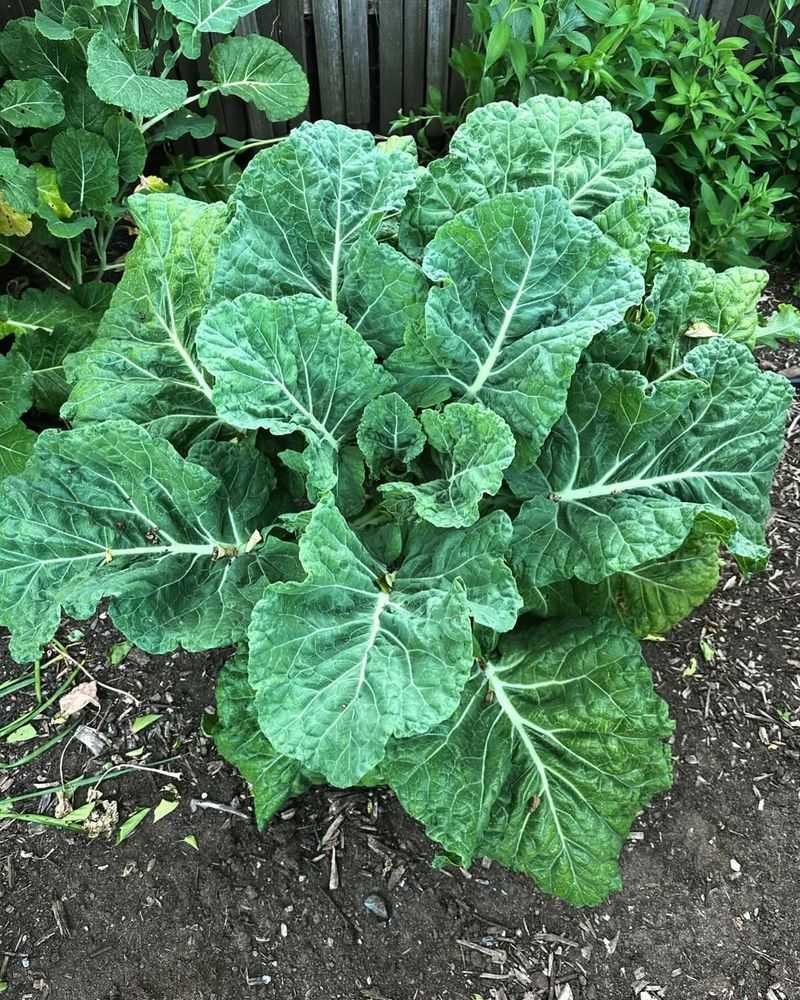
Ask any experienced Georgia gardener what vegetable belongs in every spring garden, and collards will almost always come up. Collards are deeply rooted in Southern food culture, and late March is one of the best times to get transplants in the ground across the state.
The mild spring temperatures help young plants establish quickly, and collards are tough enough to handle the occasional cool night that Georgia can still throw at gardeners in early spring.
Plant collard transplants in a sunny location with fertile, well-drained soil. Space them about 18 to 24 inches apart to give each plant plenty of room to spread its broad, sturdy leaves.
Collards are heavy feeders and respond well to regular applications of a nitrogen-rich fertilizer, which encourages the lush, dark green leaf growth that makes them so productive.
Water deeply and regularly, especially during dry spells, to keep the plants growing steadily. Collards are resilient and can tolerate light frost, which may enhance their flavor.
Harvest the lower, older leaves first, working your way up the stalk as the season progresses. Georgia gardeners who plant collards in late March often enjoy a generous harvest that stretches well into late spring and even early summer.
10. Kale Powering Smoothies And Salads
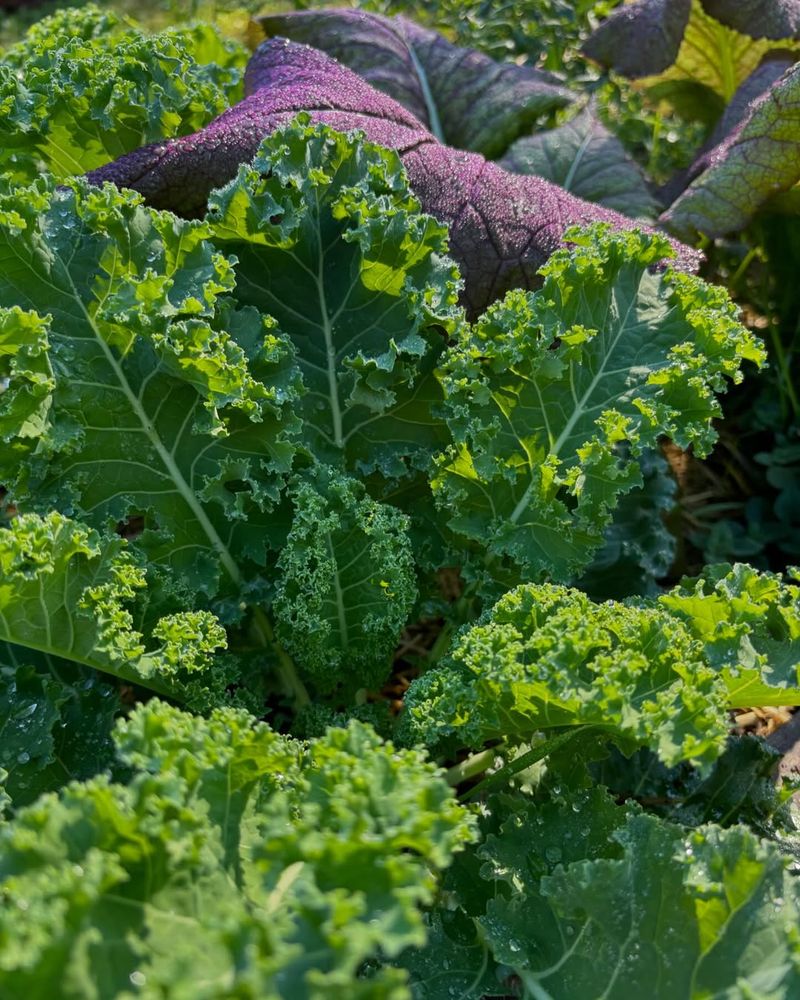
The cool spring temperatures in Georgia are just what kale needs to develop its signature deep green color and slightly sweet, earthy flavor. Plants grown in warmer weather can develop tougher leaves, so spring planting is recommended.
Kale grows best in full sun with well-drained, fertile soil. Before transplanting, mix compost or a balanced granular fertilizer into the planting area to give seedlings a strong nutritional foundation.
Space transplants about 12 to 18 inches apart to allow for good airflow, which helps reduce the risk of fungal disease as humidity rises through the season.
Regular watering is important, especially in the weeks right after transplanting when roots are still getting established in Georgia’s spring soil. Mulching around the base of each plant conserves moisture and keeps soil temperatures stable.
Kale is a cut-and-come-again crop, meaning you can harvest outer leaves repeatedly without pulling up the whole plant. Starting with a late March transplant in Georgia gives kale enough cool weather to produce generously before summer arrives and slows its growth down.