The Venomous Violin Rumor Travels Faster Than the Spider Ever Could
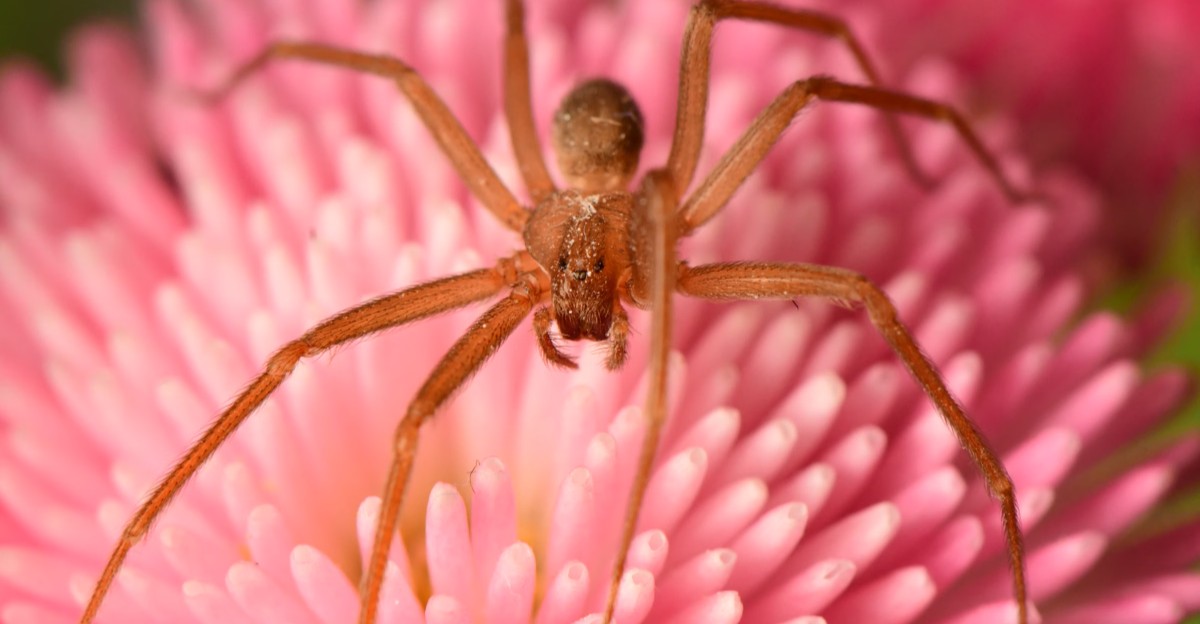
A spider with a tiny violin painted on its back has a reputation that travels faster than it does. People call it the fiddleback, and its bite can leave a slow-healing sore. I went looking for proof that it lives in Minnesota basements. What I found surprised me.
Researchers who study this spider report that its home range sits far to the south, in states like Missouri, Kansas, and Arkansas, well outside Minnesota.
You might notice brown spiders tucked behind holiday bins or old paint cans every fall. I used to flinch at every one of them. A little evidence gave me a calmer view, plus some handy tricks for telling friend from foe.
So who is really living in your storage corner? The answer is far less scary, and honestly more interesting, than the rumor.
That Fiddle-Marked Brown Spider Has A Surprising Backstory
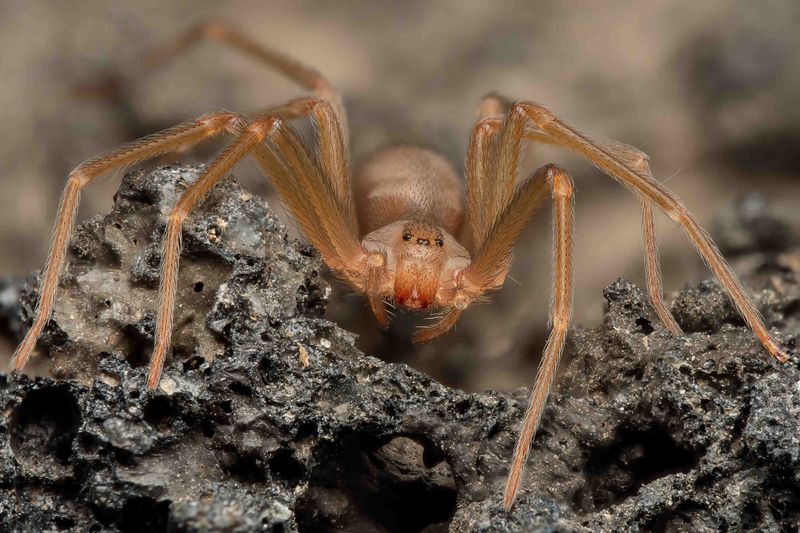
Few spiders carry a nickname as famous as this one. The brown recluse, known to scientists as Loxosceles reclusa, earned the names violin spider and fiddleback from a dark mark on the front part of its body.
That mark points toward the rear, with the neck of the violin aimed at the spider’s backside. It looks neat in photos, which explains why so many people search for it on every brown spider they see.
The real twist is where this spider lives. Its native range covers the south-central United States, centered on states like Missouri, Arkansas, Oklahoma, Kansas, Tennessee, and Kentucky.
University extension experts describe the upper Midwest as outside that zone. In Minnesota, no established breeding populations have been confirmed. Now and then a single spider rides north in a moving box, a shipment of furniture, or a car trunk.
Those stray travelers are rare, and finding one does not mean a colony has settled in. Here is a fun bit of history worth knowing.
Spider experts have collected hundreds of mailed-in “recluse” samples from areas outside its range, and most turned out to be other species. Mistaken identity is far more common than the real thing.
Count The Eyes Before You Panic About A Recluse
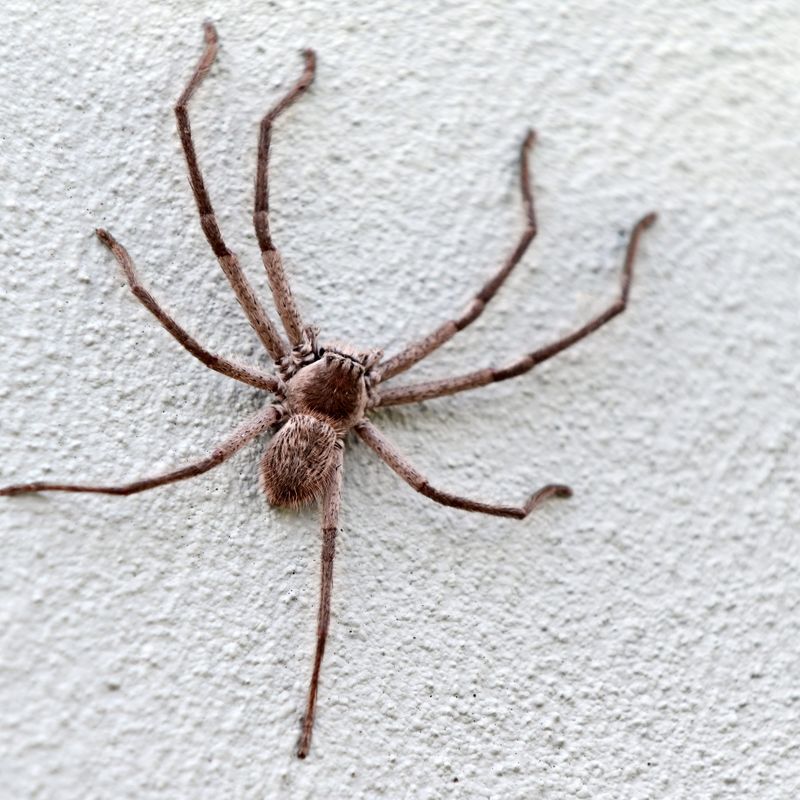
Grab a magnifying glass, because the eyes tell the true story. A brown recluse has six eyes arranged in three pairs, set in a gentle curve across the front of its head.
Most spiders you meet in a basement have eight eyes. Spotting that six-eye pattern is the most dependable clue experts use, far more reliable than the violin mark, which many harmless spiders seem to share.
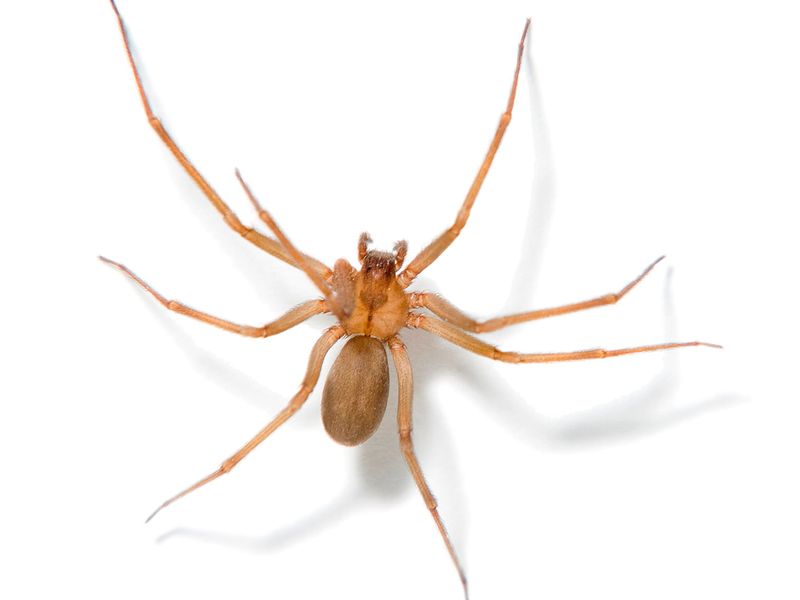
Size and color add more hints. A recluse body measures about three-eighths of an inch, and with legs stretched out, the whole spider is roughly the size of a quarter. Its legs are a single even shade of tan to brown.
You will not find stripes, bands, or bold spots on a true recluse. The legs look smooth, covered in fine hairs but lacking the stiff spines many lookalikes show. The belly area behind the violin is plain, without any chevrons.
So if your spider has banded legs, a striped back, a spiny look, or eight eyes, you can rule out a recluse with confidence.
For a firm answer, snap a clear photo or save the specimen in a jar. The University of Minnesota Extension can help with identification questions.
Wolf Spiders And Cellar Spiders Are The Usual Basement Suspects
My first basement scare turned out to be a chunky wolf spider sprinting across the floor. It looked fierce, but it was simply hunting for crickets.
Wolf spiders are among the most common brown spiders found in Minnesota homes. They are hairy, sturdy, and often marked with stripes or patterns on their backs. They chase prey instead of building webs, which explains the speedy dashes along walls.
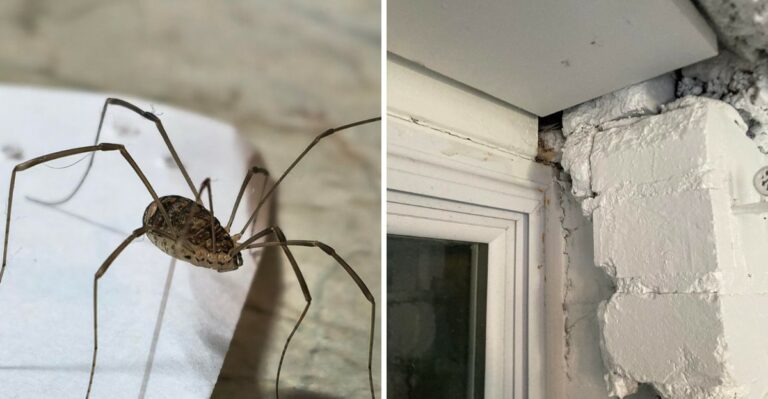
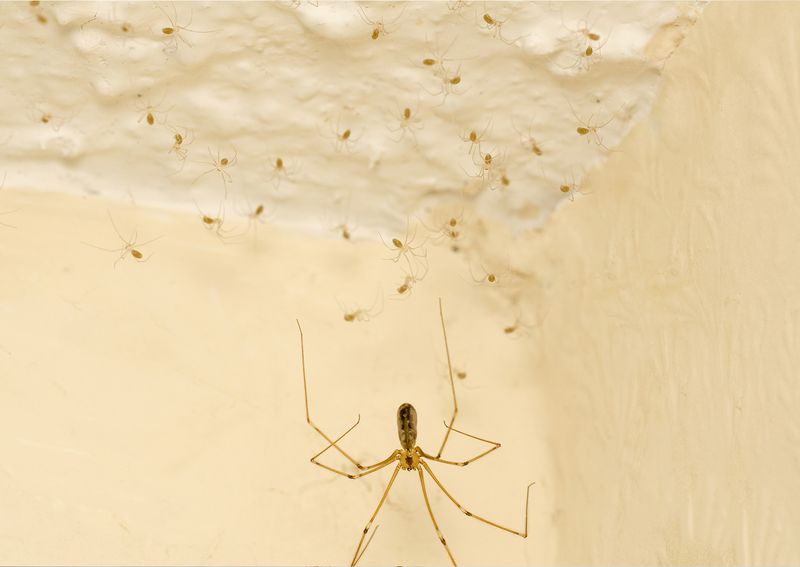
Cellar spiders are the other frequent guests. People often call them daddy longlegs because of their thin, stretched-out legs and tiny bodies. They hang upside down in loose, messy webs in corners and near ceilings.
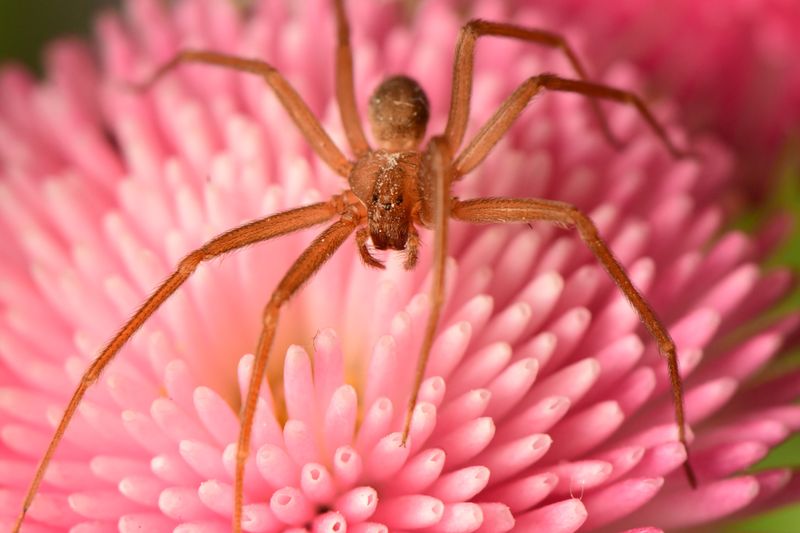
Funnel weavers and grass spiders also wander inside, especially in late summer and fall. They spin flat sheet webs that narrow into a little tunnel where the spider waits. Some show light and dark stripes along the body.
Fishing spiders, which are large and patterned, sometimes show up near damp spots or homes close to lakes. Their size can startle you, yet they rarely cause trouble.
Most of these spiders pose little risk to people. Many actually help by eating insects that would otherwise roam around your stored belongings and garden supplies.
A Recluse Bite Usually Happens Inside Stored Shoes And Clothing
Shy is the best word for this spider. The name recluse fits well, since it hides in quiet spots and avoids people whenever it can.
Bites mostly happen by accident. A spider might be tucked inside a glove, a boot, or a folded shirt, and it bites when pressed against skin. Many people barely feel the bite at first, or notice only a small sting.
According to health sources like the CDC, symptoms may appear over several hours. Redness, swelling, burning, and itching can form around the spot. In some cases, the skin develops a dark center with a pale ring and a red outer edge.
The venom can damage skin tissue in a small share of bites, leaving an open sore that heals slowly over weeks. Most bites, though, stay mild and heal without major trouble.
Plenty of skin sores get blamed on spiders when another cause is to blame. Bacterial infections, including MRSA, are often mistaken for spider bites, especially in places where recluses are not found.
For Minnesota residents, that point matters. A mystery sore deserves a doctor’s look, since treating the true cause brings faster healing than guessing at a spider.
Some Spider Bite Symptoms Mean It Is Time To Call A Doctor
Quick first aid makes a big difference with any bite. Wash the area gently with soap and water, then apply a cool, damp cloth or wrapped ice pack to ease swelling.
Raising the bitten arm or leg can help too. Keep an eye on the spot over the next day or two, and snap a photo each morning so you can track any changes.
Call a healthcare provider if pain grows quickly, swelling spreads, or the spot starts oozing or turns darker. Those signs may point to infection or deeper skin damage that needs care.
Body-wide symptoms are rare but serious. Fever, chills, nausea, body aches, rash, or dizziness call for prompt medical attention.
Children, older adults, and people with health conditions deserve extra caution. Poison Control is a fantastic resource. You can reach their experts any time at 1-800-222-1222 for free, private advice about bites and stings.
If you caught the spider, bring it along in a sealed jar. A real specimen helps medical staff and experts rule out a recluse.
Skip home remedies like heat, cutting the wound, or trying to suck out venom, since those can make things worse.
Sealed Plastic Bins Beat Cardboard Boxes In Spider-Prone Storage
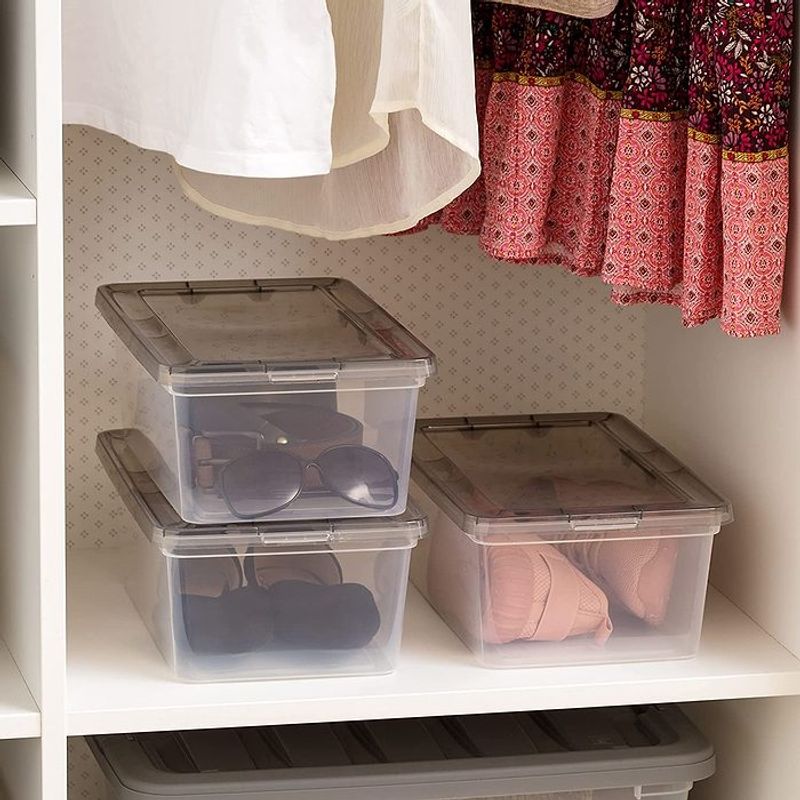
Cardboard is basically a spider apartment complex. Those corrugated layers offer dark gaps that spiders and the insects they eat love to explore.
Swapping boxes for plastic bins with snug lids was the best storage upgrade I ever made. It keeps holiday decorations, seed packets, and spare garden gloves clean and spider-free. Clear bins also let you find things without digging around.
Next, look at entry points. Seal cracks along the foundation, gaps around basement windows, and openings where pipes or wires enter the home. Weatherstripping on doors helps a lot in fall, when many critters look for shelter.
Raise bins off the floor on shelves whenever you can. Spiders like hiding along walls and under items resting on concrete, so a little space makes their favorite spots disappear.
A regular vacuum session clears webs, egg sacs, and the spiders themselves. Focus on corners, under stairs, and behind the furnace or water heater.
Before slipping on stored boots or work gloves, give them a firm shake. That habit costs two seconds and saves surprise encounters with any eight-legged roommate.
Sticky traps placed along walls can also show you which spiders are actually wandering through.
Fewer Basement Crickets Means Fewer Hungry Spiders Moving In
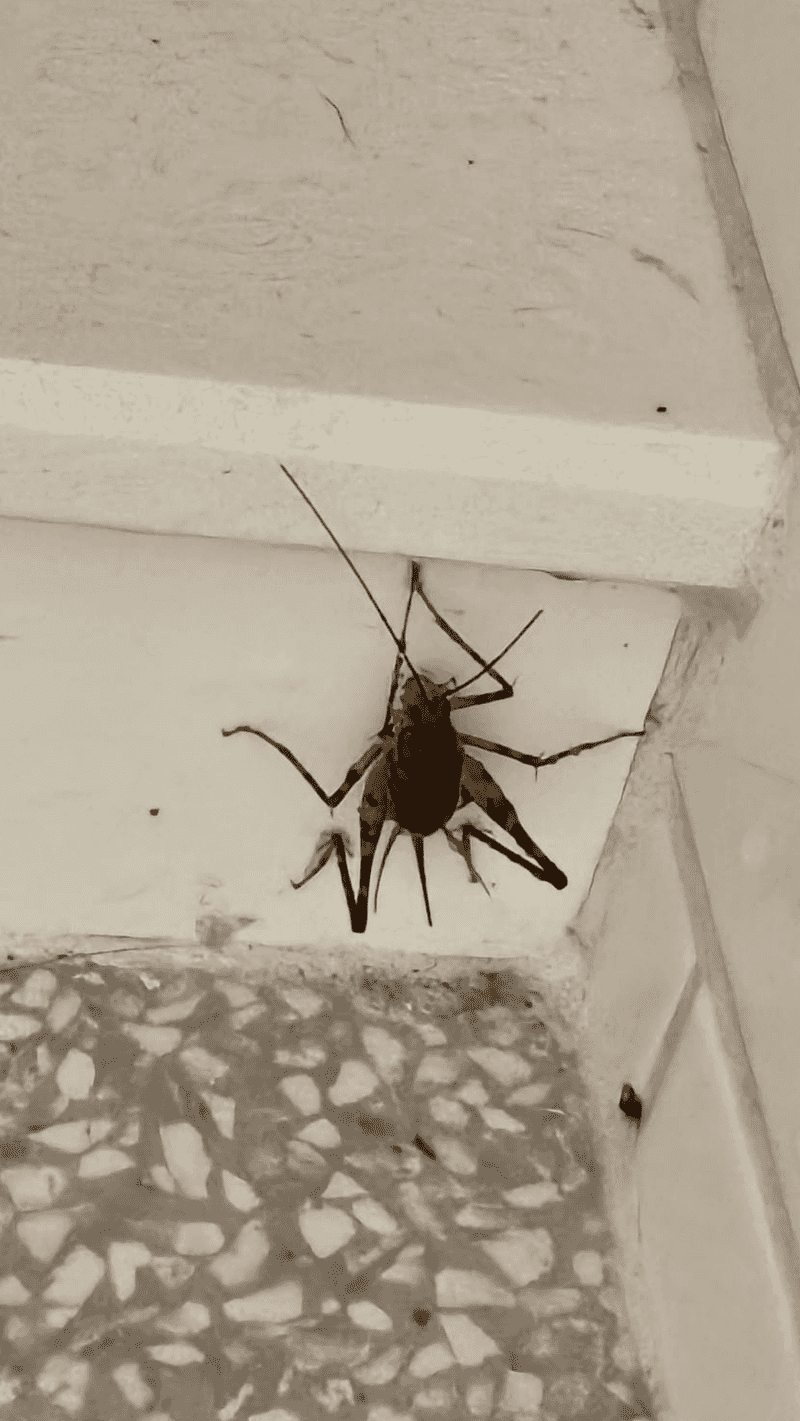
Spiders follow the buffet. If crickets, sowbugs, and other insects roam your basement, hunting spiders will gladly move in to eat them.
So the smartest spider strategy starts with their food. Cut down the insects, and spider numbers usually drop on their own over time.
Damp basements attract many of those small bugs. Running a dehumidifier and fixing leaky pipes or downspouts makes the space less welcoming. Aim to keep humidity around 50 percent or lower if you can.
Outside, think like a gardener. Keep firewood stacks, leaf piles, and thick mulch a few feet away from the foundation. Trim shrubs so branches do not touch the siding, giving insects fewer bridges inside.
Lighting matters too. Bright white porch lights pull in flying insects at night, which then draw spiders to doors and windows. Yellow bug bulbs or motion-sensor lights attract far fewer visitors.
I find comfort in knowing the spiders in my Minnesota home are mostly helpful pest controllers, not imported troublemakers. With tidy storage, sealed gaps, and a drier basement, you keep them in check without fear.
Knowledge turns that rumored venomous violin into a simple, calm lesson in good housekeeping.