The Vibrant Foliage Plants That Keep Arizona Gardens Colorful Year-Round
Color in Arizona gardens does not have to rely on flowers that fade out after a short run. Leaves can carry just as much impact, especially when the right plants hold their look through every season.
Many landscapes lose that steady color once extreme heat or cooler stretches take over, which leaves the garden looking flat between bloom cycles. It often feels like something is missing even when plants are healthy.
Foliage plants change that rhythm in a noticeable way. Strong tones, bold textures, and consistent structure keep the garden visually full without depending on constant blooms.
Once those plants are in place, color does not come and go with the season.
The garden keeps its presence, and the overall look stays far more balanced from one month to the next.
1. Red Yucca Keeps Strong Color With Tough Evergreen Foliage
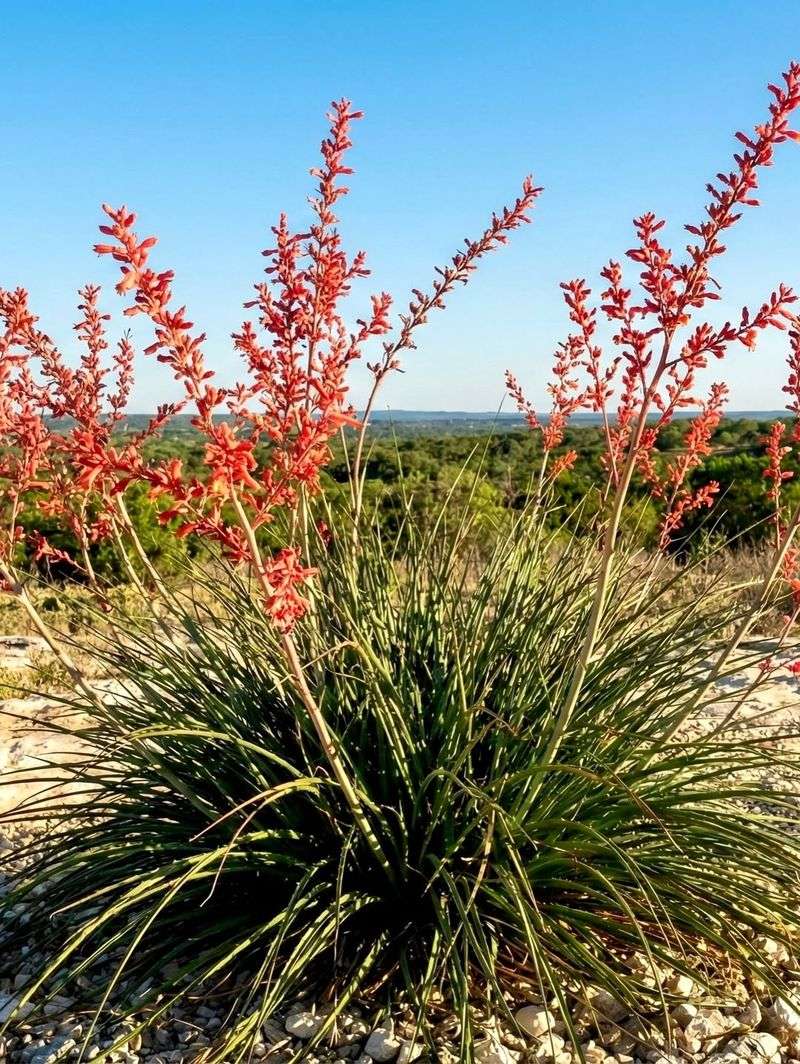
Red Yucca does not look like something that needs your help, and honestly, it usually does not. Known botanically as Hesperaloe parviflora, this plant pushes up long, arching green leaves that stay rich and full even when summer in Arizona is at its most punishing.
The leaf color holds steady from January through December without much input from you.
Coral-red flower spikes shoot up in late spring and can stretch several feet tall. Hummingbirds show up reliably once those blooms open, which adds a whole other layer of interest to the yard.
The flowers eventually fade, but the foliage stays in place and keeps the planting bed from looking bare.
Red Yucca handles alkaline desert soil without complaint, which is a real advantage in Arizona where pH levels can run high. It does best in full sun, and while occasional deep watering helps during extended dry spells, it generally gets by on natural rainfall once it has settled in.
Planting it in a spot with good drainage makes a noticeable difference in long-term performance.
Spacing matters with Red Yucca because the clumps widen over time. Giving each plant three to four feet of room from the start prevents crowding later.
It also works well when planted in groups of three or five for a more natural, layered look that feels less like a lineup and more like an actual desert planting.
2. Agave Holds Bold Color And Structure All Year
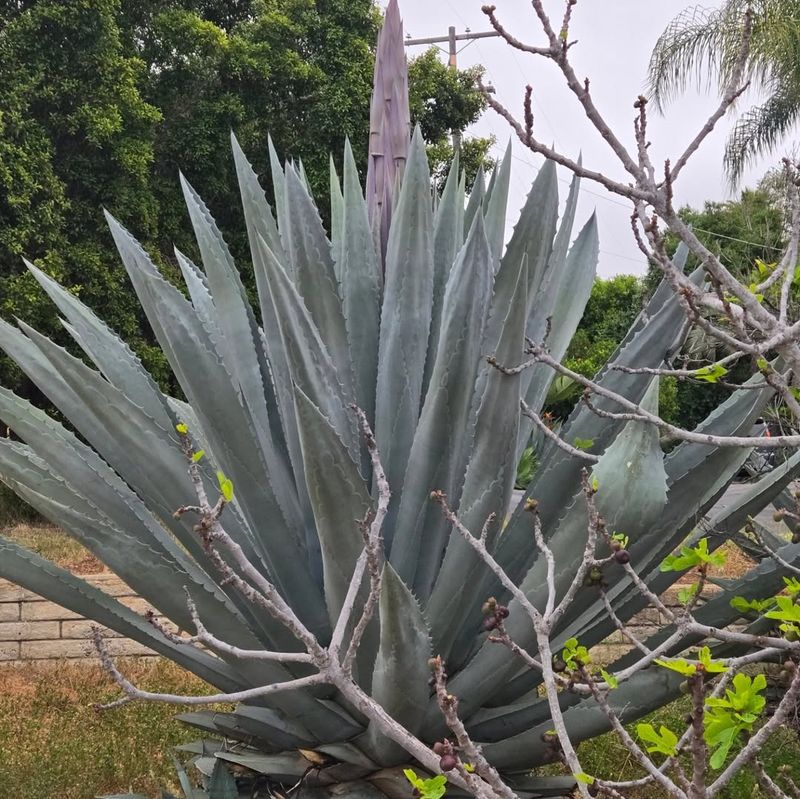
Walk through almost any established Arizona neighborhood and you will spot an Agave within the first block. That kind of presence is earned.
Agave plants carry a blue-green color that reads almost architectural from a distance, and the tight rosette shape stays intact whether it is July or January. Few plants match that kind of visual consistency in this climate.
Arizona has dozens of Agave species to choose from, ranging from compact varieties under two feet wide to giants that take up serious square footage.
Agave americana tends to run large and bold, while Agave parryi stays more contained and is better suited for smaller yards or container planting on patios.
Picking the right size for your space saves a lot of work later.
Leaf color shifts depending on sun exposure and water availability. Plants grown in full sun with minimal water tend to develop a more silvery-blue tone, while shadier or wetter conditions push the color toward green.
Neither look is bad, but the blue-gray version tends to stand out more against gravel and sandy soil, which is common across much of Arizona.
Sharp leaf tips are a real consideration if children or pets use the yard. Some gardeners clip the tips as a precaution, though it does slightly change the plant’s overall appearance.
Agave does not need fertilizer and rarely needs pruning beyond removing spent outer leaves that have dried out completely. It is one of the most structurally reliable plants available for Arizona landscapes.
3. Desert Spoon Forms A Striking Shape With Blue-Green Leaves
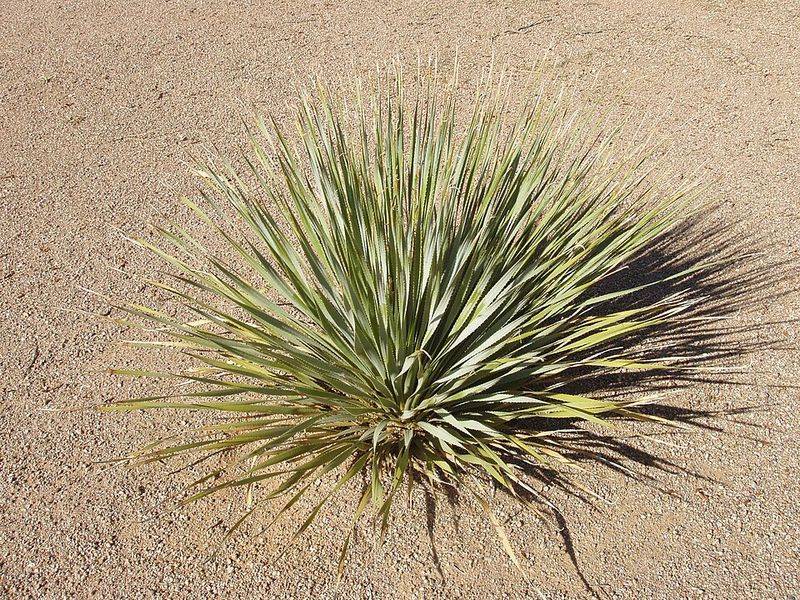
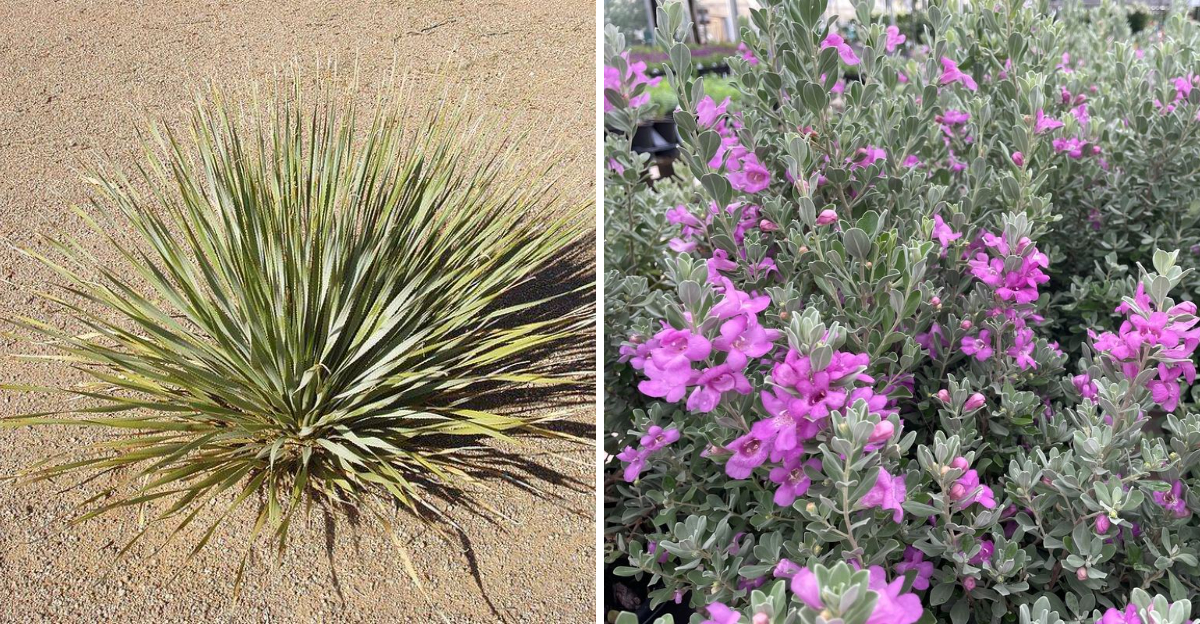
Dasylirion wheeleri, commonly called Desert Spoon, earns its spot in an Arizona yard through sheer visual drama. The plant forms a near-perfect sphere of narrow, blue-green leaves that radiate outward from a central base.
From across a yard, it looks almost sculptural, like something placed deliberately rather than grown naturally.
Blue-green is the dominant leaf color, but the tone shifts subtly depending on light conditions and time of year. In full Arizona sun, the color leans more gray-silver, especially during the hottest months.
That cool, muted tone actually works well against warm-colored gravel, sandstone pavers, or terracotta pots that show up frequently in desert-style landscaping throughout the state.
Growth is slow, which means placing it thoughtfully matters from the start. A mature Desert Spoon can reach four to five feet in diameter, so it needs open space to develop properly.
Crowding it against walls or other large plants tends to distort the natural shape over time. Full sun and fast-draining soil are the two conditions that matter most for keeping it healthy long-term.
Watering every two to three weeks during summer works well for most Arizona locations, though plants in rockier, faster-draining soil may need slightly more frequent attention during heat waves. Winter rainfall usually covers its needs without supplemental irrigation.
The dried leaf bases at the plant’s center resemble wooden spoons, which is exactly how it got its common name. It is a small detail that makes the plant feel even more interesting up close.
4. Texas Sage Keeps Silvery Foliage Through Heat And Drought
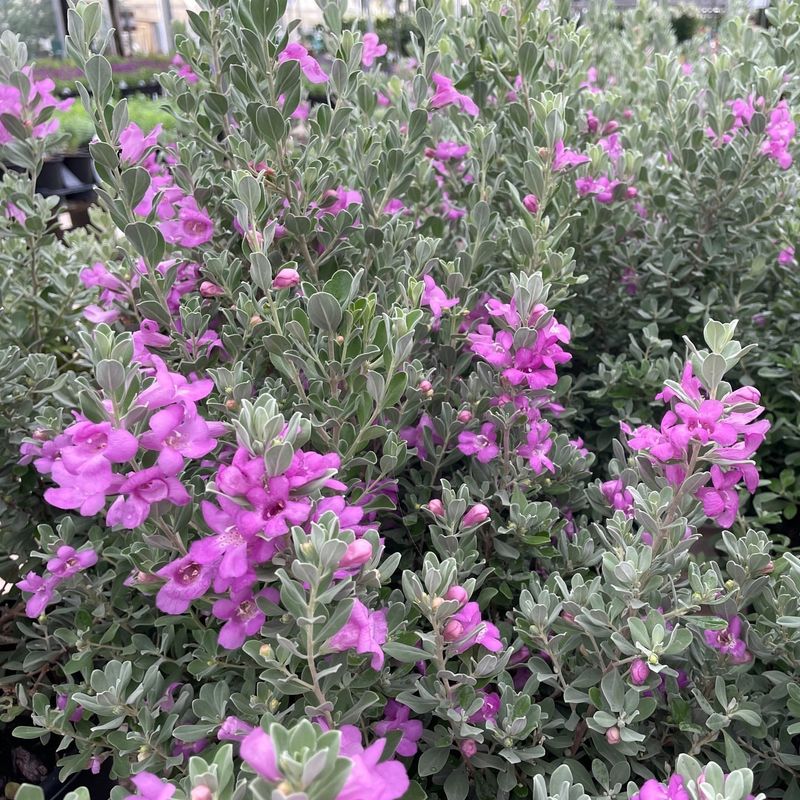
Silver leaves in a desert garden are underrated. Texas Sage, known scientifically as Leucophyllum frutescens, carries a soft silver-gray foliage color that stays visible and interesting even when the plant is not blooming.
In a landscape full of greens and browns, that cool tone reads as a genuine contrast, especially during Arizona’s long, sun-bleached summers.
What makes Texas Sage particularly useful in Arizona is how it responds to humidity. The plant tends to burst into purple blooms right after monsoon moisture rolls through in late summer.
It is not a perfectly predictable bloom cycle, but when conditions line up, the transformation from silver shrub to purple-flowered specimen happens fast and looks striking. Neighbors tend to notice.
Leaf texture is fuzzy rather than smooth, which helps the plant reflect heat and reduce water loss. That adaptation makes it genuinely suited to desert conditions rather than just tolerant of them.
Planted in full sun with no shade cover, Texas Sage stays compact and full. Shade tends to open up the branching structure and reduce the density of the foliage display.
Pruning is worth doing once or twice a year to keep the shape tight and encourage fresh growth. Hard pruning in late winter before new growth pushes out helps maintain a rounded form.
Avoid cutting into old woody stems too aggressively since recovery from that kind of cut can be slow. In the right Arizona spot, this plant holds its silver color reliably through summer heat without much intervention.
5. Hop Bush Holds Dense Color With Evergreen Growth
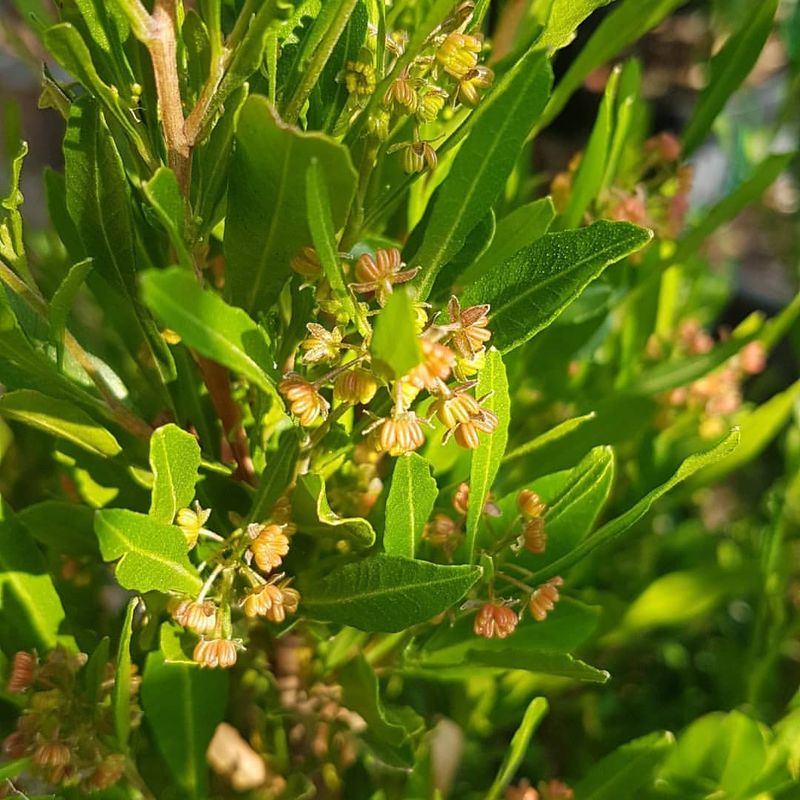
Hop Bush, or Dodonaea viscosa, is one of those plants that earns more respect the longer you have it in your yard. It grows into a dense, multi-stemmed shrub with narrow leaves that stay deep green or bronze-purple depending on the variety.
Unlike a lot of desert plants that look sparse, Hop Bush fills in fully and holds that density through Arizona’s toughest seasons.
The purple-leafed variety, sometimes sold as Dodonaea viscosa ‘Purpurea,’ develops its richest color in cooler months and in full sun. During peak summer, the color can shift toward a more bronzed tone, but the foliage never disappears or drops.
That year-round leaf coverage is exactly what makes it useful as a screen, a windbreak, or a background plant in a mixed desert border.
Growth rate is faster than most desert shrubs, which works in your favor when you want results without waiting years. A young Hop Bush can reach six feet within two to three growing seasons under good conditions.
Regular watering during the first year helps the root system establish more quickly, and after that, it handles dry stretches without visible stress in most Arizona locations.
Pruning keeps it from getting leggy at the base. Cutting back the top growth by about a third in late winter encourages branching lower on the plant and maintains a fuller shape.
Hop Bush also tolerates reflected heat from walls and pavement, which is a meaningful advantage in urban Arizona yards where heat radiates from hardscaping throughout the summer months.
6. Arizona Rosewood Keeps A Rich Green Look All Year
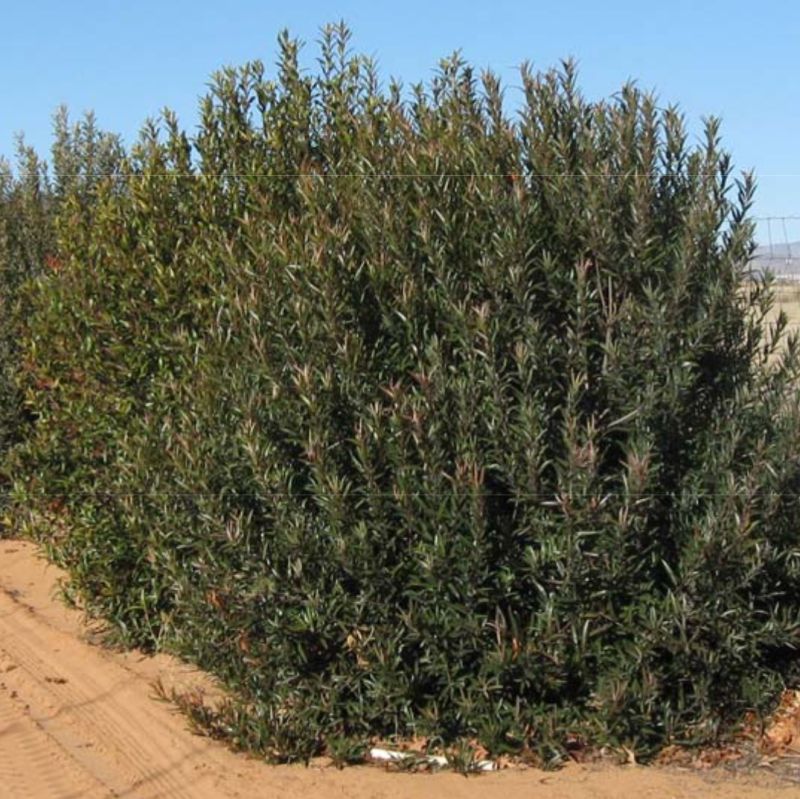
Not every Arizona plant wants to be out in the open desert sun. Arizona Rosewood, Vauquelinia californica, is a native shrub that naturally grows along canyon walls and rocky slopes where it gets some protection from the harshest afternoon light.
That background makes it a smart choice for spots in the yard that get partial shade or filtered sun during the hottest part of the day.
Leaves are small, narrow, and deep green with slightly serrated edges. The texture and density of the foliage give it a refined look that feels different from the more rugged desert plants that dominate most Arizona landscapes.
It works well near entryways, along fences, or in spots where you want something that looks tended without requiring constant attention.
White flower clusters appear in late spring and add a brief but noticeable display before the plant settles back into its steady green presence. The flowers are small and lacy rather than showy, but they attract pollinators and add some seasonal interest.
After blooming, the plant produces small woody seed capsules that persist on the branches and add subtle texture through fall and winter.
Arizona Rosewood grows slowly, reaching anywhere from six to fifteen feet tall depending on conditions and how much it is pruned. It handles alkaline soil well and does not need amended planting beds in most parts of the state.
Supplemental watering every two to three weeks during summer supports steady growth, though established plants in shadier spots can sometimes get by on less. It is a native plant that genuinely looks at home in Arizona yards.
7. Jojoba Holds Glossy Evergreen Leaves Through Harsh Conditions
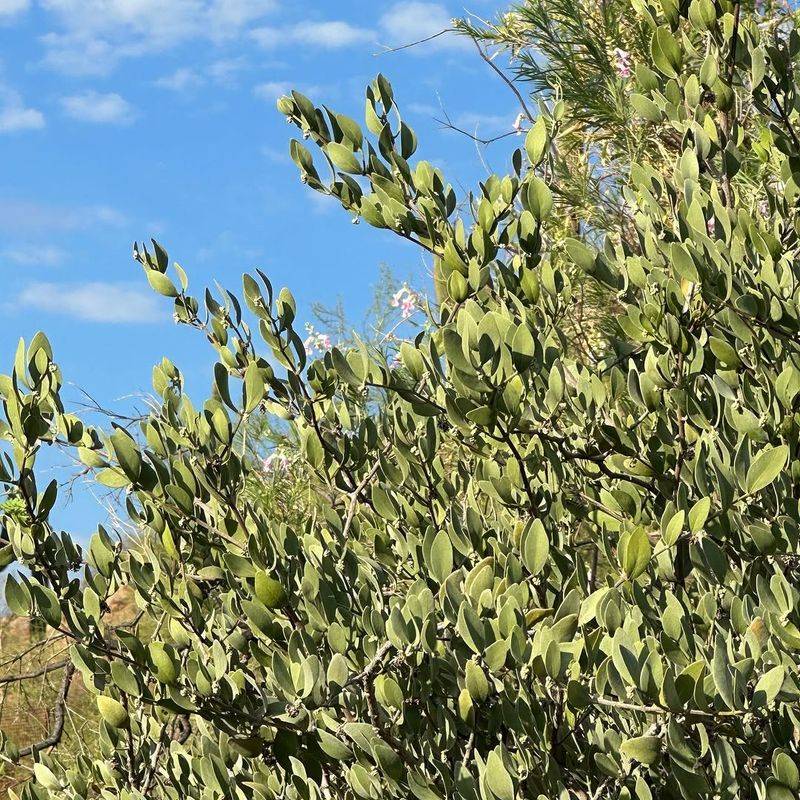
Jojoba, Simmondsia chinensis, is one of those plants that has been growing in Arizona’s Sonoran Desert long before anyone started planting it in yards. Spotting it in the wild along rocky hillsides and dry washes gives you a good sense of what it can actually handle.
The glossy, gray-green leaves hold their color through summer heat, dry winters, and the kind of extended dry spells that push other plants into visible decline.
Leaf orientation is one of jojoba’s practical tricks. The leaves angle themselves to reduce direct sun exposure during the hottest part of the day, which cuts down on water loss.
That built-in adaptation means the plant is genuinely designed for Arizona conditions rather than just surviving them through luck. The waxy coating on the leaves adds to the glossy appearance and helps retain moisture.
Jojoba is dioecious, meaning male and female flowers grow on separate plants. Female plants produce seeds that contain a liquid wax historically used by indigenous communities and now used commercially in cosmetics and oils.
Planting a mix of male and female plants near each other allows seed production, though most gardeners grow it purely for its structural and visual qualities rather than the harvest.
Height at maturity typically ranges from three to eight feet depending on water availability and sun exposure. It responds well to occasional shaping but does not require regular pruning to stay presentable.
Jojoba works as a background shrub, an informal hedge, or a freestanding specimen in open desert-style plantings across Arizona. Its texture and color hold up in a way that is genuinely reliable over the long term.
8. Dwarf Oleander Keeps Full Green Foliage All Year Long
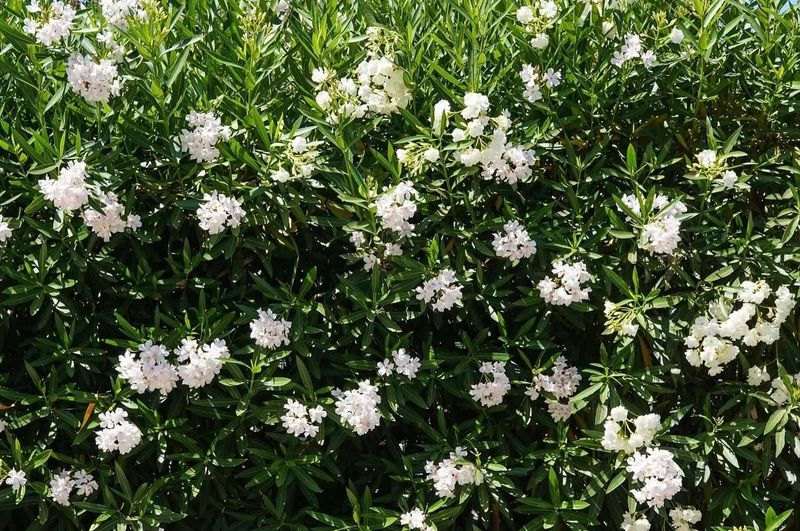
Dwarf Oleander is everywhere in Arizona, and there is a straightforward reason for that. Nerium oleander in its compact form holds dense, narrow, dark green leaves through every season without dropping them when temperatures spike or dip.
The foliage stays full and consistent in a way that makes it genuinely useful as a border plant, a low screen, or a repeating element along a driveway or walkway.
Bloom color varies by variety, with options ranging from white and soft yellow to deep red and vivid pink. Flowers appear most heavily in spring and again in fall, with lighter blooming possible through summer if the plant is in good health.
The contrast between the dark green leaves and the bright blooms is one reason this plant shows up so frequently in Phoenix and Tucson landscapes.
Full sun is where Dwarf Oleander performs best. Partial shade tends to reduce bloom production and can open up the branching structure, making the plant look thinner than it should.
Planted along a south or west-facing wall where heat reflects off hardscaping, it actually tends to thrive rather than struggle, which is a meaningful advantage in Arizona’s urban heat zones.
One important note: all parts of Oleander are toxic if eaten, so households with young children or pets that chew on plants should factor that into placement decisions. Keeping it in raised beds or along perimeter fencing reduces accidental contact.
Pruning after the main spring bloom cycle helps maintain a compact shape and encourages a stronger second flush of flowers later in the season.