The Warm-Season Crops Georgia Gardeners Plant From Seed In April
April soil in Georgia finally reaches a point where seeds can take hold with far fewer setbacks, yet many still miss the timing and end up with uneven results.
Warm days create the right conditions, but only certain crops respond well when placed directly into the ground at this stage.
Some seeds push through quickly and establish strong growth, while others hesitate and fall behind before the season even gets going. That early difference shapes how productive the garden feels later, especially once heat settles in.
Choosing what to plant now makes a noticeable impact on how evenly everything develops. Beds fill in with stronger growth, spacing looks more consistent, and the garden starts to feel more reliable instead of unpredictable.
This short window in April plays a bigger role than most expect when it comes to how the entire season unfolds.
1. Beans Germinate Quickly In Warm Soil And Grow Fast
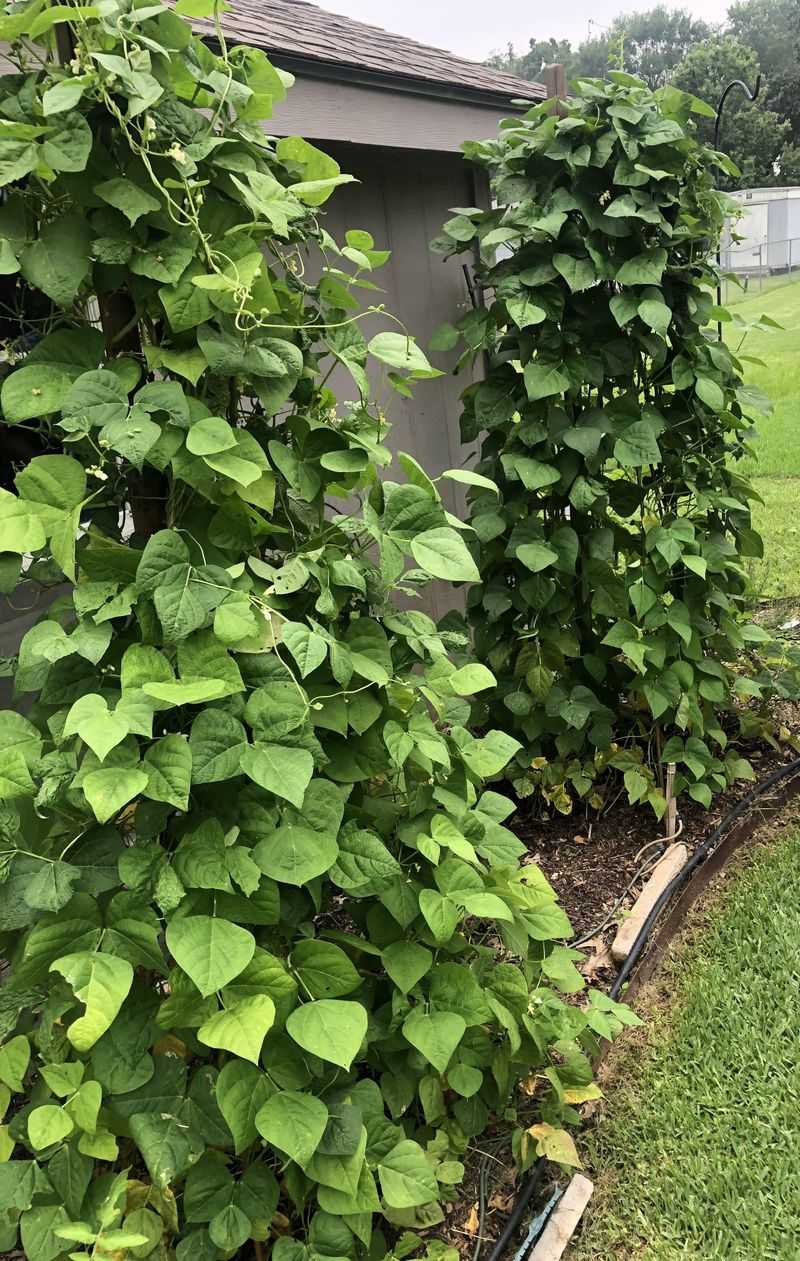
Few vegetables reward you faster than snap beans planted in warm Georgia soil. Once ground temperatures hit around 60 to 65 degrees Fahrenheit, bean seeds absorb moisture quickly and can sprout in as little as five to eight days.
Push them about one inch deep, space seeds three to four inches apart, and set rows roughly eighteen inches from each other.
Sandy loam or well-amended clay both work fine, but drainage matters. Beans sitting in waterlogged soil tend to rot before they sprout, especially during rainy April stretches common in middle and south Georgia.
Raised beds or slightly mounded rows help move excess water away from the seed zone.
Bush varieties like Contender or Provider do well across most of Georgia without needing any support structure. Pole beans produce longer but need a trellis or fence from the start.
Either way, consistent moisture during germination makes a real difference in how evenly the row comes up.
Side-dressing with a balanced fertilizer once plants reach about six inches tall helps push strong growth without overloading the roots early on. Beans fix some of their own nitrogen, so heavy feeding right at planting is usually unnecessary.
Expect your first harvest roughly fifty to sixty days after planting, depending on variety and weather.
Harvesting frequently once pods start forming encourages the plants to keep producing instead of slowing down early.
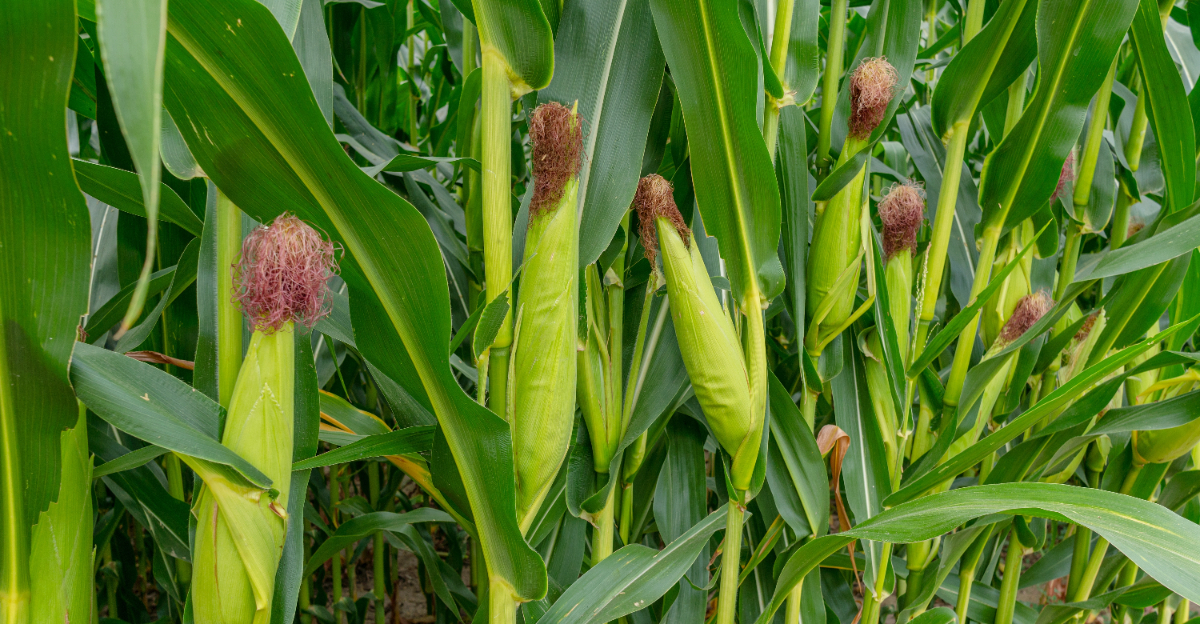
2. Corn Sprouts Well Once Soil Temperatures Rise
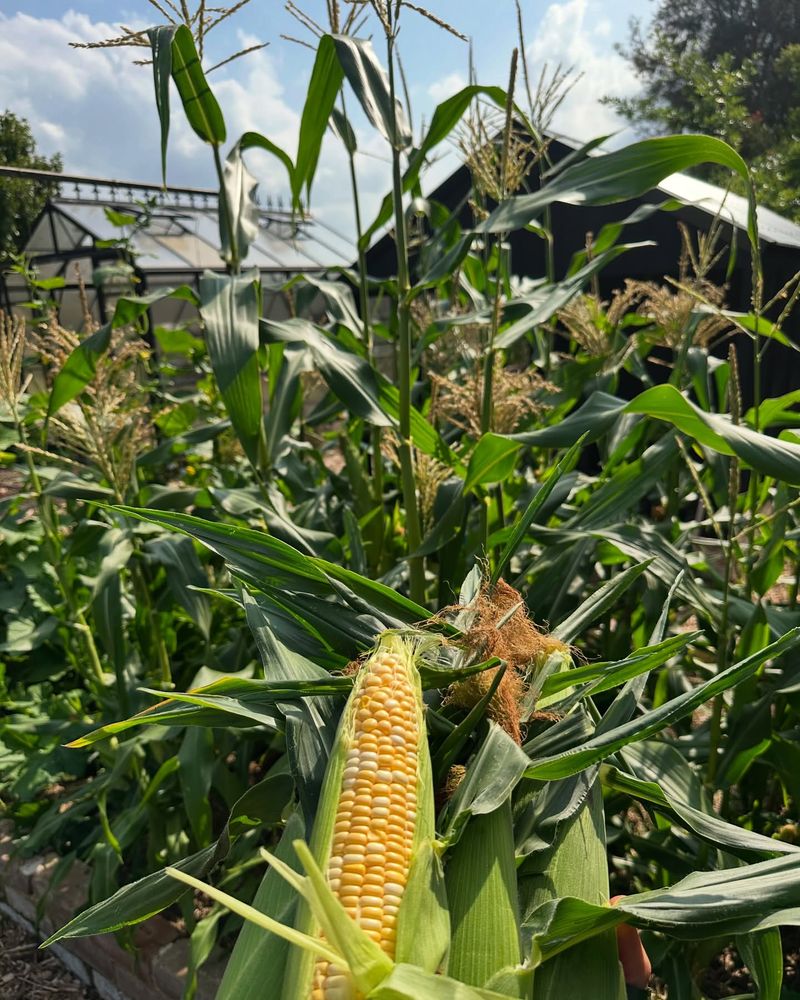
Corn has one firm requirement above all others: warm soil. Germination stalls in cold ground, and seeds planted too early in Georgia can sit dormant or develop poorly before finally sprouting once temperatures climb.
Aim for soil temperatures of at least 60 degrees Fahrenheit, which most of Georgia reaches reliably by mid-April.
Plant seeds about one inch deep and space them eight to twelve inches apart within rows. Row spacing of around thirty inches gives plants enough room to develop without crowding.
One of the most practical adjustments a Georgia gardener can make is planting in blocks rather than a single long row. Corn relies on wind pollination, and short blocks of multiple rows produce much better ear fill than one skinny row ever will.
Consistent moisture during germination and again when tassels appear makes the biggest difference in yield. Georgia summers can turn dry fast, so keeping an eye on rainfall and supplementing with irrigation during dry spells pays off.
Mulching between rows helps hold soil moisture and keeps weeds from competing with young plants.
Sweet corn varieties like Silver Queen or Peaches and Cream have performed reliably in Georgia conditions for decades.
Expect germination within seven to ten days under good conditions, and plan for harvest roughly seventy to ninety days from planting depending on variety and heat levels through the season.
Strong winds can knock over tall plants, so planting in blocks also helps them support each other and stay more stable as they grow.
Side-dressing with nitrogen when plants reach knee height helps support strong stalk development and better ear formation.
3. Cucumbers Grow Fast From Seed In Warm Spring Conditions
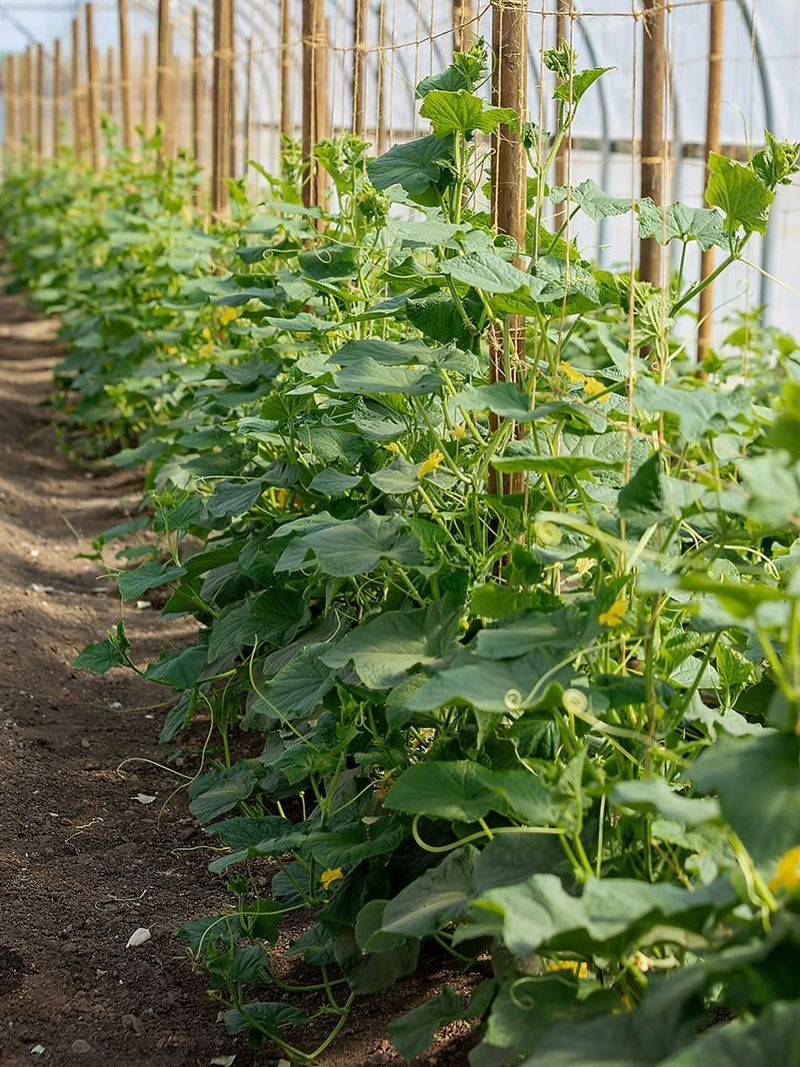
Cucumbers move fast once the soil warms up, and April in Georgia gives them exactly what they need. Soil temperatures above 65 degrees Fahrenheit push germination along quickly, often producing visible sprouts within five to seven days.
Sow seeds about half an inch to one inch deep and keep the soil consistently moist until seedlings are well established.
Spacing depends on your setup. Trellised plants can be placed about twelve inches apart, which saves space and improves air circulation around the leaves.
If you prefer letting them sprawl, give hills or individual plants eighteen to twenty-four inches of space. Either approach works in Georgia, though trellising tends to produce cleaner fruit and makes harvesting easier during the hot months ahead.
Cucumbers are heavy drinkers, especially once they start setting fruit. Irregular watering leads to bitter flavor and misshapen cucumbers, which is a common frustration in Georgia gardens during dry summer weeks.
Drip irrigation or a consistent hand-watering schedule helps avoid those problems.
Slicing varieties like Straight Eight or Ashley are well-suited to Georgia conditions, while pickling types like Boston Pickling produce heavily and handle heat reasonably well. Start checking for harvest-ready cucumbers about fifty to sixty days after planting.
Picking frequently, before fruits get oversized, encourages the plant to keep producing through the season.
Warm nights help speed up growth, so vines often take off quickly once temperatures stay steady after planting.
Powdery mildew can show up later in the season, so giving plants good airflow and avoiding overhead watering helps keep leaves healthier longer.
4. Squash Germinates Easily And Produces Early Growth
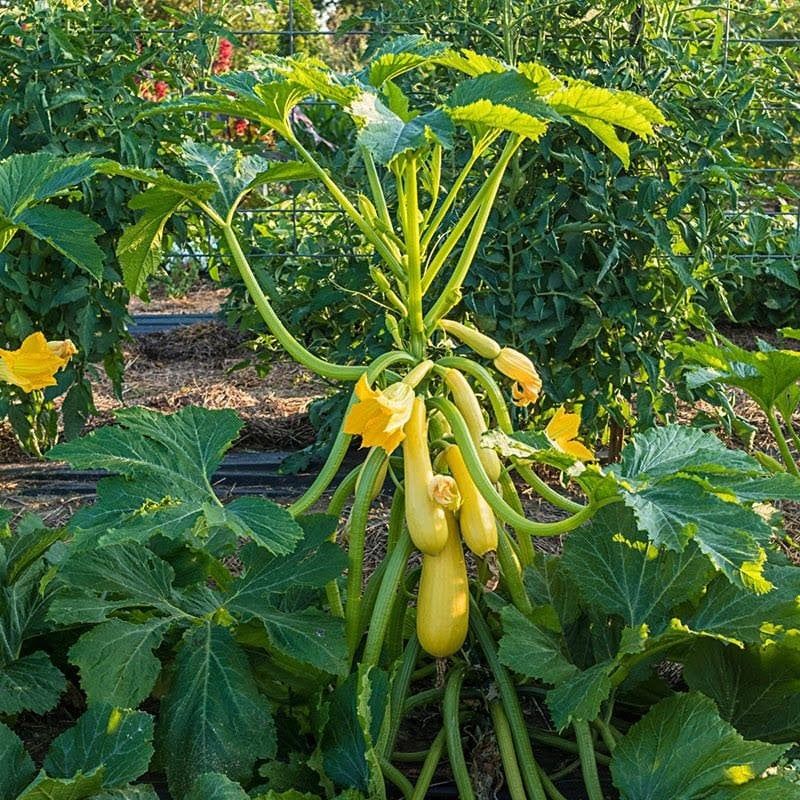
Squash is one of those crops that practically takes care of itself in the early stages. Seeds germinate fast in warm soil, leaves expand quickly, and the plant gets big in a hurry.
In Georgia, April planting means squash is usually producing harvestable fruit by late May or early June, well ahead of crops that were started late.
Sow seeds about one inch deep in hills or rows. If planting in hills, place two or three seeds per hill and thin to the strongest plant once seedlings reach a few inches tall.
Spacing hills about three to four feet apart gives each plant room to spread without overcrowding.
Georgia soil can vary widely, so mixing compost into the planting area before seeding helps regardless of whether you are working with clay or sandy ground.
Yellow crookneck and straightneck varieties are popular across Georgia for good reason. They produce quickly, handle the heat reasonably well, and are easy to manage.
Zucchini-type squash follows similar growing patterns and will be covered separately, but summer squash in general is a strong choice for April planting statewide.
Watch for squash vine borers starting in late June. They can cause sudden wilting in otherwise healthy plants.
Covering young plants with row covers early in the season and removing covers once flowers appear for pollination is one practical way to reduce that risk in Georgia gardens.
Harvesting squash while fruits are still small and tender keeps the plant producing longer instead of slowing down as seeds mature.
5. Zucchini Starts Fast And Thrives In Warm Soil
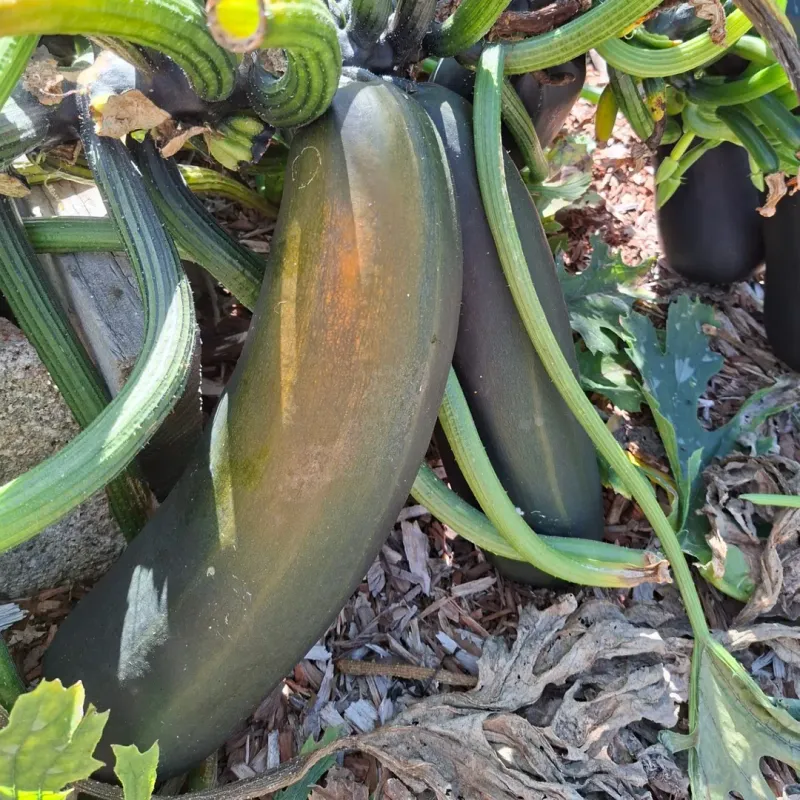
Zucchini has a reputation for producing more than most families can eat, and that reputation is well earned. Plant a few seeds in Georgia in April, give them decent soil and regular water, and the harvest can be relentless by early summer.
The key is getting seeds into ground that has genuinely warmed up, somewhere around 65 to 70 degrees Fahrenheit for best results.
Push seeds about one inch deep and space planting spots three feet apart at minimum. Zucchini plants get large, and crowded plants struggle with poor air circulation, which can encourage powdery mildew later in the season.
Georgia summers are humid enough that giving plants room to breathe from the start is worth the extra space.
Germination usually happens within five to ten days under warm conditions. Seedlings grow fast and look almost aggressive once they get going, with large leaves expanding day by day.
Consistent moisture is important during this early growth phase, but avoid watering directly onto the leaves if possible, especially in the evening.
Harvest zucchini small, around six to eight inches long, for the best texture and flavor. Fruits left on the plant too long become seedy and tough, and the plant slows down production when large fruits are present.
Checking plants every day or two during peak production keeps the harvest manageable and keeps the plant working through the Georgia summer.
Male flowers usually appear before female ones, so it is normal not to see fruit right away even when plants look healthy.
Keeping a layer of mulch around the base helps hold moisture and keeps soil from splashing onto the leaves during watering.
6. Okra Needs Warmth And Grows Strong From Direct Sowing
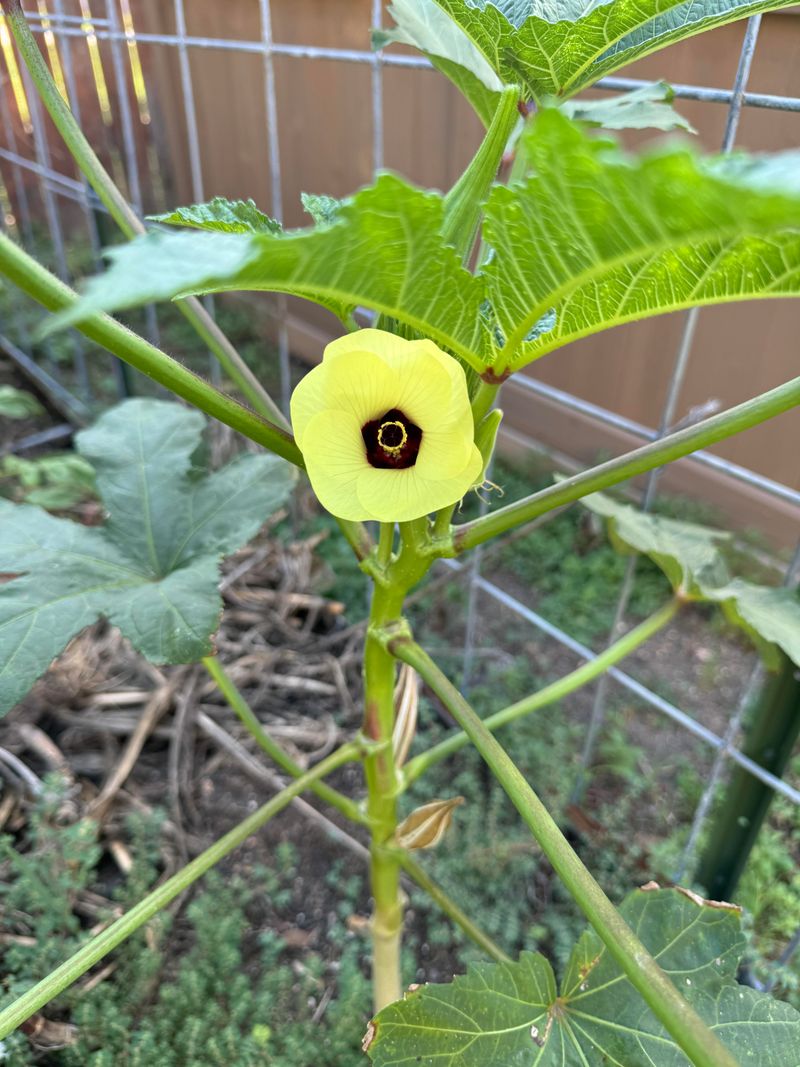
Okra and Georgia summers were practically made for each other. Few vegetables handle intense heat and humidity as well as okra does, and direct sowing in April lines up perfectly with the warming soil conditions across the state.
Cold soil is the main reason okra seeds fail to germinate, so patience pays off here. Wait until soil temperatures are consistently above 65 degrees Fahrenheit before putting seeds in the ground.
Soaking seeds overnight before planting can speed up germination, which otherwise takes ten to fourteen days under typical April conditions in Georgia.
Sow seeds about half an inch to one inch deep and space them twelve to eighteen inches apart once seedlings are thinned to the strongest plant per spot.
Rows should sit about three feet apart to give mature plants adequate room.
Okra can reach five to seven feet tall by midsummer in Georgia, so planting along a fence line or at the back of a garden bed keeps it from shading shorter crops.
Red clay soil is common across much of north and central Georgia, and okra handles it better than many vegetables, especially once roots establish and plants start pushing upward.
Pick pods when they are two to four inches long for the best texture. Pods left on the plant past that point become fibrous quickly in Georgia heat.
Frequent harvesting, every two to three days during peak production, keeps new pods forming through the season.
Hot weather actually improves growth, so okra tends to produce more steadily as summer heat builds across Georgia.
7. Watermelon Germinates Well When Soil Stays Warm
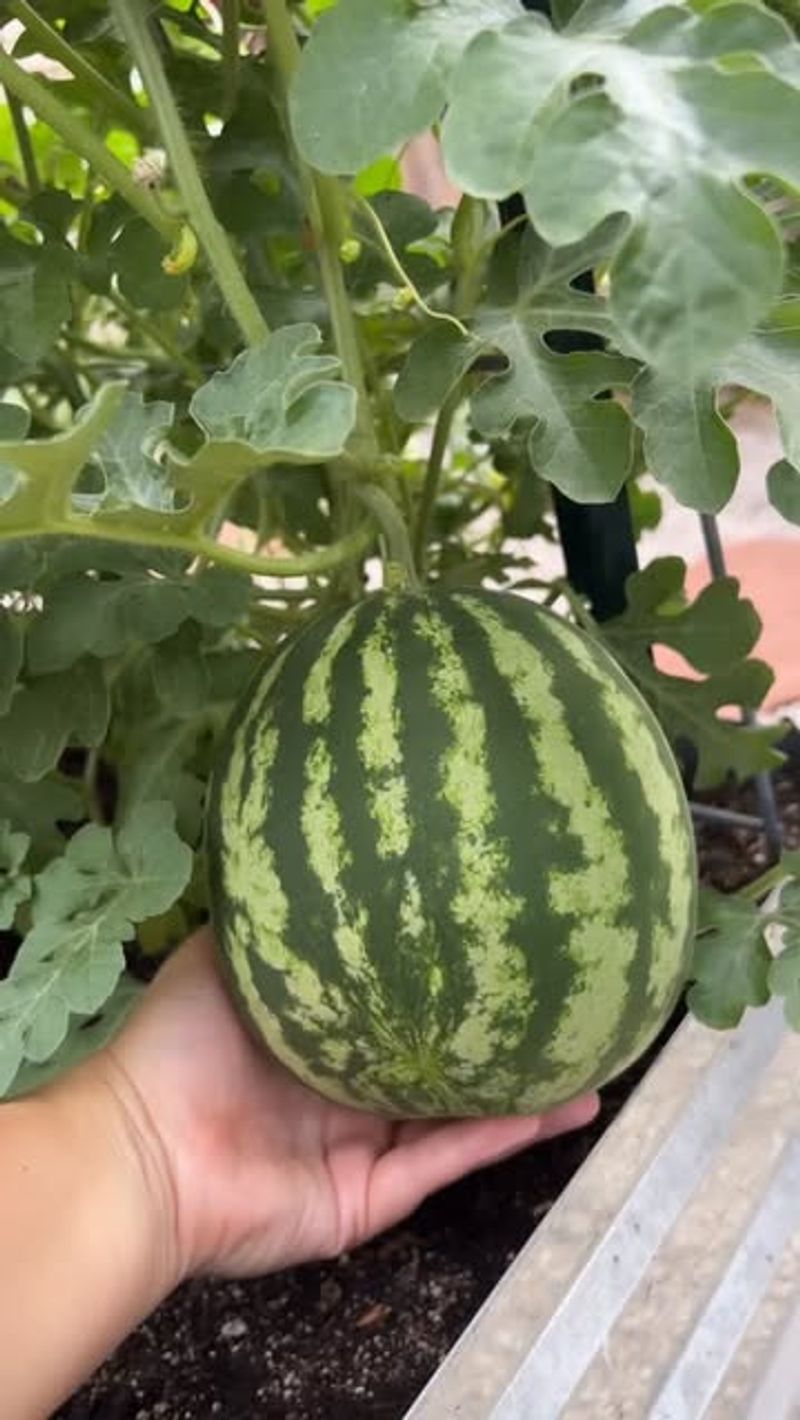
Planting watermelon from seed in Georgia is entirely doable in April, but soil temperature is the deciding factor. Seeds need ground temperatures of at least 65 to 70 degrees Fahrenheit to germinate reliably.
Plant too early in cool soil and germination becomes slow and uneven. By mid to late April across most of Georgia, conditions are usually right to get seeds in the ground directly.
Sow seeds about one inch deep in hills or mounds spaced roughly six feet apart for standard-sized varieties. Smaller personal-size varieties can be placed a bit closer, around four to five feet.
Watermelons need a lot of space as vines spread aggressively through the summer, so plan your garden layout before planting rather than trying to adjust later.
Sandy or sandy loam soil drains well and warms up faster, which is why south Georgia gardeners often get a head start on watermelons compared to those working with heavier clay soils further north.
Adding compost to the planting hill improves soil structure and moisture retention regardless of your starting soil type.
Germination usually takes seven to ten days in warm conditions. Vines establish slowly at first but pick up speed as temperatures rise through May and June.
Most standard varieties take around eighty to ninety days from planting to harvest, putting Georgia gardeners on track for ripe melons by mid to late July if seeds go in during April.
Keeping vines evenly watered during fruit development helps prevent issues like uneven ripening and poor fruit size as melons mature.
Avoid disturbing the vines once they start running, since shifting them can stress the plant and affect fruit development.