The 9 Warning Signs Of Root Rot In Oregon Plants
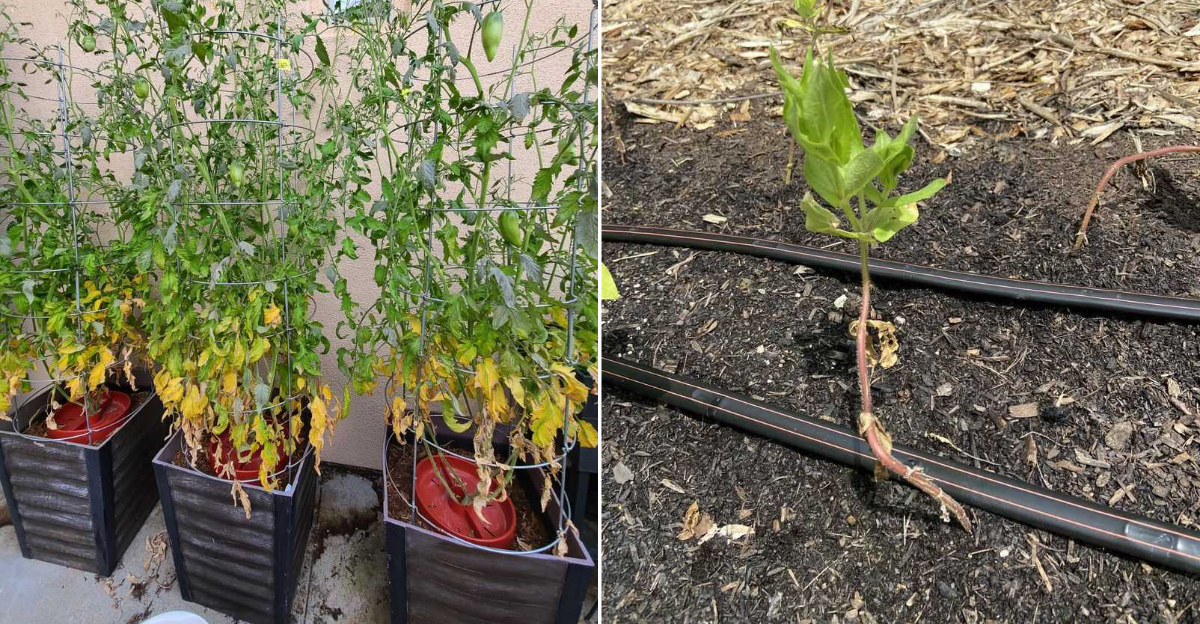
Root rot often goes unnoticed at first. A plant may look a little tired, leaves might yellow or droop, and growth can slow down without an obvious reason.
You might water, wait, and hope it bounces back. Have you ever done that, only to realize later something more serious was going on below the soil?
In Oregon, root rot is a common issue thanks to our cool temperatures and long stretches of wet soil. Excess moisture makes it easy for roots to suffocate or break down, especially in poorly draining areas or containers.
By the time symptoms show above ground, the damage has often been happening for a while.
If you’ve lost a plant unexpectedly or struggled to revive one despite your best care, you’re not alone. Root rot catches many gardeners off guard.
Learning to recognize the early warning signs can make a real difference, giving you a chance to act before the problem becomes irreversible. These warning signs can help you spot root rot in Oregon plants sooner and protect the rest of your garden from the same issue.
Yellowing Leaves That Start From The Bottom
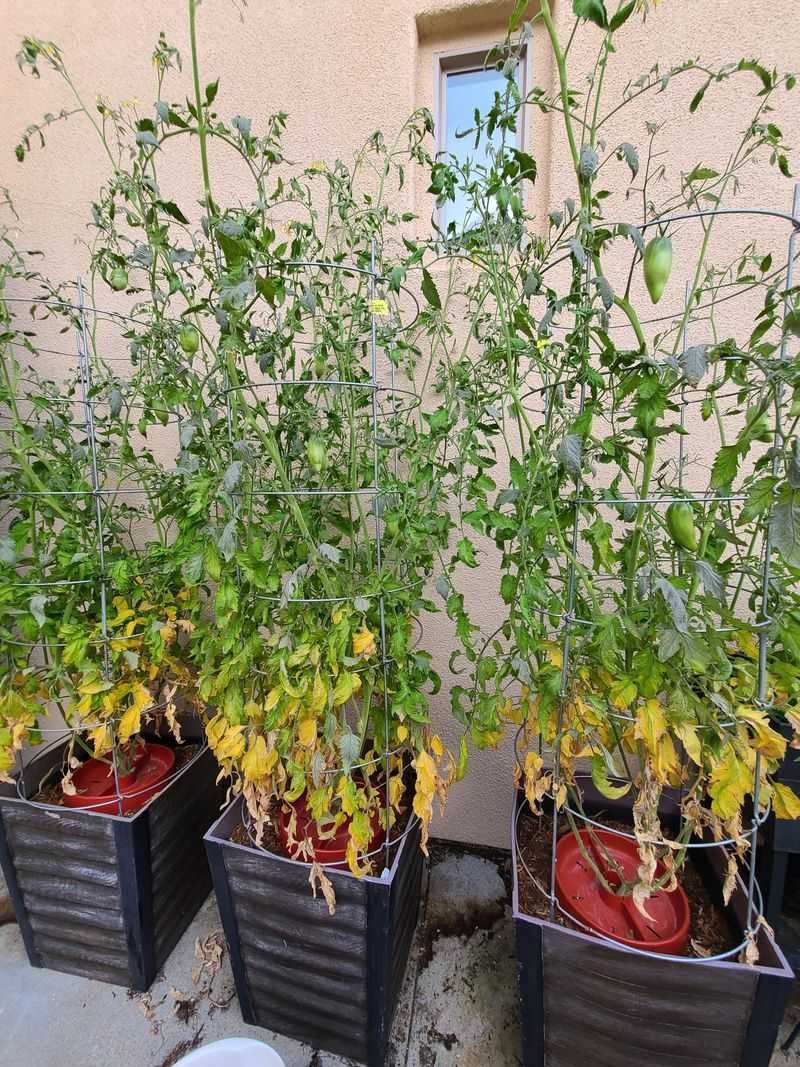
When leaves turn yellow from the bottom up, your plant might be crying out for help. Healthy roots deliver nutrients and water to every part of the plant, but damaged roots cannot do this important job.
The lower leaves are usually the first to show problems because they are farthest from the newer growth.
You might notice the yellowing happens even when you water regularly. This confusing sign occurs because rotting roots cannot absorb moisture properly, no matter how much water you give.
The leaves turn pale and lose their rich green color as nutrients stop flowing.
Oregon’s wet winters can make this problem worse for outdoor plants. Indoor plants sitting in soggy soil face the same risk.
Check the soil moisture before you water again.
Sometimes gardeners think yellow leaves mean the plant needs more water, so they add even more. This creates a terrible cycle that makes root rot spread faster.
Instead, feel the soil with your finger to see if it is already too wet.
If you catch this early, you might save your plant. Remove it from the wet soil and trim away any mushy roots.
Replant in fresh, well-draining soil and water only when the top inch feels dry to the touch.
Wilting Even When The Soil Feels Wet

Picture this: you check your plant and the soil is soaking wet, but the leaves droop like they have not had water in days. This strange situation is a major red flag for root rot.
Wilting usually means a plant needs water, but in this case, the roots are too damaged to drink.
Roots need oxygen just like we do, and waterlogged soil pushes all the air out. Without oxygen, roots start to break down and lose their ability to pull water up into the plant.
Your plant essentially becomes thirsty even though it is sitting in moisture.
This symptom confuses many Oregon gardeners during our rainy season. You might think your plant looks droopy because of the cold weather or lack of sun.
But if the soil stays constantly damp and the leaves keep wilting, root rot is probably the real culprit.
Touch the leaves gently to see if they feel limp and soft. Healthy wilting from lack of water makes leaves feel papery and crisp.
Root rot wilting feels different because the plant tissues are still full of moisture but cannot function properly.
Act quickly when you see this combination of wet soil and wilting. Reduce watering immediately and improve drainage around the plant.
You might need to repot with better soil that allows excess water to escape easily.
Brown Or Black Mushy Roots
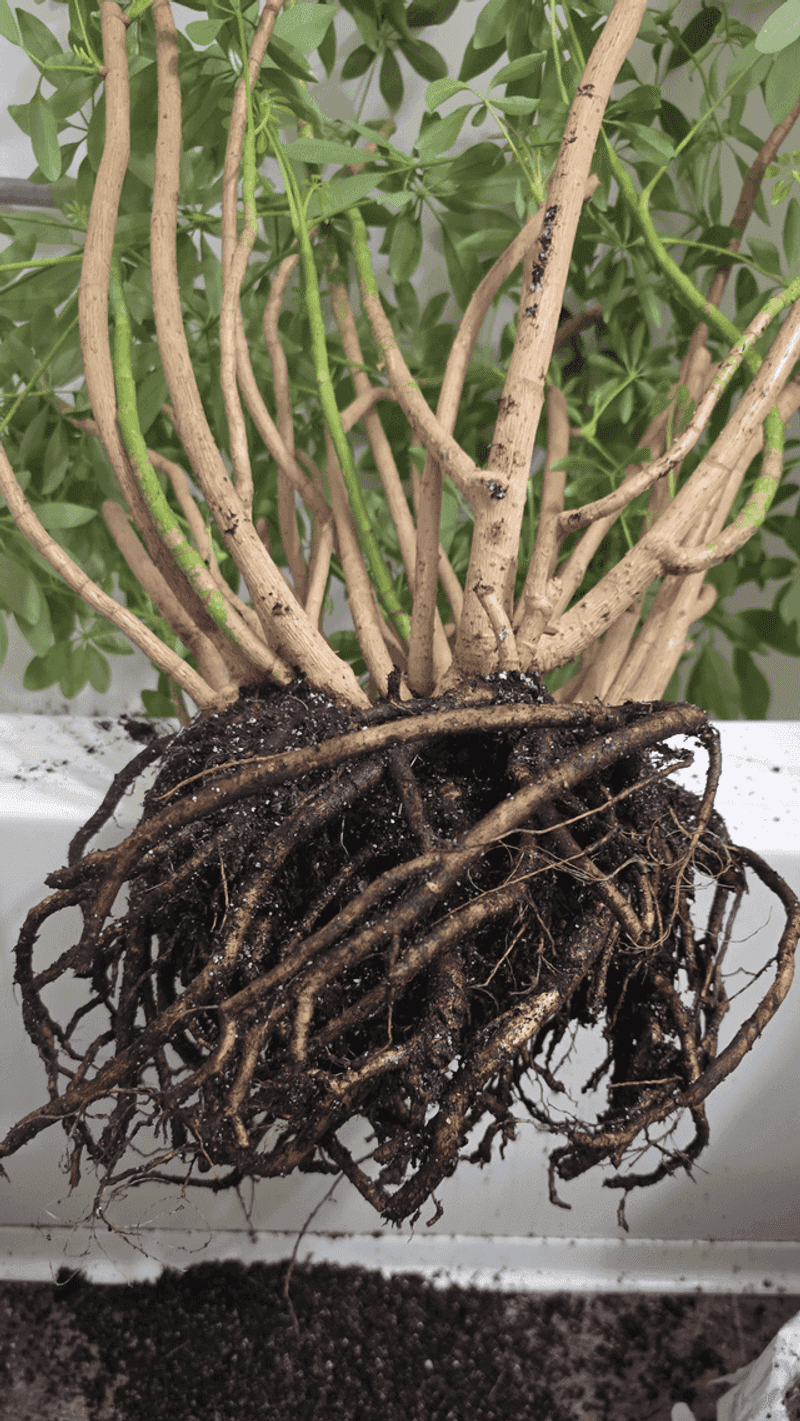
Healthy roots should look white or light tan and feel firm when you touch them. But roots affected by rot turn dark brown or black and feel squishy like overcooked vegetables.
This is the most obvious sign that fungi have invaded and damaged the root system.
You will need to remove the plant from its pot to check the roots properly. Gently shake off the soil and examine what you find underneath.
Rotting roots might fall apart in your hands or have a slimy texture that seems wrong.
Oregon’s damp climate creates perfect conditions for the fungi that cause this problem. These organisms thrive in wet, oxygen-poor environments.
Once they get established, they spread through the root system quickly.
Sometimes you will notice a bad smell coming from the roots too. This odor happens because the rotting process releases gases as plant tissue breaks down.
The smell might remind you of compost or decay.
If you find mushy roots, you need to act fast. Use clean scissors or pruning shears to cut away all the damaged portions.
Only healthy, firm roots should remain. Sterilize your tools with rubbing alcohol between cuts to avoid spreading the problem.
After trimming, let the roots dry slightly before replanting. Choose a pot with drainage holes and use fresh potting mix.
Water carefully going forward to prevent the problem from coming back.
Stunted Growth That Seems Unexplained
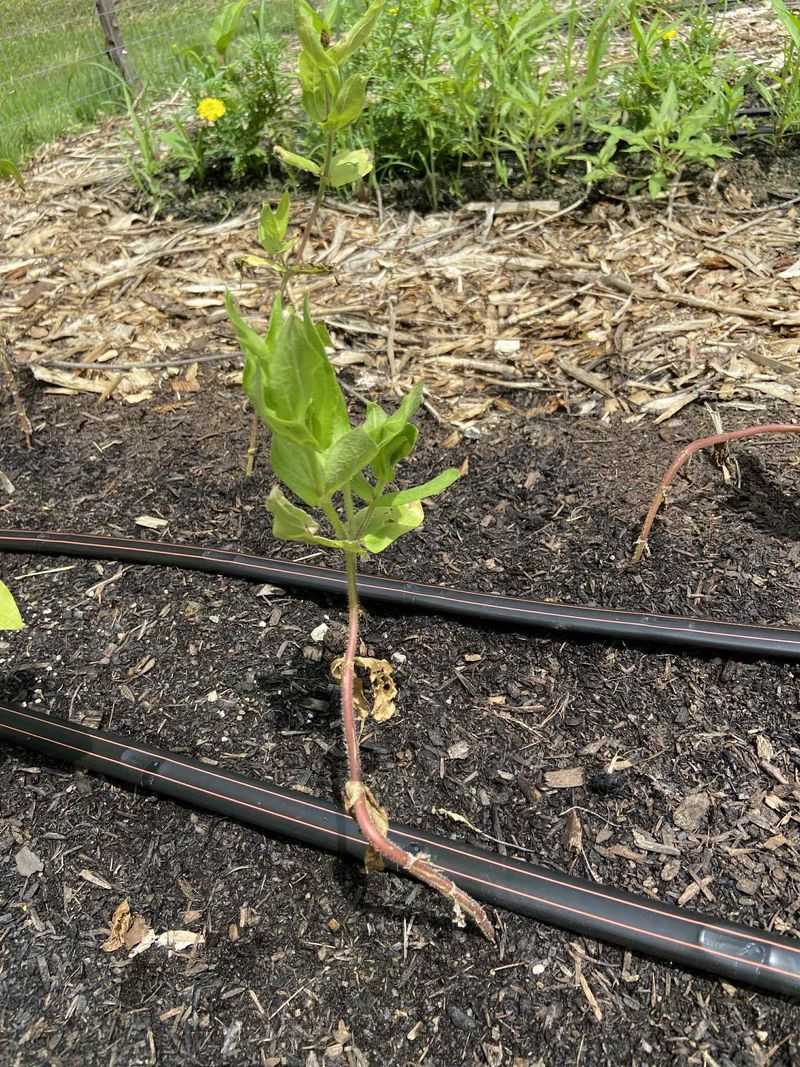
Has your plant stopped growing even though everything seems fine? Maybe it is the right season, you provide enough light, and you feed it regularly, but it just sits there without producing new leaves or stems.
This puzzling lack of growth often points to root problems hiding below the surface.
Roots are like the engine of a plant. They power everything by absorbing water and nutrients from the soil.
When root rot damages this system, the plant cannot gather the resources it needs to grow bigger and stronger.
Young plants and seedlings are especially vulnerable to this symptom. They should be growing quickly during their early stages, so any slowdown is particularly noticeable.
Established plants might simply stop putting out new growth during what should be their active growing season.
In Oregon gardens, you might blame our cloudy weather or cool temperatures for slow growth. But if other plants nearby are thriving while one struggles, root rot could be the hidden cause.
The plant is using all its energy just to survive instead of expanding.
Compare your plant to photos of healthy examples of the same species. Notice the difference in size and vigor.
If your plant looks smaller or weaker, check the roots.
Fixing stunted growth means addressing the root problem first. Improve soil drainage and adjust your watering schedule.
Once the roots recover, you should see new growth start to appear within a few weeks.
Soft Or Mushy Stems Near The Soil Line

Run your fingers along the base of your plant’s stem where it meets the soil. Does it feel firm and strong, or soft and squishy?
A mushy stem base is a serious warning that rot has spread upward from the roots into the main plant structure.
This symptom usually appears after root rot has been present for a while. The fungi that attack roots can travel up into stems, especially in very wet conditions.
The stem tissue breaks down and loses its structural strength.
You might see discoloration at the soil line too. The stem could look darker, almost black or deep brown in that area.
Sometimes the outer layer of the stem peels away easily, revealing damaged tissue underneath.
Oregon’s wet springs create ideal conditions for this type of damage in outdoor plants. Indoor plants kept too moist face the same risk.
The constant dampness allows fungi to spread beyond just the root zone.
Plants with soft stems are in serious trouble and need immediate attention. The damage might be too extensive to save the plant, but you can try.
Remove the plant from wet soil right away and cut away all mushy portions with sterile tools.
If any firm, healthy stem remains above the damaged area, you might be able to propagate a cutting. Root the healthy portion in fresh soil to start a new plant.
This can save the genetics even if the original plant cannot recover fully.
Leaves Dropping Off More Than Usual
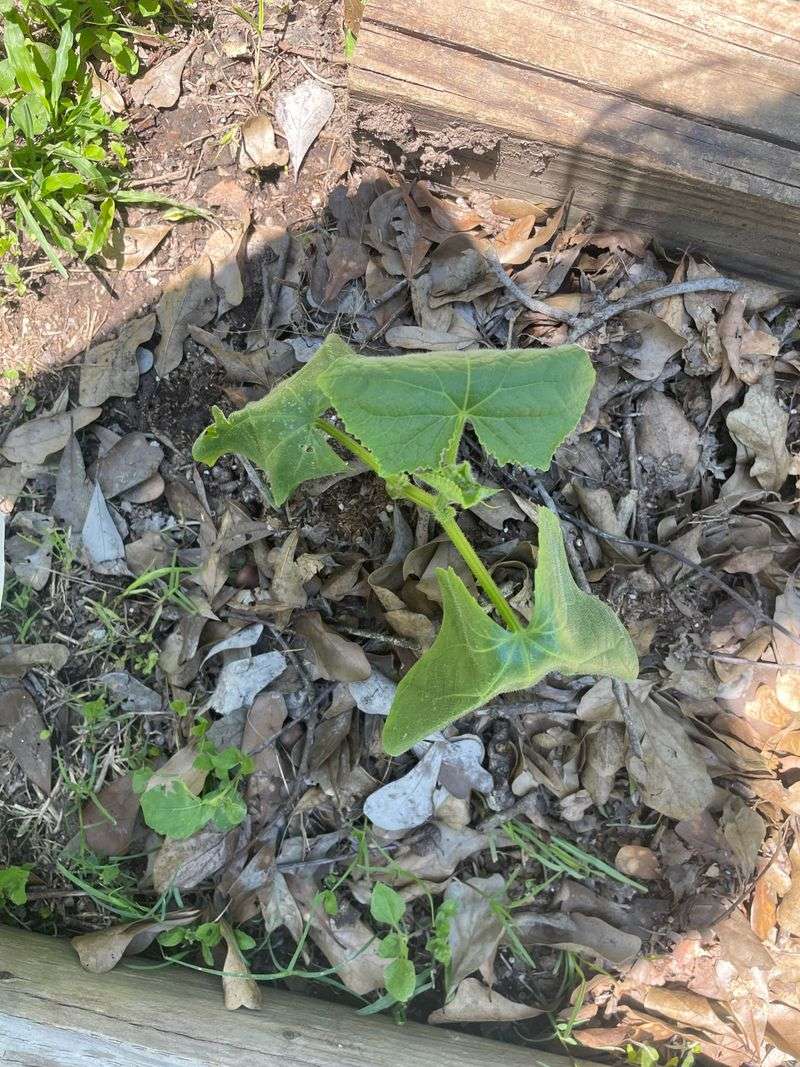
Every plant loses a few old leaves now and then as part of its natural cycle. But when leaves start falling off rapidly, especially younger ones, something is seriously wrong.
Root rot often causes plants to shed leaves as they struggle to survive with a damaged root system.
The plant cannot support all its foliage when roots fail to deliver enough water and nutrients. Dropping leaves is a survival strategy that reduces the plant’s needs.
By getting rid of leaves, the plant tries to balance what it can absorb with what it must maintain.
You might find leaves scattered around the base of your plant each morning. They might fall off while still green or turn yellow first before dropping.
Either way, excessive leaf loss is a cry for help.
Oregon gardeners sometimes see this happen to container plants left outside during heavy rain periods. The soil becomes waterlogged and stays that way for days.
Roots suffocate and rot, leading to rapid leaf drop.
Indoor plants can experience the same problem from overwatering. If you notice your plant shedding leaves, check the soil moisture immediately.
Stick your finger deep into the pot to feel how wet it really is down where the roots live.
Stop watering if the soil feels soggy. Allow it to dry out significantly before adding more moisture.
You might need to repot the plant in drier soil if the current mix is completely saturated and not draining properly.
Foul Smell Coming From The Soil

Your nose can be an excellent tool for detecting root rot. Healthy soil has a pleasant, earthy smell that reminds you of the forest floor.
But soil harboring rotting roots gives off a nasty odor that smells sour, rotten, or like decay.
This smell comes from the breakdown of plant tissue and the metabolic processes of harmful fungi and bacteria. As roots decompose, they release gases that create the unpleasant scent.
The smell gets stronger when you disturb the soil by watering or moving the pot.
Lean down and sniff near the base of your plant, especially right after watering. If you detect something that makes you wrinkle your nose, root rot is very likely present.
The odor might be subtle at first but grows more obvious as the problem worsens.
In Oregon’s outdoor gardens, you might notice this smell around plants that sit in low spots where water collects. Poor drainage creates stagnant conditions that encourage both rot and bad odors.
Container plants with no drainage holes develop the same issue.
Do not ignore a foul smell coming from your plant’s soil. This is your warning to investigate immediately.
Remove the plant and examine the roots for other signs of rot like mushiness or dark colors.
After confirming root rot, discard the old soil completely. Never reuse soil that smells bad because it is full of harmful organisms.
Wash the pot thoroughly with soap and water before adding fresh potting mix and replanting.
White Or Gray Mold On Soil Surface
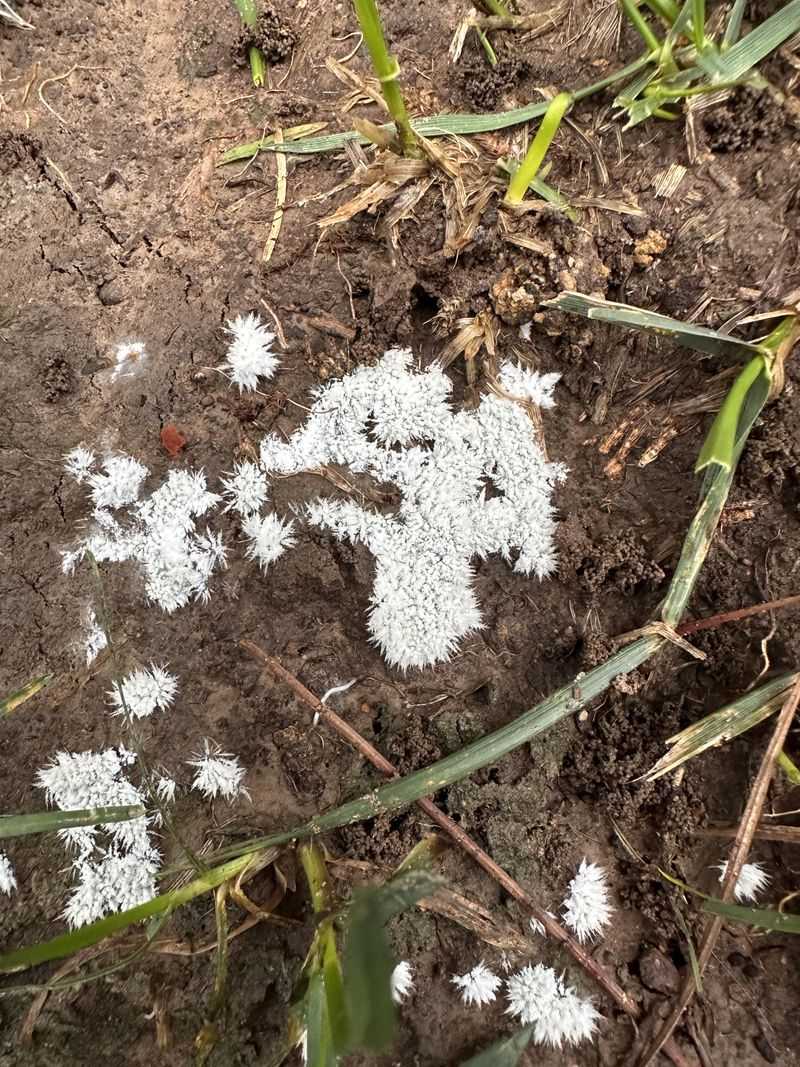
Glance at the top of your plant’s soil. Do you see fuzzy white or gray growth that looks like mold?
While surface mold is not always root rot itself, it signals that conditions are too wet and fungi are thriving. This often goes hand-in-hand with root problems below.
Mold grows when soil stays constantly moist without a chance to dry out between waterings. The same damp conditions that allow surface mold to flourish also encourage root rot fungi to attack below the soil line.
These issues typically happen together.
The mold might look like cotton or cobwebs spread across the soil. Sometimes it appears as powdery patches.
Either way, it shows that air circulation is poor and moisture levels are too high for healthy plant growth.
Oregon’s humid climate makes this problem common, especially indoors where air movement is limited. Overwatering combined with our naturally moist air creates a perfect environment for mold.
Outdoor plants in shady areas with poor drainage face similar challenges.
You can scrape off surface mold, but this only treats the symptom, not the cause. The real solution is to improve conditions for the plant.
Let the soil dry out more between waterings and increase air circulation around the pot.
Consider moving the plant to a brighter spot where soil will dry faster. Make sure your pot has adequate drainage holes.
You might also reduce the amount of water you give each time or water less frequently overall.
Soil That Stays Wet For Days After Watering
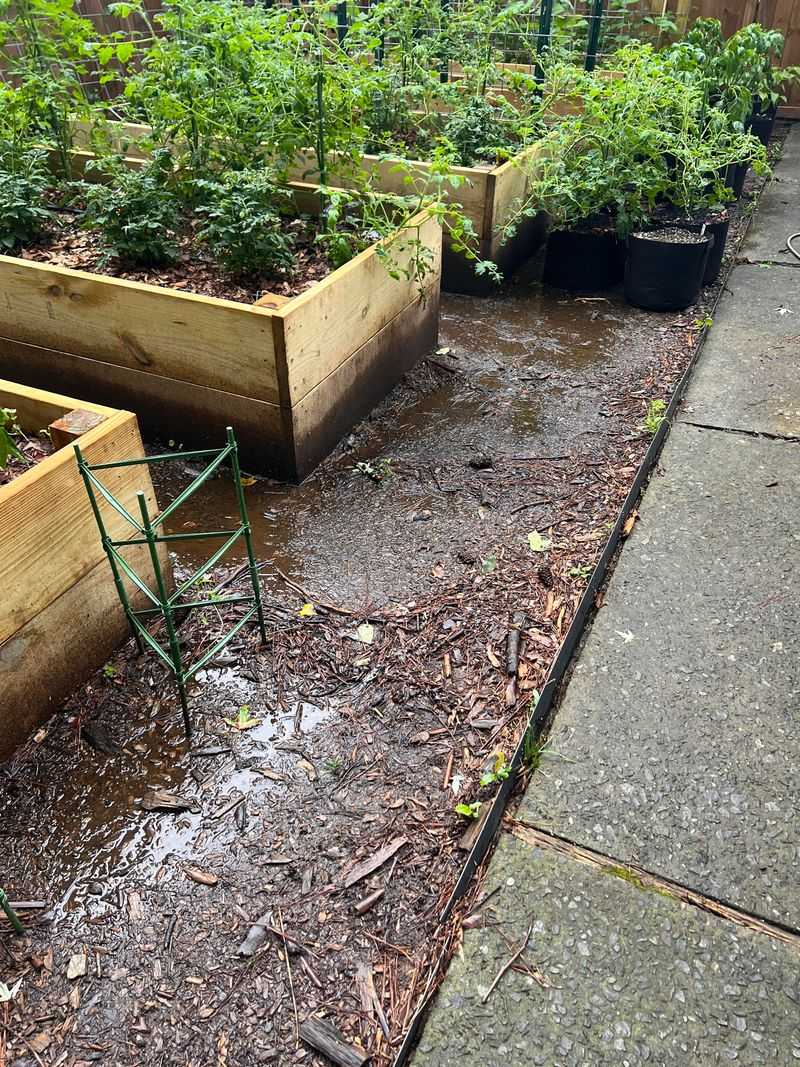
Good soil should dry out somewhat between waterings, usually within a few days depending on the plant type. But if your soil stays soggy for a week or more after you water, drainage is poor and root rot risk is extremely high.
Soil texture matters a lot for drainage. Heavy clay soils or old potting mix that has broken down into fine particles cannot drain properly.
Water fills all the spaces between soil particles and pushes out the air that roots need to breathe.
Test your soil by sticking your finger deep into the pot several days after watering. If it still feels wet and muddy down there, you have a drainage problem.
The bottom of the pot might be even wetter than the surface, creating a swamp where roots sit.
Oregon’s frequent rain can keep outdoor garden soil saturated for long periods, especially in areas with heavy clay. Container plants suffer from poor drainage when pots lack holes or when saucers trap water underneath.
Both situations lead to roots sitting in moisture for too long.
Fix drainage problems before they cause root rot. For containers, make sure pots have multiple drainage holes and never let plants sit in standing water.
Empty saucers after watering so excess moisture can escape.
Improve garden soil by mixing in compost, perlite, or sand to help it drain faster. Raised beds work great in Oregon because they lift plants above soggy ground.
For potted plants, repot using fresh, well-draining potting mix designed for containers.