The Water Method That Makes Spider Plant Propagation Easy In Arizona
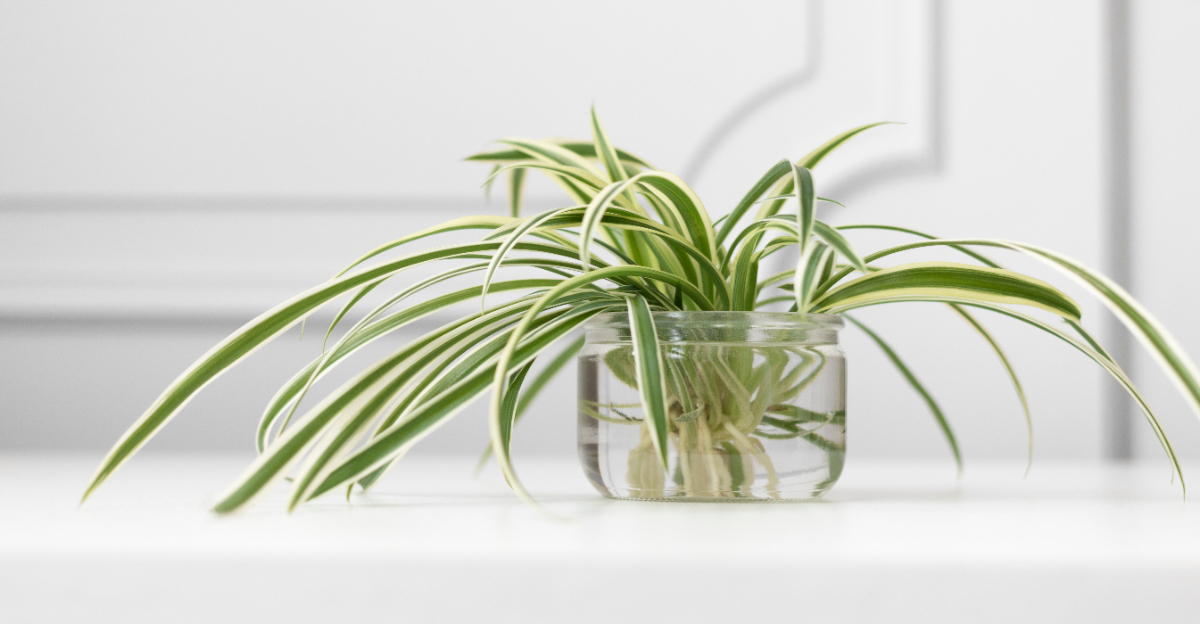
Ever try to propagate a spider plant and wonder why it feels harder than it should? In Arizona homes, dry air and fast moisture loss can turn a simple task into a guessing game.
Water changes everything here. The right setup helps spider plant babies form roots faster and stay firm instead of drying out or stalling.
Arizona conditions move quickly, so early root support matters more than fancy tools or constant checking. Gardeners often see results sooner once the process feels steady and controlled.
This water method keeps propagation simple and predictable. It gives new plants a strong start and makes the transition to soil easier later on.
Once roots take hold, one healthy spider plant can turn into several confident starts ready for pots, shelves, or sharing.
1. Warm Indoor Temperatures Speed Spider Plant Rooting
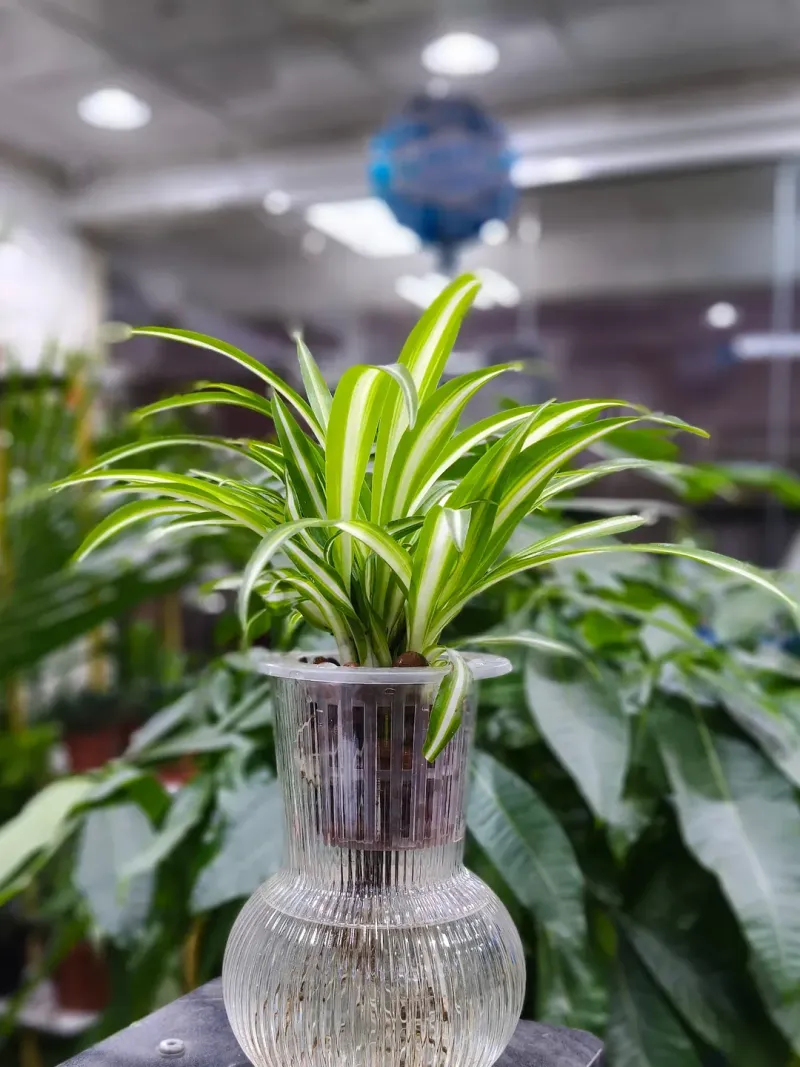
Arizona homes naturally maintain the perfect temperature range for spider plant propagation throughout most of the year. Indoor temperatures between 65 and 75 degrees Fahrenheit create optimal conditions for root development in water.
Your spider plant cuttings will respond to this warmth by pushing out new roots much faster than they would in cooler climates.
Most Arizona residents run their air conditioning during hot months, which keeps indoor spaces comfortably warm rather than scorching. This consistent temperature prevents the shock that can occur when cuttings experience wild temperature swings.
Even during winter months, Arizona homes rarely drop below the minimum temperature spider plants prefer for active growth.
Place your propagation containers near a window where they’ll benefit from both natural light and stable warmth. Avoid spots directly above air conditioning vents where cold air blasts might chill the water.
The steady warmth encourages cellular activity in the cutting, prompting it to prioritize root production over simply surviving.
You’ll notice tiny white root bumps appearing on your spider plant babies within just a few days when temperatures stay in the ideal range. These bumps quickly elongate into proper roots that branch and spread through the water.
In cooler climates, this same process might take two or three times longer to achieve similar results.
Arizona’s natural warmth means you won’t need heating mats or other equipment that gardeners in northern states often require. Your home environment does the work for you, making spider plant propagation almost effortless.
This built-in advantage helps explain why houseplants thrive so well in Arizona residences despite the harsh outdoor conditions.
2. Bright Indirect Light Helps Spider Plant Cuttings Start Faster
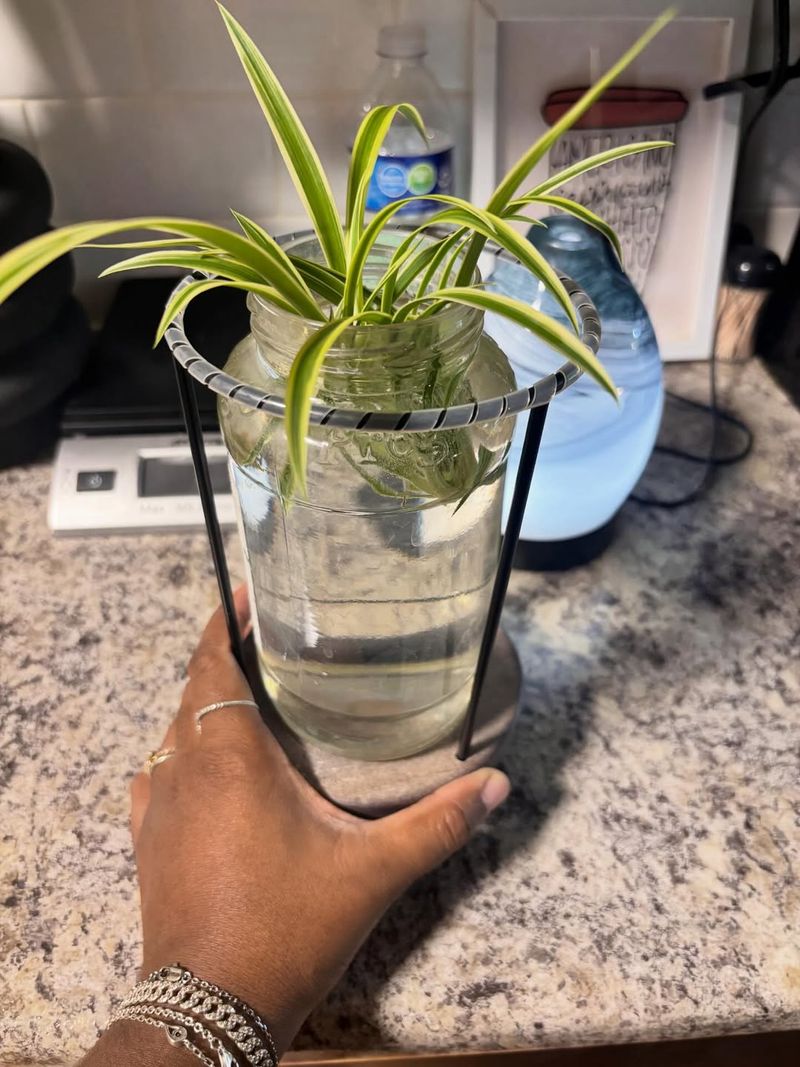
Finding the right lighting spot for your water propagation setup can make or break your success rate in Arizona. Spider plant cuttings need plenty of light to fuel the energy-intensive process of growing new roots.
However, the intense Arizona sun that beats down on south and west-facing windows can actually harm delicate cuttings if they receive direct exposure.
Position your propagation jars about three to five feet away from a bright window, or use sheer curtains to filter the harsh rays.
East-facing windows work beautifully in Arizona homes because they provide gentle morning light without the scorching afternoon intensity.
North-facing windows can work too, though root development may proceed slightly slower due to lower light levels.
The strong desert sun that makes Arizona famous for its sunshine becomes an asset when properly managed for indoor plants.
Your cuttings will photosynthesize actively in bright indirect light, producing the sugars and energy compounds they need to generate roots.
Without adequate light, cuttings may survive but will take much longer to develop the root systems needed for transplanting.
Watch for signs that your lighting isn’t quite right for optimal propagation success. If the leaves on your cuttings start turning pale or yellowish, they’re likely getting too much direct sun.
Conversely, if new growth looks spindly or stretched out, the cuttings need more light to thrive.
Arizona’s abundant sunshine means you’ll rarely struggle to find a bright enough spot in your home. This advantage eliminates the need for grow lights that gardeners in cloudier regions often depend on.
Simply observe how the light moves through your space throughout the day and choose a location that stays bright but never receives direct sun beams on the propagation containers.
3. Shallow Water Levels Prevent Rot In Spider Plant Offshoots
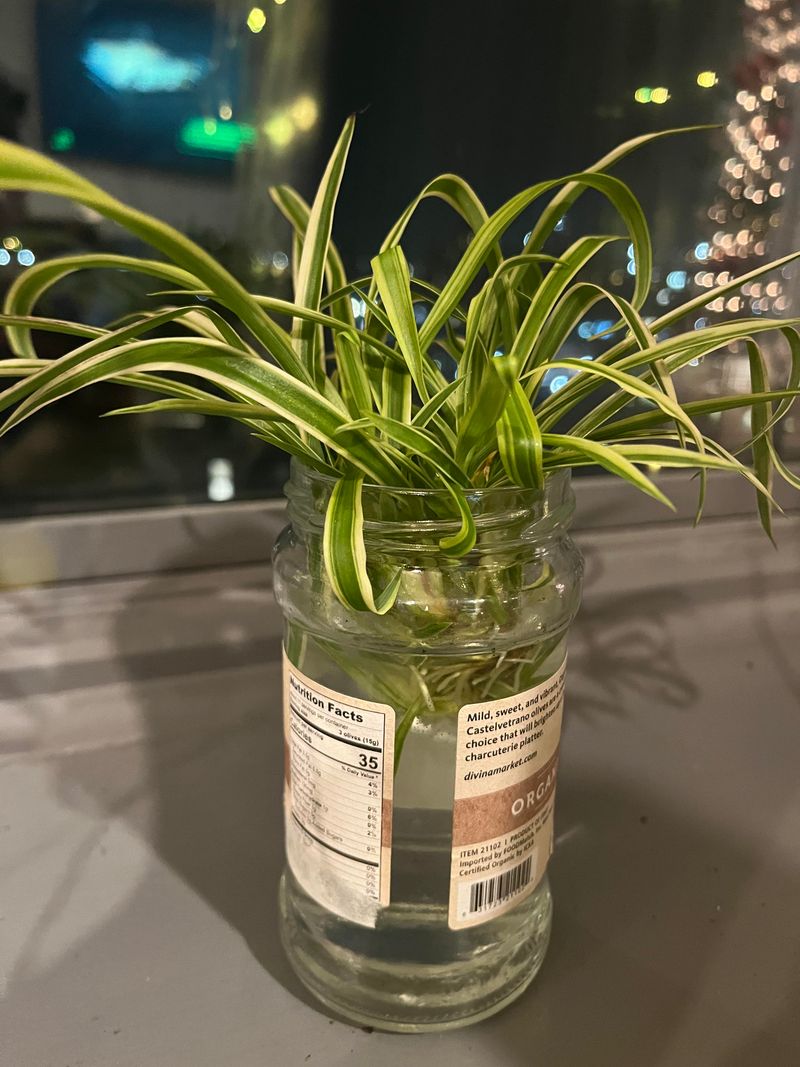
Many beginning propagators make the mistake of submerging their spider plant cuttings too deeply in water. Only the lowest node or two should sit below the water surface, with most of the plantlet remaining above.
This shallow approach prevents the stem from becoming waterlogged and developing soft rot that can ruin your propagation efforts.
Arizona’s low humidity actually helps with this technique because the exposed portions of the cutting won’t dry out as quickly as you might expect. The stem tissue above the water line needs access to oxygen for healthy cellular function.
When too much of the cutting sits underwater, anaerobic conditions can develop, creating an environment where beneficial root growth gives way to destructive bacterial activity.
Fill your propagation container so that approximately one inch of water covers just the base of the cutting. You’ll see the nodes, those little bumps on the stem where roots emerge, and only the bottom one or two should be submerged.
The leaves should never touch the water surface, as this contact point often becomes a starting place for decay.
Check your water levels every few days, especially during Arizona’s hot summer months when evaporation happens quickly. As the water level drops, you might be tempted to fill the container back to the original height.
Instead, maintain that shallow level by adding small amounts of water regularly.
This approach works particularly well in Arizona because our dry air naturally helps prevent fungal and bacterial problems that plague propagators in humid climates.
The combination of shallow water and low humidity creates nearly perfect conditions for spider plant root development.
Your cuttings get the moisture they need at the base while the rest of the plant stays dry and healthy.
4. Dry Desert Air Makes Water Propagation More Reliable
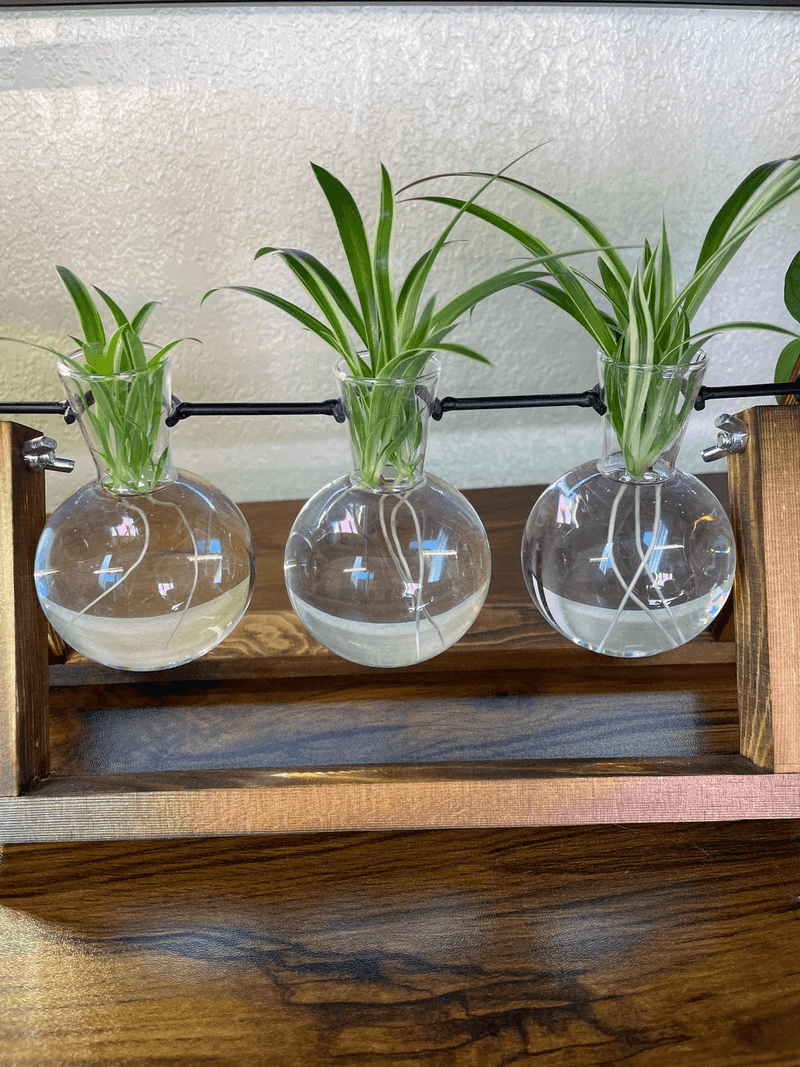
Gardeners in humid regions often struggle with fungal problems and bacterial rot during water propagation, but Arizona residents enjoy a distinct advantage.
Our famously dry desert air creates an environment where these moisture-loving problems rarely develop.
The low humidity levels that make us reach for lotion also help keep spider plant cuttings healthy during the rooting process.
When you place a cutting in water in a humid climate, the moist air surrounding the plant can encourage fungal spores to germinate on leaf surfaces and stems.
Arizona’s typical indoor humidity levels of 20 to 40 percent make it much harder for these organisms to establish themselves.
Your cuttings can focus their energy on root production rather than fighting off infections.
This dry air advantage extends to the water itself, which tends to stay cleaner longer in Arizona homes. In humid environments, condensation can form on container surfaces and create additional moisture where bacteria might multiply.
Our dry conditions prevent this excess moisture buildup, keeping the propagation setup cleaner with less intervention required from you.
Phoenix, Tucson, and other Arizona communities share this beneficial characteristic regardless of elevation or specific location within the state.
Even during our brief monsoon season when humidity levels temporarily rise, indoor conditions typically remain drier than what gardeners in coastal or southeastern states experience year-round.
This consistency makes water propagation predictable and reliable.
You might worry that extremely dry air could harm your cuttings by causing excessive moisture loss through the leaves. Spider plants have naturally adapted to tolerate lower humidity levels, making them perfect candidates for Arizona propagation.
Their thick, fleshy leaves store moisture effectively, so they won’t wilt or suffer stress from the dry air while developing roots in water.
5. Fresh Water Changes Support Strong Spider Plant Roots
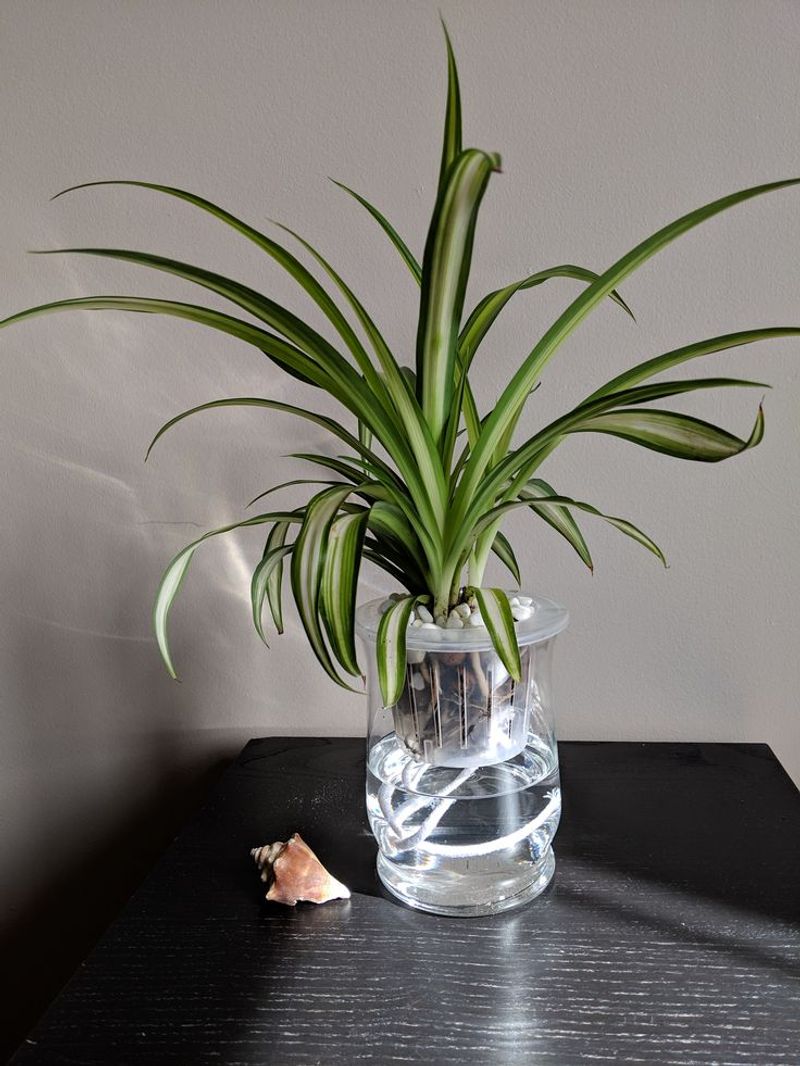
Changing the water in your propagation containers might seem like an unnecessary chore, but this simple maintenance step dramatically improves your success rate. Fresh water contains dissolved oxygen that roots need for healthy growth and development.
As days pass, oxygen levels in standing water decrease while waste products from the cutting accumulate, creating less ideal conditions for root formation.
Arizona’s warm indoor temperatures cause water to lose oxygen more quickly than it would in cooler climates. Every three to four days, pour out the old water and replace it with fresh room-temperature water.
This regular refreshing keeps oxygen levels high and removes any bacteria or algae that might have started growing in the container.
Use room-temperature water rather than cold tap water straight from the faucet during Arizona’s cooler months. Spider plant cuttings can experience shock from sudden temperature changes, which may slow root development or damage tender new roots.
Let tap water sit in a container for a few hours before using it for water changes, allowing it to reach room temperature and letting chlorine evaporate.
During water changes, take a moment to inspect your cuttings for any signs of problems. Healthy roots should appear white or cream-colored and firm to the touch.
If you notice any slimy texture, dark discoloration, or unpleasant odors, trim away the affected portions and start with completely fresh water in a clean container.
Arizona’s hard water can leave mineral deposits on your propagation containers over time. Rinse containers thoroughly during each water change to prevent buildup that might harbor bacteria.
Some Tucson and Phoenix area residents prefer using filtered water for propagation to avoid the mineral content in local tap water, though spider plants generally tolerate our water quality without issues.
6. Root Length Signals When Spider Plants Are Ready For Soil
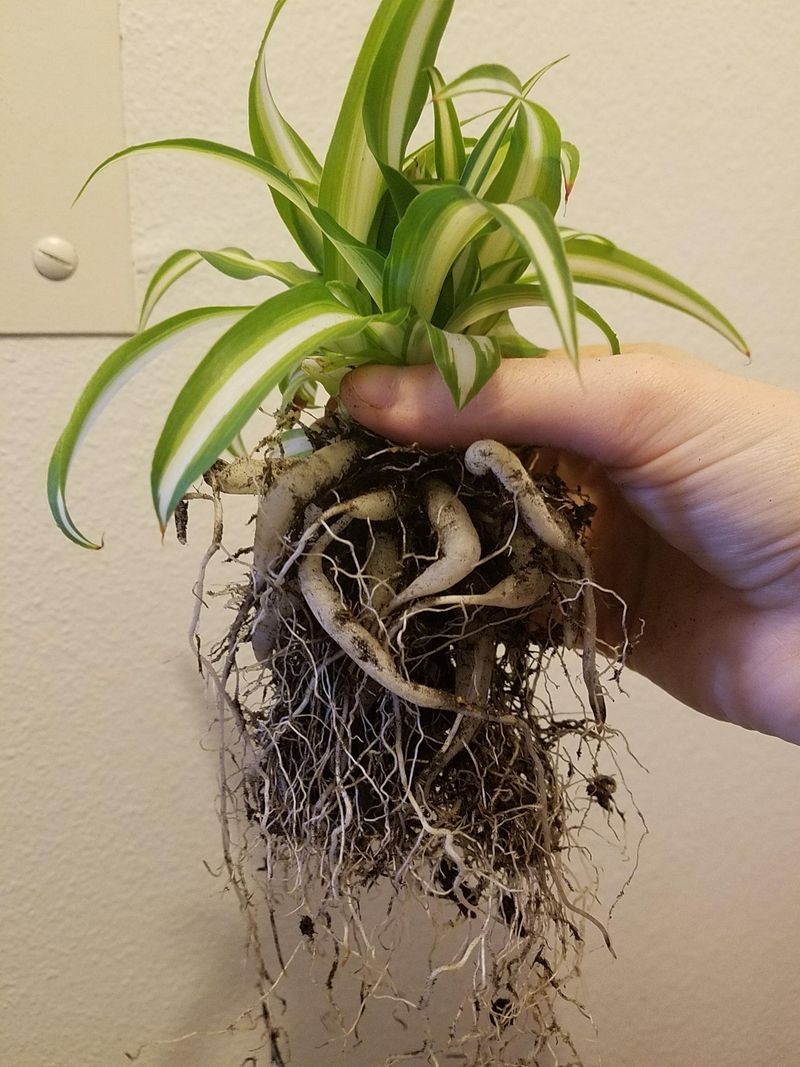
Patience pays off when propagating spider plants in water, but knowing when to make the transition to soil can be tricky. Roots need to reach a certain length before they’re ready to support the plant in a soil environment.
Transfer too early and your cutting may struggle to establish itself, while waiting too long can result in roots that have difficulty adapting to soil conditions.
Watch for roots to reach approximately two to three inches in length before considering the transition to potting mix. At this stage, the root system has developed enough secondary branching to absorb water and nutrients effectively from soil.
The roots should appear healthy and white, with multiple strands growing from several points on the cutting’s base.
Arizona’s warm conditions typically produce roots of this length within two to three weeks of starting the propagation process. Your timeline may vary slightly depending on the specific location of your propagation setup and the season.
Summer propagation often proceeds faster than winter efforts, even indoors, due to the influence of temperature and light levels.
Resist the urge to let roots grow excessively long before transplanting, even though it’s tempting to leave them in water where you can easily monitor their progress.
Roots longer than four inches have fully adapted to aquatic conditions and may experience more stress when moved to soil.
These water roots sometimes struggle to transition to extracting moisture from soil particles rather than being constantly submerged.
Count the number of roots rather than just measuring their length for the best success indicator. A cutting with five or more roots at the two to three-inch length has better transplant success than one with just two or three longer roots.
This fuller root system will establish more quickly in soil and support faster growth once potted.
7. Gentle Transition Prevents Shock After Water Propagation
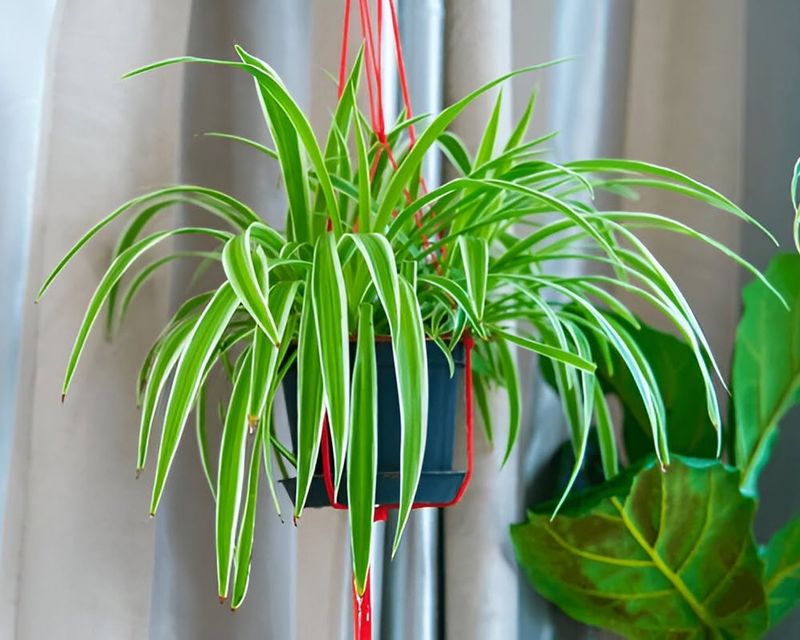
Moving your newly rooted spider plant from water to soil represents a critical moment in the propagation journey. Roots that developed in water have a different structure than soil-grown roots, with thinner cell walls and less protective coating.
A careful transition process helps these delicate roots adapt to their new growing medium without experiencing transplant shock that could set back growth.
Prepare a light, well-draining potting mix before removing your cutting from water. Spider plants prefer soil that holds some moisture but doesn’t stay soggy, which matters especially in Arizona where our instinct might be to overwater indoor plants.
Mix standard potting soil with perlite or coarse sand at a ratio of about two parts soil to one part drainage material.
Choose a small pot for your newly transplanted cutting, no larger than four inches in diameter. Arizona gardeners sometimes use larger pots thinking they’ll need to water less frequently, but excess soil around small root systems stays too wet for too long.
A properly sized container allows the roots to quickly spread through the available soil, establishing the plant more successfully.
Create a hole in the center of your prepared pot and gently lower the rooted cutting into place. Handle those water-grown roots with extreme care, as they break more easily than roots grown in soil from the start.
Firm the soil lightly around the base of the plant, ensuring good contact between roots and soil without compacting the mix too densely.
Water your newly potted spider plant thoroughly immediately after transplanting, then place it in the same bright indirect light location where it rooted. Arizona’s dry air means you’ll need to check soil moisture every few days initially.
The plant needs consistent moisture during its first two weeks in soil as roots adapt to extracting water from the growing medium rather than being constantly submerged.