The Water-Smart Mulching Method Trending Around Tennessee Gardens

Tennessee gardeners are discovering a game-changing technique that saves water, protects plants, and dramatically reduces yard work all at once.
The water-smart mulching method has quickly taken root across the state, turning once-thirsty landscapes into healthier, low-maintenance gardens that can handle Tennessee’s increasingly hot, dry summers.
As temperatures rise earlier each year and water bills continue to climb, more homeowners are turning to this simple yet powerful strategy to keep their gardens thriving without the need for constant irrigation.
Mulch acts like a protective blanket for the soil, locking in moisture, regulating temperature, and preventing weeds from competing with garden plants.
From small urban backyards in Nashville to sprawling rural flower beds in the Smoky Mountain region, mulching is proving to be one of the smartest and most cost-effective ways to adapt to Tennessee’s changing climate conditions.
Gardeners across the state are realizing that a few inches of well-placed mulch can make the difference between a struggling landscape and one that flourishes all season long.
Why Mulch Has Become The Go-To Water-Saving Trick For Tennessee Gardeners This Season
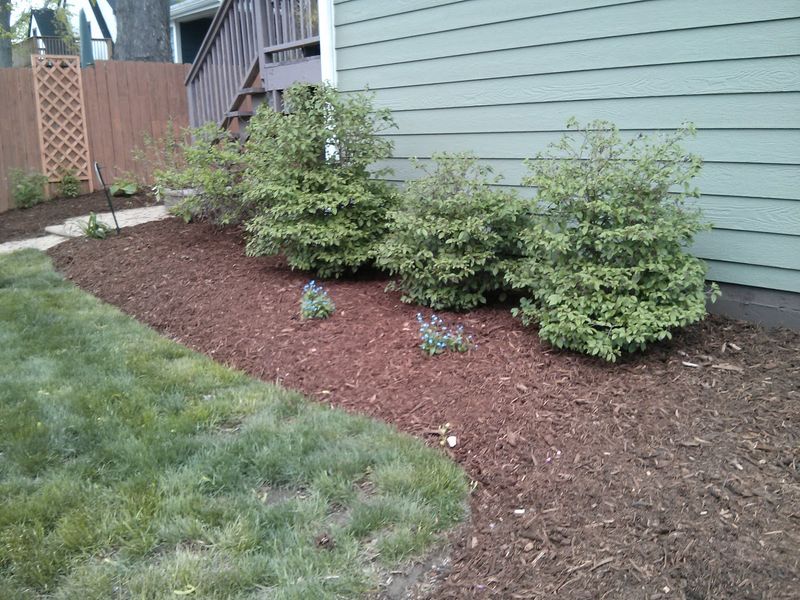
Water bills have been climbing steadily across Tennessee, pushing gardeners to find smarter ways to keep their plants happy without draining their wallets.
Mulching creates a protective blanket over soil that locks in moisture and reduces evaporation by up to seventy percent during peak summer months.
This means less time dragging hoses around the yard and more time enjoying your outdoor space.
Tennessee’s unpredictable weather patterns—scorching sun one week, sudden storms the next—make consistent watering a real challenge for busy homeowners.
A good layer of mulch acts like a buffer, helping soil maintain steady moisture levels even when rain is scarce.
Roots stay hydrated longer, and plants develop stronger systems that can weather dry spells more effectively.
Gardeners across Nashville, Memphis, and Knoxville are sharing their success stories online, posting before-and-after photos of revived flower beds and vegetable patches.
The trend has caught on because it delivers visible results without requiring fancy equipment or expert knowledge.
Anyone can spread mulch, and the benefits show up within weeks as plants perk up and water usage drops noticeably on monthly utility statements.
How The Right Mulch Can Slash Garden Water Needs And Lower Summer Irrigation In Tennessee Yards
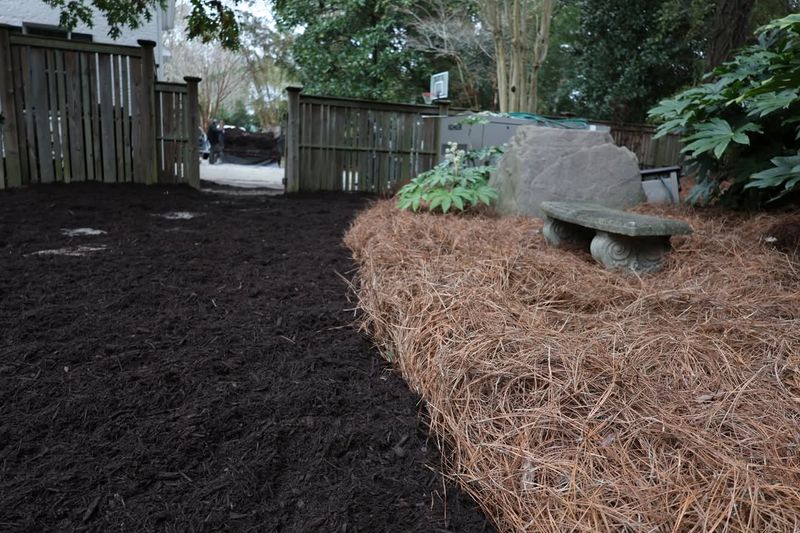
Choosing the right mulch material can cut your watering routine in half, giving you back precious weekend hours while keeping your garden lush and green.
Organic mulches like shredded bark and wood chips absorb moisture from rain and irrigation, then slowly release it back into the soil as temperatures rise.
This natural cycle means plants receive a steady water supply even on days when you forget to turn on the sprinkler.
Tennessee summers can be brutal, with temperatures soaring into the nineties and relentless sunshine baking exposed soil.
Without mulch, moisture evaporates quickly, forcing roots to work overtime searching for water and leaving plants stressed and wilted by afternoon.
A three-inch layer of quality mulch creates a cooling barrier that keeps soil moist and comfortable, reducing irrigation needs by thirty to fifty percent in typical residential gardens.
Homeowners who track their water usage report dramatic savings after implementing proper mulching techniques throughout their landscaping.
Some families have seen their summer irrigation costs drop by forty dollars or more per month, money that adds up to real savings over the growing season.
The investment in mulch pays for itself quickly through reduced water bills and healthier plants that require fewer replacements.
Step-by-Step Guide To Mulching Your Beds For Maximum Moisture Retention And Minimum Upkeep
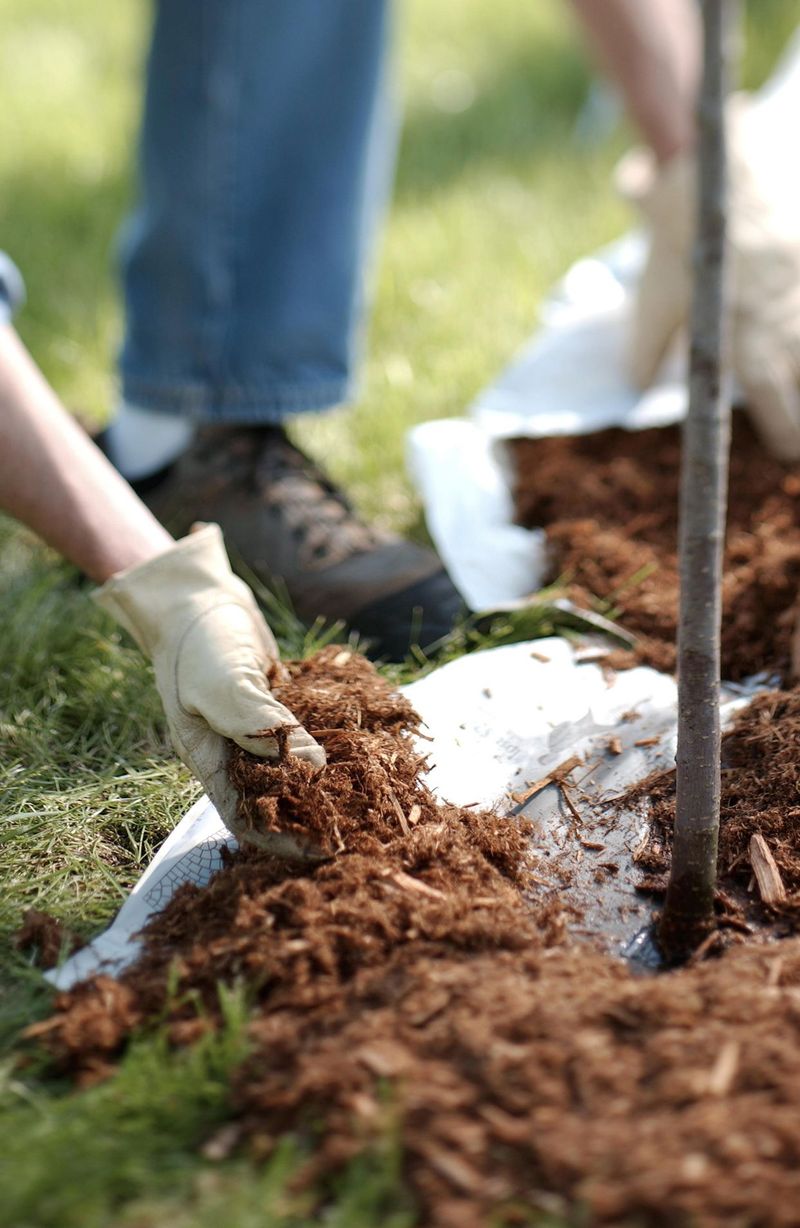
Start by clearing away any existing weeds and debris from your garden beds, creating a clean slate for your mulch layer to work its magic.
Water the area thoroughly before applying mulch, ensuring the soil is moist but not soggy—this gives your plants a head start on hydration.
Pull mulch back a few inches from plant stems and tree trunks to prevent rot and allow proper air circulation around the base.
Spread your chosen mulch material evenly across the bed, aiming for a depth of two to four inches depending on the mulch type.
Wood chips and shredded bark work best at three to four inches, while finer materials like compost should stay closer to two inches to avoid compacting.
Use a rake to distribute mulch smoothly, creating a uniform layer that looks neat and functions efficiently.
Check the edges of your mulched areas every few weeks, adding fresh material where it has broken down or scattered.
Organic mulches decompose over time, enriching your soil with nutrients while doing their moisture-retention job.
Plan to refresh your mulch layer once or twice a year—early spring and mid-fall are ideal times for Tennessee gardens.
Avoid piling mulch too high or creating volcano-shaped mounds around plants, as this traps excess moisture and can cause problems rather than solve them.
Best Mulch Types For Tennessee Gardens: From Wood Chips To Compost to Gravel
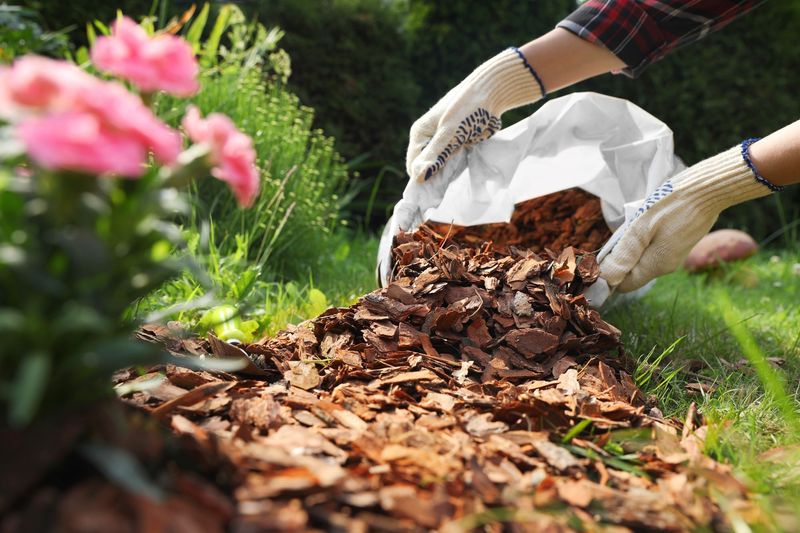
Wood chips and shredded bark reign supreme for traditional flower beds and around shrubs, breaking down slowly while feeding soil and suppressing weeds beautifully.
These materials work perfectly in Tennessee’s climate, lasting anywhere from one to three years before needing replacement.
Hardwood mulches tend to hold their color longer than pine varieties, maintaining that fresh-from-the-garden-center look through multiple seasons.
Compost serves double duty as both mulch and fertilizer, making it ideal for vegetable gardens and annual flower beds where plants need extra nutrients.
This rich, dark material breaks down quickly—usually within a single growing season—so plan to reapply more frequently than with wood products.
The rapid decomposition feeds hungry tomatoes, peppers, and squash while keeping roots cool and moist during Tennessee’s sweltering summer stretch.
Gravel and stone mulches shine in areas where you want permanent, low-maintenance coverage, such as around foundations or in drought-tolerant rock gardens.
These inorganic options never break down, eliminating the need for annual replacement, though they do not improve soil quality like organic choices.
Use gravel for pathways and succulent beds, but stick with organic mulches for most Tennessee garden applications where soil health matters long-term.
How Mulching Helps Keep Soil Temperature Stable Under Hot Tennessee Sun And Protects Roots
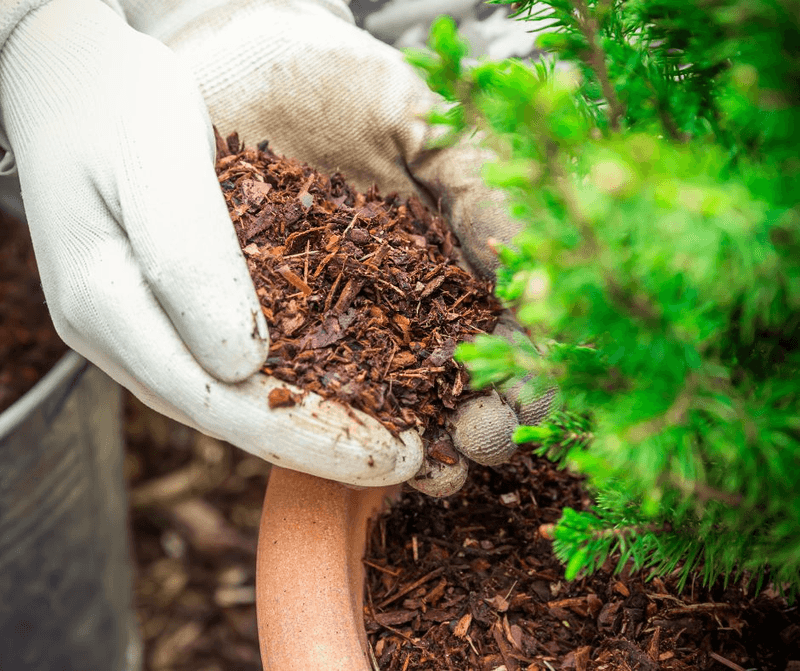
Bare soil acts like a frying pan under Tennessee’s intense summer sun, with surface temperatures climbing twenty degrees higher than air temperature on scorching afternoons.
Plant roots suffer in this extreme heat, struggling to function properly and often going dormant just when they should be supporting active growth.
Mulch creates an insulating layer that keeps soil temperatures moderate and steady, protecting delicate root systems from temperature swings.
During cool spring mornings and chilly fall evenings, mulch works in reverse, trapping warmth in the soil and extending the growing season at both ends.
This temperature buffering helps roots stay active longer, allowing plants to establish better before winter or continue producing vegetables well into autumn.
Tennessee gardeners report harvesting tomatoes and peppers weeks later than their unmulched neighbors, thanks to this protective effect.
Research shows that mulched soil maintains temperatures five to ten degrees cooler than exposed ground during peak summer heat.
This difference might not sound like much, but it makes a huge impact on root health and overall plant vigor.
Cooler roots mean happier plants that grow stronger, resist stress better, and require less water to stay productive throughout the challenging summer months when Tennessee gardens face their toughest test.
Mulch As A Weed Blocker: How Suppressing Weeds Helps Plants Get More Water And Fewer Problems
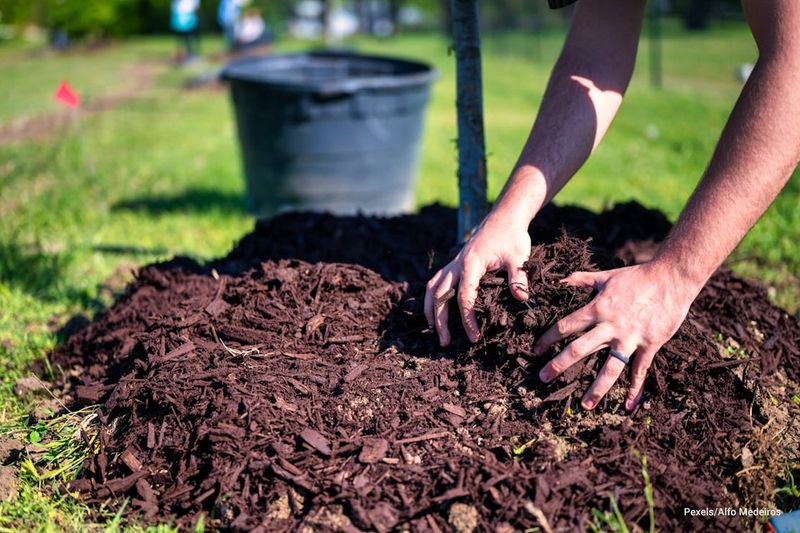
Weeds are water thieves, sucking up moisture meant for your carefully planted flowers and vegetables before your desired plants can access it.
A single aggressive weed can consume several gallons of water per week, multiplied across a garden bed, that adds up to serious competition for limited resources.
Mulch blocks sunlight from reaching weed seeds, preventing germination and giving your intentional plants an uncontested claim to available water and nutrients.
Hand-pulling weeds wastes precious gardening time and often disturbs the roots of nearby plants you actually want to keep.
Chemical weed controls raise environmental concerns and can harm beneficial insects and soil organisms that keep gardens healthy.
Thick mulch offers a natural, effective alternative that works around the clock without any extra effort once it is in place.
When weeds do occasionally poke through mulch, they pull out easily since their roots cannot establish strong holds in the loose material.
This means less bending, less frustration, and more time enjoying your garden instead of battling unwanted plants.
Tennessee gardeners who mulch properly report spending seventy percent less time on weed control, freeing up weekends for relaxing rather than endless pulling and spraying sessions that never seem to end.
Transforming Thirsty Lawns Into Low-Maintenance, Water-Wise Landscapes With Smart Mulching
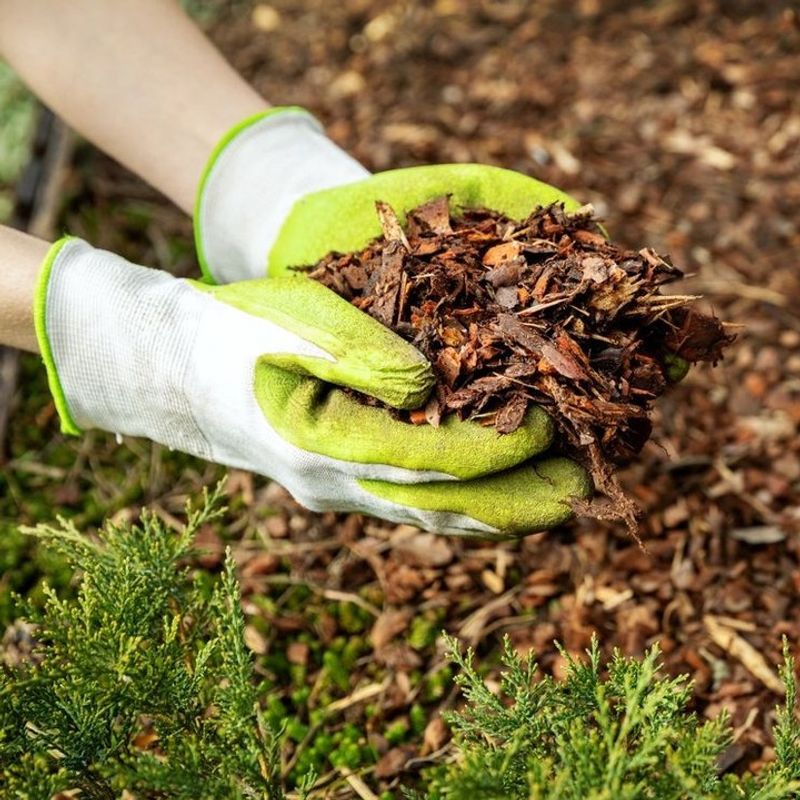
Traditional grass lawns guzzle water like there is no tomorrow, requiring up to an inch of water per week to stay green during Tennessee summers.
Many homeowners are rethinking their landscape design, replacing high-maintenance turf with mulched garden beds filled with attractive, drought-tolerant plants.
This shift reduces water consumption dramatically while creating more interesting, diverse outdoor spaces that require a fraction of the upkeep.
Converting even a portion of your lawn to mulched beds makes a measurable difference in water usage and maintenance time.
Start by removing grass from areas that are difficult to mow, such as slopes, narrow strips, or spots with poor drainage.
Layer cardboard or newspaper over the cleared area, then top with four inches of mulch to create an instant planting bed that suppresses any remaining grass.
Add native Tennessee plants like coneflowers, black-eyed Susans, and ornamental grasses that thrive with minimal watering once established.
The mulch keeps their roots happy while you enjoy a colorful, dynamic landscape that changes with the seasons.
Neighbors will ask about your beautiful yard, never guessing that it requires less than half the water and maintenance of a traditional lawn while providing better habitat for butterflies, bees, and songbirds.
Seasonal Mulching Checklist For Tennessee: When To Apply, How Thick, And What To Avoid
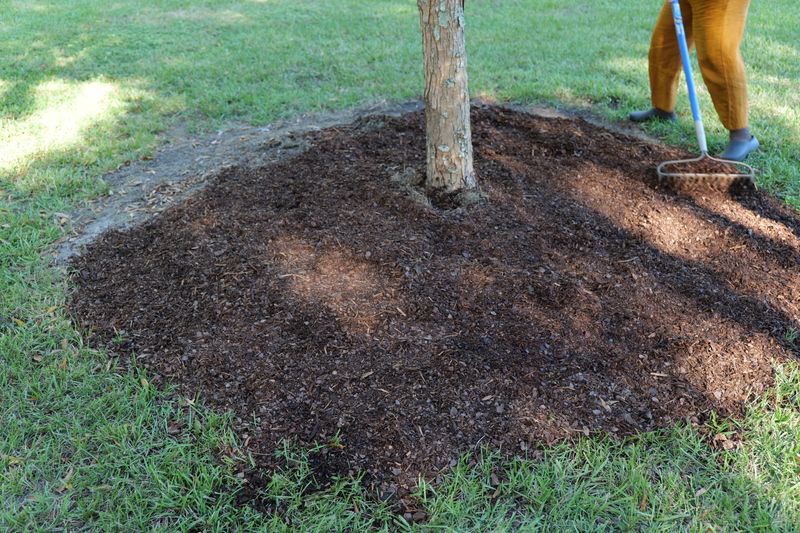
Spring arrives as the perfect time for your main mulching effort, ideally after soil warms but before summer heat kicks in fully.
Late April through early May works well across most of Tennessee, giving plants a protective layer just as temperatures start climbing.
Apply fresh mulch two to four inches deep, pulling it back slightly from emerging perennials and avoiding direct contact with plant stems.
Fall presents your second opportunity to refresh mulch, particularly in vegetable gardens and annual beds that have depleted their spring application.
September and October are ideal months, as cooler weather makes the work more pleasant and gives mulch time to settle before winter.
Avoid mulching too late in fall, as thick layers applied after the ground freezes can actually insulate cold soil and delay spring warming.
Never apply mulch to frozen ground or when soil is extremely dry—water thoroughly first to ensure moisture gets trapped where plants can use it.
Skip mulching directly against building foundations in early spring, as the material can hold excess moisture and attract pests near your home.
Check mulch depth monthly during growing season, adding more as needed but never exceeding six inches total, which can suffocate roots and create drainage problems rather than solving them.
Combining Mulching With Native Plants For A Drought-Resilient, Low-Effort Garden Design
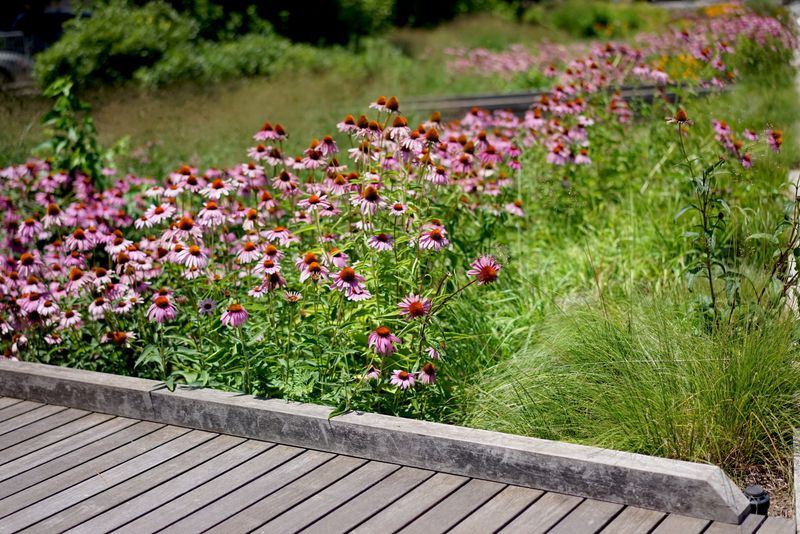
Native Tennessee plants evolved over thousands of years to handle local weather patterns, making them naturally suited to survive dry spells with minimal assistance.
Pairing these tough performers with proper mulching creates an unbeatable combination that looks beautiful while practically taking care of itself.
Plants like purple coneflower, butterfly weed, and Tennessee coneflower thrive in mulched beds, requiring watering only during extreme drought once their roots establish.
The synergy between native plants and mulch goes beyond water savings—these plants support local wildlife while the mulch enriches soil as it breaks down.
Native root systems often grow deeper than non-native ornamentals, accessing moisture reserves far below the surface that shallow-rooted plants never reach.
Mulch helps these roots establish quickly by maintaining consistent moisture during the critical first growing season after planting.
Designing with natives and mulch requires less fertilizer, fewer pesticides, and minimal intervention compared to traditional landscaping approaches.
Choose a variety of native species that bloom at different times, creating year-round interest while the mulch backdrop makes colors pop beautifully.
Your garden becomes a haven for hummingbirds, butterflies, and beneficial insects while demanding just occasional weeding and annual mulch refreshing—a true low-effort, high-reward approach to Tennessee gardening.
Common Mulching Mistakes To Avoid

Volcano mulching ranks as the most common and damaging mistake, where gardeners pile mulch high against tree trunks and plant stems like miniature mountains.
This practice traps moisture against bark, encouraging rot, disease, and pest problems that can seriously harm or even compromise plant health.
Always leave a three to six-inch gap between mulch and any woody stems, creating a donut shape rather than a cone.
Applying mulch too thickly seems helpful but actually suffocates roots by blocking oxygen exchange between soil and air.
More than four inches of mulch creates a barrier that prevents water from penetrating properly, defeating the entire purpose of moisture retention.
Stick to recommended depths—two to four inches for most materials—and resist the urge to pile it higher just because you have extra on hand.
Using fresh wood chips from recently cut trees can temporarily rob nitrogen from soil as the material begins decomposing.
Let fresh chips age for several months in a pile before spreading them, or add extra nitrogen fertilizer to compensate during the first season.
Avoid using mulch that smells sour or alcoholic, as this indicates anaerobic decomposition that can harm plants and soil organisms rather than helping them thrive long-term.