The Watering Habit North Carolina Gardeners Use For Fuller Christmas Cactus
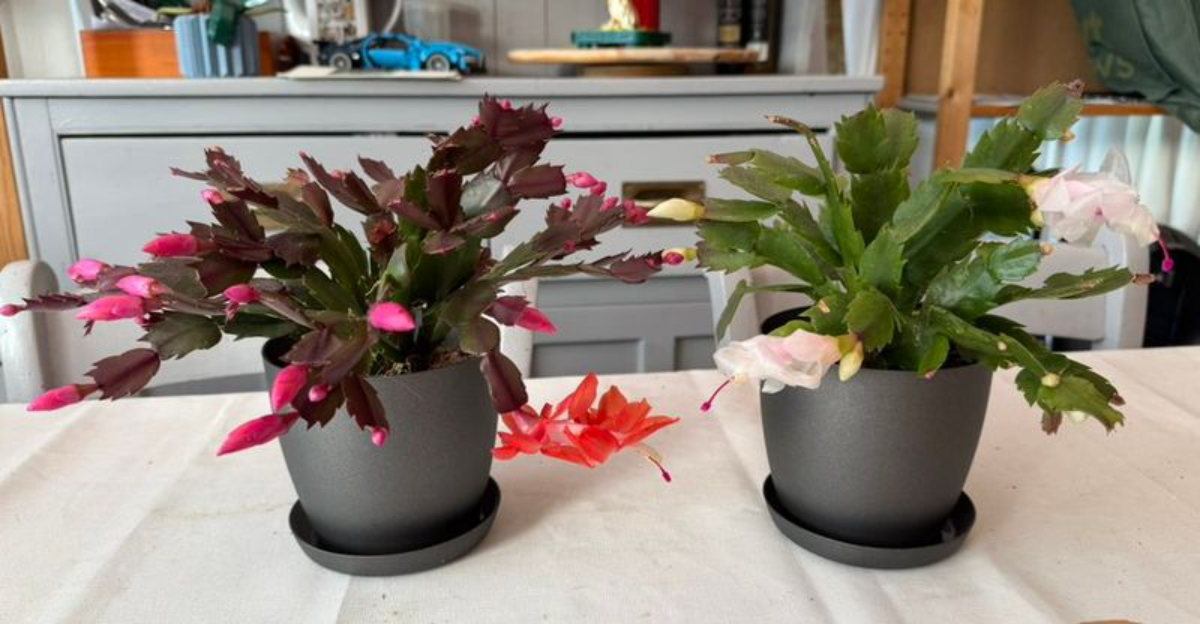
Christmas cactus plants often look fine on the surface, yet I’ve learned they quietly respond to watering patterns more than most people expect in North Carolina homes.
I’ve seen fuller growth and better bud formation come from one simple habit that fits our indoor conditions better than standard advice.
Once this routine clicks, the plant stops guessing and starts growing with a steadiness that’s hard to miss.
1. Water Only When The Top Inch Feels Completely Dry
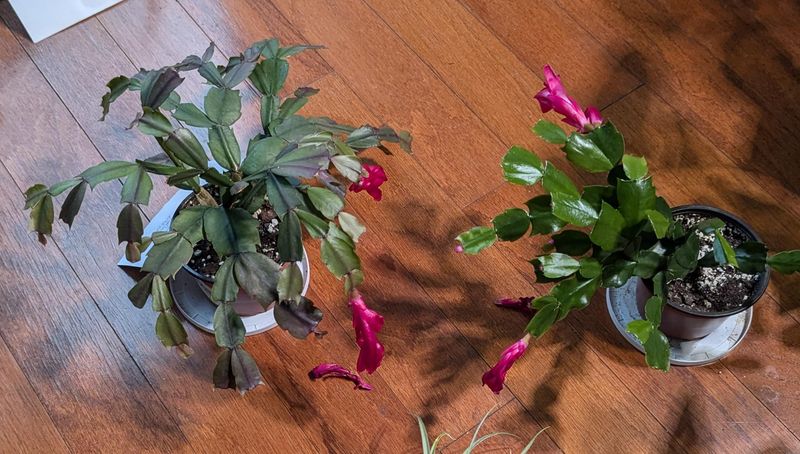
Feeling the soil before watering prevents most problems that Christmas cactus owners face when caring for their plants in homes throughout North Carolina today.
Your finger works better than any moisture meter because you can actually sense how damp or dry the growing medium truly feels right now.
Push your pointer finger down about one inch into the soil and wait a moment to really understand what the moisture level truly is.
Completely dry soil feels light and dusty while damp soil sticks slightly to your skin and feels cool when you touch it with bare hands.
North Carolina humidity levels change throughout the year so checking soil moisture by touch keeps your watering schedule flexible and responsive to actual plant needs.
Christmas cactus roots need air pockets in the soil to stay healthy so letting the top layer dry prevents root rot and encourages growth.
Watering too early keeps soil soggy which causes segments to wrinkle and roots to struggle even though the plant looks green on top portions.
Gardeners in Raleigh and Charlotte follow this simple finger test method before every single watering session to maintain perfectly healthy plants year after year.
This habit takes only five seconds but makes the difference between a thriving plant and one that barely survives through winter holiday seasons.
2. Use Room Temperature Water Instead Of Cold Tap Water
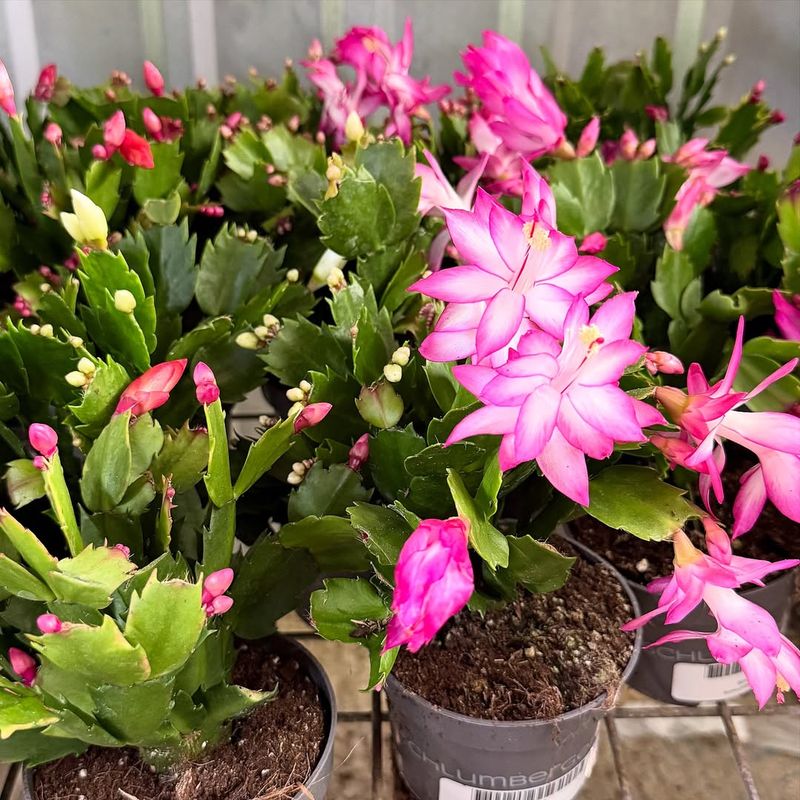
Temperature matters more than most people realize when watering tropical plants like Christmas cactus that originally grew in warm Brazilian forests long ago.
Cold water shocks the roots and slows down nutrient absorption which means your plant cannot use the moisture you just gave it effectively.
Fill your watering container several hours before you plan to water so the liquid reaches the same temperature as your home naturally over time.
Room temperature water feels neutral to your touch and will not surprise the delicate root system hiding beneath the soil surface in your pot.
North Carolina homes can get quite cold during winter months so water straight from the tap often feels icy and harsh on sensitive plant roots.
Letting water sit overnight also allows chlorine and other chemicals to evaporate which creates a cleaner drink for your Christmas cactus to absorb through roots.
Many experienced gardeners keep a dedicated watering pitcher on their kitchen counter so water is always ready at the perfect temperature for plant care.
Plants respond to this gentle treatment by growing fuller segments and producing more flower buds when the blooming season arrives in late fall or winter.
This simple adjustment costs nothing but attention and transforms your watering routine into something that truly supports healthy plant growth throughout every season of year.
3. Water Thoroughly Until Liquid Drains From The Bottom Holes
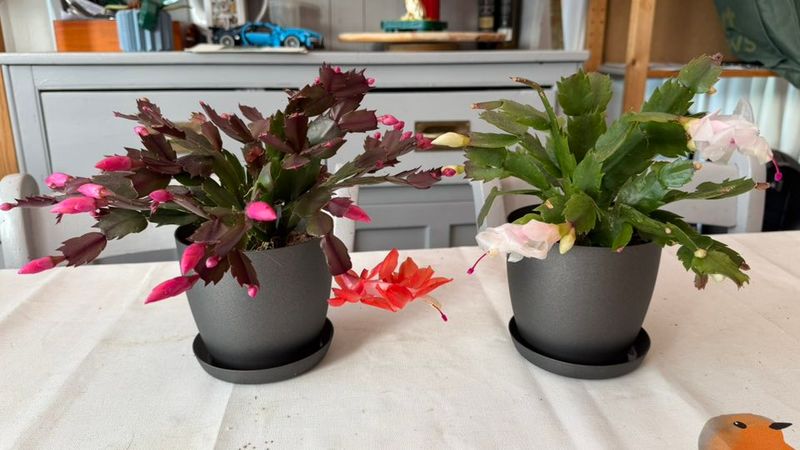
Half-hearted watering creates dry pockets in the soil where roots cannot reach moisture no matter how desperately the plant needs hydration right now.
Pour water slowly across the entire soil surface until you see liquid beginning to trickle out through the drainage holes at the pot bottom.
This thorough approach ensures every part of the root system receives moisture and no section gets left behind struggling without adequate water supply.
Roots grow toward water sources so complete watering encourages them to spread throughout the entire pot instead of clustering in one damp corner area.
North Carolina gardeners know that fuller root systems produce fuller plants with more segments and a bushier appearance that looks impressive on display shelves.
Wait about five minutes after watering finishes then empty any standing water from the saucer beneath the pot to prevent root problems later on.
Leaving plants sitting in water creates the same soggy conditions that cause rot even though you watered correctly at the start of your routine.
Thorough watering followed by proper drainage mimics the natural rainfall patterns that Christmas cactus would experience in their native Brazilian rainforest home environment originally.
Plants watered this way develop stronger root systems and healthier segments that can support heavy blooms when the flowering season finally arrives each winter.
4. Reduce Watering Frequency During The Fall Bud Formation Period
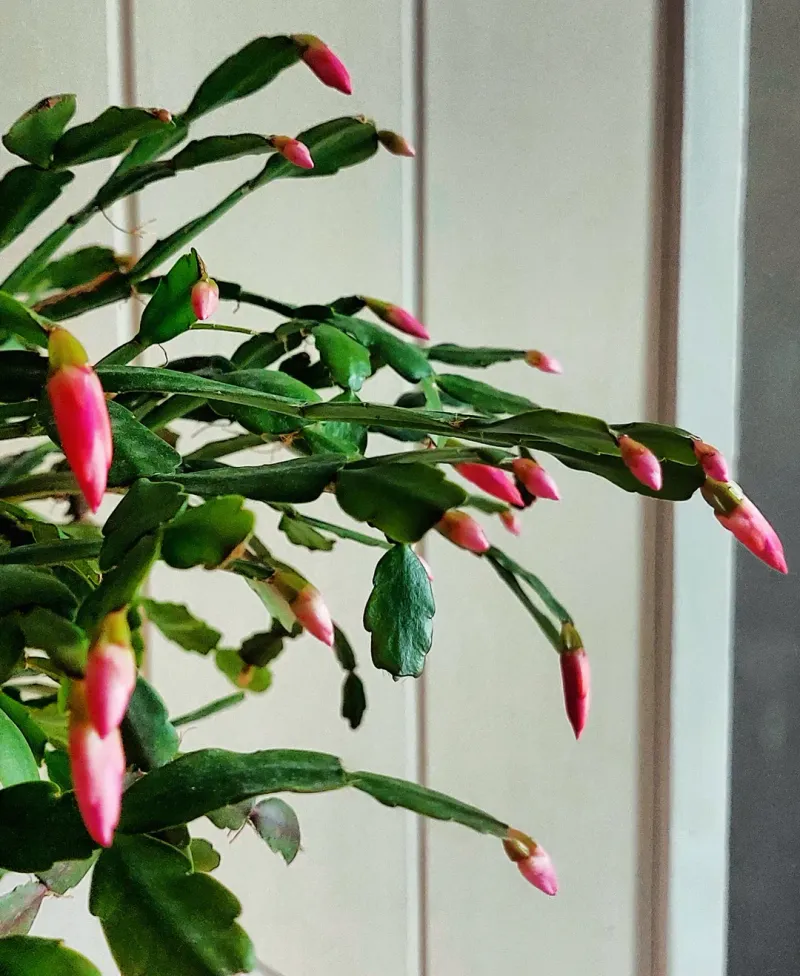
Stress might sound harmful but Christmas cactus actually needs a little controlled stress to trigger the blooming process that produces those stunning colorful flowers.
Cutting back on water during September and October signals to the plant that conditions are changing and it is time to start forming buds.
Allow the soil to dry out a bit more than usual between watering sessions but never let the segments become shriveled or wrinkled completely.
This slight drought period combined with cooler temperatures and longer nights tells the plant to shift energy from growing segments to producing flower buds.
North Carolina gardeners typically water every ten to fourteen days during this critical bud formation window instead of their usual weekly watering schedule throughout summer.
Watch the segments carefully for signs of stress like wrinkling or dullness which means you have reduced water just a touch too much.
Light stress encourages blooms while severe stress damages the plant so finding the right balance requires observation and attention to your specific plant needs.
Once you see tiny buds forming at the segment tips you can gradually return to a more regular watering schedule to support bloom development properly.
This seasonal adjustment separates gardeners who enjoy spectacular holiday blooms from those who wonder why their Christmas cactus never flowers despite looking otherwise healthy year-round.
5. Increase Watering Slightly During Active Blooming And Growth Seasons
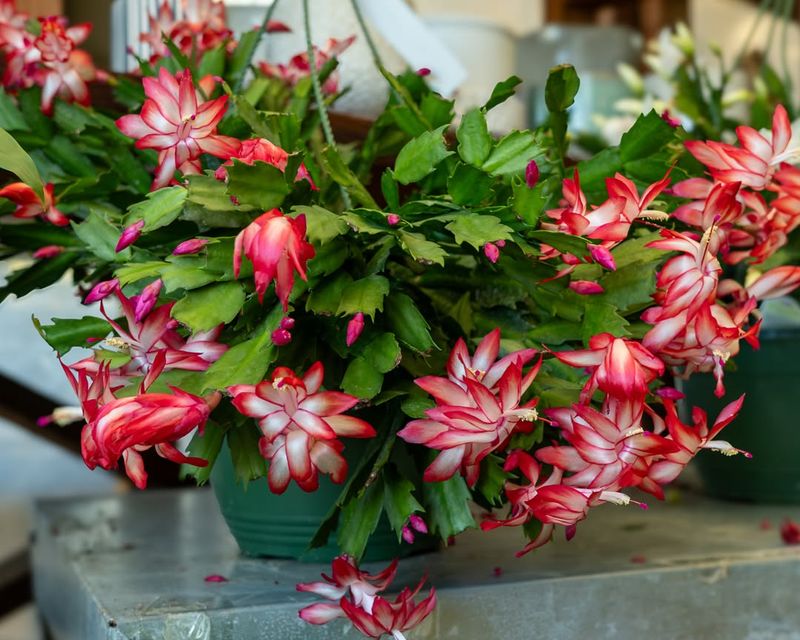
Blooming requires tremendous energy and water because each flower contains mostly water and the plant must support dozens of blossoms at the same time.
Christmas cactus segments also grow most actively during spring and summer months when temperatures warm up and daylight hours increase significantly across North Carolina.
Check soil moisture more frequently during these busy seasons because plants use water faster when producing new growth or maintaining beautiful colorful blooms daily.
You might need to water every five to seven days instead of every ten days but always rely on the finger test rather than.
Consistent moisture during blooming prevents buds from dropping off before they open which is one of the most frustrating problems that Christmas cactus owners face.
North Carolina summers can get quite warm and dry which means indoor plants lose moisture through their segments faster than during cooler months of year.
Adjusting your watering frequency to match the plant current needs shows you are paying attention and responding to what your Christmas cactus actually requires now.
Growth seasons are when your plant builds the segments that will eventually produce next year blooms so supporting healthy growth now pays off later wonderfully.
Gardeners who increase watering appropriately during these active periods enjoy plants that look full, vibrant, and loaded with segments that create an impressive display on shelves.
6. Avoid Misting The Segments And Focus Water On The Soil
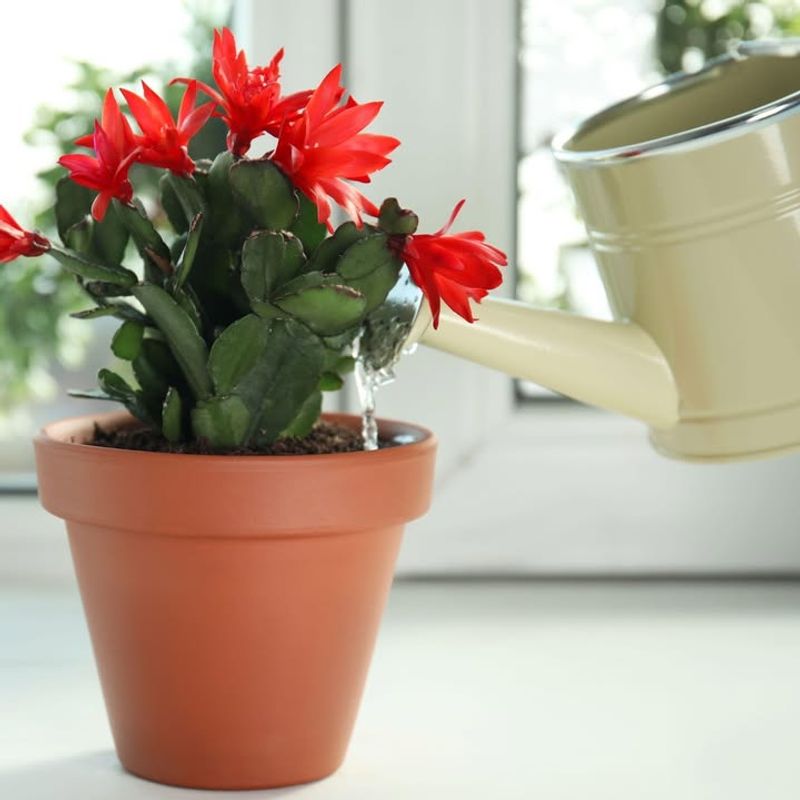
Misting seems helpful because Christmas cactus comes from humid environments but this practice actually creates more problems than benefits for your indoor plant today.
Water sitting on segments can encourage fungal growth and bacterial problems especially when air circulation around the plant is limited in typical home settings.
Roots absorb water far more efficiently than segments do so directing your watering efforts toward the soil makes much more sense for plant health overall.
Segments are designed to minimize water loss not to absorb moisture from the air so misting provides almost no real benefit to your plant.
North Carolina homes often have adequate humidity levels especially during summer months so adding extra moisture to the air around plants is usually completely unnecessary here.
Focus your watering routine on thoroughly soaking the soil and letting the roots do the job they evolved to do over thousands of years naturally.
If you worry about humidity levels consider placing the pot on a tray filled with pebbles and water so evaporation increases air moisture without wetting.
This method provides gentle humidity without the risks that come with spraying water directly onto the plant segments that could develop spots or rot patches.
Gardeners who skip misting and focus on proper soil watering enjoy cleaner plants with fewer disease problems and segments that look healthy and plump year-round.
7. Adjust Your Schedule Based On Your Home Specific Conditions
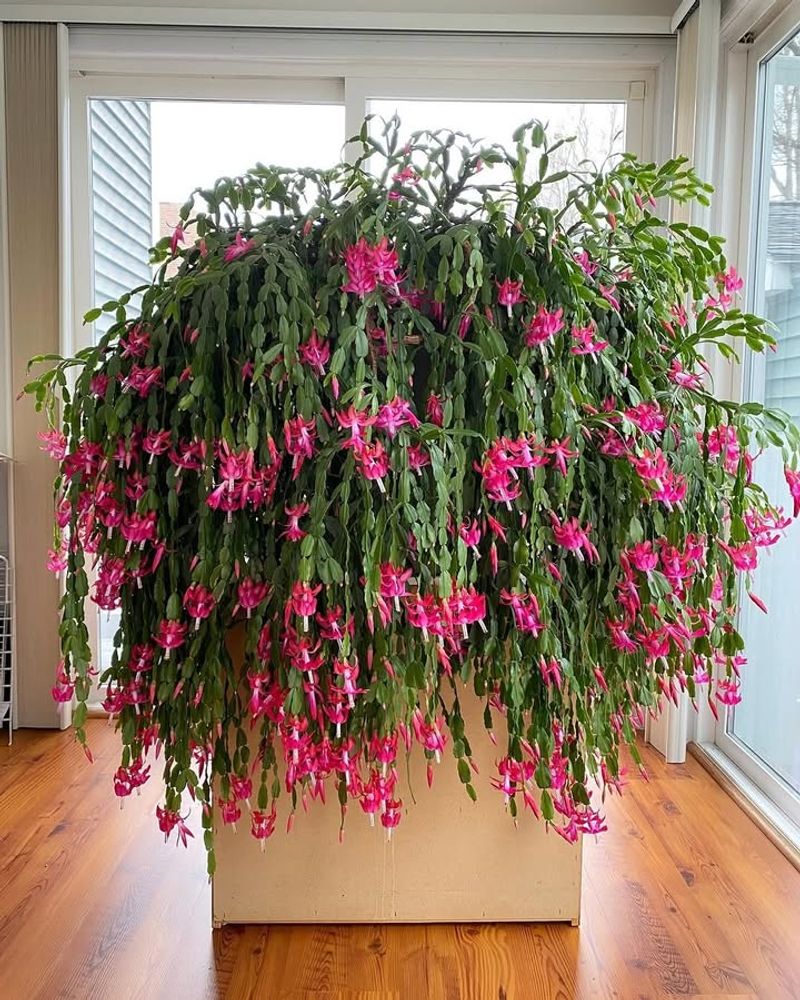
Every home has unique conditions that affect how quickly soil dries out so copying someone else watering schedule exactly rarely works well for your situation.
Factors like air conditioning use, heating systems, window placement, and natural humidity levels all influence how often your Christmas cactus actually needs water throughout year.
A plant near a sunny window in a dry room will need water more frequently than one sitting in a cooler shadier spot across the hallway.
Pay attention to how your specific plant responds to your current watering routine and adjust the frequency up or down based on actual observations.
North Carolina coastal areas tend to have higher humidity than mountain regions so gardeners in different parts of the state need different watering schedules naturally.
Seasonal changes also affect indoor conditions dramatically so your summer watering schedule will likely differ significantly from your winter routine for the same plant.
Keep mental notes or even write down when you water and how the plant looks so you can identify patterns and improve your care.
Flexible attention beats rigid schedules every single time when it comes to keeping tropical plants healthy and happy in your home environment long-term successfully.
Gardeners who adapt their watering habits to match their specific conditions grow the healthiest fullest Christmas cactus plants that become sources of pride and joy.