The Watering Mistake That’s Ruining California Lavender Plants
Lavender seems like the perfect plant for California gardens. It loves sunshine, handles dry conditions, and fills the yard with fragrance and soft purple blooms.
With the state’s warm climate and long summers, you’d think it would be one of the easiest plants to grow.
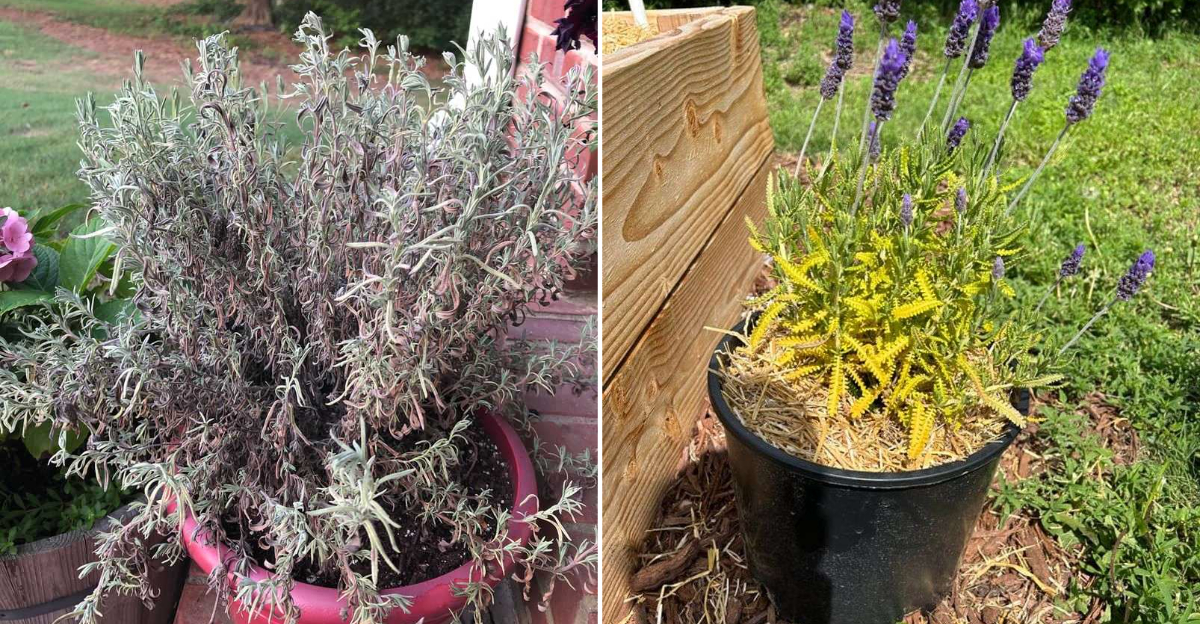
Yet many gardeners run into the same frustrating problem. Their lavender starts out healthy, then slowly declines.
The leaves may turn yellow, growth becomes weak, and the plant never quite reaches the full, bushy shape it’s known for.
Surprisingly, the issue often comes down to a very common watering mistake. It’s something many gardeners do with good intentions, thinking they’re helping their plants stay healthy.
But lavender has very different watering preferences than many other garden favorites. One simple habit can quietly cause more harm than good if you’re not careful.
1. The Lavender Watering Mistake

Most people water their garden with good intentions, but with lavender, too much kindness can cause real harm. Across California, gardeners are unknowingly overwatering their lavender plants, and the results are not pretty.
Lavender is a tough, sun-loving plant that actually prefers to be left a little dry between waterings.
The mistake usually comes from treating lavender the same way as tomatoes or roses. Those plants love moisture.
Lavender does not. When you water it too often, the soil around the roots stays wet for too long, and that creates a serious problem.
Wet soil does not have enough air pockets, and roots need air just as much as they need water.
In California, where summer heat can feel intense, it is tempting to water plants more frequently. But lavender is actually well-suited to California’s dry climate.
It evolved in the Mediterranean, where summers are hot and dry and rain is rare. Giving it too much water goes against its natural needs.
The good news is that once you understand this one key mistake, fixing it is simple. Cut back on watering, let the soil dry out, and your lavender will reward you with healthier growth and better blooms.
2. Why Lavender Dislikes Wet Soil
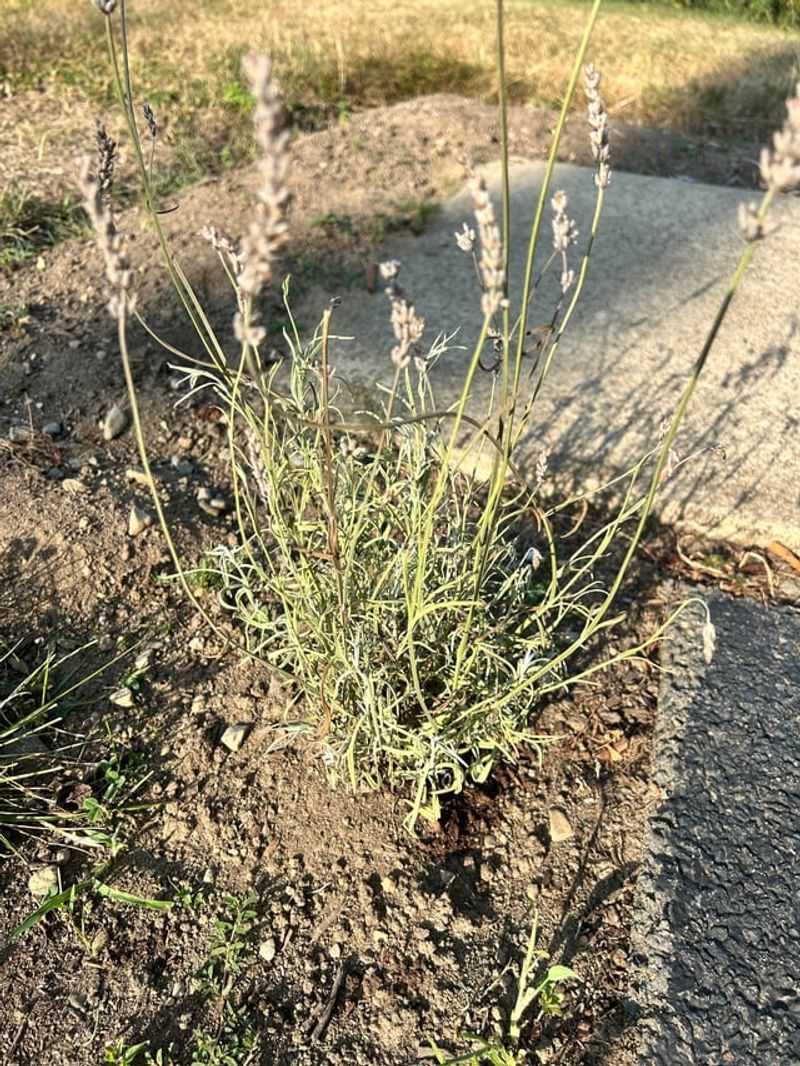
Wet soil and lavender are not a good match. Understanding why can help you become a much better lavender gardener, especially here in California where the climate already does a lot of the heavy lifting.
Lavender roots are sensitive to moisture levels in a way that many other plants are not.
When soil stays wet for extended periods, it creates an environment where oxygen cannot reach the roots. Roots need oxygen to function properly.
Without it, they begin to break down and lose their ability to absorb nutrients. The plant then starts to show signs of stress, even though the soil around it is full of water.
Lavender comes from rocky, sandy hillsides in the Mediterranean where rain drains away quickly. The soil there barely holds moisture at all.
California’s climate mirrors those conditions in many regions, which is one reason lavender thrives so well here when grown correctly. Heavy clay soils common in parts of California hold water much longer than sandy soils, making them especially risky for lavender.
If your garden has dense, compact soil, you are already starting at a disadvantage. Knowing that lavender needs soil that drains fast is the first step toward growing it successfully.
3. How Overwatering Affects Roots
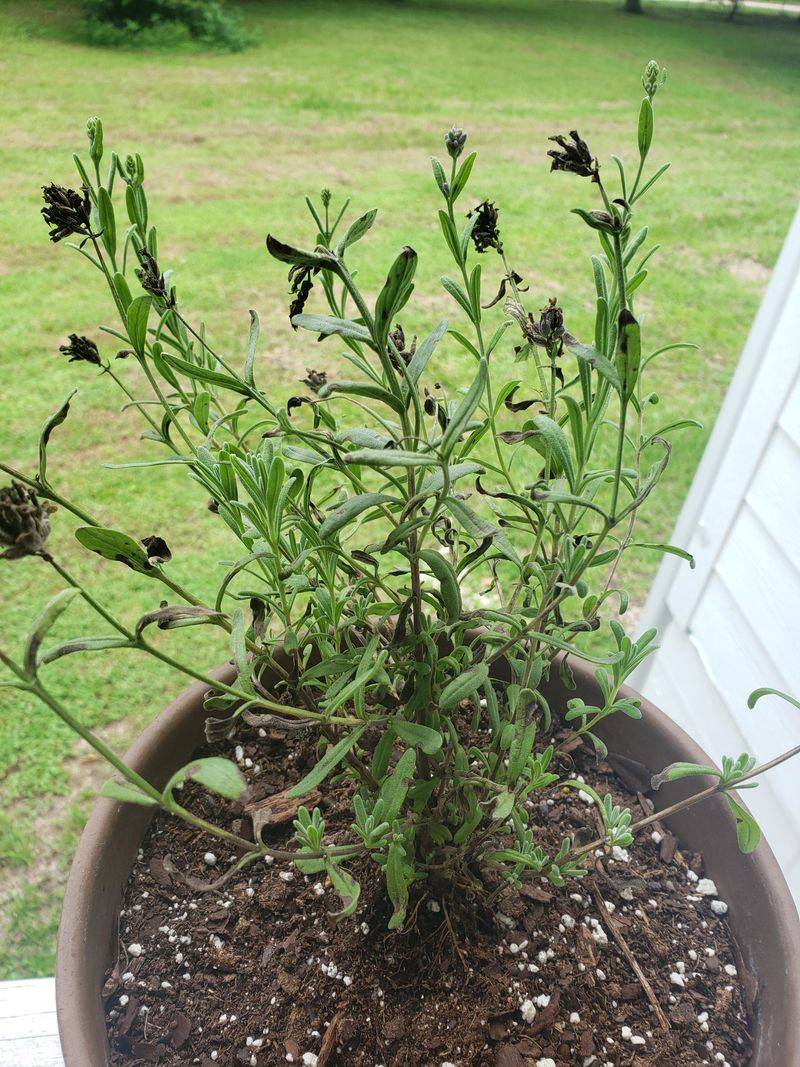
Roots are the engine of any plant. They pull up water, absorb nutrients, and keep the whole plant alive and growing.
When lavender roots sit in wet soil for too long, that engine starts to break down. Root rot is the technical term for what happens, and it is one of the most damaging things that can happen to a lavender plant in California.
Root rot is caused by a group of fungi that love wet, airless conditions. These fungi attack the roots and cause them to turn dark brown or black and become soft and mushy.
Healthy roots should be firm and white or light tan. Once root rot sets in, the plant cannot pull water or nutrients up into its stems and leaves, even when water is available in the soil.
Here is what makes root rot especially tricky: the symptoms look a lot like drought stress. The plant wilts, leaves droop, and growth slows down.
So gardeners sometimes respond by watering even more, which only makes things worse. If you notice your California lavender wilting even after watering, that is a major clue that the roots may already be struggling.
Pulling back on water and checking the roots directly can help you catch the problem before it goes too far.
4. Signs Of Too Much Water
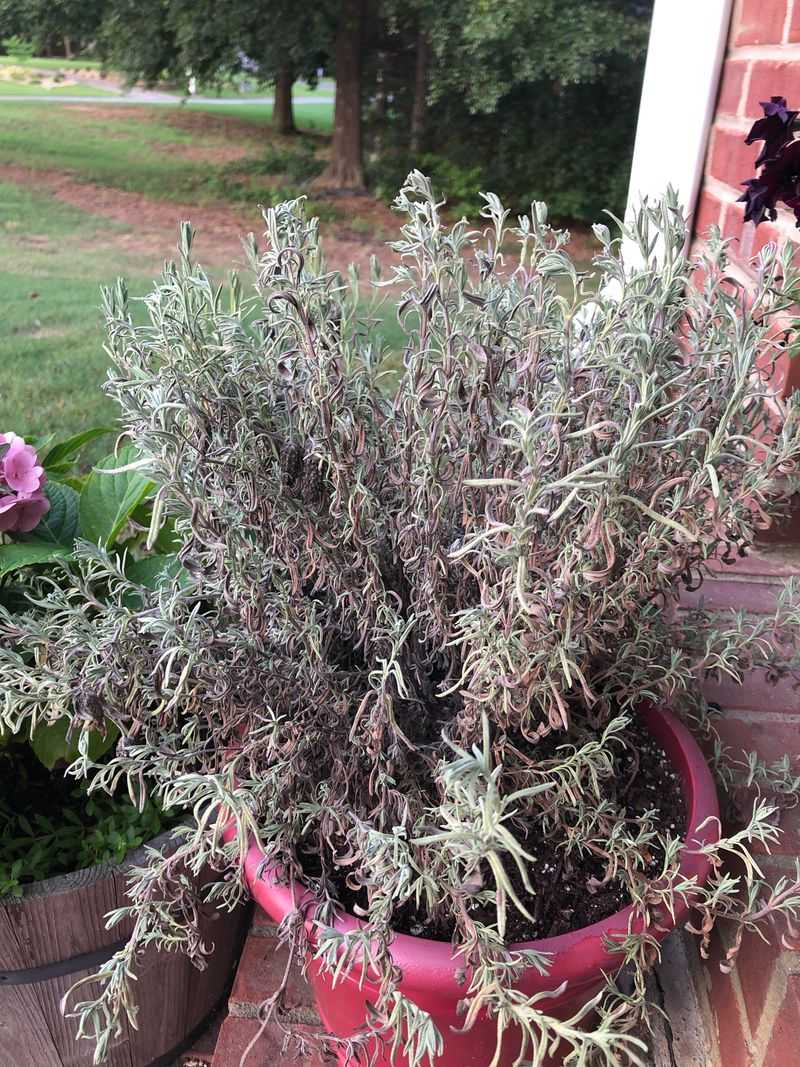
Catching overwatering early can save your lavender plant before things get too serious. Luckily, lavender gives off some pretty clear warning signals when it is getting more water than it wants.
Knowing what to look for makes it easier to step in and correct the problem quickly.
Yellowing leaves are one of the first things you will notice. When roots are struggling in wet soil, they cannot send proper nutrition to the leaves, so the leaves start to lose their color.
Another sign is wilting, which seems confusing since the soil is wet. But remember, overwatered roots cannot move water up through the plant, so the leaves droop even though moisture is all around them.
You might also notice the base of the plant looking dark or feeling soft when you press on it gently. A bad smell coming from the soil is another red flag.
Healthy soil smells earthy and fresh. Waterlogged soil that is harboring rot will smell sour or unpleasant.
In California gardens, these signs can appear quickly during warm months when fungi thrive in moist conditions. If you spot any of these warning signs in your lavender, it is time to act fast, cut back on watering, and assess the soil drainage situation right away.
5. How Often To Water Lavender
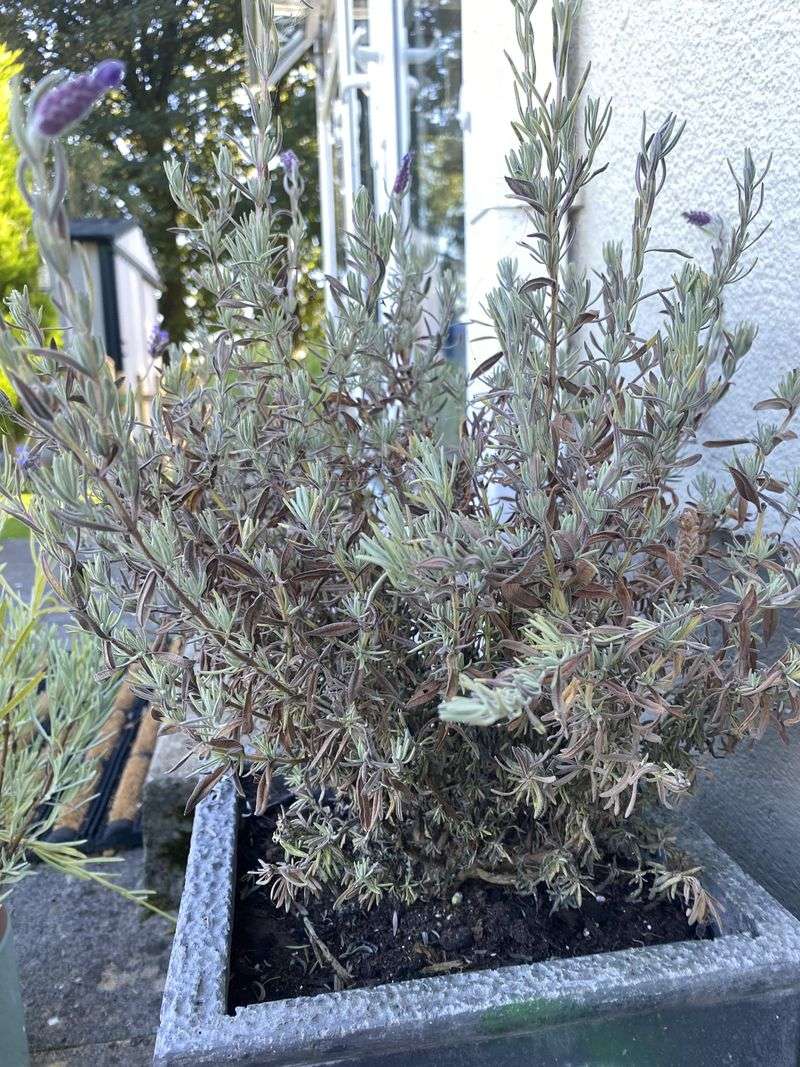
One of the most common questions California lavender growers ask is how often they should water. The answer might surprise you, especially if you are used to tending plants that need regular moisture.
Lavender is a drought-tolerant plant, and once it gets settled in, it needs far less water than most people think.
For newly planted lavender, watering once or twice a week for the first few weeks helps the roots get established. After that, you can start pulling back significantly.
Established lavender in California typically only needs watering every two to three weeks during the growing season. During cooler months, or when California gets any natural rainfall, you can often skip watering altogether.
The key is to water deeply but infrequently. When you do water, give the plant a good, thorough soak so the moisture reaches deep into the soil.
Then let the soil dry out completely before watering again. Stick your finger a couple of inches into the soil near the plant.
If it still feels damp, wait a few more days. Drip irrigation works really well for lavender because it delivers water slowly right at the base of the plant, keeping the leaves dry and reducing the risk of fungal problems. Consistency and patience are your best tools here.
6. Why Drainage Matters
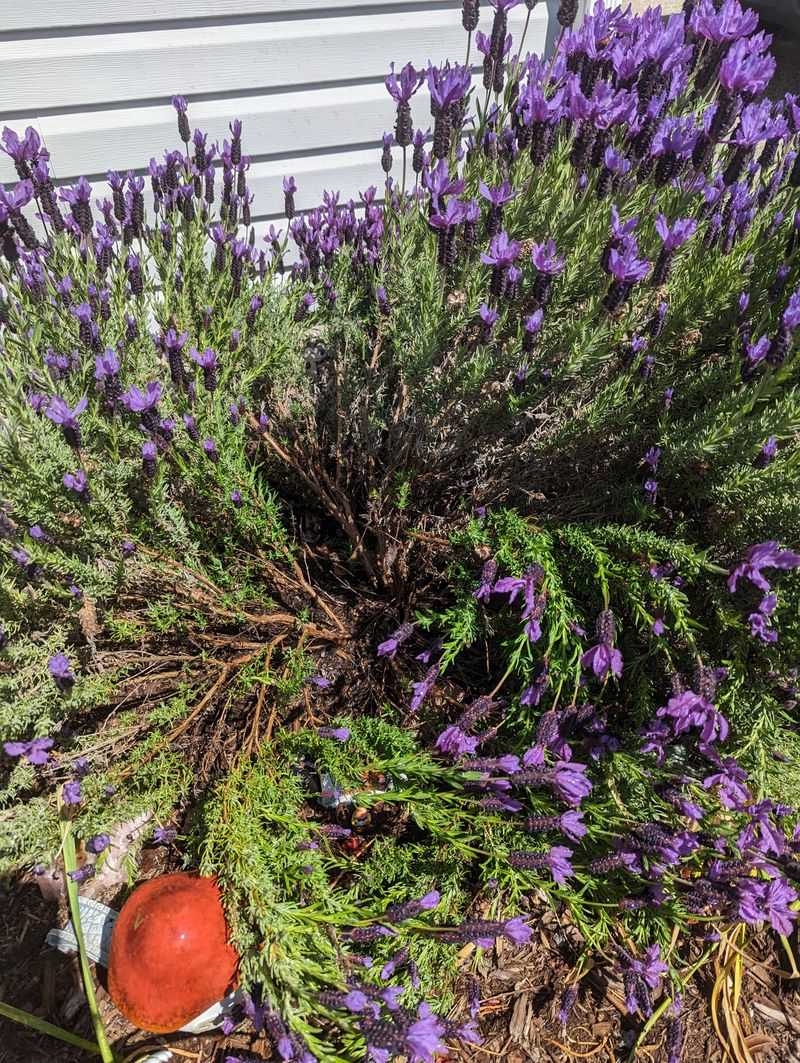
Good drainage is not optional when it comes to growing lavender. It is absolutely essential.
No matter how carefully you manage your watering schedule, if the soil does not drain well, lavender will still end up sitting in too much moisture. California gardeners dealing with heavy clay soil need to pay extra attention to this.
Think of drainage like a safety net. Even if you accidentally water a little too much, well-draining soil will move that excess moisture away from the roots quickly.
Poor drainage holds water around the roots for hours or even days, giving harmful fungi plenty of time to cause damage. Sandy soils and loamy soils drain much faster and are naturally better choices for lavender.
If your California garden has heavy or compacted soil, you can improve drainage by mixing in coarse sand, perlite, or fine gravel. Raised garden beds are another great option because you have full control over the soil mix.
Planting lavender on a slight slope also helps water run away from the root zone naturally. Adding a layer of gravel or small stones around the base of the plant can keep the soil from holding too much moisture near the crown.
These small changes can make a huge difference in how well your lavender performs over time.
7. How To Fix Overwatering
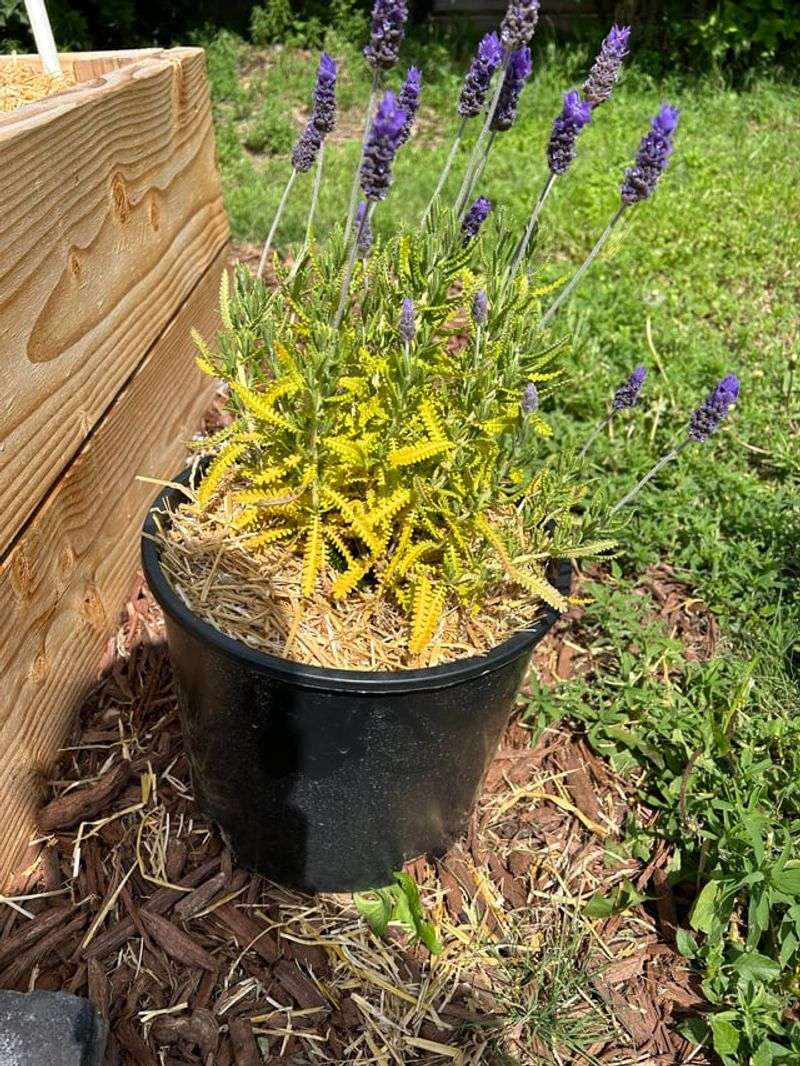
Finding out your lavender has been overwatered can feel discouraging, but do not panic. There are real, practical steps you can take to help the plant recover.
Acting quickly and calmly gives your lavender the best shot at bouncing back strong.
Start by stopping all watering immediately. Let the soil dry out completely.
If the plant is in a pot, move it to a spot with better airflow and direct sunlight to help the soil dry faster. For lavender growing in the ground, you may need to dig it up carefully to inspect the roots.
Trim away any roots that look dark, soft, or mushy using clean scissors or pruning shears. Then replant in fresh, well-draining soil.
Once replanted, hold off on watering for at least a week or longer if the weather in California is warm and dry. Adding a thin layer of gravel around the base of the plant can help keep excess moisture away from the crown.
Avoid fertilizing right after repotting, since stressed roots cannot handle extra nutrients yet. Give the plant time to settle and recover before resuming any care routine.
Many California gardeners have successfully brought overwatered lavender back to good health simply by improving drainage and adjusting their watering habits going forward.
8. Why Drier Soil Works Better
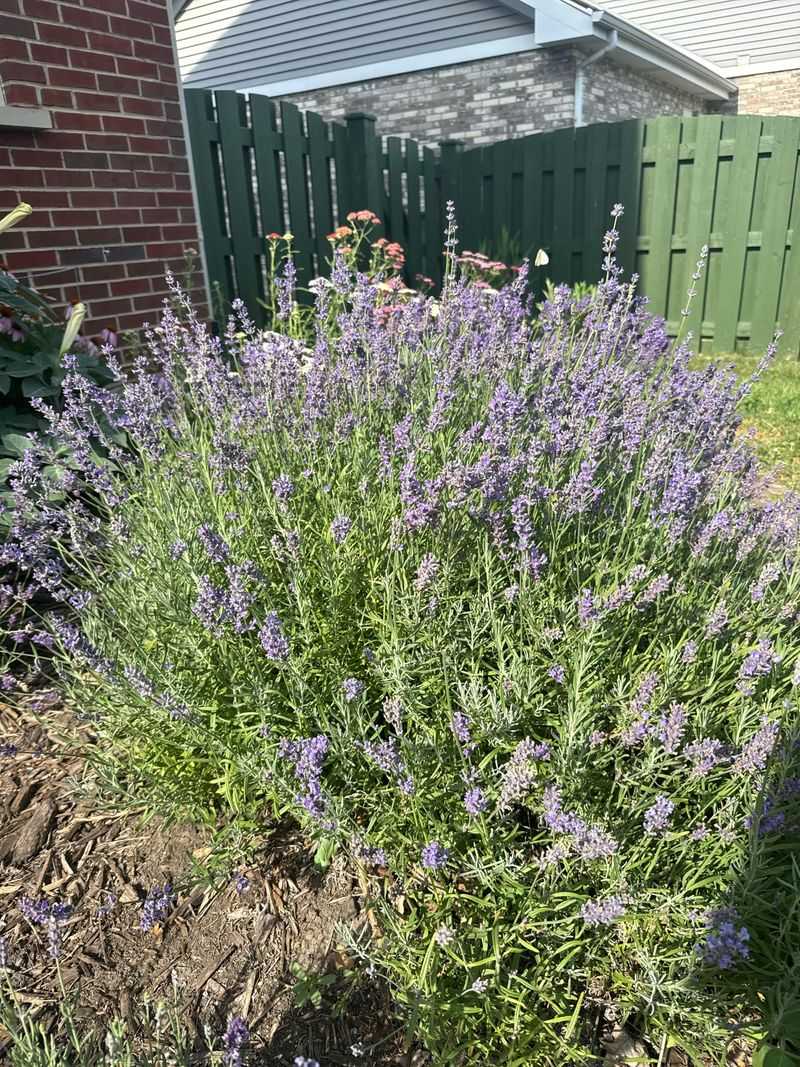
It might seem strange that a plant can look better when it is a little dry, but that is exactly how lavender works. Drier soil conditions actually encourage lavender to grow stronger, produce more blooms, and stay healthier overall.
This is one of those gardening truths that goes against our instinct to water more when plants look stressed.
When lavender roots grow in drier soil, they are forced to reach deeper into the ground to find moisture. This makes the root system larger and more stable.
A bigger root system means the plant can support more growth above ground and handle California’s heat much more easily. Dry conditions also reduce the risk of fungal diseases, which thrive in moist environments.
Lavender that grows in well-drained, drier soil tends to have better fragrance, more vibrant color, and a longer blooming season. Many experienced California gardeners will tell you that their best-performing lavender plants are the ones they water the least.
Once you embrace the idea that lavender wants to be treated like a drought-tolerant Mediterranean native, everything starts to click.
Matching your watering habits to what the plant actually needs, rather than what feels natural to you, is the secret to growing stunning, healthy lavender right here in California.