The Weirdest Insects That May Be Living In Your Pennsylvania Garden
Gardens are full of life, but not all of it is easy to spot or even expected. In Pennsylvania, you might think you know what’s lurking around your plants, but some of the weirdest insects can be hiding in plain sight.
From bizarre shapes to unexpected behaviors, these little creatures can seem almost straight out of a science fiction movie. Yet, they play an important role in the ecosystem and garden health.
You may not always notice them, but the odd-looking bugs in your garden could be working overtime. Some are natural pest controllers, while others help with pollination or just add to the fascinating diversity of life.
While they may look unusual, many of these insects are harmless and even beneficial to your plants. If you’ve ever been caught staring at an insect wondering what it is, you’re not alone.
Pennsylvania’s gardens are full of surprising, strange, and sometimes delightful discoveries!
1. Wheel Bug
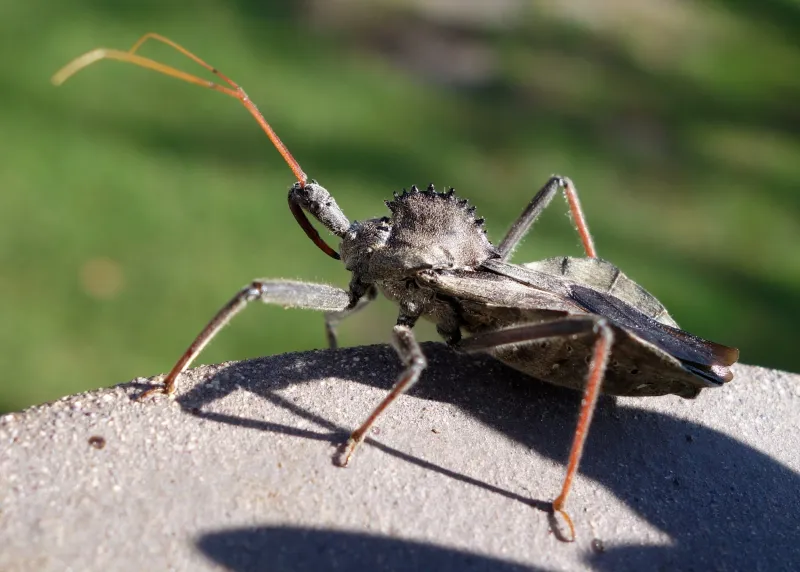
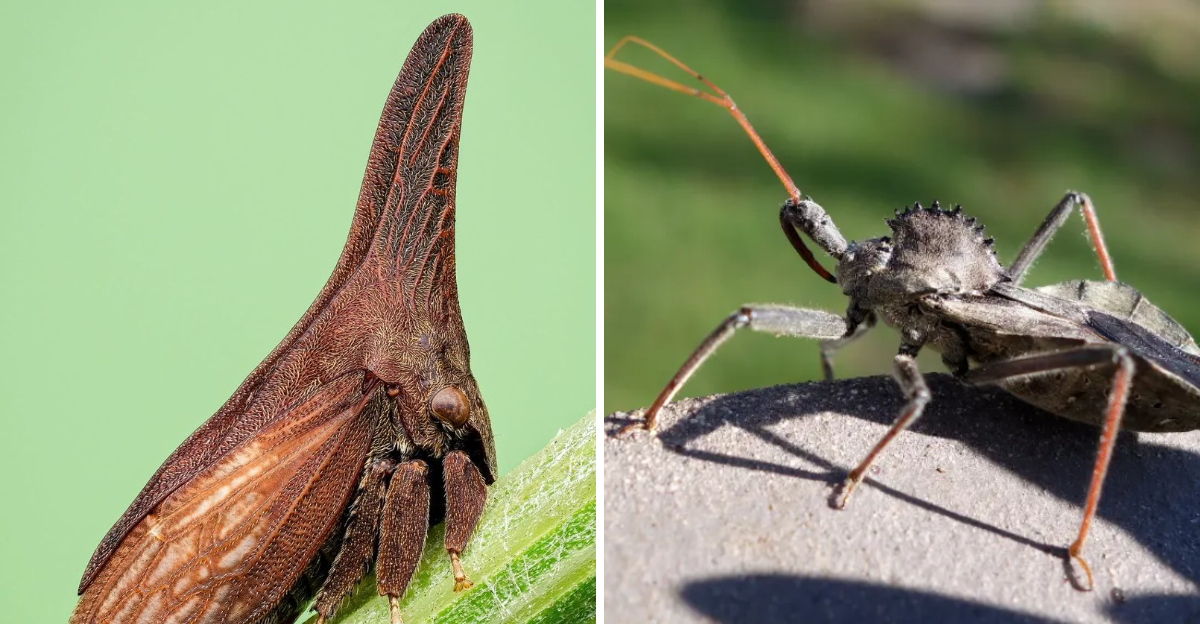
Imagine spotting a bug that looks like it has a tiny spinning gear bolted onto its back. That is exactly what you get with the wheel bug, one of the most jaw-dropping insects you can find in a Pennsylvania garden.
That strange circular ridge on its back is called a crest, and no other insect in North America looks quite like it.
Wheel bugs belong to the assassin bug family, which already sounds pretty intense. They are large insects, growing up to an inch and a half long, and they move slowly and deliberately through garden plants.
Their dark gray color helps them blend into tree bark and branches, so you might walk right past one without ever noticing it.
Here is the cool part: wheel bugs are actually helpful to have around. They feed on caterpillars, aphids, and other insects that can damage your garden plants.
They use a sharp, needle-like beak to grab prey and inject a liquid that breaks down the insect from the inside. It sounds intense, but it keeps pest populations in check naturally.
However, a word of caution is worth sharing here. If you pick up a wheel bug or startle one, it can bite you with that same sharp beak.
People who have experienced this say the pain is surprisingly strong and can last for several hours. So admire this Pennsylvania garden warrior from a safe distance.
Take a photo, appreciate the wild gear on its back, and let it do its job keeping your garden healthy. It truly earns its place in the weird insect hall of fame.
2. Spotted Lanternfly
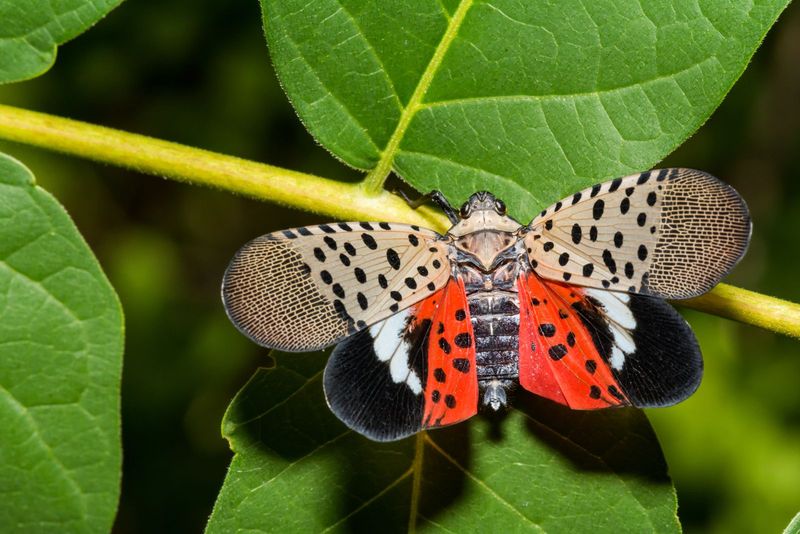
At first glance, the spotted lanternfly almost looks too pretty to be a problem. Its wings are decorated with bold black spots, and when it opens them, a flash of bright red appears underneath.
It honestly looks like something you would find in a tropical rainforest, not a Pennsylvania backyard.
But do not let the good looks fool you. The spotted lanternfly is an invasive species that originally came from Asia, and since arriving in Pennsylvania around 2014, it has spread rapidly across the state.
It feeds by sucking sap from dozens of plant species, including grapevines, apple trees, hops, and many ornamental plants. When large groups feed on a plant, they can seriously weaken it over time.
One especially gross thing about spotted lanternflies is that they produce a sticky, sugary liquid called honeydew as they feed. This honeydew coats surfaces below the insects and encourages the growth of a black sooty mold.
Plants covered in this mold struggle to absorb sunlight, making things even worse for your garden.
Pennsylvania has made a big effort to slow the spread of this insect, and residents are encouraged to report sightings and remove egg masses when found. Egg masses look like smears of dried mud on flat surfaces like tree trunks, fences, and even outdoor furniture.
If you see them, scraping them into a bag with rubbing alcohol is one way to help.
Spotting a spotted lanternfly in your Pennsylvania garden is actually something you should report. Check the Pennsylvania Department of Agriculture website for the latest guidance on what to do if you find one.
3. Eastern Dobsonfly
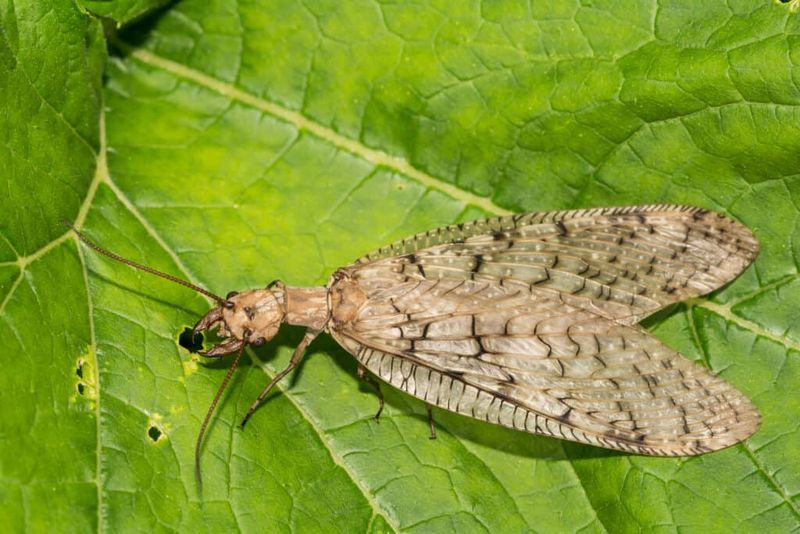
Few insects stop people in their tracks quite like the Eastern dobsonfly. The males of this species have curved, tusk-like jaws that can stretch over an inch long, making them look like something out of a fantasy novel.
Seeing one for the first time near a Pennsylvania stream or garden is genuinely startling. Despite the fierce look, adult male dobsonflies are mostly harmless. Those dramatic jaws are mainly used during mating, not for attacking people or other animals.
Females have shorter, stronger jaws and can actually pinch if handled, so it is best to leave them alone regardless. Adults do not eat much at all during their short lives above ground.
The really wild part of this insect’s story happens underwater. Dobsonfly larvae, called hellgrammites, live in fast-moving streams and rivers for up to three years before becoming adults.
Hellgrammites are tough, aggressive little creatures with strong biting mouthparts and a row of leg-like appendages along their sides. Fishermen actually use them as bait because fish find them irresistible.
You are most likely to spot an adult Eastern dobsonfly near water sources in Pennsylvania, particularly in areas near clean, oxygen-rich streams. They are attracted to lights at night and might show up on your porch or near outdoor lamps during summer months.
Their wingspan can reach nearly five inches, which makes them one of the largest insects in the entire region.
Finding one in or near your Pennsylvania garden is a sign that clean water is nearby, which is actually a great environmental indicator. Weird, huge, and oddly impressive, the dobsonfly deserves serious respect.
4. Assassin Bug
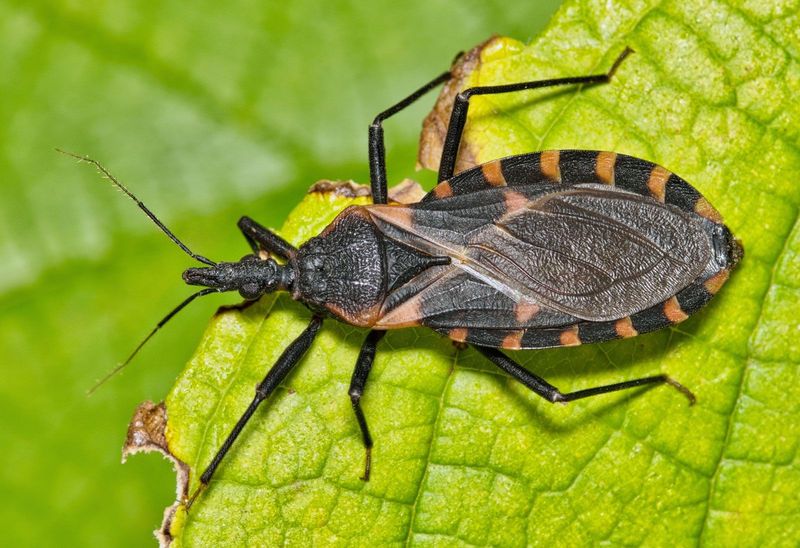
Stealthy, patient, and built for hunting, the assassin bug is like the ninja of the Pennsylvania garden world.
The species Zelus luridus, sometimes called the pale green assassin bug, is one of several assassin bug types you might find lurking in your flower beds and vegetable patches. It moves slowly and deliberately, waiting for the perfect moment to strike.
What makes assassin bugs so fascinating is their hunting method. They use a sharp, curved beak to stab prey insects and then inject a powerful saliva that paralyzes the victim and begins to break down its insides.
After that, the assassin bug simply drinks its meal. It sounds brutal, but this is how nature keeps balance in the garden.
Assassin bugs are actually considered beneficial insects in Pennsylvania gardens because they target a wide range of pest species. Aphids, caterpillars, beetles, and even other bugs are all fair game.
Having a few of these hunters patrolling your plants means less need for chemical pesticides, which is great news for anyone trying to garden naturally.
One thing worth knowing is that assassin bugs can bite humans if they feel threatened or are accidentally touched. The bite is reported to be sharp and painful, similar to a bee sting.
So while they are helpful allies in the garden, it is smart to wear gloves when working around dense foliage where they might be hiding.
Some assassin bug species in Pennsylvania also coat their legs with a sticky plant resin to help trap small insects. It is a clever and slightly creepy trick that makes these bugs even more remarkable to learn about up close.
5. Treehopper
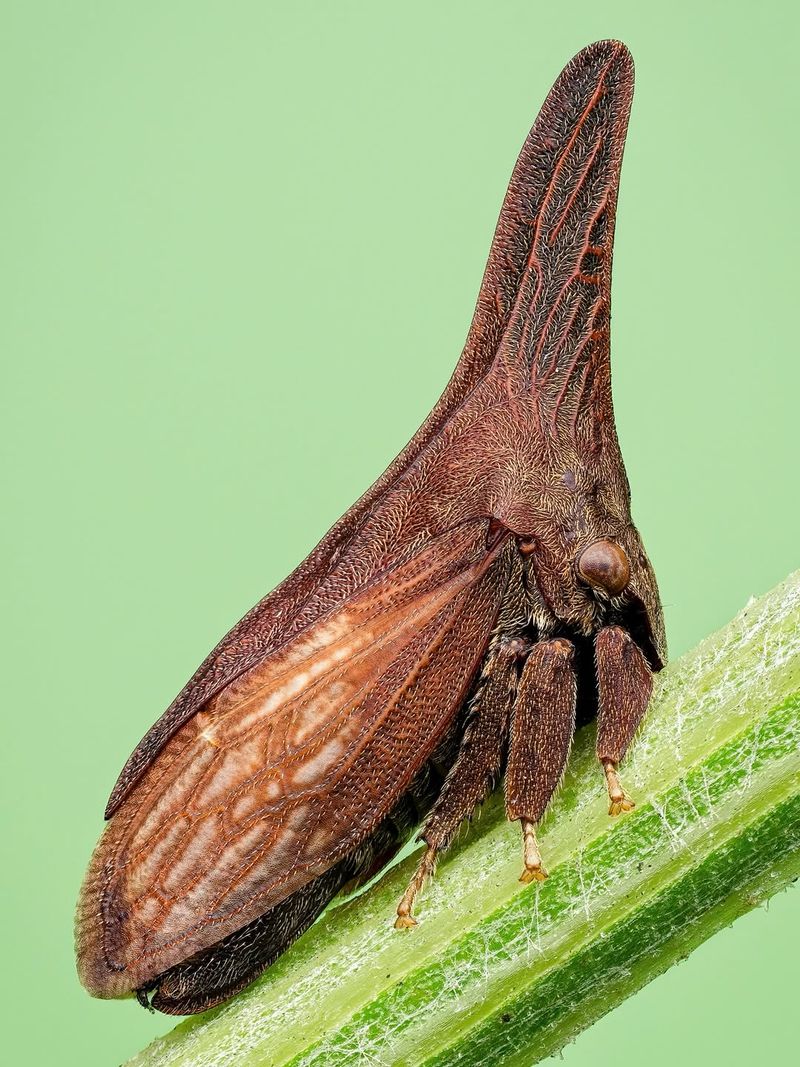
If insects held a costume contest, treehoppers would win every single time. These tiny creatures have one of the most outrageous body shapes in the entire insect world.
The part of their body just behind the head, called the pronotum, is extended into wild shapes that can look like thorns, leaves, ants, or even tiny alien horns. It is genuinely hard to believe they are real.
Pennsylvania is home to several treehopper species, and you can find them on a wide variety of garden plants, shrubs, and trees. They feed by piercing plant stems and drinking the sap inside, similar to aphids.
While large numbers can sometimes stress a plant, most treehopper populations in home gardens do not cause serious harm.
The bizarre shapes on their bodies are not just for show. Scientists believe these wild forms help treehoppers blend in with their surroundings or even mimic thorns so predators pass right by them.
It is one of the most creative camouflage strategies in the natural world, and it clearly works well since treehoppers have been around for millions of years.
Some treehopper species also have a surprisingly social side. Mothers of certain species actually guard their eggs and young nymphs, which is unusual behavior for an insect.
Ants are sometimes seen hanging around treehoppers too, because treehoppers produce a sweet liquid that ants love to collect.
Spotting a treehopper in your Pennsylvania garden usually requires a slow, close look at plant stems and branches.
Once you train your eye to look for their unusual shapes, you will start finding them everywhere. They are small, weird, and absolutely worth getting excited about.
6. Giant Leopard Moth Caterpillar
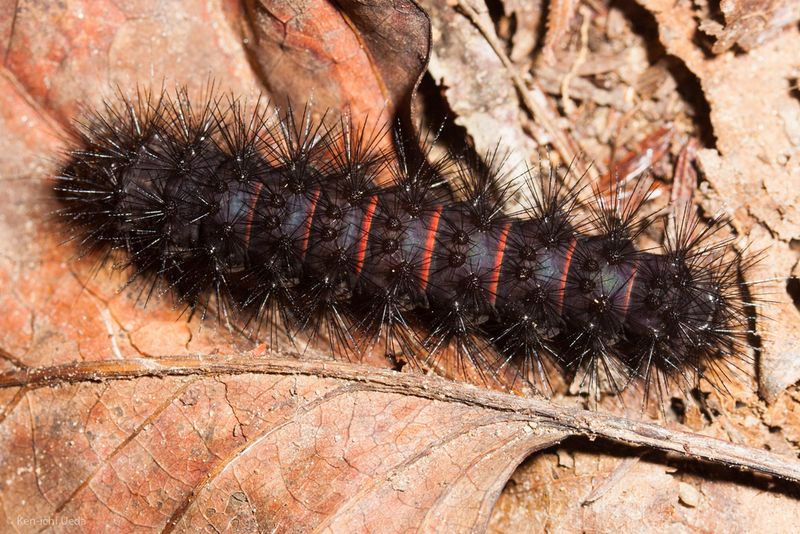
Rolling through your Pennsylvania garden like a tiny armored tank, the giant leopard moth caterpillar is one of the most eye-catching creatures you are likely to stumble upon.
Covered in thick, stiff black bristles and banded with bright red or orange between its segments, this caterpillar looks like it means serious business.
When startled, it curls up into a tight spiky ball, which honestly makes it look even more dramatic.
Despite its fierce appearance, the giant leopard moth caterpillar is completely harmless to humans. The bristles are not venomous and will not cause a rash or irritation in most people.
It is all visual bluff, a clever way to discourage birds and other predators from trying to eat it. Many animals take one look at those spiky black hairs and decide to move along.
You might spot these caterpillars wandering across garden paths, driveways, or through leaf litter in Pennsylvania from late summer through early fall.
They feed on a wide variety of low-growing plants, including dandelions, violets, and plantain. Their broad diet makes them pretty easy to support in a natural garden setting.
When the caterpillar finally becomes an adult moth, the transformation is stunning. The giant leopard moth is bright white with bold black spots, making it one of the most beautiful moths in Pennsylvania.
The underside of the male moth reveals a gorgeous blue-black and orange pattern that most people never get to see.
Leaving leaf litter in a corner of your garden gives these caterpillars a place to safely wait through colder months before completing their transformation. It is a small and easy way to support one of Pennsylvania’s most spectacular garden visitors.