The White Flowering Plants That Perform Best In Georgia Gardens
White flowers have a way of stopping people in their tracks, especially in a Georgia garden where bold colors usually steal the spotlight.
A strong white bloom looks clean, bright, and sharp against deep green leaves, and it stands out even more during hot summer afternoons.
The problem is that not every white flowering plant can handle Georgia’s heat, humidity, and heavy soil. Some burn out fast, while others lose their shape or turn dull before the season really gets going.
The best choices stay crisp, hold their color, and keep blooming even when the weather turns tough. With the right plants in place, white flowers do more than fill space.
They anchor the garden and keep it looking fresh from spring into the heart of summer.
1. Flowering Dogwood Lights Up Spring With Iconic White Blooms
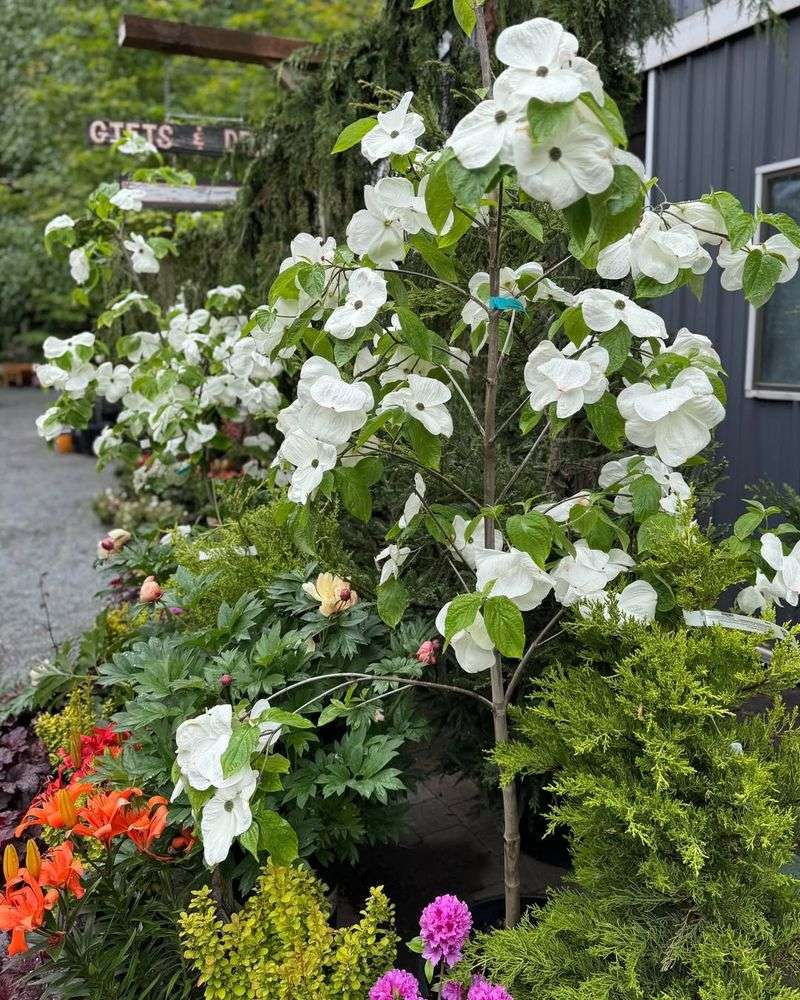
Georgia’s state tree deserves its reputation as a spring showstopper. Flowering dogwoods burst into bloom before their leaves fully emerge, creating clouds of white that signal winter’s end across neighborhoods throughout the state.
These trees adapt beautifully to Georgia’s climate zones, thriving in both full sun and partial shade. Their white bracts, often mistaken for petals, actually surround tiny yellow-green flowers at the center.
This distinctive structure creates a layered look that catches light differently throughout the day.
Mature dogwoods reach 15 to 30 feet tall with equally wide canopies. Plant them where you’ll appreciate their spring display from windows or patios.
They prefer well-drained, slightly acidic soil that Georgia naturally provides in many areas.
Beyond spring blooms, these trees offer year-round interest. Green summer foliage transforms to burgundy-red in fall, while bright red berries attract songbirds through winter months.
The horizontal branching pattern creates architectural beauty even when bare.
Water newly planted dogwoods regularly during their first two growing seasons. Once established, they handle Georgia’s occasional dry spells reasonably well.
Mulch around the base helps retain moisture and keeps roots cool during hot summers.
Watch for proper spacing when planting. Good air circulation prevents common fungal issues that affect dogwoods in humid Southern climates.
These native trees reward minimal maintenance with decades of reliable beauty.
2. Oakleaf Hydrangea Brings Big White Clusters To Shade and Sun
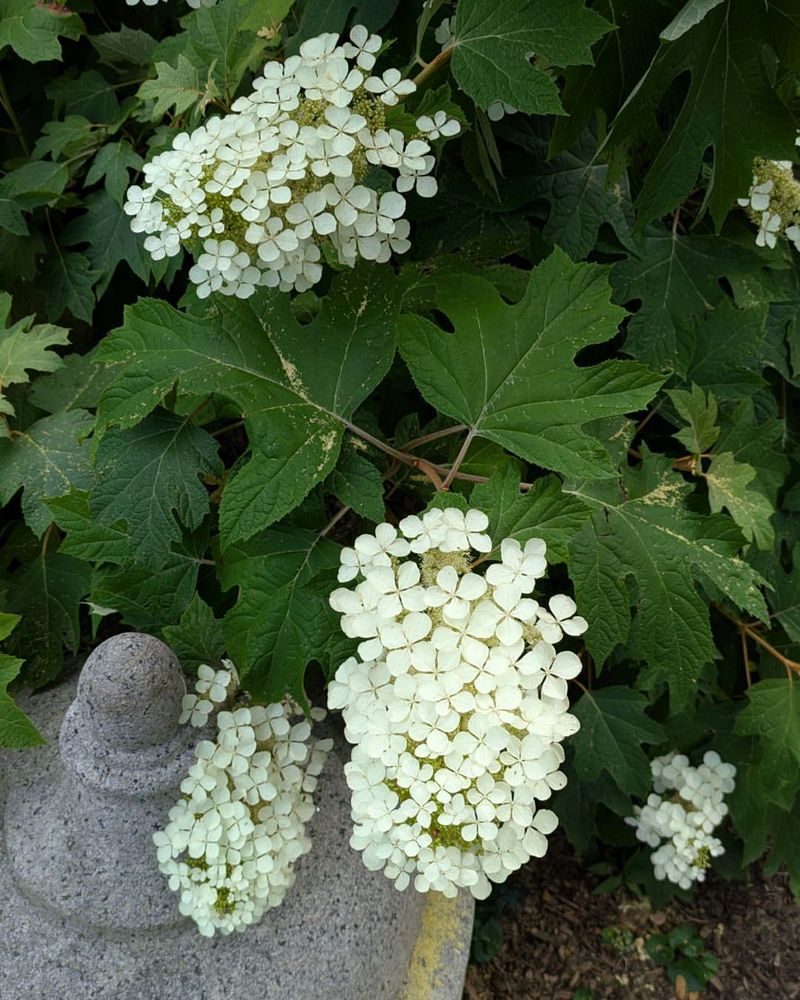
Few shrubs match the oakleaf hydrangea’s ability to handle Georgia’s challenging shade conditions while delivering spectacular white blooms.
Its massive cone-shaped flower clusters emerge creamy white in early summer, gradually aging to pink and tan shades that look beautiful even when dried.
Native to the southeastern United States, this hydrangea feels right at home in Georgia gardens. The distinctive oak-shaped leaves give this plant its common name and provide stunning cinnamon-red fall color that rivals any maple tree.
Oakleaf hydrangeas tolerate more sun than most shade-loving plants, making them incredibly versatile. In North Georgia’s cooler zones, they handle full sun with adequate moisture.
Further south, afternoon shade prevents leaf scorch during brutal summer heat.
Mature specimens reach 6 to 8 feet tall and equally wide, creating substantial presence in the landscape. Their exfoliating bark adds winter interest, revealing cinnamon-colored underlayers that look striking against snow or frost.
These hydrangeas bloom on old wood, meaning flower buds form the previous season. Prune immediately after flowering if needed, though their natural shape requires little trimming.
Heavy pruning in fall or early spring removes next summer’s blooms.
Georgia’s naturally acidic soil suits oakleaf hydrangeas perfectly. Amend heavy clay with organic matter at planting time.
Consistent moisture during establishment creates stronger plants that tolerate dry periods later. Their drought tolerance improves significantly after two full growing seasons in the ground.
3. Gardenia Fills Your Garden With Fragrant White Flowers
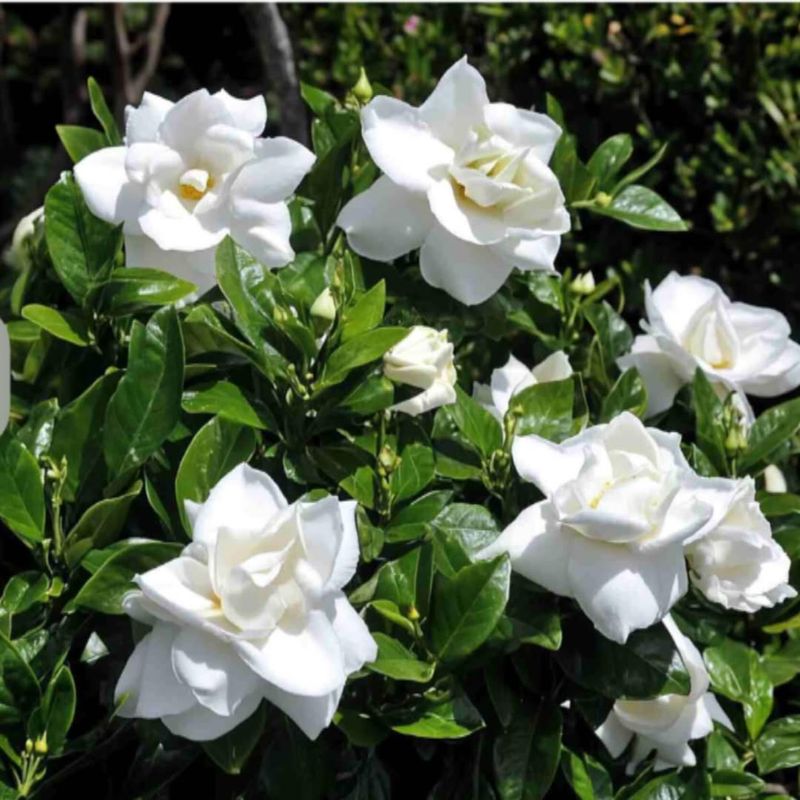
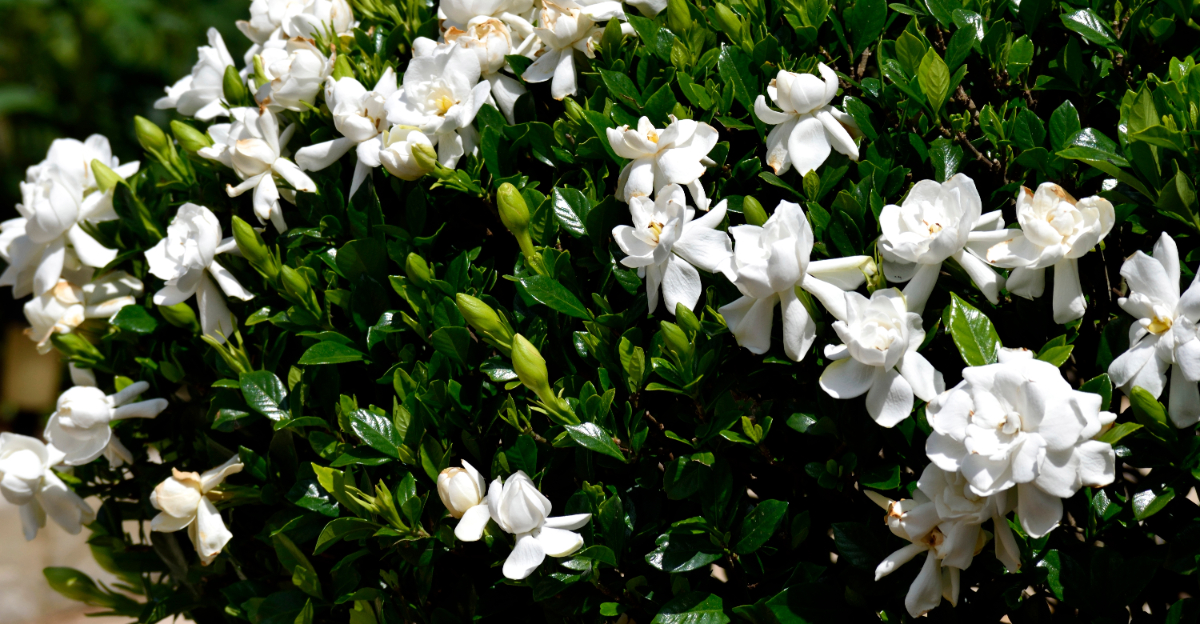
Nothing announces a Georgia spring evening quite like gardenia fragrance drifting through open windows. These glossy-leaved evergreens produce creamy white blooms with a perfume so intoxicating that one plant scents an entire yard.
Gardenias thrive in Georgia’s humid climate, particularly in zones 7b through 9. Their waxy white flowers appear from late spring through summer, with peak bloom occurring in May and June across most of the state.
Each blossom opens pure white before aging to creamy yellow.
Plant gardenias where you’ll enjoy their fragrance most. Near patios, walkways, or bedroom windows, they create natural aromatherapy that no candle can replicate.
Morning sun with afternoon shade produces the healthiest plants in Georgia’s heat.
These acid-loving shrubs demand slightly different care than many garden plants. Georgia’s naturally acidic soil helps, but regular feeding with fertilizer formulated for acid-loving plants keeps foliage dark green and blooms plentiful.
Yellow leaves often signal iron deficiency, easily corrected with chelated iron supplements.
Gardenias reach 4 to 6 feet tall in most Georgia gardens, though some varieties stay more compact. Their dense evergreen foliage provides year-round structure and privacy screening.
Prune lightly after flowering to maintain shape without sacrificing next year’s blooms.
Consistent moisture matters greatly for gardenias. Mulch heavily around plants to retain soil moisture and moderate root temperatures.
They sulk in drought conditions, dropping buds and yellowing leaves when stressed by irregular watering during Georgia’s hot summers.
4. Southern Magnolia Showcases Dramatic Creamy White Blossoms
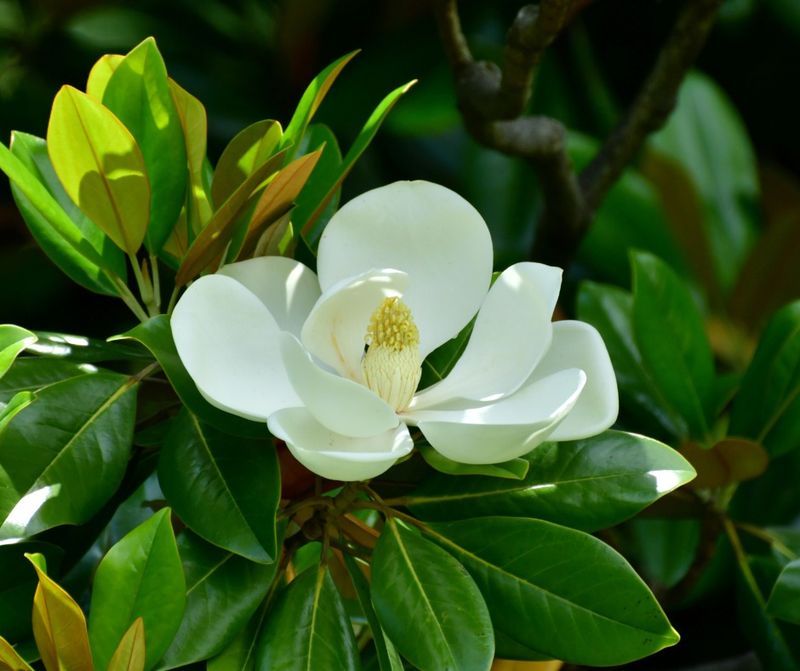
Southern magnolias embody Georgia’s garden heritage like few other plants. Their massive creamy white blooms, sometimes reaching 12 inches across, create unforgettable displays against glossy evergreen foliage that shines year-round.
These magnificent trees bloom sporadically from late spring through summer, with individual flowers lasting just days. Their lemony fragrance carries on warm breezes, announcing their presence before you see them.
Each blossom features thick, waxy petals surrounding a prominent cone of stamens.
Georgia landscapes accommodate southern magnolias beautifully, though their eventual size requires planning. Mature specimens reach 60 to 80 feet tall with 30 to 40 foot spreads.
Smaller yards benefit from dwarf varieties like ‘Little Gem,’ which tops out around 20 feet while maintaining the species’ characteristic beauty.
Their dense evergreen canopy creates deep shade beneath, making understory planting challenging. Few plants tolerate the dry, shady conditions under mature magnolias.
Consider this when positioning young trees in your Georgia landscape.
Southern magnolias drop leaves year-round, with heaviest leaf fall occurring in spring as new growth emerges. Their large, leathery leaves decompose slowly, requiring regular cleanup in formal gardens.
Many Georgia gardeners embrace this characteristic, using fallen leaves as long-lasting mulch.
Once established, these trees handle Georgia’s weather extremes admirably. They tolerate drought, heat, and occasional cold snaps without complaint.
Young trees benefit from supplemental water during dry spells, but mature specimens rarely need irrigation even during summer droughts that challenge other landscape plants.
5. White Azalea Delivers Pure White Spring Color Every Year
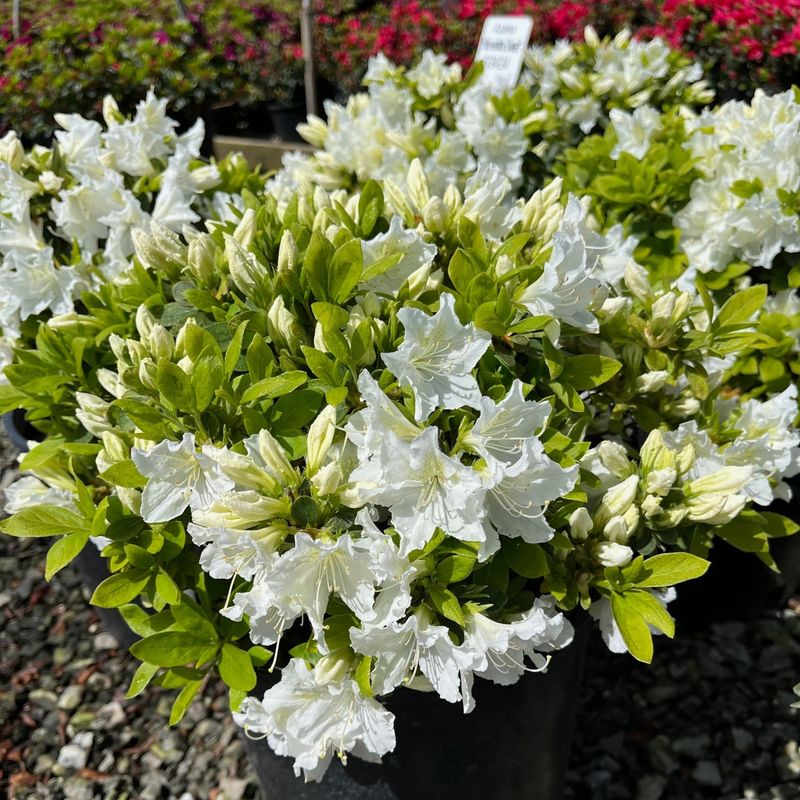
White azaleas transform Georgia gardens into fairylands each spring.
Their pure white blooms appear in such profusion that foliage practically disappears beneath the floral display, creating drifts of color that brighten shady woodland gardens and foundation plantings alike.
Both evergreen and deciduous white azaleas thrive throughout Georgia. Evergreen varieties like ‘Delaware Valley White’ and ‘Glacier’ maintain their foliage year-round, providing structure when other plants go dormant.
Deciduous types often deliver more intense spring bloom displays with larger individual flowers.
Georgia’s acidic soil and moderate climate create ideal azalea conditions. These rhododendron relatives prefer dappled shade, particularly protection from hot afternoon sun in South Georgia.
Too much shade reduces flowering, while excessive sun bleaches foliage and stresses plants during summer heat.
Plant azaleas shallow, with root balls slightly above surrounding soil grade. Their fine, fibrous roots grow near the surface and suffocate when planted too deep.
Mulch heavily with pine straw or shredded bark to maintain cool, moist root zones.
Bloom time varies by variety, with some flowering in March and others waiting until May. Planting multiple varieties extends the white azalea show across several weeks each spring.
After flowering, prune as needed to shape plants, but complete any trimming by mid-July to avoid removing next spring’s flower buds.
White azaleas rarely need fertilizer in Georgia’s naturally fertile soil. If growth seems sluggish, apply acid-forming azalea fertilizer in early spring.
Avoid high-nitrogen fertilizers that promote foliage growth at the expense of flower production.
6. White Camellia Blooms Elegantly In Winter and Early Spring
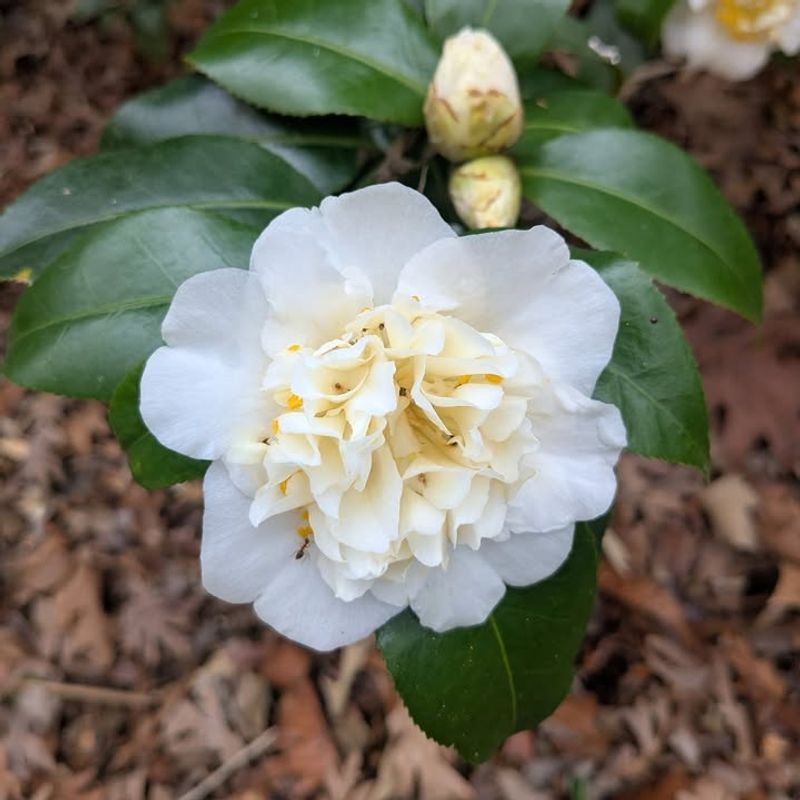
When most Georgia gardens rest dormant, white camellias steal the show. Their elegant blooms open during winter months, providing precious color when little else flowers.
Some varieties begin blooming in October, while others wait until February or March.
Camellias’ glossy evergreen foliage remains attractive year-round, making them valuable landscape plants beyond their flowering season. White varieties range from simple single blooms to elaborate formal doubles with dozens of layered petals.
Each flower lasts several days, with plants producing blooms steadily for weeks or months.
Georgia’s moderate winters suit camellias perfectly, particularly in zones 7b through 9. Harsh freezes occasionally damage open flowers, but plants themselves tolerate cold well.
Position them where morning sun won’t hit frost-covered blooms directly, as rapid thawing damages delicate petals.
These acid-loving evergreens prefer the same conditions as azaleas: acidic, well-drained soil with consistent moisture and protection from harsh afternoon sun.
In North Georgia, plant camellias on the east or north side of buildings for protection from winter wind and intense summer heat.
Mature camellias reach 6 to 12 feet tall depending on variety, with naturally rounded forms requiring minimal pruning. Their dense growth creates excellent privacy screens and foundation plantings.
Prune lightly after flowering if needed to control size or shape.
Camellias establish slowly but reward patience with decades of reliable beauty. Water regularly during their first two years in Georgia gardens.
Once established, they tolerate moderate drought but bloom more prolifically with consistent moisture throughout fall and winter when flower buds develop and open.
7. Calla Lily Adds Elegant White Funnel-Shaped Flowers
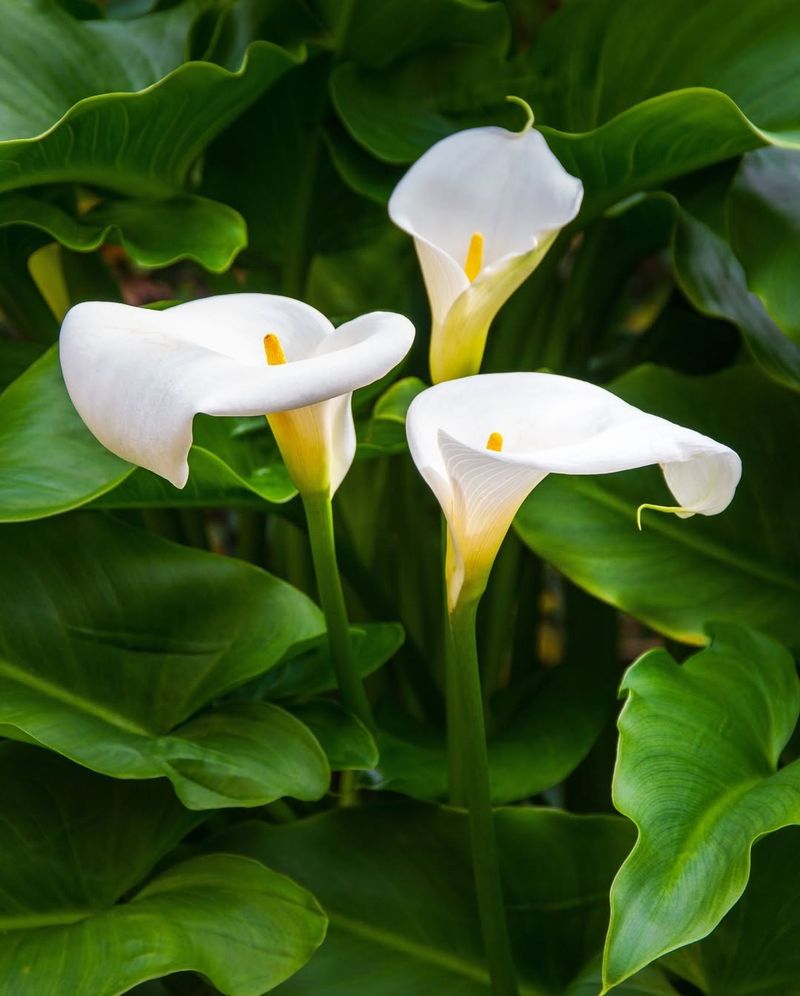
Calla lilies bring sophisticated elegance to Georgia gardens with their distinctive funnel-shaped white blooms.
These architectural flowers rise on tall stems above arrow-shaped foliage, creating vertical interest that contrasts beautifully with mounding or spreading plants.
Despite their common name, callas aren’t true lilies. These South African natives thrive in Georgia’s climate, particularly in zones 8 and warmer.
In colder parts of the state, treat them as annuals or lift rhizomes in fall for winter storage.
White calla lilies bloom from late spring through summer in Georgia gardens. Each flower consists of a white spathe wrapped around a yellow spadix, creating a sculptural form that looks equally stunning in gardens and cut flower arrangements.
Individual blooms last up to two weeks.
Plant calla lily rhizomes in spring after frost danger passes. They prefer consistently moist soil and tolerate wet conditions better than many garden plants, making them excellent choices for low spots or near water features.
In Georgia’s heat, afternoon shade prevents stress and extends bloom time.
These plants grow 18 to 36 inches tall depending on variety. Space them 12 inches apart for best effect, as callas look most impressive when planted in groups rather than as isolated specimens.
Their bold foliage provides impact even when plants aren’t flowering.
Feed callas monthly during the growing season with balanced fertilizer. They’re relatively heavy feeders compared to many perennials.
In South Georgia, established clumps can remain in the ground year-round with heavy mulch protection. Further north, lifting rhizomes before first frost ensures their survival for replanting next spring.
8. Sweet Alyssum Covers Borders With Small, Fragrant White Clusters
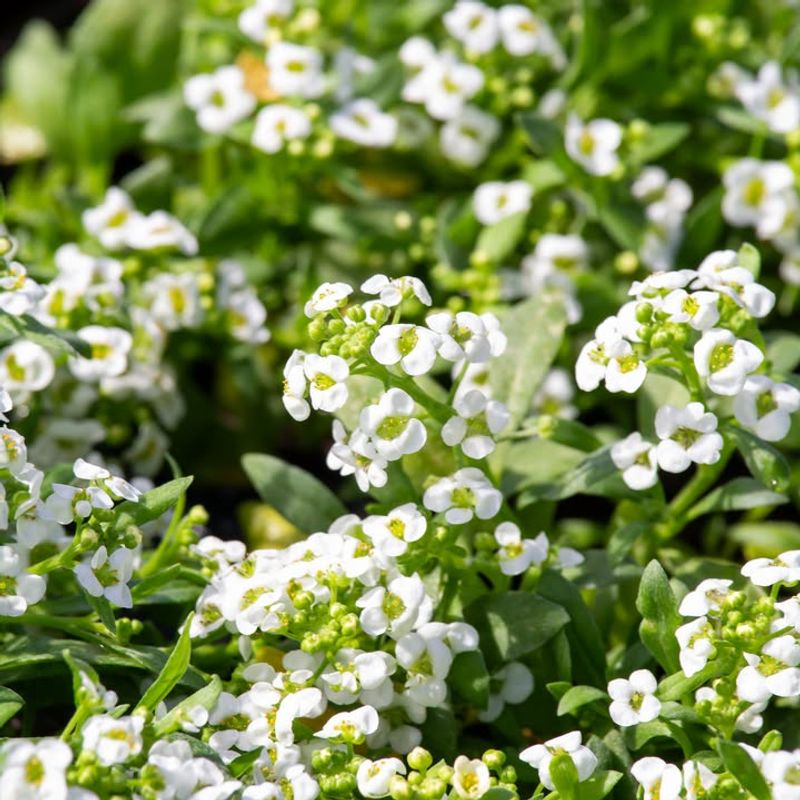
Sweet alyssum delivers maximum impact from minimal plants. These low-growing annuals spread rapidly, covering bare soil with dense mats of tiny white flowers that release honey-like fragrance on warm days.
Their billowing growth softens hard edges and fills gaps between larger plants.
Georgia gardeners appreciate alyssum’s versatility and reliability. Plant it in spring for cool-season color, or sow seeds in fall for winter and early spring blooms in South Georgia.
These tough little plants tolerate light frosts and often self-seed, returning year after year without replanting.
Each tiny flower measures just a quarter-inch across, but plants produce hundreds simultaneously, creating clouds of white that attract beneficial insects. Bees and butterflies visit alyssum constantly, making it valuable for pollinator-friendly Georgia gardens.
The sweet fragrance intensifies in evening, perfuming patios and walkways.
Alyssum grows just 4 to 6 inches tall but spreads 10 to 12 inches wide, making it perfect for edging beds, filling containers, or tucking between stepping stones.
In Georgia’s heat, plants may pause blooming during peak summer, but they rebound when temperatures moderate in fall.
These undemanding annuals thrive in average soil with regular water. Shear plants back by one-third if they become leggy or stop blooming heavily.
This rejuvenation pruning encourages fresh growth and renewed flowering within weeks.
Sweet alyssum tolerates both sun and partial shade in Georgia gardens. Full sun produces the most compact, floriferous plants in spring and fall.
During summer, afternoon shade helps plants maintain better appearance and continue blooming through heat that would otherwise stress them into dormancy.