The Wildlife Shelter Trend Growing In Indiana Yards
Wildlife shelters are popping up in backyards all across Indiana, and homeowners are excited about this nature-friendly trend.
These small structures give animals like birds, squirrels, bats, and butterflies a safe place to rest, nest, and survive harsh weather.
As cities expand and natural habitats shrink, many creatures struggle to find shelter, making backyard wildlife havens more important than ever.
Creating a wildlife-friendly yard not only helps local animals thrive but also brings beauty, education, and a sense of connection to nature right outside your door.
Whether you’re a seasoned gardener or just starting out, setting up a wildlife shelter is easier and more rewarding than you might think.
Indiana residents are discovering that even small efforts can make a big difference for the creatures that share our neighborhoods.
From simple birdhouses to elaborate bat boxes, there are countless ways to welcome wildlife into your outdoor space.
Ready to learn how you can join this growing movement and transform your yard into a haven for local animals?
Understanding What Wildlife Shelters Really Are
Backyard wildlife shelters come in many shapes and sizes, offering safe havens for creatures big and small.
Think of them as tiny homes designed specifically for the animals that live in your neighborhood.
Some shelters are as simple as a pile of logs or branches tucked in a corner, while others might be carefully crafted birdhouses or insect hotels.
The goal is to mimic the natural spaces where wildlife would normally rest, hide from predators, or raise their young.
In Indiana, common shelter types include nesting boxes for birds, bat houses, toad abodes, and butterfly boxes.
Even a rock pile can become a shelter for salamanders and small mammals.
The beauty of wildlife shelters is their flexibility—you can customize them based on which animals you want to attract and the space you have available.
Many Indiana homeowners start with one or two simple shelters and gradually add more as they see which animals visit their yards.
The key is providing protection from weather and predators while giving animals a comfortable spot to call home.
Why Indiana Homeowners Are Embracing This Movement

Hoosiers are recognizing that their yards can do more than just look pretty—they can support entire ecosystems.
As urban development continues across Indiana, natural habitats are disappearing at an alarming rate.
Forests get cleared for new subdivisions, and wetlands are drained for shopping centers, leaving wildlife with fewer places to live.
Homeowners are stepping up to fill this gap by creating mini-sanctuaries in their own backyards.
Beyond helping animals, people are discovering personal benefits too.
Watching birds raise their babies in a nesting box or seeing butterflies flutter around a shelter brings joy and reduces stress.
Kids in Indiana neighborhoods are learning about nature firsthand, developing a lifelong appreciation for wildlife.
The movement also connects neighbors who share tips, swap shelter designs, and celebrate wildlife sightings together.
Environmental awareness is growing, and many residents feel good knowing they’re making a positive impact.
Plus, wildlife shelters often require less maintenance than traditional lawns, saving time and money in the long run.
Choosing The Right Location For Maximum Success
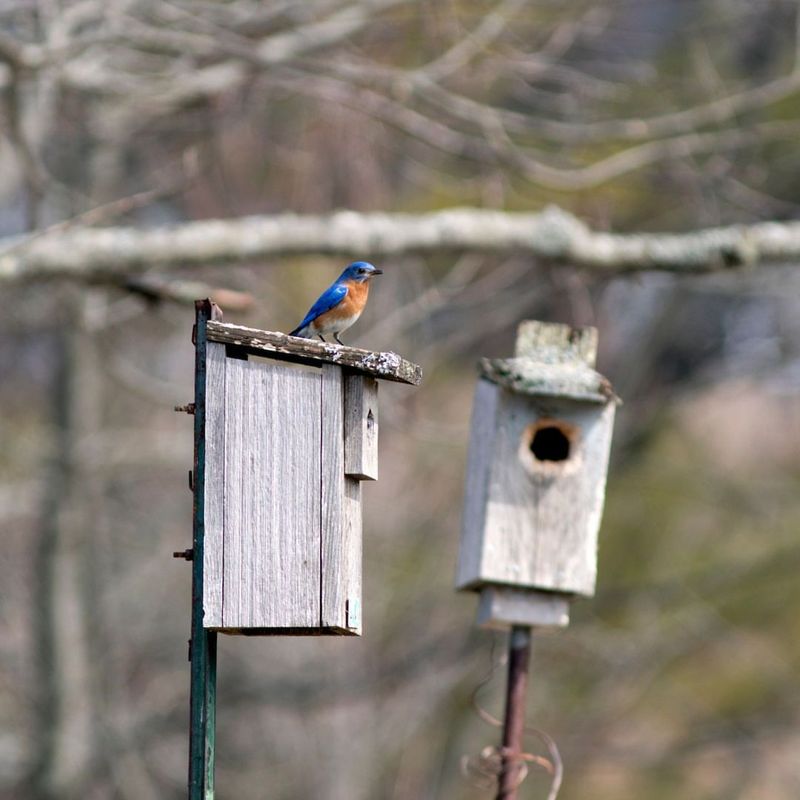
Location matters tremendously when setting up wildlife shelters in your Indiana yard.
A poorly placed shelter might sit empty all season, while a well-positioned one will attract residents almost immediately.
Start by observing your yard at different times of day to understand sun patterns, wind direction, and existing wildlife activity.
Most shelters should face away from prevailing winds, which in Indiana typically come from the west or northwest.
Morning sun is beneficial for many species, so consider east or southeast-facing entrances.
Height is another crucial factor—birdhouses generally work best when mounted five to fifteen feet high, depending on the species you’re targeting.
Ground-level shelters like toad houses should be tucked under shrubs or near water sources.
Keep shelters away from busy areas where pets or people frequently pass through.
Distance from your house matters too—some animals prefer privacy, while others don’t mind being closer to human activity.
Indiana backyards with a mix of open space and wooded areas offer ideal flexibility for multiple shelter types.
Native Plants Make Your Shelters More Attractive
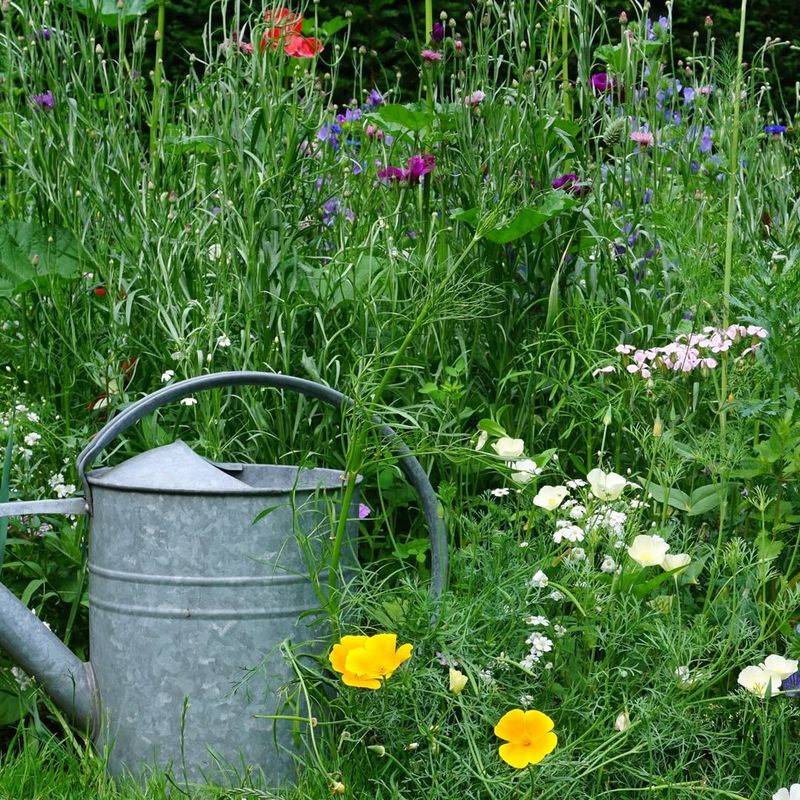
Wildlife shelters work best when surrounded by the right plants that animals naturally recognize and trust.
Native Indiana plants provide food, additional cover, and nesting materials that complement your shelters perfectly.
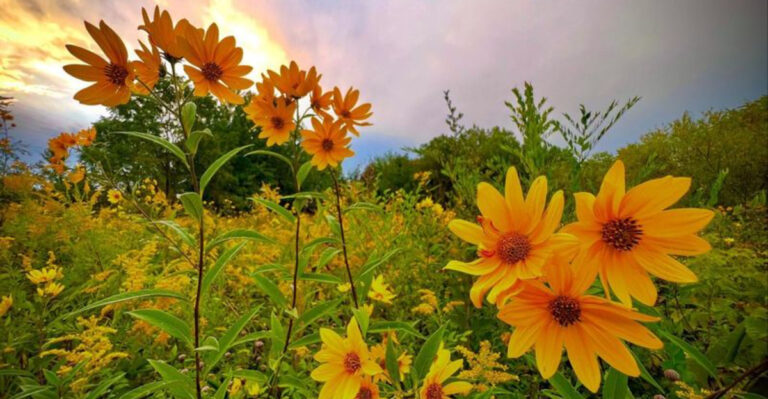
Purple coneflowers, black-eyed Susans, and wild bergamot attract pollinators while offering seeds for birds.
Shrubs like serviceberry and elderberry produce berries that feed dozens of bird species throughout the year.
Oak trees support hundreds of insect species, which in turn feed baby birds and other wildlife.
When you combine native plantings with shelters, you create a complete habitat that meets all of an animal’s needs.
Non-native plants often fail to support local wildlife because insects and animals haven’t evolved to use them.
Indiana gardeners are discovering that native plants require less water and fertilizer once established, making them environmentally friendly choices.
Many local nurseries now specialize in native species, making it easier than ever to find the right plants.
Grouping plants in clusters rather than scattering them individually creates better shelter and more natural-looking landscapes.
Building Versus Buying Your Wildlife Shelters
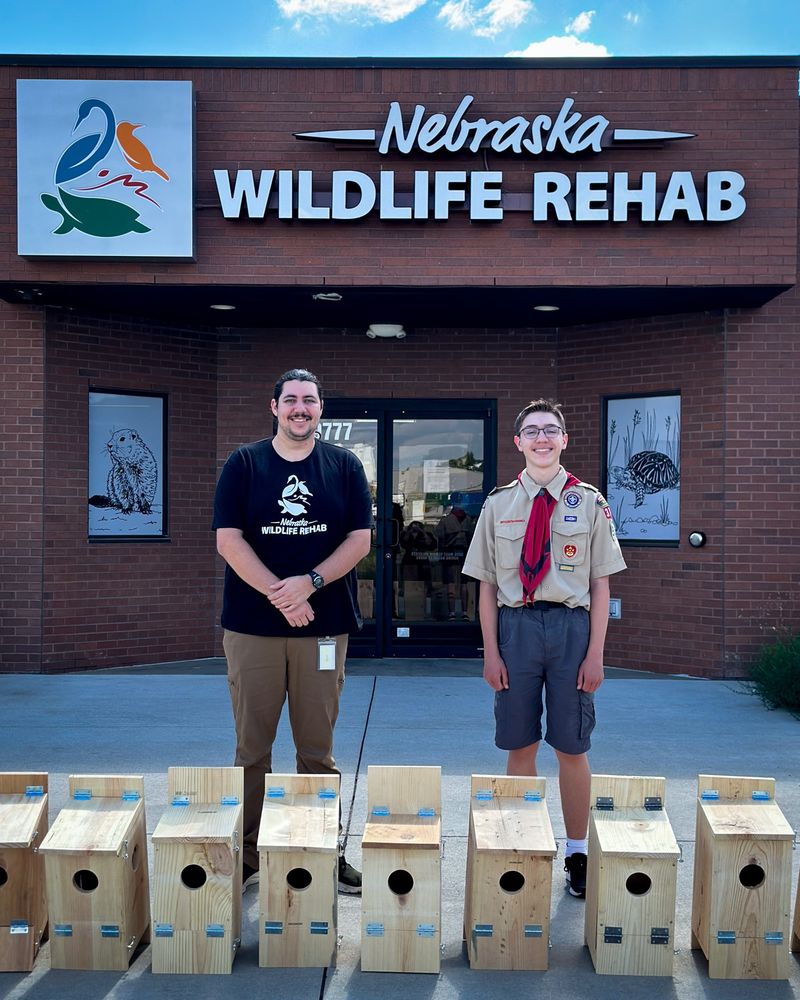
Deciding whether to build or buy your wildlife shelters depends on your skills, budget, and available time.
Building your own shelters can be incredibly rewarding and allows for complete customization.
Simple birdhouses require only basic carpentry skills and materials like untreated wood, screws, and a drill.
Many Indiana libraries and nature centers offer free plans and even host workshops where beginners can learn.
DIY projects also make wonderful family activities that teach kids about wildlife while developing practical skills.
However, purchasing pre-made shelters ensures proper dimensions and features that specific species need.
Commercial shelters often include ventilation holes, drainage, and predator guards that amateurs might forget.
Quality matters—cheap shelters made from treated wood or plastic may contain harmful chemicals or deteriorate quickly.
Indiana residents find that investing in well-made shelters saves money over time since they last for many years.
Whether you build or buy, always research the specific needs of your target species before starting your project.
Maintaining Shelters Throughout Indiana’s Changing Seasons
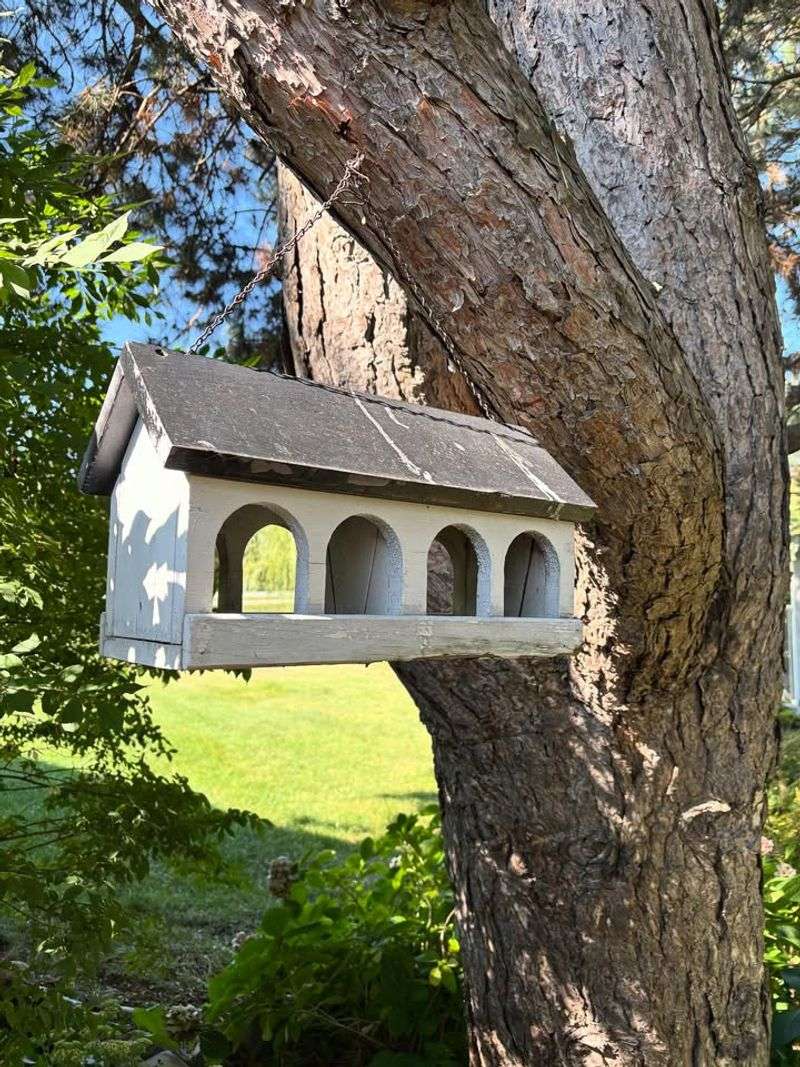
Regular maintenance keeps your wildlife shelters safe, clean, and attractive to potential residents year after year.
Indiana’s four distinct seasons bring different maintenance challenges that responsible shelter providers must address.
Late fall is the ideal time to clean out birdhouses, removing old nesting materials that might harbor parasites or disease.
Wear gloves and a mask when cleaning, and dispose of old nests in sealed bags.
Check for damage from weather or woodpeckers, repairing holes and replacing worn hinges or roofs.
Winter in Indiana can be harsh, so ensure shelters are secure and won’t blow down in strong winds.
Some species use shelters for winter warmth, so don’t remove all your boxes during cold months.
Spring brings nesting season, when you should avoid disturbing active shelters but can monitor from a respectful distance.
Summer maintenance might include trimming vegetation that blocks entrances or creates pathways for predators.
Keeping a simple maintenance log helps you remember when each shelter was last serviced and which ones are most popular.
Attracting Specific Species To Your Indiana Yard
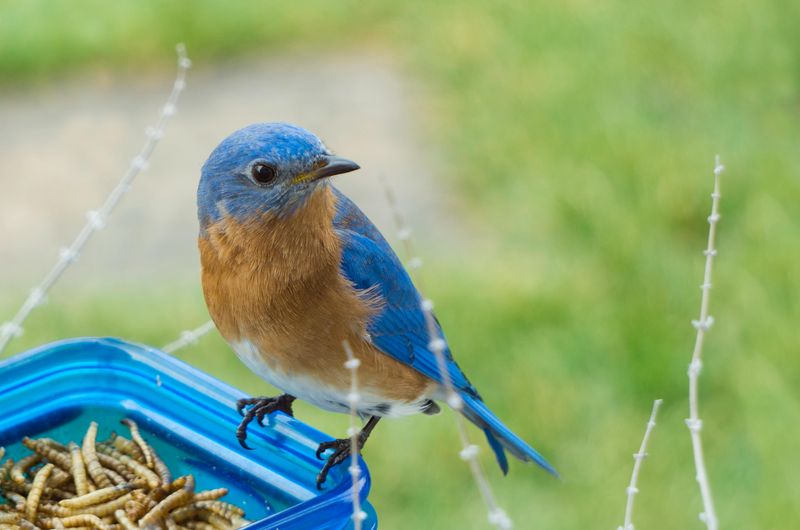
Different animals have very specific requirements, and understanding these needs helps you attract your favorite species.
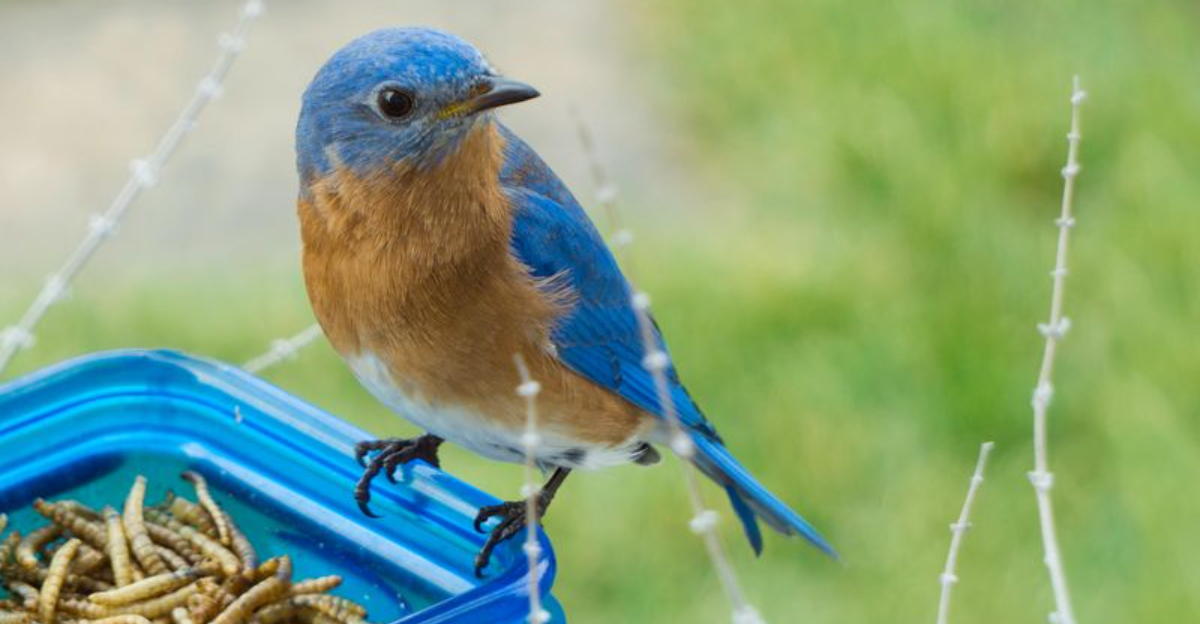
Eastern bluebirds, beloved across Indiana, prefer houses with 1.5-inch entrance holes mounted in open areas near short grass.
Chickadees and wrens like smaller holes around 1.25 inches, often in wooded or semi-wooded settings.
Bats need narrow, tall boxes with rough interior surfaces they can grip, placed at least fifteen feet high.
Indiana is home to several bat species that consume thousands of mosquitoes nightly, making bat houses particularly valuable.
Butterflies appreciate shelters with narrow slots and rough bark inside, positioned in sunny flower gardens.
Toads prefer cool, damp spots near water, so their shelters work best tucked under hostas or near rain gardens.
Mason bees, excellent pollinators, need tubes or drilled blocks placed in sunny locations protected from rain.
Research your target species before building or buying to ensure entrance size, interior dimensions, and placement match their preferences.
Many Indiana yards can support multiple species simultaneously with proper planning and varied shelter types.
Water Sources Complete Your Wildlife Habitat
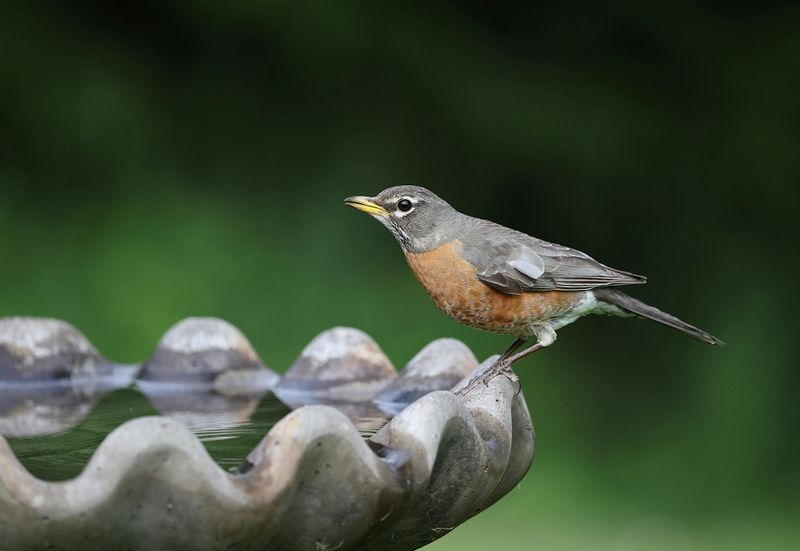
Shelters alone won’t create a thriving wildlife habitat—animals also need reliable access to clean water.
Even the fanciest shelter will sit empty if thirsty animals must travel far to drink.
Birdbaths are the most common water feature, but they need to be shallow with rough surfaces so birds can grip safely.
Change the water every few days during Indiana summers to prevent mosquito breeding and keep it fresh.
Adding stones or marbles to birdbaths gives insects and small birds safe landing spots.
Ground-level water sources like shallow dishes serve butterflies, bees, and small mammals.
During winter, heated birdbaths become incredibly valuable when natural water sources freeze.
Moving water from fountains or drippers attracts more wildlife because animals can hear it from greater distances.
Rain gardens serve double duty by managing stormwater runoff while providing seasonal water sources for wildlife.
Position water features near shelters but not so close that predators can ambush drinking animals.
Indiana homeowners find that adding water dramatically increases the variety and number of wildlife visitors.
Dealing With Predators And Unwanted Visitors
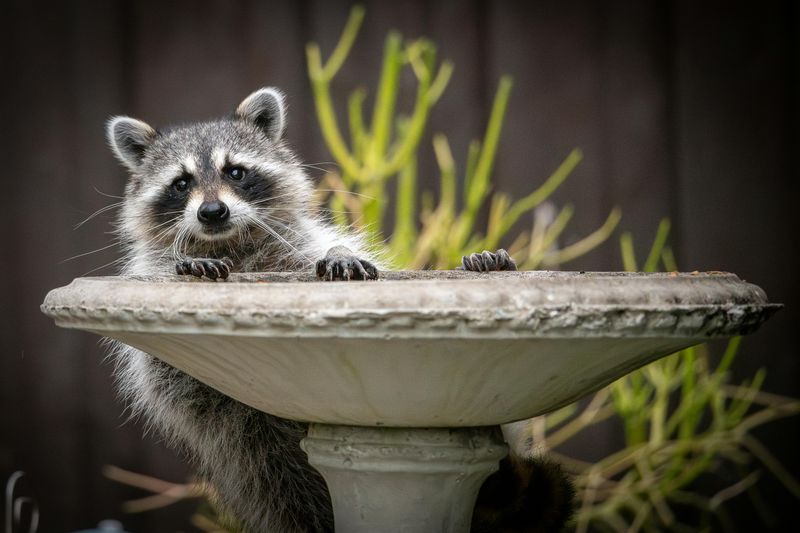
Creating wildlife shelters sometimes attracts visitors you didn’t plan for, requiring thoughtful management strategies.
Cats, both domestic and feral, pose the biggest threat to birds and small mammals using your shelters.
Mounting birdhouses on metal poles with predator baffles prevents climbing predators from reaching nests.
Keep shelters at least ten feet from trees, fences, or structures that cats could use as launching points.
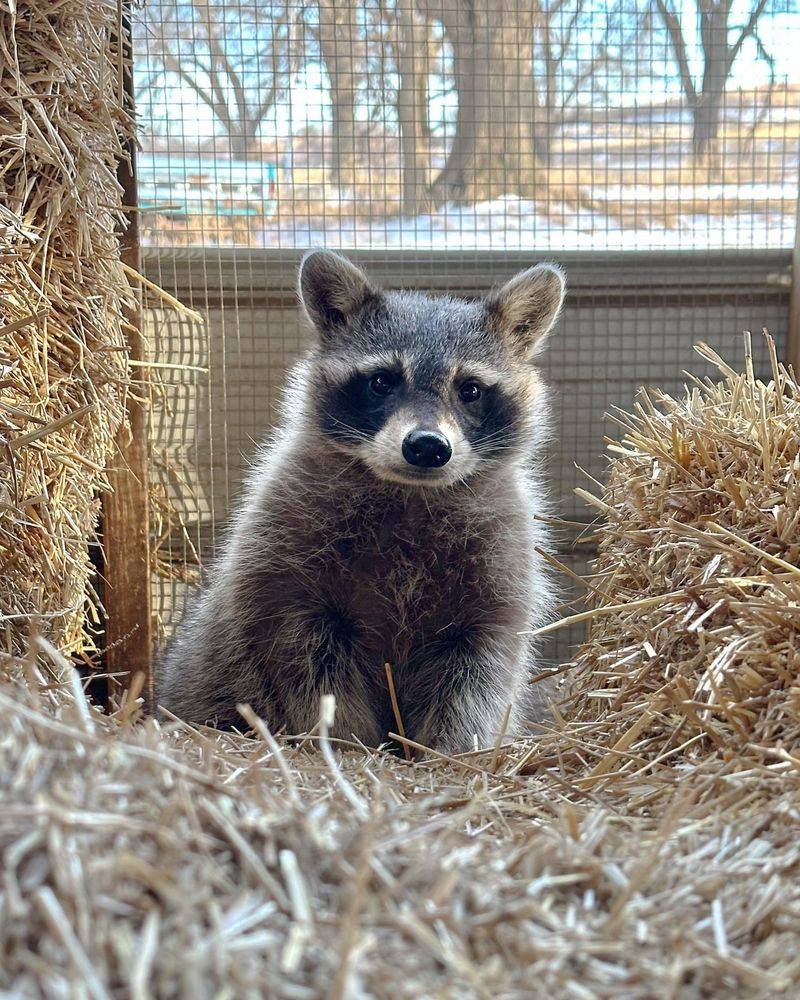
Raccoons can be clever and persistent, often raiding nesting boxes if entrance holes are too large.
Installing predator guards—metal plates around entrance holes—prevents raccoons from enlarging openings.
Squirrels sometimes take over bird shelters, but providing separate squirrel feeders often solves this problem.
House sparrows and European starlings, non-native species, can aggressively compete with native birds for shelters.
Indiana wildlife experts recommend monitoring shelters and removing invasive species’ nests before eggs are laid.
Never use poison or lethal traps, which can harm non-target animals and upset the ecological balance you’re trying to create.
Most predator issues can be managed through proper shelter design and placement rather than elimination efforts.
Connecting With Indiana’s Wildlife Shelter Community

You don’t have to navigate this wildlife-friendly journey alone—Indiana has a vibrant community ready to help.
Local Audubon chapters offer workshops, yard tours, and mentorship programs for beginners and experienced wildlife gardeners alike.
County extension offices provide free resources about native plants, shelter designs, and wildlife management specific to your region.
Online forums and social media groups connect Indiana residents who share photos, ask questions, and celebrate wildlife successes.
Many communities organize “wildlife habitat tours” where homeowners showcase their yards and share lessons learned.
The National Wildlife Federation’s Certified Wildlife Habitat program lets you officially recognize your efforts with a yard sign.
Indiana state parks and nature centers frequently host events focused on backyard conservation and wildlife shelters.
Joining these communities provides ongoing education, inspiration, and accountability to keep improving your wildlife habitat.
You’ll discover new species to attract, learn about seasonal challenges, and find solutions to problems you encounter.
Building connections with fellow wildlife enthusiasts makes the experience more enjoyable and helps create networks of habitat across entire neighborhoods.