The Winter Cyclamen Trick Wisconsin Homeowners Rely On For Longer Blooms
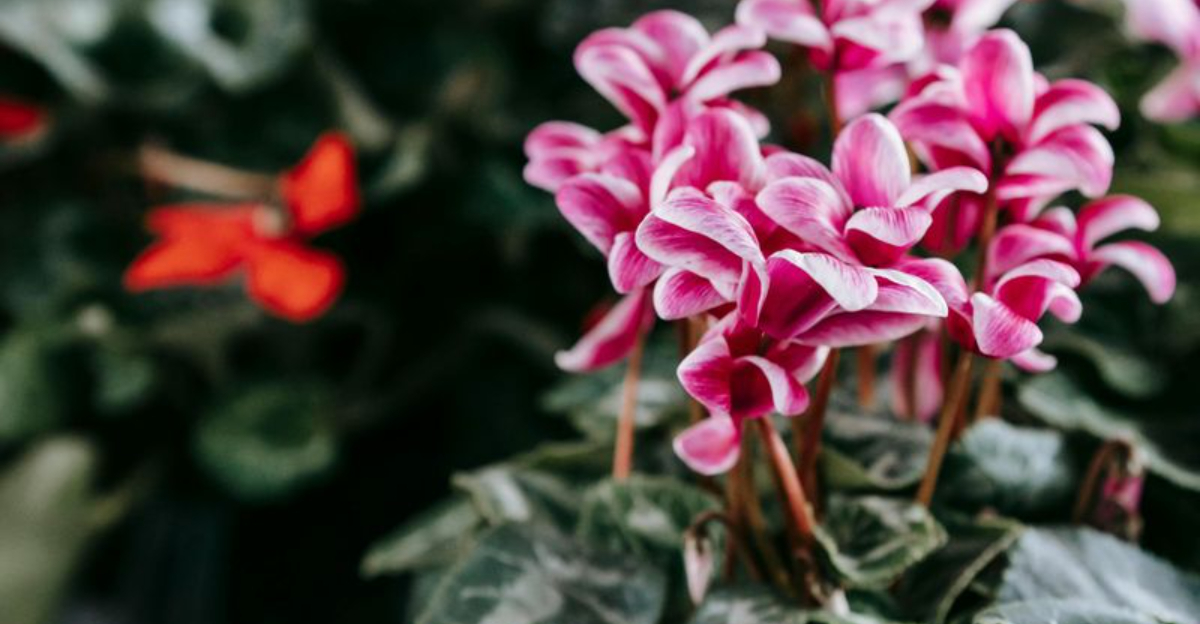
Winter in Wisconsin can be unforgiving, yet cyclamen often brighten homes with cheerful blooms when everything outside looks frozen.
The challenge comes when those flowers fade too quickly, cutting the display short.
Savvy homeowners have discovered a simple winter-season trick that keeps cyclamen blooming longer and stronger despite dry indoor air and fluctuating temperatures.
It focuses on timing, placement, and one often-overlooked care habit that makes all the difference.
Passed along quietly among plant lovers, this approach helps cyclamen conserve energy, resist stress, and maintain vibrant color well beyond expectations, turning a short-lived plant into a lasting winter highlight.
Why Cyclamen Thrives In Cooler Indoor Conditions
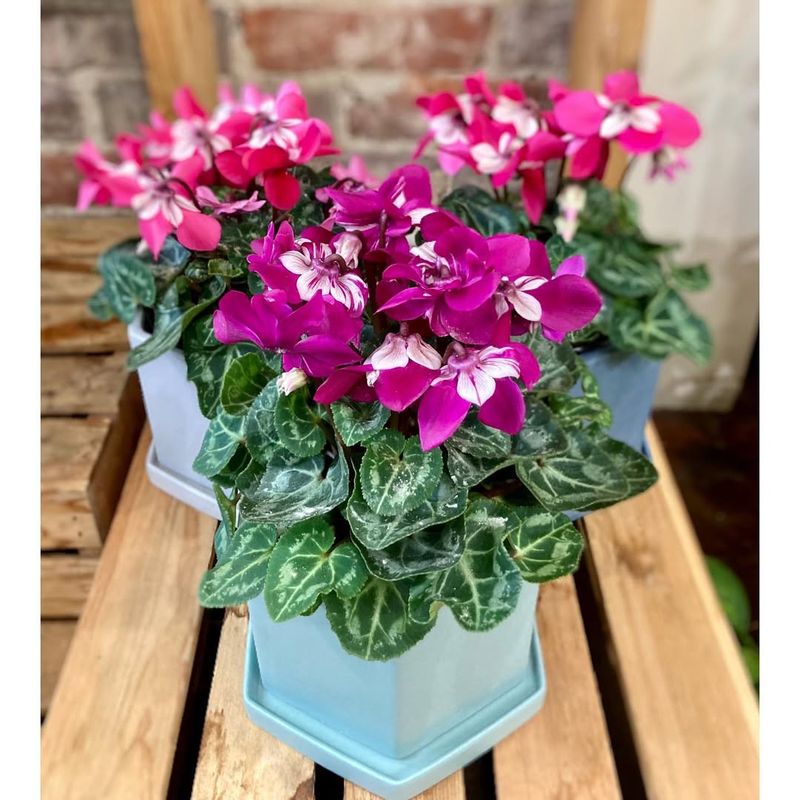
Most houseplants prefer warmth, but cyclamen actually enjoys cooler temperatures that mimic its natural Mediterranean mountain habitat during winter months.
Wisconsin homes often have chilly spots near windows or entryways that other plants dislike, yet cyclamen flourishes in these exact conditions.
Keeping your plant in a room that stays between fifty and sixty-five degrees creates an ideal environment for continuous flowering.
Warmer rooms cause the blooms to fade quickly and the leaves to turn yellow, signaling stress from excessive heat indoors.
Many homeowners place cyclamen in bedrooms or enclosed porches where heating systems don’t blast constantly throughout the day and night.
The cooler air slows down the plant’s metabolism just enough to extend each bloom’s lifespan by several weeks compared to warmer spots.
Finding that perfect cool corner in your home becomes the foundation for all other care practices you’ll implement moving forward.
Wisconsin’s naturally cooler indoor spaces during winter make this state particularly suited for cyclamen success when placed strategically throughout the house.
Choosing The Right Spot During Winter
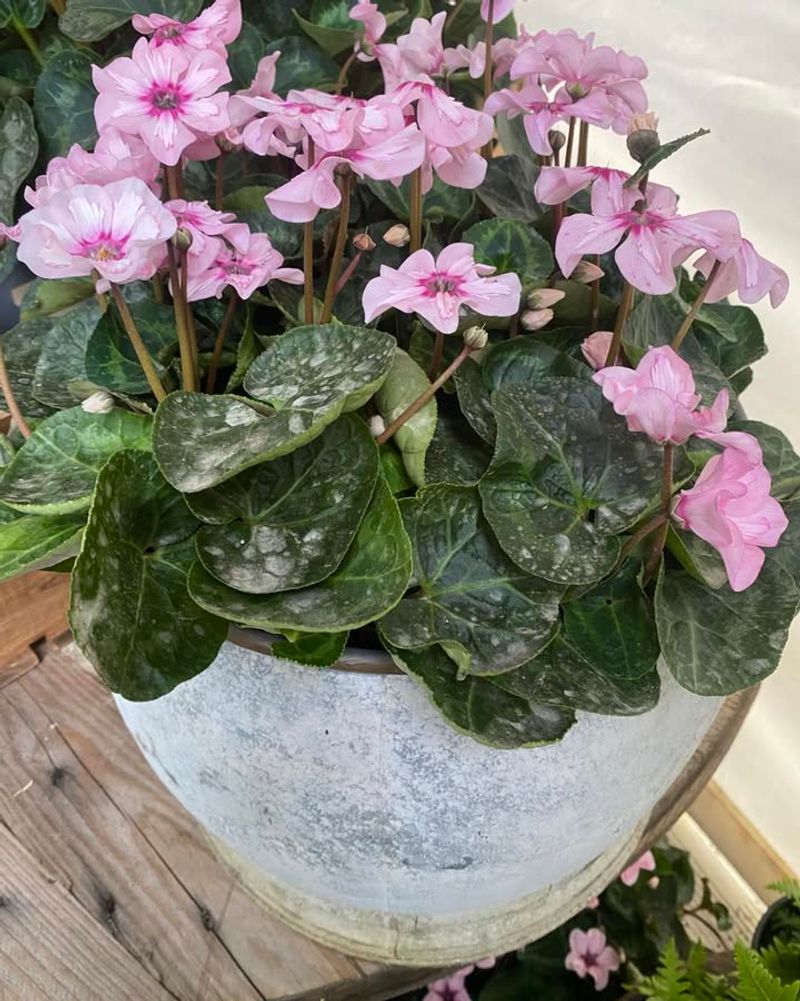
Location matters tremendously when you want your cyclamen to bloom continuously through Wisconsin’s long, dark winter months without wilting prematurely.
Bright, indirect light works best for these plants, so north-facing windows or spots near east-facing windows provide ideal conditions daily.
Direct afternoon sun through south or west windows can scorch the delicate leaves and cause flowers to fade much faster than expected.
Some Wisconsin gardeners use sheer curtains to filter harsh winter sunlight while still allowing plenty of brightness to reach their plants.
Avoid placing cyclamen near heating vents, radiators, or fireplaces, as these heat sources dry out the air and stress the plant.
Drafty doorways might seem too cold, but as long as the temperature doesn’t drop below forty degrees, cyclamen handles it well.
Basements with windows can work wonderfully if they receive adequate natural light and maintain that perfect cool temperature range consistently.
Experimenting with different spots in your home helps you discover where your cyclamen looks happiest and produces the most blooms.
How Temperature Affects Bloom Duration
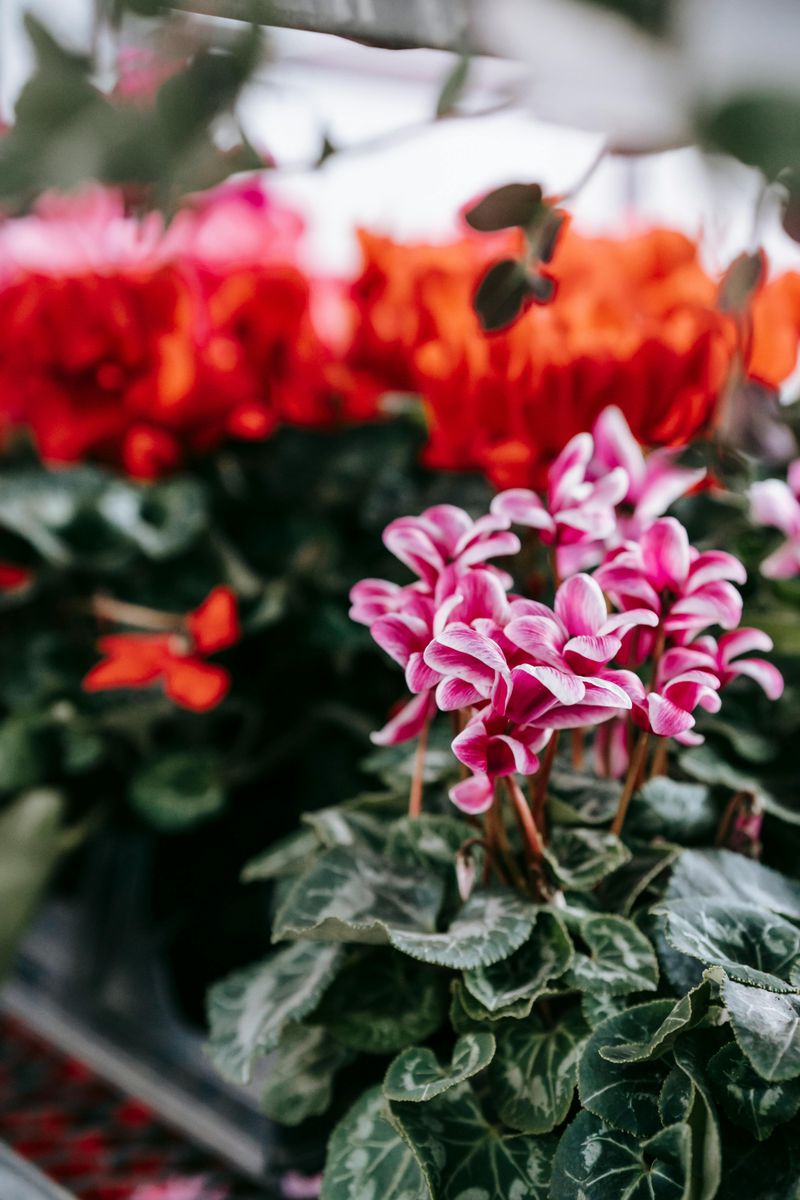
Temperature control stands as the single most important factor determining how long your cyclamen will continue producing beautiful flowers this season.
When temperatures climb above seventy degrees, cyclamen interprets this as a signal to slow down blooming and prepare for dormancy instead.
Wisconsin homeowners who maintain cooler indoor temperatures naturally give their plants a significant advantage over those in warmer southern climates.
Each flower can last up to four weeks in cool conditions, but that same bloom might fade within ten days in warmth.
Nighttime temperatures dropping into the mid-fifties actually encourage more buds to form, extending the overall blooming period by several extra weeks.
If your home runs warm, consider moving cyclamen to an unheated sunroom or garage with windows where freezing won’t occur overnight.
Monitoring temperature with a simple thermometer near your plant helps you understand exactly what conditions your cyclamen experiences daily and nightly.
Adjusting your home’s thermostat down just a few degrees in rooms where you keep cyclamen can make a remarkable difference overall.
Proper Watering Without Causing Rot
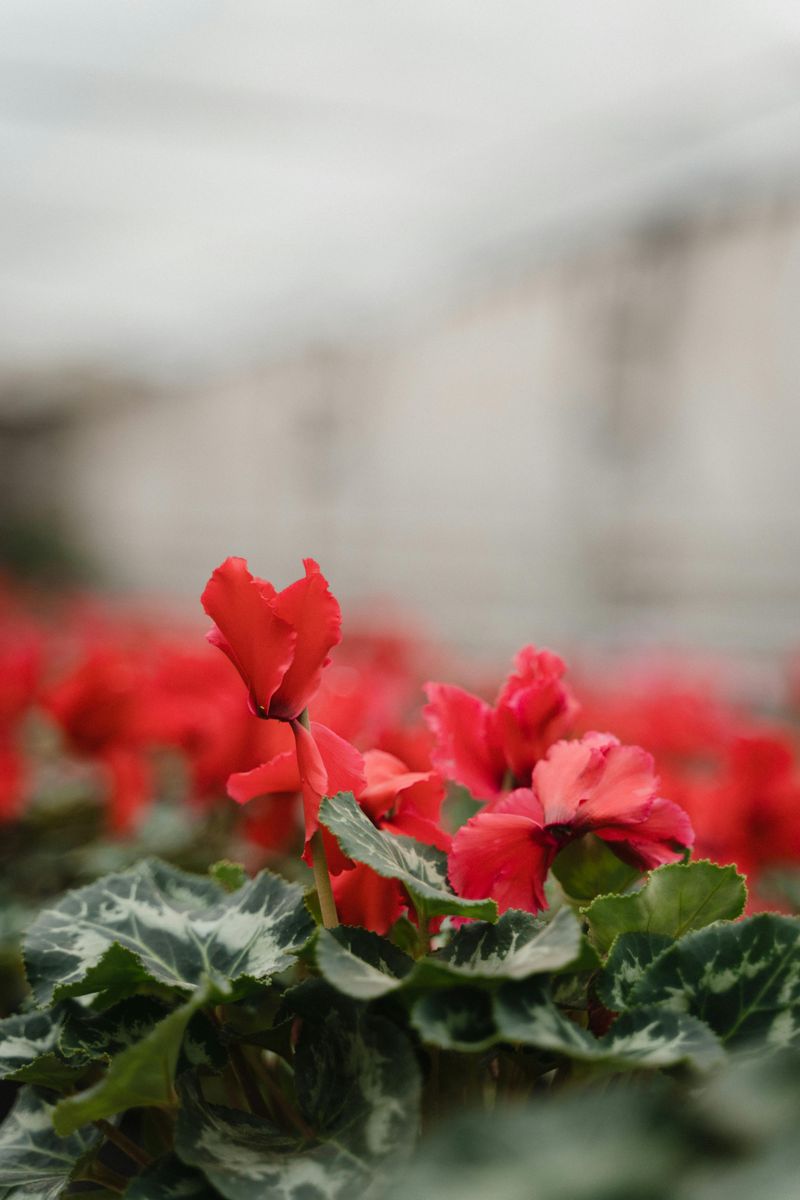
Watering cyclamen requires a delicate balance because the tuber sitting at soil level is extremely prone to rotting when moisture accumulates.
Never pour water directly onto the crown where leaves and stems emerge, as this invites fungal problems that can end blooming.
Instead, water around the edges of the pot or use the bottom-watering method to keep the crown completely dry always.
The soil should dry out slightly between waterings, but never become bone dry, as cyclamen leaves will collapse dramatically when too thirsty.
Wisconsin’s dry winter air means you might need to water more frequently than expected, sometimes every three to four days.
Stick your finger into the soil an inch deep to check moisture levels before deciding whether watering is necessary that day.
Yellow leaves often indicate overwatering rather than underwatering, so err on the side of slightly drier conditions if you’re uncertain.
Using room-temperature water prevents shocking the roots, which can cause the plant to drop buds before they even open into flowers.
Why Bottom Watering Works Best
Bottom watering has become the preferred method among experienced Wisconsin cyclamen growers because it completely eliminates crown rot risks effectively.
Simply place your cyclamen pot in a saucer or tray filled with about an inch of water and let it sit.
The plant absorbs moisture through drainage holes in the bottom, pulling water up through the soil as the roots need it.
After fifteen to twenty minutes, remove the pot from the water and allow any excess to drain away completely before returning it.
This method ensures the roots get adequate moisture while the sensitive crown and tuber stay perfectly dry throughout the entire process.
Wisconsin’s hard water can leave mineral deposits on soil surfaces, but bottom watering minimizes this unsightly white crust from forming visibly.
Some gardeners add a diluted liquid fertilizer to the water once monthly during the blooming period to provide gentle nutrition continuously.
You’ll notice your cyclamen perks up within hours of bottom watering, with leaves standing more upright and flowers looking brighter almost immediately.
Managing Indoor Heat And Dry Air
Wisconsin winters force heating systems to run constantly, creating desert-like conditions indoors that cyclamen finds stressful and bloom-shortening over time.
Dry air causes leaf edges to brown and flowers to wilt prematurely, even when watering and temperature are otherwise perfect.
Increasing humidity around your cyclamen without wetting the foliage requires creative solutions that don’t involve misting the plant directly ever.
Place the pot on a tray filled with pebbles and water, ensuring the pot bottom sits above the waterline always.
As water evaporates from the tray, it creates a humid microclimate around the plant without touching leaves or crown areas.
Grouping several houseplants together also raises local humidity as they all transpire moisture into the surrounding air naturally throughout each day.
Running a cool-mist humidifier in the room benefits not only your cyclamen but also your own comfort during harsh winter months.
Aim for humidity levels between forty and sixty percent, which you can monitor easily with an inexpensive hygrometer from any hardware store.
Removing Spent Blooms And Yellowing Leaves
Regular grooming keeps your cyclamen looking tidy and actually encourages the plant to produce more flowers instead of setting seed prematurely.
When flowers fade, don’t just pluck off the bloom; instead, follow the stem down to the base and twist gently.
The entire stem should pull away cleanly from the tuber without leaving a stub that could rot and cause problems later.
Yellow or brown leaves should be removed the same way, as they no longer contribute to the plant’s health or appearance.
Some Wisconsin gardeners check their cyclamen every few days, removing spent parts to keep energy focused on new growth constantly.
This grooming process takes only minutes but can extend the blooming season by several weeks as the plant redirects resources effectively.
Leaving withered material on the plant invites fungal diseases and pests that thrive in the moist conditions cyclamen prefers for growing.
Your plant will reward diligent grooming with a continuous parade of fresh buds emerging from the center throughout the entire winter.
Common Mistakes That Shorten Bloom Time
Even experienced gardeners sometimes make simple errors that dramatically reduce how long their cyclamen blooms throughout Wisconsin’s coldest months ahead.
Placing plants too close to heating sources ranks as the number one mistake, causing rapid bloom decline within just days.
Overwatering comes in as a close second, with root rot ending the blooming period abruptly and sometimes irreversibly for the season.
Using cold water straight from the tap shocks the roots, causing buds to drop before opening, which frustrates many new cyclamen owners.
Fertilizing too heavily or too frequently burns the delicate roots and forces the plant into dormancy earlier than it should naturally.
Ignoring the plant’s need for cool temperatures because your home stays warm means fighting against the plant’s natural preferences constantly and unsuccessfully.
Misting the foliage to increase humidity actually promotes fungal diseases on leaves and flowers, doing more harm than good overall.
Recognizing these common pitfalls helps you avoid them entirely and gives your cyclamen the best possible chance for months of beautiful blooms.