The Winter Garden Tips That Work Best For Your Arizona Yard
Winter in an Arizona yard doesn’t mean growth stops, it just changes pace. What you do during this season often shows up later, for better or worse, once temperatures rise.
Arizona winters are mild enough that plants stay active below the surface, even when they don’t look busy above ground.
Small choices made now affect root strength, moisture balance, and how well plants handle the sudden shift into spring heat. Ignoring winter care can leave a yard playing catch-up when growth speeds up.
The most effective winter tips aren’t complicated or time-consuming. They focus on timing, observation, and working with desert conditions instead of against them.
Paying attention now helps plants transition smoothly, reduces stress later, and keeps your yard looking steady through the seasonal shift instead of scrambling once warmth arrives.
1. Protect Plants From Overnight Frost When Temperatures Dip
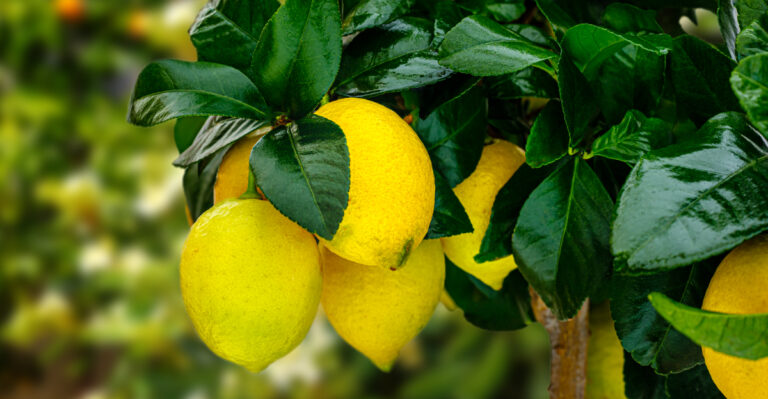
Frost protection becomes essential when Arizona temperatures unexpectedly drop below freezing overnight. Citrus trees, tender succulents, and tropical plants need coverage when forecasts predict temperatures near 32 degrees or lower.
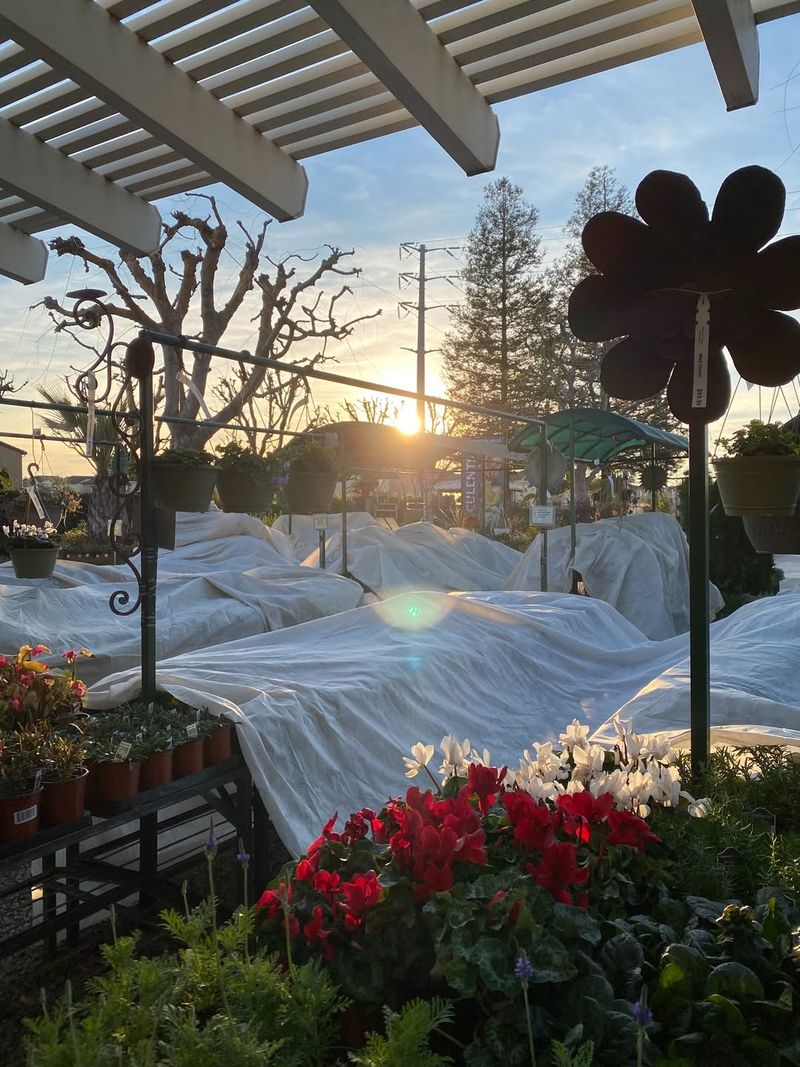
Lightweight frost blankets work better than plastic sheeting because they allow moisture to escape while trapping warmth near the plant.
Covering plants before sunset helps retain the day’s warmth around the foliage. Drape the fabric completely over the plant and secure the edges with rocks or stakes to prevent wind from blowing the cover away.
Remove coverings once morning temperatures rise above freezing so plants don’t overheat under the fabric during sunny Arizona afternoons.
Potted plants offer easier protection since you can move them under eaves, into garages, or closer to warm exterior walls. Grouping containers together creates a microclimate that holds heat better than isolated pots.
Watering plants before a freeze actually helps because moist soil retains heat longer than dry ground.
Young citrus trees and newly planted specimens need extra attention since they haven’t developed cold tolerance yet. String outdoor lights through branches to generate gentle warmth, or wrap trunks with insulating material.
Most established desert-adapted plants handle brief cold spells without intervention, but imported ornamentals require your watchful care during Arizona’s occasional winter cold snaps that surprise unprepared gardeners.
Keep frost covers stored nearby during winter so you can act quickly when sudden cold warnings appear.
A few minutes of preparation in the evening often makes the difference between minor leaf damage and permanent plant stress.
2. Water Deeply But Less Often During Cool Weather
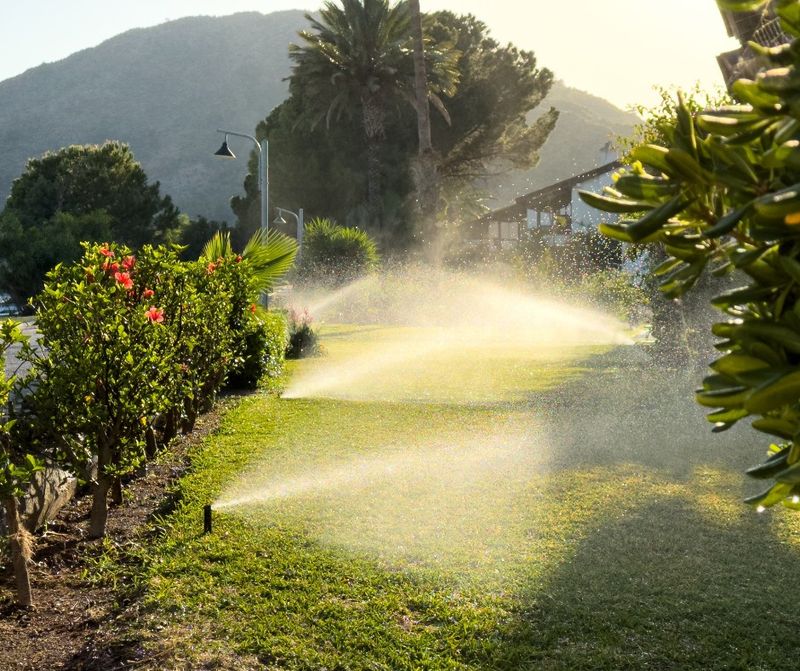
Winter watering schedules confuse many Arizona gardeners who assume plants need constant moisture year-round. Cool temperatures dramatically reduce evaporation rates and slow plant growth, meaning roots require far less water than during scorching summer months.
Overwatering becomes the bigger danger during winter because soggy soil encourages root problems and fungal issues that weaken plants.
Check soil moisture before watering by pushing your finger several inches below the surface. If the soil feels damp, wait another few days before watering again.
Most established desert plants need watering every two to three weeks during Arizona winters, depending on soil type and weather.
Deep watering encourages roots to grow downward rather than staying shallow near the surface. Run irrigation systems longer but less frequently, allowing water to penetrate twelve to eighteen inches deep.
Shallow frequent watering creates weak root systems that struggle when temperatures warm up again in spring.
Adjust automatic timers to reflect seasonal changes rather than leaving them on summer settings. Early morning watering works best because it gives foliage time to dry before nighttime temperatures drop.
Container plants dry out faster than in-ground plantings, so check them more frequently even during cool weather to prevent stress from inconsistent moisture levels.
3. Take Advantage Of Winter Sun For Growth And Warmth
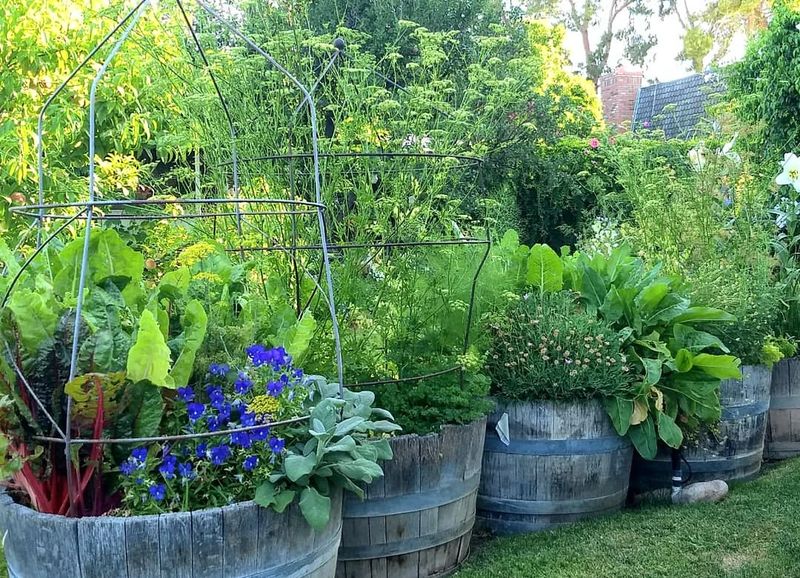
Positioning plants to maximize winter sunlight makes a remarkable difference in Arizona gardens during cooler months. The sun sits lower in the sky during winter, creating different shadow patterns than summer’s overhead rays.
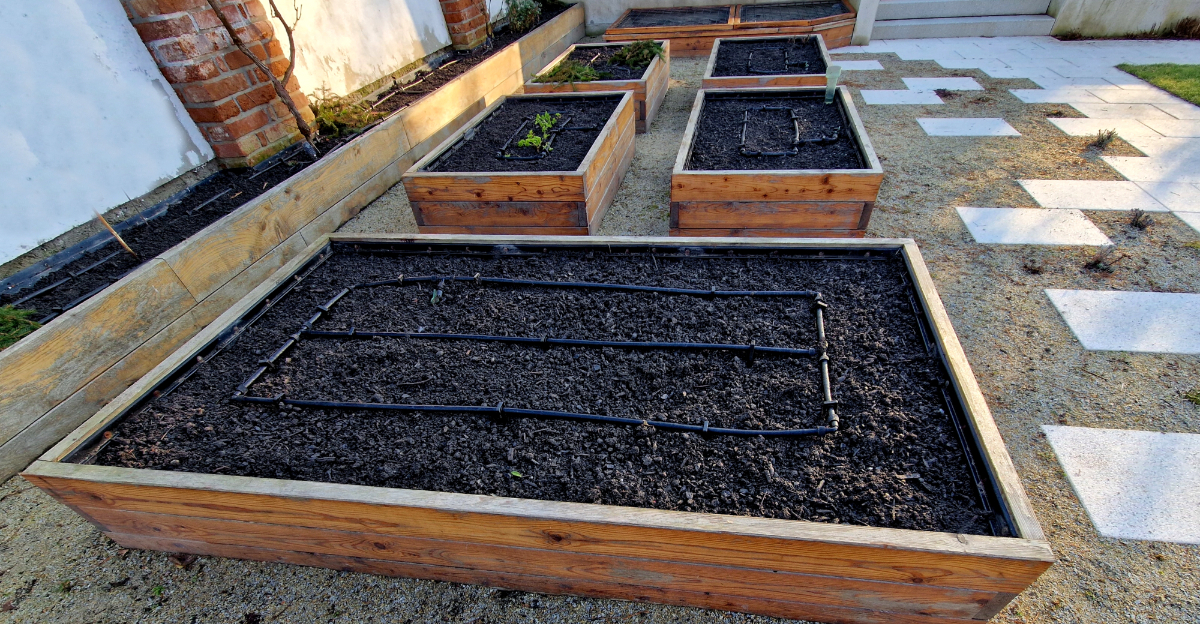
South-facing garden beds receive the most consistent warmth and light, perfect for cool-season vegetables that appreciate every bit of available sunshine.
Reflective surfaces near garden areas bounce additional light onto plants, extending productive growing hours. Light-colored walls, stones, or mulches increase the amount of solar energy plants absorb throughout shorter winter days.
This passive solar heating helps tender plants survive chilly nights by storing daytime warmth that radiates back after sunset.
Winter shadows from buildings, walls, and trees stretch much longer than summer shadows. Observe your yard during midday to identify which areas stay sunny and which fall into shade.
Plant cold-sensitive specimens in the warmest, sunniest spots while using shadier locations for truly cold-hardy varieties that tolerate less direct light.
Arizona’s intense winter sun still provides excellent growing conditions despite cooler air temperatures. Leafy greens, herbs, and root vegetables thrive in full sun exposure during winter months.
Clear away any debris or overgrown plants that block sunlight from reaching your productive garden beds, ensuring maximum light penetration for robust winter growth in your Arizona landscape.
4. Hold Off On Heavy Pruning Until Late Winter
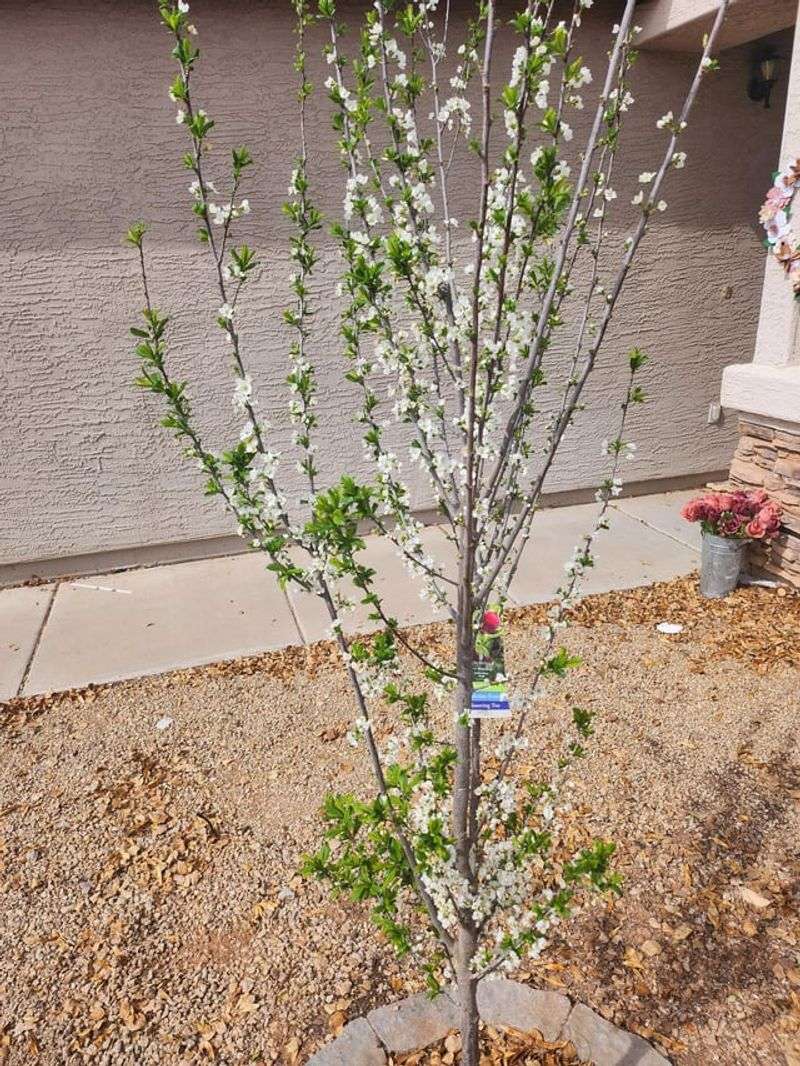
Pruning timing affects how well plants recover and grow in Arizona’s unique climate zones. Major pruning cuts during early winter expose tender new growth to potential frost damage when cold snaps arrive unexpectedly.
Plants naturally slow their growth during cool weather, making this a poor time for aggressive trimming that stimulates unwanted new shoots.
Wait until late February or early March when the risk of freezing temperatures passes in most Arizona regions. This timing allows you to shape plants just before their spring growth spurt begins.
Pruning right before active growth means plants quickly heal cuts and fill in with healthy new foliage.
Remove only broken, damaged, or clearly unhealthy branches during winter months. Light cleanup maintains appearance without triggering the vigorous regrowth response that heavy pruning causes.
Frost-damaged branch tips often look worse than they actually are, so resist the urge to cut them back immediately.
Fruit trees benefit from dormant-season pruning, but timing varies by variety and location within Arizona. Stone fruits like peaches need pruning while fully dormant, whereas citrus trees prefer late winter or early spring trimming.
Flowering shrubs that bloom on old wood shouldn’t be pruned until after their spring flower show finishes.
Sharpened, clean tools make precise cuts that heal faster than ragged tears from dull blades. Sterilize pruners between plants to prevent spreading diseases through your Arizona garden during winter maintenance work.
5. Mulch Lightly To Insulate Roots Without Trapping Cold
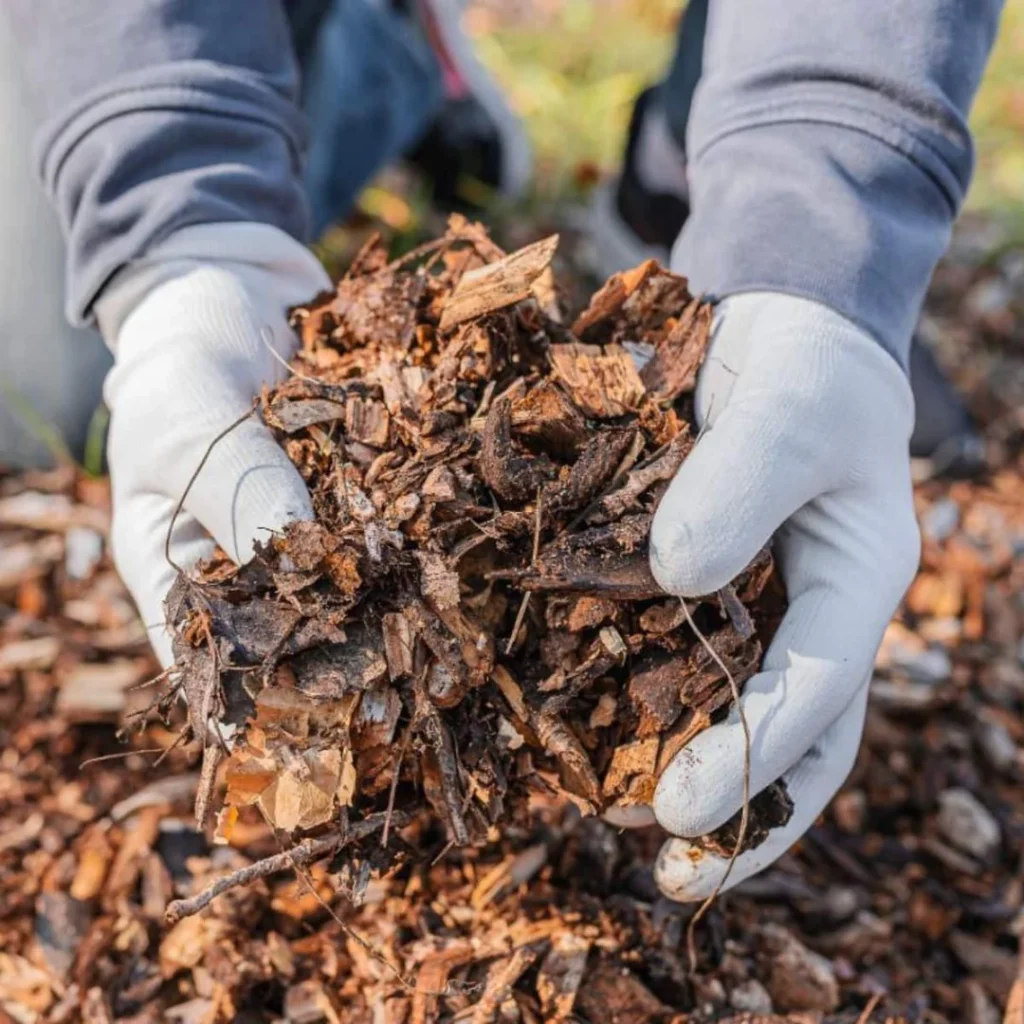
Mulching strategies differ significantly between Arizona winters and cold-climate gardening advice found in general gardening books. A thin layer of organic mulch provides insulation that moderates soil temperature swings without creating the moisture problems that thick mulch causes.
Two to three inches of material works perfectly for most Arizona garden situations during winter months.
Organic mulches like shredded bark, compost, or straw break down gradually while improving soil structure. Keep mulch pulled back several inches from plant stems and tree trunks to prevent moisture buildup that encourages rot.
Piling mulch against bark creates perfect conditions for pests and diseases that damage plants over time.
Desert-adapted plants actually prefer minimal mulch since they evolved in environments with exposed soil surfaces. Cacti and succulents need excellent drainage around their base, so avoid mulching these plants heavily even during winter.
Vegetable gardens and non-native ornamentals benefit more from mulch application than truly desert-adapted species.
Decomposing mulch adds valuable nutrients to Arizona’s typically low-organic desert soils. As microorganisms break down the material, they release minerals that plant roots absorb.
This slow-release feeding supplements whatever fertilizer program you follow throughout the growing season.
Refresh mulch layers in late fall before winter weather arrives and again in early spring as materials decompose. Avoid using fresh wood chips that rob nitrogen from soil as they decompose unless you add extra nitrogen fertilizer to compensate.
6. Keep An Eye On Pests During Warm Winter Days
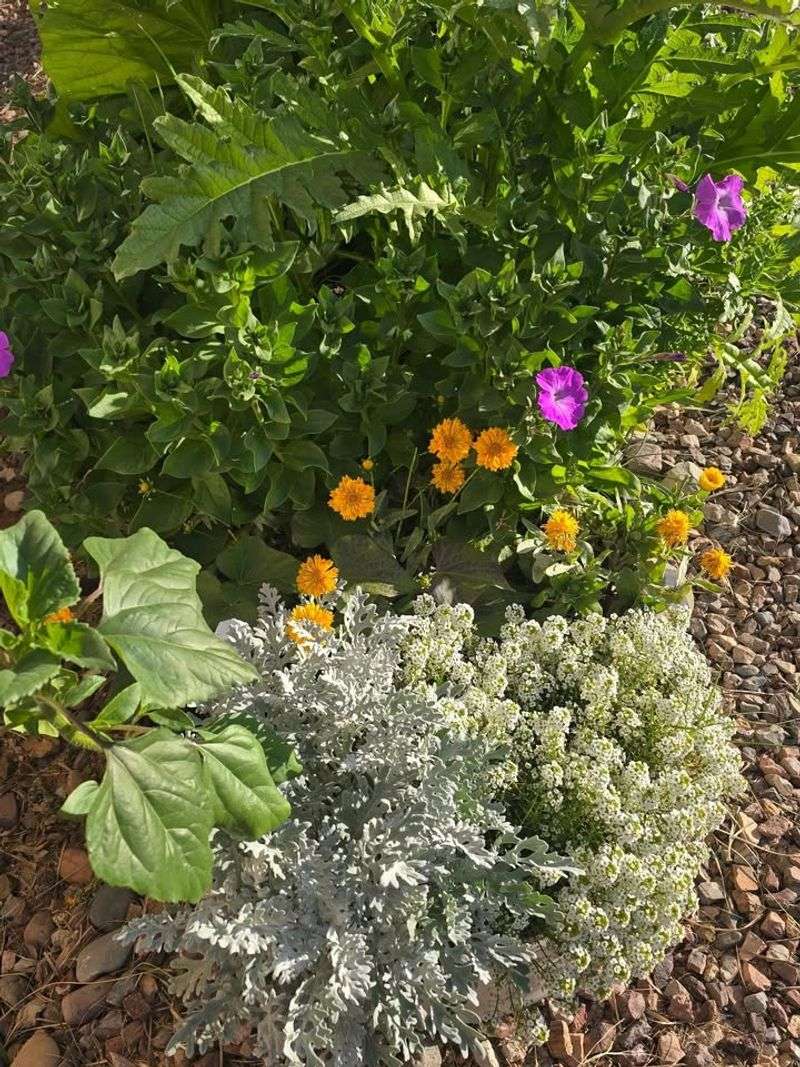
Warm winter afternoons in Arizona create perfect conditions for pest activity that catches gardeners off guard. Aphids, whiteflies, and other insects remain active during mild weather even though it’s technically winter.
These pests reproduce quickly when temperatures stay comfortable, building populations that explode once spring arrives if left unchecked.
Inspect plants weekly by examining the undersides of leaves where many pests hide from view. Early detection allows you to address small infestations before they become serious problems requiring aggressive intervention.
Blasting aphids off plants with a strong water spray often provides sufficient control without needing chemical treatments.
Beneficial insects stay active during Arizona winters too, providing natural pest control if you avoid broad-spectrum pesticides that eliminate helpful species. Ladybugs, lacewings, and parasitic wasps continue hunting prey during warm winter days.
Planting flowers that bloom during winter attracts and supports these beneficial insects in your garden.
Caterpillars on winter vegetables like cabbage, broccoli, and kale need regular monitoring. Hand-picking works well for small gardens, while organic sprays containing Bt (Bacillus thuringiensis) target caterpillars specifically without harming beneficial insects.
Check plants every few days since caterpillars grow rapidly and cause significant damage quickly.
Snails and slugs thrive in the moist conditions created by winter watering schedules. These pests feed at night, leaving irregular holes in leaves and silvery slime trails.
Remove hiding spots like boards and debris where they shelter during daytime hours.
7. Plant Cool-Season Crops While Soil Stays Mild
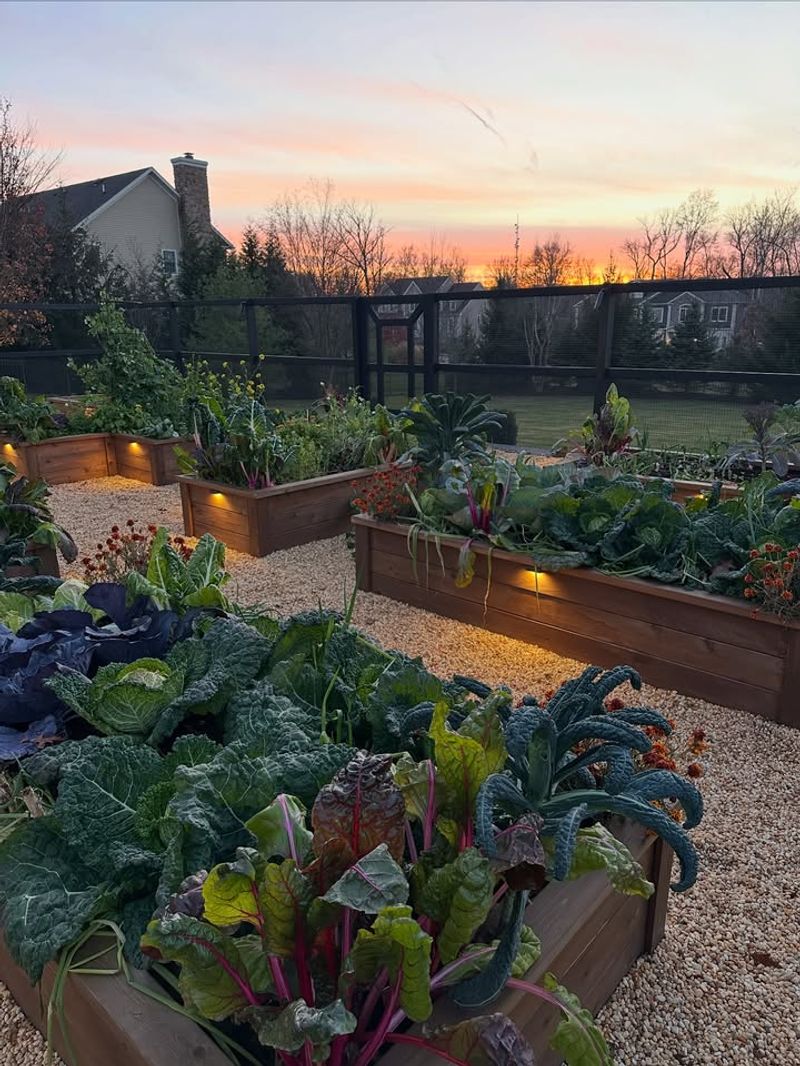
Arizona’s mild winter temperatures create an ideal second growing season for vegetables that struggle in summer heat. Lettuce, spinach, broccoli, cauliflower, and peas flourish when planted during fall and grown through winter months.
These crops actually prefer the cooler conditions that Arizona winters provide, producing sweeter flavors and better texture than summer-grown attempts.
Soil remains workable throughout winter in most Arizona locations, allowing you to plant seeds or transplants whenever you’re ready. Starting plants from seed saves money and provides more variety choices than purchasing transplants from nurseries.
Direct-sow seeds for carrots, radishes, and turnips since these root crops dislike transplanting.
Transplants give you a head start on slower-growing crops like broccoli and cabbage. Set transplants into the garden during late afternoon or on cloudy days to reduce transplant shock.
Water new plantings immediately and keep soil consistently moist until roots establish and plants show new growth.
Succession planting extends your harvest period by sowing new seeds every two to three weeks. This strategy ensures continuous production rather than having everything mature simultaneously.
Plant quick-maturing crops like radishes and lettuce multiple times throughout winter for ongoing fresh harvests.
Protect seedlings from birds and other wildlife that find tender young plants irresistible. Floating row covers keep pests away while allowing light and water to reach plants.
Arizona’s winter vegetable garden can supply fresh produce throughout the entire cool season with proper planning and regular planting.
8. Remove Covers And Adjust Care As Days Start Warming
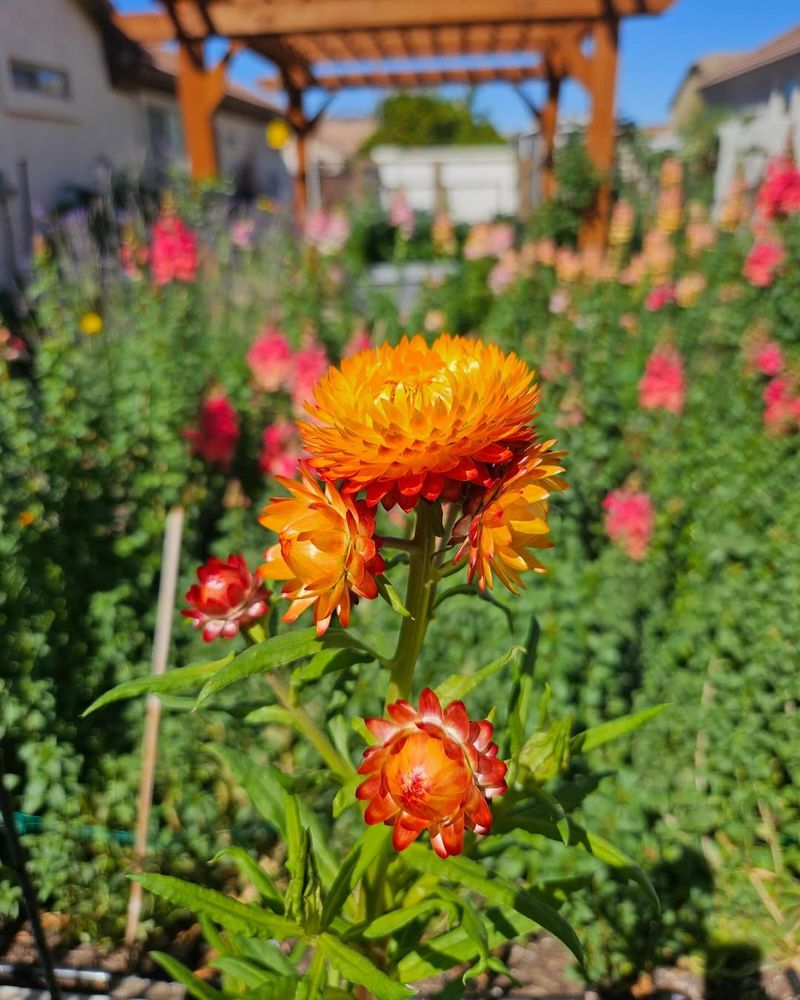
Transitioning from winter protection to spring growth requires attention as Arizona temperatures begin their steady climb. Frost covers left on plants during warm days create excessive heat buildup that stresses plants more than cold ever did.
Monitor weather forecasts closely during late winter when temperature swings become less predictable.
Gradually expose protected plants to normal conditions rather than removing all coverings suddenly. This hardening-off process prevents shock that weakens plants adapted to sheltered conditions.
Remove covers during warm afternoons and replace them only if overnight frost remains possible according to forecasts.
Increase watering frequency as days lengthen and temperatures rise consistently above 70 degrees. Plants break dormancy and begin active growth, requiring more moisture to support new leaves and flowers.
Adjust irrigation timers incrementally rather than jumping immediately to full summer schedules.
Apply balanced fertilizer as plants show signs of active growth in late winter. Feeding dormant or semi-dormant plants wastes fertilizer since roots aren’t actively absorbing nutrients.
Wait until you see new leaf growth or flower buds forming before beginning regular feeding schedules.
Prune away any frost-damaged growth once you’re certain no more freezing temperatures will occur. New growth emerges quickly once plants sense warmer weather arriving.
Arizona’s spring warmup happens rapidly, transforming your winter garden into an actively growing landscape within just a few weeks of consistent warm temperatures returning to stay.