The Winter Grow Light Setup Michigan Gardeners Are Using To Keep Plants Alive Indoors
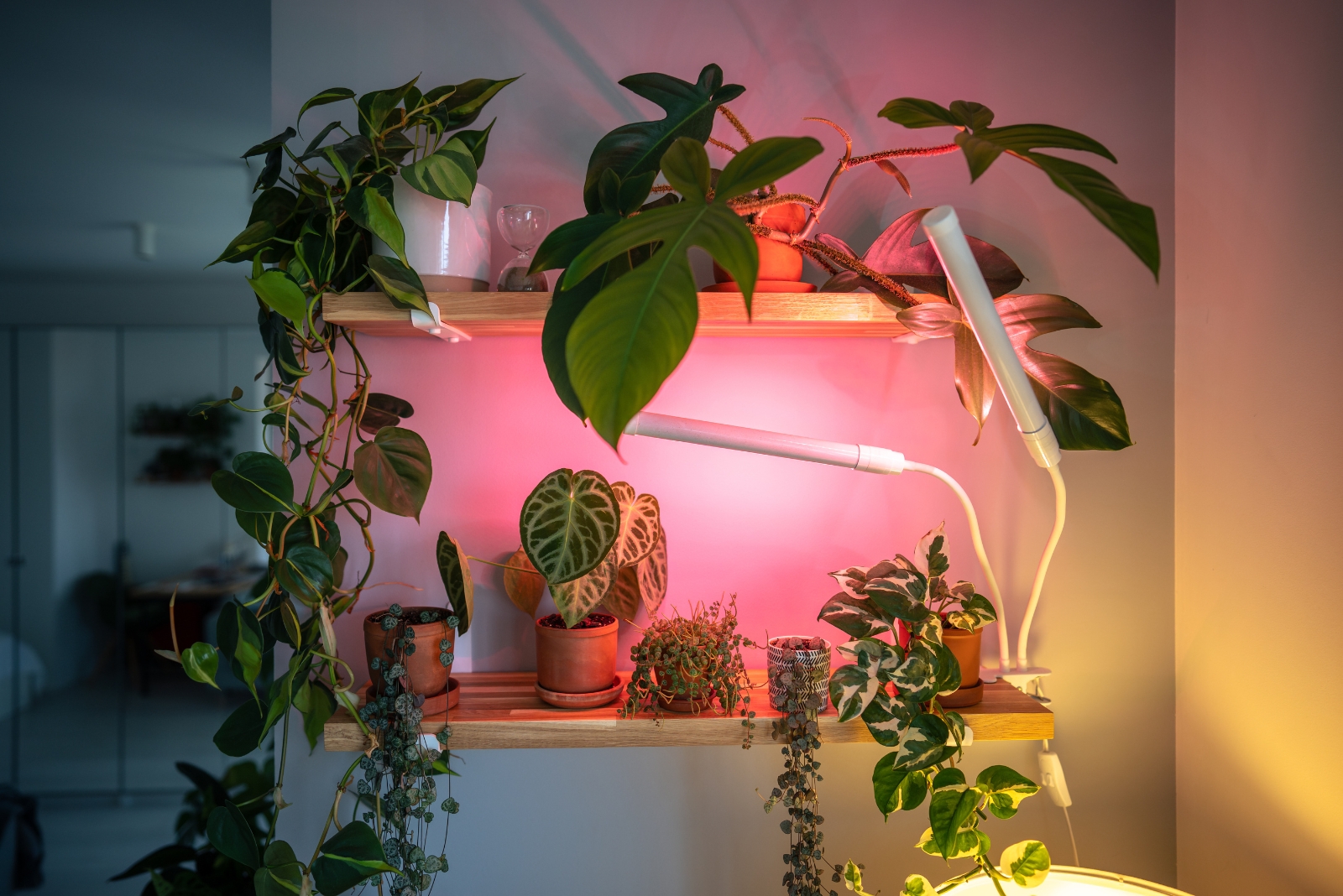
Michigan winters can be tough on indoor plants, with short days and limited natural sunlight making it hard for your green friends to thrive.
Many gardeners across the state have turned to grow lights as their secret weapon for keeping plants healthy and vibrant through the coldest months.
Setting up the right grow light system doesn’t have to be complicated or expensive.
With a few smart steps, you can create an indoor garden that flourishes even when snow blankets the ground outside.
Assess Your Plant Collection And Light Needs
Understanding what your plants actually need is the foundation of any successful indoor growing system.
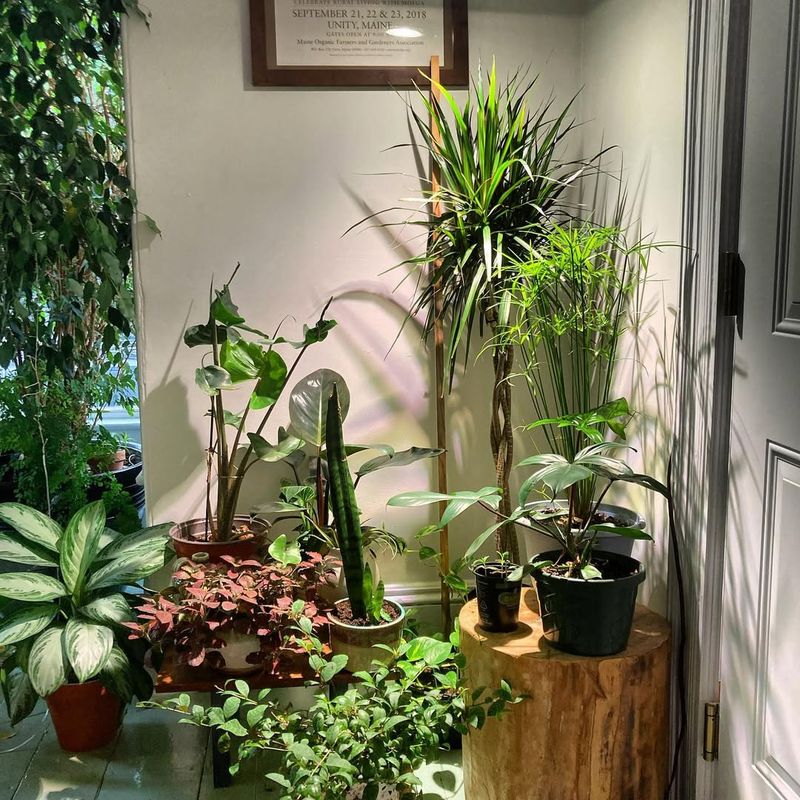
Different species have wildly different light requirements, from sun-loving succulents that crave intense brightness to shade-tolerant ferns that prefer gentler illumination.
Michigan gardeners often start by grouping their plants based on similar light preferences, which makes setting up zones much easier.
A tropical houseplant like a fiddle leaf fig needs significantly more light than a pothos or snake plant.
Take inventory of every plant you want to keep indoors during winter, and research each one’s specific light needs.
Most plant care guides will tell you whether a plant prefers low, medium, or high light conditions.
Once you know what you’re working with, you can plan how many lights you’ll need and where to position them.
This step saves you from buying too much or too little equipment.
Michigan’s particularly dark winters mean even plants labeled as low-light might benefit from supplemental lighting.
Creating a simple spreadsheet or list helps you stay organized and ensures no plant gets left in the dark.
Choose The Right Type Of Grow Light
Not all grow lights are created equal, and picking the wrong type can waste money and energy.
LED grow lights have become the gold standard for most Michigan indoor gardeners because they’re energy-efficient, run cool, and last for years.
Fluorescent lights are another solid option, especially for seedlings and low-light plants, and they’re typically more affordable upfront.
High-intensity discharge lights, or HIDs, produce powerful light but generate lots of heat and use more electricity.
For most home setups in Michigan, LEDs offer the best balance of performance and cost.
They come in various color spectrums, with full-spectrum options mimicking natural sunlight most effectively.
Some gardeners prefer lights with adjustable spectrums, allowing them to switch between growth and flowering modes.
Consider your budget, the size of your growing area, and how much heat you can tolerate in your space.
Michigan homes are already heated in winter, so adding heat-producing lights might make rooms uncomfortable.
Reading reviews from other gardeners and checking energy ratings will help you make a smart choice that keeps your plants happy without breaking the bank.
Calculate The Correct Light Intensity And Coverage
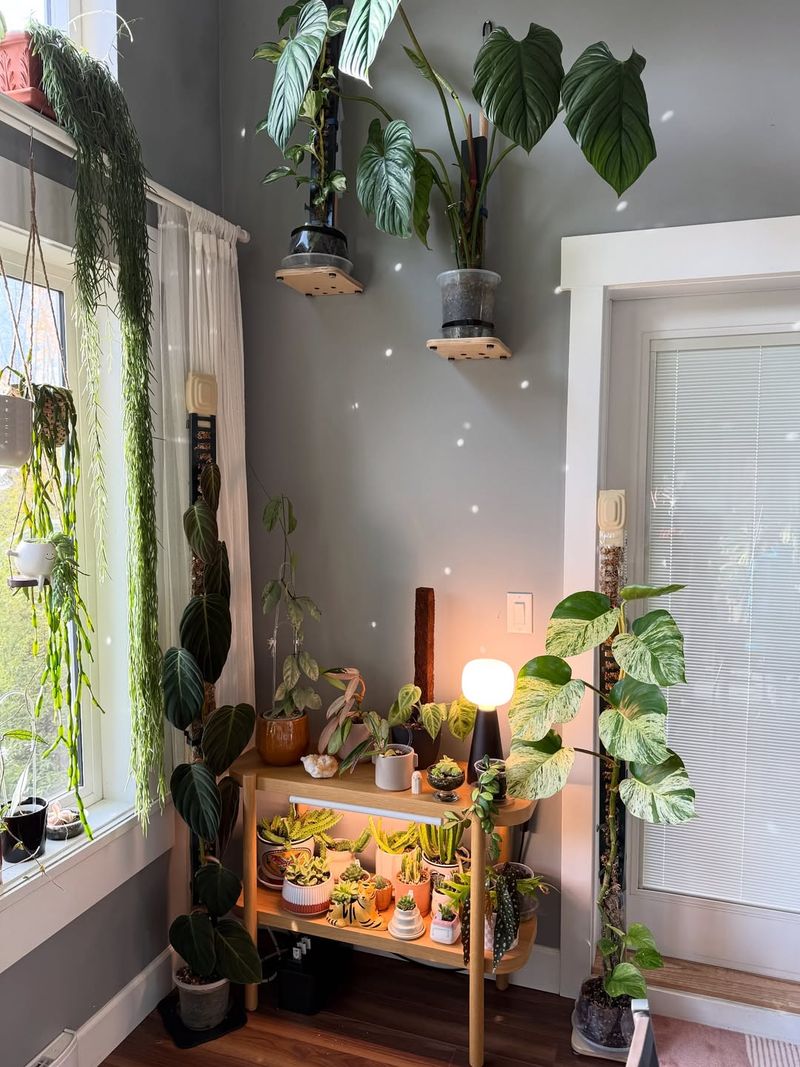
Getting the brightness right can make or break your indoor garden’s success.
Light intensity is measured in foot-candles or lumens, and each plant type has its own sweet spot.
High-light plants typically need 1,000 to 2,000 foot-candles, while low-light varieties can thrive with 250 to 500.
Michigan gardeners often use light meters or smartphone apps to measure the actual light reaching their plants.
Coverage area matters just as much as intensity because lights lose strength as distance increases.
A light positioned too far away won’t provide enough energy for photosynthesis, even if it’s very bright.
Most grow lights come with manufacturer specifications about optimal hanging height and coverage area.
For example, a typical LED panel might effectively cover a two-by-two-foot area when hung twelve inches above plants.
Measure your growing space carefully and calculate how many lights you’ll need to cover everything adequately.
Remember that plants on the edges of the light’s coverage zone receive less intensity than those directly underneath.
Michigan’s long winter nights mean your plants rely entirely on these lights for energy, so accuracy in this step really matters.
Determine The Optimal Light Duration
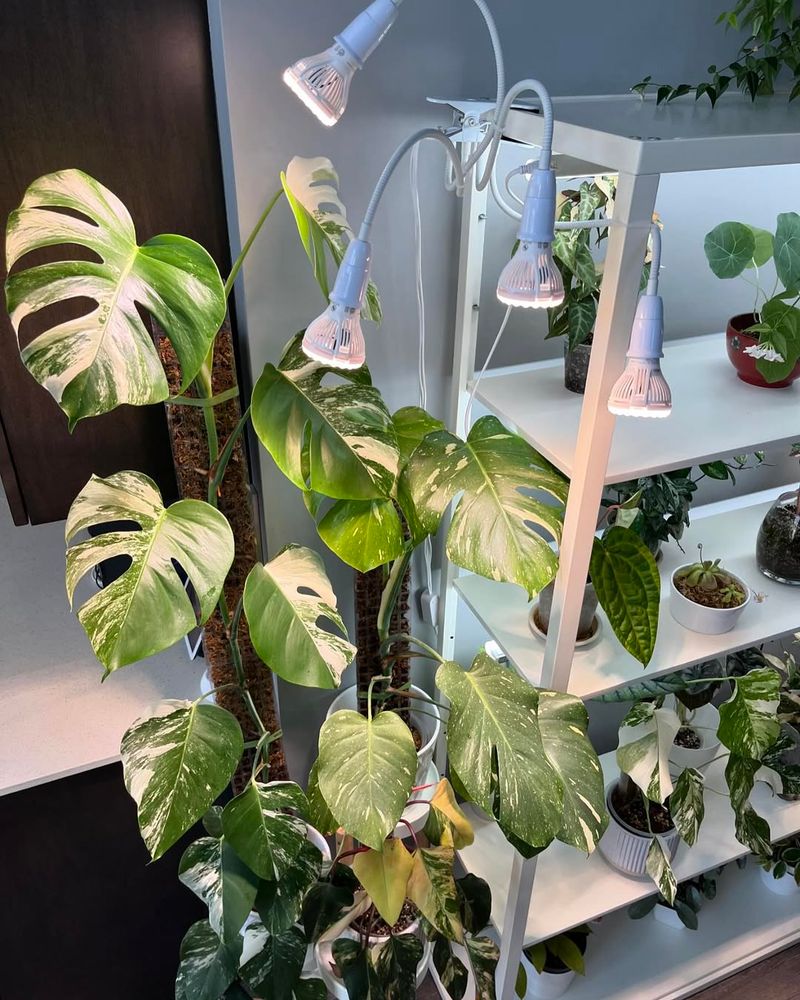
Plants need darkness just as much as they need light, and finding the right balance keeps them healthy.
Most houseplants thrive with 12 to 16 hours of light per day during Michigan’s winter months.
Leafy greens and herbs typically do well with 14 to 16 hours, while flowering plants might need slightly less.
Succulents and cacti generally prefer around 12 to 14 hours of bright light.
Too much light can actually stress plants, leading to bleached leaves or stunted growth.
Too little light results in leggy, weak stems and pale foliage.
Michigan gardeners often use timers to automate their lighting schedule, ensuring consistency every single day.
Consistency matters because plants develop internal rhythms based on their light exposure.
Randomly changing the light duration confuses them and can affect growth patterns.
Start with the recommended hours for your specific plants, then observe how they respond.
Signs like stretching toward the light suggest they need more exposure, while curled or burned leaves might indicate too much.
Adjust gradually, changing the duration by 30 minutes to an hour at a time until you find the perfect schedule.
Position Lights At The Proper Distance
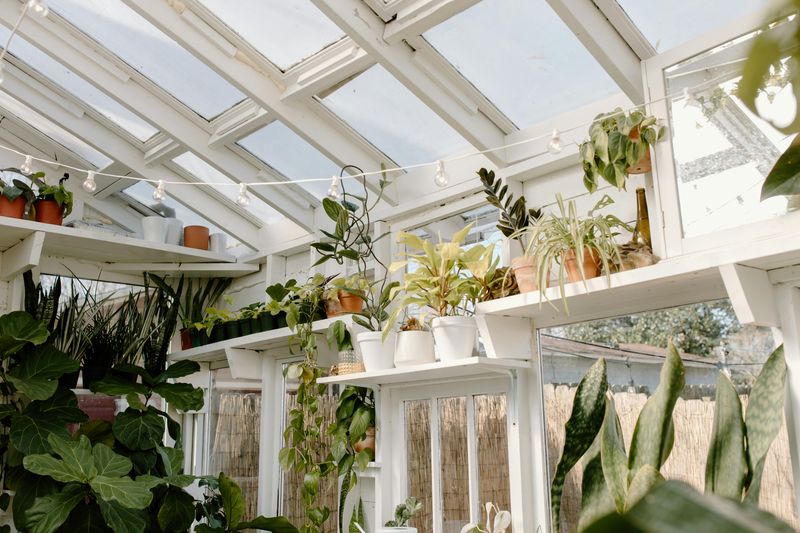
Hanging your lights at the wrong height is one of the most common mistakes new indoor gardeners make.
Too close, and your plants might suffer from light burn or heat damage, especially with higher-wattage systems.
Too far away, and they won’t receive enough light energy to grow properly.
LED lights typically need to be positioned 12 to 24 inches above plant canopies, depending on their wattage.
Fluorescent lights can be placed closer, usually 6 to 12 inches away, since they produce less heat.
Michigan gardeners with mixed plant collections often use adjustable hangers or pulley systems to fine-tune heights.
Seedlings and young plants generally need lights closer than mature plants do.
As your plants grow taller, you’ll need to raise the lights to maintain the optimal distance.
Check your plants every few days for signs of stress.
Bleached or whitened leaves on top indicate the light is too close, while stretching and leaning suggest it’s too far.
Some growers keep a small ruler or measuring tape nearby to check distances regularly.
Proper positioning ensures even growth and prevents problems before they start, keeping your Michigan indoor garden thriving all winter long.
Set Up Reflective Surfaces To Maximize Efficiency
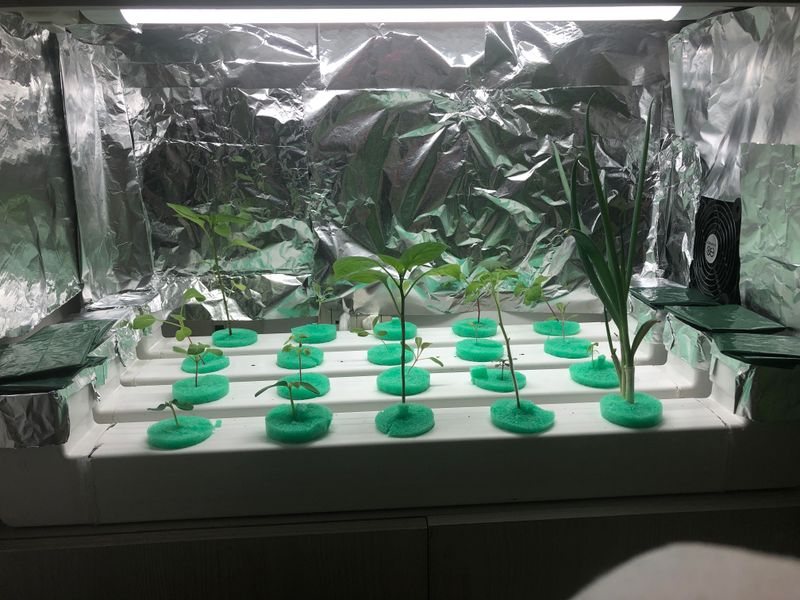
Why waste valuable light when you can redirect it back to your plants?
Reflective materials significantly increase the amount of light your plants receive without adding more fixtures.
Michigan gardeners often line their growing areas with white paint, aluminum foil, or specialized reflective film.
Flat white paint reflects about 80 percent of light, making it an affordable and effective option.
Mylar film reflects up to 95 percent and is specifically designed for growing applications.
Even simple aluminum foil, though slightly less efficient, can boost light availability considerably.
Position reflective materials on walls, behind plants, and even underneath shelving to bounce light around.
This technique is especially useful in corners or against windows where light might otherwise escape.
Avoid using mirrors, which actually absorb more light than they reflect despite appearances.
Some creative gardeners build simple three-sided reflective boxes around their plant collections.
This creates a mini greenhouse effect that maximizes every photon from your grow lights.
The extra reflected light can mean the difference between barely surviving and truly thriving during Michigan’s dark winter months.
Plus, this approach saves electricity and money over time.
Install Proper Ventilation And Temperature Control
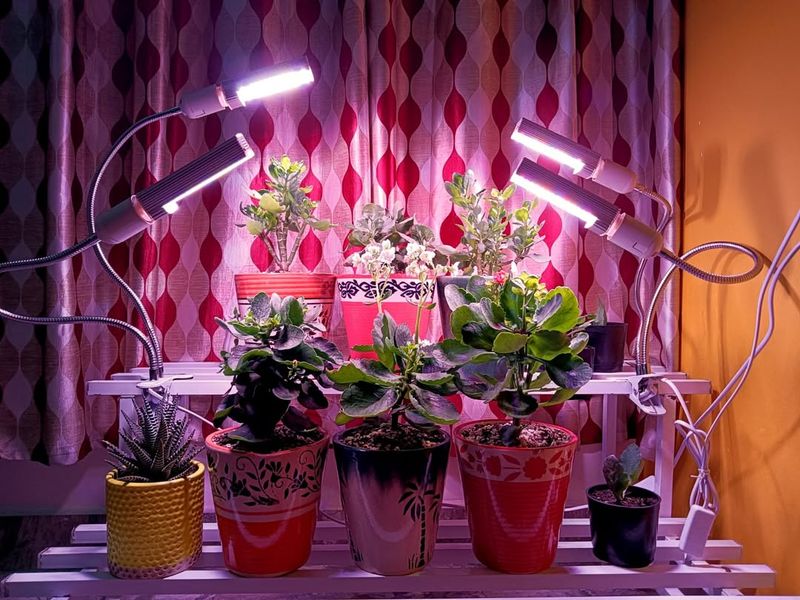
Even the best lighting setup can fail if your plants are too hot or lack fresh air circulation.
Grow lights generate heat, and enclosed spaces can quickly become uncomfortably warm for both plants and people.
Michigan homes are typically heated during winter, which adds to the challenge of maintaining ideal growing temperatures.
Most houseplants prefer temperatures between 65 and 75 degrees Fahrenheit during the day.
Small fans help circulate air, prevent hot spots, and strengthen plant stems through gentle movement.
Oscillating fans work particularly well because they distribute air evenly across your growing area.
Good airflow also helps prevent fungal problems and pest infestations that thrive in stagnant conditions.
If your growing space gets too warm, consider opening a window slightly or using an exhaust fan.
Temperature fluctuations stress plants, so aim for consistency rather than perfection.
Some Michigan gardeners use small thermometers with minimum and maximum memory functions to track conditions.
This helps identify problems before plants show visible stress.
Proper ventilation also helps manage humidity levels, which is important for preventing mold on soil surfaces and keeping tropical plants happy throughout the cold season.
Create A Watering Schedule That Matches Light Exposure
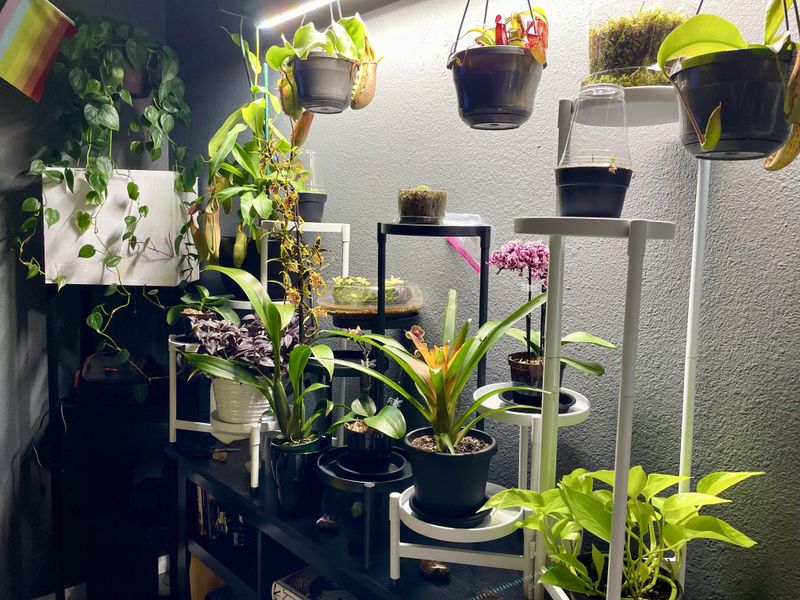
Lighting and watering are intimately connected, and changing one requires adjusting the other.
Plants under grow lights photosynthesize more actively than those relying solely on weak winter window light.
Increased photosynthesis means increased water uptake and faster soil drying.
Michigan gardeners often find they need to water more frequently once they add supplemental lighting.
However, every plant species has different water needs, so there’s no one-size-fits-all schedule.
Check soil moisture regularly by sticking your finger an inch or two deep into the potting mix.
Dry soil indicates it’s time to water, while damp soil means you should wait.
Overwatering causes root rot, one of the fastest ways to lose an otherwise healthy plant.
Using pots with drainage holes prevents water from pooling at the bottom.
Some growers keep a simple log noting when they water each plant, which helps identify patterns.
Humidity levels in Michigan homes often drop during winter due to heating systems.
Consider grouping plants together or using pebble trays filled with water to increase local humidity.
Matching your watering routine to your lighting schedule creates a balanced environment where plants can truly flourish indoors.
Monitor Plant Response And Adjust Accordingly
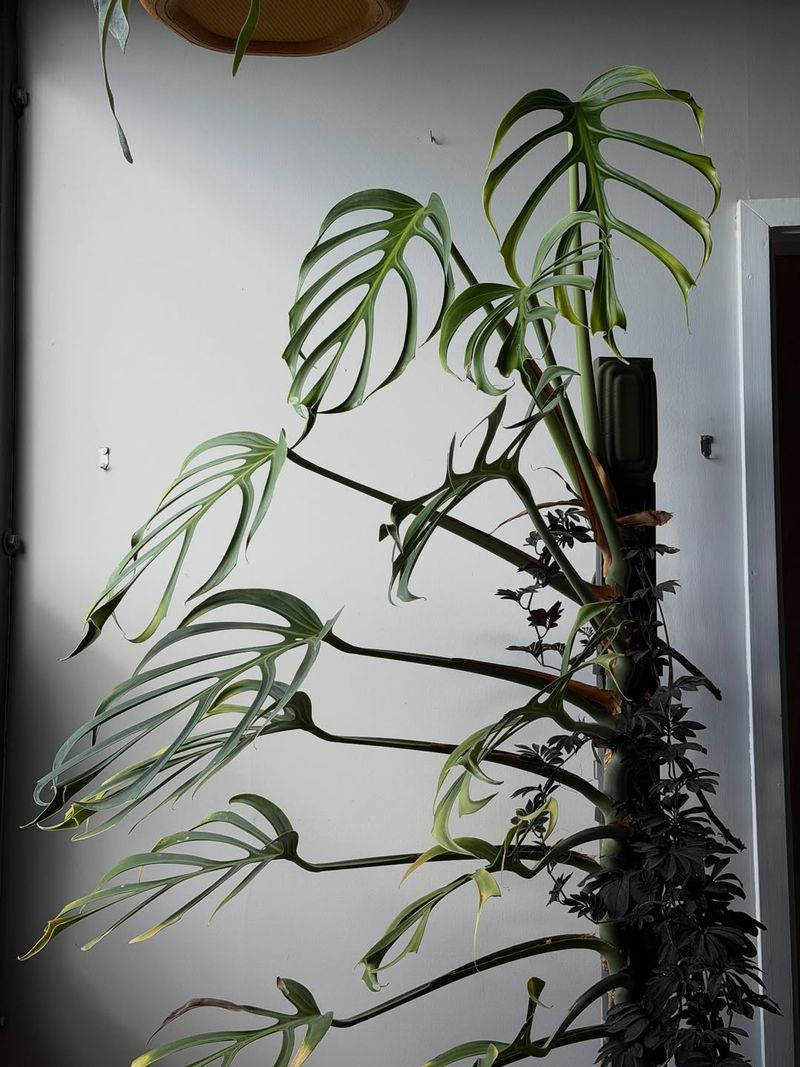
Plants communicate their needs through visible signs if you know what to look for.
Healthy growth, vibrant color, and strong stems indicate your setup is working well.
Yellowing leaves might signal too much light, not enough nutrients, or watering issues.
Stretching or leaning toward the light source means your plants aren’t getting enough brightness.
Michigan gardeners succeed by observing their plants closely and making small adjustments rather than dramatic changes.
Keep notes about what you change and when, so you can identify what works.
Photography can be incredibly helpful for tracking progress over weeks and months.
Compare pictures from different dates to spot subtle changes you might miss day to day.
Some plants naturally grow slower in winter even with perfect lighting, so patience matters.
Brown leaf tips often indicate low humidity rather than lighting problems.
Pale new growth suggests insufficient light intensity or duration.
If multiple plants show the same symptoms, the problem likely lies with your setup rather than individual plant health.
Adjust one variable at a time and wait at least a week before making additional changes.
This methodical approach helps you understand cause and effect in your specific Michigan growing environment.
Maintain Your Equipment For Long-Term Success
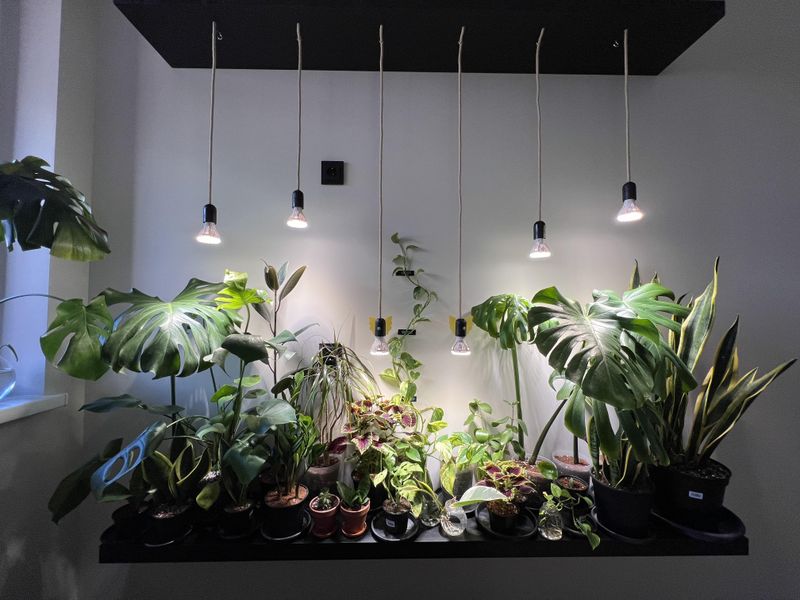
Regular maintenance keeps your grow light system running efficiently for years.
Dust accumulation on light fixtures can reduce output by 20 percent or more over time.
Michigan homes tend to be dusty during winter when windows stay closed and heating systems circulate air constantly.
Wipe down your lights monthly with a soft, dry cloth to maintain maximum brightness.
Check all electrical connections periodically to ensure everything remains secure and safe.
Replace any frayed cords or damaged plugs immediately to prevent fire hazards.
Most LED grow lights last 50,000 hours or more, but they do gradually lose intensity.
Mark your calendar when you install new lights so you know when they might need replacement.
Clean reflective surfaces regularly too, as dust reduces their effectiveness just like it does with lights.
Keep spare bulbs or backup lights on hand, especially during the darkest Michigan months when plants depend entirely on artificial light.
Inspect your timer to make sure it’s functioning correctly and hasn’t been accidentally adjusted.
Store instruction manuals and warranty information where you can find them easily.
Proper care of your equipment protects your investment and ensures your plants receive consistent, reliable light all winter long.