The Winter Yard Mistake Wisconsin Homeowners Are Making Right Now And How It Leads To Spring Damage
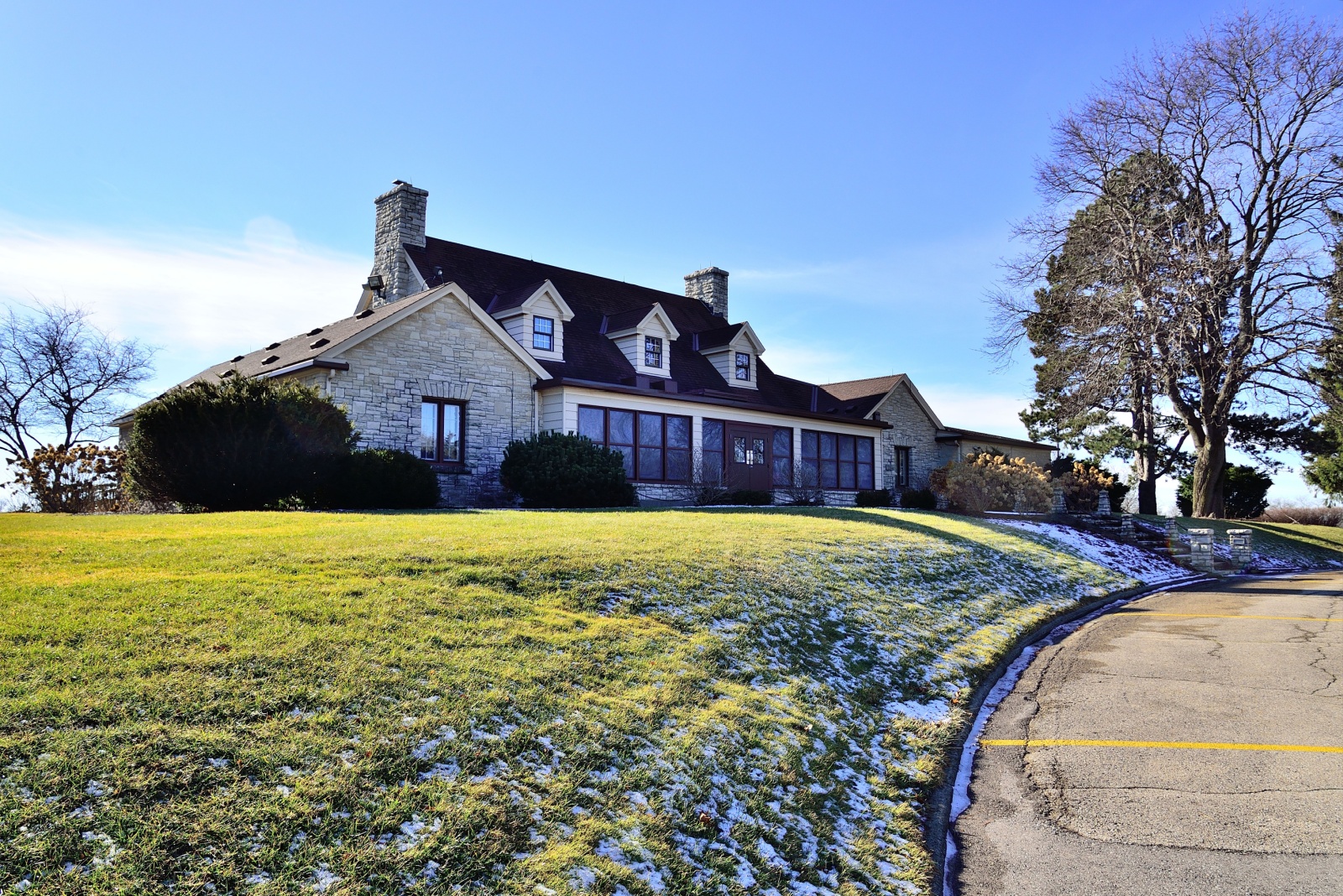
Winter may blanket Wisconsin yards in snow, but lawns are far from inactive—and one widespread habit is quietly causing damage that explodes once spring arrives.
Across neighborhoods, frozen grass is being treated like solid ground, even though it’s in one of its most fragile states of the year.
Foot traffic, snow piles, parked vehicles, and stored items may seem harmless in the moment, yet they crush brittle blades, compact frozen soil, and weaken roots that have no ability to recover until temperatures rise.
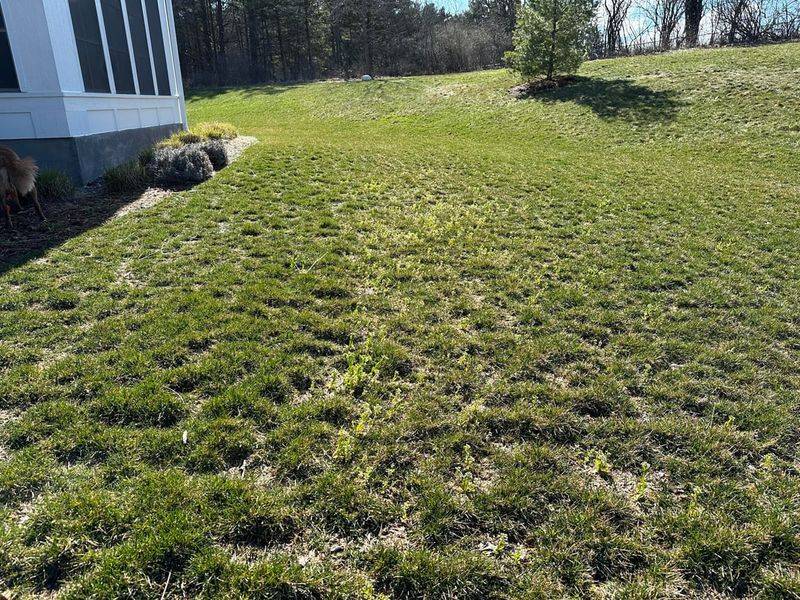
By the time snow melts, the damage is already done, revealing bare patches, thinning turf, and disease-prone areas that struggle to bounce back.
This winter yard mistake is happening daily, often without a second thought, and it’s the reason many lawns fail to green up evenly.
Changing cold-season habits now can mean the difference between a costly spring repair job and a healthy, resilient lawn.
Why Lawns Are More Vulnerable In Winter
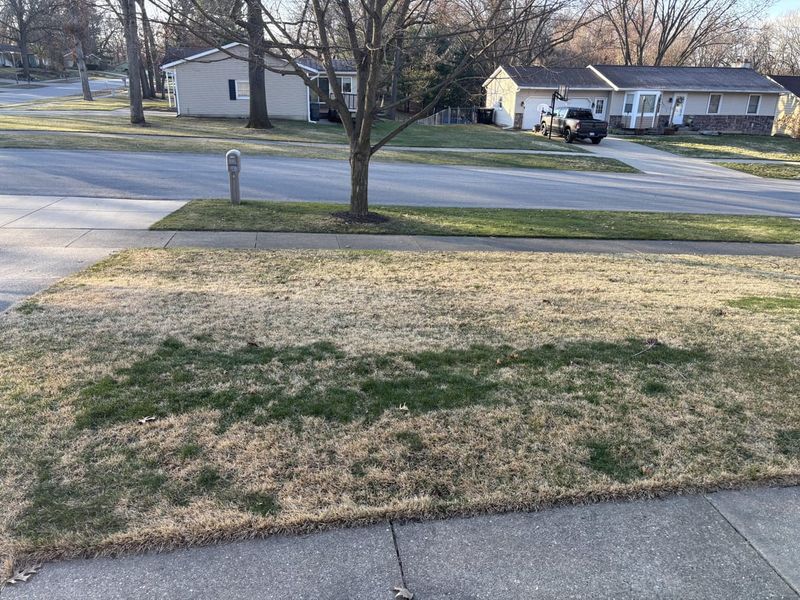
Grass blades stop growing when temperatures drop below forty degrees, entering a protective dormant phase that conserves energy and resources.
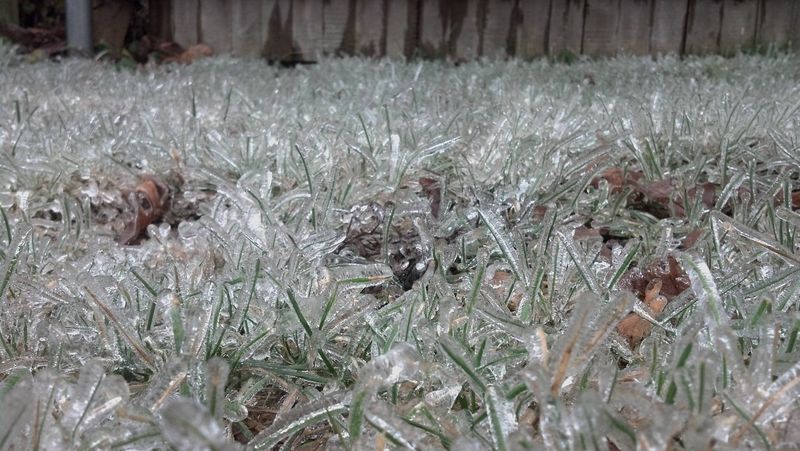
Cell walls inside each blade become brittle and fragile because water freezes inside the plant tissue during cold snaps.
This frozen state makes grass extremely vulnerable to breaking, tearing, and permanent damage from even light physical contact or pressure.
Root systems also slow down dramatically, losing their ability to repair damage or recover quickly from stress during these months.
Photosynthesis nearly stops completely, meaning your lawn cannot produce the food it needs to heal itself or maintain health.
Soil beneath the grass becomes rock-hard when frozen, preventing roots from absorbing moisture or nutrients essential for survival and recovery.
Microbial activity in the ground slows to almost nothing, disrupting the natural processes that keep soil healthy and balanced.
Without active growth or repair mechanisms, any harm done to your Wisconsin lawn during winter will remain visible until spring arrives.
Common Winter Activities That Stress Frozen Turf
Walking across your yard to reach the mailbox, bird feeder, or shed creates repeated pressure that crushes dormant grass blades.
Children playing in the snow, building snowmen, or sledding down slopes compress the turf underneath and damage fragile plant tissue.
Pets running back and forth across the lawn leave trails of broken grass that will not recover until warmer weather.
Shoveling snow onto grass areas might seem convenient, but the weight and repeated disturbance harm the dormant plants underneath significantly.
Parking vehicles on the lawn during winter events or for extra space causes severe compaction that suffocates roots and prevents recovery.
Using your yard as a shortcut to avoid icy driveways or sidewalks creates worn paths that become bare spots later.
Setting up temporary structures like ice rinks, fire pits, or storage areas on the grass causes long-term damage that appears obvious in spring.
Even light activities that seem harmless during winter can cause cumulative stress that leaves your Wisconsin lawn struggling when growing season begins.
How Foot Traffic Damages Dormant Grass
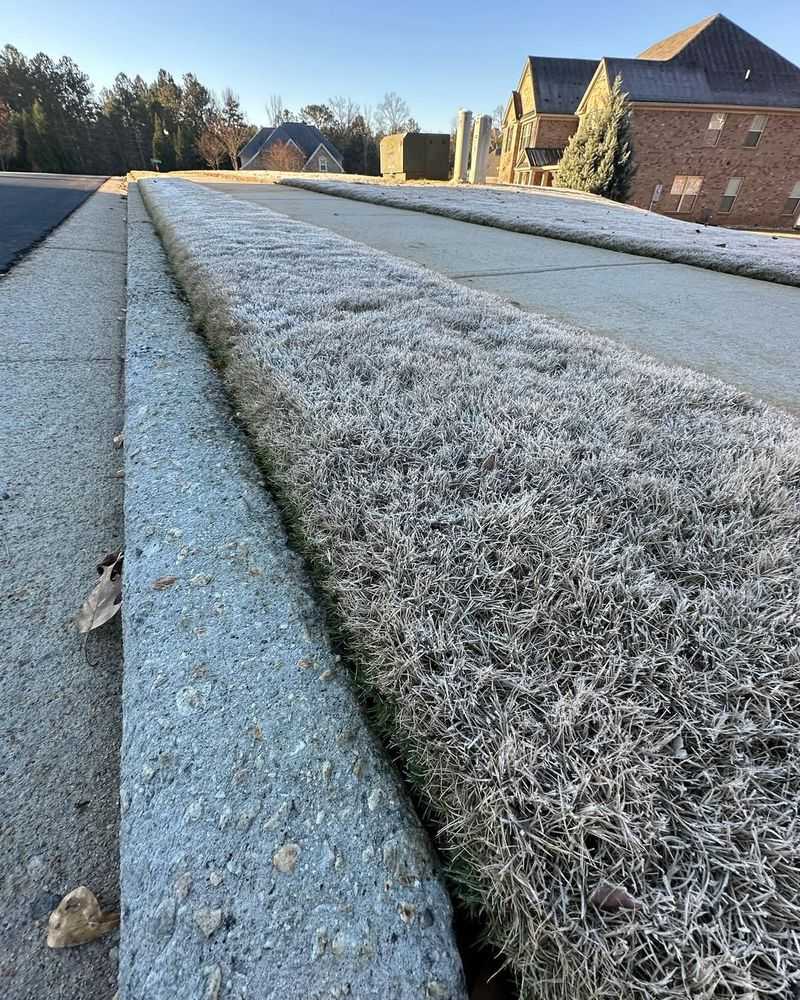
Frozen grass blades snap like tiny icicles when pressure is applied, breaking off at the base or tearing along the length.
Each footstep crushes delicate plant cells that cannot repair themselves because growth has stopped completely during dormant months.
Repeated traffic over the same area creates compacted trails where grass struggles to grow back even after temperatures warm up in Wisconsin.
Crown areas at the base of grass plants become damaged when stepped on, which can prevent regrowth entirely in severe cases.
Frozen moisture on grass blades makes them even more brittle, increasing the likelihood of breaking with any contact or movement.
Once broken, these damaged blades remain brown and unsightly until new growth emerges, which can take weeks or even months.
High-traffic areas near doorways, mailboxes, or pathways suffer the most visible damage and often require reseeding or patching in spring.
Limiting foot traffic during winter protects your lawn from unnecessary harm and ensures healthier, fuller grass when growing season returns.
The Hidden Effects Of Soil Compaction
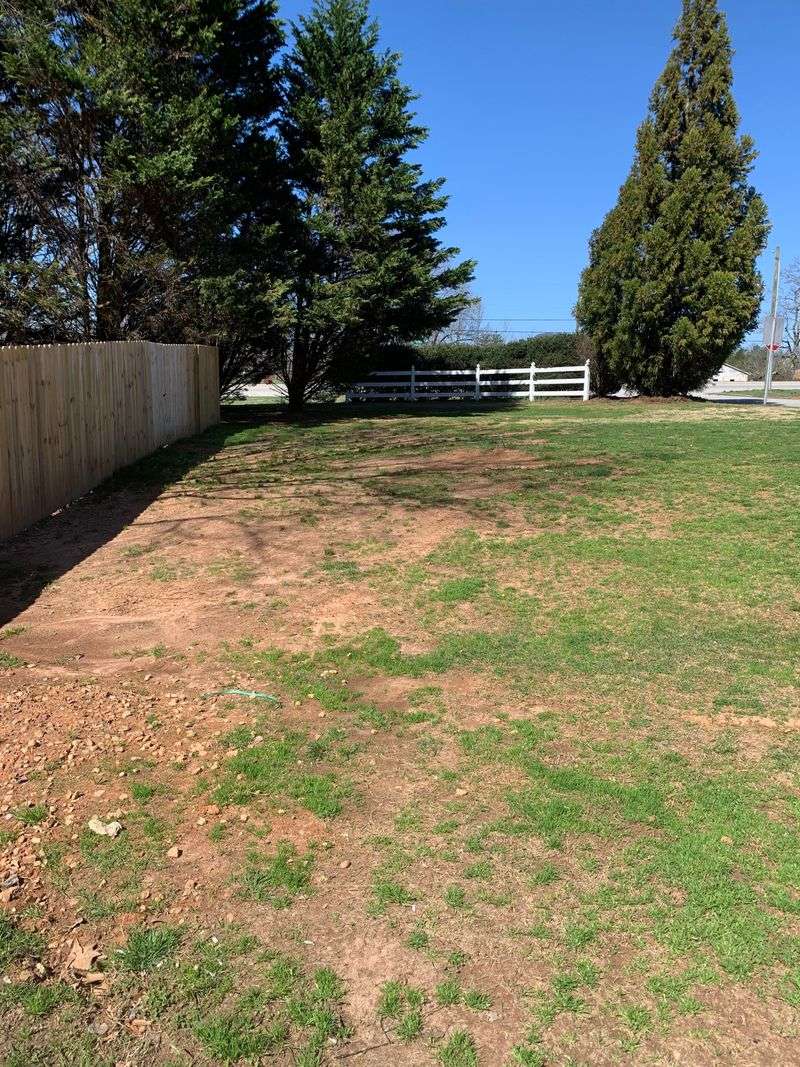
Compacted soil squeezes air pockets out of the ground, suffocating grass roots that need oxygen to survive and function properly.
Frozen ground becomes even denser when heavy objects or repeated foot traffic press down on the same spots over time.
Roots cannot penetrate compacted soil effectively, which limits their ability to spread, anchor, and access water or nutrients below.
Water drainage becomes poor in compacted areas, leading to pooling, ice formation, and prolonged saturation that damages grass further.
Beneficial organisms in the soil struggle to survive in compacted conditions, disrupting the natural ecosystem that supports healthy lawn growth.
Compaction damage is not always visible immediately but becomes obvious in spring when grass in affected areas grows slowly or unevenly.
Areas where cars park, children play frequently, or snow piles sit for weeks show the most severe compaction problems later on.
Aerating your Wisconsin lawn in fall before winter arrives can help reduce compaction risk, but avoiding heavy use during winter remains essential.
Why Snow Piles And Stored Items Cause Problems
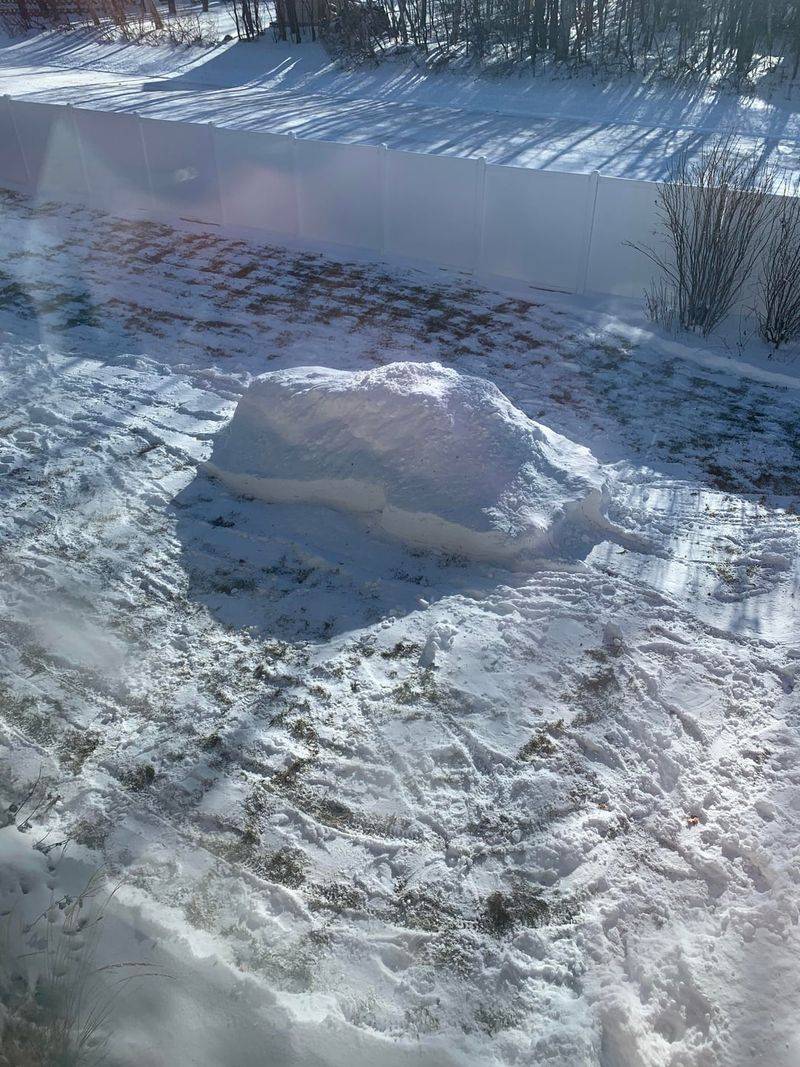
Piling snow from driveways and sidewalks onto grass creates heavy mounds that compress and smother the turf underneath for weeks.
Extended coverage blocks sunlight completely, preventing any photosynthesis and depriving grass of energy it needs to maintain basic functions.
Melting and refreezing cycles within snow piles create ice layers that damage grass blades and prevent air from reaching the soil.
Salt and chemicals from treated driveways often mix with snow and concentrate in piles, poisoning grass and soil beneath them.
Storing lawn furniture, grills, firewood, or equipment directly on grass causes withered pots by blocking light and crushing dormant plants.
Items left in the same spot all winter create perfect conditions for snow mold and fungal diseases that thrive in dark, moist environments.
Removing these items in spring reveals yellow, brown, or completely bare patches that require reseeding and extra care to recover.
Designating storage areas on driveways, patios, or mulched beds instead protects your lawn from avoidable damage during cold months ahead.
How Winter Damage Shows Up In Spring
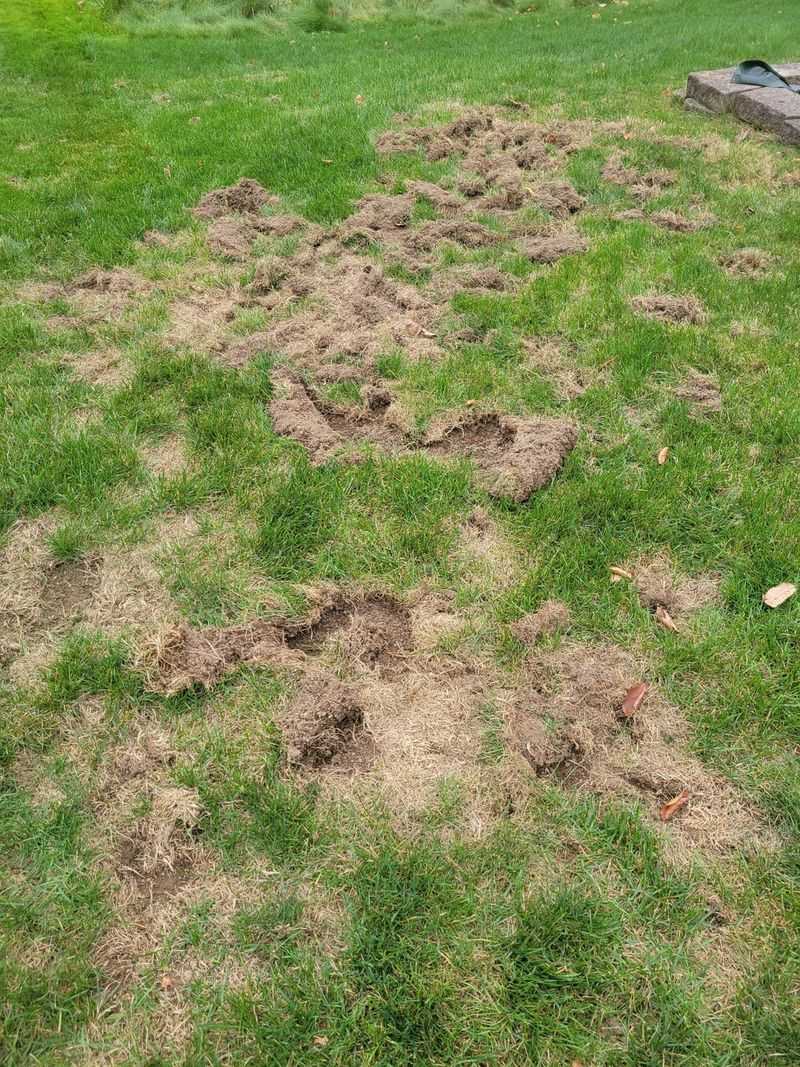
Brown patches appear where foot traffic crushed grass blades or where heavy snow piles sat for extended periods during winter.
Bare spots develop in areas with severe compaction or where items stored on the lawn blocked sunlight and air circulation completely.
Thinning grass indicates root damage from freezing, thawing, and refreezing cycles that stressed plants beyond their ability to recover fully.
Discolored streaks or irregular patterns often reveal paths where people walked repeatedly, damaging dormant turf underneath their feet each time.
Fungal diseases like snow mold create circular withered zones that spread if not treated quickly once warmer temperatures arrive in spring.
Slow or uneven greening across your lawn shows that some areas suffered more stress and need extra time to recover.
Weeds take advantage of weakened grass and bare spots, invading damaged areas before your lawn can regrow and fill in.
Addressing these problems requires reseeding, fertilizing, aerating, and sometimes professional help to restore your Wisconsin lawn to its former health and appearance.
Grass Types Most Affected By Cold-Season Stress
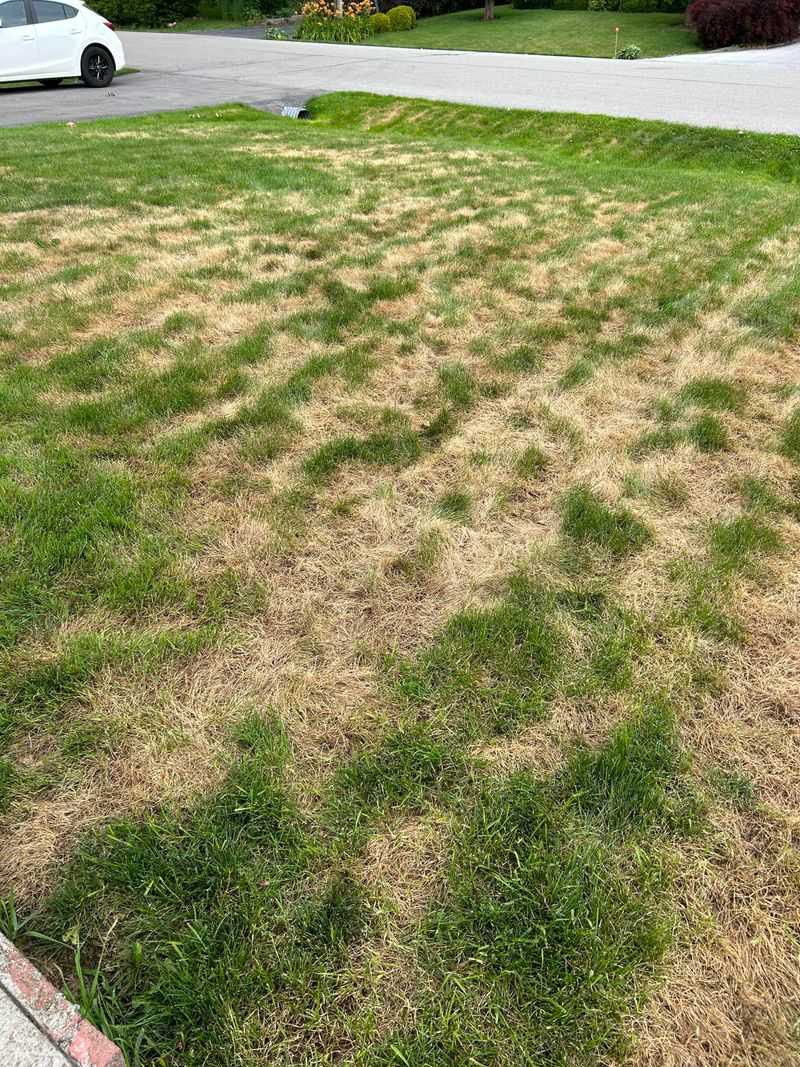
Kentucky bluegrass, popular in Wisconsin lawns, enters deep dormancy and becomes extremely fragile when frozen, making it highly vulnerable to damage.
Fine fescues handle cold well but suffer badly from compaction and extended snow cover that blocks light for too long.
Perennial ryegrass stays greener longer but is more susceptible to breaking when walked on because it remains slightly active longer.
Tall fescue develops deep roots that help it survive winter stress better, but surface damage still occurs from traffic and pressure.
Bentgrass, often found in shaded areas, struggles with winter diseases and poor drainage that lead to serious springtime problems.
Mixed-seed lawns show uneven damage because different grass types respond differently to cold, foot traffic, and snow cover throughout winter.
Newly seeded or sodded lawns lack established root systems and suffer more severe damage from winter stress than mature, healthy turf.
Knowing your grass type helps you understand its specific vulnerabilities and adjust your winter care habits to minimize damage and disappointment.
Simple Ways To Protect Your Yard During Winter
Create designated walkways using pavers, gravel, or temporary boards to keep foot traffic off dormant grass during cold months ahead.
Mark pathways with stakes or flags so family members and visitors avoid walking across frozen turf without thinking about the damage.
Store equipment, furniture, and seasonal items on hard surfaces like patios, driveways, or sheds instead of directly on grass areas.
Distribute snow piles away from your lawn onto driveways, mulched beds, or other non-turf areas to prevent smothering and chemical damage.
Keep pets on leashes or confined to specific areas to reduce random running and playing that creates trails of broken grass.
Avoid parking vehicles on your Wisconsin lawn under any circumstances, no matter how convenient it seems during winter gatherings or events.
Apply a winterizing fertilizer in late fall to strengthen grass roots before dormancy begins, helping them resist stress better.
Plan activities like sledding or snowman building on slopes or areas away from your main lawn to minimize damage to visible spaces.