The 8 Worst Plants For Poorly Drained Ohio Yards
Some plants take one look at a soggy Ohio yard and decide they are done. What seems like a small drainage problem to a homeowner can feel like a total collapse to the wrong plant.
One stretch of heavy rain, one patch of ground that stays wet too long, and suddenly that expensive nursery pick starts yellowing, wilting, or flat-out rotting. It is a frustrating cycle, especially when the plant tag never warned you that your yard was basically a swamp after every storm.
The truth is, not every plant can handle Ohio’s stubborn clay and slow-draining soil. In fact, some of the most popular landscape choices are the quickest to fail when roots stay too wet.
So before you spend more money replacing plants that never had much chance in the first place, it helps to know which ones tend to struggle most.
1. Yew Looks Dependable Until Wet Soil Starts Taking It Down
Few shrubs look as solid and reliable as yew. Nurseries across Ohio sell it constantly, and it is easy to see why.
Yews stay green year-round, tolerate shade well, and hold their shape with minimal fuss. For many homeowners, it seems like a safe, low-maintenance choice.
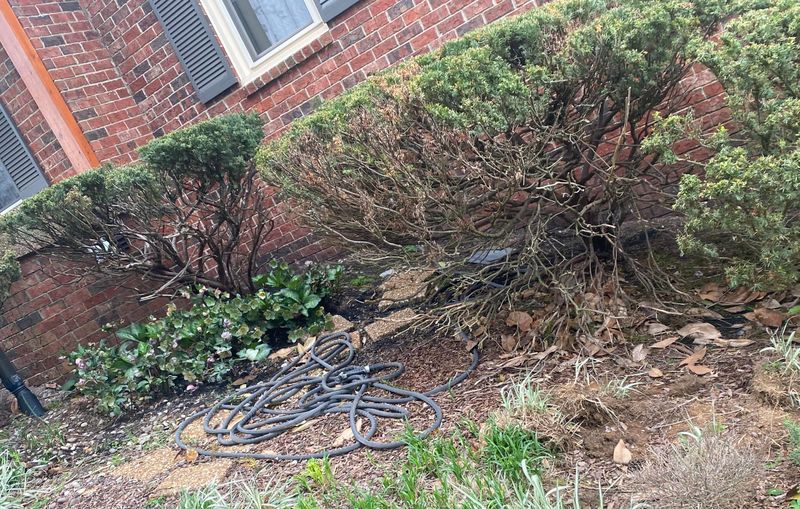
The problem shows up fast in poorly drained ground. Yew roots are extremely sensitive to excess moisture, and when soil stays waterlogged for extended periods, the roots begin to suffocate.
Oxygen cannot reach them properly in saturated soil, which stresses the plant at its core. Ohio State University Extension notes that Phytophthora root rot, a water-mold pathogen that thrives in wet conditions, is one of the most common and destructive problems yews face in Ohio landscapes.
Early warning signs include yellowing needles, browning tips, and a general dullness that spreads slowly through the plant. Gardeners often mistake this for drought stress or a nutrient problem, which leads to further watering that only makes things worse.
By the time the damage becomes obvious, the root system may already be severely compromised.
Planting yew in a raised bed or on a slope with naturally fast drainage is a much smarter approach for Ohio yards. Low-lying spots or areas near downspouts are among the worst locations you can choose for this shrub.
2. Rhododendron Struggles Fast When Ohio Drainage Falls Short
Rhododendrons are undeniably gorgeous. Those bold clusters of blooms in spring make them one of the most sought-after flowering shrubs in the country, and Ohio gardeners plant them by the thousands every year hoping to recreate that magazine-cover look in their own yards.
Sadly, poorly drained Ohio soil often has other plans. Rhododendrons demand well-aerated, slightly acidic soil with excellent drainage.
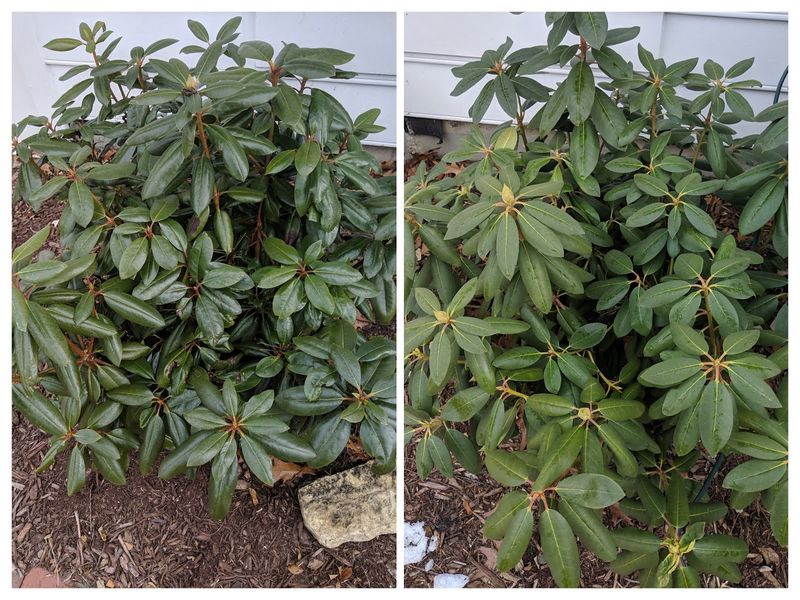
Their fine, fibrous root systems are shallow and highly sensitive to prolonged moisture. When the ground stays saturated, those roots quickly run out of oxygen, and the plant begins to show signs of serious stress.
Phytophthora root and crown rot is a major threat in wet conditions, and it hits rhododendrons particularly hard. Ohio’s heavy clay soils combined with spring rainfall create nearly ideal conditions for this pathogen to spread.
Leaves may wilt even when the soil is wet, which seems confusing but actually signals that the roots can no longer move water properly due to rot damage.
Ohio State University Extension recommends planting rhododendrons only in locations with exceptional drainage or in raised beds amended with organic matter. Mulching helps retain moisture balance, but no amount of mulch fixes a fundamentally waterlogged planting site.
Choosing the right spot from the beginning is the only real solution for this beautiful but demanding shrub.
3. Lavender Hates The Kind Of Wet Feet Clay Yards Often Create
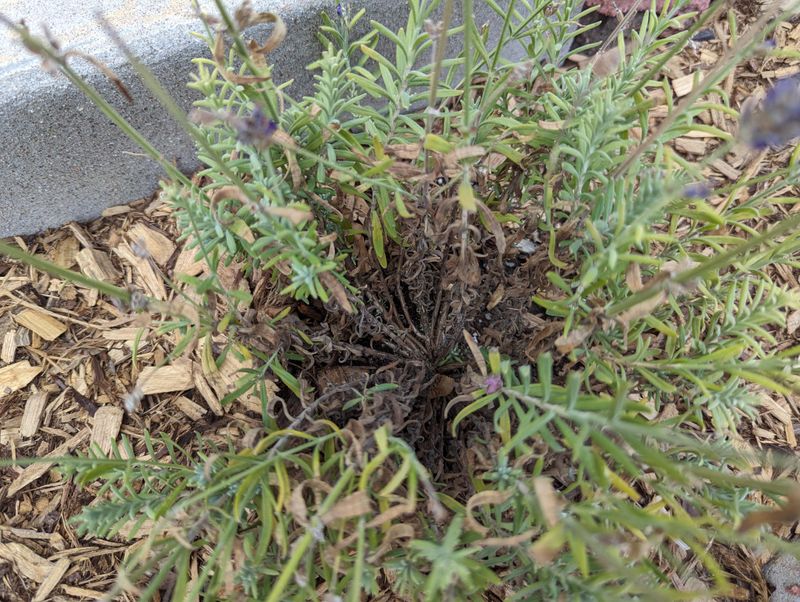
Lavender comes from the dry, rocky hillsides of the Mediterranean, where summer heat is intense and rain drains away almost instantly. That origin story tells you everything you need to know about how it feels in a soggy Ohio clay bed.
Clay soil is already a challenge for lavender because it compacts easily and drains slowly. Add Ohio’s wet springs and occasional summer downpours, and you have conditions that are almost the opposite of what lavender needs to survive.
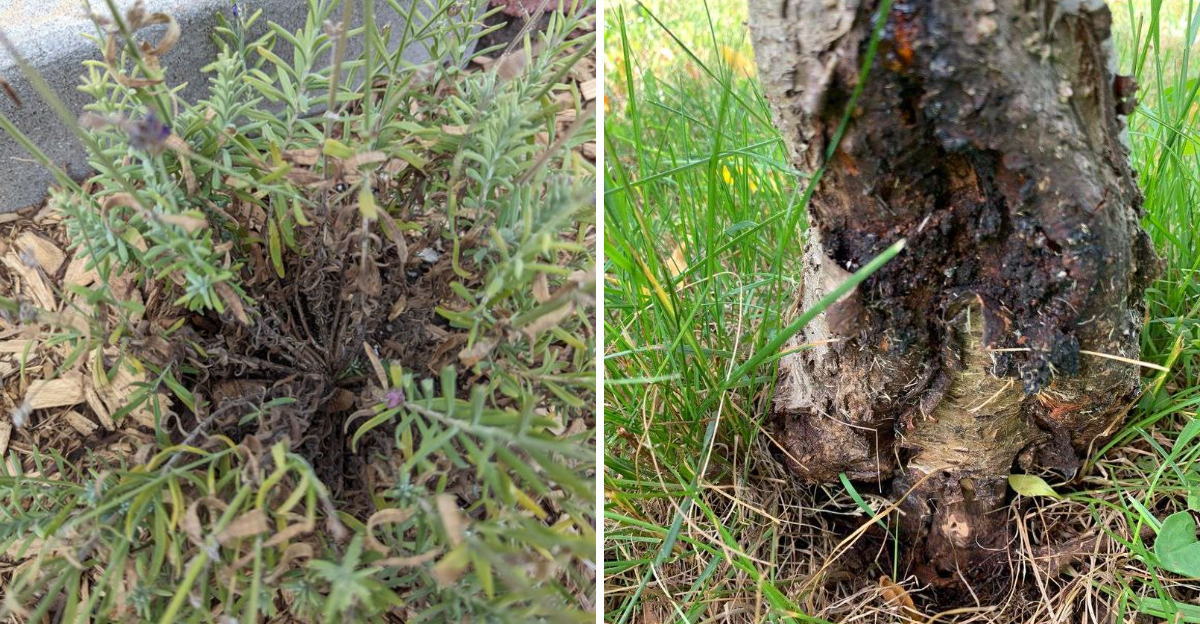
Persistent moisture around the crown and roots encourages fungal rot, particularly Botrytis and Phytophthora, which can move through a lavender plant surprisingly fast once established.
Lavender does not just grow poorly in wet soil. It often collapses entirely within a single season when planted in low spots or areas where water pools after rain.
The stems become woody and gray, the base turns mushy, and the whole plant takes on a defeated look that no amount of care can reverse once rot sets in.
Raised beds with a mix of coarse sand and well-draining soil are by far the best approach for Ohio gardeners who want lavender to actually thrive. Planting on a gentle slope also helps.
If your yard stays wet for more than a day or two after rainfall, lavender is simply not the right plant for that spot, no matter how much you want it there.
4. Coleus Quickly Loses Its Good Looks In Soggy Ground
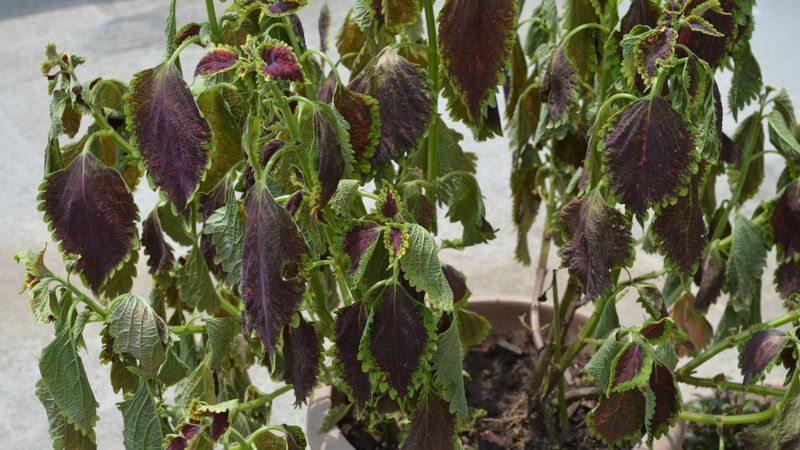
Walk into any Ohio garden center in late spring and you will find coleus stacked high near the entrance. The colors are stunning, the variety is enormous, and the plants look almost impossibly vibrant sitting in their little plastic pots.
It is one of the most popular warm-season annuals sold in the state, and for good reason.
Out in the garden, though, coleus has a real weakness that catches a lot of people off guard. It loves warmth and consistent moisture, but persistent waterlogging is a completely different story.
When soil stays saturated, coleus roots struggle to function properly and the plant quickly begins to look ragged. Lower leaves turn yellow, stems may soften at the base, and that brilliant color starts to fade in a way that no fertilizer can fix.
Pythium root rot is a common culprit in overly wet conditions, and it spreads quickly in warm, waterlogged soil, which is exactly what a poorly drained Ohio bed can become during a wet summer stretch. The plant may look okay one week and then dramatically worse the next.
Coleus performs best in beds with loose, well-draining soil that holds some moisture without becoming soupy. Container growing is actually a great option for Ohio gardeners who love coleus but deal with heavy clay or consistently wet ground.
Pots with drainage holes give you full control over moisture levels and help the plant stay looking its best all season.
5. Azaleas Decline When Heavy Soil Holds Too Much Water
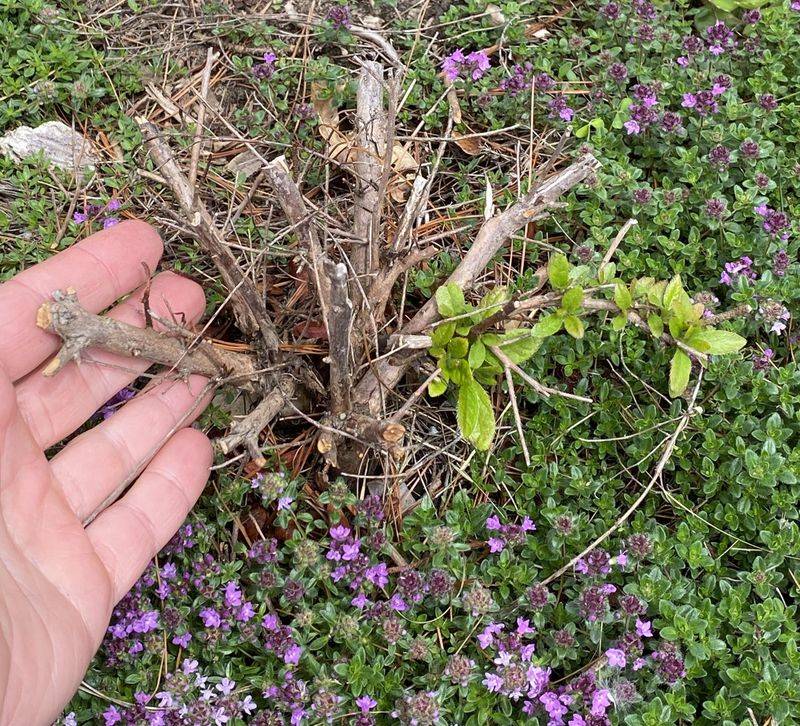
Azaleas are one of those plants that make spring feel truly spectacular. A well-grown azalea in full bloom stops people in their tracks.
Ohio gardeners plant them hoping for that kind of show every year, but in yards with poor drainage, the results are often disappointing right from the start.
Like rhododendrons, azaleas belong to the Ericaceae family and share similar soil preferences. They need well-drained, slightly acidic, organically rich soil to perform well.
Ohio’s heavy clay does not naturally offer any of those things, and when drainage is poor on top of that, azaleas face serious challenges from the moment they go into the ground.
Root rot caused by Phytophthora is a persistent threat for azaleas growing in wet conditions. The roots essentially suffocate when soil pores fill with water instead of air, which breaks down the plant’s ability to absorb nutrients and water efficiently.
Leaves may yellow, bloom production drops off sharply, and the plant gradually loses vigor over one or two seasons.
Ohio State University Extension specifically recommends planting azaleas in raised areas or on slopes where water moves away from the root zone naturally. Amending planting holes with organic matter helps, but in spots that regularly hold standing water, no amendment will overcome the fundamental drainage problem.
Picking the right location matters far more than any product you add to the soil.
6. Rosemary Rarely Loves The Damp Conditions Poor Drainage Brings
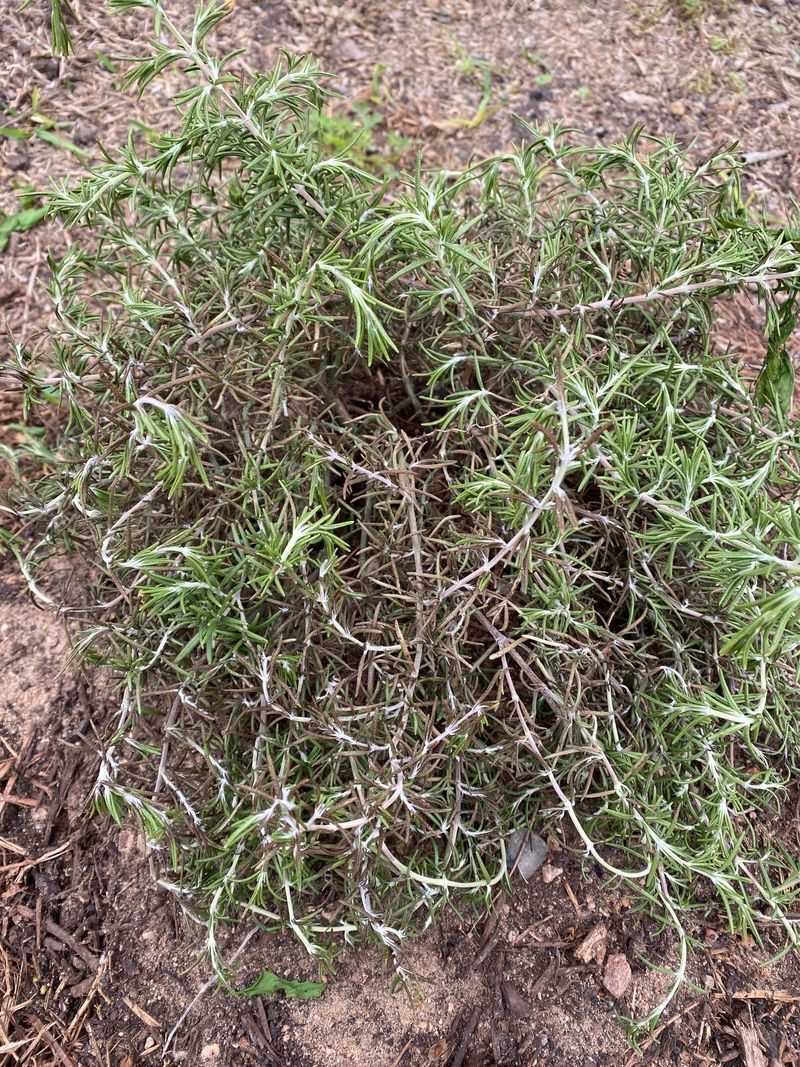
Rosemary is one of those herbs that smells incredible, looks beautiful in the garden, and works perfectly in the kitchen. It is no surprise that Ohio gardeners try to grow it every season.
The challenge is that rosemary has very specific ideas about where it wants to live, and a poorly drained Ohio yard is about as far from ideal as it gets.
Native to the dry coastal regions of the Mediterranean, rosemary evolved in conditions with sharp drainage, low humidity, and plenty of sunshine. Ohio’s wet springs, combined with heavy clay soil that holds moisture for days after rain, create almost the exact opposite environment.
Rosemary roots sitting in wet soil quickly become vulnerable to fungal rot, particularly at the crown where the stem meets the ground.
One thing that separates rosemary from lavender is that it can actually survive Ohio winters in some protected spots, but poor drainage makes overwintering nearly impossible. Wet roots in cold soil are far more damaging than cold temperatures alone.
Many Ohio gardeners lose rosemary in late winter or early spring and blame the cold, not realizing that saturated soil played a much bigger role.
Growing rosemary in containers or raised beds with gritty, fast-draining soil mix is the most reliable strategy in Ohio. If you are determined to plant it in the ground, choose the highest, driest spot in your yard, amend heavily with coarse sand and gravel, and make sure water never pools anywhere near the planting site.
7. Boxwood Can Suffer When Waterlogged Soil Sticks Around Too Long
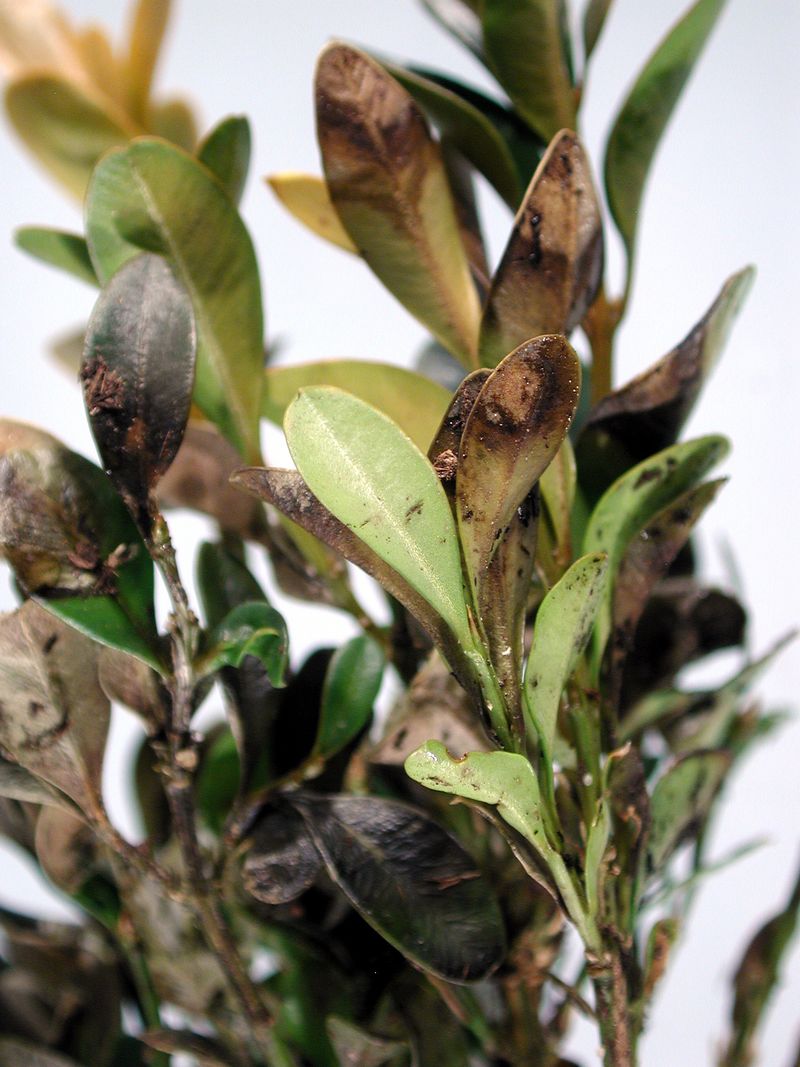
Boxwood is everywhere in Ohio landscaping. It lines driveways, frames front doors, edges garden beds, and anchors formal hedges across the state.
Its tidy shape and year-round green color make it one of the most versatile shrubs available, and most people assume it is basically indestructible.
Boxwood is tougher than many ornamentals, but it is not immune to the problems that come with persistently wet soil. Extended waterlogging deprives the roots of oxygen, weakening the plant’s ability to fight off disease and absorb nutrients.
The results tend to build slowly, which means gardeners often do not notice trouble until the shrub is already under significant stress.
Phytophthora root rot is a genuine risk for boxwood growing in poorly drained ground, and Ohio’s wet clay conditions create a favorable environment for it. Yellowing of interior leaves, thinning of branches, and an overall dull appearance are common signs.
Boxwood blight, already a concern in Ohio, can also gain a foothold more easily in stressed plants that have been weakened by soggy roots.
Good drainage is not optional for boxwood, even though it is often treated as a plant that tolerates anything. Slightly elevated planting, careful soil preparation, and avoiding low spots or areas near downspouts all make a real difference.
Ohio gardeners who plant boxwood in consistently wet ground often find themselves replacing shrubs far sooner than expected, which is both frustrating and expensive.
8. Fruit Trees Pay A Heavy Price For Wet Roots In Ohio Yards
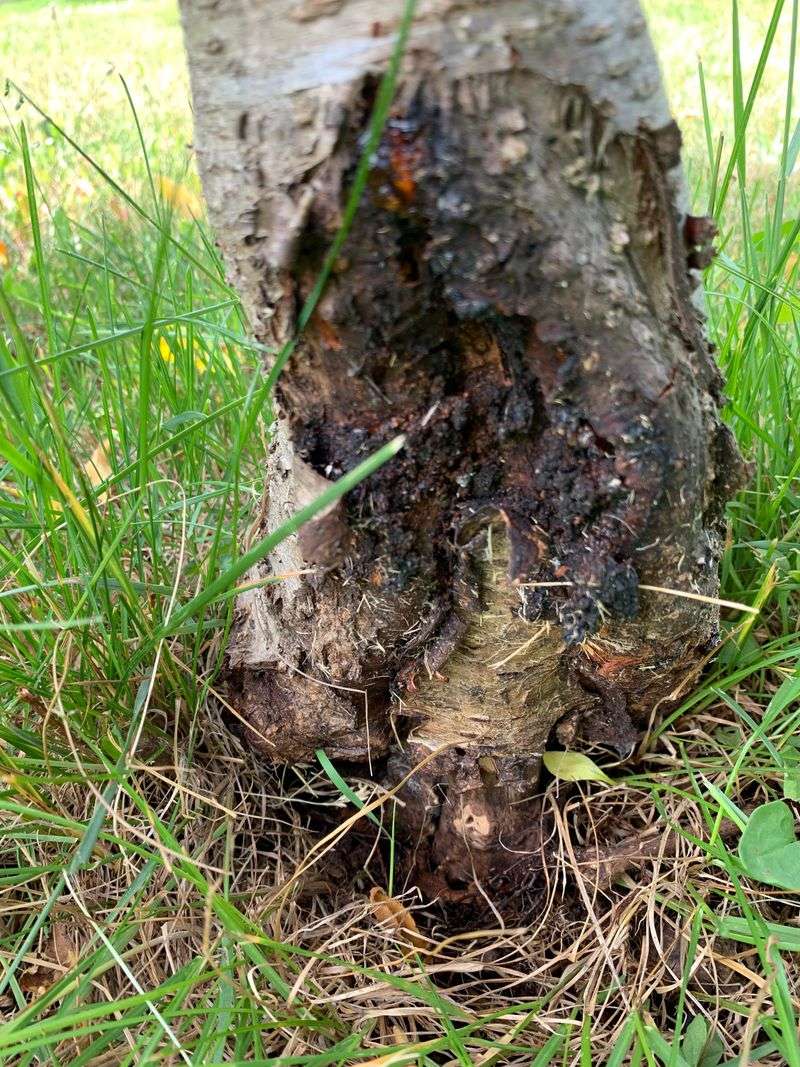
Backyard orchards are a dream for a lot of Ohio homeowners. The idea of stepping outside to pick your own apples, peaches, or pears is genuinely appealing, and fruit trees are widely sold at garden centers and big-box stores every spring.
What the plant tags rarely mention clearly enough is how badly most fruit trees respond to poorly drained soil.
Fruit tree roots need oxygen just as much as they need water. In saturated soil, oxygen is pushed out of the root zone entirely, and roots begin to suffer within days.
Most common fruit trees, including apple, peach, cherry, and pear, are grafted onto rootstocks that vary in their tolerance, but very few rootstocks handle prolonged waterlogging without serious consequences. Crown rot, collar rot, and Phytophthora infections are all well-documented problems for fruit trees planted in wet Ohio ground.
Peaches are among the most sensitive, but apples and cherries are not far behind when it comes to drainage requirements. Ohio’s spring rains combined with clay soil can keep root zones saturated for weeks at a time, which is far longer than most fruit trees can tolerate without showing stress.
Planting on a berm or raised area is one of the most practical solutions for Ohio homeowners who want fruit trees but deal with drainage challenges. Choosing rootstocks known for slightly better tolerance, like Malling Merton series for apples, can also help.
Ignoring drainage when planting fruit trees almost always leads to poor harvests, slow growth, and ongoing health problems that are difficult to reverse.