The Yard Design Tricks Georgia Gardeners Use To Attract Goldfinches All Year
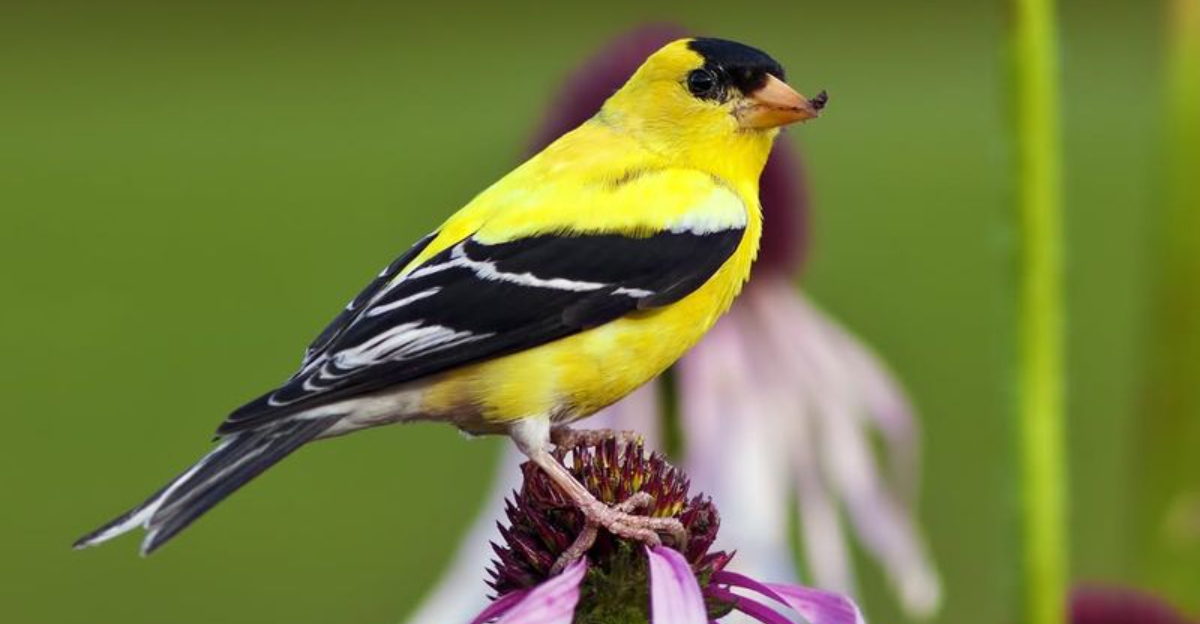
Goldfinches bring bright yellow flashes of color and cheerful songs to Georgia yards throughout every season.
These charming little birds love specific plants, feeders, and yard features that make them feel safe and well-fed.
Georgia gardeners have discovered clever design tricks that turn ordinary backyards into goldfinch magnets.
Learning these simple strategies will help you enjoy watching these delightful birds visit your outdoor space all year long.
Plant Native Seed-Producing Flowers Throughout Your Garden
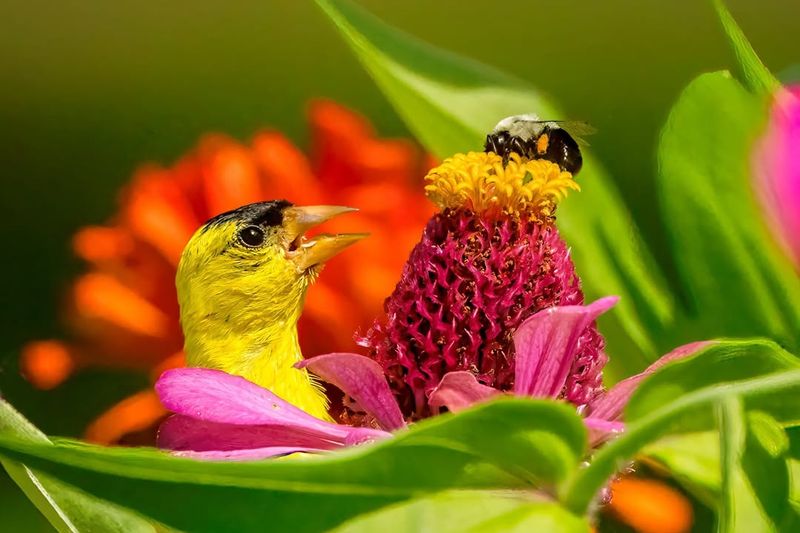
Goldfinches absolutely adore munching on seeds from native Georgia plants like coneflowers, black-eyed Susans, and sunflowers.
Unlike many other backyard birds that prefer insects or worms, goldfinches are vegetarians who depend almost entirely on seeds for their diet.
When you grow flowers that produce plenty of seeds, you create a natural buffet that keeps these bright yellow visitors coming back.
Many Georgia gardeners make the mistake of deadheading all their flowers to keep gardens looking tidy, but leaving seed heads intact provides essential food.
Coneflowers bloom beautifully during summer and then develop seed heads that goldfinches can feast on through fall and winter.
Black-eyed Susans offer similar benefits with their cheerful blooms followed by nutritious seeds.
Sunflowers grow tall and strong in Georgia’s climate, producing massive seed heads that can feed multiple goldfinches at once.
Planting these flowers in clusters rather than single specimens makes your yard even more attractive because goldfinches feel safer feeding in groups.
Native plants also require less water and maintenance than non-native species, making them perfect for busy Georgia homeowners.
Your goldfinch-friendly garden will look beautiful while blooming and remain useful long after the petals fade.
Install Nyjer Seed Feeders With Multiple Feeding Ports
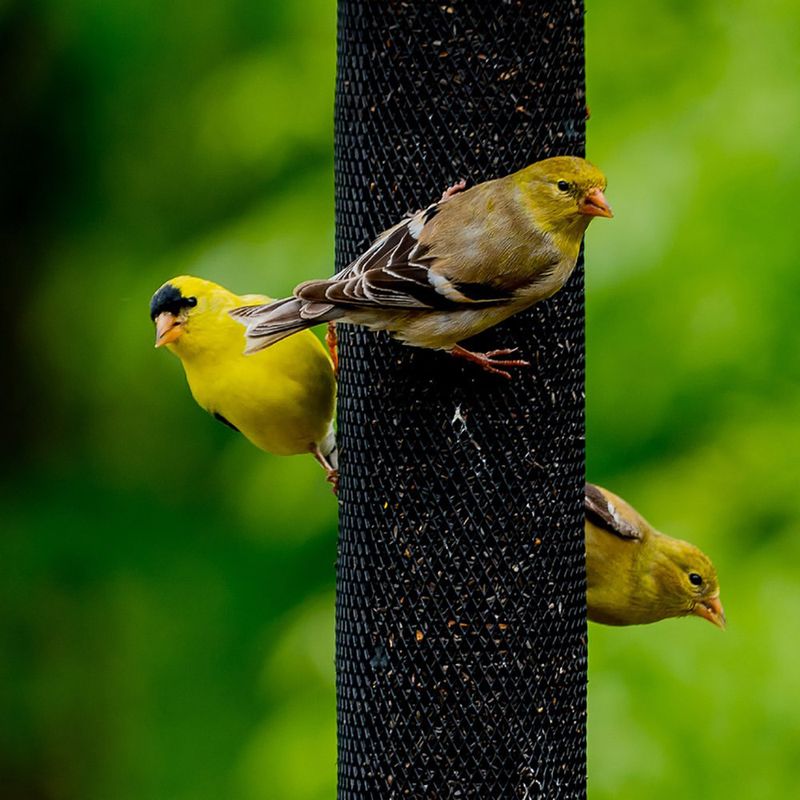
Nyjer seeds rank as the absolute favorite food for goldfinches, and offering them in the right feeder makes all the difference.
These tiny black seeds come from the African yellow daisy and contain high oil content that provides excellent energy for small birds.
Georgia gardeners find that tube-style feeders with small ports work best because they prevent larger, more aggressive birds from taking over.
Goldfinches possess specially adapted beaks and feet that allow them to cling comfortably to feeders while eating, unlike ground-feeding birds.
Choosing feeders with at least six to eight ports means multiple goldfinches can dine together, which matches their social feeding habits.
Some Georgia homeowners worry about the cost of nyjer seed, but goldfinches waste very little because they hull each seed carefully before eating.
Keeping your feeder filled consistently throughout the year encourages goldfinches to consider your yard a reliable food source.
During winter months when natural seeds become scarce, your feeder becomes especially important for goldfinch survival.
Clean your nyjer feeders every two weeks to prevent mold growth, which can make birds sick.
Position feeders where you can easily watch from windows, giving you front-row seats to goldfinch activity all year long.
Create A Water Feature With Shallow Edges And Moving Water
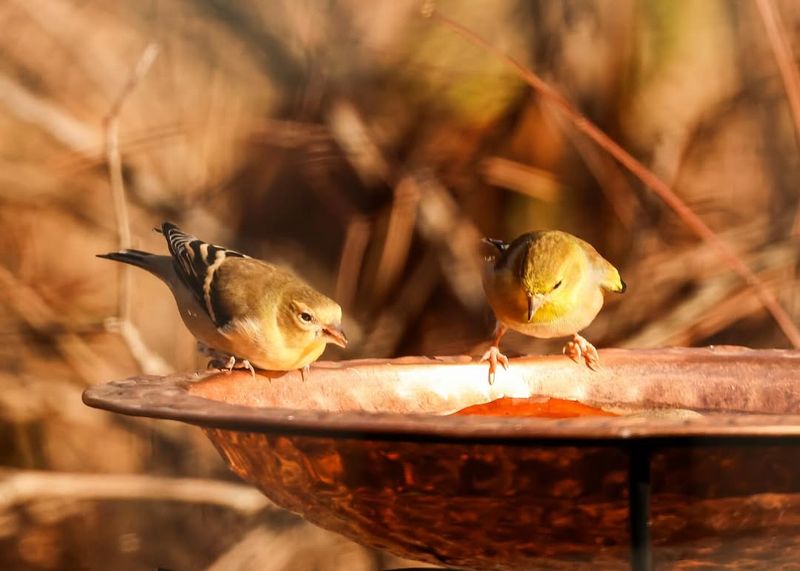
Goldfinches need fresh water for drinking and bathing just as much as they need food, making water features essential yard elements.
Moving water attracts goldfinches more effectively than still water because the sound and sparkle catch their attention from greater distances.
Simple solar-powered fountains or drippers added to birdbaths create movement without requiring electrical outlets or complicated installation.
Georgia summers can get extremely hot, so providing cool, clean water becomes even more critical during those scorching months.
Goldfinches prefer bathing in shallow water, typically no deeper than two inches, where they feel safe and can touch bottom.
Adding flat rocks or textured surfaces to deeper birdbaths gives goldfinches comfortable spots to stand while drinking and preening.
Position your water feature near shrubs or trees so wet birds can quickly fly to cover if predators approach.
Change the water every two to three days during warm weather to prevent mosquito breeding and keep it fresh and appealing.
During Georgia winters, consider adding a birdbath heater to prevent freezing, ensuring goldfinches have access to liquid water year-round.
Watching goldfinches splash enthusiastically in your water feature provides endless entertainment and helps you connect with nature right outside your door.
Let Dandelions And Other Weeds Grow In Designated Areas
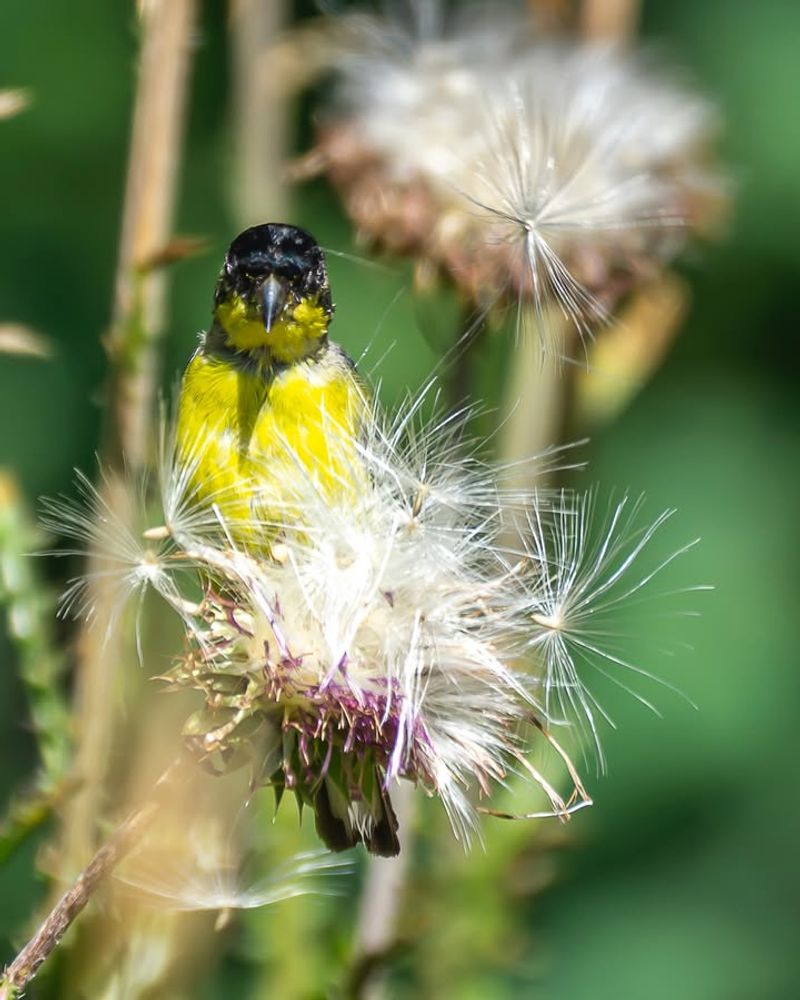
Most homeowners spend considerable time and money eliminating dandelions, but goldfinches consider these common plants absolute treasures.
Dandelion seeds provide excellent nutrition, and goldfinches expertly pluck them from those familiar white puffballs that children love to blow.
Allowing a section of your Georgia yard to grow more naturally creates a goldfinch paradise without any effort or expense.
Other common weeds like thistle, ragweed, and lamb’s quarters also produce seeds that goldfinches eagerly consume throughout different seasons.
You don’t need to let your entire lawn become overgrown—designating one corner or border area as a wild zone works perfectly.
This approach also reduces your lawn maintenance time while supporting local ecosystems and beneficial insects alongside your feathered visitors.
Many Georgia gardeners disguise their wild areas by surrounding them with attractive native grasses or placing them behind more formal garden beds.
Dandelions bloom early in spring when other food sources remain scarce, making them especially valuable for returning goldfinches.
Their deep taproots also improve soil health by breaking up compacted earth and bringing nutrients closer to the surface.
Embracing these so-called weeds represents a shift toward more environmentally friendly landscaping that benefits wildlife while reducing chemical use in your yard.
Add Tall Perching Posts And Bare Branches Near Feeding Areas
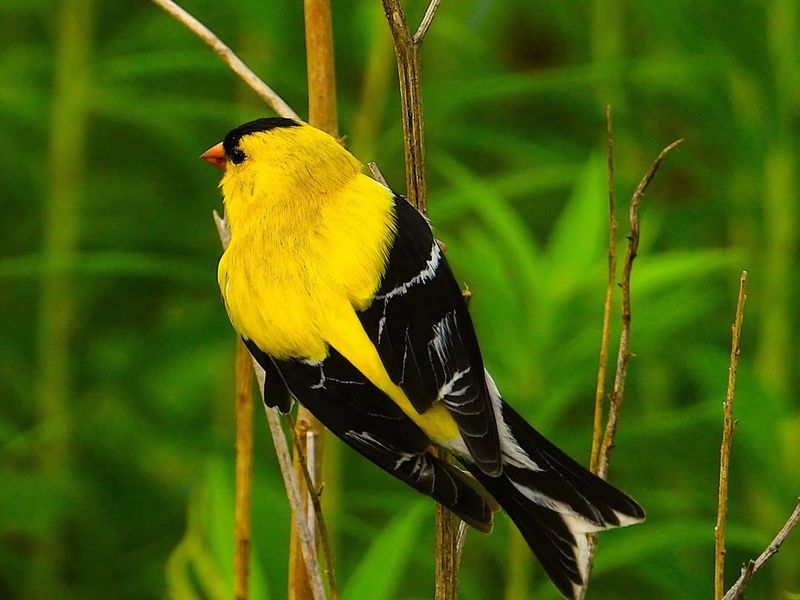
Goldfinches like to survey their surroundings before dropping down to feeders, making perching spots strategically important.
Installing tall posts, withered branches, or leaving some tree snags standing provides perfect observation platforms these cautious birds appreciate.
Georgia gardeners often place these perches about ten to fifteen feet from feeders, giving goldfinches a safe staging area.
From elevated perches, goldfinches can spot potential predators like hawks or neighborhood cats before committing to feeding.
These perching spots also serve as gathering places where goldfinches socialize, preen, and rest between feeding sessions.
Bare branches work better than leafy ones because goldfinches prefer unobstructed views and easy takeoff routes in all directions.
You can create attractive perching posts by securing weathered branches to fence posts or mounting them in concrete-filled planters.
Some creative Georgia homeowners design decorative garden sculptures that double as functional bird perches, adding artistic elements to their yards.
During breeding season, male goldfinches use these high perches to sing their bubbly, canary-like songs while establishing territories.
Watching goldfinches line up on branches like colorful ornaments before swooping down to feeders becomes a delightful daily show.
These simple additions cost almost nothing but dramatically increase goldfinch comfort and activity in your Georgia outdoor space.
Plant Evergreen Shrubs And Trees For Year-Round Shelter
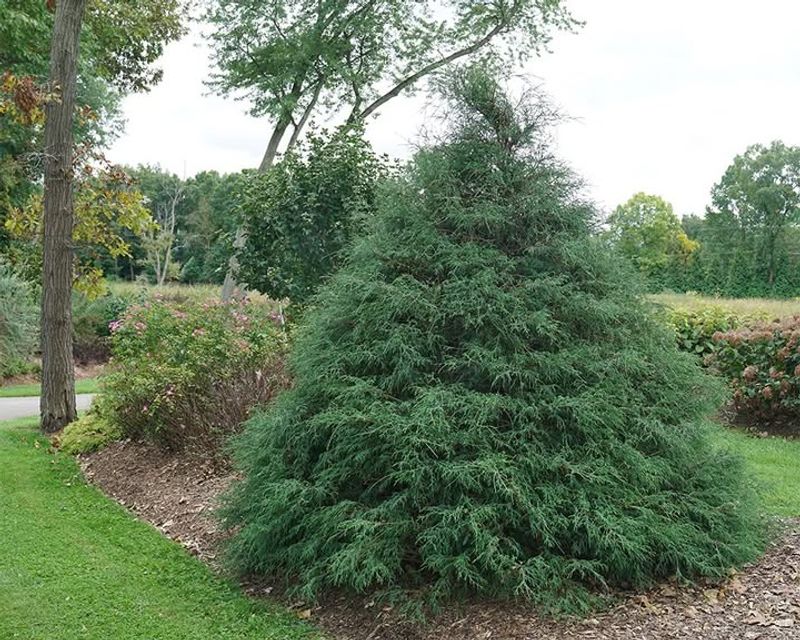
Providing safe shelter encourages goldfinches to spend more time in your Georgia yard rather than just visiting briefly for meals.
Evergreen plants like hollies, junipers, and pines offer protection from weather and predators throughout all four seasons.
Georgia’s relatively mild winters still bring cold snaps and storms when goldfinches desperately need dense cover to survive.
Planting evergreens in groups or hedges creates even better shelter than single specimens scattered across your landscape.
Goldfinches often roost together in protected spots during winter nights, huddling close to conserve body heat.
Eastern red cedar grows naturally throughout Georgia and produces small blue berries that attract other birds while providing excellent goldfinch cover.
Southern magnolias offer thick, glossy leaves year-round and create shady spots where birds can escape Georgia’s intense summer heat.
Position evergreens near your feeding stations so goldfinches can quickly dart into cover if danger approaches.
These plantings also provide nesting sites for other bird species, increasing overall wildlife activity and biodiversity in your yard.
Evergreens require minimal maintenance once established, making them practical choices for busy homeowners who want bird-friendly landscapes.
The combination of food, water, and shelter transforms your Georgia property into complete habitat rather than just a feeding stop.
Avoid Pesticides And Herbicides In Your Entire Yard
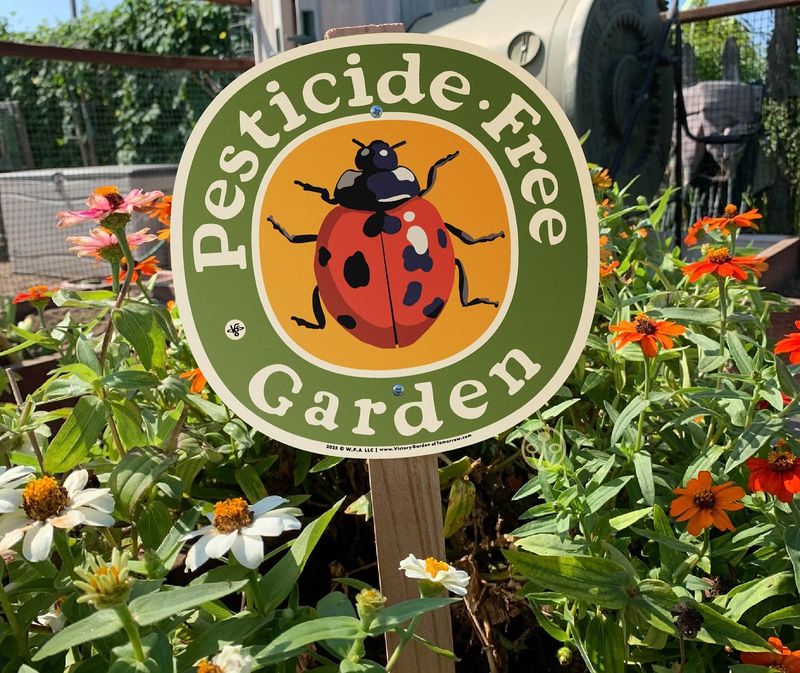
Chemical pesticides and herbicides harm goldfinches both directly and indirectly, making organic gardening practices essential for bird-friendly yards.
Goldfinches can absorb toxins through their skin when landing on treated plants or ingest poisons while eating contaminated seeds.
Even small amounts of common lawn chemicals can affect goldfinch reproduction, causing thinner eggshells or developmental problems in chicks.
Georgia gardeners who eliminate chemicals often discover their yards become healthier overall, with beneficial insects controlling pest populations naturally.
Ladybugs, lacewings, and other helpful bugs thrive in pesticide-free environments, creating balanced ecosystems that need less human intervention.
When you stop using herbicides, native plants and wildflowers can flourish, providing exactly the seeds goldfinches need most.
Many Georgia homeowners worry about pest problems without chemicals, but goldfinches and other birds actually help control insects by feeding them to their young.
Switching to organic methods might require patience initially, but yards typically reach natural balance within one or two growing seasons.
Hand-pulling weeds, using mulch, and choosing disease-resistant plant varieties reduce the need for chemical interventions effectively.
Your commitment to chemical-free gardening protects not just goldfinches but also your family, pets, and local waterways from harmful runoff.
Creating a safe, toxin-free environment represents one of the most important steps toward truly welcoming goldfinches into your Georgia landscape.
Design Open Spaces Between Garden Beds And Structures
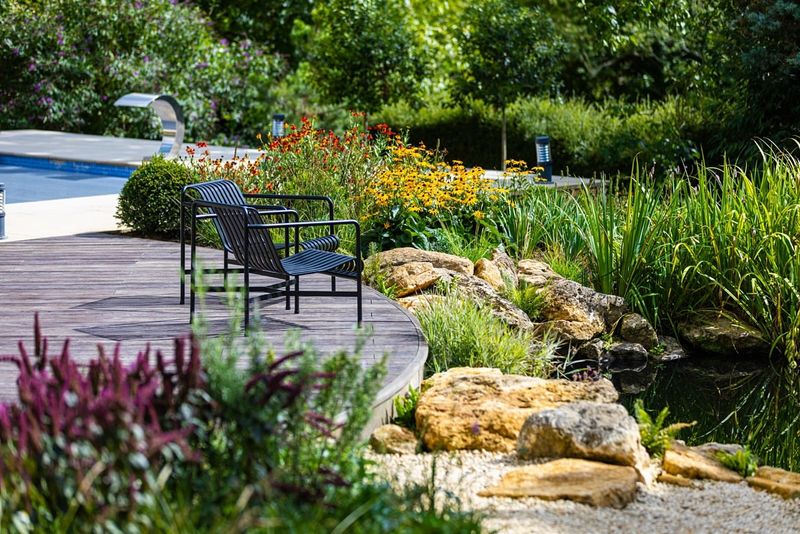
Goldfinches feel most comfortable in yards where they can see clearly in all directions and fly freely without obstacles.
Cluttered landscapes with too many dense plantings or structures make these cautious birds nervous about potential predators hiding nearby.
Georgia gardeners who balance planted areas with open spaces create environments where goldfinches can feed and move confidently.
Maintaining sight lines between feeders, water features, and shelter spots helps goldfinches monitor their surroundings while going about daily activities.
Open areas also allow you to enjoy better views of goldfinch behavior, from their bouncing flight patterns to their acrobatic feeding techniques.
Consider leaving strips of short grass or mulched paths between taller garden beds to create these important open zones.
Goldfinches often feed on the ground beneath feeders, picking up dropped seeds, so clear areas below feeders serve multiple purposes.
Avoid placing feeders directly against walls, fences, or dense bushes where cats or other predators could lurk unseen.
Spacing feeders at least five feet from potential hiding spots gives goldfinches enough reaction time to escape if threatened.
This thoughtful design approach makes your Georgia yard feel safer to goldfinches while creating a more visually appealing and functional landscape for you.
Balancing openness with shelter demonstrates understanding of goldfinch needs and increases the likelihood they’ll become regular residents.
Provide Nesting Materials During Spring And Early Summer
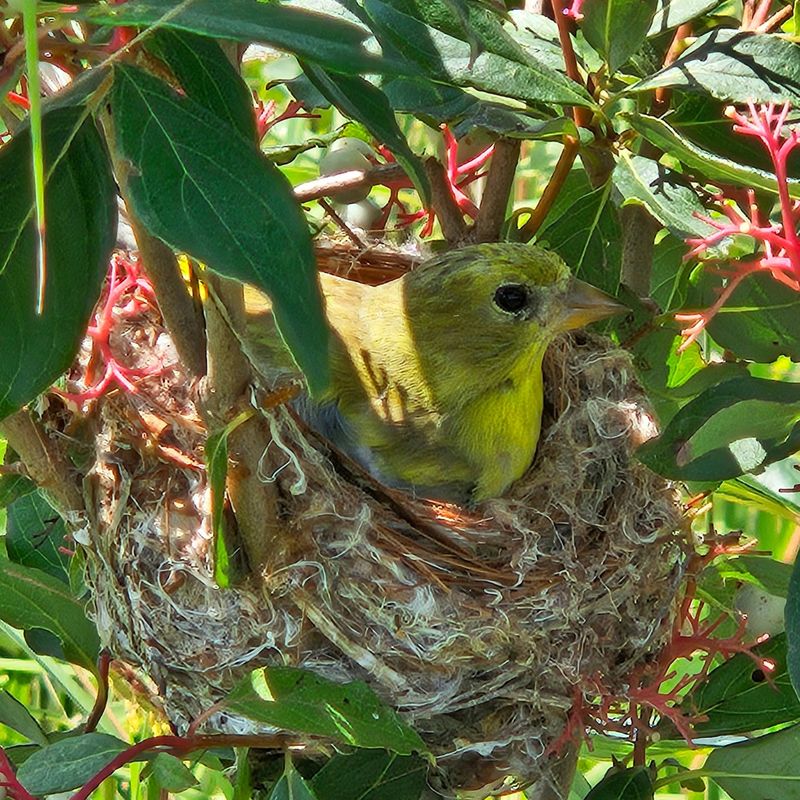
Goldfinches nest later than most birds, typically starting in July when thistle and other plants produce fluffy down for lining nests.
Georgia gardeners can help by providing additional soft materials like cotton fibers, pet fur, or short strips of natural yarn.
Place these materials in mesh bags or special nesting material holders hung near trees where goldfinches might build.
Female goldfinches construct tightly woven cup nests so well-made that they can actually hold water like small bowls.
They prefer nesting in shrubs or small trees between four and ten feet high, often choosing spots with good cover.
Milkweed, cattails, and dandelion fluff provide natural nesting materials that goldfinches instinctively seek during breeding season.
Leaving these plants standing in your Georgia yard through summer ensures goldfinches find everything they need without traveling far.
Avoid disturbing areas where you suspect goldfinches might be nesting, as they can abandon nests if repeatedly stressed.
Goldfinches typically raise just one brood per year, but their late nesting schedule means baby birds fledge when seeds are most abundant.
Supporting successful nesting in your yard creates emotional connections as you watch goldfinch families grow and thrive.
Knowing your landscape directly contributed to new goldfinch generations brings special satisfaction to Georgia bird enthusiasts.
Maintain Consistent Feeding Schedules Throughout All Seasons
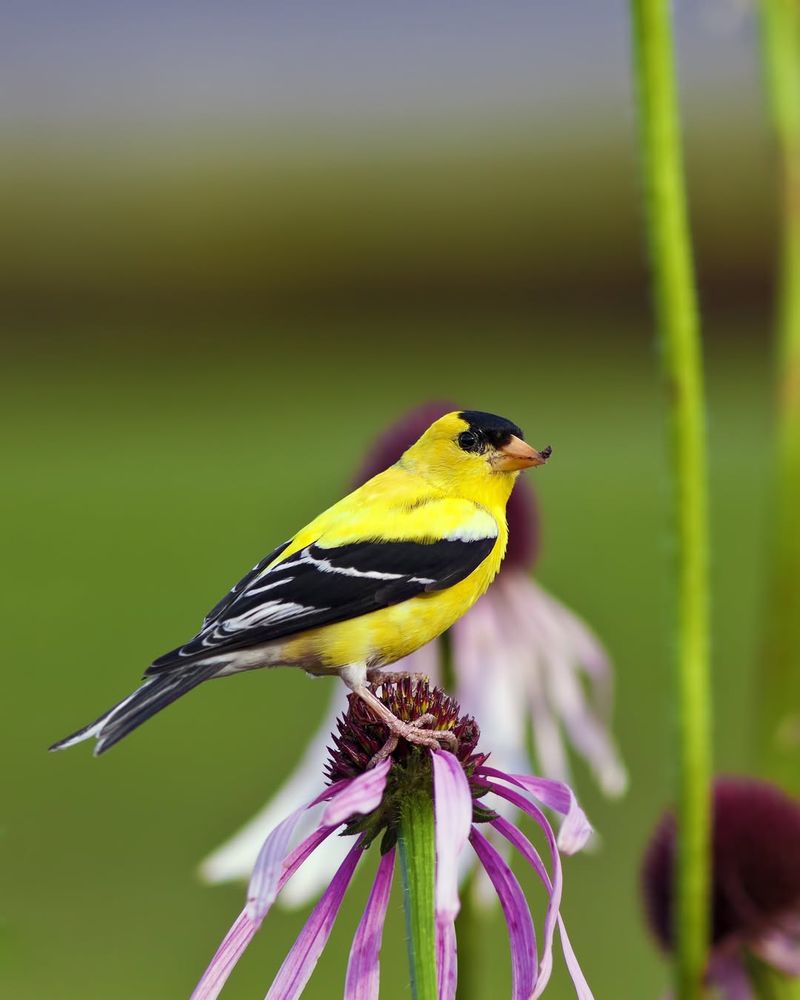
Reliability matters enormously to goldfinches, who develop regular routes visiting dependable food sources throughout their territories.
Georgia gardeners who keep feeders consistently filled year-round build trust with local goldfinch populations that return generation after generation.
Many people mistakenly believe birds only need supplemental feeding during winter, but goldfinches appreciate reliable food sources every season.
During spring and summer, goldfinches undergo dramatic plumage changes and raise young, both requiring substantial energy and nutrition.
Fall brings migration for some goldfinch populations, with northern birds passing through Georgia and needing refueling stops.
Winter challenges goldfinches with shorter days for feeding and fewer natural seeds available, making feeders especially critical.
Check your feeders every few days to ensure they haven’t emptied or become clogged with debris or moisture.
Goldfinches remember which yards offer dependable food and will bypass locations where feeders frequently run empty.
Setting phone reminders or establishing weekly routines helps Georgia homeowners maintain consistency even during busy periods.
Your commitment signals to goldfinches that your yard represents a safe, reliable habitat worth visiting daily.
Over time, consistent feeding creates opportunities to observe fascinating goldfinch behaviors, seasonal changes, and individual personalities that make birdwatching endlessly rewarding.