The Zero-Weed Planting Trend Rising Across Virginia
Gardens across Virginia are changing in exciting ways as more people discover the benefits of zero-weed planting methods.
This smart approach to gardening focuses on preventing unwanted plants before they even start growing, making yard work easier and more enjoyable for everyone.
Homeowners, schools, and community gardens throughout the state are embracing these techniques to create beautiful outdoor spaces without spending hours pulling weeds every weekend.
From clever mulching tricks to special ground covers that block weed growth, these methods save time, water, and money while keeping gardens healthy and attractive.
Whether you have a small flower bed or a large vegetable garden, understanding zero-weed planting can transform how you care for your outdoor spaces.
Virginia gardeners are finding that this trend works perfectly with the state’s climate and soil conditions, making it easier than ever to maintain gorgeous gardens year-round.
Learning about these ten key aspects will help you join this growing movement and enjoy a healthier, more manageable garden.
Understanding What Zero-Weed Planting Really Means
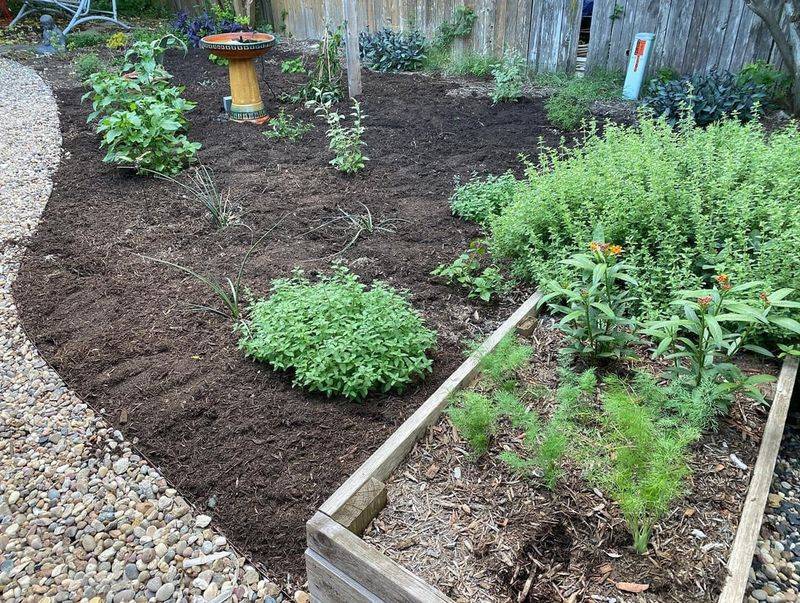
Zero-weed planting represents a gardening philosophy that emphasizes prevention rather than constant removal of unwanted plants.
Gardeners across Virginia are learning that this method focuses on creating conditions where weeds simply cannot establish themselves in the first place.
The approach combines several techniques including proper soil preparation, strategic plant placement, and smart use of barriers.
Many people mistakenly think zero-weed means using harsh chemicals, but the opposite is actually true.
This method relies on natural strategies that work with nature instead of against it.
Virginia gardeners appreciate how this approach reduces their workload significantly over time.
The basic idea involves covering every inch of soil with either plants, mulch, or protective barriers so weed seeds never get the light and space they need to sprout.
When done correctly, your garden becomes a thriving ecosystem where desirable plants crowd out potential invaders.
This technique has proven especially effective in Virginia’s varied climate zones, from the mountains to the coastal areas.
Gardeners report spending up to seventy percent less time on weed management once they fully implement these strategies.
The initial setup requires some planning and effort, but the long-term benefits make it worthwhile for busy families and dedicated gardeners alike.
Thick Mulch Layers Create Natural Weed Barriers
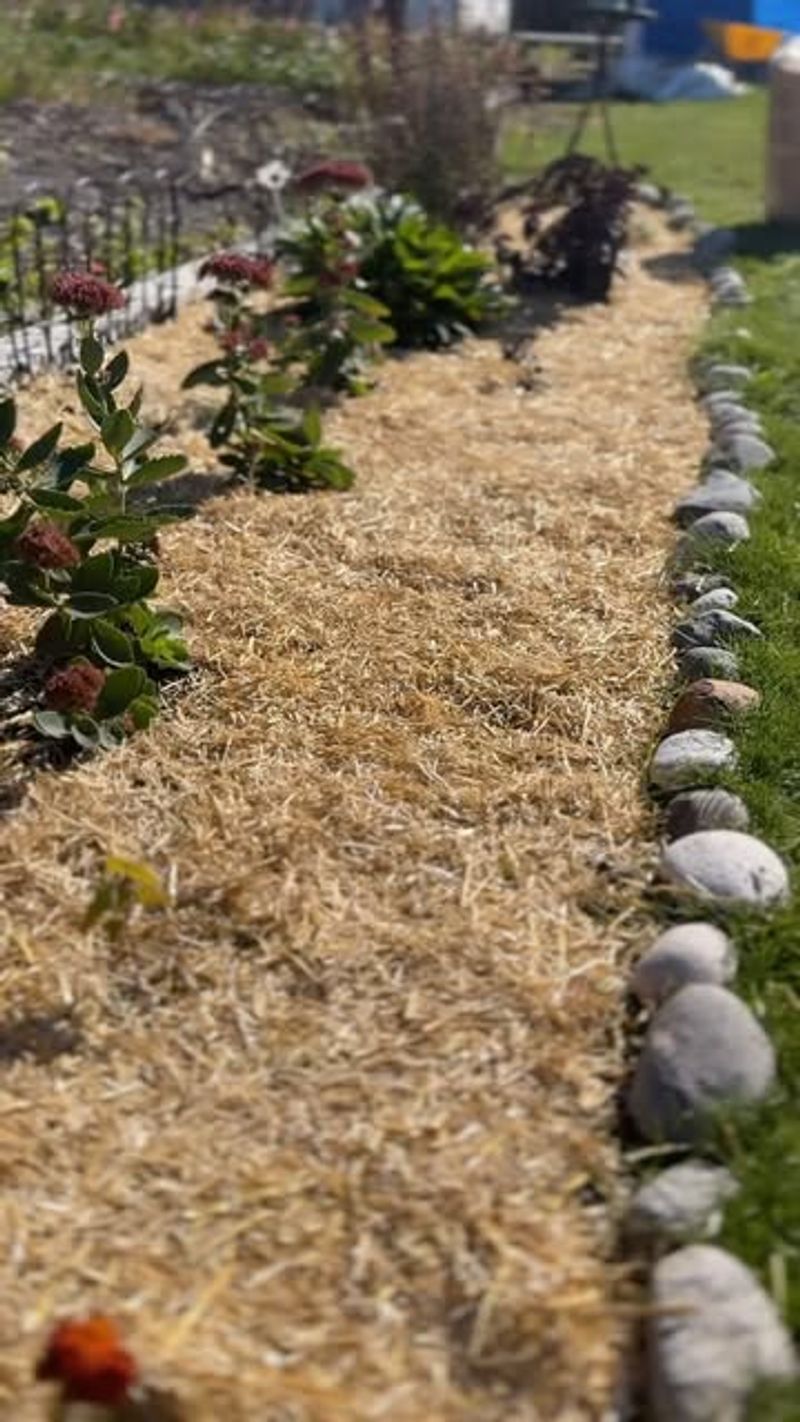
Applying generous amounts of organic mulch stands as one of the most effective weapons in the zero-weed planting arsenal.
Virginia gardeners have discovered that a three to four inch layer of wood chips, shredded bark, or leaf mulch blocks sunlight from reaching dormant weed seeds below.
Without light, these seeds remain dormant and never sprout into troublesome plants.
The mulch also moderates soil temperature and retains moisture, which benefits your desired plants tremendously.
As organic mulches break down over time, they enrich the soil with valuable nutrients that feed your flowers and vegetables.
Many Virginia communities now offer free mulch programs, making this strategy both effective and economical.
Proper mulch application requires spreading material evenly around established plants while keeping it a few inches away from stems and trunks to prevent rot.
Refreshing your mulch layer annually ensures continuous weed suppression throughout the growing season.
Different types of mulch work better for different situations, with wood chips lasting longer but leaf mulch breaking down faster to improve soil quality.
Virginia’s humid summers can cause some mulches to compact, so fluffing them occasionally helps maintain their weed-blocking effectiveness.
Gardeners who commit to proper mulching often see dramatic reductions in weed problems within just one season of consistent application.
Ground Cover Plants Fill Every Available Space
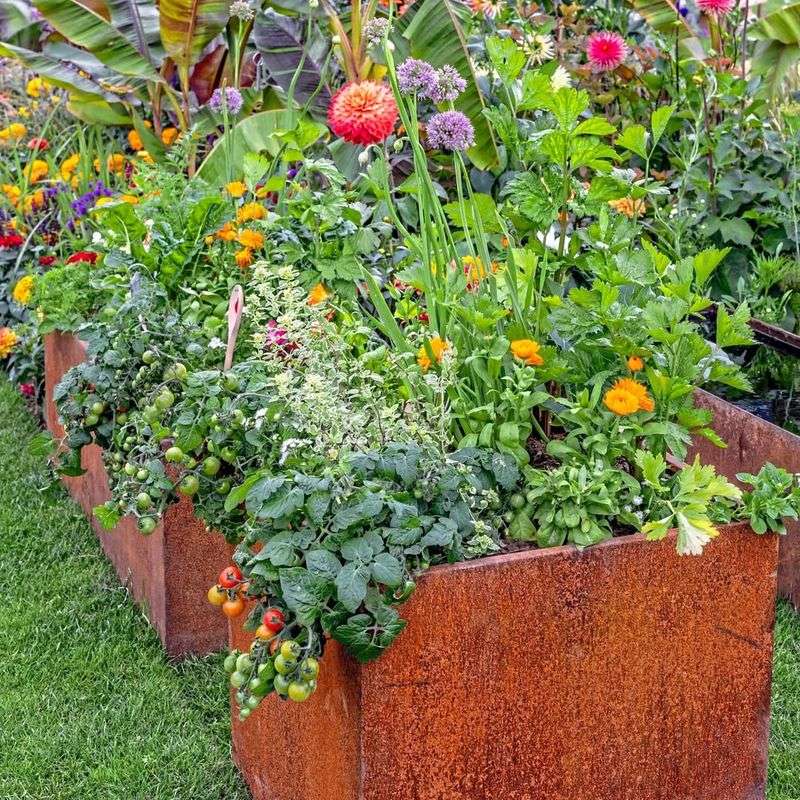
Planting low-growing species that spread naturally creates a living carpet that chokes out potential weed growth before it starts.
Virginia gardeners favor hardy ground covers like creeping thyme, sedum, and ajuga that thrive in the state’s climate while requiring minimal maintenance.
These plants fill spaces between larger specimens and eliminate bare soil where weeds typically establish themselves.
Ground covers offer the added benefit of adding visual interest with varied textures and colors throughout the seasons.
Many species also attract beneficial pollinators like bees and butterflies, enhancing your garden’s ecological value.
Once established, these plants require far less water than traditional lawns while providing superior weed suppression.
Selecting the right ground cover depends on your specific conditions, including sun exposure, soil type, and moisture levels.
Some Virginia gardeners use different ground covers in various garden zones to match each area’s unique characteristics.
Proper spacing during initial planting allows ground covers to fill in quickly, usually within one growing season.
These plants spread through runners, self-seeding, or gradual expansion, eventually forming dense mats that weeds cannot penetrate.
The investment in ground cover plants pays dividends for years as they reduce maintenance needs while keeping gardens looking beautiful and weed-free throughout Virginia’s changing seasons.
Landscape Fabric Provides Long-Term Protection
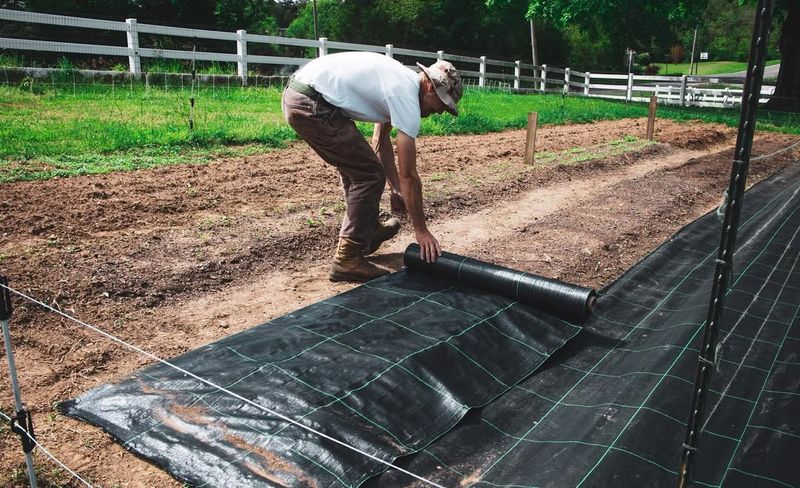
Professional-grade landscape fabric has become a cornerstone of zero-weed planting strategies across Virginia communities.
This permeable material allows water and nutrients to reach plant roots while blocking sunlight that weed seeds need for germination.
When installed correctly beneath mulch or decorative stone, landscape fabric provides years of reliable weed suppression.
Quality matters significantly when choosing landscape fabric, as cheaper versions deteriorate quickly or allow weeds to penetrate through weak spots.
Virginia gardeners recommend commercial-grade woven fabrics that resist tearing and maintain their integrity through multiple seasons.
Proper installation involves overlapping edges by several inches and securing the fabric with sturdy landscape staples.
Cutting precise openings for your desired plants ensures they receive adequate space to grow while maintaining the fabric’s protective barrier.
Many Virginia landscapers combine fabric with organic mulch for maximum effectiveness and improved aesthetics.
The fabric prevents mulch from mixing with soil below, keeping your garden beds looking neat and organized.
While some gardeners worry about environmental impacts, modern landscape fabrics are often made from recycled materials and can last a decade or more.
This longevity makes fabric an economical choice despite higher upfront costs compared to other weed prevention methods popular throughout Virginia gardens.
Proper Plant Spacing Eliminates Weed Opportunities
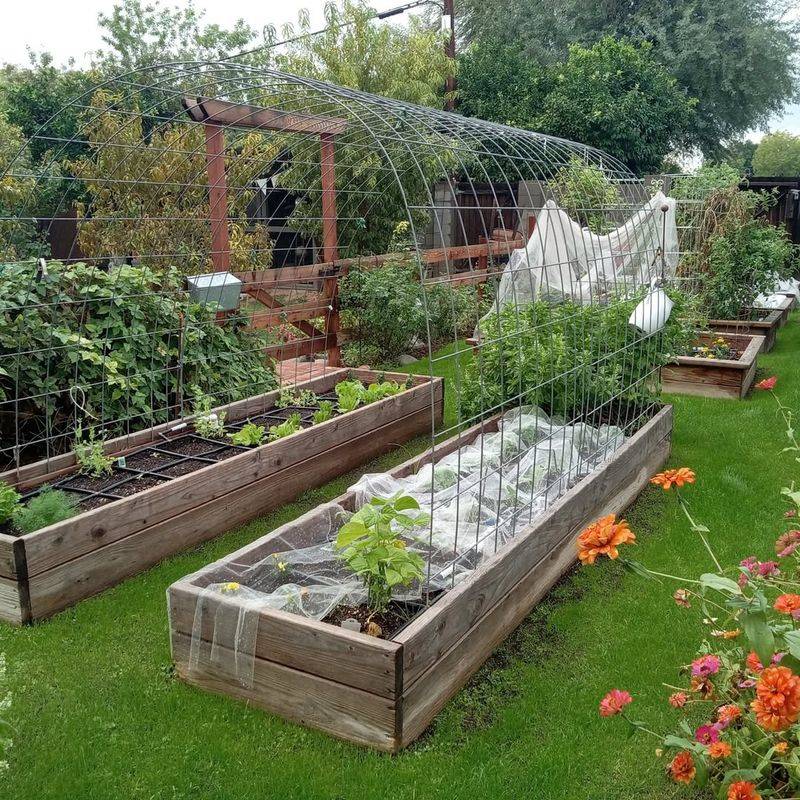
Strategic placement of plants so their mature foliage touches creates a natural canopy that shades out potential weed growth.
Virginia gardeners are learning to space plants closer than traditional recommendations suggest, allowing them to fill available space quickly.
This technique mimics how plants grow in natural ecosystems where competition naturally limits weed establishment.
Understanding each plant’s mature size helps you calculate optimal spacing that maximizes coverage without overcrowding.
Vegetables, perennials, and shrubs all benefit from this approach when planted at appropriate densities for their specific growth habits.
Virginia’s relatively long growing season allows many species to reach full size and provide excellent weed suppression by midsummer.
Companion planting enhances this strategy by combining species with different growth patterns that complement each other.
Tall plants provide shade for lower-growing species, while spreading plants fill horizontal spaces between upright varieties.
This layered approach creates a complex plant community where weeds struggle to find any foothold.
Proper spacing also improves air circulation, reducing disease problems that sometimes occur in overly dense plantings.
Virginia gardeners report that gardens designed with strategic spacing require significantly less intervention once plants mature and fill their designated spaces.
The key involves planning your layout carefully before planting to ensure complete coverage as the season progresses.
Sheet Mulching Transforms Problem Areas Quickly
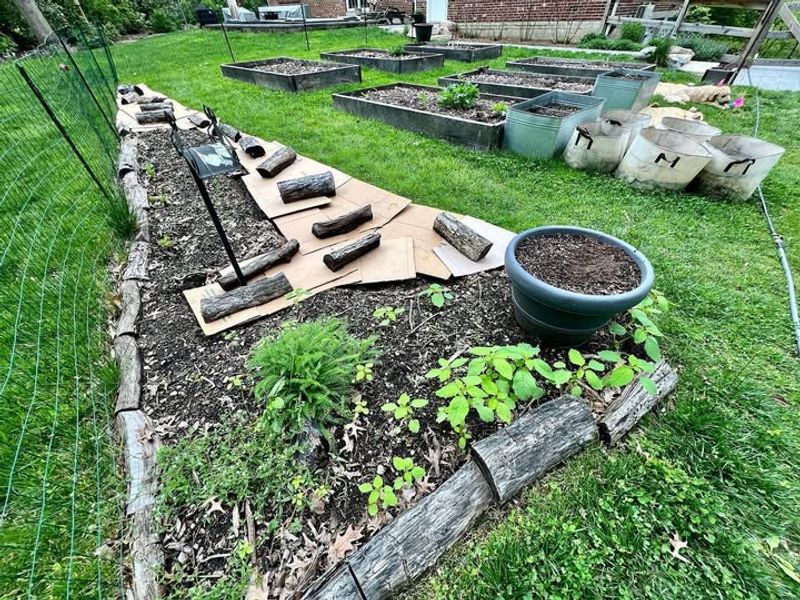
Sheet mulching, sometimes called lasagna gardening, offers Virginia homeowners a powerful method for converting weedy areas into productive garden beds without tilling or chemicals.
This technique involves layering cardboard or newspaper over existing vegetation, then piling organic materials on top to create new growing space.
The bottom layers smother unwanted plants while decomposing to enrich the soil below.
Starting with flattened cardboard boxes provides an effective biodegradable barrier that blocks light completely while eventually breaking down to feed soil organisms.
Water each layer thoroughly as you build up your sheet mulch to speed decomposition and help materials settle into place.
Virginia gardeners appreciate how this method works with any size space, from small problem spots to entire yard transformations.
Typical sheet mulch includes layers of cardboard, compost, leaves, grass clippings, and finished with decorative mulch or soil for immediate planting.
The process essentially creates new topsoil while eliminating existing weed problems in one efficient operation.
Most sheet mulched areas become plantable within a few weeks, though waiting several months produces even better results.
This approach works particularly well for Virginia gardeners dealing with persistent weeds like crabgrass or invasive species that resist other control methods.
The finished bed requires minimal maintenance while providing excellent growing conditions for vegetables, flowers, and ornamental plants throughout the season.
Native Plants Outcompete Weeds Naturally
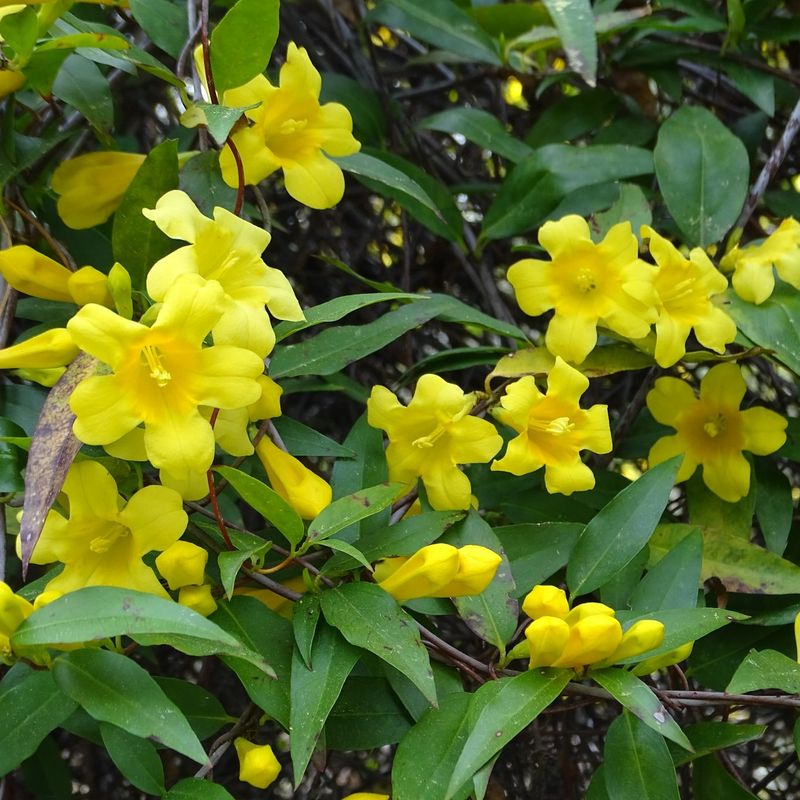
Choosing plants native to Virginia gives your garden inhabitants that evolved specifically for local conditions and naturally resist weed competition.
Native species develop extensive root systems quickly, allowing them to claim territory before invasive weeds can establish themselves.
These plants require less maintenance, water, and fertilizer than non-native alternatives while providing superior weed suppression.
Virginia’s native plant palette includes hundreds of beautiful options for every garden situation, from sunny meadows to shady woodlands.
Species like black-eyed susans, Virginia bluebells, and native grasses create robust plant communities that weeds struggle to penetrate.
Local wildlife also benefits from native plantings, creating gardens that support birds, butterflies, and beneficial insects.
Native plants adapted to Virginia’s clay soils, temperature fluctuations, and rainfall patterns over thousands of years, giving them inherent advantages over both weeds and non-native ornamentals.
Many spread naturally through self-seeding or vegetative growth, gradually expanding to fill available space without becoming invasive themselves.
Gardeners throughout Virginia report that established native plant gardens require dramatically less weeding than traditional landscapes.
These plants also tend to resist local pests and diseases better than imports, reducing the need for interventions that might disrupt your zero-weed strategy.
Starting with native species creates a foundation for low-maintenance gardens that become more beautiful and weed-resistant with each passing year.
Drip Irrigation Targets Water Where You Want It
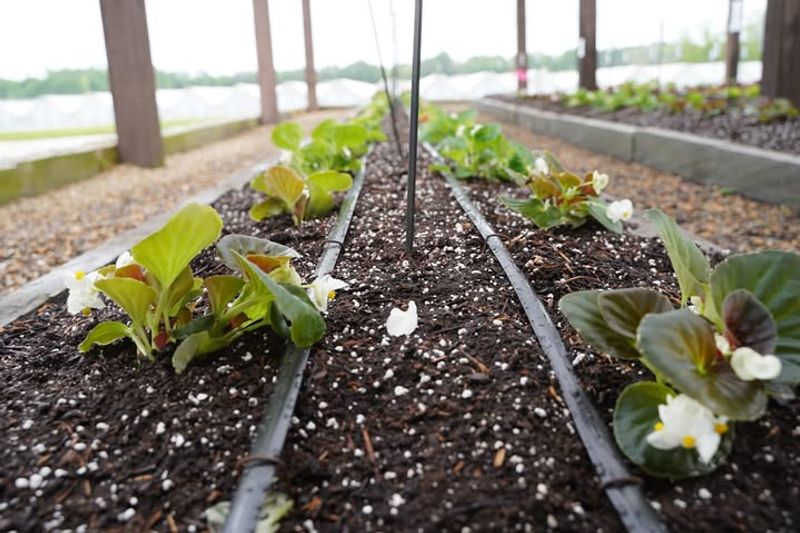
Installing drip irrigation systems allows Virginia gardeners to water desired plants precisely while keeping surrounding areas dry and inhospitable to weed germination.
Traditional sprinklers water everything equally, including weed seeds waiting for moisture to sprout.
Drip systems deliver water directly to plant root zones, denying weeds the moisture they need to establish.
Modern drip irrigation kits are surprisingly affordable and easy to install without professional help or special tools.
Flexible tubing weaves between plants with small emitters placed exactly where you want water delivered.
Virginia’s hot summers make efficient watering essential, and drip systems reduce water usage by up to fifty percent compared to overhead sprinklers.
Automated timers ensure consistent watering schedules that keep your plants healthy while maintaining dry conditions in areas where you want to discourage weed growth.
The system works beautifully with mulch and landscape fabric, delivering moisture beneath protective barriers directly to plant roots.
Many Virginia gardeners add drip irrigation when establishing new beds as part of their comprehensive zero-weed strategy.
The tubes remain hidden beneath mulch, maintaining your garden’s attractive appearance while providing superior functionality.
Reducing surface moisture also decreases disease problems and fungal issues that sometimes plague Virginia gardens during humid summer weather.
This targeted approach to irrigation represents a smart investment that pays dividends through reduced weeding, lower water bills, and healthier plants throughout the growing season.
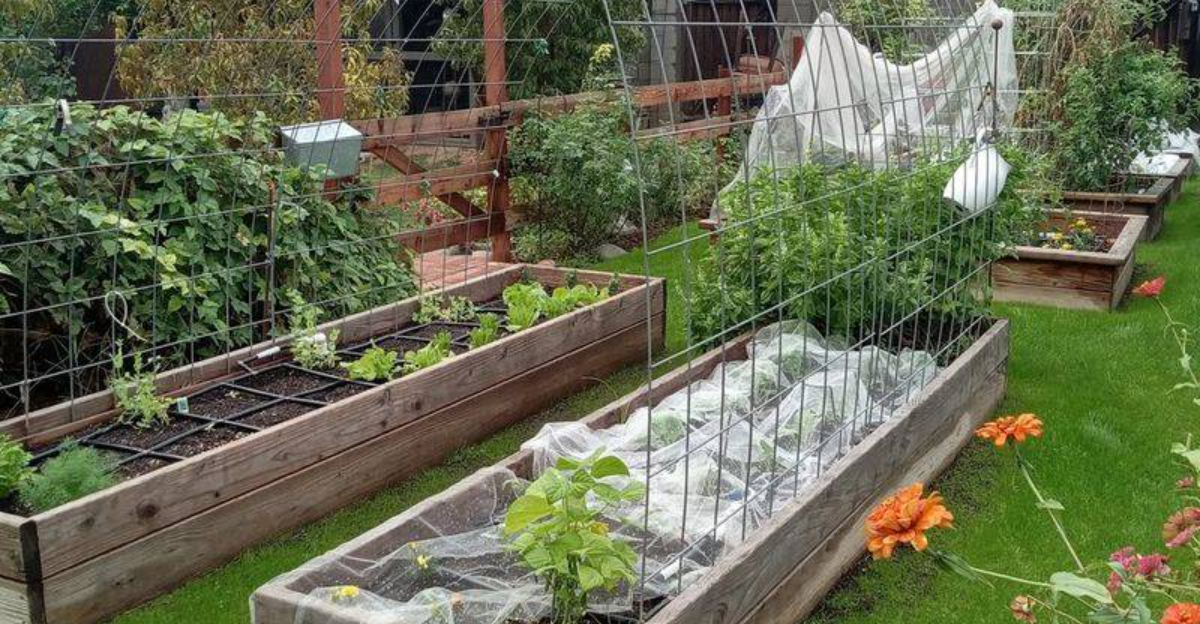
Raised Beds Offer Complete Control From The Start
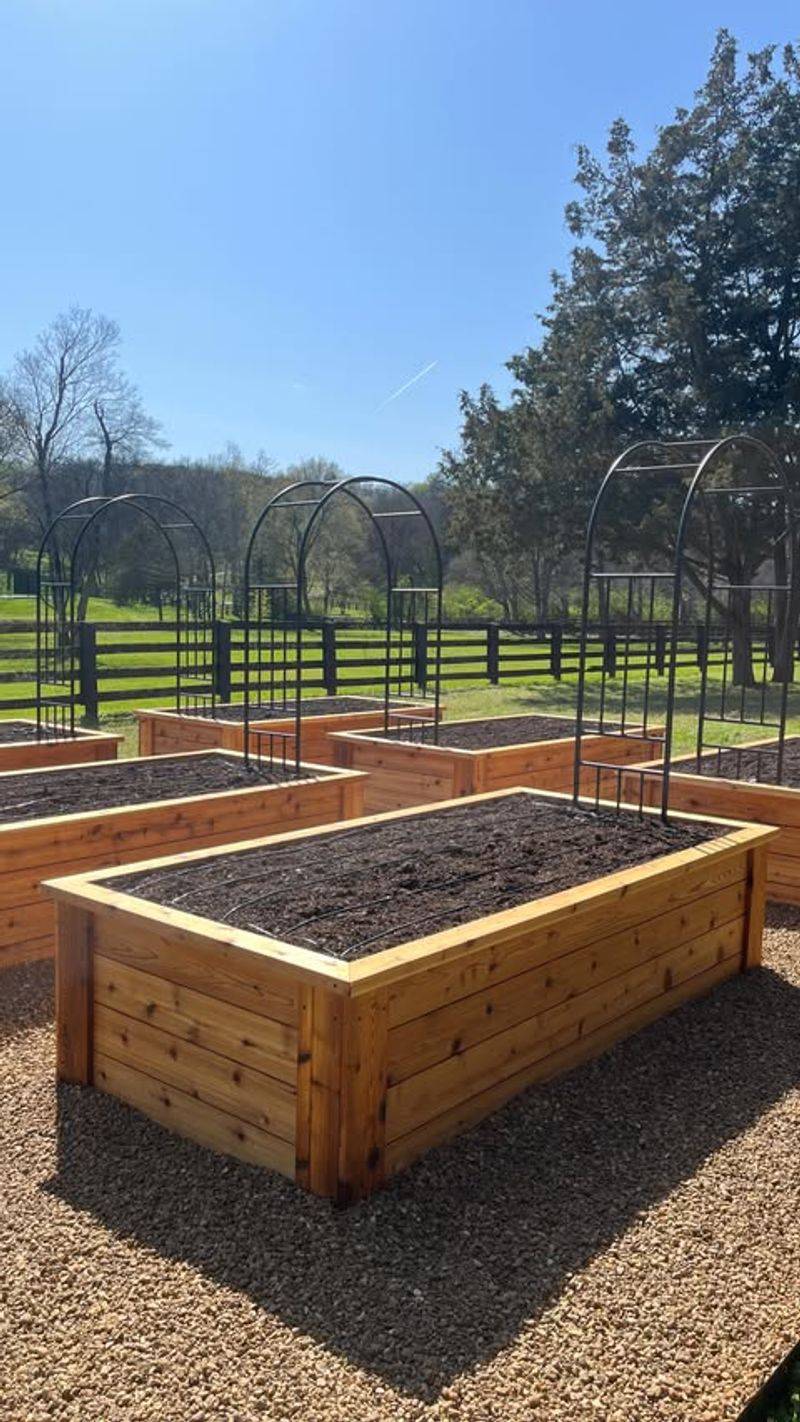
Constructing raised beds provides Virginia gardeners with the ultimate opportunity to implement zero-weed strategies from the very beginning.
Starting with completely fresh soil eliminates existing weed seeds and roots that plague in-ground gardens.
The defined borders make maintaining mulch layers and protective barriers much simpler than in traditional garden plots.
Raised beds warm up faster in spring, extending Virginia’s growing season while giving desired plants a head start over potential weeds.
The elevated design also improves drainage, preventing the waterlogged conditions where some aggressive weeds thrive.
Many gardeners line the bottom of raised beds with hardware cloth to prevent weeds from growing up from below.
Building beds between twelve and eighteen inches tall provides ample root space for most vegetables and flowers while remaining comfortable to maintain.
Virginia’s clay soils make raised beds especially attractive since you can fill them with ideal growing medium customized for your specific plants.
The contained environment makes it easy to add landscape fabric beneath soil or incorporate other weed prevention strategies.
Pathways between raised beds can be mulched heavily or covered with landscape fabric to prevent weeds from establishing in walking areas.
Gardeners throughout Virginia praise raised beds for dramatically reducing maintenance requirements while increasing productivity.
The initial construction investment pays back quickly through reduced weeding time and improved plant performance in optimized growing conditions.
Regular Monitoring Catches Problems Before They Spread
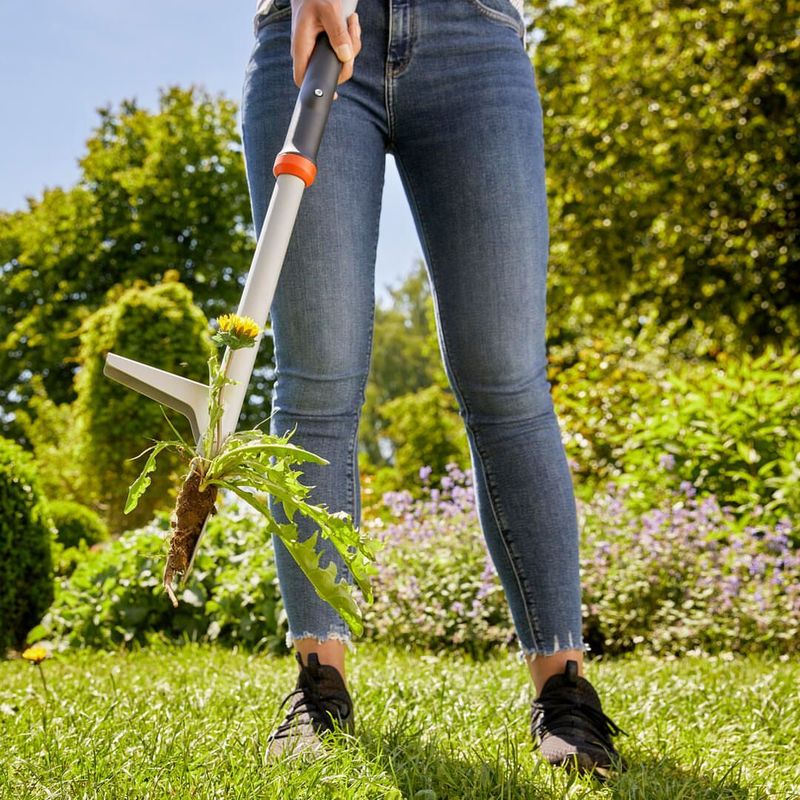
Even the best zero-weed systems benefit from consistent observation and quick action when occasional weeds appear.
Virginia gardeners who spend just fifteen minutes weekly checking their gardens can address small problems before they become major headaches.
Spotting and removing individual weed seedlings takes seconds, while established weeds require much more effort to eliminate.
Regular walks through your garden also help you notice other issues like pest problems, disease symptoms, or irrigation malfunctions before they cause serious damage.
Bringing a small container and hand tool makes it easy to pluck any weeds you spot during your inspection rounds.
This proactive approach prevents the few weeds that manage to sprout from producing seeds that create future problems.
Many successful Virginia gardeners make garden monitoring part of their morning coffee routine or evening relaxation time.
The practice becomes enjoyable rather than burdensome when you catch problems while they remain manageable.
Paying special attention after heavy rains helps since moisture can trigger weed seed germination even in well-maintained beds.
Documenting which areas develop weed problems helps you identify weak spots in your zero-weed strategy that need reinforcement.
Virginia’s growing season runs from early spring through late fall, requiring consistent attention throughout these months.
Gardeners who maintain regular monitoring schedules report that their gardens remain virtually weed-free with minimal intervention once good systems are established.