These Animals Are Digging Up Bulbs In Michigan Gardens Each Spring
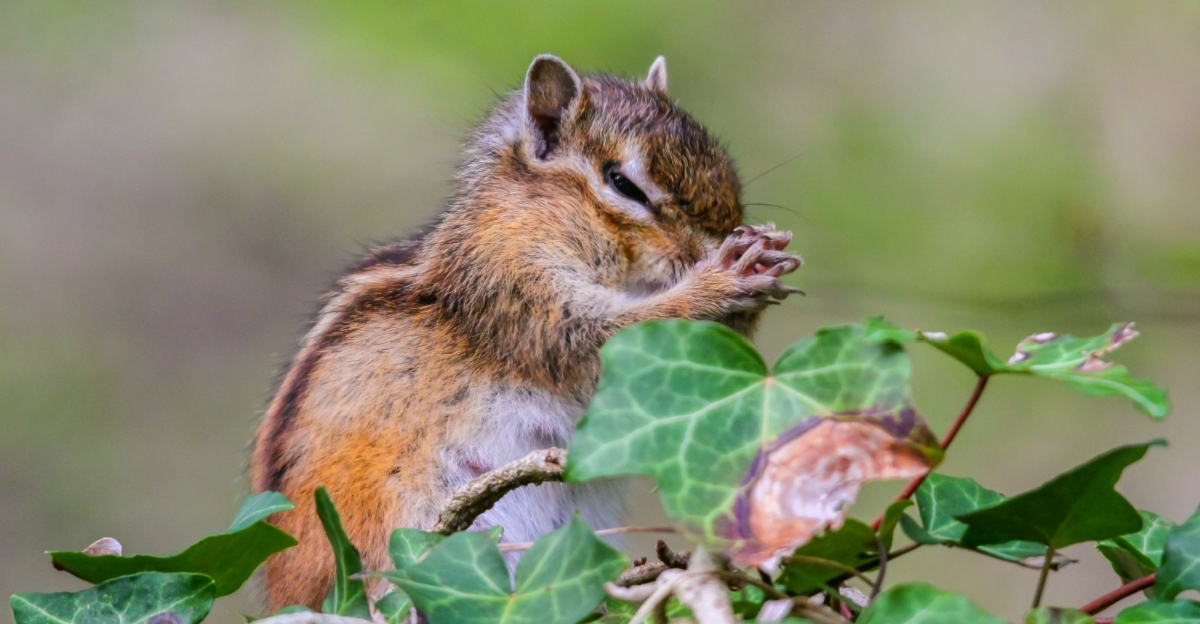
You plant your bulbs, everything looks perfect, and by morning the soil is flipped like something paid a visit overnight.
It’s a common spring surprise in Michigan, and it can leave gardeners wondering what just happened.
As the ground softens and temperatures rise, wildlife becomes more active after winter, searching for easy food sources. Freshly planted and emerging bulbs can draw attention, especially in newly worked soil.
Without seeing the culprit, it often feels like a mystery. Understanding which animals are active and why they’re drawn to your garden can make those early spring disturbances much easier to figure out.
1. Squirrels Dig Up Bulbs While Searching And Burying Food
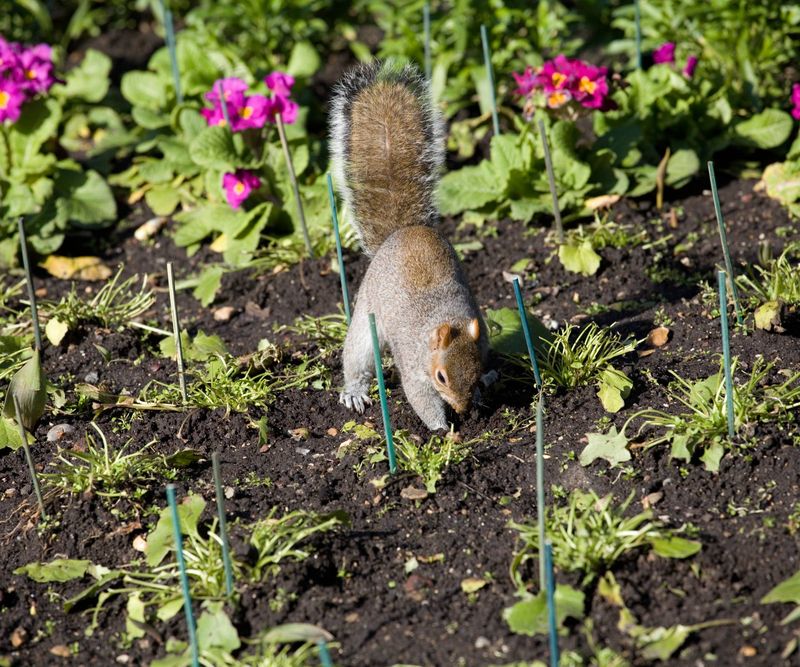
Soft spring soil is practically an open invitation for squirrels, and Michigan gardens tend to feel the effects almost immediately when the ground thaws.
Squirrels are active both in the fall and again in early spring, digging to either retrieve food they cached months earlier or to search for anything edible nearby.
Tulip and crocus bulbs are among their favorites, and they can detect them several inches below the surface using their sharp sense of smell.
The damage they leave behind is pretty recognizable. You will usually find small, clean holes about two to three inches wide, often with the bulb missing entirely or partially chewed.
Loose soil scattered around the edge of the hole is another common sign. Squirrels tend to work during daylight hours, so you might actually spot them in the act if you check your garden in the morning.
Covering freshly planted beds with wire mesh or hardware cloth just below the soil surface can help discourage digging without harming the squirrels.
Planting bulbs that squirrels tend to avoid, like daffodils or alliums, alongside more vulnerable varieties can also reduce the appeal of your Michigan garden beds during peak spring foraging season.
2. Chipmunks Disturb Soil While Foraging In Garden Beds
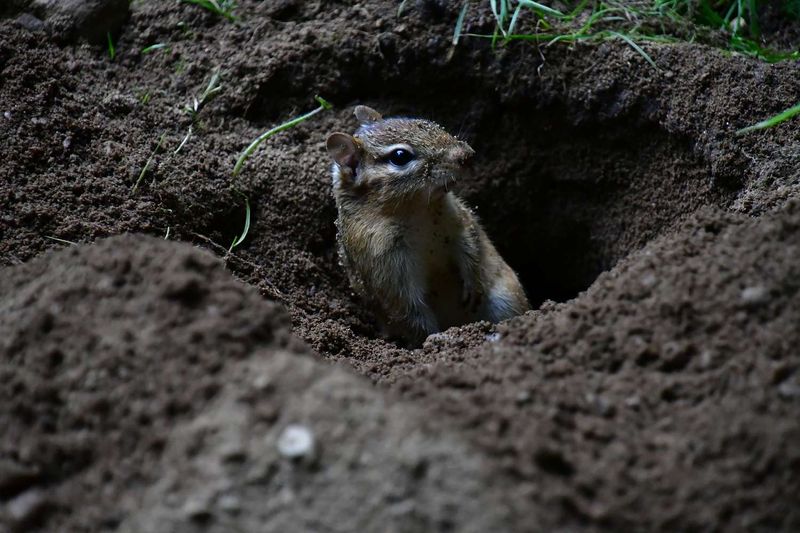
Watching a chipmunk dart across the yard looks harmless enough, but these small, energetic creatures can do a surprising amount of damage to garden beds in a short period of time.
Chipmunks emerge from their winter torpor in early spring when Michigan temperatures begin to climb, and their first priority is finding food.
Garden beds with loose, moist soil are some of the easiest places for them to dig.
Unlike squirrels, chipmunks tend to carry bulbs and seeds back to their underground burrows rather than eating them on the spot. This means you may not find the bulb near the hole at all.
Look for small entrance holes about two inches wide, often tucked along garden borders, near rocks, or at the base of shrubs. Chipmunks are fast and cautious, so catching them in the act requires patience.
One practical way to discourage chipmunk activity is to line planting beds with a layer of hardware cloth before covering with soil.
Strong-smelling repellents made from natural ingredients like peppermint or predator urine can also reduce how often chipmunks visit your Michigan garden beds through the spring foraging season.
3. Mice And Voles Feed On Bulbs Below The Surface
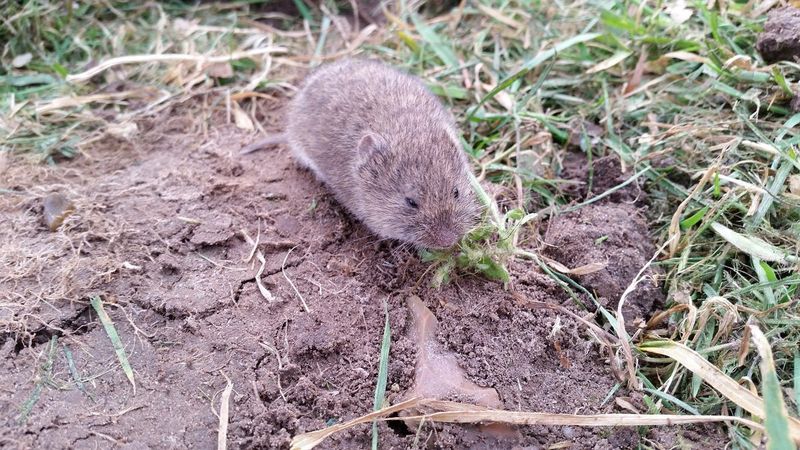
Most of the damage caused by mice and voles in Michigan gardens happens completely out of sight.
While other animals dig down from the surface, voles move through a network of tunnels just below the soil, often chewing through bulbs without ever breaking the surface.
Gardeners sometimes have no idea anything is wrong until they notice that a plant simply never emerged, or the soil feels hollow when pressed.
Voles are especially problematic in Michigan because they remain active through the entire winter under the snow.
By the time spring arrives, they have often already worked their way through sections of a garden bed.
Tulips, lilies, and crocuses are particularly vulnerable. Mice behave similarly but tend to be more active at night and may also forage along the soil surface under mulch.
Signs of vole activity include small, winding surface runways about an inch or two wide, often visible once snow melts in early spring. Pulling back mulch can reveal tunnel networks close to the surface.
Reducing thick mulch layers during fall planting can limit the cozy cover these small rodents prefer, making your Michigan garden beds a less appealing home for them through the colder months.
4. Rabbits Target Tender Spring Growth Above Ground
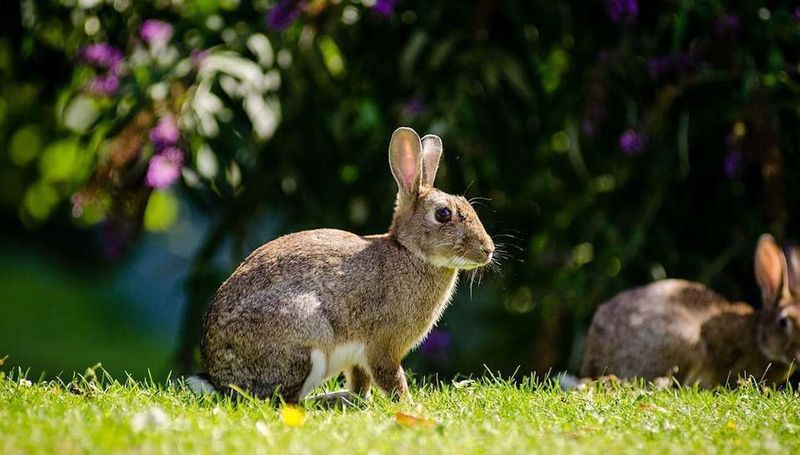
Few things are more frustrating than watching tulip shoots push through the soil only to find them neatly clipped off a few mornings later.
Rabbits are one of the most common springtime garden visitors across Michigan, and they tend to focus on the tender new growth that emerges above ground rather than digging for bulbs themselves.
The damage they cause can look surprisingly clean, almost like someone used scissors on the plant.
Eastern cottontails are the most widespread rabbit species in Michigan, and they become especially active in early spring when fresh vegetation is just beginning to emerge.
Young shoots from tulips, crocuses, and other flowering bulbs are soft, easy to chew, and nutritious after a long winter.
Rabbits often feed at dawn and dusk, which is why gardeners may not see them directly but notice the clipped stems by morning.
A simple wire fence around garden beds, standing at least two feet tall and buried a few inches into the ground, can keep rabbits from reaching your plants. Repellent sprays made from hot pepper or garlic are sometimes helpful as well.
Rotating which plants you protect each season can also reduce how frequently rabbits return to specific Michigan garden areas in spring.
5. Skunks Dig For Grubs And Uncover Bulbs Along The Way
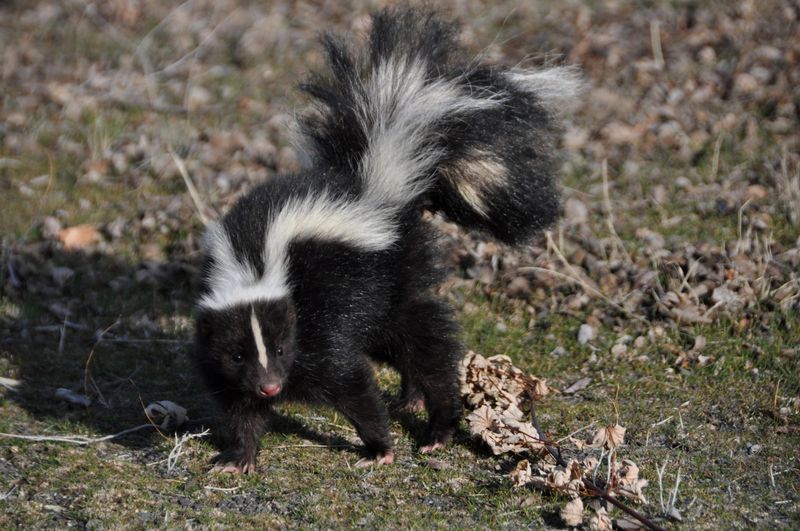
Waking up to a series of small, cone-shaped holes scattered across a Michigan garden bed is a strong sign that a skunk paid a visit overnight.
Skunks are not actually after the bulbs themselves – they are on a mission to find grubs, earthworms, and other soil insects that become more active as the ground warms in early spring.
The problem is that their digging often disturbs or exposes bulbs that happen to be in the way.
Skunk holes are usually shallow, roughly the size of a nose, and scattered somewhat randomly rather than concentrated in one spot. You will often notice the soil looks loosely tilled in patches, with small clumps of dirt pushed aside.
Skunks work almost entirely at night, so the damage appears between evening and early morning. Their presence is sometimes announced by a faint musky odor in the area, even if they did not spray.
Reducing grub populations in your lawn and garden soil through natural treatments can make your yard less attractive to skunks. Motion-activated lights or sprinklers can also discourage nighttime visits.
Laying a thin layer of hardware cloth just under the soil surface around vulnerable Michigan garden beds may help prevent the incidental bulb disturbance that comes from skunk grub-hunting activity each spring.
6. Raccoons Turn Over Soil Looking For Food In Early Spring
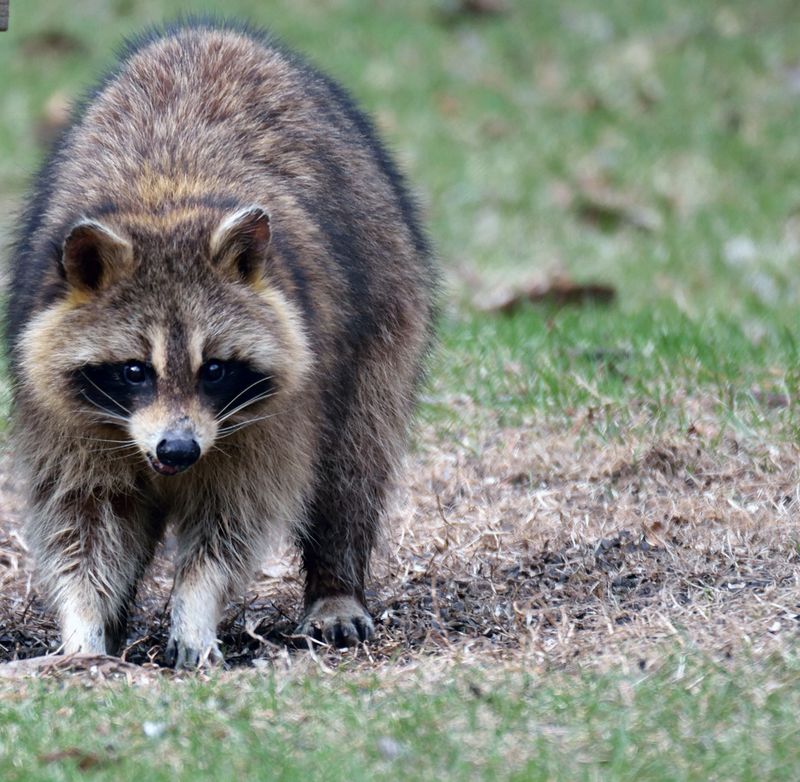
Raccoons are remarkably clever foragers, and Michigan gardens offer them a surprisingly rich food source in early spring.
As the soil warms and insects, grubs, and earthworms become more accessible near the surface, raccoons move in and use their nimble front paws to roll back sod, flip mulch, and dig through planting beds with impressive efficiency.
Bulbs often end up scattered or uprooted simply because they are in the path of the search.
The damage left by raccoons tends to look more dramatic than what other animals cause. Large sections of mulch may be overturned, soil pushed aside in wide patches, and plants pulled loose from the ground.
Raccoons are strong enough to move heavier garden materials and tend to be thorough when they find a promising spot. Activity is primarily nocturnal, with most damage occurring between midnight and early morning.
Raccoons are persistent, so deterring them requires a combination of strategies. Motion-activated lights, sprinklers, or noise devices can interrupt their nighttime routines.
Securing compost bins and removing other food attractants around your Michigan yard reduces the overall appeal of the property.
Covering freshly worked beds with a layer of chicken wire temporarily can also protect bulbs during the weeks when raccoon activity in Michigan gardens tends to peak in spring.
7. Deer Eat Emerging Shoots And Flower Buds
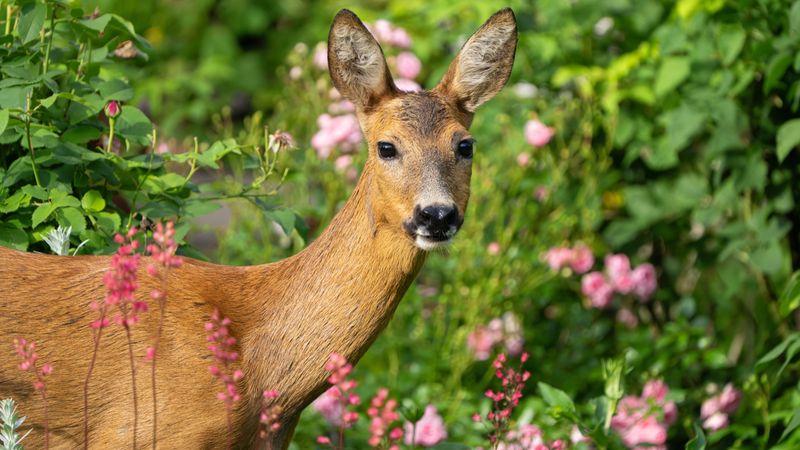
For Michigan gardeners who live near wooded areas, fields, or even suburban neighborhoods with tree corridors, deer can be one of the most consistent spring visitors.
White-tailed deer are opportunistic browsers, and the tender shoots pushing up from tulip, crocus, and hyacinth bulbs in early spring are among the freshest, most accessible food available after a long Michigan winter.
The damage they cause is different from digging animals – instead of holes, you find stems bitten off at an angle or torn unevenly.
Deer tend to visit gardens at dawn or dusk, though in quieter Michigan neighborhoods they may move through at any hour. A single deer can browse through a significant portion of a garden bed in just a few minutes.
Unlike rabbits, which make clean cuts, deer leave a rougher, torn edge on stems because they lack upper front teeth and tend to pull as they chew.
Tall fencing, at least six to eight feet high, remains one of the more reliable ways to keep deer out of Michigan garden spaces.
Motion-activated deterrents can help as well, though deer often adapt to them over time.
Planting deer-resistant varieties like daffodils, which deer tend to avoid, alongside more vulnerable bulbs can reduce how much damage occurs through the spring season.
8. Groundhogs Disturb Beds While Feeding On Nearby Plants
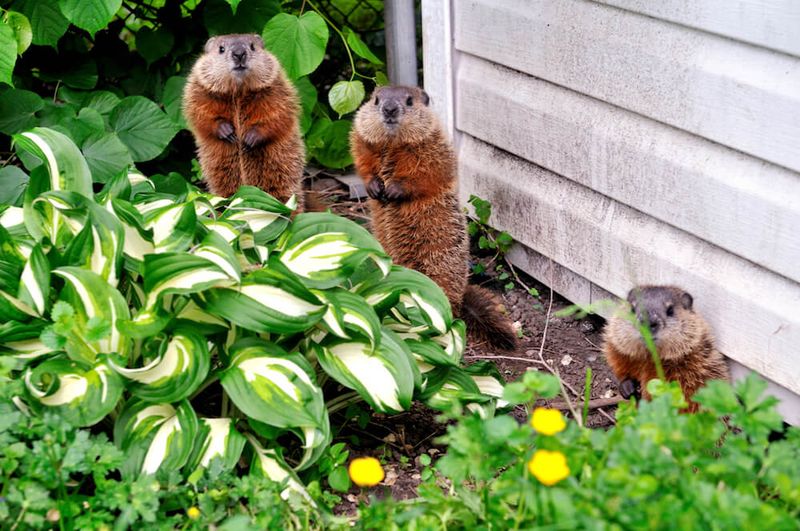
Groundhogs, sometimes called woodchucks, emerge from hibernation in Michigan right around the time spring planting is getting underway.
They are heavy eaters and spend a good portion of early spring rebuilding body weight after months of dormancy.
While they are primarily interested in leafy vegetation, their digging and burrowing activity near garden beds can disturb bulbs and loosen soil in ways that expose plants to cold air and drying conditions.
A groundhog burrow entrance is hard to miss – it is typically a large hole six to eight inches wide, often located near a structure like a shed, fence line, or garden border. The mounds of displaced soil can be substantial.
When groundhogs feed in or near garden beds, they may uproot smaller plants in the process, and their weight alone can compact or disturb freshly worked spring soil.
Trapping and relocating groundhogs is one option Michigan gardeners use, though it requires checking local regulations first.
Installing a wire mesh barrier buried at least a foot into the ground around garden beds can help prevent burrowing.
Planting strong-smelling herbs like lavender or mint around garden borders may reduce how often groundhogs venture into specific Michigan planting areas during the active spring feeding months.