These 12 Animals In Your Ohio Yard Could Be Carrying A Message Of Hope If You Look Closely
Ohio yards are full of wildlife, and some animals bring more than just activity, they can symbolize hope, renewal, and positive change.
Observing nature closely reveals patterns and behaviors that gardeners often interpret as encouraging signs. Sometimes the smallest visitors carry the biggest messages for your garden and life.
These twelve animals, from birds and butterflies to small mammals, each have unique behaviors or appearances that can inspire optimism.
Spotting them in your yard may indicate a healthy ecosystem, the arrival of spring, or simply a reminder to pause and appreciate the natural world. Understanding their roles helps gardeners connect more deeply with their surroundings.
Nature often communicates in subtle ways, if we take the time to notice. Ohio gardeners who observe and appreciate these creatures can find joy, inspiration, and a renewed sense of connection to their gardens.
Look closely in your yard and discover hope in the wildlife around you.
1. Eastern Bluebird
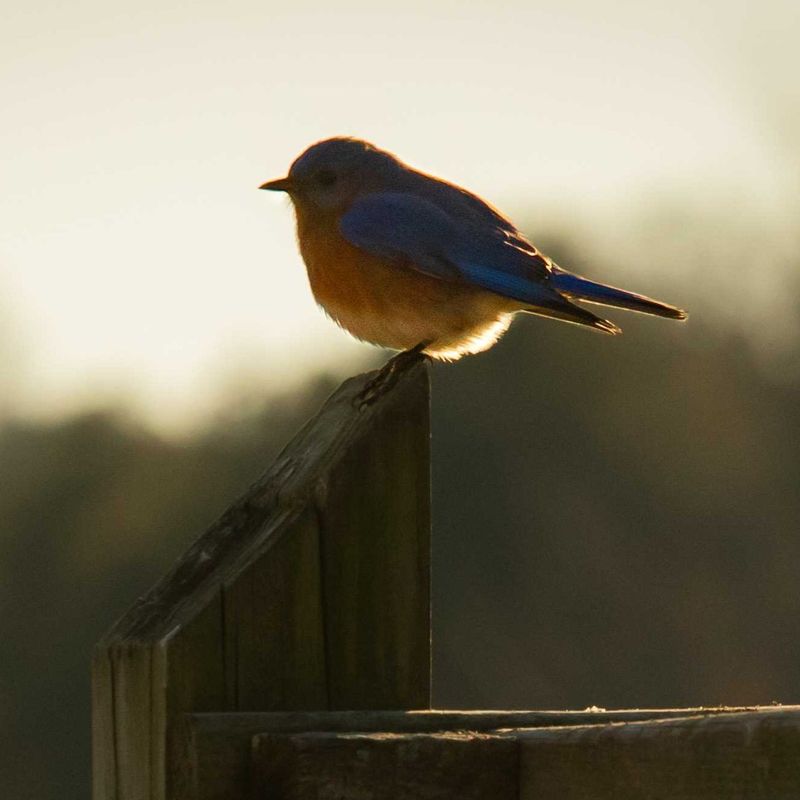
Spotting an Eastern Bluebird flitting through your Ohio yard is like receiving a personal congratulations from nature itself.
With their brilliant blue backs and rusty-orange chests, these stunning songbirds are more than just beautiful – they’re living proof that your outdoor space is thriving with insect life.
Bluebirds feast primarily on beetles, caterpillars, grasshoppers, and other bugs, so when they choose your property as a hunting ground, it means you’ve got a healthy, pesticide-free environment teeming with the protein-rich food they need to raise their families.
These cavity-nesting birds prefer open spaces with scattered trees and short grass, which makes many Ohio backyards perfect bluebird habitat.
If you’re lucky enough to have them around, it’s a sign that your lawn management practices are creating ideal foraging conditions.
They love perching on fence posts, power lines, or low branches, scanning the ground below for tasty insects moving through the grass. Encouraging bluebirds is easier than you might think.
Installing a bluebird nest box with the proper entrance hole size can attract nesting pairs during breeding season.
Keeping some areas of your lawn mowed short while leaving other sections a bit wilder creates the diverse habitat structure bluebirds adore.
When these cheerful birds settle into your yard, they’re telling you that your outdoor space supports a balanced, insect-rich ecosystem that benefits countless other species too.
2. American Goldfinch
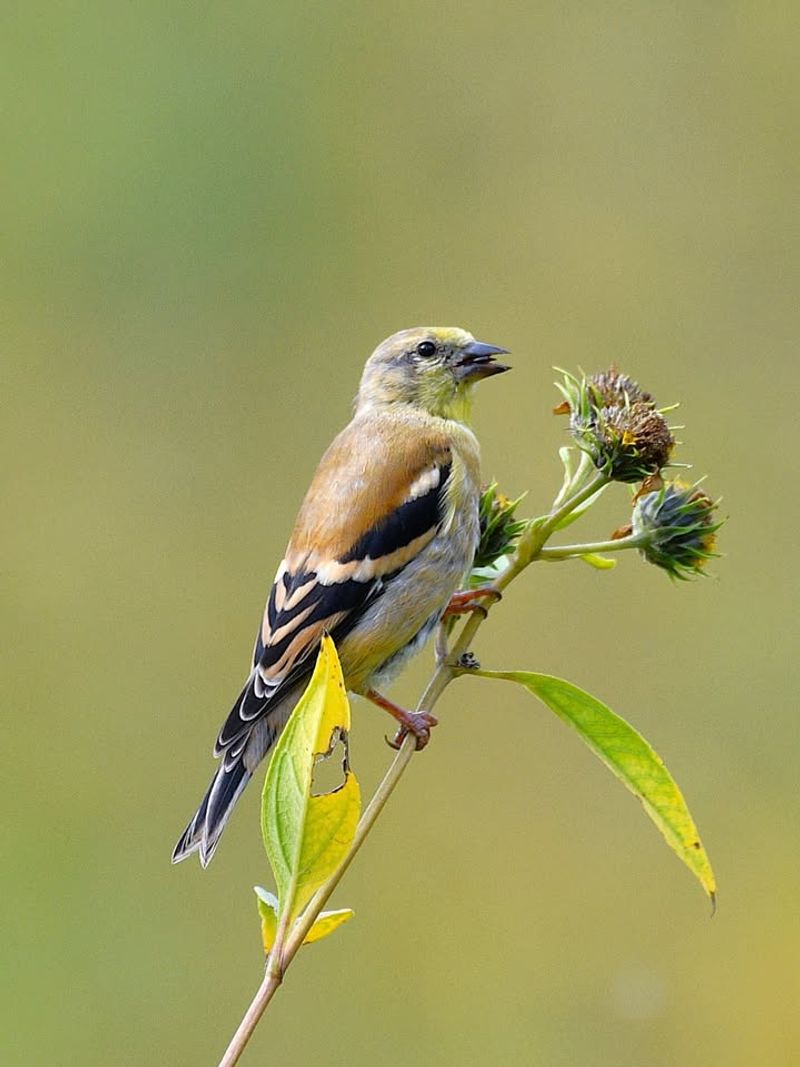
When American Goldfinches arrive in your yard wearing their brilliant yellow summer plumage, they’re broadcasting wonderful news about your garden’s plant diversity.
Often called “wild canaries” for their stunning color and cheerful flight calls, these small finches are seed specialists with very particular tastes.
They gravitate toward native seed-producing plants like purple coneflowers, black-eyed Susans, sunflowers, asters, and thistles, so their presence means you’ve created a naturalized space that supports Ohio’s indigenous flora.
Goldfinches have a unique nesting schedule compared to most songbirds – they wait until late summer when native plants are producing abundant seeds.
This timing ensures plenty of food for their growing chicks, who are fed regurgitated seeds rather than insects.
Watching goldfinches cling acrobatically to swaying seedheads, expertly extracting nutrition, is both entertaining and reassuring that your garden is functioning as a mini wildlife preserve.
If you want to encourage more goldfinches, resist the urge to deadhead all your flowers in late summer. Leaving seedheads standing through fall and winter provides natural food sources that goldfinches depend on.
Native plant gardens with a variety of blooming times ensure continuous seed production throughout the seasons. These charming birds also appreciate fresh water for bathing, so a simple birdbath becomes a goldfinch magnet.
Their presence confirms that your yard is contributing to pollinator health and native plant preservation in your Ohio community.
3. Monarch Butterfly
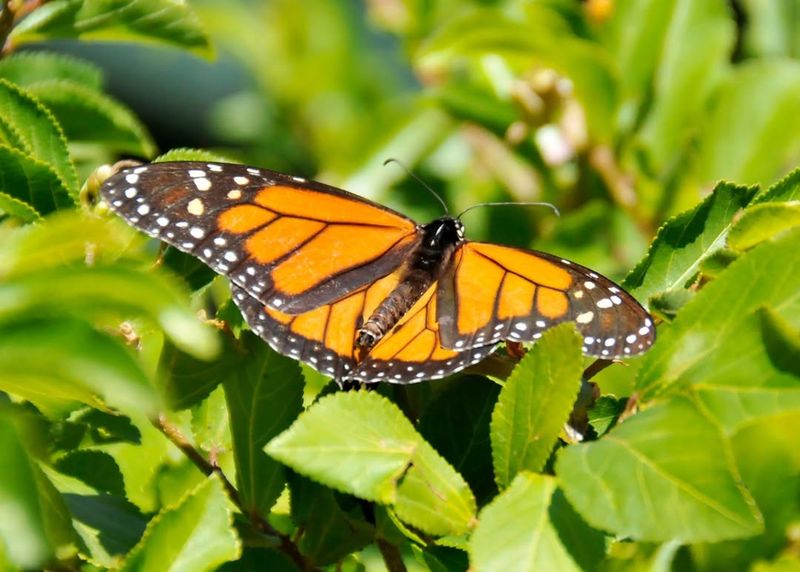
Few sights inspire more hope than a Monarch butterfly floating gracefully through your Ohio yard, its distinctive orange and black wings catching the sunlight.
These iconic pollinators are famous for their incredible multi-generational migration spanning thousands of miles, but when they visit your garden, they’re delivering a very specific message: you’re supporting critical habitat for threatened pollinator species.
Monarchs have one absolute requirement – milkweed plants – where they lay their eggs and their caterpillars feed exclusively.
Finding Monarchs in your yard means you’ve either planted milkweed intentionally or allowed native milkweed species to flourish naturally.
Common Milkweed, Swamp Milkweed, and Butterfly Weed are all native to Ohio and provide essential resources for Monarch reproduction.
Adult butterflies also need nectar sources from a variety of flowering plants throughout the growing season, so Monarch visits indicate good overall plant diversity and a pesticide-free environment where pollinators can thrive safely.
Creating Monarch habitat has become increasingly important as their populations have declined dramatically in recent decades due to habitat loss.
By welcoming these butterflies into your yard, you’re participating in a continent-wide conservation effort. Planting multiple milkweed species along with native nectar plants like Joe-Pye Weed, goldenrod, and asters creates a pollinator paradise.
When you spot Monarch caterpillars munching milkweed leaves or chrysalises hanging like jade jewels from stems, you’ll know your yard is making a genuine difference for one of nature’s most remarkable travelers.
4. Eastern Cottontail Rabbit
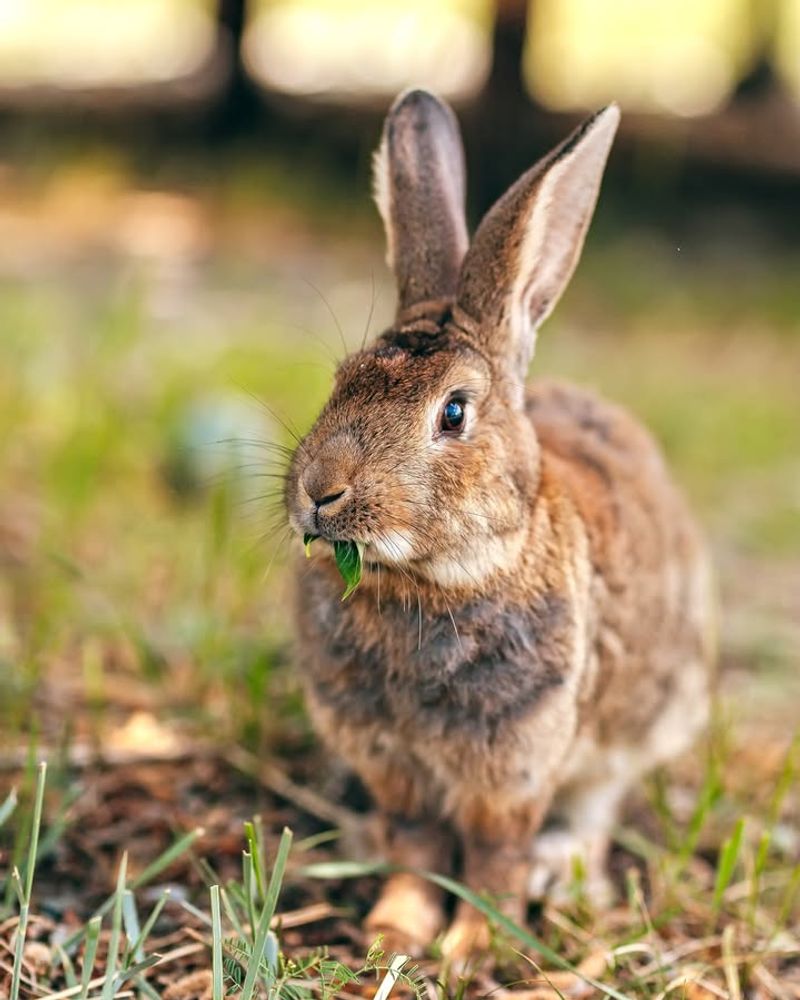
That adorable bunny nibbling clover in your yard at dawn might seem like just a cute visitor, but Eastern Cottontail Rabbits are actually telling you something important about your property.
These small mammals need specific habitat features to survive – adequate ground cover, brush piles, thick vegetation, and safe spaces to hide from predators.
When cottontails make your yard part of their territory, it means you’ve created or maintained the kind of sheltered, vegetation-rich environment that supports not just rabbits but countless other small creatures too.
Cottontails are most active during twilight hours, and spotting them regularly suggests your yard offers the diverse habitat structure they need to feel secure.
They prefer areas with a mix of open spaces for feeding and dense cover for protection, often sheltering in tall grass, under shrubs, or in brush piles during the day.
Their presence indicates that your landscaping choices support natural ecosystem functions rather than creating sterile, manicured spaces where wildlife can’t flourish.
While rabbits will certainly sample your garden vegetables if given the chance, their overall presence benefits your yard’s ecological health. They’re an important food source for predators like foxes, hawks, and owls, helping maintain balanced food webs.
Encouraging rabbit-friendly habitat doesn’t mean sacrificing your garden – simple fencing around vegetable beds protects your produce while still allowing rabbits to thrive in other areas.
When you see cottontails hopping through your Ohio yard, appreciate them as indicators that your outdoor space provides the shelter and safety that healthy ecosystems require.
5. White-Tailed Deer
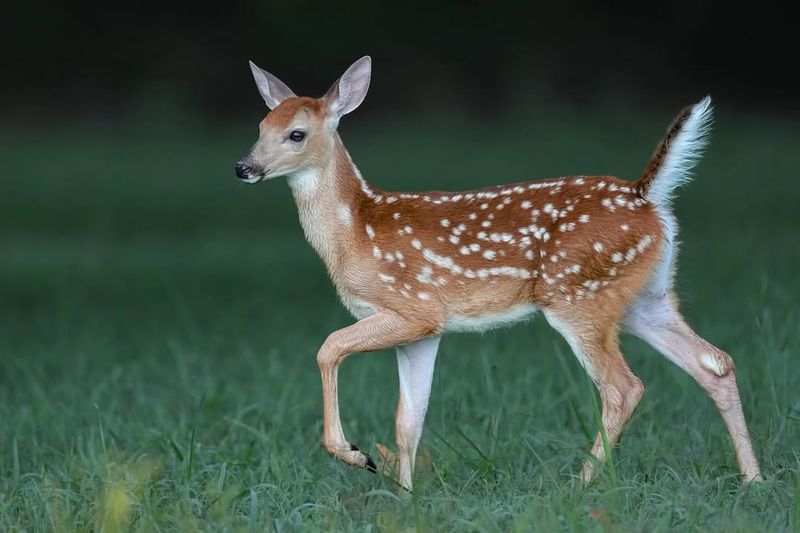
White-tailed Deer appearing in your Ohio yard deliver a complex message about local ecosystems – one that speaks to both habitat health and the delicate balance nature requires.
These graceful mammals indicate that your property sits near healthy forest-edge habitats where woodland areas transition into more open spaces.
Deer are edge specialists, preferring areas where they can browse on a variety of plants while maintaining quick access to protective tree cover.
Their presence confirms that your neighborhood retains some of the natural landscape connectivity that wildlife needs to move safely through developed areas.
Watching deer browse through your yard at dusk is undeniably magical, but their message comes with an important caveat about balance.
In many Ohio areas, deer populations have grown beyond what the habitat can sustainably support due to reduced predator numbers and abundant food sources.
While individual deer sightings indicate nearby natural areas, very frequent visits or large groups might signal overpopulation, which can lead to overgrazing that harms plant diversity and forest regeneration.
Supporting healthy deer populations means understanding your role in the larger ecosystem picture. If deer are browsing your garden plants heavily, it might indicate they’re running short on natural food sources – a sign that habitat management is needed.
Planting deer-resistant native species, protecting vulnerable plants with fencing, and supporting conservation efforts that maintain balanced wildlife populations all help.
When deer visit occasionally without causing excessive browse damage, it suggests a relatively healthy equilibrium between wildlife needs and available habitat resources in your Ohio community.
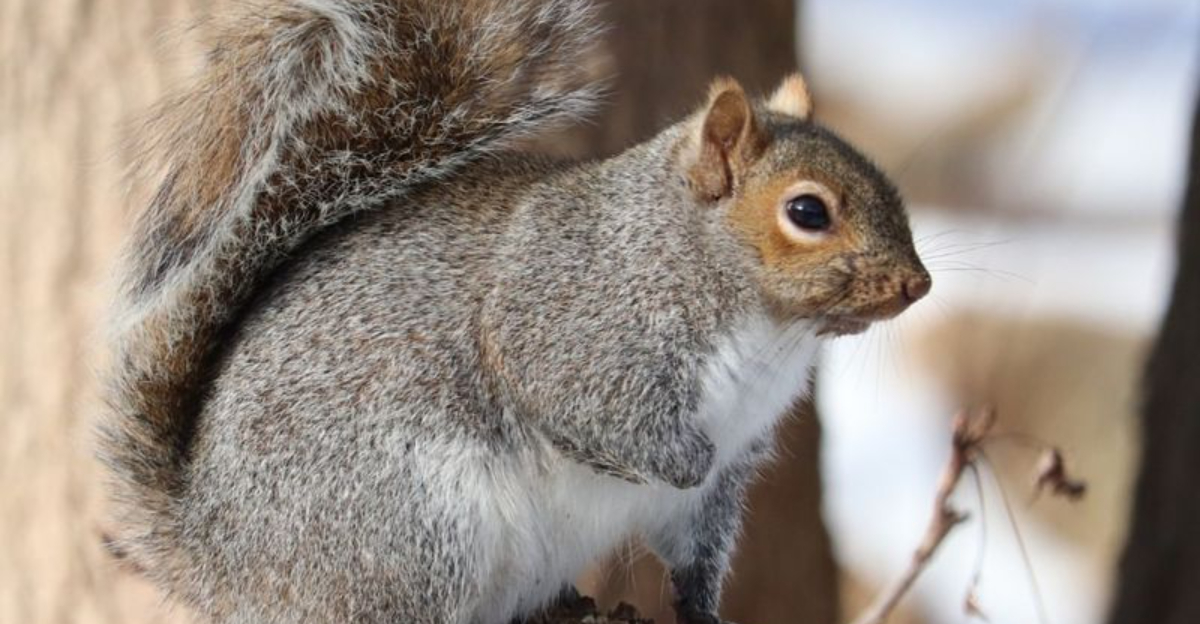
6. Eastern Gray Squirrel
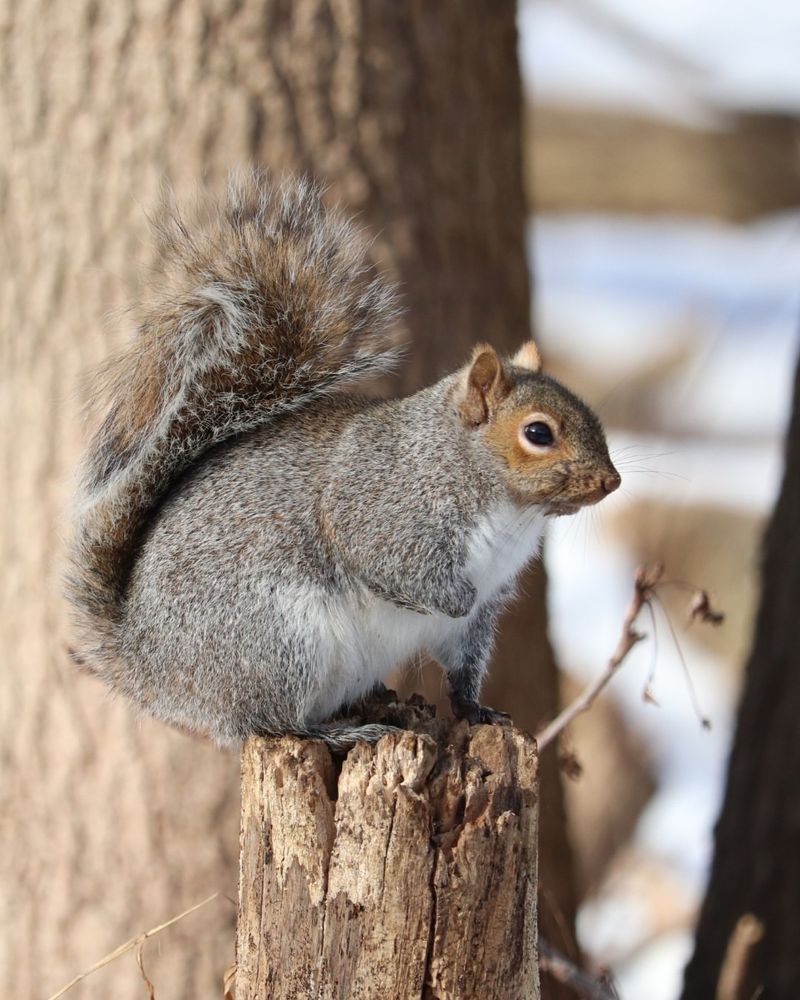
Those acrobatic Eastern Gray Squirrels performing aerial stunts between your trees aren’t just entertaining – they’re actually nature’s way of giving your yard a thumbs-up for tree health and habitat quality.
Gray squirrels need mature trees that produce abundant nuts and seeds, particularly oaks, hickories, walnuts, and beeches.
When squirrels have established territories in your yard, it’s a reliable indicator that you’ve got established trees producing the mast crops these resourceful rodents depend on throughout the year, especially during harsh Ohio winters.
Squirrels are remarkably intelligent and adaptable, but they still require specific habitat features to thrive. They build leafy nests called dreys high in tree branches or use natural tree cavities for shelter and raising young.
Active squirrel populations suggest your trees are old enough and healthy enough to provide both food and secure nesting sites.
Their constant activity – burying nuts, stripping seeds from pinecones, and chasing each other through branches – also contributes to forest regeneration as many cached nuts are never retrieved and eventually sprout into new trees.
While squirrels can sometimes be feisty competitors at bird feeders, their presence benefits your yard’s overall ecosystem health. They’re prey for hawks, owls, and foxes, supporting predator populations.
Their digging and burying behavior helps aerate soil and plant seeds.
If you’re seeing healthy squirrel activity in your Ohio yard, it confirms that your property supports the kind of mature, diverse tree canopy that benefits countless other wildlife species, from songbirds to insects to fungi.
7. Red Fox
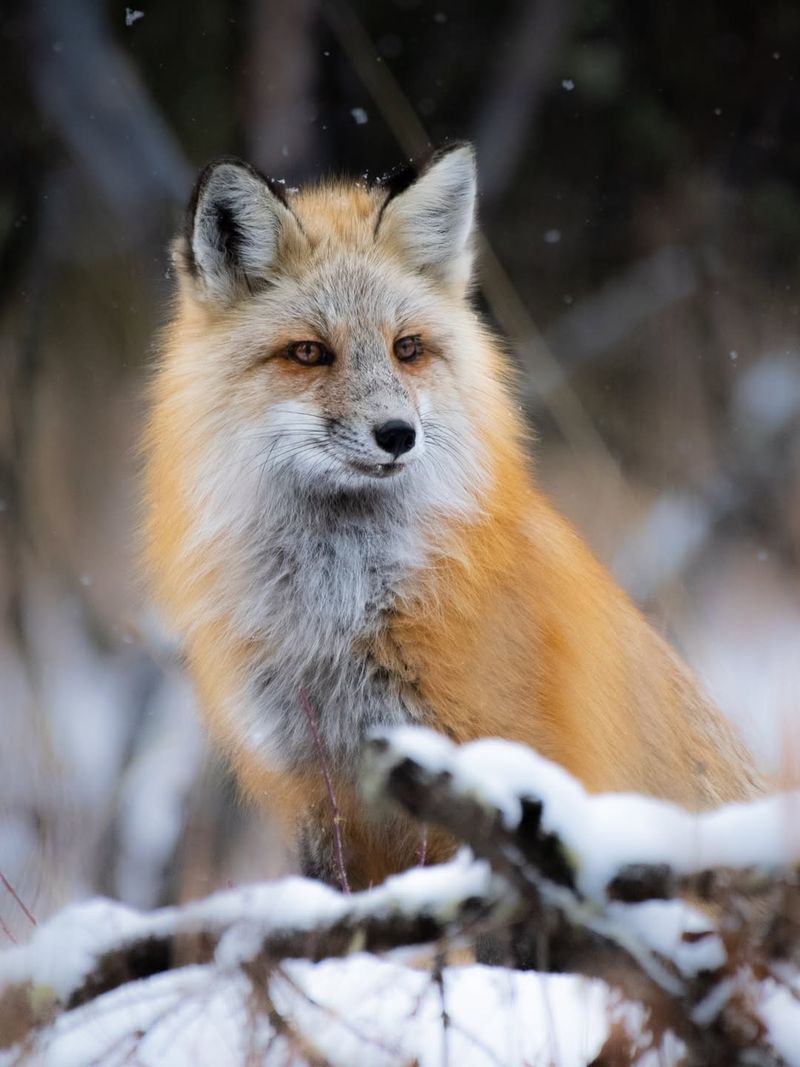
Catching a glimpse of a Red Fox trotting through your Ohio yard is an extraordinary experience that carries a powerful ecological message.
Foxes are mid-level predators that require functioning food webs to survive, so their presence indicates that your local ecosystem maintains the balanced predator-prey relationships necessary for overall health.
Red Foxes primarily hunt small mammals like mice, voles, rabbits, and squirrels, meaning their appearance suggests abundant prey populations – which in turn indicates healthy plant communities that support those prey species.
Unlike many predators that have disappeared from suburban and urban areas, Red Foxes have adapted remarkably well to living near humans while maintaining their wild nature.
They’re typically most active during dawn and dusk, though you might occasionally spot one during daylight hours, especially when they’re raising kits in spring.
Fox sightings in residential areas don’t necessarily mean the animals are habituated or problematic – they’re simply using the habitat corridors and resources available to them, which often include yards with good cover, water sources, and abundant prey.
Foxes provide valuable pest control services by keeping rodent populations in check naturally, which benefits gardeners and homeowners alike.
Their presence indicates that your neighborhood has retained enough natural habitat connectivity to support wildlife that needs larger territories and varied resources.
If you’re fortunate enough to have foxes visiting your Ohio property, consider it a sign that local ecosystems are functioning well enough to support these beautiful, intelligent predators.
Observing them from a respectful distance and allowing them to go about their business undisturbed helps maintain the healthy balance they represent.
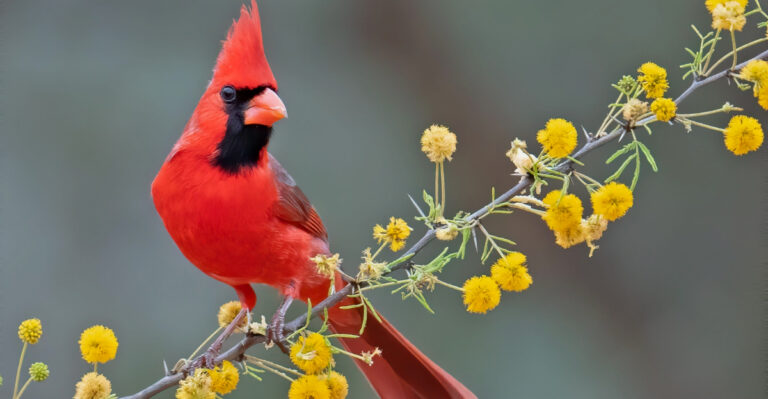
8. Northern Cardinal
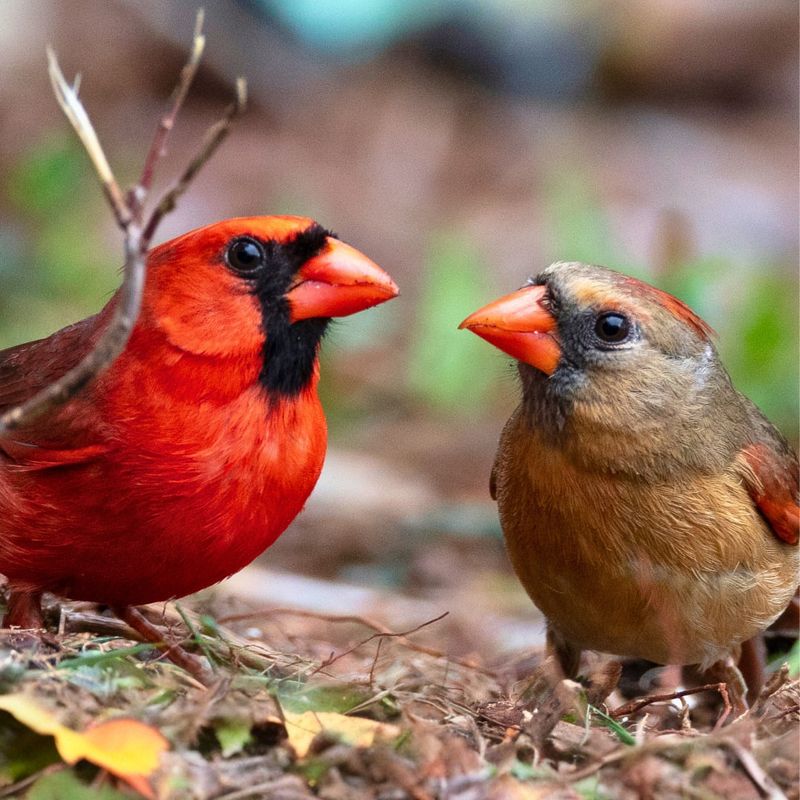
Northern Cardinals are among Ohio’s most beloved backyard birds, and for good reason – their brilliant red plumage brightens even the dreariest winter day.
But beyond their obvious beauty, cardinals visiting your yard are messengers of habitat quality, particularly when it comes to shrub layers and native plant diversity.
These non-migratory songbirds thrive in areas with dense shrubs, thickets, and understory vegetation where they can nest securely and find both seeds and insects throughout the year.
Cardinal presence confirms that your yard provides the structural diversity that many bird species need but often lack in overly manicured landscapes.
Cardinals are ground foragers that also feed in shrubs and low trees, eating seeds, berries, and insects depending on the season.
They’re particularly fond of native plants like dogwoods, viburnums, serviceberries, and elderberries, which provide both nesting sites and food sources.
If cardinals are regular visitors or residents in your Ohio yard, it means you’ve either intentionally or accidentally created the kind of layered habitat structure that mimics natural forest edges – exactly what these birds evolved to use.
Encouraging cardinals is straightforward and benefits numerous other species simultaneously.
Planting native shrubs in clusters creates the dense cover cardinals prefer for nesting, while allowing some areas to grow a bit wild provides the tangled vegetation they love.
Cardinals also appreciate sunflower seeds at feeders and fresh water for drinking and bathing.
When you hear their distinctive cheerful whistles echoing through your yard year-round, you’ll know your landscaping choices are supporting one of Ohio’s most iconic bird species and the broader ecosystem it represents.
9. Painted Turtle
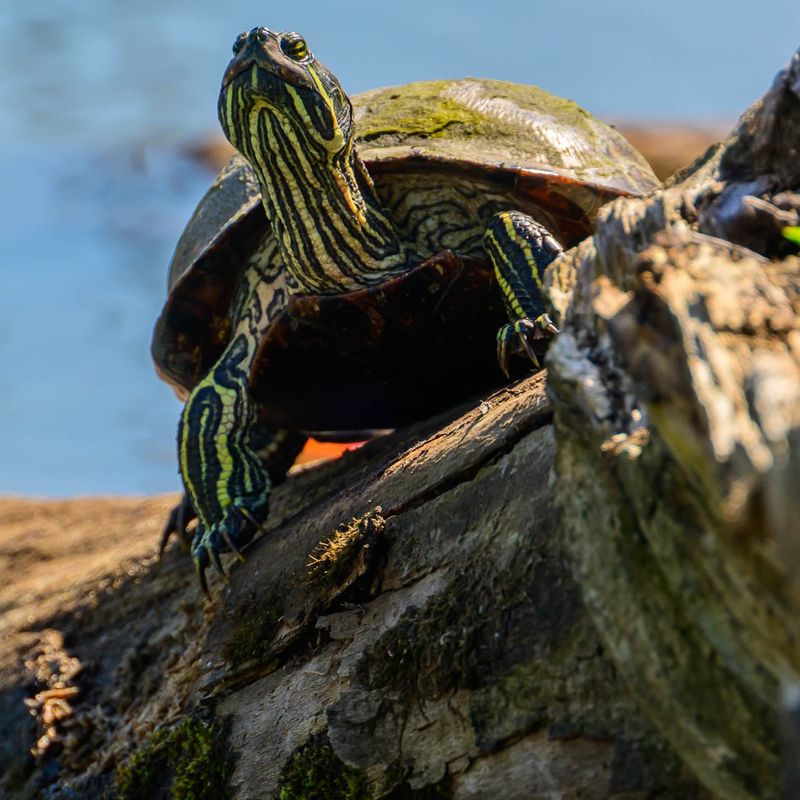
Discovering a Painted Turtle basking on a log near your pond or wandering through wet areas of your Ohio yard is like finding a living water quality certificate.
These colorful reptiles with their distinctive yellow and red markings are aquatic habitat specialists that require clean, healthy water systems to survive.
Painted Turtles feed on aquatic plants, insects, small fish, and other water-dwelling creatures, so their presence indicates that your pond, stream, or wetland area supports diverse aquatic life and maintains good enough water quality for these sensitive reptiles.
Turtles are excellent ecosystem indicators because they’re sensitive to pollution, habitat degradation, and water quality issues that might not be immediately visible to human observers.
If Painted Turtles have taken up residence near your water features, it suggests that your aquatic habitat provides clean water, adequate food sources, suitable basking sites, and safe nesting areas.
They need a combination of aquatic and terrestrial habitats – water for feeding and shelter, and sandy or soft soil areas for laying eggs in late spring and early summer.
Supporting healthy turtle populations means maintaining naturalized pond edges with logs or rocks for basking, preserving native aquatic vegetation, and avoiding chemical treatments that can harm water quality.
If you have a pond or live near wetlands, resist the urge to over-manage these areas – allowing natural processes to function supports turtles and countless other species.
Female turtles sometimes travel considerable distances from water to find nesting sites, so if you spot one crossing your yard during late spring, she’s likely on an important reproductive mission.
Painted Turtles in your Ohio yard confirm that your water features are functioning as healthy, vibrant ecosystems.
10. Eastern Box Turtle
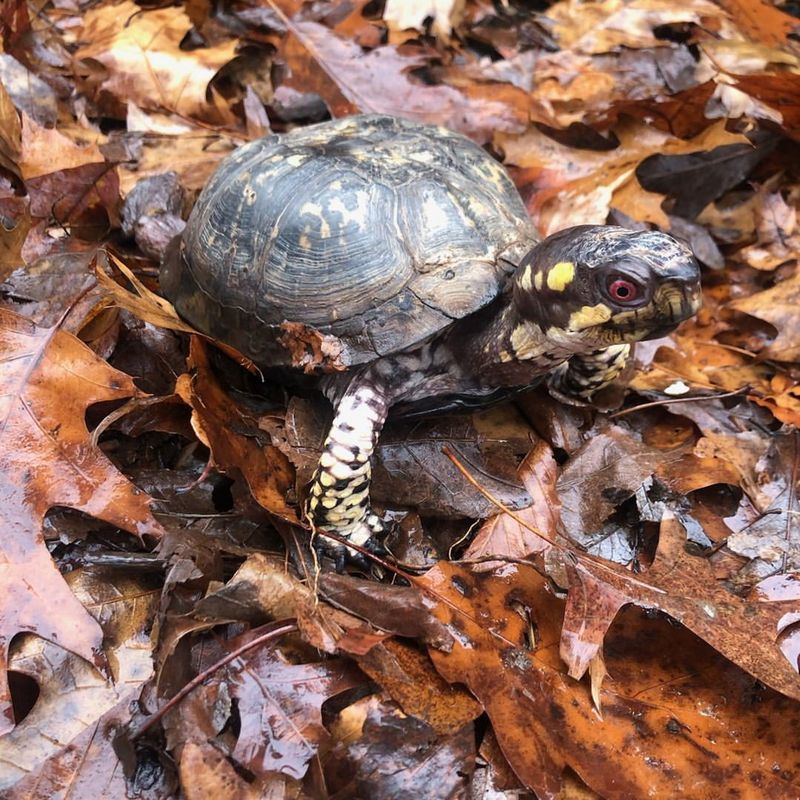
Encountering an Eastern Box Turtle slowly making its way through your Ohio yard is a genuinely special experience that speaks volumes about your property’s ecological integrity.
These terrestrial turtles are increasingly uncommon due to habitat loss, and their presence indicates that your yard maintains undisturbed areas with natural soil conditions and abundant leaf litter.
Box turtles spend most of their time on land rather than in water, foraging through woodland floors and meadows for mushrooms, berries, insects, and other small creatures.
They need moist, shaded areas with plenty of ground cover where they can burrow into soil and leaf litter to regulate their temperature and stay hidden from predators.
Box turtles are remarkably long-lived – individuals can survive for decades in the wild – but they’re also extremely vulnerable to habitat fragmentation and disturbance.
Finding one in your yard suggests that your property is part of a larger landscape that still supports these slow-moving reptiles.
They have small home ranges that they remain loyal to throughout their lives, so a box turtle in your yard has likely been living in your immediate area for years, quietly going about its business in the leaf litter and undergrowth.
Protecting box turtle habitat means preserving natural ground layers rather than removing all fallen leaves and dead plant material.
These organic layers create the moist, sheltered microhabitats box turtles depend on, while also supporting countless invertebrates and fungi that turtles eat.
If you find a box turtle in your yard, resist the temptation to relocate it – these turtles have strong site fidelity and removing them from their home territory is harmful.
Instead, celebrate their presence as confirmation that your Ohio yard supports the kind of undisturbed, biodiverse habitat that’s becoming increasingly rare.
11. Honeybee
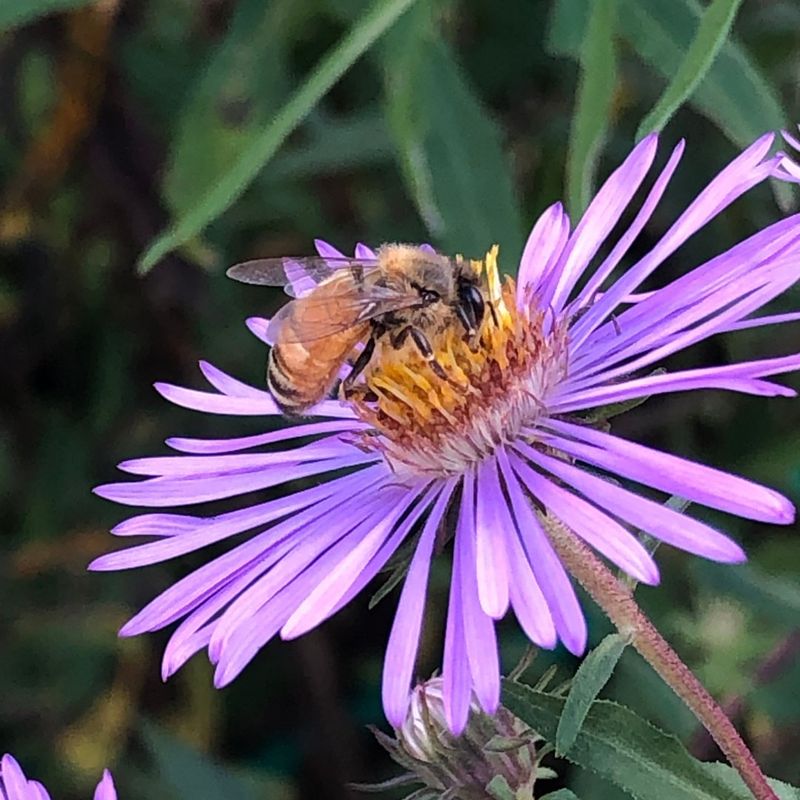
Watching honeybees buzzing industriously from flower to flower in your Ohio yard is witnessing one of nature’s most important relationships in action.
These hardworking pollinators are telling you something wonderful: your garden is filled with the kinds of flowering plants that support pollinator health and contribute to broader ecosystem functioning.
Honeybees visit flowers to collect nectar and pollen, and their presence indicates that your yard is providing consistent blooms throughout the growing season – exactly what struggling pollinator populations desperately need in our increasingly developed landscapes.
Honeybees are generalist foragers, meaning they visit a wide variety of flowering plants rather than specializing on just one or two species.
When you see them actively working your garden, it confirms that you’ve created diverse plantings with overlapping bloom times.
They’re particularly attracted to blue, purple, and yellow flowers, and they prefer plants with simple, open flower structures that make nectar and pollen easily accessible.
Native plants like asters, goldenrod, mountain mint, and bee balm are honeybee magnets, as are many herbs like lavender, oregano, and thyme.
Supporting honeybees and other pollinators has never been more critical, as these insects face numerous challenges including habitat loss, pesticides, and diseases. Creating pollinator-friendly spaces in your Ohio yard makes a genuine difference.
Planting a variety of native flowers, avoiding pesticide use (especially during blooming periods), and providing water sources all help.
When honeybees are regular visitors to your garden, you’re not just growing beautiful flowers – you’re maintaining a vital link in the food web that supports birds, other insects, and the plants that depend on pollination.
Your yard becomes part of a pollinator highway that benefits your entire community.
12. Great Horned Owl
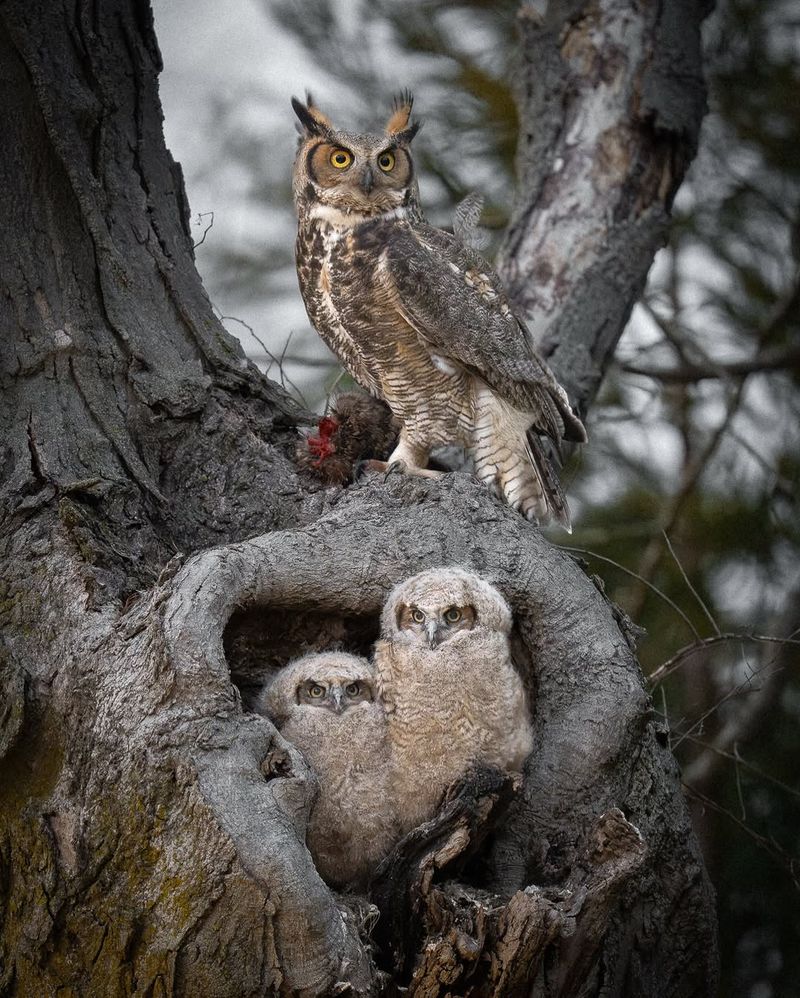
Hearing the deep, resonant hoots of a Great Horned Owl echoing through your Ohio yard at night is an unforgettable experience that carries profound ecological meaning.
These powerful nocturnal predators are apex hunters in suburban and rural landscapes, and their presence indicates that your local environment supports a complete, functioning food web.
Great Horned Owls prey primarily on rodents – rats, mice, voles, and squirrels – along with rabbits and other small mammals.
When these magnificent birds establish territories that include your property, they’re confirming that prey populations are healthy and balanced enough to sustain top predators.
Great Horned Owls require specific habitat features to thrive, particularly large trees for roosting and nesting.
They don’t build their own nests but instead use abandoned hawk, crow, or squirrel nests high in mature trees.
Wooded yards or properties near forest patches provide ideal owl habitat, especially when combined with open hunting areas like fields or lawns where they can spot prey.
Their presence suggests that your neighborhood has retained enough mature trees and natural areas to support these large raptors, which need substantial territories and undisturbed nesting sites.
Beyond their ecological importance, Great Horned Owls provide valuable natural pest control by keeping rodent populations in check.
A single owl family can consume hundreds of mice and rats throughout the year, reducing the need for harmful rodenticides.
If you’re lucky enough to have these owls in your Ohio yard, you can encourage them by preserving large trees, maintaining natural areas, and avoiding outdoor lighting that disrupts their nocturnal hunting.
When you hear their haunting calls or spot their distinctive ear tufts silhouetted against the twilight sky, appreciate them as living proof that your landscape supports the full spectrum of wildlife from tiny insects to magnificent predators.